Our verdict
In the village of Azé in southern Burgundy, Le Relais des Grottes sits close to the prehistoric caves that define this corner of the Mâconnais. The restaurant draws on the agricultural produce and wine culture of a region that has quietly sustained serious French cooking for generations — a place where the sourcing story is embedded in the terrain itself. For travellers moving through this stretch between Lyon and Beaune, it occupies a distinct position in Azé's limited dining offer.

Pearl is the En Primeur Club membership app — saves, bookings, and concierge access live there. Same editors, same standards.
- Address
- 26 Pl. du Cèdre, 71260 Azé, France
- Phone
- +33385307434
- Hours
- Mon–Tue 9 AM–3:30 PMWed ClosedThu–Sun 9 AM–3:30 PM, 6–11 PM
- Website
- facebook.com
- Directions
- Get directions
Southern Burgundy's Sourcing Tradition and Where Azé Fits In
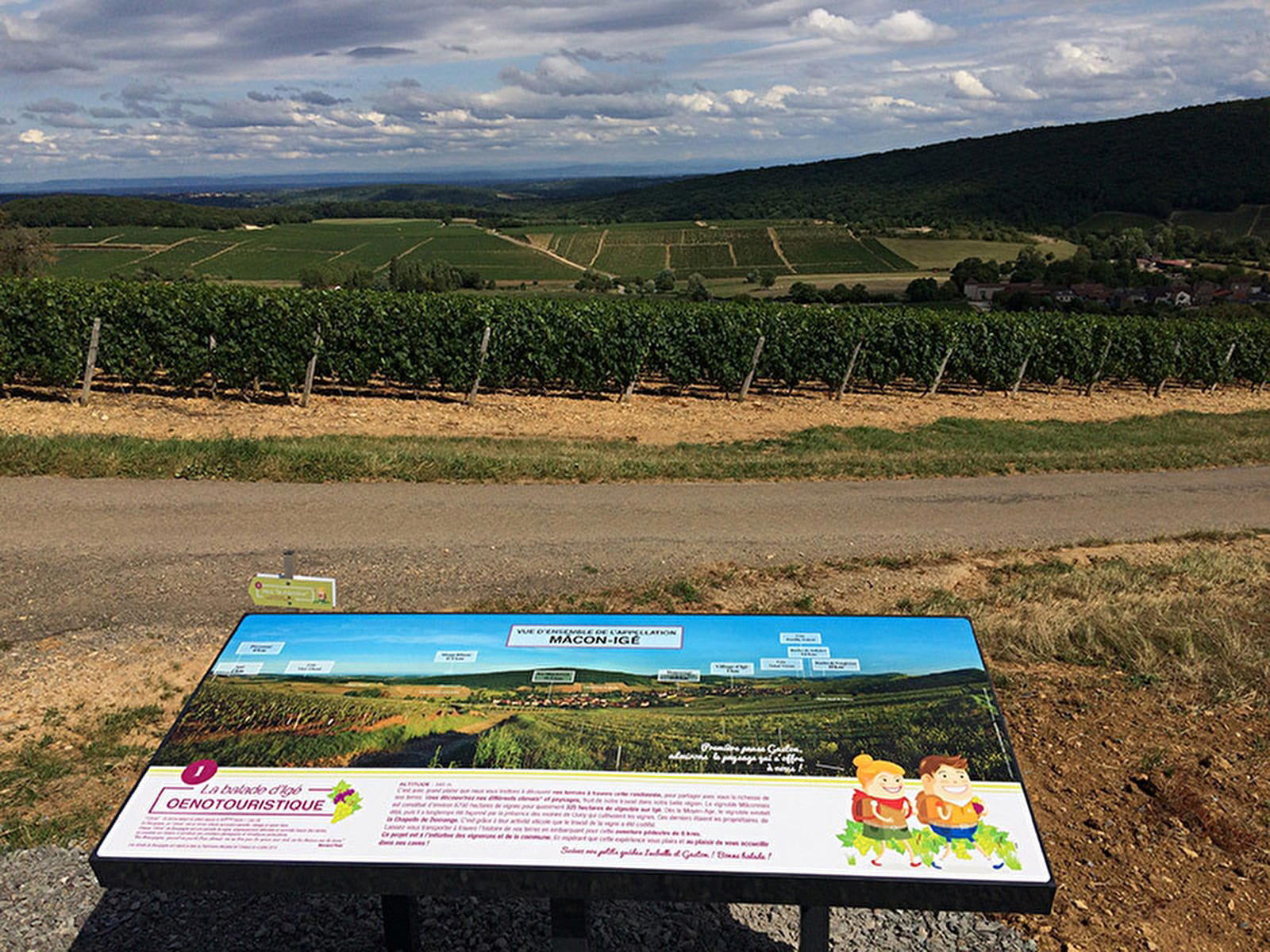
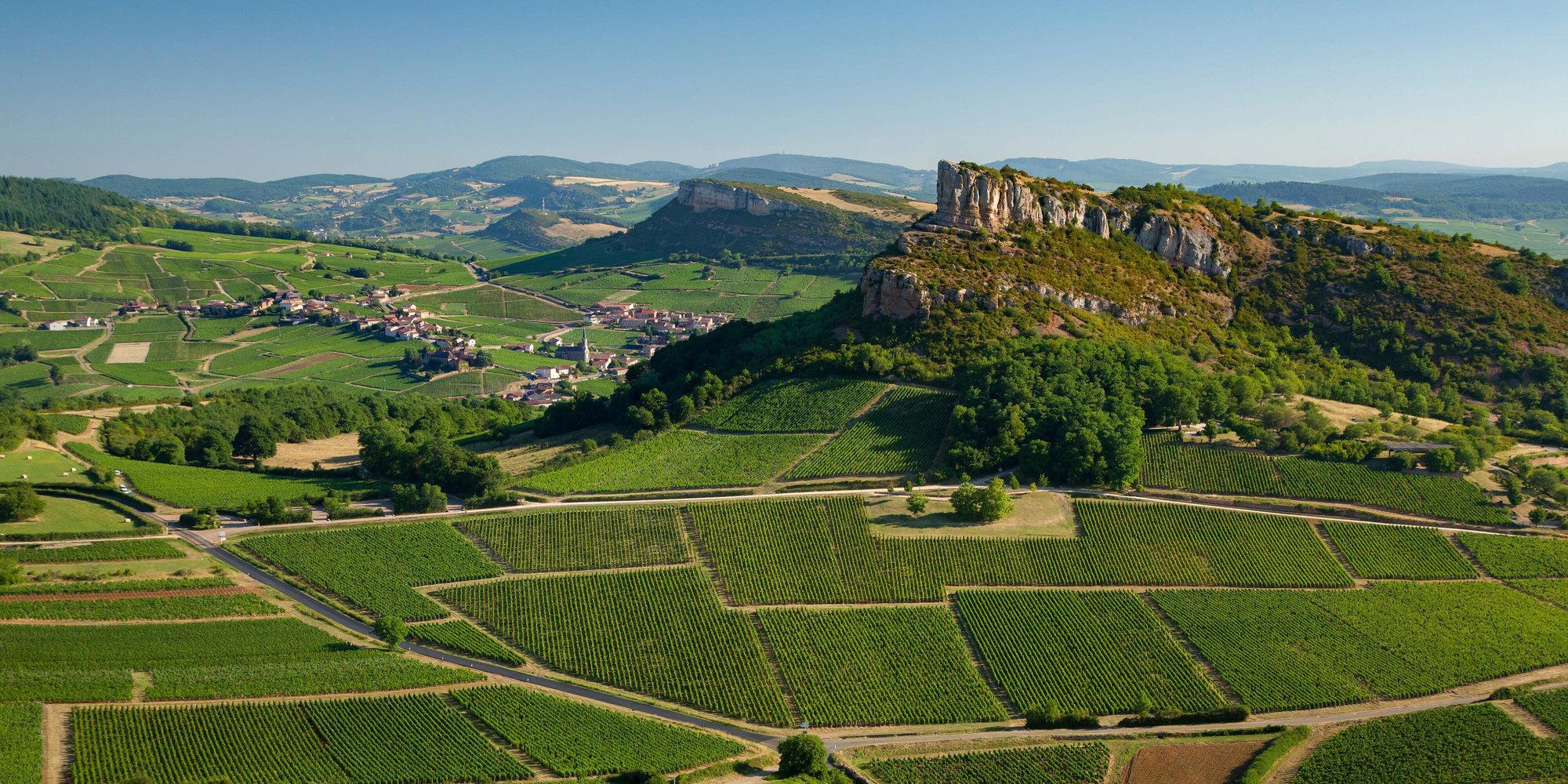
The Mâconnais sits at the southern edge of Burgundy, a stretch of limestone hills and river valleys that produces Chardonnay of genuine character and raises livestock on pasture that has fed French tables for centuries. This is not the high-profile Burgundy of Gevrey-Chambertin or Nuits-Saint-Georges, where cellar doors draw international collectors. It is quieter, more agricultural, and — for that reason — more representative of how provincial French cooking actually works: ingredient-first by necessity, rooted in what the immediate land provides rather than in what a metropolitan supply chain can deliver overnight. Le Relais des Grottes operates in this context, in the village of Azé, where the main cultural draw is the network of prehistoric caves (the Grottes d'Azé) carved through the same limestone that gives the local Mâcon-Villages whites their mineral register. See our full Aze restaurants guide for broader context on what this village offers visitors.
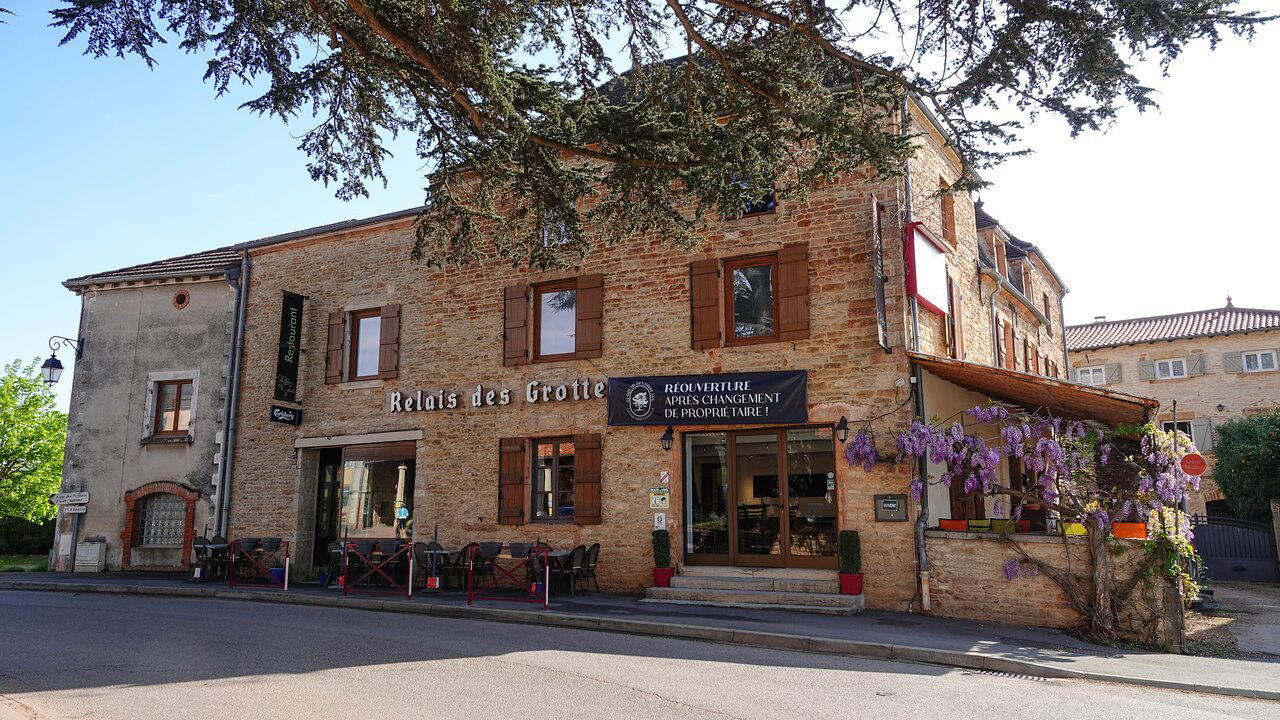
The Physical Setting: Limestone, Cedar, and the Village Square
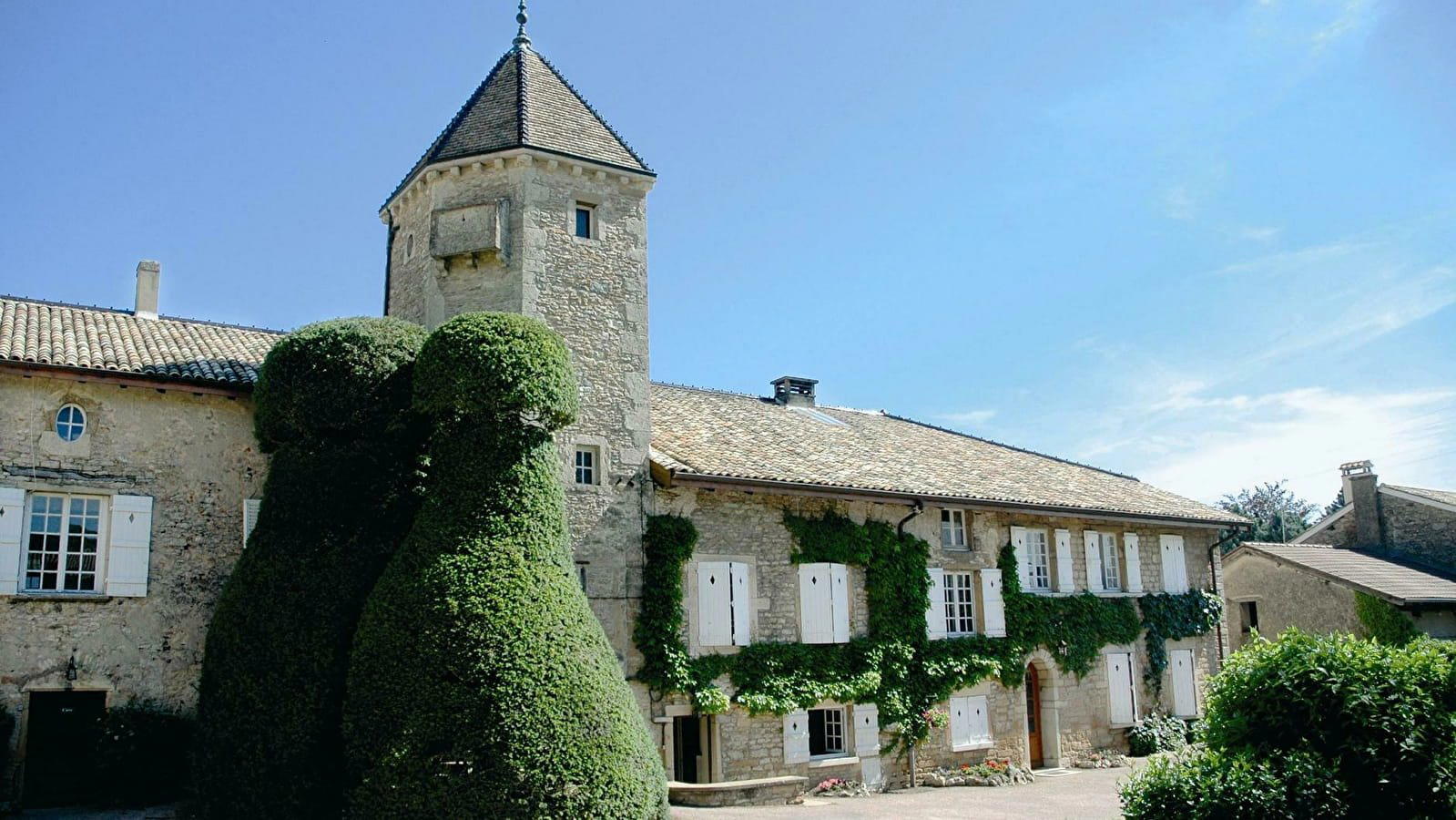
The address, 26 Place du Cèdre, places the restaurant on Azé's central square, beside the cedar that names it. In villages of this scale across the Mâconnais and the Bresse borderlands, the place is not decorative geography: it is the functional centre of local life, where market produce, seasonal gossip, and regional identity converge. Arriving at a restaurant on a French village square of this kind carries a particular expectation: that the kitchen is working with suppliers close enough to name, that the wine list reflects the appellation rather than a generic French selection, and that the pace is set by the region rather than the reservation system. Whether Le Relais des Grottes meets that expectation fully depends on when you visit and what you order, but the structural conditions for ingredient-led cooking are built into its location.
That location also matters for understanding the competition. This is not a village with a deep restaurant bench. Visitors driving the D15 through the Mâconnais have limited options at this scale, which places the restaurant in a different evaluative frame than it would occupy in, say, Mâcon itself or further north in Tournus. Proximity to the cave site means a meaningful share of its covers come from day visitors and touring travellers rather than from local repeat traffic, a dynamic that shapes both what the kitchen prioritises and what a first-time visitor should expect.
Ingredient Sourcing in the Mâconnais: What the Region Provides
Southern Burgundy's larder is specific. Charolais cattle are raised on grassland within easy reach, this is one of the primary zones for a breed that has defined French beef cuisine since the 18th century. Bresse, the appellation-controlled poultry region, is immediately to the east; poulet de Bresse carries AOC status, and kitchens across the Mâconnais and Bresse borderlands have access to product that restaurants in Paris or Lyon pay a premium to source. The river systems, the Grosne, the Saône, historically supported freshwater fish, and market gardens in the valley floors supply seasonal vegetables that shift meaningfully between spring asparagus and autumn mushrooms. For comparison, consider how restaurants further into Burgundy proper, such as Troisgros - Le Bois sans Feuilles in Ouches or Georges Blanc in Vonnas, have built serious reputations in part by treating regional sourcing as a non-negotiable foundation rather than a marketing claim. The same geographic logic applies at village level, even if the execution and ambition differ substantially across price tiers.
French provincial restaurants in this category, mid-market, village-square, tourism-adjacent, succeed when they treat the regional larder as an asset rather than an afterthought. The Mâconnais in late spring and early summer, when the vineyards are in growth and the markets are at their most varied, is the window when that sourcing advantage is most visible on the plate. Autumn, when game and fungi enter the supply chain, is a second strong season. The cave site draws visitors throughout the warmer months, so demand is relatively consistent from spring through early autumn.
Wine and the Mâcon Appellation
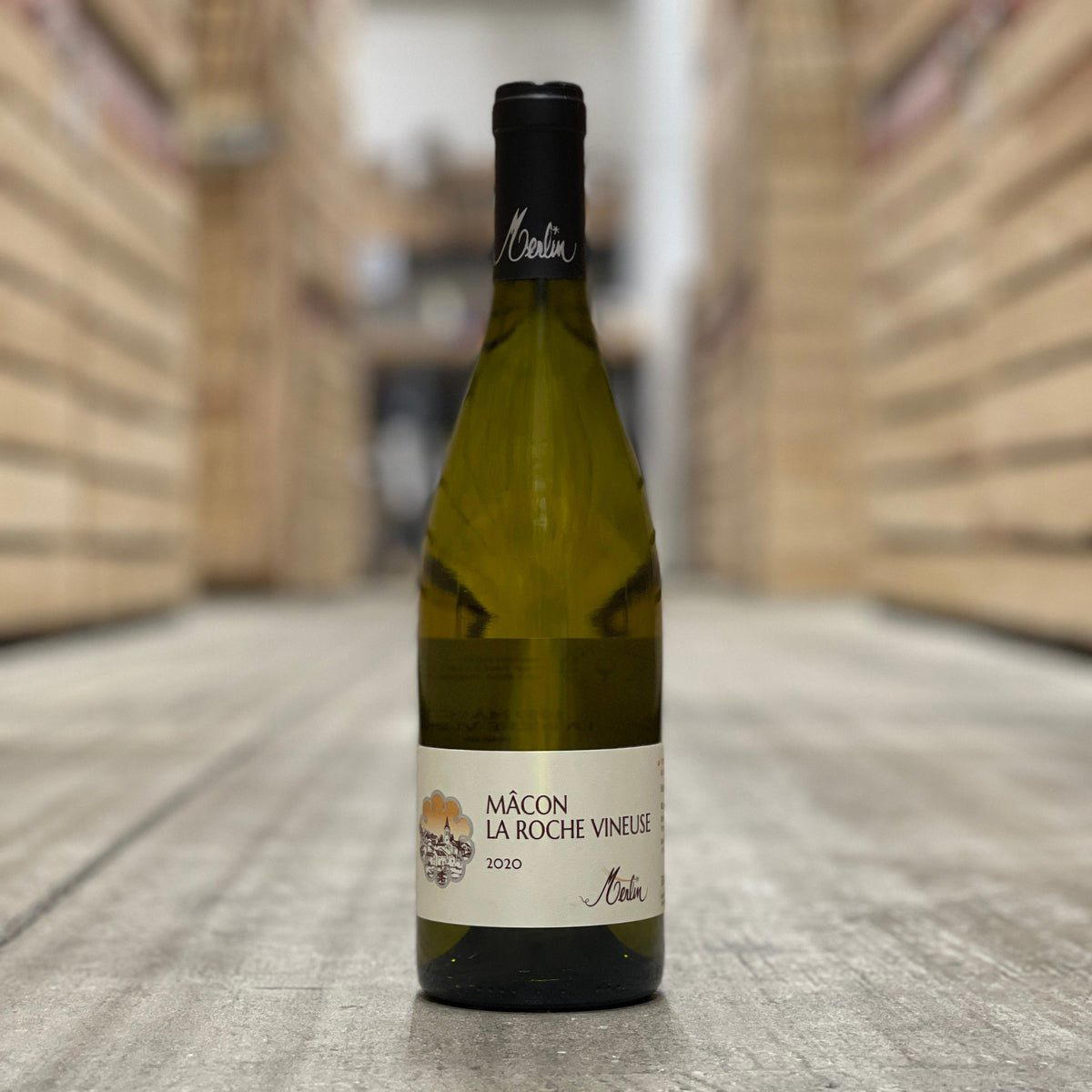
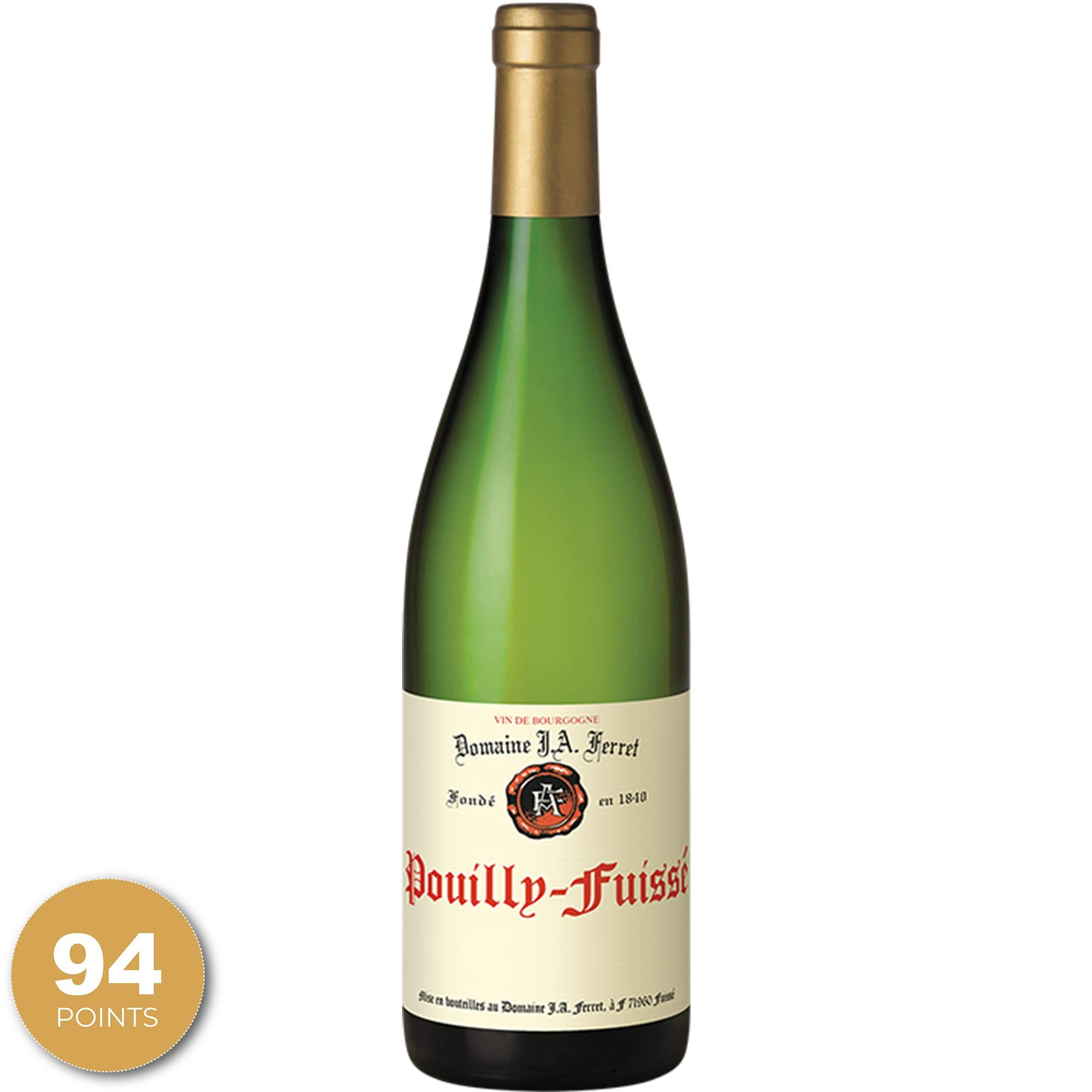
Any serious account of eating in the Mâconnais requires a word on the wine. Mâcon-Villages and the sub-appellations, Pouilly-Fuissé, Saint-Véran, Viré-Clessé, produce Chardonnay at a price point that sits well below Côte de Beaune but with a mineral profile that pairs cleanly with the fish, poultry, and cream-based preparations that define cooking in this part of France. A restaurant in Azé that doesn't take its wine list from this immediate geography would be a missed opportunity: the sourcing logic that applies to ingredients applies equally to the cellar. The broader French restaurant scene, from Alléno Paris au Pavillon Ledoyen to Mirazur in Menton, has increasingly centred terroir-coherence as a value signal, and in the Mâconnais, the raw material for that coherence is priced accessibly enough that a village restaurant can execute it without a six-figure cellar budget.
Planning Your Visit
Azé is most readily reached by car, positioned between Mâcon (roughly 15 kilometres to the southeast) and Cluny (approximately 10 kilometres to the northwest), both towns with train connections from Lyon and Paris. Visitors combining the cave site with lunch or dinner at Le Relais des Grottes can structure a half-day around the village without difficulty. The square address means parking is generally accessible, which matters in a village with no meaningful pedestrian catchment. Given the tourism pattern of the cave site, summer weekend covers fill faster than midweek slots, and arriving without a reservation during peak season carries obvious risk. The practical advice for this category of French village restaurant, consistent across the Mâconnais and the Bresse border, is to call ahead, particularly between June and September.
For travellers benchmarking regional French cooking at higher price tiers before or after a Mâconnais stop, the comparative frame extends across France: Auberge de l'Ill in Illhaeusern, Bras in Laguiole, Auberge du Vieux Puits in Fontjoncouse, and L'Oustau de Baumanière in Les Baux each represent the upper register of ingredient-rooted French provincial cooking, against which a Mâconnais village restaurant should be understood as operating in a different tier, closer, more everyday, and evaluated accordingly. Beyond France, Le Bernardin in New York City and Atomix in New York City show how sourcing rigour translates into high-recognition contexts, while AM par Alexandre Mazzia in Marseille, Assiette Champenoise in Reims, Au Crocodile in Strasbourg, Christopher Coutanceau in La Rochelle, La Marine in Noirmoutier-en-l'île, Paul Bocuse - L'Auberge du Pont de Collonges in Collonges-au-Mont-d'Or, and Flocons de Sel in Megève each represent regional French kitchens where sourcing geography is central to the identity of the plate.
Frequently asked questions
Is Le Relais des Grottes okay with children?
Village restaurants in the Mâconnais at this style and setting are generally relaxed about families, and the proximity to the Grottes d'Azé means Le Relais des Grottes on Place du Cèdre sees plenty of family groups passing through. French regional lunch formats — often a fixed-price menu with multiple courses — suit families well in terms of pacing and portion logic.
What's the vibe at Le Relais des Grottes?
The address on Place du Cèdre — a village square in a commune of a few hundred residents — sets the register immediately: this is regional French dining in a relaxed, unfussy setting, not a destination restaurant chasing attention. The cave-tourism traffic from the Grottes d'Azé brings a mix of families and day-trippers through Azé, which shapes the rhythm of service more than any formal dining concept does.
Is Le Relais des Grottes a good lunch stop on the Mâconnais wine route?
Azé sits within a short drive of Viré-Clessé, Pouilly-Fuissé, and Saint-Véran, making the village a workable midpoint on a southern Burgundy wine-route itinerary. A lunch on Place du Cèdre breaks up the drive between Mâcon, roughly 15 kilometres to the southeast, and Cluny, approximately 10 kilometres to the northwest. The Grottes d'Azé add a non-wine reason to stop, which distinguishes Azé from the purely appellation-focused villages nearby.
Where exactly is Le Relais des Grottes?
Le Relais des Grottes is located at 26 Pl. du Cèdre, 71260 Azé, France, Aze.
What is Le Relais des Grottes known for?
The name references the Grottes d'Azé directly — the prehistoric cave network that draws visitors to this small village in the Mâconnais. Positioned on the Place du Cèdre, Azé's central square, the restaurant functions as the natural gathering point for those exploring the cave site and the surrounding wine country. Its identity is tied to place rather than to a named chef or specific award.
Comparable Venues
Comparable venues nearby, for context on price, style, and recognition.
| Venue | Cuisine | Price | Notes |
|---|---|---|---|
| Le Relais des GrottesThis venue — the venue you are viewing | Traditional Burgundian French | $30–50 | Not listed |
| Comme chez moi | Seasonal French Bistro | $50–100 | Meursault |
| Plato | French Bistronomique | $50–100 | Quartier Croix-Rousse Centre |
| Restaurant Paquet | Regional French Bistro | $50–100 | Druillat |
| L'Art & la Manière | French Bistronomy | $30–50 | Quartier Guillotière |
| Le Talluy | Refined French Cuisine | $30–50 | Taluyers |
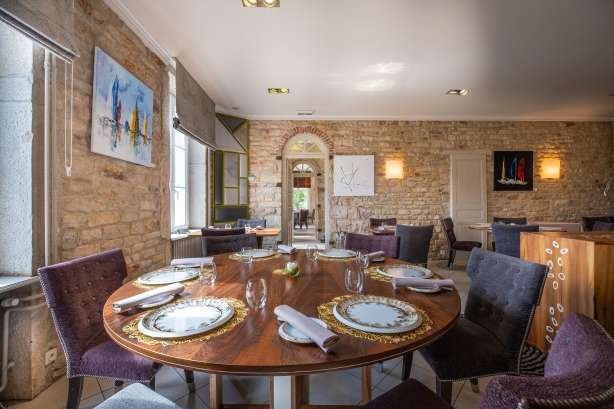
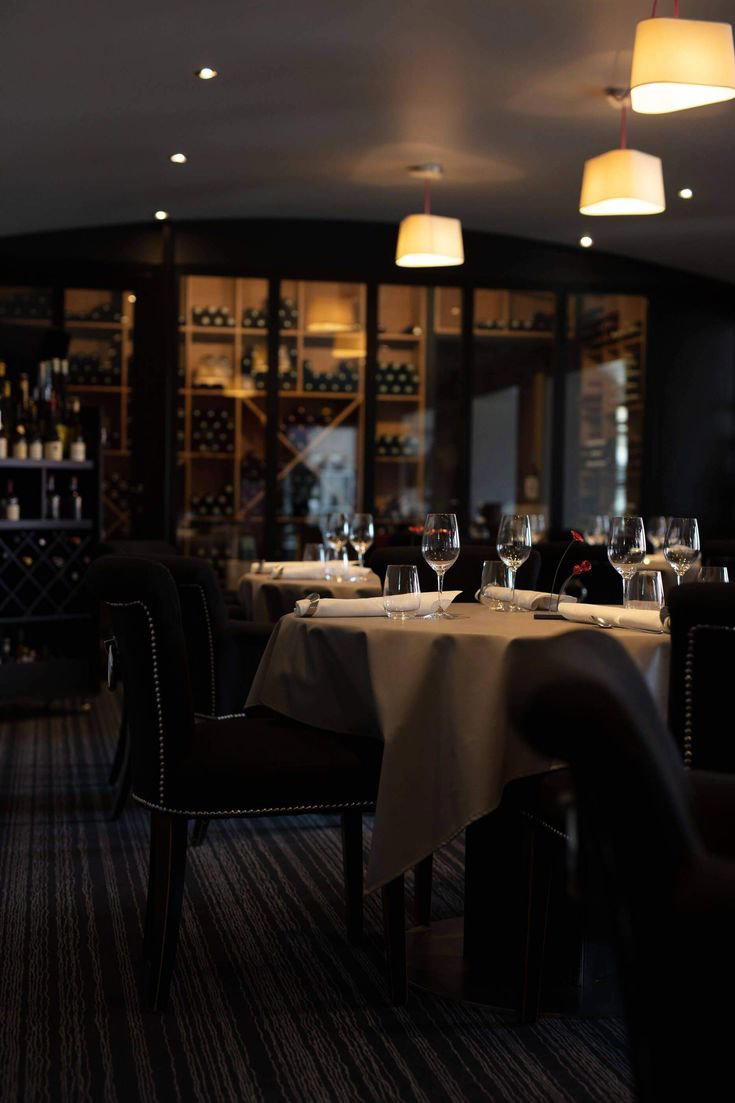
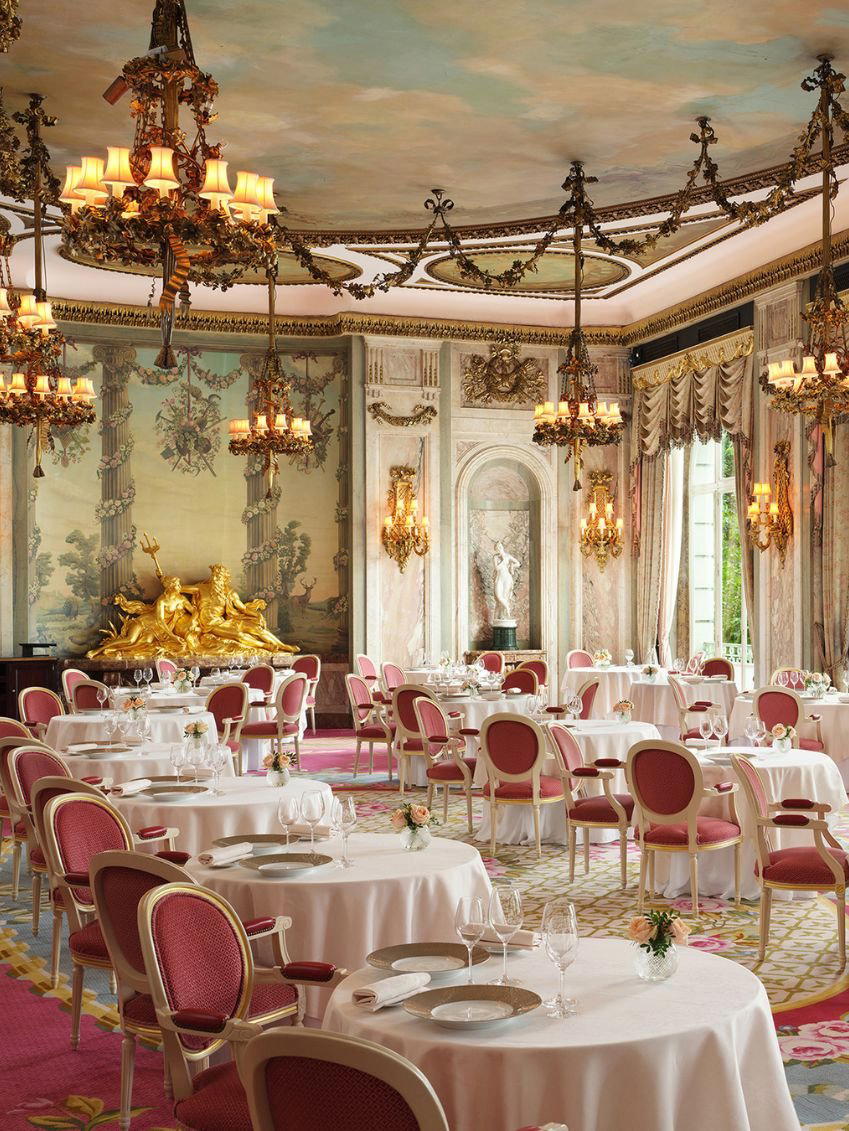
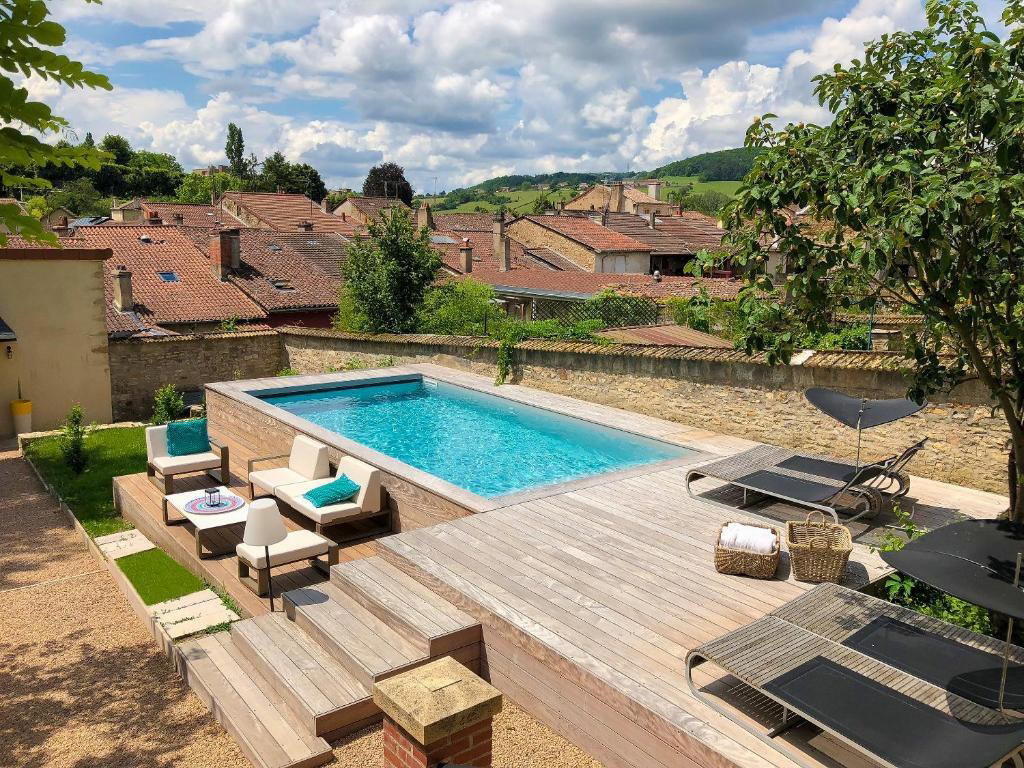
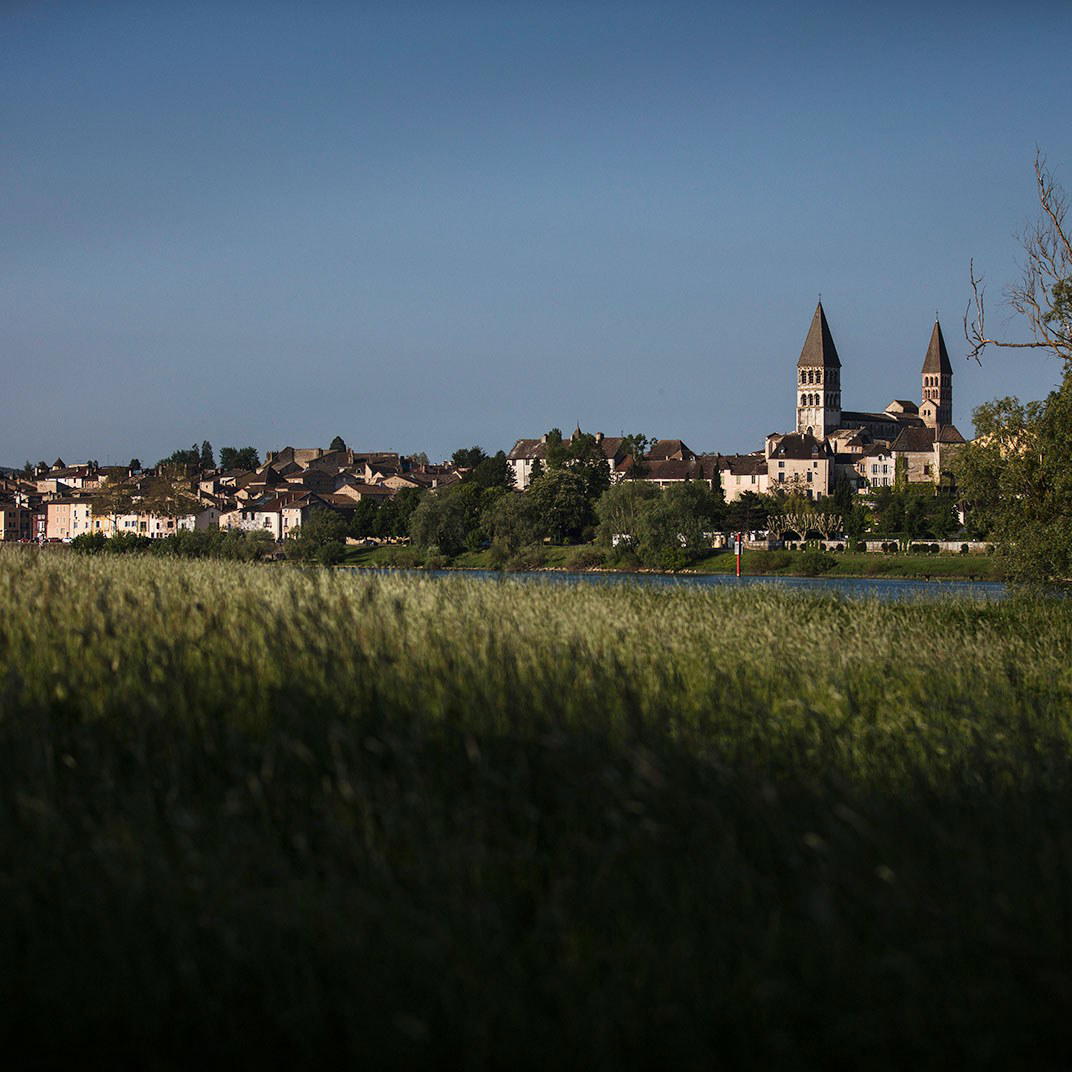
Le Relais des Grottes
The wine
- Wine program
- Curated wine list
- Extensive wine list
Details
- Rustic
- Cozy
- Elegant
- Date Night
- Family
- Casual Hangout
- Terrace
- Extensive Wine List
- Local Sourcing
- A La Carte
- Wine
Current opening hours
- Monday
- 9 AM–3:30 PM
- Tuesday
- 9 AM–3:30 PM
- Wednesday
- Closed
- Thursday
- 9 AM–3:30 PM, 6–11 PM
- Friday
- 9 AM–3:30 PM, 6–11 PM
- Saturday
- 9 AM–3:30 PM, 6–11 PM
- Sunday
- 9 AM–3:30 PM, 6–11 PM
Hours can change for holidays and private events. Last verified .
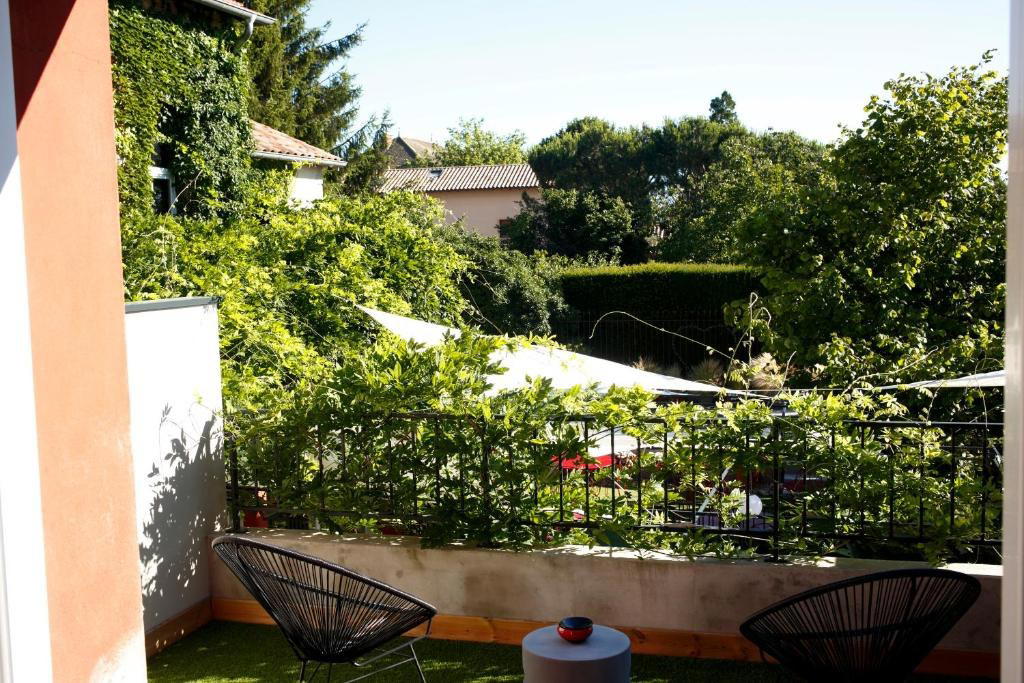
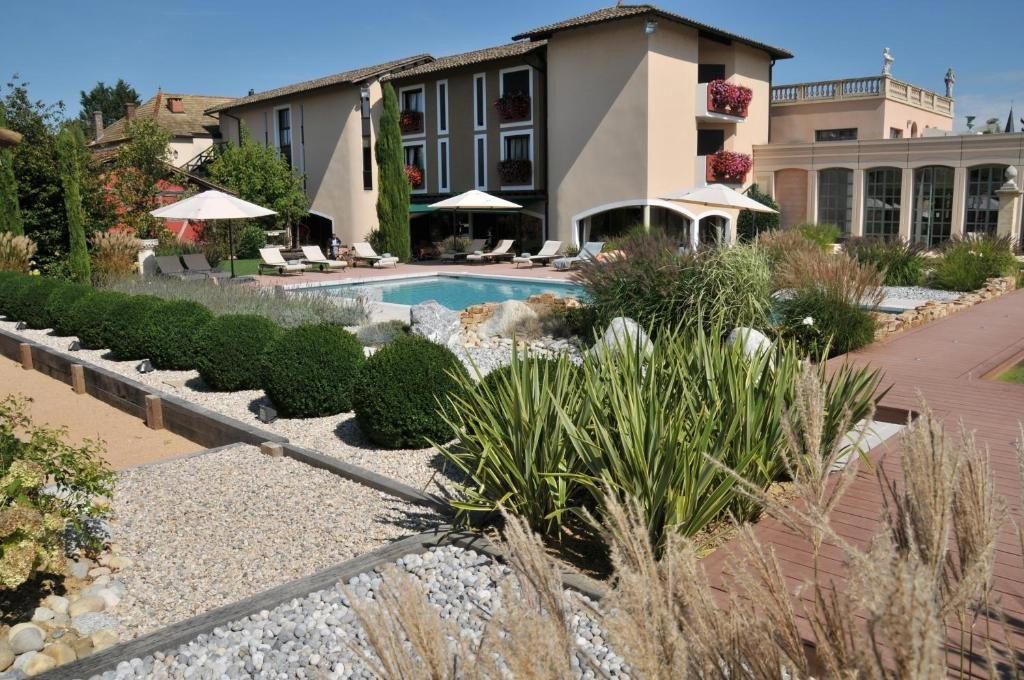
Tranquil, convivial atmosphere with a pretty shaded terrace, simple yet elegant village setting, and warm welcoming service.