Le Pralin
Our verdict
In the quiet village of Praz-sur-Arly, Le Pralin occupies the kind of address that rewards those who seek out the smaller Alpine dining rooms over the valley's more publicized tables. The kitchen draws on the mountain's immediate larder, placing it within a French regional tradition that values proximity over prestige. For visitors to the Aravis range, it offers a grounded alternative to the Megève circuit.

Pearl is the En Primeur Club membership app — saves, bookings, and concierge access live there. Same editors, same standards.
- Address
- 341 Rte du Val d'Arly, 74120 Praz-sur-Arly, France
- Phone
- +33450219267
- Hours
- Mon–Fri 8:30 AM–3 PMSat–Sun Closed
- Website
- lepralin.fr
- Directions
- Get directions
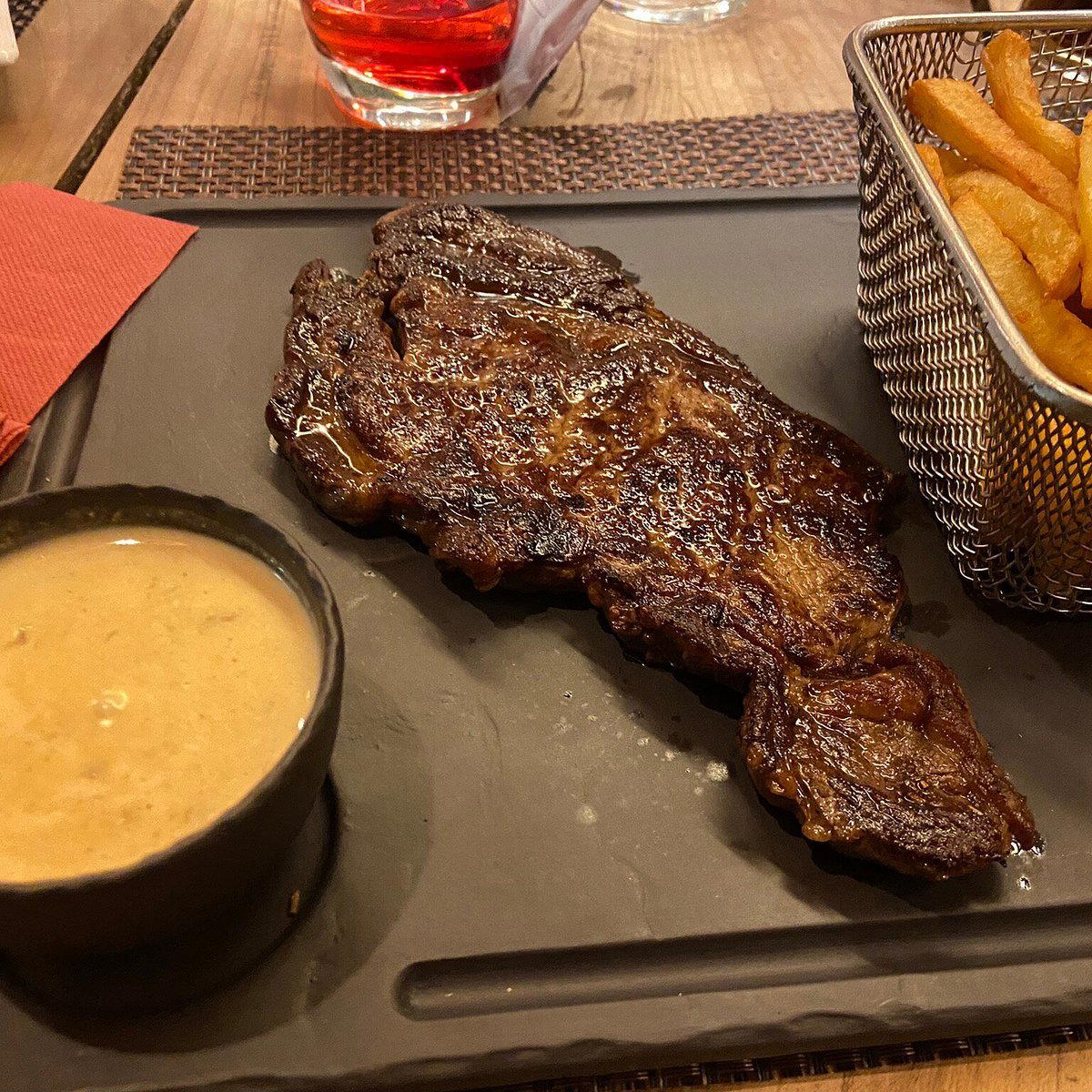
Where the Aravis Larder Meets the Table
The road into Praz-sur-Arly drops from the Col des Aravis through a sequence of pastures and timber chalets that have changed little in their outline for generations. By the time you reach the village proper, the scale has already told you something about what to expect at the table: this is not Megève or Courchevel, where the restaurant trade has been shaped by decades of international ski tourism and the expectations that come with it. Praz-sur-Arly sits at a different register, and Le Pralin, at 341 Route du Val d'Arly, reads that register correctly.
The Alpine dining tradition in Haute-Savoie has always operated on two tracks. The first runs through the celebrated maisons: Flocons de Sel in Megève, where Emmanuel Renaut's three-star kitchen commands the upper market, or the grand civic scale of Paul Bocuse's Auberge du Pont de Collonges in Collonges-au-Mont-d'Or. The second track is quieter, more local, and in many ways more instructive about how people in this part of France actually eat: smaller rooms, menus shaped by the week's market and the altitude's seasonal rhythm, and a kitchen philosophy rooted less in technique than in access. Le Pralin belongs to that second track.
The Logic of Mountain Ingredients
Haute-Savoie is one of France's most self-sufficient larders. At altitude, the cattle that produce Abondance and Reblochon graze on pastures that shift with the season, and those shifts are legible on any kitchen that pays attention. The short window between the end of ski season and the opening of summer hiking trails is when local producers bring the first Alpine herbs and young cheeses to market, and a kitchen in Praz-sur-Arly is better positioned than most to catch that supply at source. Proximity to the Val d'Arly valley floor means access to both the mountain pasture economy above and the river-valley market gardens below.
This matters because ingredient sourcing at this altitude is not merely an ethical stance or a marketing position; it is a structural reality. The same isolation that makes villages like Praz-sur-Arly feel removed from the Michelin circuit also creates a direct relationship between kitchen and producer that larger, more accessible restaurants often have to work deliberately to reconstruct. Where Mirazur in Menton has built an internationally recognized program around its own kitchen garden, and Bras in Laguiole has spent decades codifying the herbal vocabulary of the Aubrac plateau, the smaller Alpine table does something structurally similar but without the institutional architecture: the sourcing is local because the alternatives are expensive and slow, and the menu changes because the supply does.
Regional Context and the Competing Tables
For the travelling diner using Praz-sur-Arly as a base, the competitive frame is instructive. The Megève valley corridor offers some of France's most concentrated high-end mountain dining, but it also prices and books accordingly. The gap between that tier and the village dining room is not simply a quality gap; it is a difference in format, pace, and relationship to the surrounding landscape. Rooms like Le Pralin operate without the infrastructure of a grand hotel or a reservation system built around international clientele, which means booking is typically direct and last-minute availability is more likely outside peak winter and summer weeks.
Further afield, the broader French fine-dining conversation runs through tables like Alléno Paris au Pavillon Ledoyen, Assiette Champenoise in Reims, and Auberge de l'Ill in Illhaeusern, each representing a different strand of the French gastronomic tradition. The village Alpine room sits outside that circuit by geography and by ambition, which is not a disadvantage. Auberge du Vieux Puits in Fontjoncouse offers a useful comparison: a deeply rooted regional table that commands serious attention not because it competes with Paris but because it does not try to. The logic applies in Haute-Savoie as much as in the Corbières.
For those approaching from a transatlantic perspective, the village dining room tradition in France occupies a space that has no precise equivalent in the American market. The closest frame might be the serious regional American table rather than the New York tasting-menu format represented by Le Bernardin or Atomix in New York City. Similarly, Christopher Coutanceau in La Rochelle, La Marine in Noirmoutier-en-l'île, and AM par Alexandre Mazzia in Marseille each anchor themselves to a specific French geography in ways that inform what Le Pralin does at its own scale in the Aravis. The regional French dining tradition is built on exactly this kind of place-specific commitment.
Planning a Visit
Praz-sur-Arly sits between Megève and Flumet in the Val d'Arly corridor, accessible by car from Albertville in under thirty minutes and from Geneva in approximately ninety. The village is quieter than its neighbouring resorts, which means the dining room draws a more local clientele outside ski season. For visitors, the practical advantage is a less pressured booking environment than the more prominent Megève tables, though weekend evenings in high winter and the July-August summer season are the periods when a reservation made in advance makes sense. Those travelling through our full Praz-sur-Arly restaurants guide will find Le Pralin positioned as the kind of address that rewards an unhurried midweek dinner over a rushed weekend table. Other French regional tables worth cross-referencing for context include Georges Blanc in Vonnas, L'Oustau de Baumanière in Les Baux, and Troisgros in Ouches, each of which demonstrates how deeply a French kitchen can embed itself in its surrounding geography when given time and stability to do so. Au Crocodile in Strasbourg represents the Alsatian strand of the same tradition: rigorous, place-specific, and built around a regional larder with centuries of culinary history behind it.
Frequently asked questions
Does Le Pralin work for a family meal?
Praz-sur-Arly is a village destination rather than a resort strip, and Le Pralin sits on the Route du Val d'Arly in that same unhurried register. The mountain-larder cooking style, drawing on Haute-Savoie staples familiar across generations, makes it a plausible choice for mixed-age groups.
How would you describe the vibe at Le Pralin?
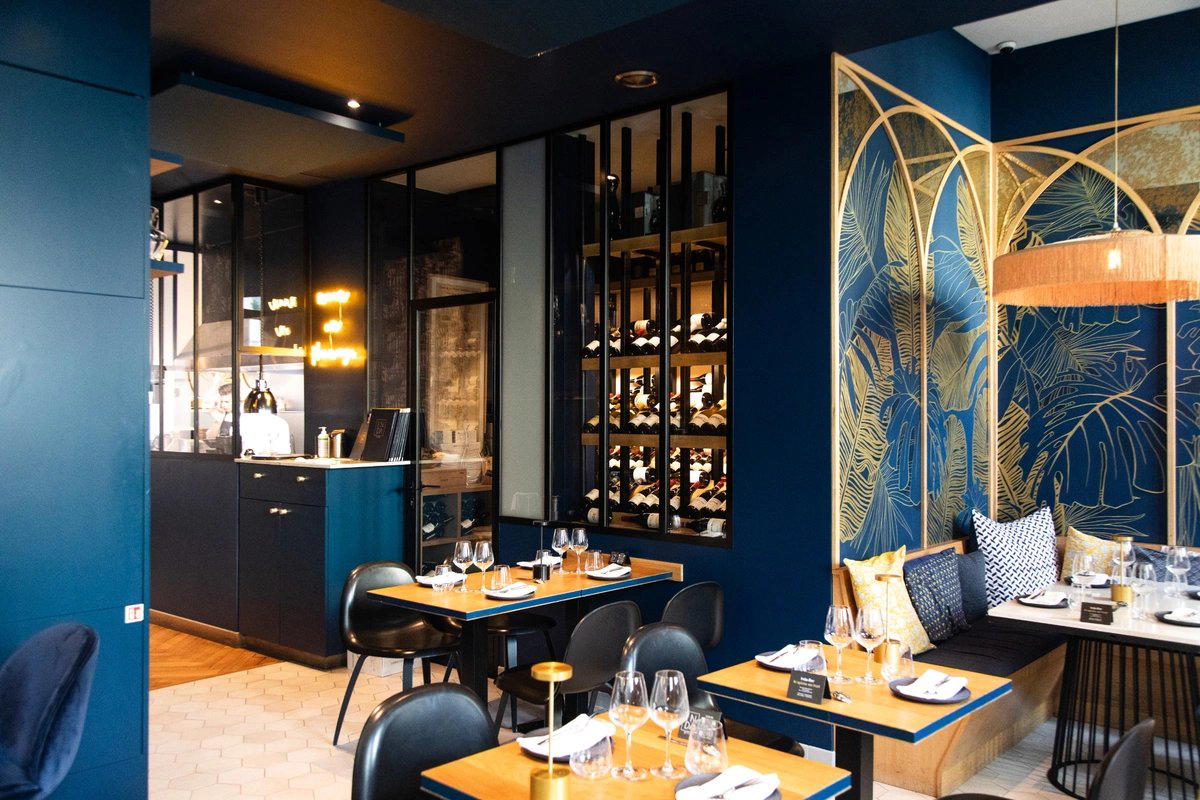
The address on the Route du Val d'Arly places it away from the groomed resort atmosphere of Megève a few kilometres up the road. Praz-sur-Arly runs quieter, and the feel at Le Pralin follows that logic: a working village restaurant rather than a destination dining room. The Haute-Savoie setting does the heavy lifting on atmosphere.
Is Le Pralin a good dinner option when staying near Megève but looking for something lower-key?
Praz-sur-Arly sits roughly between Megève and Flumet in the Val d'Arly corridor, reachable from Megève in under ten minutes by car via the D1212. Le Pralin at 341 Route du Val d'Arly offers the same Haute-Savoie ingredient base as the Megève valley's more formal tables, without the resort pricing pressure that comes with that address. For travellers who want regional Savoie cooking in a village setting rather than a polished ski-town dining room, it is a coherent alternative.
What should I order at Le Pralin?
The Val d'Arly corridor is Abondance and Reblochon territory, and any kitchen in Praz-sur-Arly worth visiting takes that larder seriously. Beyond the regional cheese and dairy thread, the cattle pastures of the Aravis slopes supply the baseline for meat cookery in this part of Haute-Savoie. Check the current menu with the venue directly, as seasonal availability shifts across ski season and summer.
What part of town is Le Pralin in?
Le Pralin is located at 341 Rte du Val d'Arly, 74120 Praz-sur-Arly, France, Praz Sur Arly.
Should I book Le Pralin in advance?
Praz-sur-Arly draws a concentrated crowd during ski season and again in the summer hiking months, and the village has a limited number of tables across all its restaurants. Booking ahead is advisable during both peak windows. Contact Le Pralin at 341 Route du Val d'Arly to confirm availability.
What's the defining dish or idea at Le Pralin?
The central logic is proximity: the Aravis pastures that produce Abondance cheese and Reblochon are visible from the valley floor, and the kitchens of the Val d'Arly have always cooked from what those pastures yield. Le Pralin operates in that tradition, with Haute-Savoie dairy, mountain beef, and altitude-grown produce as the structural ingredients rather than decorative footnotes.
A Quick Peer Check
Comparable venues nearby, for context on price, style, and recognition.
| Venue | Cuisine | Price | Awards | Notes |
|---|---|---|---|---|
| Le PralinThis venue — the venue you are viewing | Traditional French Savoyard with Pizzas and Burgers | $20–30 | Not listed | Not listed |
| Les Ronins | Franco-Asian Bistronomic | $30–50 | Michelin Plate | Praz-sur-Arly |
| Le Signal 2108 | Bistronomic French with Regional Alpine Specialties | $30–50 | Not listed | Signal Mountain |
| Restaurant La Crèmerie du Glacier | Traditional Savoyard Alpine Bistro | $30–50 | Not listed | Argentière |
| Chez mimo | French Bistro | $10–20 | Not listed | Margencel |
| Chantebise 2100 | Traditional French Alpine Brasserie | $30–50 | Not listed | L'Alpe d'Huez |
Continue exploring
More in Praz-sur-Arly
Restaurants in Praz-sur-Arly
Browse all →
Bars in Praz-sur-Arly
Browse all →
Hotels in Praz-sur-Arly
Browse all →

Details
- Cozy
- Rustic
- Lively
- Family
- Casual Hangout
- Terrace
- Mountain
- A La Carte
- Vegetarian Friendly
Current opening hours
- Monday
- 8:30 AM–3 PM
- Tuesday
- 8:30 AM–3 PM
- Wednesday
- 8:30 AM–3 PM
- Thursday
- 8:30 AM–3 PM
- Friday
- 8:30 AM–3 PM
- Saturday
- Closed
- Sunday
- Closed
Hours can change for holidays and private events. Last verified .
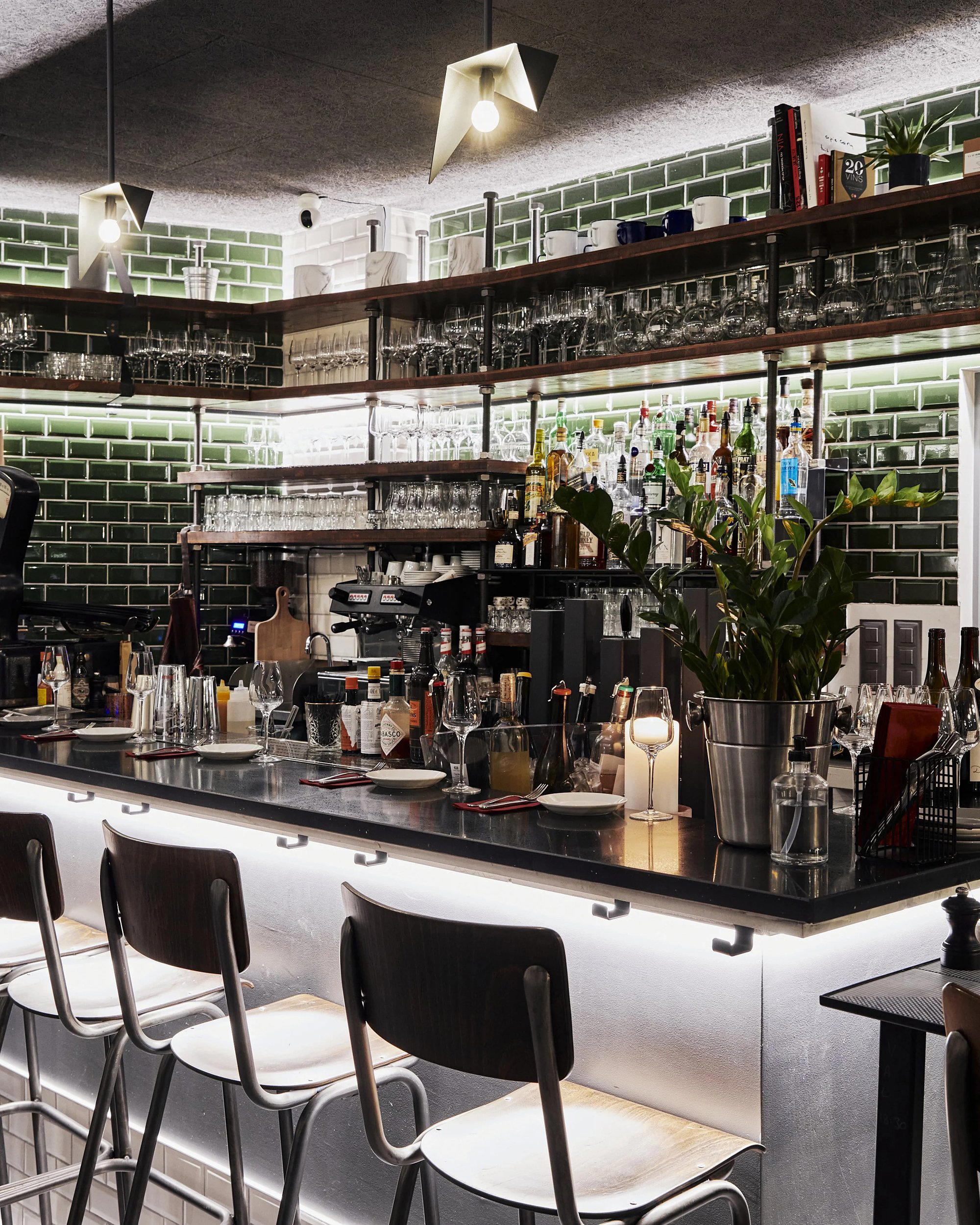
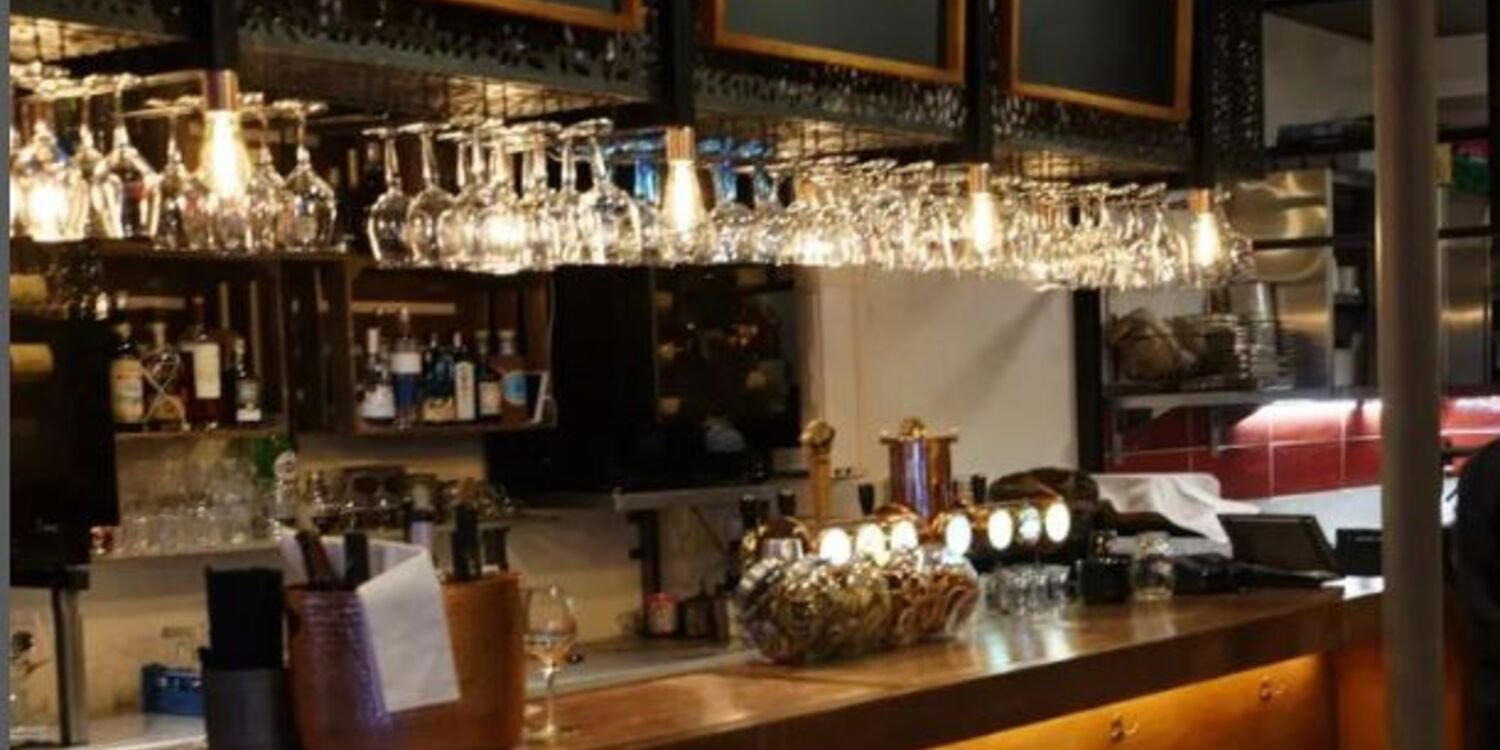
Friendly and convivial atmosphere with typical Savoyard decoration, pleasant indoor room, heated veranda, and comfortable outdoor terrace.