Our verdict
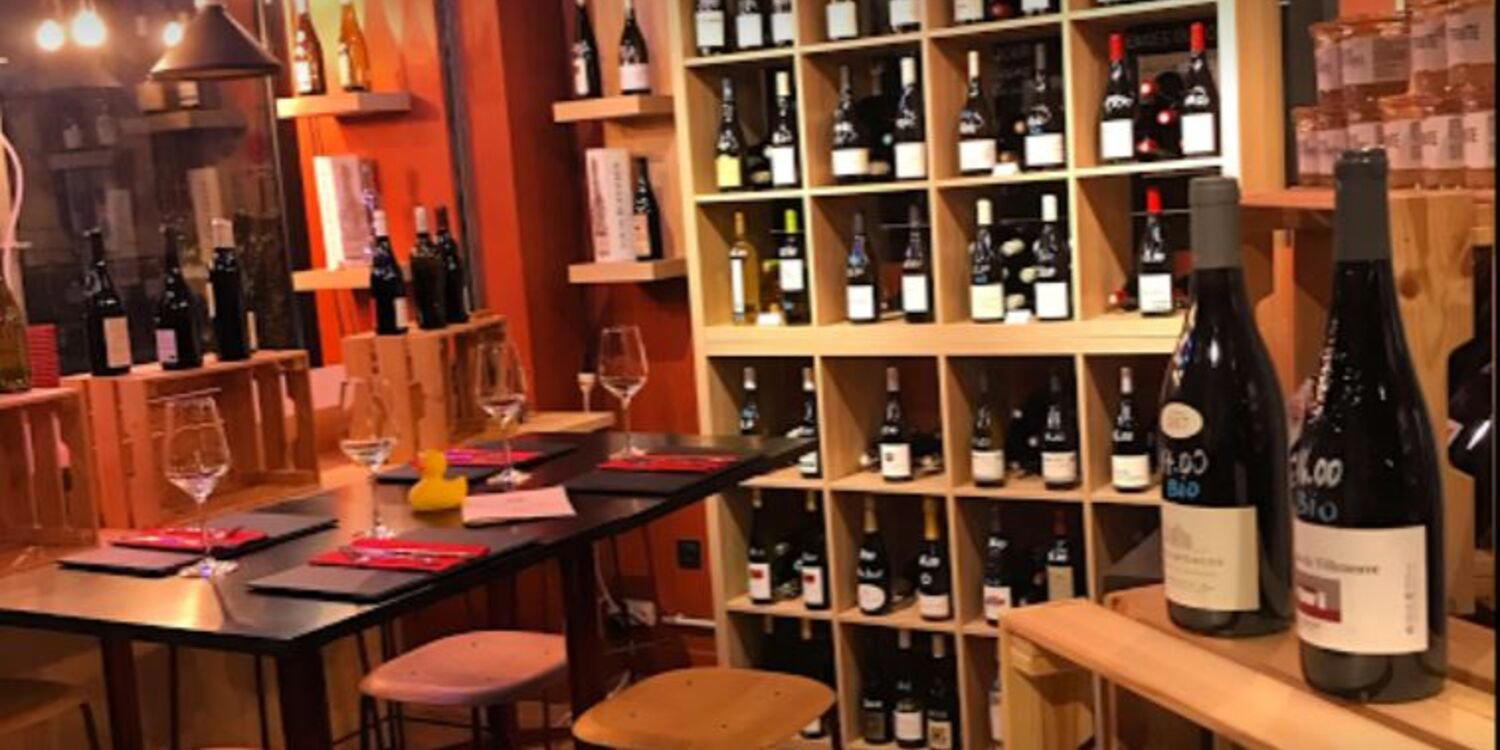
On Rue Saint-Denis in the 1st arrondissement, Le Relais Du Vin occupies a stretch of Paris that has long balanced the commercial and the convivial. Compared to the formal French dining rooms operating nearby at €€€€ price points, this address signals a different register, one where regulars return on instinct rather than occasion, and the wine list does more conversational work than the décor.

Pearl is the En Primeur Club membership app, where members save venues, book tables and use the concierge.

The menu
What to order
- Chicken in Cream Sauce
- Cheese and Charcuterie Plate
A Street That Sets the Terms
Rue Saint-Denis in the 1st arrondissement is not the Paris of grand boulevards or destination hotel dining rooms. It is older, more functional, and more honest about what a neighbourhood expects from a wine bar and table. In a city where addresses like L'Ambroisie and Le Cinq at the Four Seasons George V operate at the furthest edge of formality and price, Le Relais Du Vin at number 85 situates itself in a deliberately different tier. The name itself telegraphs intent: a relais is a stopping point, a place of transit and return, not a destination staged for a single visit.
That framing matters because it shapes how regulars relate to the room. In Paris, the bistrot-à-vins tradition produces a particular kind of loyalty, guests who do not need to study a menu, who sit in the same chair across seasons, and who measure the quality of an evening by the pour rather than the plating. Le Relais Du Vin on Rue Saint-Denis draws from exactly that tradition.
What the Regulars Know
The bistrot-à-vins format, at its most functional, operates on a logic of return. The wine list anchors the experience, and food arrives to support rather than lead. Across Paris, this model has gained considerable traction in the 1st and 2nd arrondissements, where foot traffic from Les Halles and the Marais edge creates a clientele that ranges from market workers to editors, each with a different arrival time but a shared understanding of what the room is for.
For the regulars who treat an address like this as a weekly habit rather than a monthly occasion, the unwritten menu matters as much as the printed one. That means knowing when a particular producer's bottles are being opened, understanding which seats offer the most comfortable distance from the door in winter, and reading the pace of a Tuesday evening versus a Friday. These accumulated intelligences are what separate a loyal local clientele from a transient tourist pass-through, and Rue Saint-Denis, with its mix of commerce and residence, tends to favour the former.
This contrasts sharply with the experience at three-Michelin-star operations such as Alléno Paris au Pavillon Ledoyen or the technical precision of Kei, where each visit is constructed as a discrete event. The bistrot-à-vins model inverts that architecture: the experience compounds across visits rather than peaking within one.
Wine as the Anchor, Not the Afterthought
French wine culture has bifurcated over the past decade between the natural wine movement, which concentrates heavily in the 11th arrondissement and around Oberkampf, and more classically oriented caves and bars à vins in central Paris. Addresses on the western edge of the 1st tend to sit closer to the classical tradition, without being rigidly conservative. A relais in this neighbourhood would be expected to carry producers from across France's major regions, with Burgundy, Loire, and Rhône forming the backbone of most serious lists at this type of address.
The broader French dining circuit demonstrates how wine positioning defines an establishment's identity. Properties like Flocons de Sel in Megève or Auberge de l'Ill in Illhaeusern use their cellars as expressions of regional terroir. A Parisian bar à vins operates at smaller scale but with analogous curatorial intent, the selection tells the room what kind of conversation is expected.
The 1st Arrondissement as Context
The 1st is not a dining arrondissement in the way the 6th or 8th are. It is more transactional, historically rooted in commerce around Les Halles, and its restaurant and bar scene reflects that inherited character. Venues here tend to be less self-conscious than those in more fashionable postal codes. The result is a category of address that Parisian regulars trust precisely because it has not been optimised for external approval.
That distinction carries real weight when comparing across the French dining spectrum. Destination addresses such as Mirazur in Menton, Bras in Laguiole, or Troisgros in Ouches operate with a gravity that draws visitors across France and internationally. A Rue Saint-Denis address operates at a different scale of ambition entirely, and for its regulars, that is precisely the attraction. The same logic applies to provincial classics like Au Crocodile in Strasbourg, Assiette Champenoise in Reims, or Auberge du Vieux Puits in Fontjoncouse, each anchored to a specific geography and a specific type of loyalty, rather than to the international circuit.
For those mapping Paris's full dining range, our full Paris restaurants guide tracks the city's formal and informal registers across all arrondissements.
Placing Le Relais Du Vin in the Broader French Picture
The historical markers of French gastronomy, the Bocuse legacy at L'Auberge du Pont de Collonges, the creative intensity at AM par Alexandre Mazzia in Marseille, the technical ambition of Atomix in New York and Le Bernardin, define one axis of what serious dining looks like. The neighbourhood bar à vins defines another. Neither is a lesser version of the other; they serve structurally different purposes in a diner's life.
Le Relais Du Vin at 85 Rue Saint-Denis belongs to the second axis. Its significance is measured not in awards or column inches but in the frequency of return visits and the ease with which a regular settles into the room. That is a different kind of credential, and in Paris, it is not a trivial one.
Planning Your Visit
Address: 85 Rue Saint-Denis, 75001 Paris, France. Getting there: The 1st arrondissement is served by multiple Métro lines; Châtelet (lines 1, 7, 11, 14) and Les Halles (RER A, B, D) place you within walking distance. Reservations: Contact details are not currently listed publicly, walk-in is the default approach for addresses in this format and neighbourhood tier, though availability varies by day and season. Dress: No formal dress code applies to bar à vins addresses of this type; smart-casual is the prevailing register in the 1st. Budget:
Frequently asked questions
Is Le Relais Du Vin suitable for children?
How would you describe the vibe at Le Relais Du Vin?
What dish is Le Relais Du Vin famous for?
What type of wine drinker is Le Relais Du Vin on Rue Saint-Denis suited to?
The Minimal Set
Comparable venues nearby, for context on price, style, and recognition.
| Venue | Cuisine | Price | Notes |
|---|---|---|---|
| Le Relais Du VinThis venue (the venue you are viewing) | Traditional French Bistro | $20–30 | Not listed |
| La French Guinguette | Traditional French Bistro | $30–50 | Sainte-Avoie, Traditional French Bistro |
| La Tour Montlhéry - Chez Denise | Classic French Bistro | $30–50 | Les Halles, Classic French Bistro |
| Julien | Classic French Bouillon | $20–30 | 10th Arr., Classic French Bouillon |
| Chez Nenesse | Traditional French Bistro | $20–30 | Le Marais, Traditional French Bistro |
| Cojean | French Healthy Fast Food | $10–20 | 8th Arrondissement, French Healthy Fast Food |
Continue exploring
More in Paris
Restaurants in Paris
All restaurants in Paris →
Bars in Paris
All bars in Paris →


Details
- Cozy
- Classic
- Lively
- Casual Hangout
- Group Dining
- Terrace
- Extensive Wine List
- Street Scene
- A La Carte
- Vegetarian Friendly
Current opening hours
- Monday
- 7 AM–2 AM
- Tuesday
- 7 AM–2 AM
- Wednesday
- 7 AM–2 AM
- Thursday
- 7 AM–2 AM
- Friday
- 7 AM–2 AM
- Saturday
- 7 AM–2 AM
- Sunday
- 7 AM–2 AM
Hours can change for holidays and private events. Hours as of .
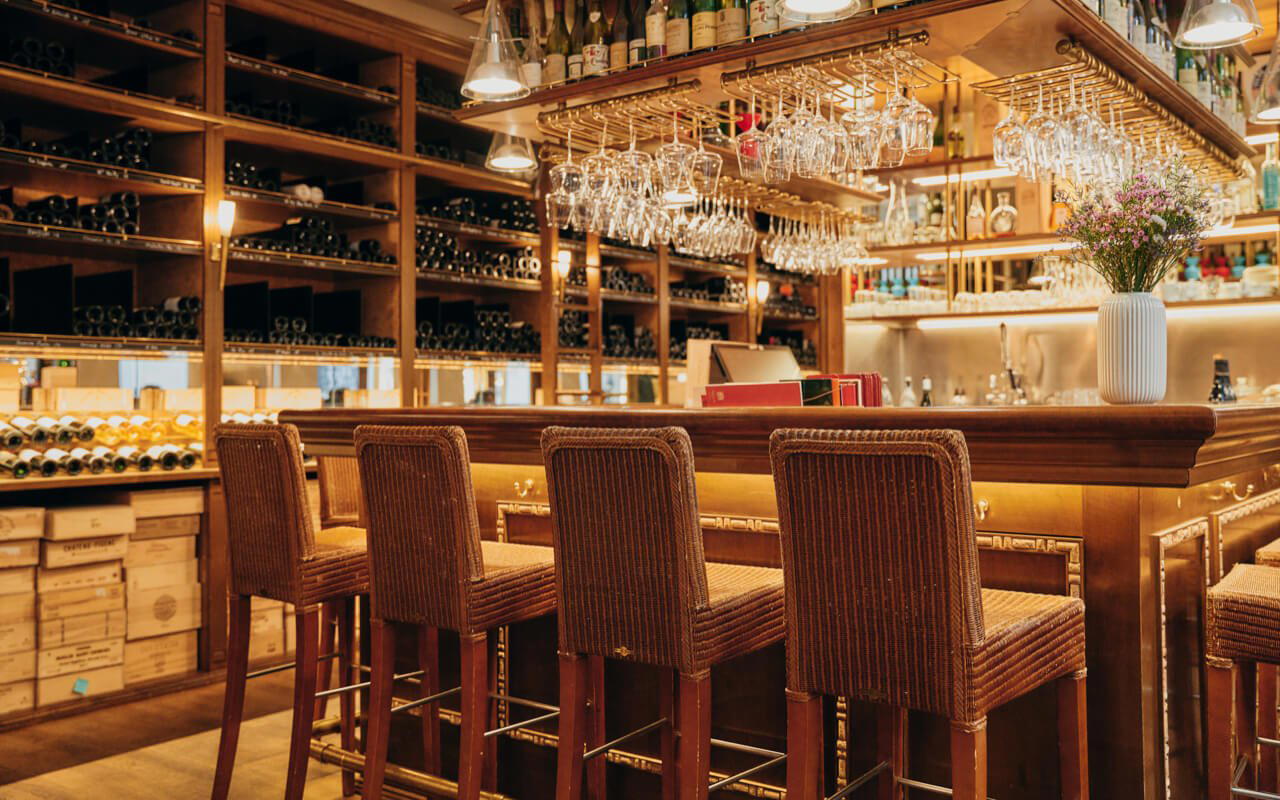
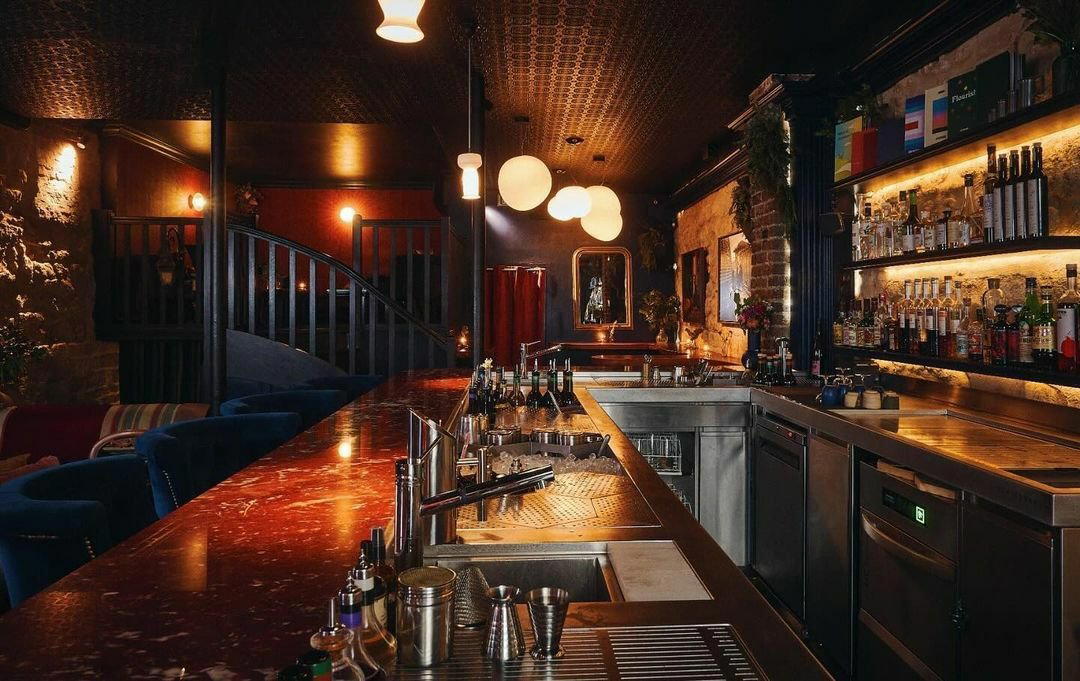
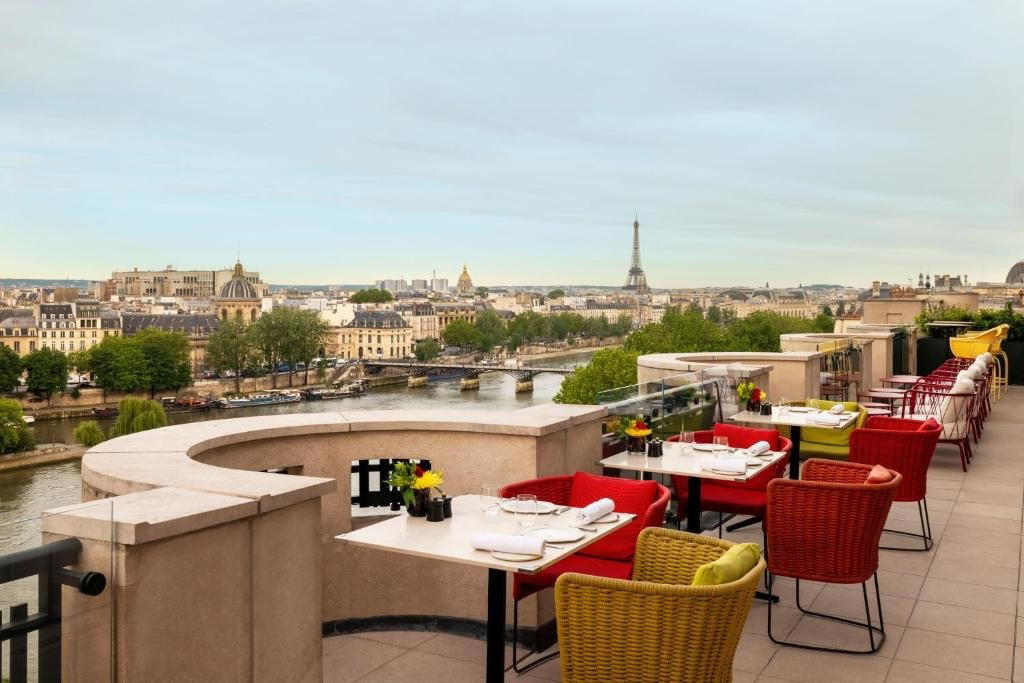
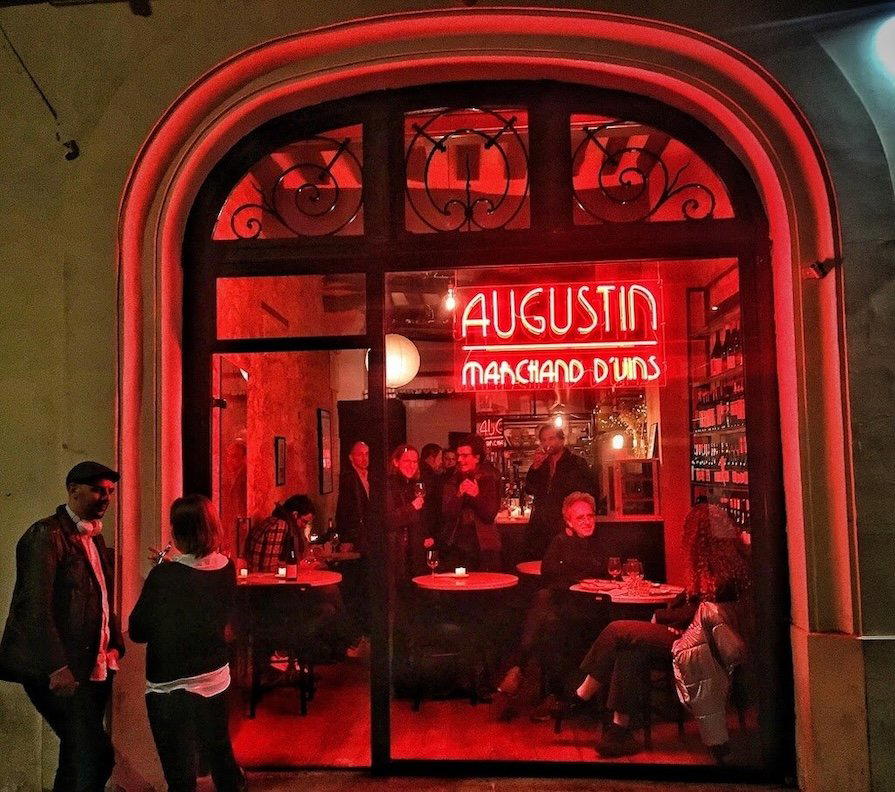
Warm, inviting, and convivial atmosphere with terrace seating.