Le Refuge de Solaise
Le Refuge de Solaise serves Traditional Savoyard Mountain Cuisine with a mountain view, terrace seating, craft cocktails, and a leisurely pace.
Pearl is the En Primeur Club membership app — saves, bookings, and concierge access live there. Same editors, same standards.
- Address
- Téléphérique de Solaise, 73150 Val-d'Isère, France
- Phone
- +33458830090
- Website
- lerefuge-valdisere.com
- Directions
- Get directions
 Saves & bookings on Pearl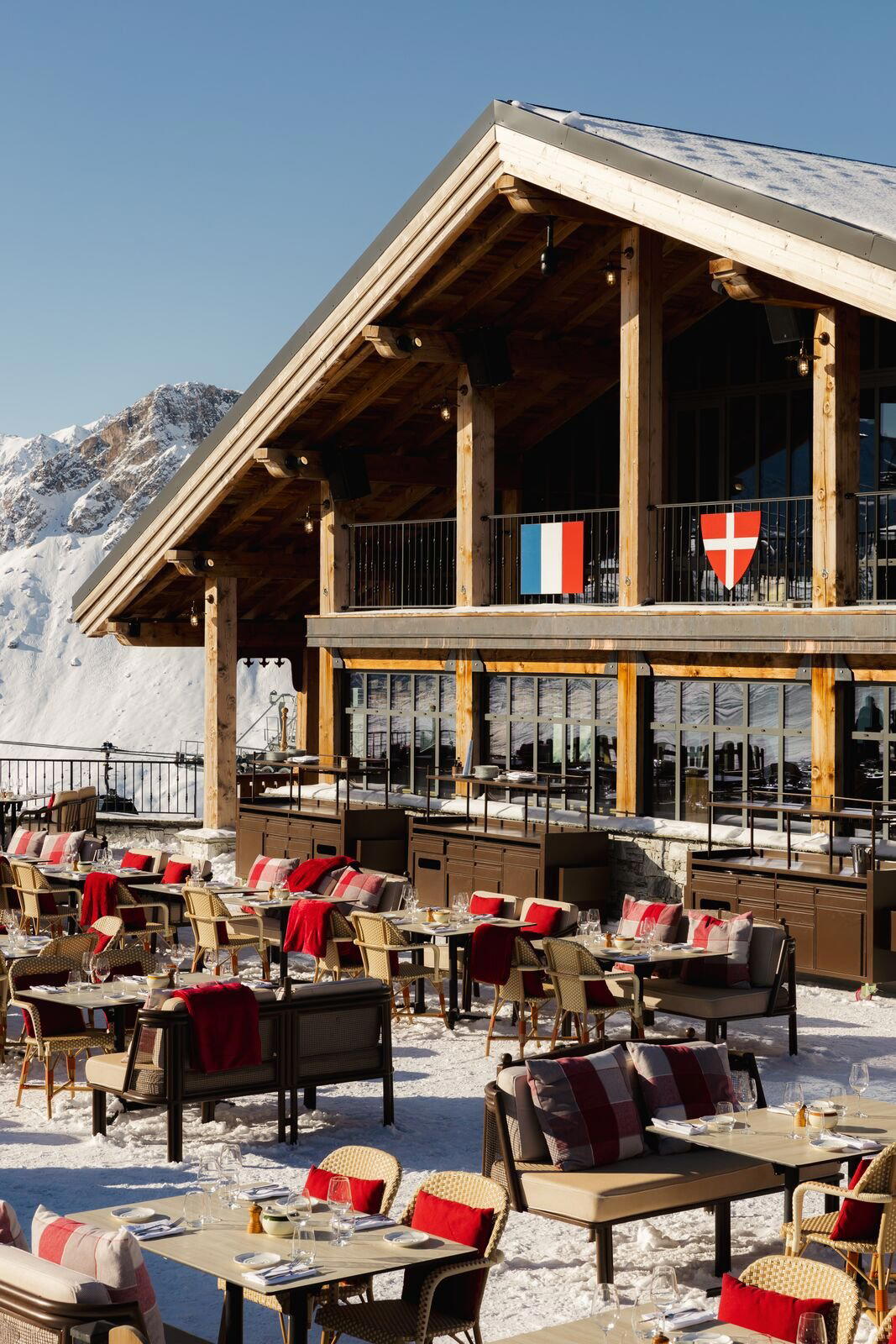
Above the Valley Floor: Dining at Altitude in Val d’Isère
The approach to Le Refuge de Solaise is not like arriving at any restaurant in a city. You board the Solaise cable car at the base of Val d’Isère, the valley falling away beneath you, and within minutes the resort’s familiar rooftops are reduced to a diagram in the snow. At the summit, above 2,550 metres, the air is thinner and the light is different, flatter and brighter in the way that high-altitude sun always is, reflecting off snow in every direction. The building itself sits at the summit of the Solaise massif, one of the oldest mountain refuges in the Tarentaise valley, its stone and timber structure shaped by decades of alpine winters rather than any interior designer’s brief. Before you consider what arrives on the plate, you have already been reoriented by the journey up.
The Sourcing Question at 2,550 Metres
Ingredient sourcing at altitude is a constraint that shapes everything. The Tarentaise and Beaufortain valleys below Val d’Isère are among the more storied dairy and agricultural corridors in the French Alps: Beaufort AOP cheese, produced from the milk of Tarentaise and Abondance cattle that graze at altitude in summer, has a controlled designation that situates its flavour squarely in the mountain terrain surrounding the resort. Savoyard cuisine at its most honest is built around this kind of proximity, raw-milk cheeses, air-dried meats, root vegetables that store through winter, and the farmhouse traditions of the pays de montagne. Kitchens operating at this elevation face the same logistics that have defined alpine cooking for centuries: what can be brought up by cable car or stored through a long season, and what the immediate region produces with genuine distinction.
The broader alpine dining scene has split in recent years between establishments that trade on altitude novelty, plates of indifferent food positioned as notable by the view, and those that treat the regional supply chain as the actual subject. The more considered approach, seen in mountain kitchens from the Beaufortain to the Haute-Savoie, insists that the altitude is context, not excuse. Savoie’s AOC and AOP designations for cheese, charcuterie, and wine (Roussette de Savoie, Mondeuse, Apremont) give kitchens at this level a genuinely specific larder to work from, distinct from what you’d find sourced in Lyon or Paris. For comparison, Flocons de Sel in Megève has demonstrated what happens when a mountain kitchen applies serious culinary ambition to the same regional supply chain, its three Michelin stars are partly a reward for that discipline. The question worth asking of any Savoyard kitchen is whether it treats regional provenance as a marketing posture or as a genuine constraint on the menu.
What the Setting Demands
High-altitude dining in France sits within a tradition of mountain hospitality that predates modern resort infrastructure. The refuge format, a shelter with a kitchen, evolved over generations into something more deliberately convivial, carries an expectation of warmth and generosity that is different from the formality of a city dining room. The great French kitchen traditions that inform the broader national scene, from the classical rigour associated with establishments like Paul Bocuse – L’Auberge du Pont de Collonges to the terroir-led focus of Bras in Laguiole, have all grappled with the relationship between place and plate. In the Alps, that relationship is most legible in the sourcing decisions: which cheeses, which charcuterie, which wines, and from how far away.
Val d’Isère’s season is compressed. The resort opens in late November and the ski season typically runs through late April, meaning a kitchen at this elevation operates under a shorter calendar than its urban counterparts. That compression affects everything from wine cellar management to the rhythm of deliveries. The leading mountain kitchens use the seasonal constraint as a discipline rather than a limitation, building menus around what the valley produces at any given point in the winter and spring calendar. This is a principle that connects the Savoyard highlands to kitchens working at the other end of the French terroir spectrum, places like Auberge du Vieux Puits in Fontjoncouse or L’Oustau de Baumanière in Les Baux, where the surrounding landscape dictates the plate in a way that city restaurants cannot replicate.
Placing Le Refuge de Solaise in the French Alpine Scene
Val d’Isère sits in the Haute-Tarentaise, a corridor that connects particularly demanding ski terrain in Europe to a resort infrastructure that has, over the past two decades, attracted increasingly serious food and hospitality investment. The village’s dining offer spans from crowded mountain brasseries to more considered tables, and Le Refuge de Solaise occupies the upper tier of the on-mountain experience by virtue of its location at the Solaise summit and its position as a destination in its own right rather than a convenience stop between ski runs. It belongs to a small cohort of French mountain venues that are worth planning a day’s skiing around rather than stumbling into.
Across France’s broader fine dining scene, the conversations around provenance and terroir have never been more pointed. The coastal precision of Christopher Coutanceau in La Rochelle and the creative intensity of AM par Alexandre Mazzia in Marseille represent poles of the current French kitchen argument: that particularly compelling plates are those most legibly tied to a specific geography. Mountain kitchens are making a version of that same case with Beaufort, Reblochon, Abondance, and the cured meats of the Savoie. The altitude is not the story; the provenance is. For readers who want to understand where Le Refuge de Solaise sits within the widest frame of French restaurant culture, our full Val d’Isère restaurants guide maps the resort’s dining offer in detail. And for context on what the country’s most ambitious kitchens are doing with French terroir at a different scale, the rosters at Mirazur in Menton, Auberge de l’Ill in Illhaeusern, Alléno Paris au Pavillon Ledoyen, Assiette Champenoise in Reims, Troisgros – Le Bois sans Feuilles, Au Crocodile in Strasbourg, Georges Blanc in Vonnas, and La Marine in Noirmoutier-en-l’île offer useful counterpoints. For international reference on what serious sourcing discipline looks like in a kitchen at the summit of its category, Le Bernardin in New York City and Atomix in New York City illustrate how the provenance-led argument translates across cuisines and continents.
Planning Your Visit
Access to the restaurant is via the Solaise cable car, departing from the base of Val d’Isère. The mountain operates within the resort’s seasonal calendar, which runs from late November through late April. Visiting during a midweek lunch, when the slopes are less crowded and the light over the Haute-Tarentaise is at its clearest, is the more considered approach. The return journey down the cable car in afternoon light, with the valley opening up below, is the natural end to a meal that began with the same ascent.
Quick Comparison
Comparable venues nearby, for context on price, style, and recognition.
| Venue | Cuisine | Price | Awards | Notes |
|---|---|---|---|---|
| Le Refuge de SolaiseThis venue — the venue you are viewing | Traditional Savoyard Mountain Cuisine | $$$ | Not listed | Not listed |
| L’Atelier d’Edmond | Modern French Savoyard Fine Dining | $$$$ | Not listed | Le Fornet |
| L'Altiplano | Dining | Not listed | Michelin Plate | Val-d'Isère |
| La Table de l'Ours | Modern French Alpine Fine Dining | $$$$ | Michelin 1 Star | Val-d'Isère |
| Atelier de Candale | Seasonal French wine‑country restaurant in the vineyards | $$$ | Not listed | Saint-Laurent-des-Combes / Saint-Émilion vineyards |
| Château des Comtes de Challes | Traditional French Regional Gastronomy | $$$ | Not listed | Challes-les-Eaux |
Continue exploring
More in Val-d'Isère
Restaurants in Val-d'Isère
Browse all →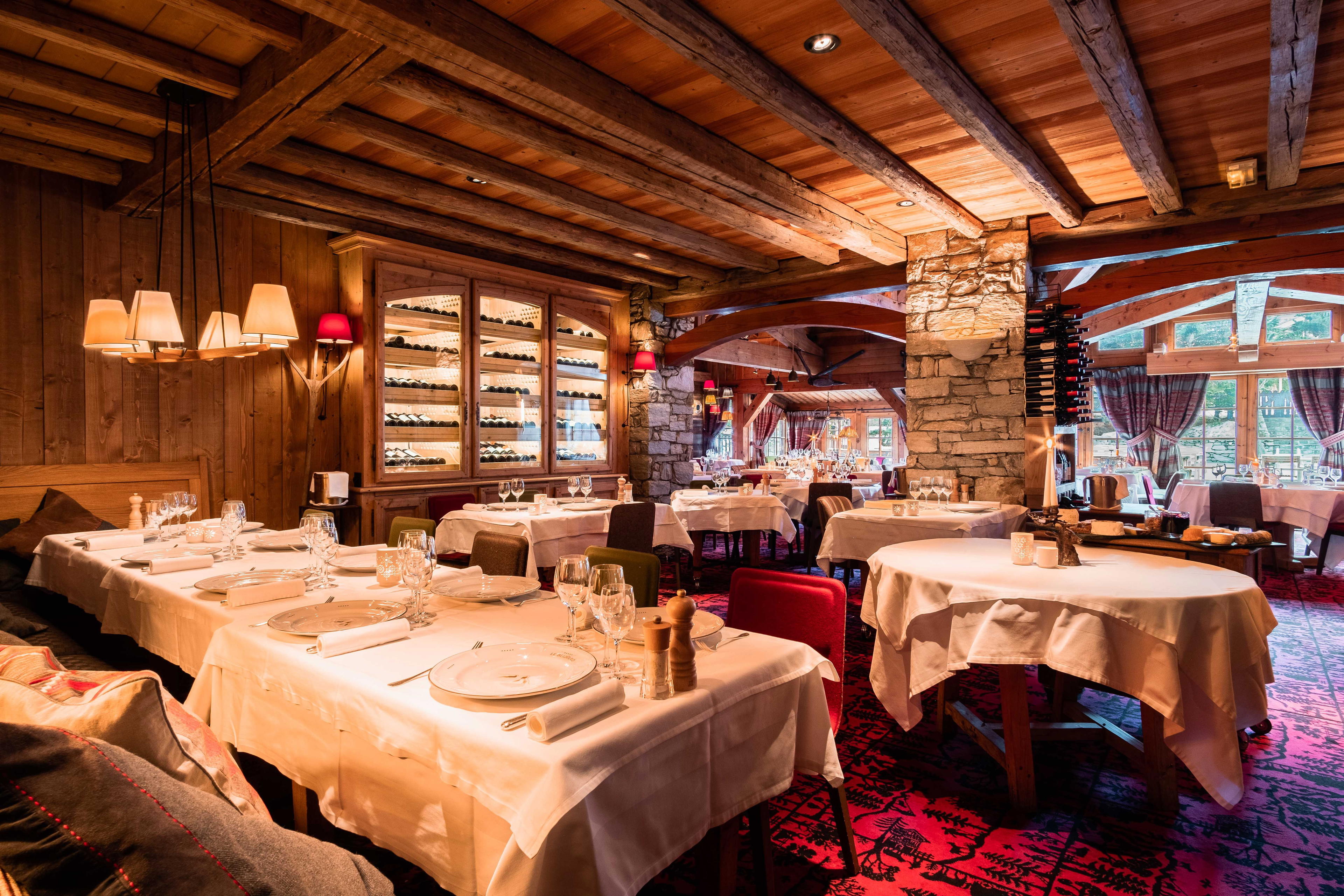
Bars in Val-d'Isère
Browse all →
At a Glance
- Scenic
- Cozy
- Elegant
- Rustic
- Celebration
- Special Occasion
- Group Dining
- Date Night
- Panoramic View
- Terrace
- Hotel Restaurant
- Craft Cocktails
- Local Sourcing
- Mountain
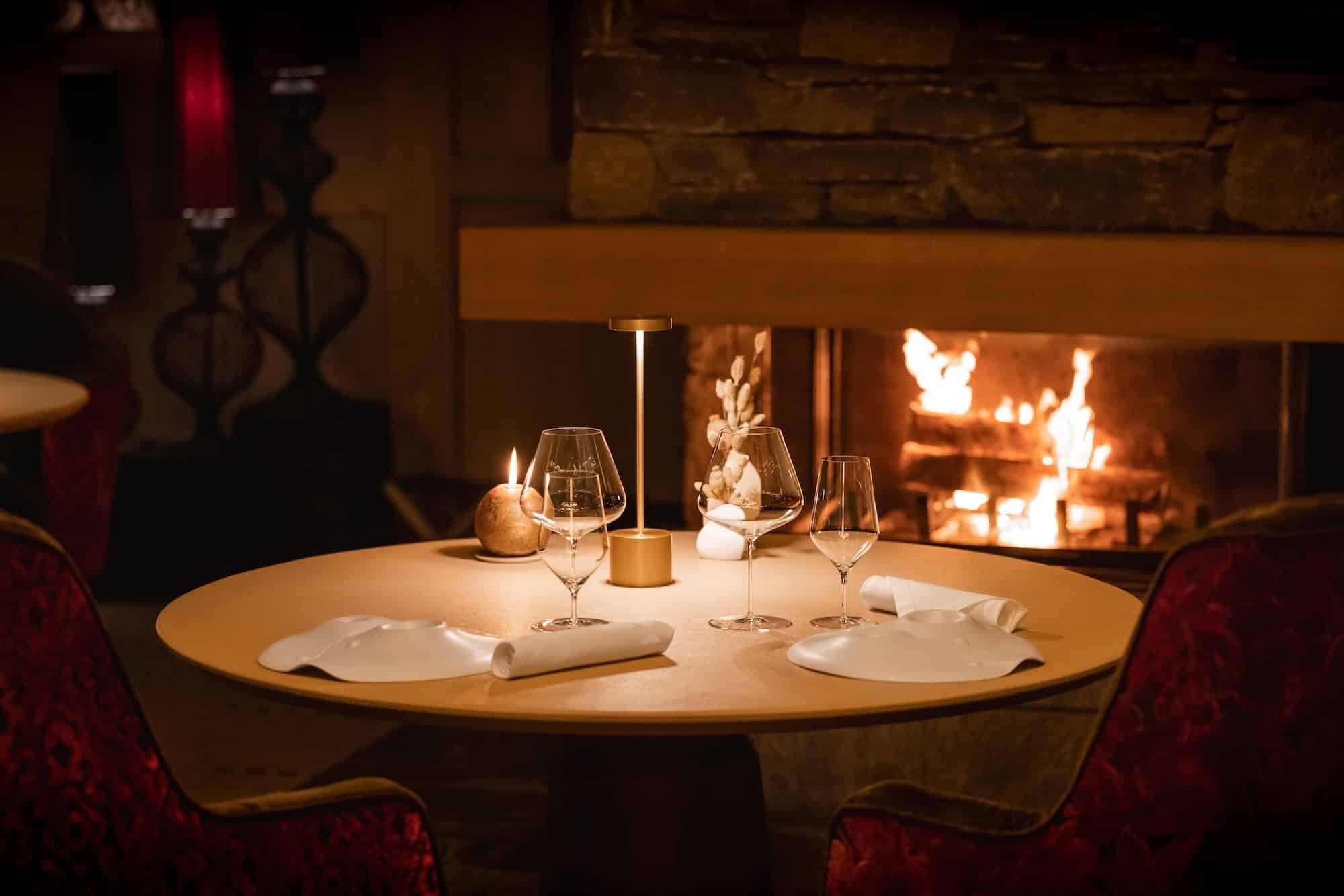
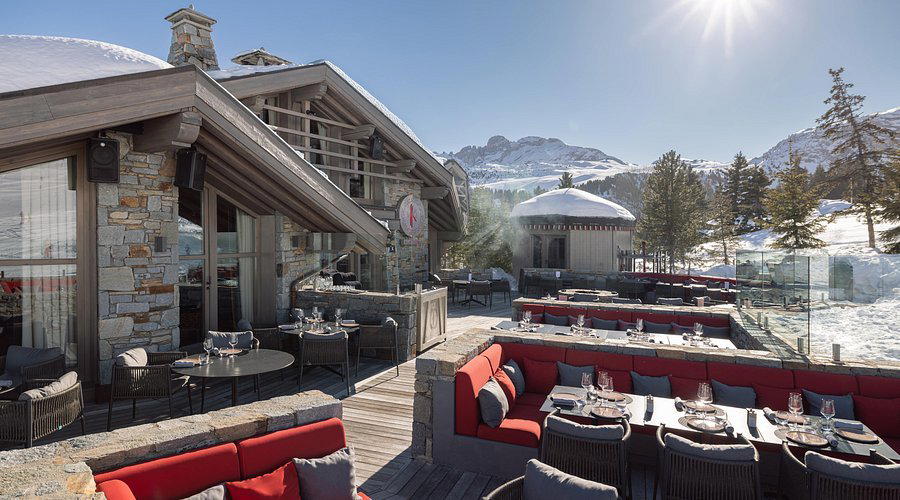
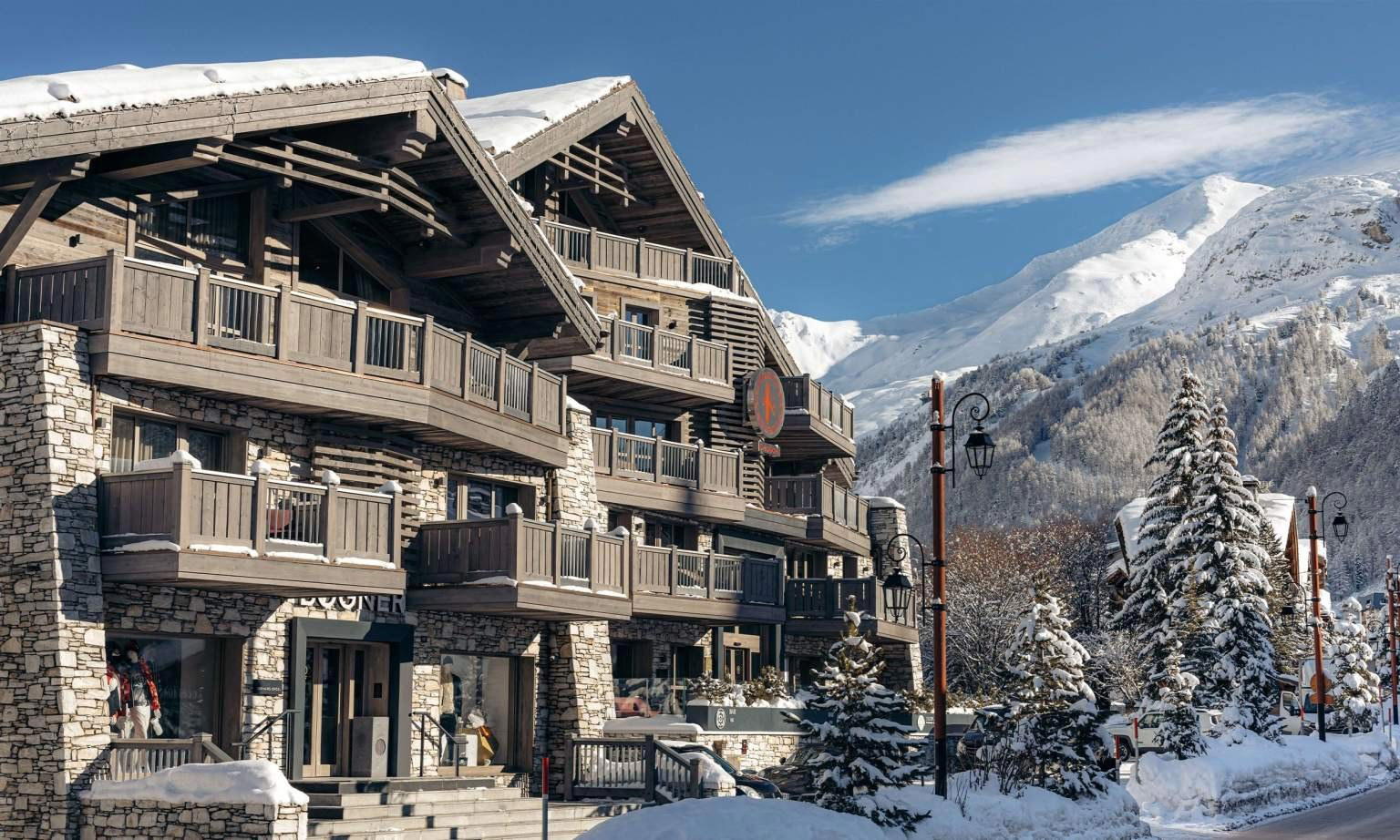
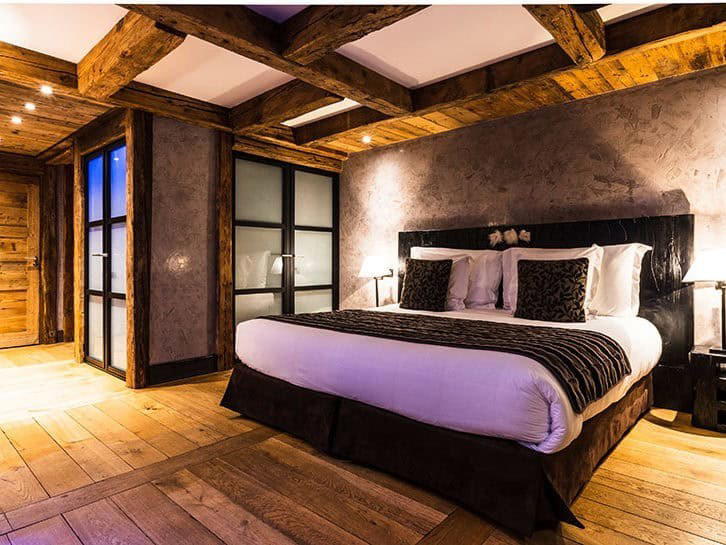
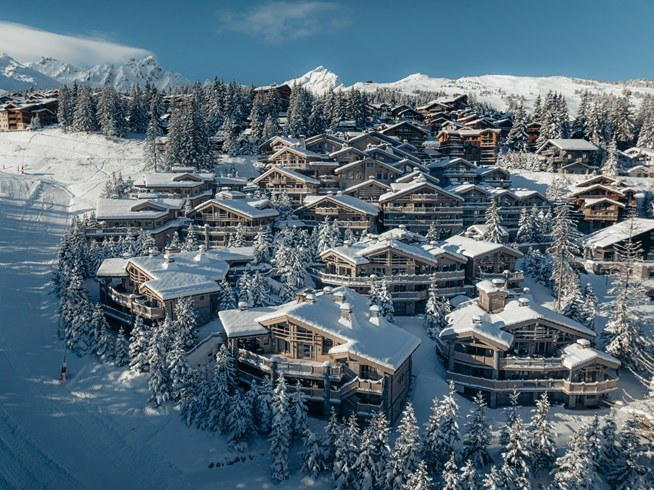
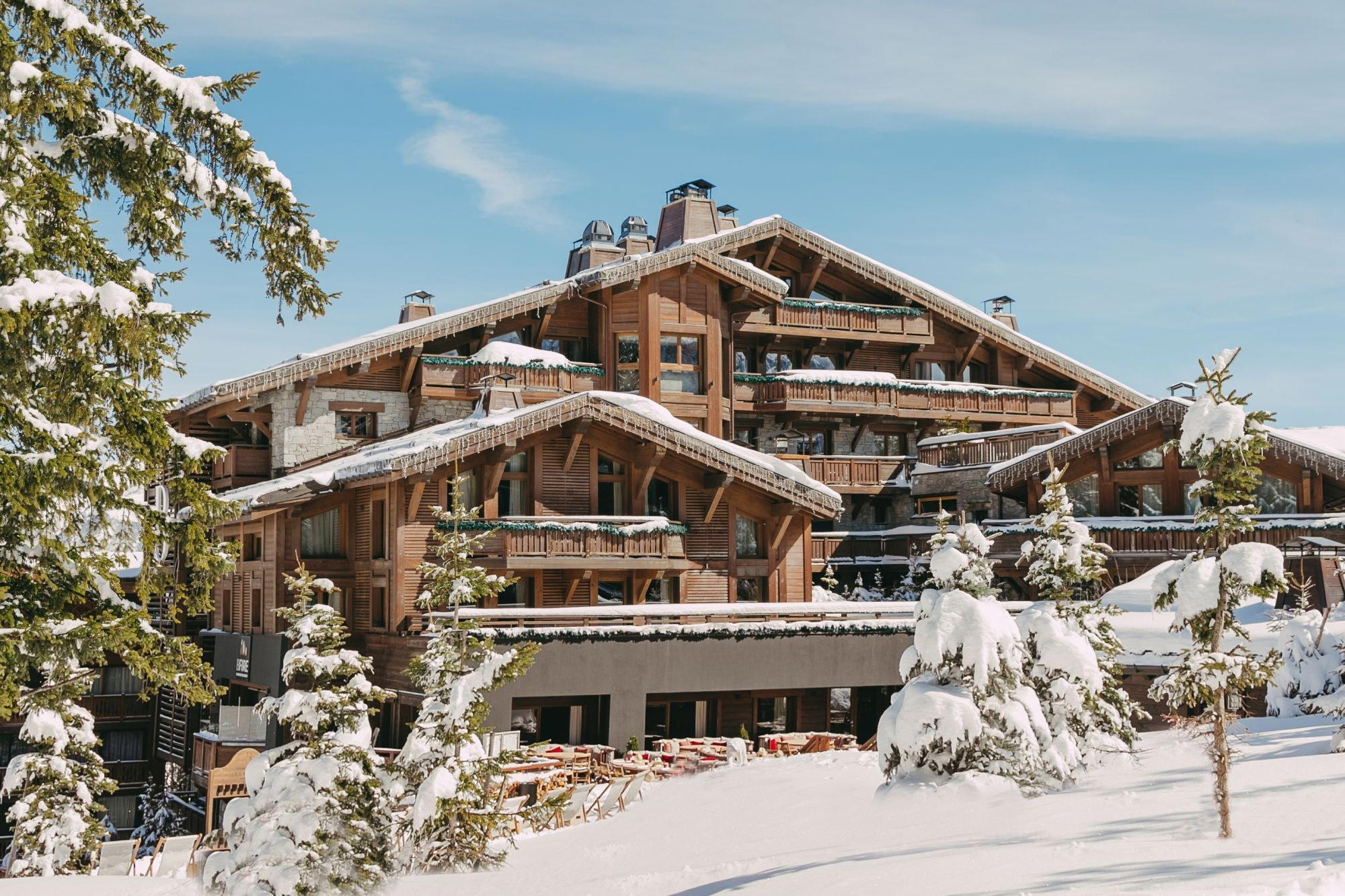
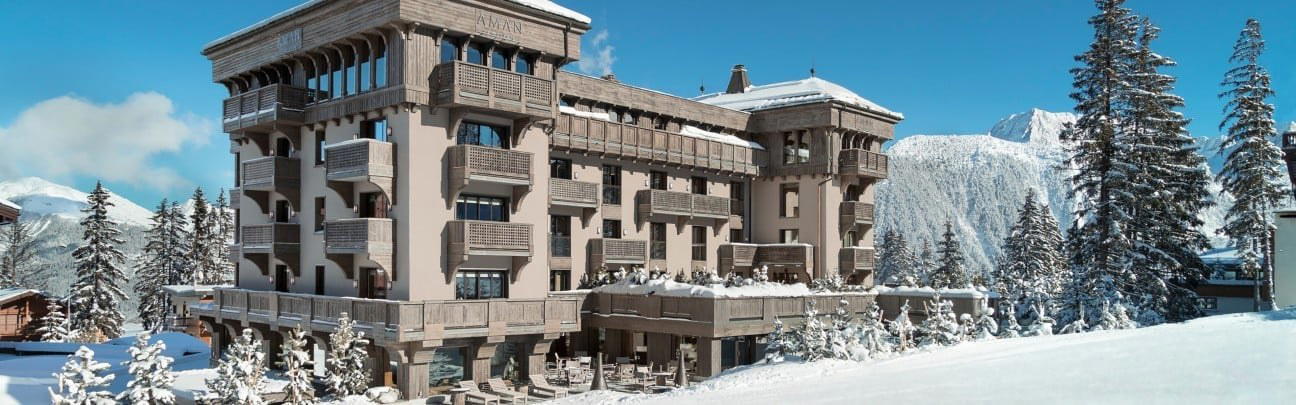
Warm and inviting with elegant alpine architecture blending old wood and local stone, large panoramic windows, and a vast sunny terrace overlooking snow-capped peaks and the Val d'Isère valley.