Our verdict
Le Robert II sits on the Rue de Fouquières in Gosnay, a quiet corner of the Pas-de-Calais that rewards deliberate travel. The address places it within France's northern agricultural heartland, where proximity to the fields and farms of Artois shapes the kind of cooking that starts with sourcing rather than technique. For a region often bypassed in favour of Paris or the Côte d'Opale, this is a serious dining proposition.

Pearl is the En Primeur Club membership app, where members save venues, book tables and use the concierge.
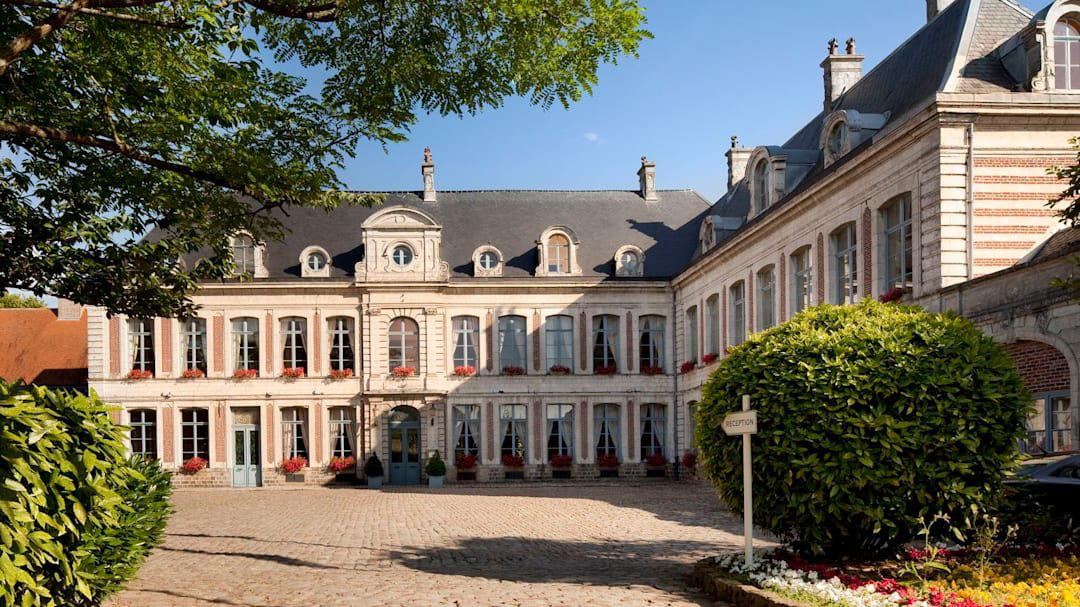
Where Artois Farmland Meets the Table
Gosnay is not a dining destination in the way that Menton or Megève announce themselves. The village sits quietly in the Pas-de-Calais, framed by the agricultural plains of Artois, an area whose culinary identity has always been rooted in what the land produces rather than what imported prestige can deliver. The address on the Rue de Fouquières places Le Robert II within this context: a northern French dining culture where endive, Maroilles cheese, Flemish-influenced braised meats, and the beet-sweetened traditions of the Nord corridor inform what ends up on the plate. Arriving here, particularly from the direction of Béthune, you pass through a working agricultural zone that functions, in effect, as the restaurant's extended larder. That proximity matters. It is the defining characteristic of serious provincial French dining and separates the Pas-de-Calais table from the Parisian model, where ingredient sourcing is often a logistical achievement rather than a geographical given.
For context on where northern France sits within the wider French fine dining circuit, Our full Gosnay restaurants guide maps the regional picture in useful detail. The broader French canon, represented by addresses such as Mirazur in Menton, Troisgros - Le Bois sans Feuilles in Ouches, and Alléno Paris au Pavillon Ledoyen in Paris, operates under different ingredient conditions: Mediterranean abundance, Loire-valley produce networks, or the Parisian wholesale infrastructure of Rungis. The northern model is quieter and more immediate, with shorter distances between origin and kitchen.
The Sourcing Logic of Northern France
The Pas-de-Calais holds less culinary celebrity than Alsace, Burgundy, or Provence, but its raw material credentials are substantial. The region produces a significant share of France's potatoes, sugar beet, chicory, and grain. Its coast, running from Boulogne-sur-Mer through the Côte d'Opale, delivers fish and shellfish into regional kitchens faster than most of France's interior addresses can access comparable seafood. Kitchens serious about ingredient sourcing in this part of France have structural advantages: the infrastructure of a major fishing port within reach and arable farmland essentially adjacent to service roads.
This is the model that distinguishes a certain category of French provincial dining from the more theatre-driven approaches you find in Paris or at heavily decorated urban addresses. Where Assiette Champenoise in Reims draws on the Champagne region's produce identity, and Au Crocodile in Strasbourg leans on the Alsatian larder of game, choucroute traditions, and Rhine fish, the northern Artois kitchen works with a different and underappreciated palette. Braised preparations suited to the colder climate, dairy-rich sauces, and strong root vegetables form the structural base, with coastal fish arriving as a contrast rather than a default.
The same sourcing-led philosophy animates addresses further afield: Bras in Laguiole built its international reputation on the volcanic plateau produce of the Aubrac; La Marine in Noirmoutier-en-l'île is inseparable from the island's salt-marsh conditions. In each case, geography precedes technique. That logic applies here too.
The Setting and Its Signals
Arriving at 1 Rue de Fouquières, the physical environment reads as provincial in the most considered sense. Gosnay is not designed for tourism, which means a restaurant operating here does so without the safety net of passing trade or a hotel-attached captive audience. That choice implies a kitchen confident in its own pull. Serious provincial addresses in France, from Auberge de l'Ill in Illhaeusern to Auberge du Vieux Puits in Fontjoncouse, share a similar quality: they require the diner to travel toward them, and the dining room earns that effort through the specificity of what it produces.
The Pas-de-Calais has relatively few addresses that hold the attention of guests who would otherwise route through Paris or head south. Le Robert II, positioned in Gosnay rather than in the more visible Béthune or Lens, sits in the category of destinations that reward prior knowledge rather than spontaneous discovery. In a region whose dining culture is underrepresented in the major French guides relative to its agricultural quality, that positioning is a reasonable editorial proposition.
Northern France in the Context of French Dining
France's most discussed fine dining addresses cluster in predictable corridors: Paris for AM par Alexandre Mazzia in Marseille-style creative ambition, Provence and the Côte d'Azur for Mediterranean ingredient clarity, the Atlantic coast for seafood-driven work like Christopher Coutanceau in La Rochelle. The north does not appear in those conversations with the same frequency, and that gap is partly a question of critical attention rather than culinary reality.
Addresses in Burgundy and the Rhône corridor, from Paul Bocuse - L'Auberge du Pont de Collonges in Collonges-au-Mont-d'Or to Georges Blanc in Vonnas, have shaped how international diners understand French provincial cooking. The northern model, by contrast, remains largely domestic in its audience. That makes Gosnay a different kind of proposition for the well-travelled diner: less validated externally, more tied to the rhythms of a specific and underexplored agricultural zone.
For comparison, L'Oustau de Baumanière in Les Baux and Flocons de Sel in Megève occupy settings where the surrounding geography is itself a draw, with dining as part of a broader landscape and accommodation experience. Gosnay offers no such frame. What it offers is the discipline of a kitchen operating in a location where the food, rather than the setting, must do the work. That is a structural honesty that appeals to a specific kind of diner. It also draws useful comparisons with French-influenced rooms working at distance, such as Le Bernardin in New York City and Atomix in New York City, where sourcing from distant origins replaces the proximity advantage that a Pas-de-Calais kitchen holds naturally.
Planning a Visit
Gosnay sits in the Pas-de-Calais department, accessible from Lille (approximately 45 minutes by road) and within reasonable reach of the Channel Tunnel terminal at Coquelles, making it a workable stop for travellers routing between London and Paris or heading deeper into northern France. The village has no significant tourist infrastructure, which means accommodation planning needs to happen in advance, with Béthune the most practical nearby base. Given the limited data currently confirmed for Le Robert II, including hours, booking method, and current format, direct contact with the venue before travelling is advisable. Reservations should be treated as non-negotiable for any serious meal here, as provincial French rooms at this level of intent rarely hold walk-in capacity.
Frequently asked questions
Is Le Robert II child-friendly?
Provincial French restaurants in the Pas-de-Calais of this type tend toward a measured, adult-focused dining tempo rather than a family-casual format. Gosnay itself is a quiet village, not a tourist hub, which shapes the register of any serious table there. Contacting the restaurant directly at 1 Rue de Fouquières before visiting with children is the practical step.
What's the vibe at Le Robert II?
The address in Gosnay, a rural village in the Pas-de-Calais rather than a city dining corridor, sets an unhurried, provincial tone. Expect a room shaped by farmland surroundings and northern French quietude rather than urban energy or theatrical staging. It is the kind of setting where the food and the pace of service carry the evening.
Is Le Robert II in Gosnay connected to the nearby Château de Gosnay?
The Château de Gosnay, a converted medieval priory operating as a hotel near 1 Rue de Fouquières, is the village's most recognised address to outside visitors. If the relationship between the two addresses is relevant to your visit, the restaurant is the appropriate source to clarify this directly.
What do people recommend at Le Robert II?
Northern French kitchens in the Pas-de-Calais region typically draw on serious local produce, endive, maroilles, channel seafood, and game from the Artois interior, so those categories represent the structural logic of what a kitchen at this address would likely anchor its menu to. Checking directly with the restaurant for the current menu is the reliable path.
How do I find Le Robert II?
Le Robert II is located at 1 Rue de Fouquières, 62199 Gosnay, France, Gosnay.
How hard is it to get a table at Le Robert II?
As a general pattern, provincial French addresses in smaller villages like Gosnay operate with limited covers and often attract a loyal local following, which can compress availability at weekends. Advance contact is advisable for any visit planned around a fixed travel window.
What has Le Robert II built its reputation on?
What can be said is that the restaurant occupies a position in Gosnay, Pas-de-Calais, where the culinary context is defined by serious regional produce and a dining culture that prioritises substance over profile. Reputation in northern French provincial settings tends to be built through consistency with a local and regional audience rather than through national press cycles.
Comparison Snapshot
Comparable venues nearby, for context on price, style, and recognition.
| Venue | Cuisine | Price | Notes |
|---|---|---|---|
| Le Robert IIThis venue (the venue you are viewing) | Gastronomic French | Not listed | Not listed |
| La Signature | Modern French Brasserie | $50–100 | Centre-ville |
| Les Jardins du Presbourg | Modern French Bistro | Not listed | 16e Arr. |
| Orgueil | Modern French Bistronomy | $50–100 | 11th arrondissement |
| Maison Blanche | Modern French Fine Dining | Not listed | 8th arrondissement |
| Le Calife | Classic French Fine Dining | $100–150 | Saint-Germain-des-Prés |
Continue exploring
More in Gosnay
Restaurants in Gosnay
All restaurants in Gosnay →
Bars in Gosnay
Browse all →
Hotels in Gosnay
Browse all →
Wineries in Gosnay
Browse all →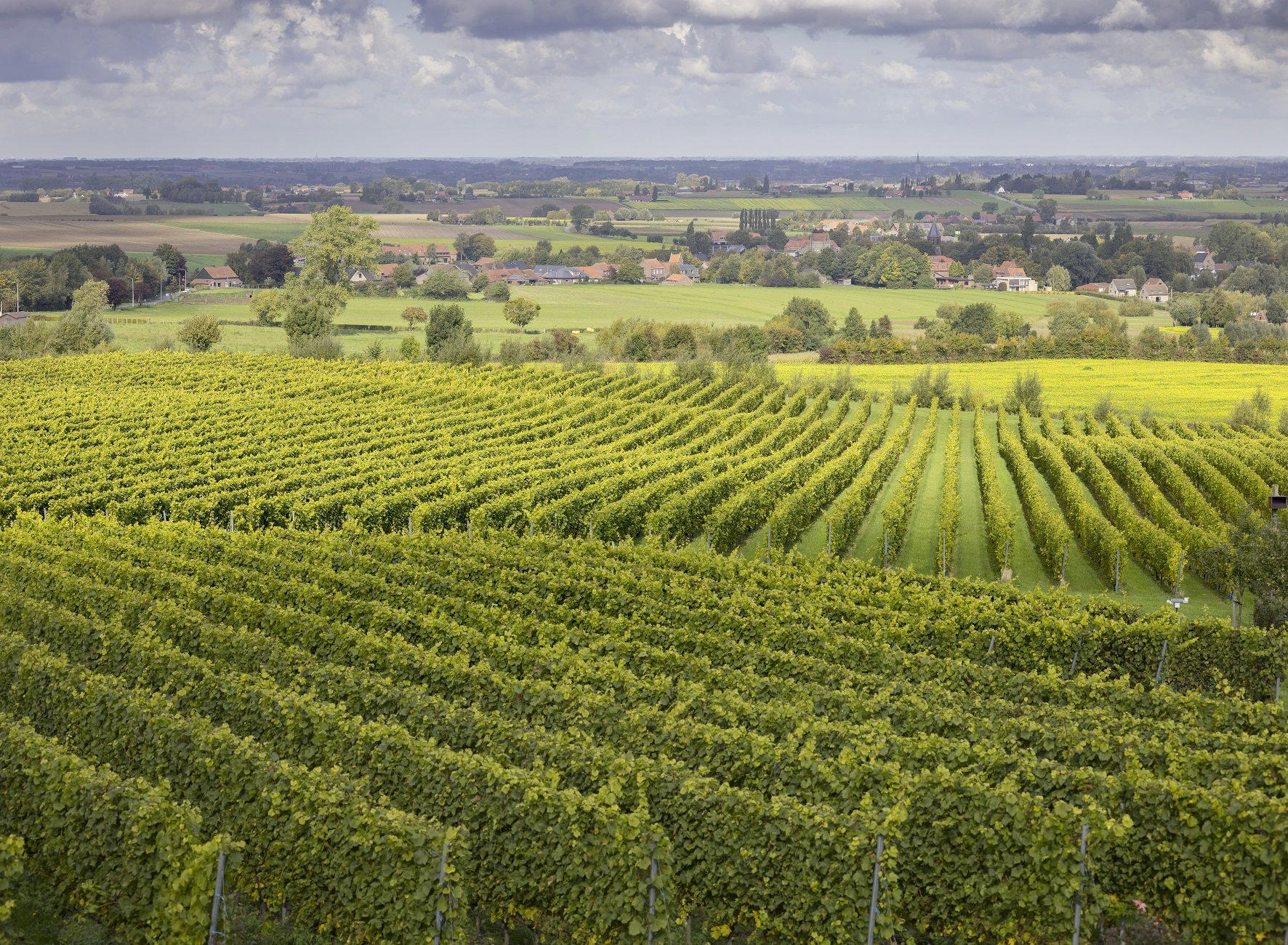
Details
- Elegant
- Sophisticated
- Classic
- Special Occasion
- Date Night
- Historic Building
- Garden
- A La Carte
Current opening hours
- Monday
- Closed
- Tuesday
- 12–2 PM, 7–9:30 PM
- Wednesday
- 12–2 PM, 7–9:30 PM
- Thursday
- 12–2 PM, 7–9:30 PM
- Friday
- 12–2 PM, 7–9:30 PM
- Saturday
- 12–2 PM, 7–9:30 PM
- Sunday
- 12–2 PM
Hours can change for holidays and private events. Hours as of .
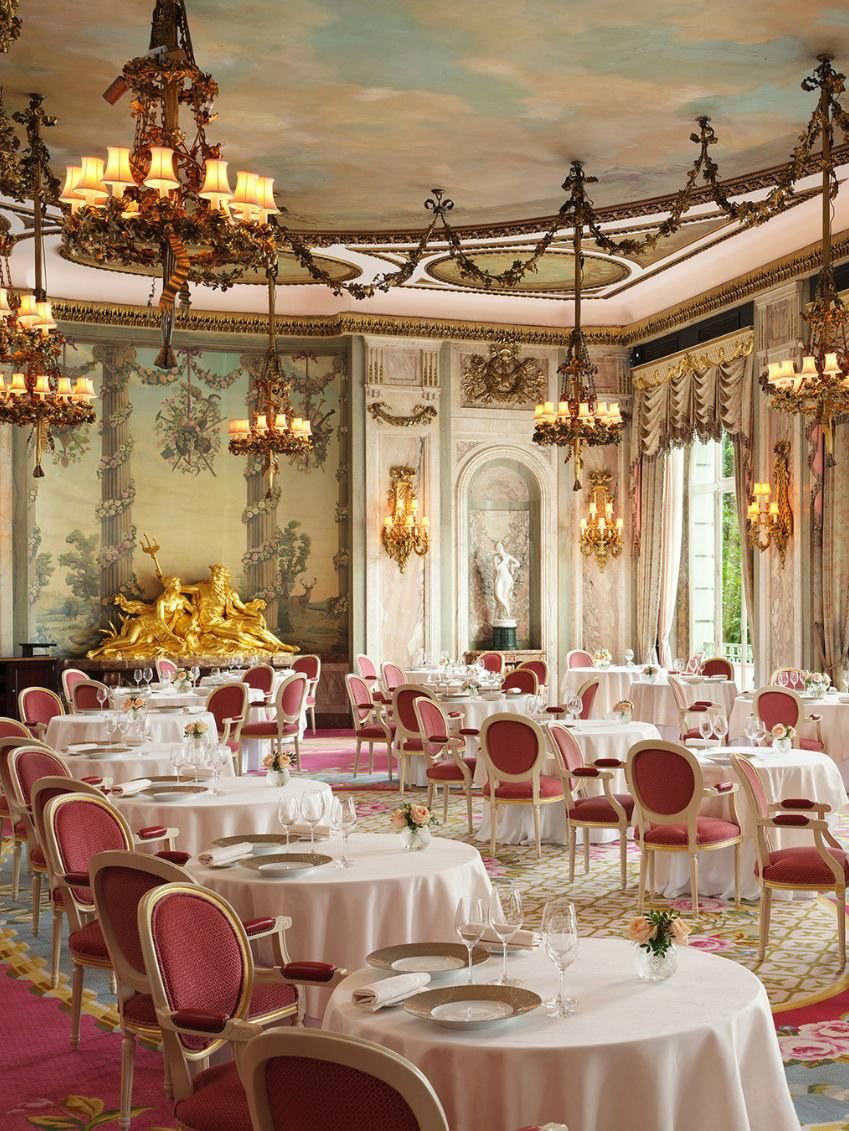
Formal dining room with mirrors, chandeliers, grand fireplaces, and gorgeous furnishings creating a magnificent atmosphere.