Our verdict
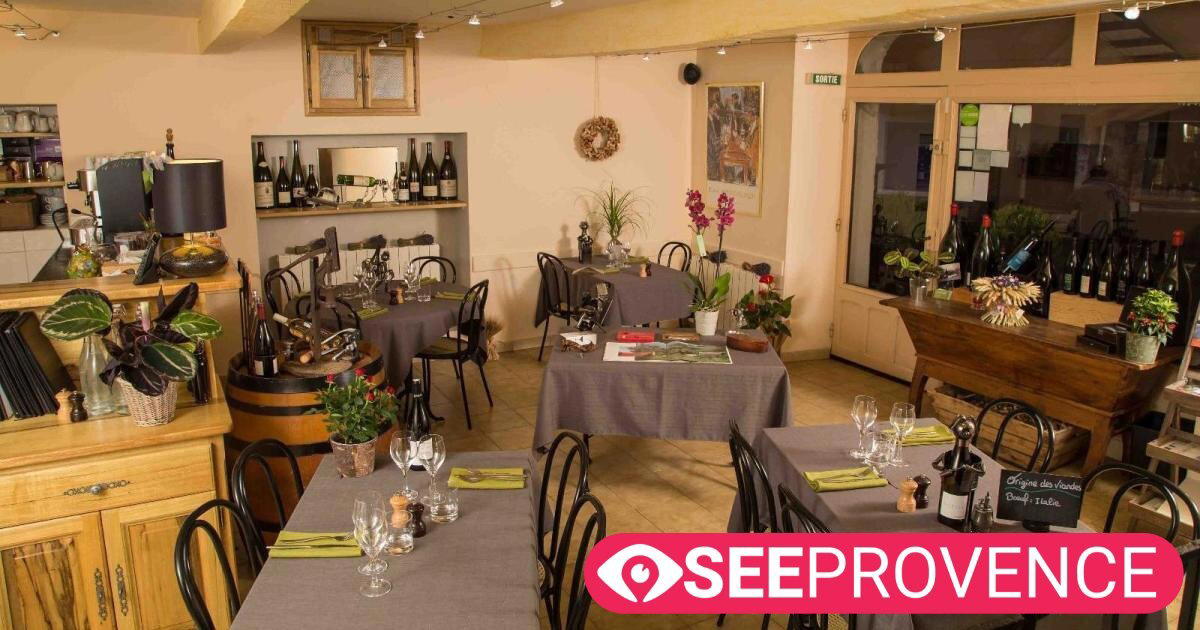
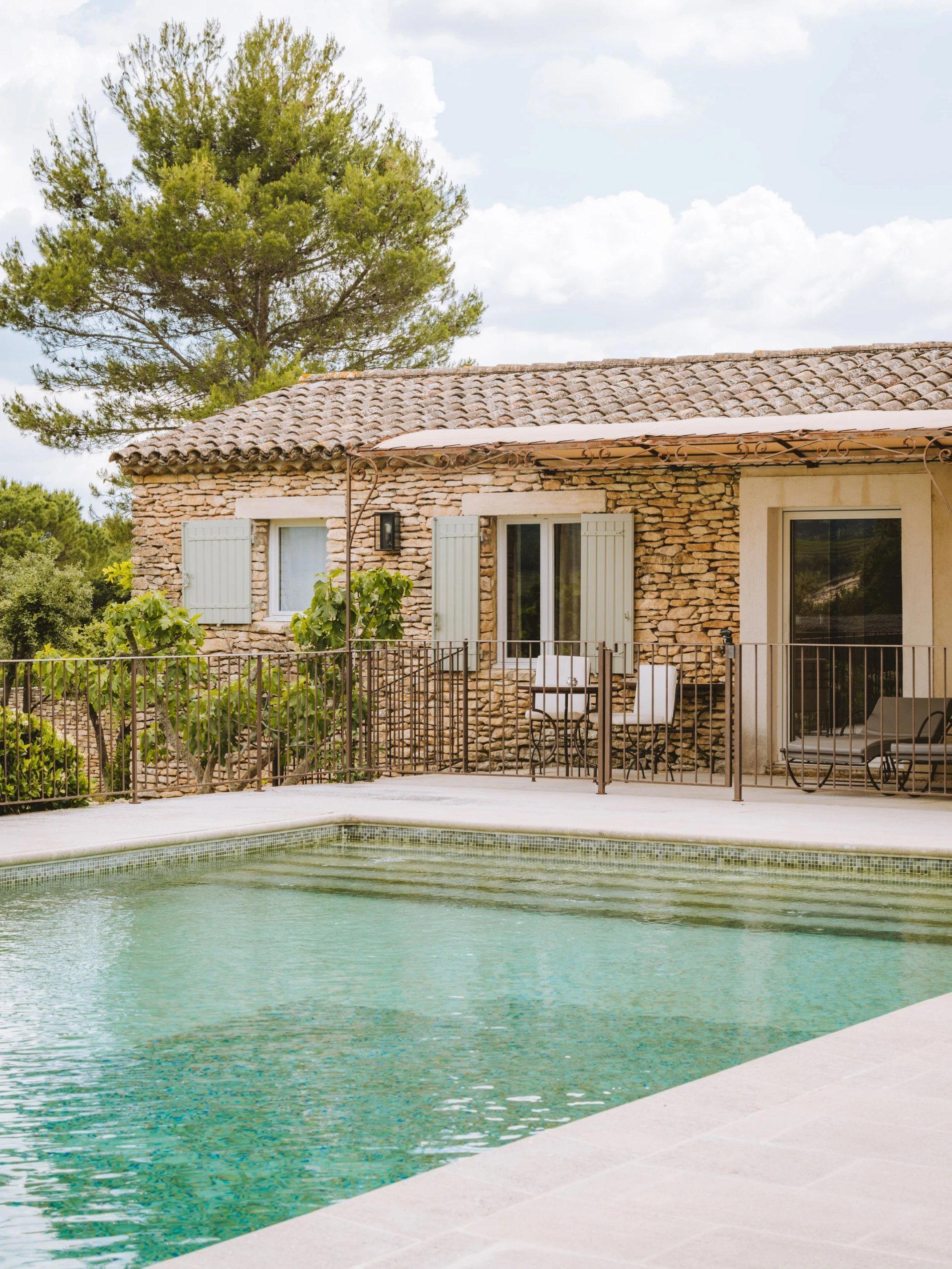
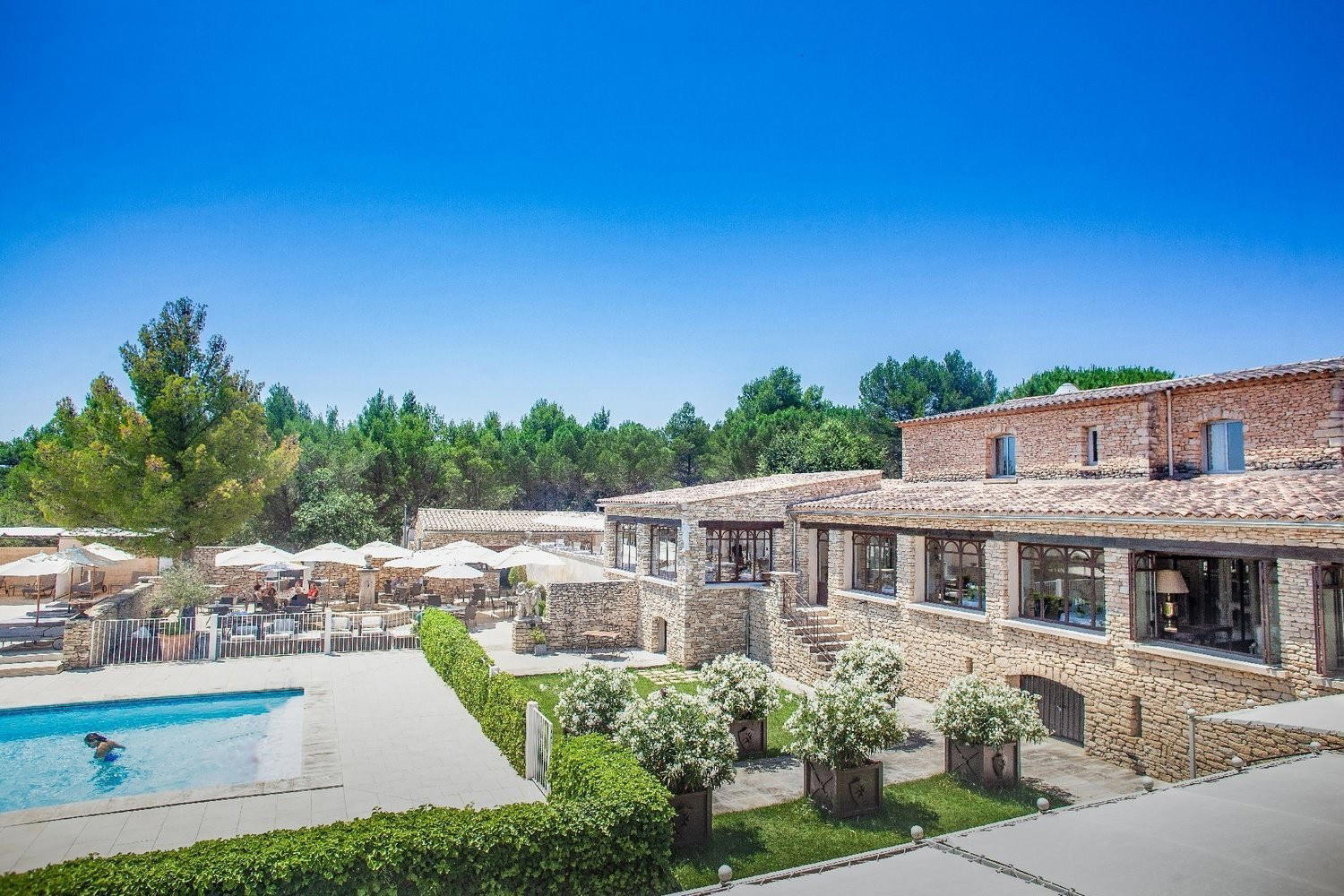
Le Provençal serves Traditional Provençal French in Sault, with an extensive wine list and a terrace for leisurely lunch or dinner.

Pearl is the En Primeur Club membership app, where members save venues, book tables and use the concierge.
The menu
What to order
- Lamb brain fricassee
- Veal blanquette with porcini mushrooms
Where Provence Comes to the Table
Sault sits at roughly 800 metres on the northern flank of Mont Ventoux, ringed by lavender fields that stretch toward the Lure massif on one side and the Vaucluse plateau on the other. The village itself is compact enough to cross on foot in ten minutes, and the addresses on its main drag reflect what the surrounding land produces rather than what a supply chain delivers. In that context, a restaurant called Le Provençal is making something of a declaration about where its cooking sits: rooted in territory, oriented toward the plateau's agricultural character, and shaped by what grows or grazes within reach.
Sault's market economy has always been structured around its lavender (the cooperative here is one of the Vaucluse's most active), its spelled wheat, honey from the garrigue, and lamb raised on the scrubland above the village. These are not decorative details on a menu card; they are the actual supply chain for the town's restaurants, and that gives dining in Sault a specificity that more accessible Provençal towns have largely lost. Gordes and Lourmarin now operate largely on tourism-facing menus that use the language of terroir while importing much of their produce. Sault, which draws fewer overnight visitors and has a functioning agricultural identity, is more resistant to that drift.
Ingredient Geography and What It Means at the Table
The broader tradition of Provençal cooking is inseparable from its geography of sourcing. The cuisine developed as a largely vegetable-forward, olive-oil-based kitchen precisely because the terrain dictated it: thin soils, strong sun, and a culture of preserving through salt, oil, and drying rather than cold storage. Herbs were not a garnish category; they were grown on every terrace and used to extend and season in ways that northern French cooking would handle with cream or butter. Thyme, rosemary, savory, and fennel grow semi-wild across the Vaucluse, and any kitchen serious about its sourcing can access them at no intermediary cost.
At altitude, the flavour profile of Provençal ingredients shifts perceptibly. Lavender honey from Sault is denser and more aromatic than valley equivalents. Spelled, grown here since at least the medieval period, has a nuttiness that bread made from modern wheat varieties cannot replicate. Lamb from the plateau carries a flavour profile associated with altitude pasture feeding, similar in principle to what drives the premium on agneau de Sisteron further east. These are the ingredient categories that a restaurant at this address has access to and, if it is doing its job seriously, is building its menu around.
That sourcing logic places village-level Provençal restaurants in an interesting comparative position relative to the region's Michelin-certified tier. Places like L'Oustau de Baumanière in Les Baux and Mirazur in Menton have formalised the sourcing relationship into highly curated tasting menus with documented producer credits. Further afield, Bras in Laguiole built an entire culinary identity around the Aubrac plateau's wild plants. The approach at that level is systematic and verifiable. At village restaurant level, the sourcing relationship is often less documented but no less real; it operates through proximity, market relationships, and daily buying rather than formal supply agreements. Both models produce food that reflects place, but the village version is less mediated and often more immediate.
The Village Restaurant in the French Culinary Hierarchy
France's regional restaurant culture has always operated on a hierarchy that runs from starred destination houses down through bistros and auberges to the table d'hôte. The middle tier, the serious village restaurant without formal awards recognition, is often where a region's actual cooking character is most legible. It is where technique serves the ingredient rather than the other way around, and where the clientele is mixed enough (locals, passing trade, regional visitors) to keep the kitchen honest about price and portion.
Sault's position as a productive agricultural commune rather than a purely touristic one means its restaurants occupy that middle tier with some credibility. The village draws visitors primarily during the lavender season (July, with the plateau typically at its most vivid in the first two weeks of the month) and in summer more generally, but it retains a working population and a weekly market that keeps its food economy grounded. A meal here is likely to be priced at the level of a regional bistro rather than a destination restaurant, and the menu is likely to reflect what was available at the market that morning.
For context on what formal recognition looks like at the Provençal and southern French level, Auberge du Vieux Puits in Fontjoncouse and AM par Alexandre Mazzia in Marseille represent the region's more decorated addresses. The gap between those houses and a village restaurant like Le Provençal is not simply one of quality; it is one of format, ambition, and the degree to which the kitchen is performing cooking as a destination experience versus feeding people well from good local ingredients.
Planning a Visit
Sault is roughly 45 kilometres east of Carpentras via the D942, a road that climbs through increasingly open landscape as you gain altitude toward the plateau. The village has limited parking on its perimeter, and the old town streets are not navigable by car; arriving on foot from a parking area takes under five minutes. Le Provençal's address on Rue Prte des Aires places it within the village centre. Given the seasonal nature of Sault's visitor economy, booking ahead is advisable in July and August; the shoulder seasons of May, June, and September tend to be quieter.
Readers interested in the wider French restaurant scene at the level where sourcing and terroir are systematically documented can find comparable editorial depth at Flocons de Sel in Megève, Troisgros - Le Bois sans Feuilles in Ouches, Georges Blanc in Vonnas, and Auberge de l'Ill in Illhaeusern. For the full picture of what Sault and its surrounding villages offer at the table, see our full Sault restaurants guide.
Elsewhere in France's starred tier, Alléno Paris au Pavillon Ledoyen, Assiette Champenoise in Reims, Au Crocodile in Strasbourg, Paul Bocuse - L'Auberge du Pont de Collonges, Christopher Coutanceau in La Rochelle, and La Marine in Noirmoutier-en-l'île give a sense of the range of approaches across which French regional cooking currently operates. For international reference points where sourcing and terroir drive the editorial conversation, Le Bernardin in New York City and Atomix in New York City represent the North American end of that conversation.
Frequently asked questions
Is Le Provençal suitable for children?
Sault is a small, unhurried village at altitude, and Le Provençal operates within that context, a pace that tends to suit families without demanding formal behaviour. Provençal cooking's vegetable-forward tradition means there are typically approachable dishes alongside richer preparations. As with most village restaurants in the Vaucluse, the setting is relaxed rather than ceremonial.
What's the vibe at Le Provençal?
Le Provençal sits on Rue Porte des Aires in Sault, a quiet plateau village ringed by lavender fields on the northern slope of Mont Ventoux. The atmosphere follows the rhythm of the village: unhurried, rooted in place, without the performance of a destination dining room. Expect a neighbourhood register, locals alongside passing visitors who have climbed the D942 from Carpentras.
Is Le Provençal a good base for visiting the Mont Ventoux area, and how far is it from nearby towns?
Sault sits roughly 45 kilometres east of Carpentras via the D942, making Le Provençal a natural stop on the circuit around Mont Ventoux's northern and eastern flanks. The village itself is a practical anchor point for the lavender plateau region, with the restaurant reflecting the local Provençal table tradition rather than a tourist-facing formula. It is better understood as a reason to be in Sault than a detour from somewhere else.
What's the best thing to order at Le Provençal?
What is clear is that the restaurant sits inside a strong regional sourcing tradition: Provençal cooking at this altitude draws on lamb from the surrounding hills, local olive oil, and seasonal vegetables from the plateau. Asking staff what has arrived that week is more reliable than any printed list.
A Quick Peer Check
Comparable venues nearby, for context on price, style, and recognition.
| Venue | Cuisine | Price | Notes |
|---|---|---|---|
| Le ProvençalThis venue (the venue you are viewing) | Traditional Provençal French | $20–30 | Not listed |
| Les Barbus | Modern French Bistro | $30–50 | centre-ville |
| Restaurant EAT | Modern French Bistro | $20–30 | Historic Center |
| Le Tunnel | Traditional French Bistro | $20–30 | Grande-Rue |
| Etc. | Creative French Bistro | Not listed | Centre-ville |
| AOC 41 | Modern French Bistro | $30–50 | Le Mourillon |
Continue exploring
More in Sault
Restaurants in Sault
All restaurants in Sault →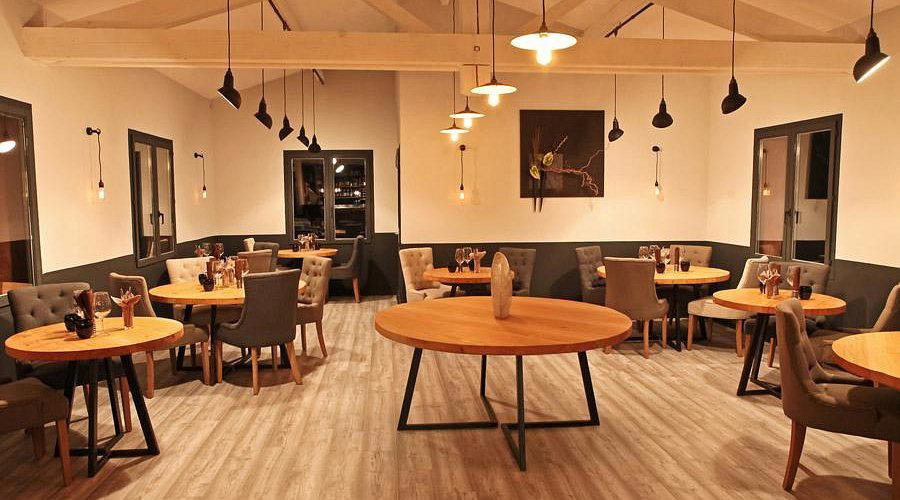

Details
- Classic
- Cozy
- Rustic
- Special Occasion
- Date Night
- Terrace
- Extensive Wine List
- Street Scene
- A La Carte
Current opening hours
- Monday
- Closed
- Tuesday
- Closed
- Wednesday
- 12–2 PM, 7–9 PM
- Thursday
- 12–2 PM, 7–9 PM
- Friday
- 12–2 PM, 7–9 PM
- Saturday
- 12–2 PM, 7–9 PM
- Sunday
- 12–2 PM, 7–9 PM
Hours can change for holidays and private events. Hours as of .
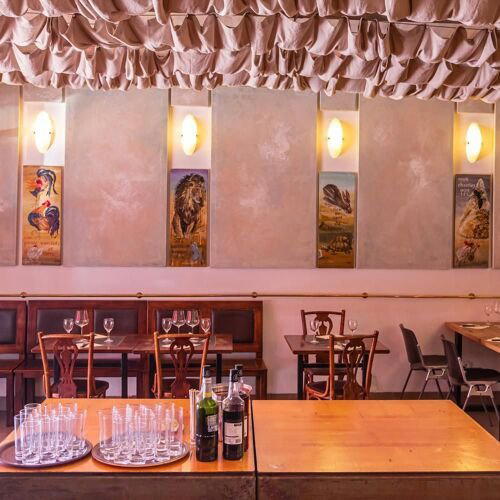
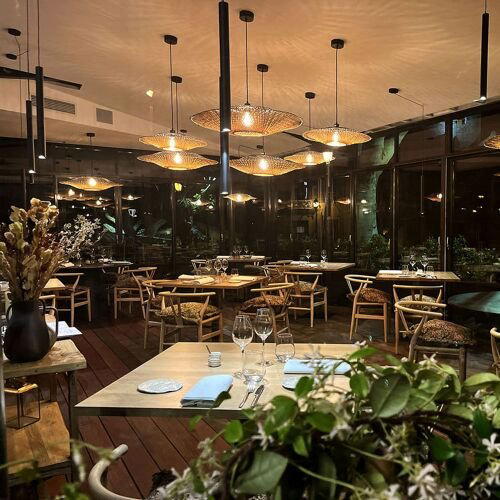
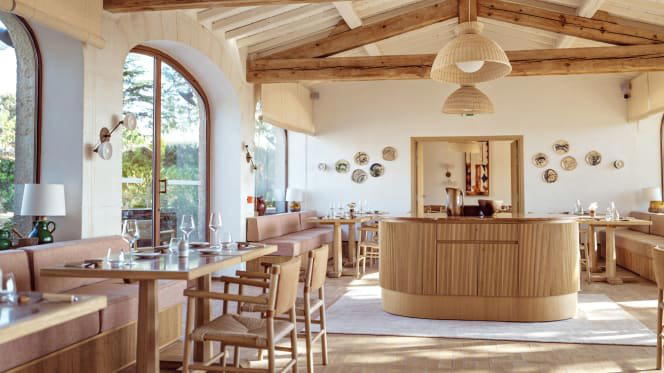
Old-fashioned and cozy dining room with a slightly dated but charming cellar-like feel.