Le Raisin d'Ours
In Les Deux-Alpes, where most dining decisions default to post-ski convenience, Le Raisin d'Ours on Avenue de la Muzelle occupies a different register. The name alone, the bear's grape, signals something rooted in the Alpine tradition of foraging and seasonal proximity that defines serious mountain cooking in the French Alps. For those moving beyond the resort's standard fare, it merits attention.
Pearl is the En Primeur Club membership app — saves, bookings, and concierge access live there. Same editors, same standards.
- Address
- 98 Av. de la Muzelle, 38860 Les Deux Alpes, France
- Phone
- +33476792956
- Website
- facebook.com
- Directions
- Get directions
 Saves & bookings on Pearl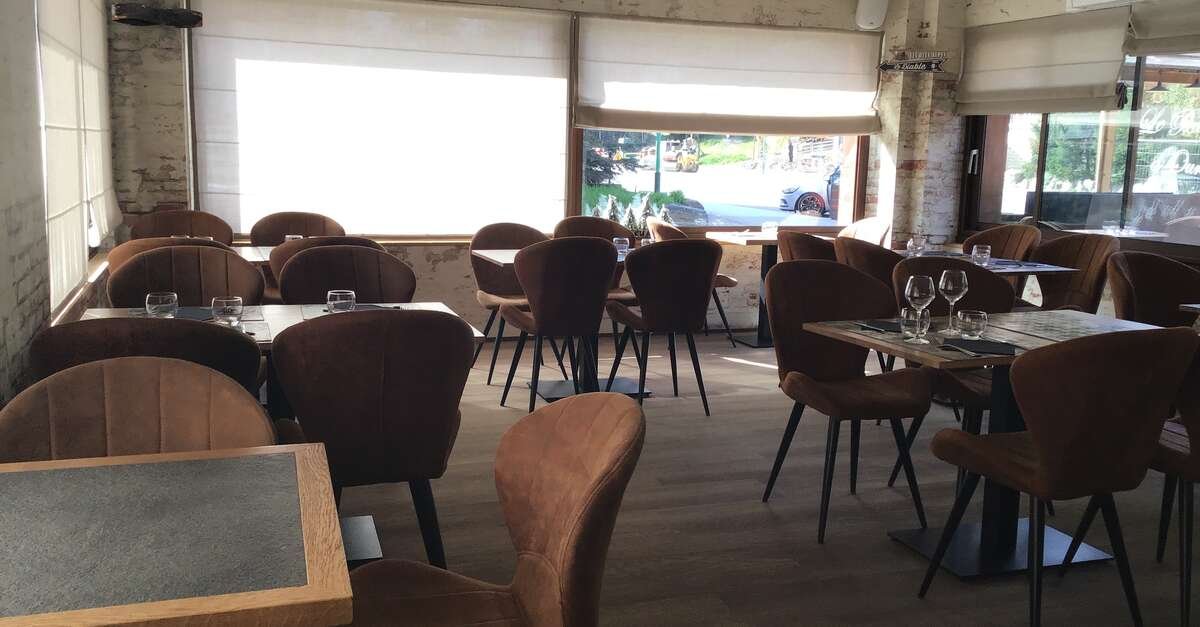
Mountain Dining Between the Pistes and the Plate
Les Deux-Alpes sits at roughly 1,650 metres at village level, with skiing that extends above 3,200 metres on the Dôme de la Lauze glacier. At that altitude, the hospitality infrastructure tends to organise itself around one priority: get hungry skiers fed quickly. Most of the resort's dining options operate accordingly, functional, generous, and broadly interchangeable. The restaurants that break from that pattern are few, and they tend to do so by anchoring themselves to something more specific: a product philosophy, a regional tradition, or a kitchen discipline that would survive the off-season.
Le Raisin d'Ours, at 98 Avenue de la Muzelle, positions itself within that smaller category. The name references the bear's grape, raisin d'ours in French, a term applied to several Alpine berry species historically gathered from high-altitude terrain. That choice of name is not decorative. In Alpine culinary tradition, the capacity to source from the surrounding landscape, rather than importing generic produce from the valley, has long separated destination restaurants from convenience stops. It is the same logic that drives Flocons de Sel in Megève and the broader tier of serious French mountain cooking.
The Source Question in Alpine Cooking
Ingredient sourcing in ski resort restaurants is a more complicated problem than it appears. Supply chains at altitude are constrained by road conditions, delivery windows, and the sheer cost of logistics to isolated villages. The default response, across most of the Alps, is to draw from regional wholesalers who supply consistent, if undistinguished, product. A smaller number of kitchens treat those constraints as a design brief: what can be sourced locally, preserved from summer harvests, or procured from specialists in the surrounding Isère department?
The Isère valley is not short of raw material. The Grenoble area produces some of France's most recognised walnuts, the only French walnut with an AOC designation, alongside high-quality cheeses from the Vercors and Chartreuse massifs, lamb from the Belledonne range, and river fish from the Drac and Romanche systems. A kitchen in Les Deux-Alpes that draws on that regional network rather than generic supply is operating with a fundamentally different pantry from its neighbours.
This sourcing-led approach connects Le Raisin d'Ours to a broader tradition in French regional cooking that treats geography as a constraint that produces character. At the three-star level, that philosophy is explicit: Bras in Laguiole has built an international reputation on the flora of the Aubrac plateau; Auberge du Vieux Puits in Fontjoncouse operates from a village of 120 people in the Aude, sourcing from its immediate surroundings. At the resort level, the ambition is different in scale, but the underlying logic is the same.
What the Alpine Setting Demands of a Kitchen
Cooking at altitude, for a clientele that has spent a day in cold, physically demanding conditions, creates particular expectations around generosity and warmth. The Alpine auberge tradition, substantial dishes, hearty stocks, preserved meats and mountain cheeses, is not an accident of culture but a practical response to the environment. The leading mountain restaurants hold both things at once: the substance that the setting demands and the sourcing discipline that separates considered cooking from mere calorific output.
France's broader restaurant culture provides useful reference points for where that balance has been struck most effectively. Mirazur in Menton built its reputation partly on kitchen-garden sourcing in a coastal context; Troisgros - Le Bois sans Feuilles in Ouches relocated partly to gain closer proximity to its agricultural sources. At the other end of the formality spectrum, Auberge de l'Ill in Illhaeusern has anchored three-star cooking to an Alsatian landscape for generations. In each case, the sourcing philosophy is not a marketing position but a practical constraint that shapes the menu.
Within Les Deux-Alpes, Le P'tit Polyte represents the local modern cuisine option, giving the resort a small but genuine tier of considered dining above the canteen standard. Le Raisin d'Ours operates in a different register, one more closely aligned with traditional Alpine hospitality. Together they suggest that the resort's dining offer is wider than its reputation for slope-side convenience implies. Our full Les Deux-Alpes restaurants guide maps the complete picture across price points and formats.
French Regional Cooking in a National Context
To understand what the restaurant represents at the local level, it helps to map it against the broader spectrum of French restaurant ambition. At the far end of that spectrum sit places like Alléno Paris au Pavillon Ledoyen, Paul Bocuse in Collonges-au-Mont-d'Or, AM par Alexandre Mazzia in Marseille, Assiette Champenoise in Reims, Georges Blanc in Vonnas, L'Oustau de Baumanière in Les Baux, Au Crocodile in Strasbourg, and Christopher Coutanceau in La Rochelle. These are formal destination restaurants whose sourcing decisions operate at national scale. A resort restaurant in the Isère is solving a different problem, for a different clientele, with different logistical tools. That distinction matters: the standard of reference for the restaurant is the resort tier, not the Michelin-starred mountain house.
The relevant comparison is not Le Bernardin in New York or Atomix, but rather whether the kitchen is doing something more considered than the piste-side average, and whether it earns a second visit on the basis of what arrives on the plate.
Planning a Visit
Les Deux-Alpes operates primarily as a winter resort, with the main ski season running from late November through April, and a secondary summer season built around mountain biking and hiking. Avenue de la Muzelle is one of the resort's central arteries, making the address walkable from most accommodation clusters without requiring transport.
At-a-Glance Comparison
Comparable venues nearby, for context on price, style, and recognition.
| Venue | Cuisine | Price | Awards | Notes |
|---|---|---|---|---|
| Le Raisin d'OursThis venue — the venue you are viewing | Traditional French Mountain Brasserie | $$ | Not listed | Not listed |
| Le P'tit Polyte | Modern French Fine Dining | $$$$ | Michelin 1 Star | Les Deux-Alpes |
| La Fromagerie Des Belleville | Savoyard Cheese Specialties | $$ | Not listed | Les Menuires |
| Bloomer | Modern French Neo-Bistro | $$ | Not listed | Near Annecy Train Station |
| Le Signal 2108 | Bistronomic French with Regional Specialties | $$ | Not listed | Signal Mountain |
Continue exploring
More in Les Deux-Alpes
Restaurants in Les Deux-Alpes
Browse all →
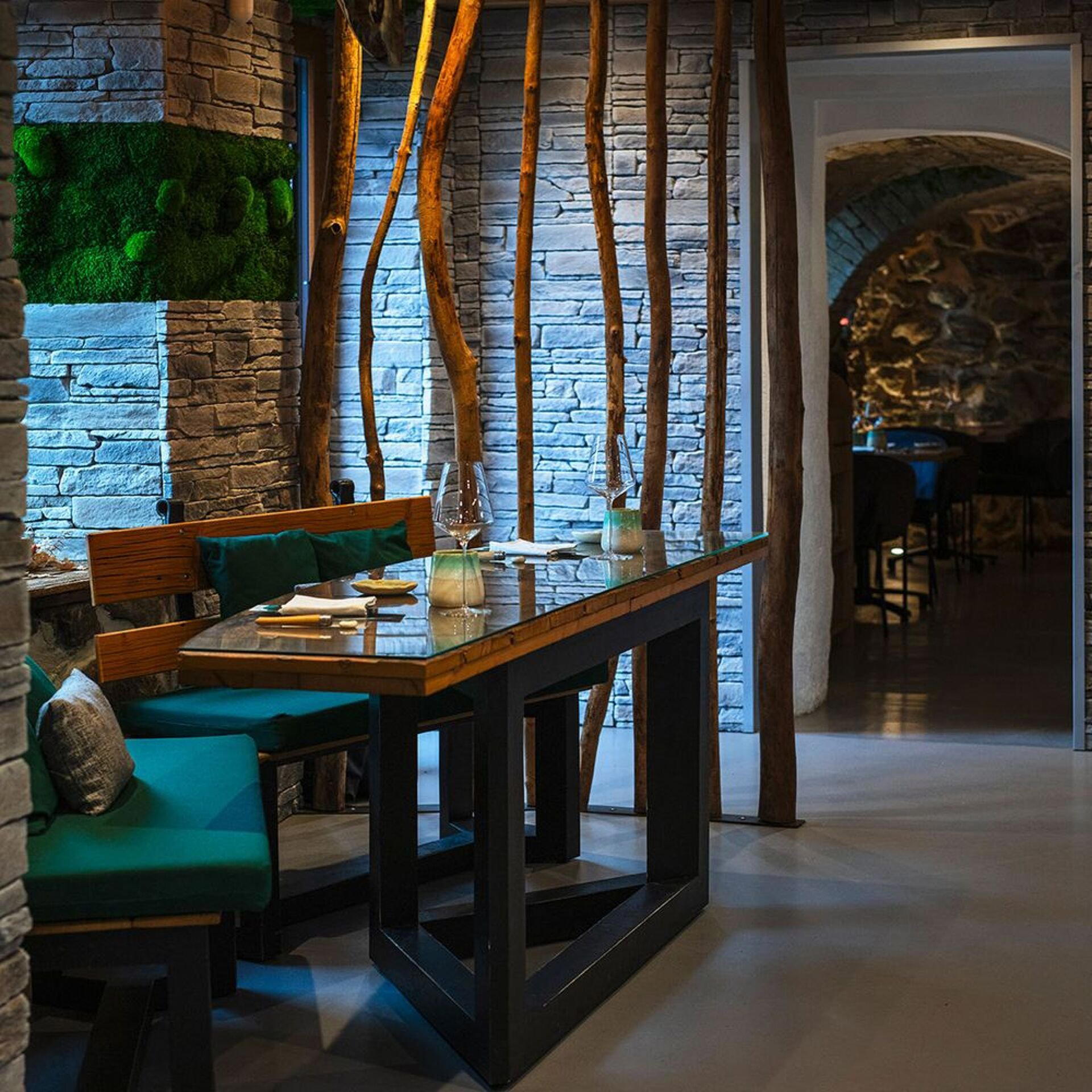
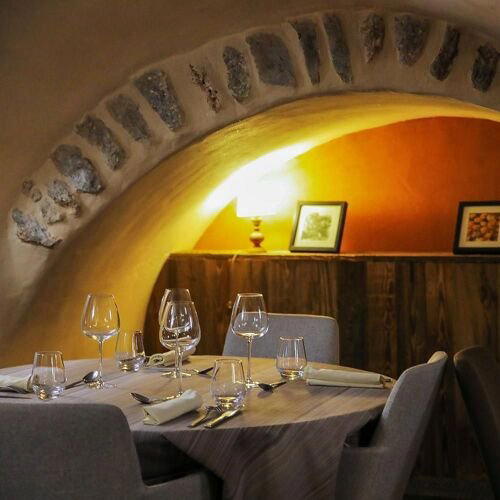
Bars in Les Deux-Alpes
Browse all →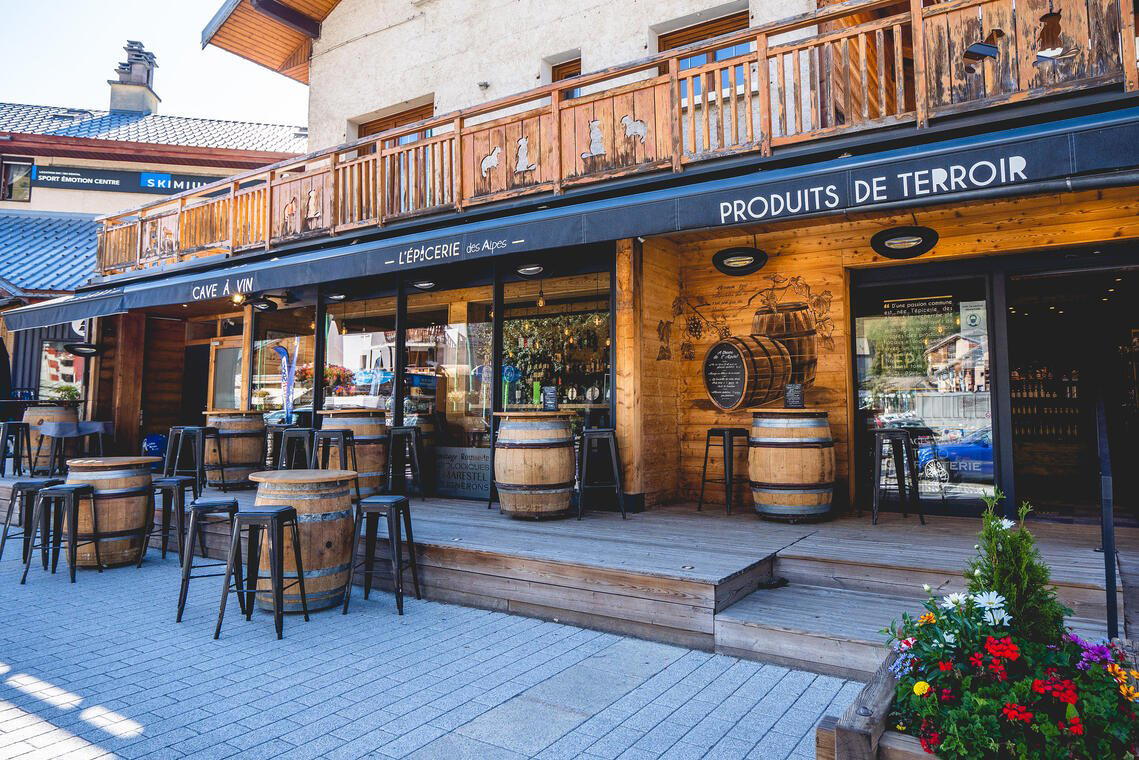
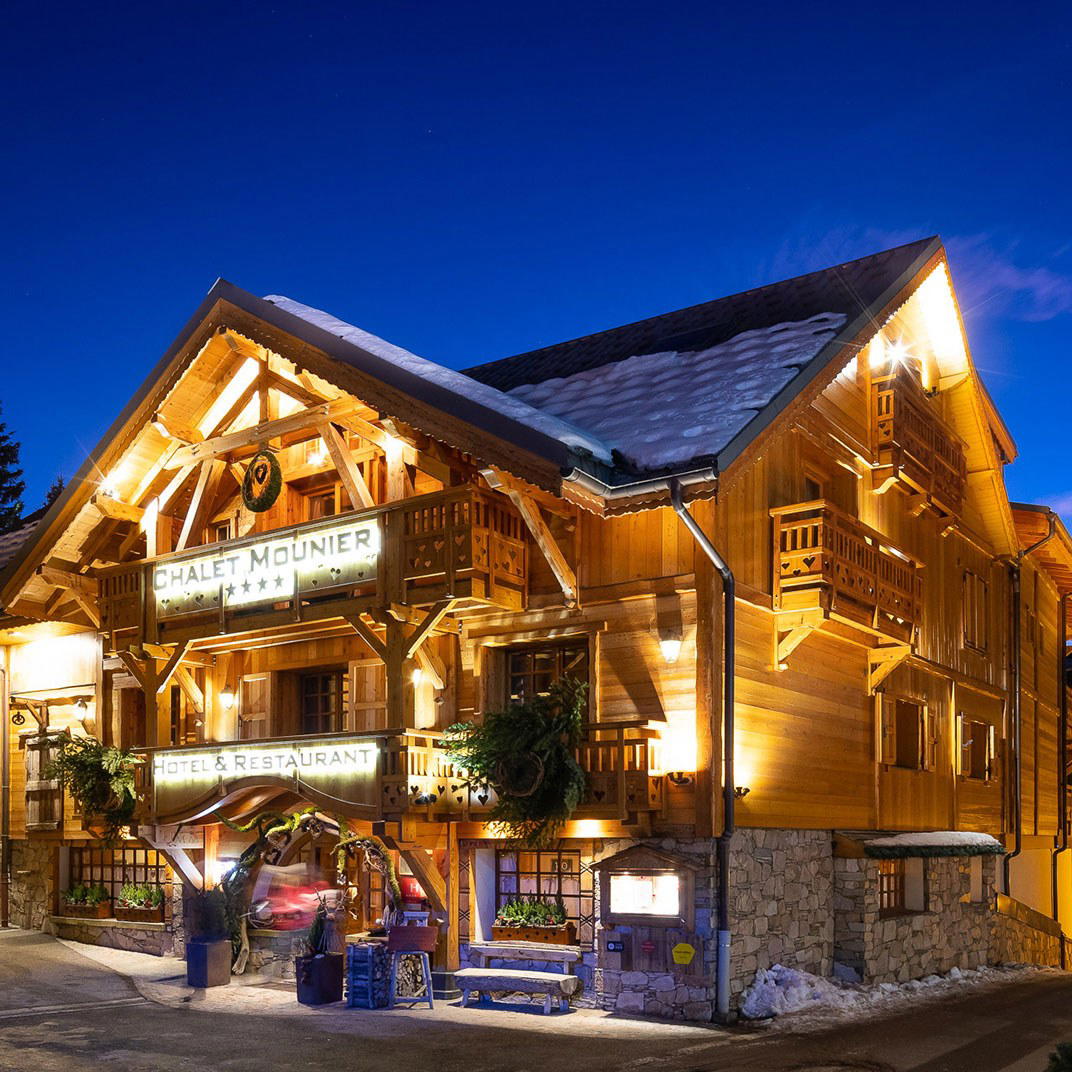
At a Glance
- Cozy
- Rustic
- Family
- Casual Hangout
- Terrace
- Extensive Wine List
- Mountain
Current opening hours
- Monday
- 12–2 PM, 7–10 PM
- Tuesday
- 12–2 PM, 7–10 PM
- Wednesday
- 12–2:30 PM, 7–10 PM
- Thursday
- 12–2 PM, 7–10 PM
- Friday
- 12–2 PM, 7–10 PM
- Saturday
- 12–2:30 PM, 7–10 PM
- Sunday
- 12–2:30 PM, 7–10 PM
Hours can change for holidays and private events. Last verified .
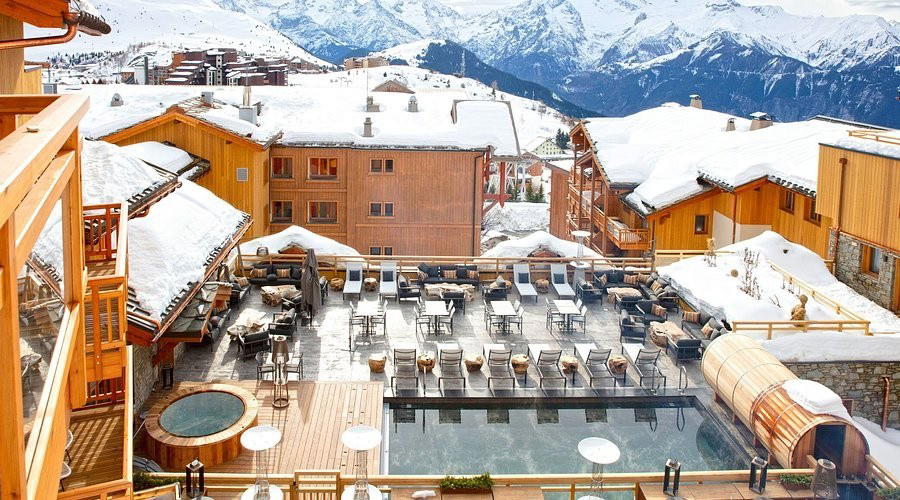
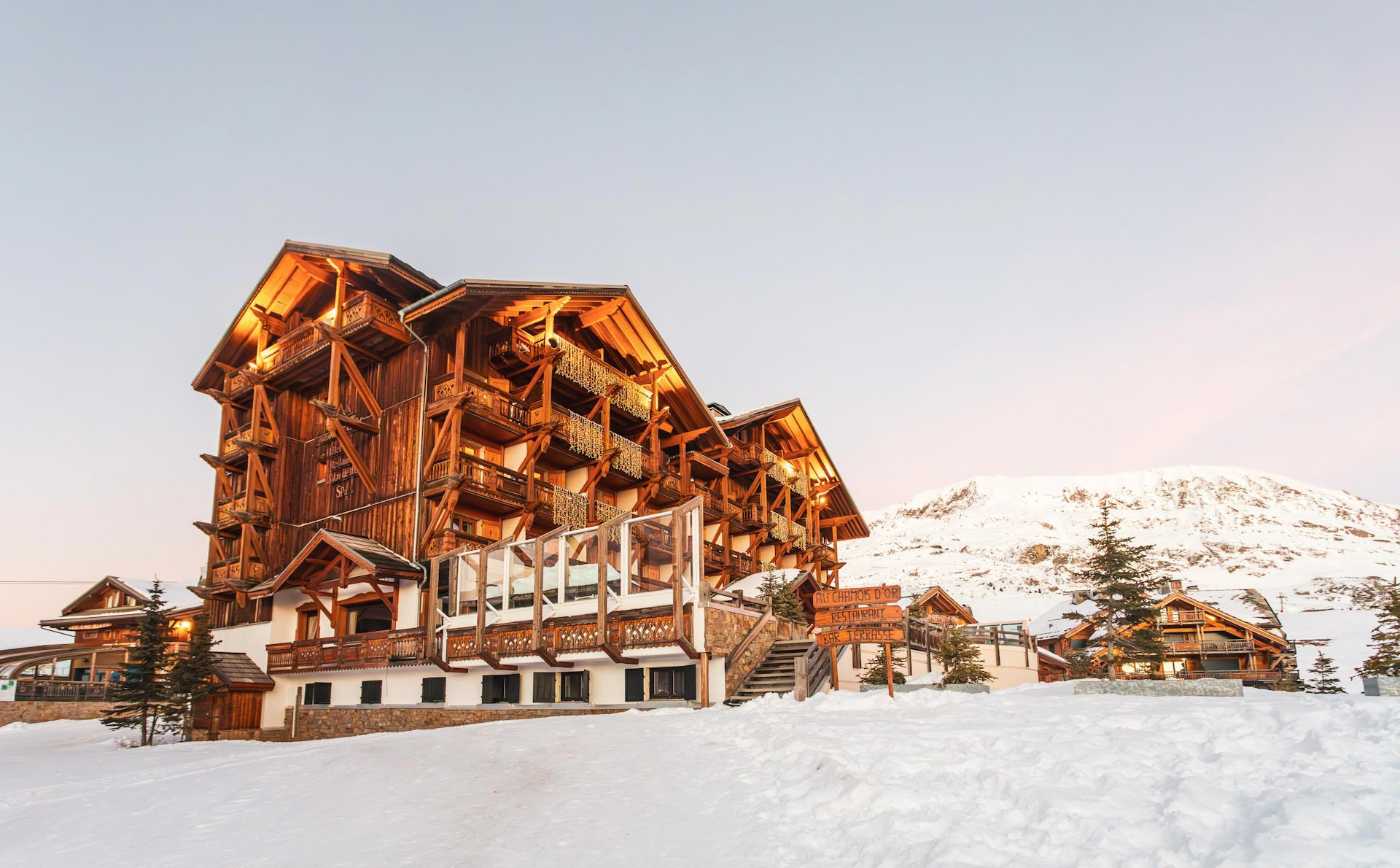
Cozy and convivial mountain atmosphere with alpine decor and warm family-friendly vibe.