Our verdict
Le Safran occupies a spot on Avenue Mirabeau in Trets, a small Provençal town southeast of Aix-en-Provence where the Sainte-Victoire massif shapes both the horizon and the local agricultural identity. Provence's ingredient culture — lavender, saffron, olives, stone-fruit orchards — provides the raw material that defines cooking at this address. For the full picture of what Trets offers, see our full Trets restaurants guide.

Pearl is the En Primeur Club membership app — saves, bookings, and concierge access live there. Same editors, same standards.
- Address
- 14 Av. Mirabeau, 13530 Trets, France
- Phone
- +33442514755
- Hours
- Mon 12–2:15 PMTue 12–2:15 PM, 7–9:45 PMWed ClosedThu–Sun 12–2:15 PM, 7–9:45 PM
- Directions
- Get directions
- Booking
- Book on the venue's website
The menu
What to order
- Well-suited eggs
- Risotto à la crème de truffe
Trets and the Provençal Ingredient Tradition
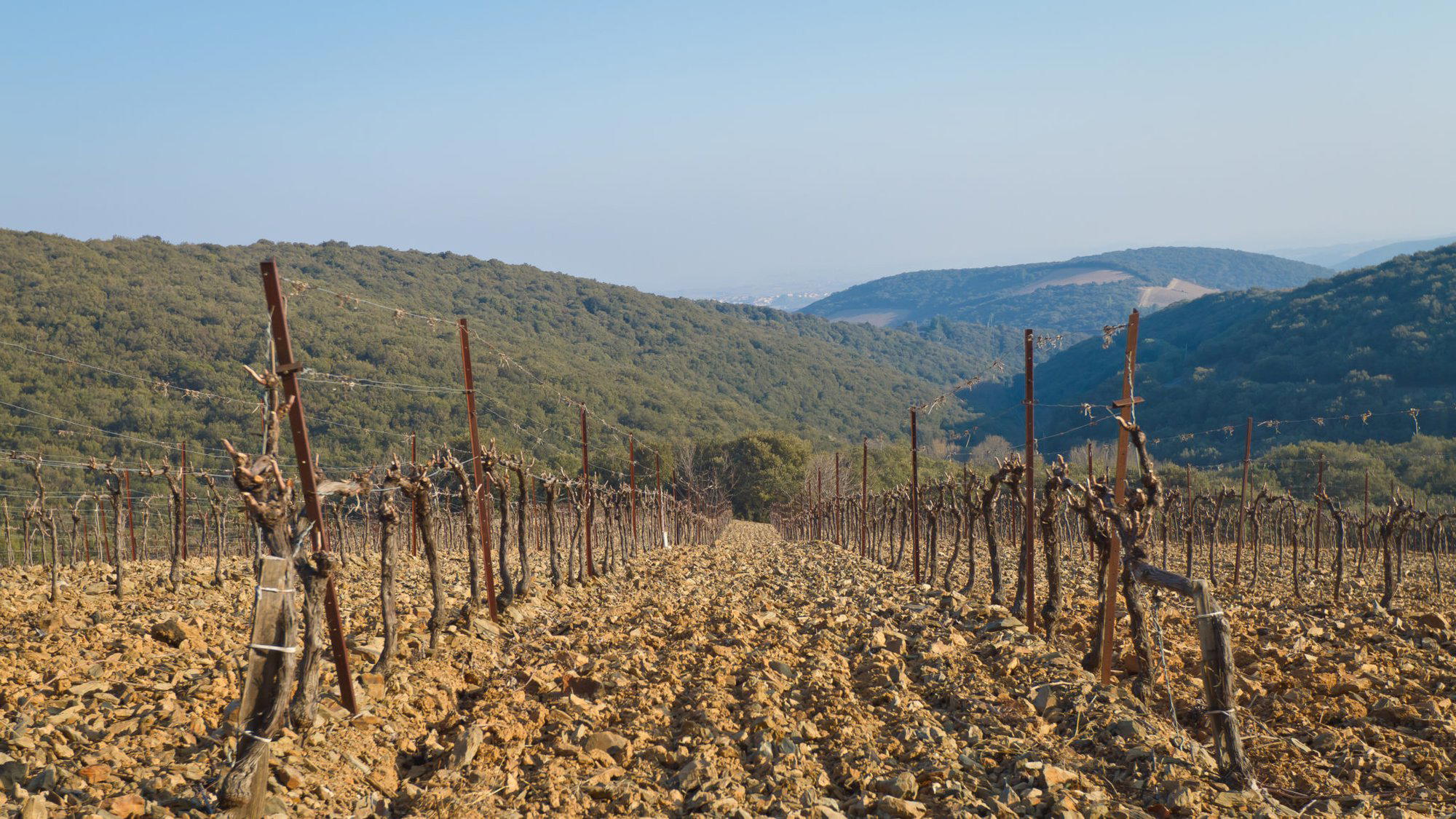
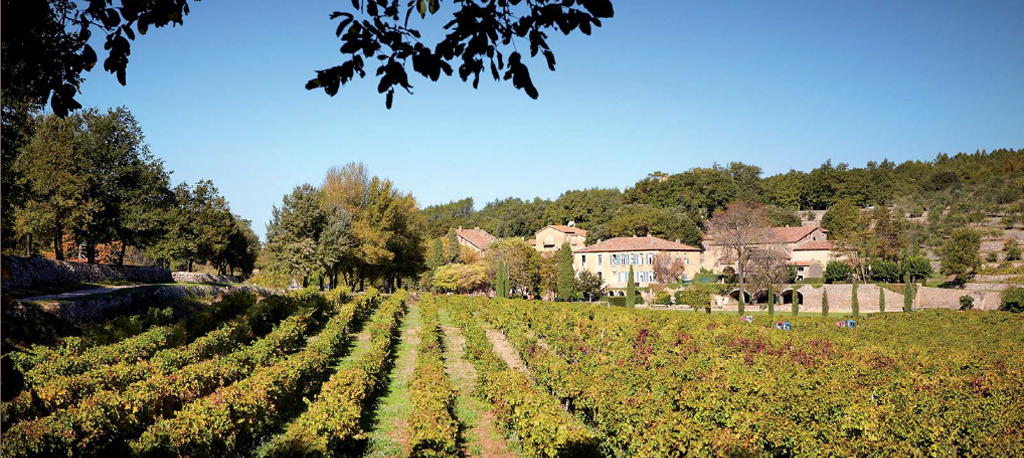
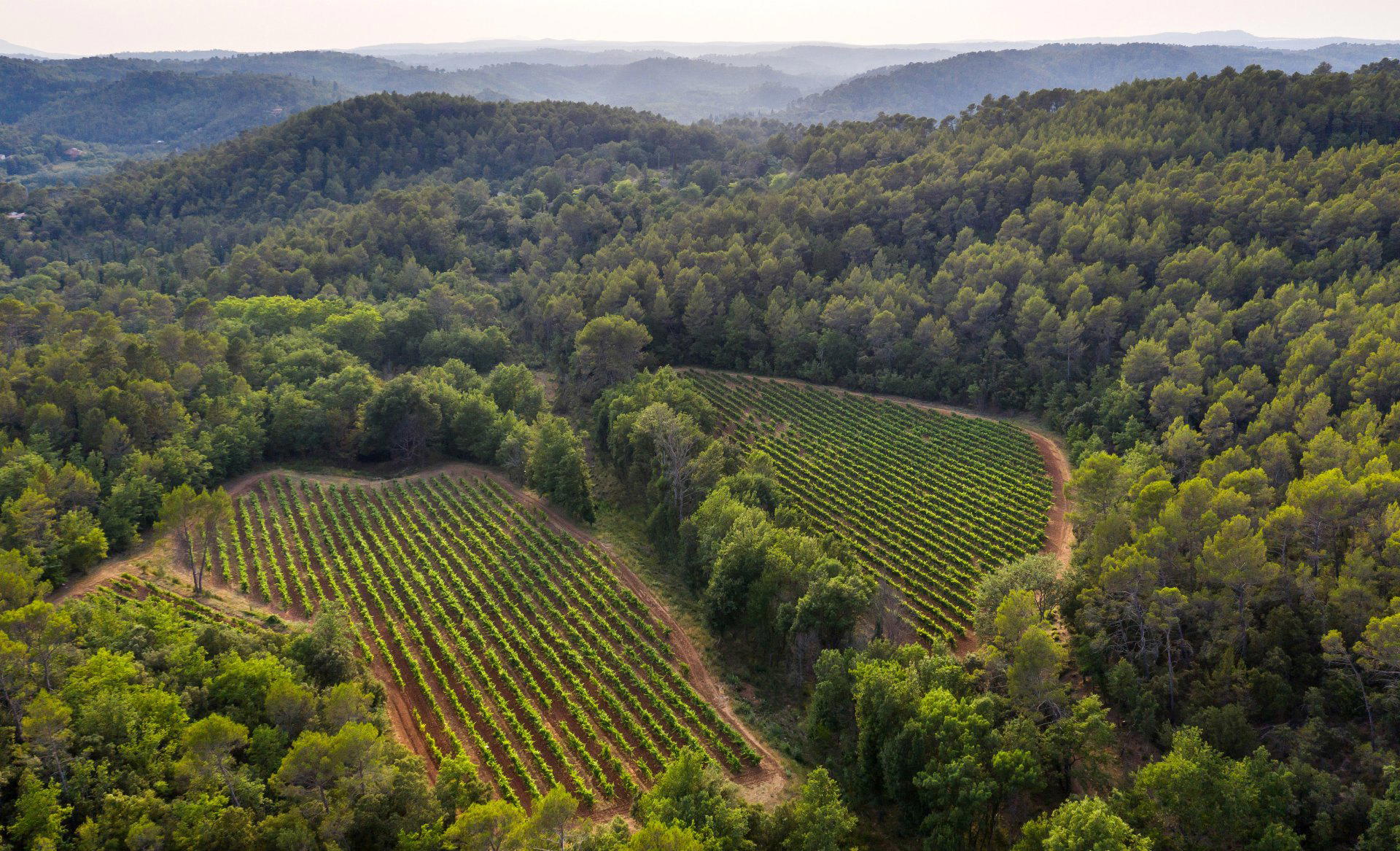
The towns that ring the Arc valley between Aix-en-Provence and the Sainte-Victoire mountain have never needed to import an identity. The land here produces saffron threads, olive oil from centuries-old groves, stone fruits from terraced orchards, and wild herbs that grow along limestone scrubland. That agricultural density is what makes a Provençal address like Avenue Mirabeau in Trets a plausible home for serious cooking: the supply chain is local almost by default, and the seasonal calendar is both compressed and generous, cycling through asparagus, courgette flowers, tomatoes, and figs with a speed that keeps kitchen sourcing decisions perpetually urgent.
Trets itself sits roughly 25 kilometres southeast of Aix-en-Provence, close enough to draw on that city's food culture and market infrastructure, far enough to operate without the overhead or foot-traffic expectations of a major urban centre. That positioning is not incidental. Across Provence, some of the most ingredient-committed restaurants have set up in smaller communes precisely because proximity to producers — rather than proximity to tourists — shapes the daily menu. L'Oustau de Baumanière in Les Baux occupies a similarly removed setting, yet anchors its identity in the garrigue and olive groves that surround it. The logic is consistent: place yourself where the ingredients are, not where the crowds are.
Saffron and What It Signals
The name Le Safran is worth pausing on. Saffron has a long presence in Provençal cooking, it appears in bouillabaisse, in daubes, in rice preparations that predate the popularisation of risotto in French kitchens, and choosing it as a restaurant's name is a declaration of regional allegiance rather than a decorative gesture. It signals that the kitchen intends to work from within a culinary tradition, not against it or above it.
That choice also carries sourcing implications. Quality saffron is one of the most labour-intensive agricultural products in France, requiring hand-harvesting of the stigmas from Crocus sativus flowers during a narrow autumn window. The Quercy and Provence regions both produce it, and its presence on a menu, or in a restaurant's name, typically implies a degree of relationship with small-scale producers that goes beyond a wholesale catalogue order. In a broader French context, this kind of direct producer relationship has become a credibility signal at every tier of the market, from neighbourhood bistros in Lyon to the multi-starred addresses like Bras in Laguiole, where Michel and Sébastien Bras built their entire culinary philosophy on what the Aubrac plateau grows and forages.
Cooking in the Southern French Register
Southern French cooking occupies a distinct register from the classical Parisian tradition or the richer preparations of Lyon and Burgundy. Fat here is olive oil, not butter. Acidity comes from tomatoes and citrus rather than wine reductions. Aromatics lean toward thyme, rosemary, fennel, and bay rather than the shallot-and-tarragon profile of the north. These are not stylistic choices so much as geographic facts: the ingredients available to a cook in Provence have always determined the regional grammar.
The contrast with multi-starred urban addresses is instructive. Alléno Paris au Pavillon Ledoyen operates in a register of technical transformation, where sauces are extracted and concentrated through processes that require dedicated laboratory infrastructure. Mirazur in Menton, perhaps the most celebrated southern French address, deploys its clifftop garden as a literal extension of the kitchen, with Mauro Colagreco's team harvesting to order. Between those two poles, high-technique urban and garden-to-table coastal, lies a broad range of Provençal cooking, where the ingredient is primary and technique exists to clarify rather than transform.
Le Safran's position on Avenue Mirabeau in Trets places it within that middle range: a town-centre address working from a region that provides extraordinary raw material, where the discipline is in knowing what to do with it and, equally, what not to do.
The Avenue Mirabeau Setting
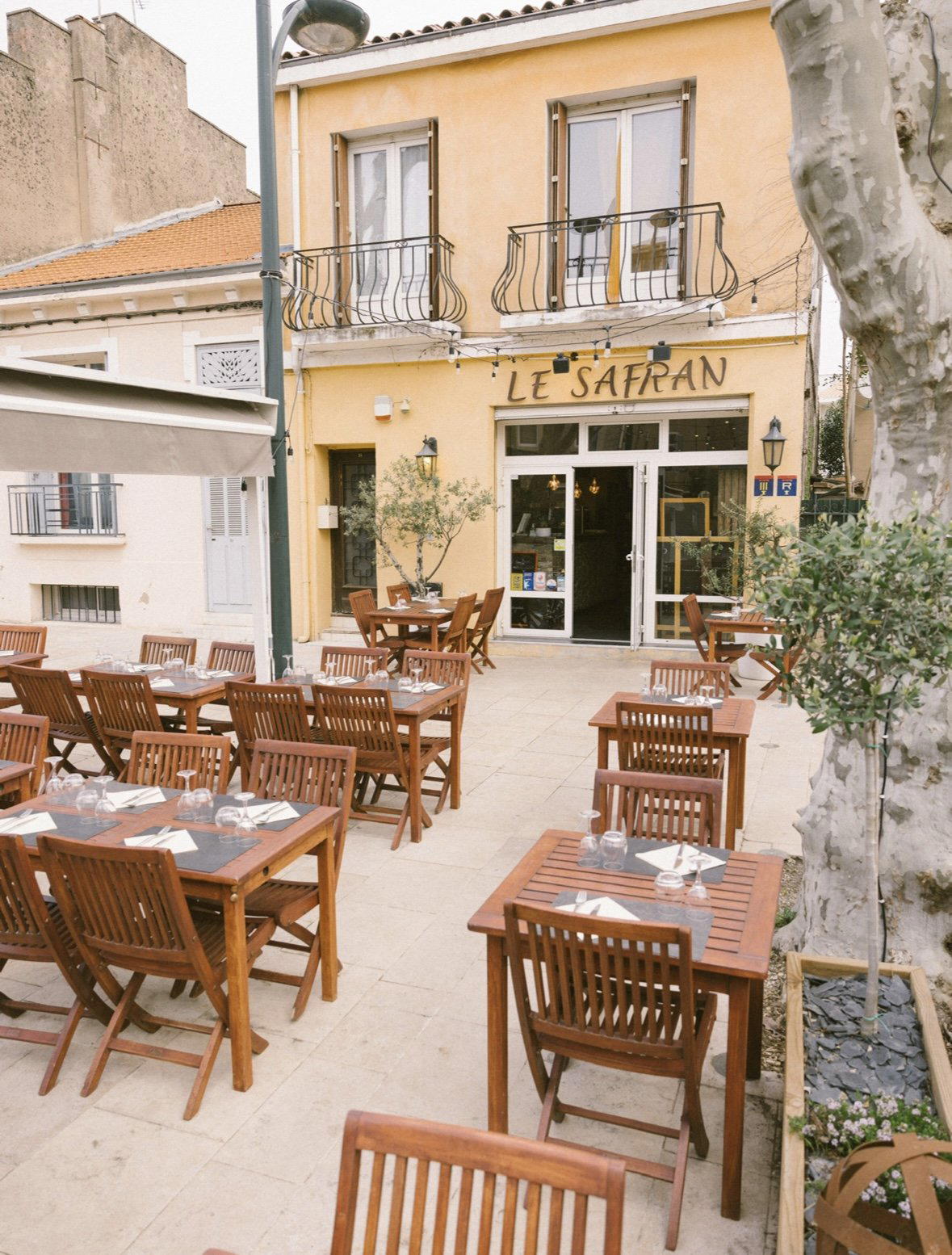
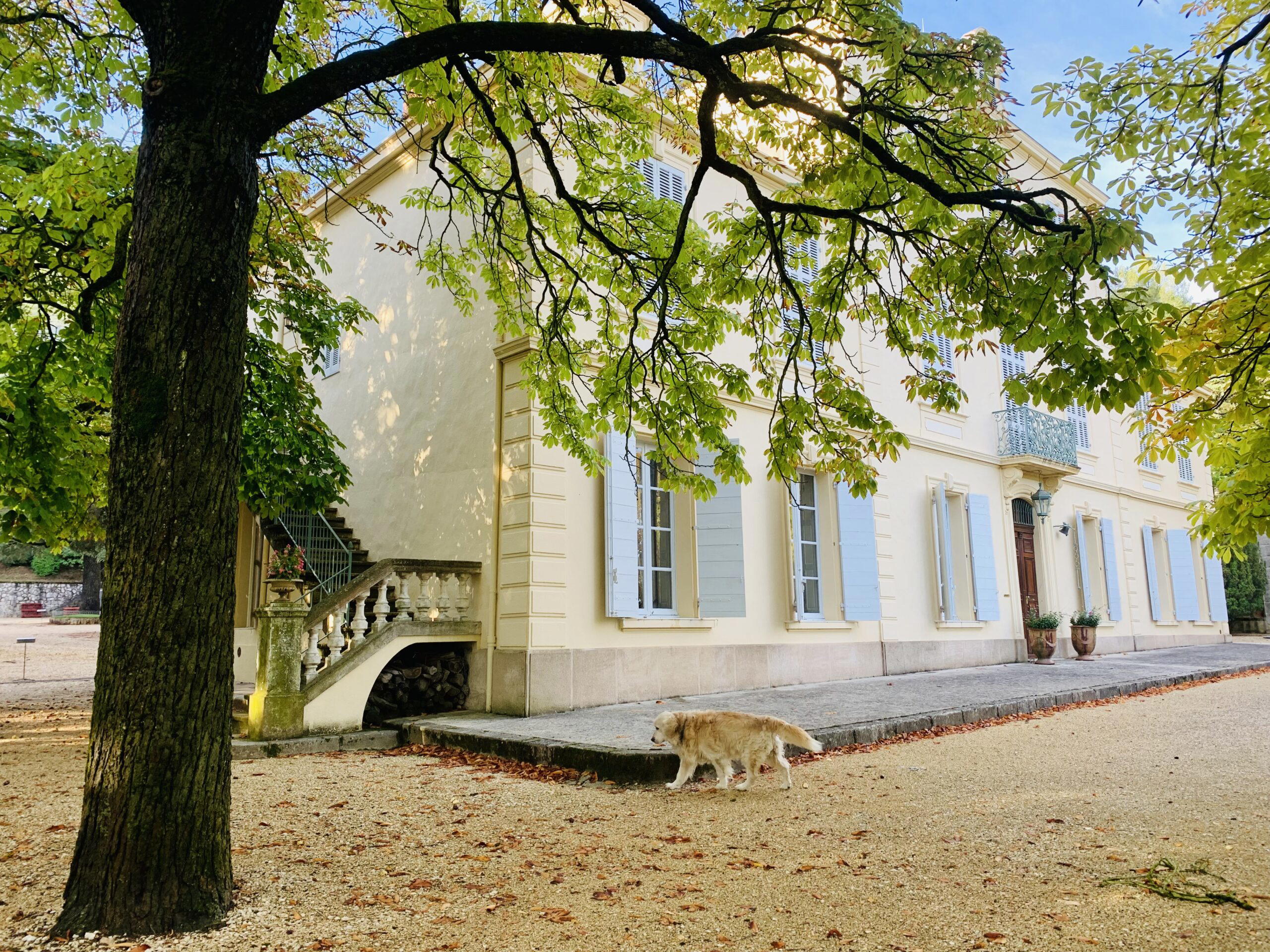
Avenue Mirabeau is one of those Provençal thoroughfares named for the revolutionary-era count and orator who was born not far from this territory, the Mirabeau family seat was in the Var, close enough to cast a long local shadow. Streets bearing his name run through several towns in the region, and they tend to carry a certain civic weight: tree-lined, moderate in scale, built for an unhurried pace. Approaching a restaurant on such a street, the expectation is for a room that matches its surroundings, not theatrical, not minimal to the point of coldness, but settled and purposeful in the way that older provincial French dining rooms tend to be.
That physical context matters because it shapes the kind of hospitality that makes sense here. The highly choreographed service formats of addresses like Assiette Champenoise in Reims or Au Crocodile in Strasbourg belong to a different spatial and commercial logic. A Trets address operates closer to the register of the serious regional table: confident technique, honest sourcing, a room that lets the food carry the weight rather than the production design.
Planning a Visit
Trets is accessible by road from Aix-en-Provence in under thirty minutes, and from Marseille in roughly forty-five, making it a viable destination for a lunch or evening meal without requiring an overnight stay. For visitors already spending time in the Arc valley or around the Sainte-Victoire, it fits naturally into a day that includes the landscape as well as the table. For broader context on what the town offers, our full Trets restaurants guide covers the local dining picture in detail.
Those looking to combine a Trets visit with broader Provençal and southern French dining should note that the region's most decorated addresses span a wide range of formats and distances: AM par Alexandre Mazzia in Marseille represents the technically dense end of the southern French spectrum, while Auberge du Vieux Puits in Fontjoncouse operates in deep rural Occitanie with a similarly ingredient-led orientation. Further afield, Flocons de Sel in Megève, Auberge de l'Ill in Illhaeusern, Troisgros - Le Bois sans Feuilles in Ouches, Georges Blanc in Vonnas, Paul Bocuse - L'Auberge du Pont de Collonges in Collonges-au-Mont-d'Or, Christopher Coutanceau in La Rochelle, and La Marine in Noirmoutier-en-l'île each represent the regional-produce-led tradition in their respective territories, offering useful comparators for understanding where Provençal cooking sits within the wider French dining spectrum. For international reference points on sustained ingredient rigour, Le Bernardin in New York City and Atomix in New York City illustrate how serious produce sourcing translates across culinary traditions.
Frequently asked questions
Would Le Safran be comfortable with kids?
Provençal village restaurants in towns like Trets generally operate with a relaxed attitude toward families, particularly at lunch. Nothing in Le Safran's setting on Avenue Mirabeau suggests a format that would exclude children, though confirming directly with the restaurant before arrival is sensible, especially for evening sittings.
What's the overall feel of Le Safran?
Le Safran sits on Avenue Mirabeau in Trets, a Provençal market town roughly thirty minutes from Aix-en-Provence, which shapes its character more than any design brief. Expect the register of a southern French village restaurant: rooted in local produce and the rhythms of the surrounding Arc valley, rather than the formality of a city dining room.
Is Le Safran a good option for a day trip from Aix-en-Provence or Marseille?
Trets sits under thirty minutes from Aix-en-Provence by road and roughly forty-five from Marseille, making Le Safran at 14 Avenue Mirabeau a workable destination for a half-day excursion into the Arc valley. The Sainte-Victoire massif is visible from the surrounding countryside, which adds a reason to extend the trip beyond the meal itself. Pairing lunch here with the wider Trets market town makes the drive worthwhile.
What should I order at Le Safran?
The name Le Safran points toward saffron-inflected dishes consistent with the Provençal canon — think preparations where the spice appears as a defining note rather than a garnish. Southern French cooking in this territory leans on olive oil, aromatics, and the produce of the Bouches-du-Rhône, so dishes built around those foundations are the natural call. Specific menu details should be confirmed directly with the restaurant before visiting.
Where exactly is Le Safran?
Le Safran is located at 14 Av. Mirabeau, 13530 Trets, France, Trets.
Do I need a reservation for Le Safran?
For a village restaurant in Trets drawing visitors from Aix-en-Provence and Marseille, booking ahead is advisable, particularly at weekends when the Arc valley attracts day-trippers.
What is Le Safran known for?
Le Safran takes its name from saffron, a spice with deep roots in Provençal cooking — appearing historically in preparations from bouillabaisse to slow-braised daubes. The name signals an orientation toward the southern French ingredient tradition that defines cooking in the Arc valley between Trets and Aix-en-Provence. The address on Avenue Mirabeau places it in the civic centre of Trets, a town that sits in the shadow of Sainte-Victoire.
Quick Comparison
Comparable venues nearby, for context on price, style, and recognition.
| Venue | Cuisine | Price | Notes |
|---|---|---|---|
| Le SafranThis venue — the venue you are viewing | French Mediterranean Bistro | $20–30 | Not listed |
| Café. Germain | Provençal French Bistro | $20–30 | Grand Place |
| La Fontaine | Traditional French Bistro | $20–30 | Le Val |
| L'Intramuros | Southern French Bistro with Rum Focus | $20–30 | Apt |
| L’aventure | French Mountain Grill | $30–50 | Oz en Oisans |
| Le Signal 2108 | Bistronomic French with Regional Alpine Specialties | $30–50 | Signal Mountain |
Continue exploring
More in Trets
Restaurants in Trets
Browse all →
Bars in Trets
Browse all →
Hotels in Trets
Browse all →

Details
- Cozy
- Elegant
- Rustic
- Family
- Date Night
- Casual Hangout
- Terrace
- Extensive Wine List
- Local Sourcing
- A La Carte
- Wine
- Vegetarian Friendly
Current opening hours
- Monday
- 12–2:15 PM
- Tuesday
- 12–2:15 PM, 7–9:45 PM
- Wednesday
- Closed
- Thursday
- 12–2:15 PM, 7–9:45 PM
- Friday
- 12–2:15 PM, 7–9:45 PM
- Saturday
- 12–2:15 PM, 7–9:45 PM
- Sunday
- 12–2:15 PM, 7–9:45 PM
Hours can change for holidays and private events. Last verified .
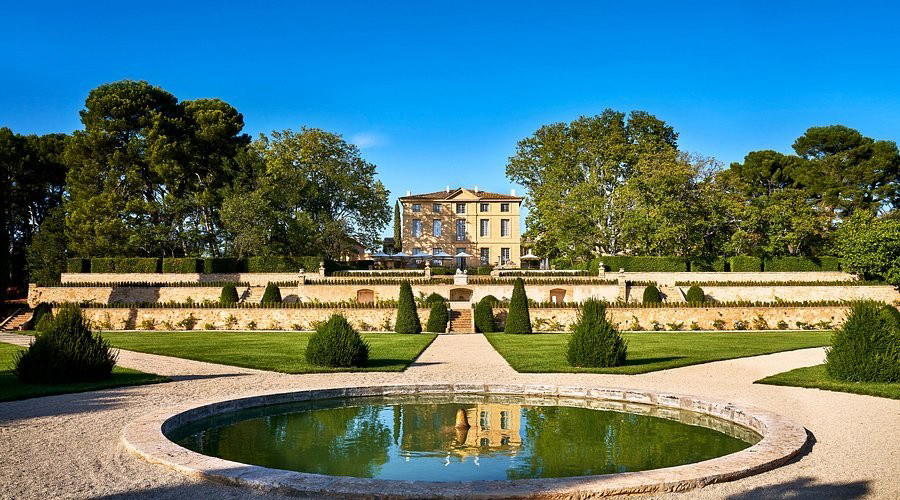
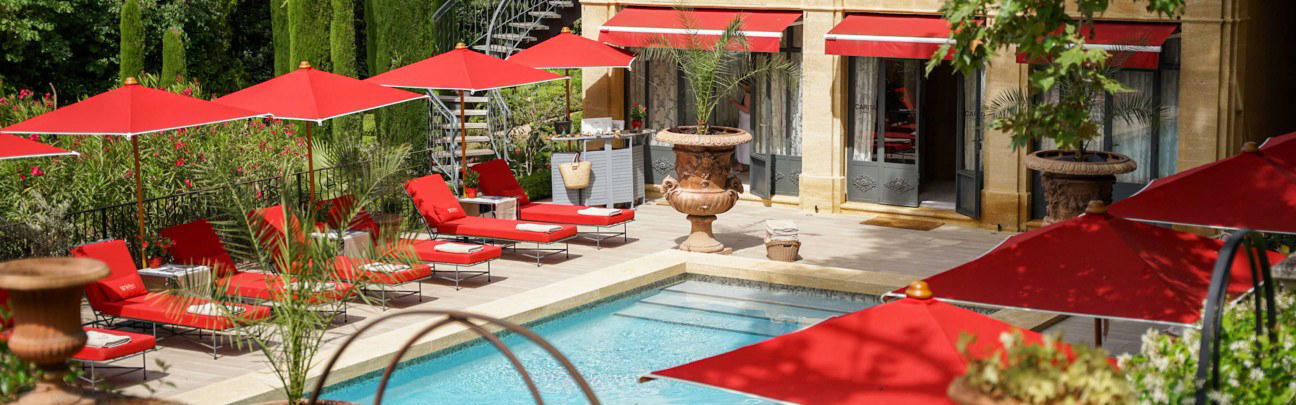
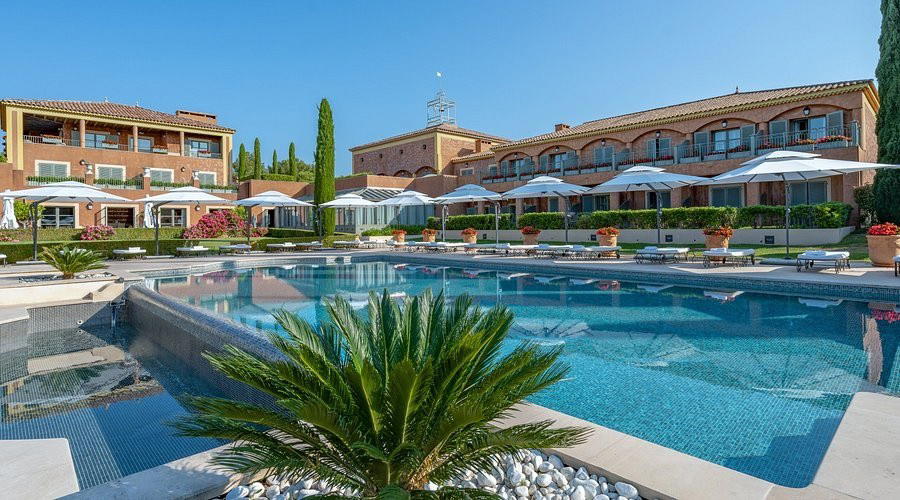
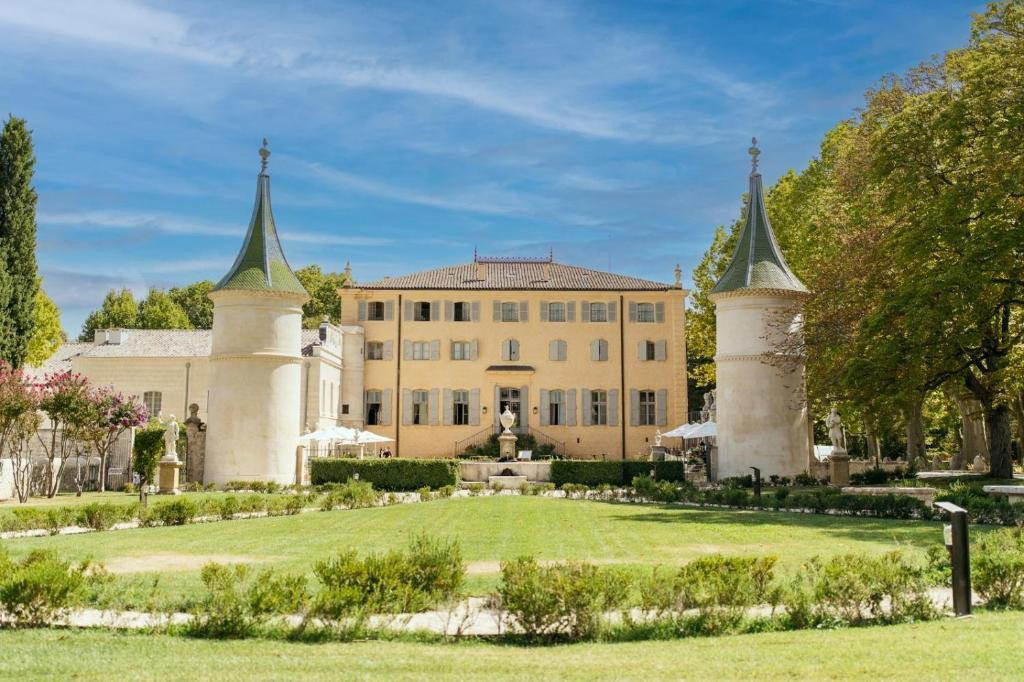
Warm and friendly atmosphere with elegant warm-toned interior and sunny shaded terrace.