Le Pouilly-Reuilly
Le Pouilly-Reuilly occupies a particular place in the inner Paris orbit: a neighbourhood bistro in Le Pré-Saint-Gervais that operates on the logic of the classic French zinc counter rather than the destination-restaurant circuit. For visitors willing to cross the périphérique, it offers a version of Parisian bistro culture largely unchanged by the pressures of tourism or trend.
Pearl is the En Primeur Club membership app — saves, bookings, and concierge access live there. Same editors, same standards.
- Address
- 68 Rue André Joineau, 93310 Le Pré-Saint-Gervais, France
- Phone
- +33988076599
 Saves & bookings on Pearl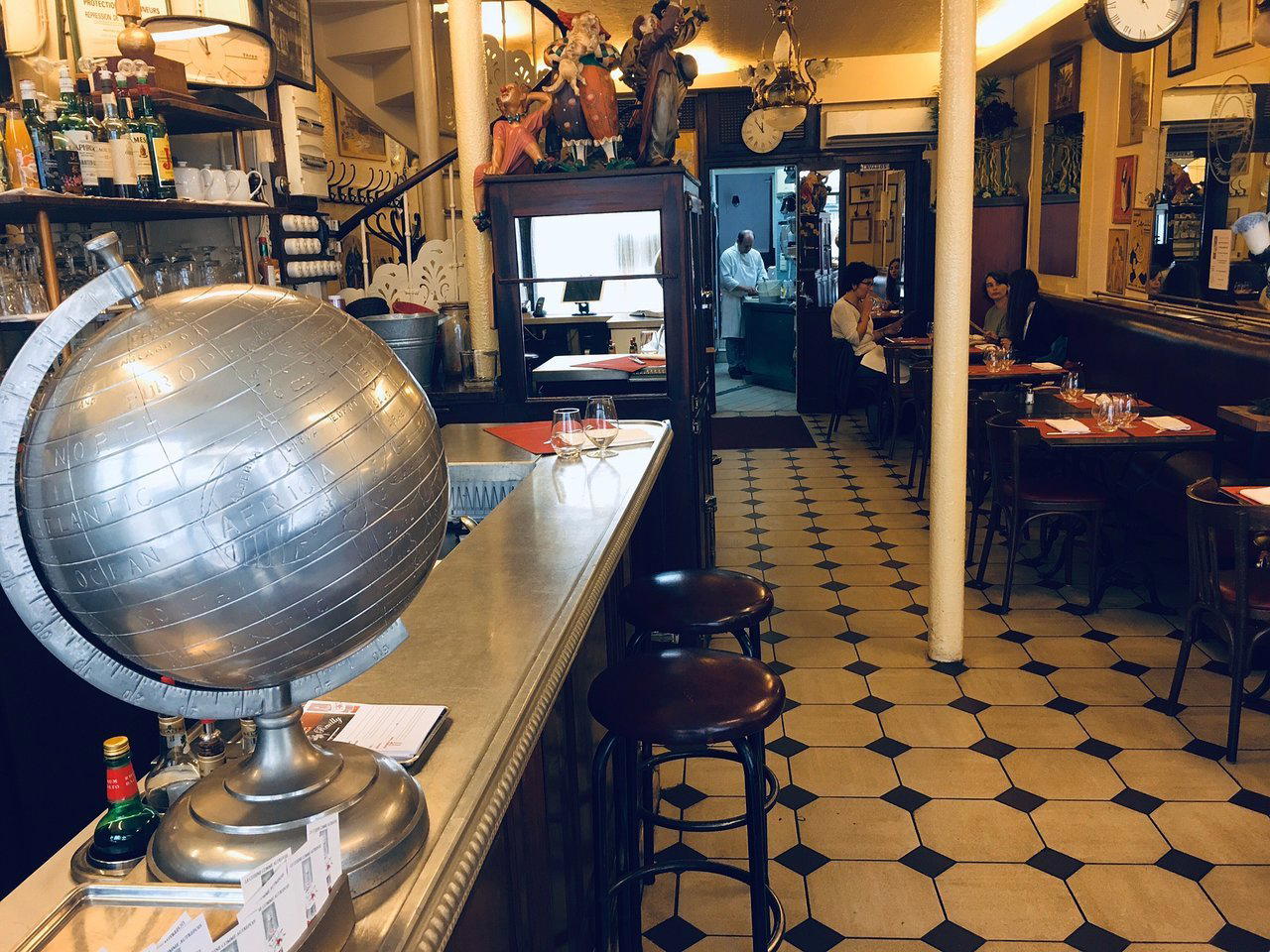
Beyond the Périphérique: Le Pré-Saint-Gervais and the Bistro That Resists the Current
The communes that press against Paris's northeastern edge, Pantin, Bagnolet, Le Pré-Saint-Gervais, have spent the past decade absorbing the overflow of a city whose central arrondissements priced out working kitchens and neighbourhood regulars in roughly equal measure. Le Pré-Saint-Gervais is the quieter of these suburbs: no major gallery anchor, no headline market, no design-hotel cluster. What it has is a residential density and a local commerce that functions for residents first. The address alone signals intent: this is not a restaurant that positions itself against the Michelin-starred tier represented by Alléno Paris au Pavillon Ledoyen or the regional ambition of Mirazur in Menton. It belongs to a different, older category: the French bistro that earns its place through consistency and sourcing rather than through the currency of awards.
The Ingredient Logic of the Classic French Bistro
France's bistro tradition is inseparable from a specific relationship to produce. The classic model, as it developed through the twentieth century, was built around a short menu that changed with market availability, a wine list anchored to regional appellations, and a kitchen that spent its energy on technique rather than theatre. The name itself offers a clue to that tradition: Pouilly-Reuilly references two Loire Valley appellations, Pouilly-Fumé and Reuilly, both Sauvignon Blanc-dominant, both associated with the kind of food-focused, unpretentious French wine culture that pairs naturally with a chalkboard menu and a zinc bar. Naming a bistro after Loire appellations rather than a founder or a concept is a positioning statement of sorts: the room and the glass matter as much as what arrives on the plate.
That ingredient-sourcing model, market-driven, seasonally constrained, resistant to the year-round menu consistency that larger restaurant groups require, is precisely what distinguishes the neighbourhood bistro from the destination formats that dominate most food coverage. Where a three-star house like Troisgros or Bras in Laguiole builds its sourcing into a branded philosophy with named suppliers and structured tasting menus, the bistro operates on a tighter, more immediate loop: what arrives from the market this morning shapes what the kitchen offers by noon. It is a less photogenic model, and a less scalable one, but it is the more direct expression of the French culinary premise that good ingredients require little intervention.
Le Pré-Saint-Gervais in the Wider Paris Dining Picture
Paris's dining geography has shifted considerably since the mid-2010s. The natural food markets and independent bistros that once defined the 11th and 20th arrondissements have been supplemented, and in some pockets replaced, by a more self-conscious natural wine bar and small-plates culture. The communes beyond the périphérique have, in some cases, absorbed the displaced version of that earlier bistro model. Visiting Le Pré-Saint-Gervais for lunch positions the reader inside a dining experience that the central arrondissements now rarely deliver at this price register: a room where the clientele is local, the pace is unhurried, and the menu responds to what the market offered that morning rather than to a brand identity established years ago.
That context matters when comparing across the French dining spectrum. The haute cuisine reference points for French cooking, Paul Bocuse in Collonges-au-Mont-d'Or, Auberge de l'Ill in Illhaeusern, Assiette Champenoise in Reims, represent one end of a spectrum where sourcing is a carefully curated and publicly communicated part of the restaurant's identity. The neighbourhood bistro represents the other end: sourcing that is no less considered, but communicated through the menu's brevity and seasonal rotation rather than through any formal declaration. For readers who move between these registers,
What the Room Tells You
French bistros of this type tend to share a physical grammar: tiled or wooden floors that carry the noise of a busy service, closely spaced tables that make privacy secondary to conviviality, a bar that functions as both an ordering point and a social anchor for regulars who arrive before the lunch rush. The wine list at a well-run bistro of this kind will typically run to one or two pages, weighted toward the Loire, Burgundy, and Rhône, with glass options that rotate as bottles are opened for the room rather than held back for individual orders. Whether Le Pouilly-Reuilly adheres strictly to this template is not information in the public record, but the name and address together suggest a room operating within these conventions rather than against them.
Across France's broader bistro category, the format has proven surprisingly durable against both the casual-dining chains and the natural wine bar model that absorbed so much of the younger dining public through the 2010s. Houses like Christopher Coutanceau in La Rochelle and AM par Alexandre Mazzia in Marseille represent the creative end of French regional cooking; the bistro sits at the other end of the same tradition, where the skill is in restraint and in the daily recalibration of a short menu to available produce. For international visitors more familiar with French cooking through its haute cuisine ambassadors, Le Bernardin in New York being the clearest reference point, a well-run Paris-orbit bistro like this one can be the more instructive meal.
Planning a Visit
Le Pré-Saint-Gervais sits immediately northeast of the 19th arrondissement, accessible by Metro line 11 via the Mairie des Lilas station, which places it around twenty minutes from central Paris. The commune is compact on foot, and 68 Rue André Joineau is a short walk from the main commercial street. Lunch is typically the more reliable service at bistros of this type, both for produce freshness and for the room's atmosphere at full local capacity. Given the reservations are recommended, and the restaurant is open Monday through Saturday for lunch and dinner. Reservations are recommended. Flocons de Sel in Megève, Auberge du Vieux Puits in Fontjoncouse, Georges Blanc in Vonnas, L'Oustau de Baumanière in Les Baux, La Marine in Noirmoutier-en-l'Île, Au Crocodile in Strasbourg, and Atomix in New York for comparative reference across formats and price registers.
Comparison Snapshot
Comparable venues nearby, for context on price, style, and recognition.
| Venue | Cuisine | Price | Notes |
|---|---|---|---|
| Le Pouilly-ReuillyThis venue — the venue you are viewing | Traditional French Bistro | $$$ | Not listed |
| Chez Julien | Classic French Brasserie with Modern Twists | $$$ | Le Marais |
| Vaudeville | Classic French Brasserie | $$$ | 2nd arrondissement |
| Le Moulin de la Galette | Traditional French Bistro | $$$ | Montmartre |
| La Table des Copains | Traditional French Bistro | $$$ | Montparnasse |
| Le Dôme | Classic French Seafood Brasserie | $$$ | Montparnasse |
Continue exploring
More in Le Pre Saint Gervais
Restaurants in Le Pre Saint Gervais
Browse all →
Bars in Le Pre Saint Gervais
Browse all →
Hotels in Le Pre Saint Gervais
Browse all →


Wineries in Le Pre Saint Gervais
Browse all →
At a Glance
- Classic
- Cozy
- Intimate
- Business Dinner
- Casual Hangout
- Standalone
Current opening hours
- Monday
- 12–3 PM, 7–11 PM
- Tuesday
- 12–3 PM, 7–11 PM
- Wednesday
- 12–3 PM, 7–11 PM
- Thursday
- 12–3 PM, 7–11 PM
- Friday
- 12–3 PM, 7–11 PM
- Saturday
- 12–3 PM, 7–11 PM
- Sunday
- Closed
Hours can change for holidays and private events. Last verified .
Old-school Parisian bistro decor reminiscent of 1960s films, cozy and unpretentious with a genuine neighborhood feel.