On Rue des Remparts d'Ainay in Lyon's 2nd arrondissement, Le Poêlon d'Or occupies a place in the city's long tradition of neighbourhood restaurants that resist reinvention for its own sake. The address sits within walking distance of the Presqu'île's bouchon circuit, positioning it between the casual and the considered, a register Lyon has always done well.
Pearl is the En Primeur Club membership app — saves, bookings, and concierge access live there. Same editors, same standards.
- Address
- 29 Rue des Remparts d'Ainay, 69002 Lyon, France
- Phone
- +33478376560
- Website
- lepoelondor-restaurant.fr
- Directions
- Get directions
 Saves & bookings on Pearl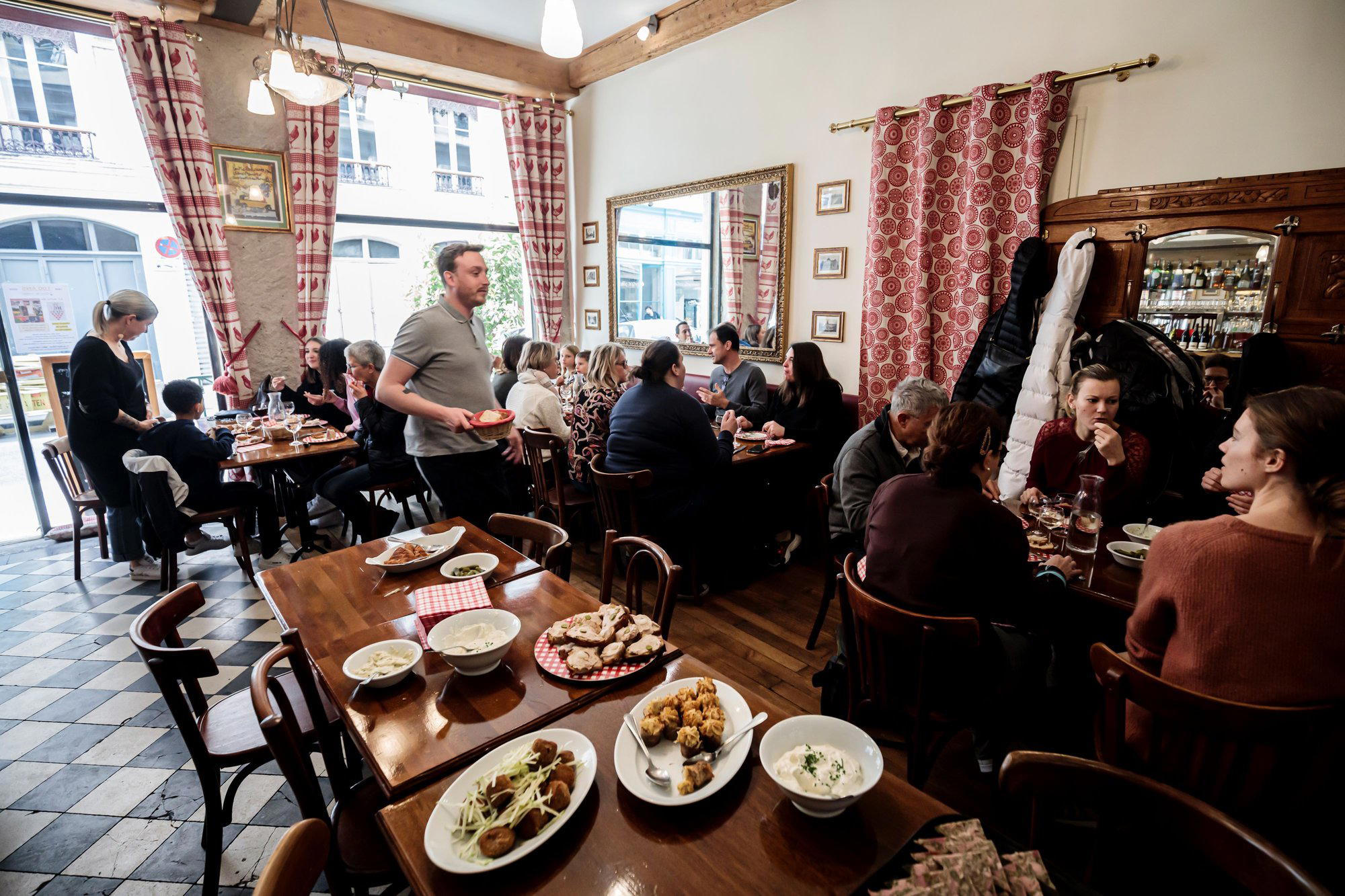
A Street That Remembers Its Purpose
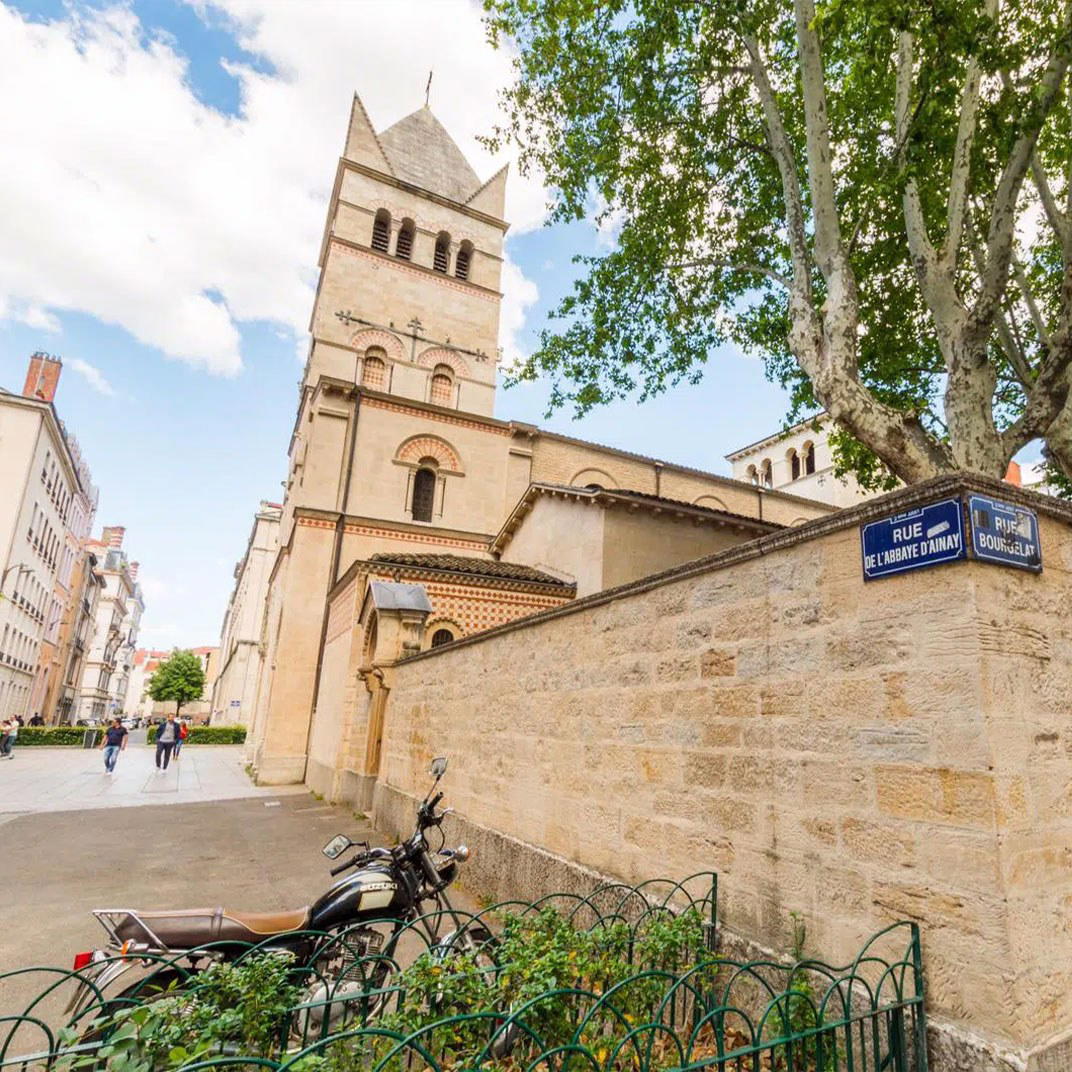
Rue des Remparts d'Ainay is the kind of Lyon street that doesn't announce itself. The 2nd arrondissement here is residential in the way that French city-centre neighbourhoods used to be before every ground floor became a concept bar: butchers, pharmacies, a few restaurant signs in hand-lettered script. Le Poêlon d'Or at number 29 belongs to this grain of the city rather than working against it. Arriving on foot from the Presqu'île's main arteries, you cross from the louder dining drag into something quieter, which is more or less what this part of Lyon has always offered visitors willing to move a block or two off the obvious route.
The name itself is worth a moment. A poêlon is a small, handled earthenware or cast-iron cooking pot, associated with slow heat and reduced sauces, the kind of vessel that implies patience rather than spectacle. As a signal of intent, it locates the restaurant firmly within the Lyonnais tradition of cooking that is material and considered rather than theatrical, a tradition that runs from the mères lyonnaises through the bouchons and into the more composed neighbourhood restaurants that now sit in between those categories.
Lyon's Middle Register and Where This Fits
The French restaurant sector that Le Poêlon d'Or inhabits is worth understanding on its own terms. Lyon's dining scene has long stratified into several distinct tiers. At the summit sit the grandes tables, La Mère Brazier, which carries the weight of the city's culinary history and a Michelin pedigree, and contemporary creative houses like Le Neuvième Art and Takao Takano, which have drawn international attention for French cooking that absorbs outside influences without losing structural rigour. Below them, in terms of ceremony rather than quality, sits the bouchon circuit: small, loud, meat-forward, serving tablier de sapeur and quenelles to locals and tourists with democratic indifference to either. The middle register, composed neighbourhood restaurants, competently run, with wine lists that reflect some thought and menus that change with the market, is where Lyon often quietly excels, and where Le Poêlon d'Or has made its ground.
This tier matters because it is where the city's culinary identity is sustained day-to-day. The marquee restaurants draw attention; the neighbourhood restaurants draw the people who actually live here. For visitors, this middle tier often delivers one honest read of what a city's food culture looks like when it isn't performing for critics. Addresses in this bracket in Lyon compete not with Au 14 Février or Burgundy by Matthieu on ambition or format innovation, but on consistency, value relative to their price tier, and the kind of reliability that earns a table its regulars.
The Evolution of a Lyonnais Neighbourhood Address
Restaurants in this part of Lyon that have lasted have done so by absorbing change without advertising it. The EA-GN-20 pattern, evolution through incremental pivot rather than announced reinvention, describes a particular kind of French restaurant durability. A kitchen adjusts its supply relationships, a front-of-house generation turns over, a wine list quietly modernises. The restaurant does not issue a press release. It simply continues, slightly changed, in the same room.
For a restaurant on a street like Rue des Remparts d'Ainay, this is the natural rhythm. The neighbourhood does not reward restaurants that overcorrect toward trend. It rewards addresses that read their local clientele accurately and hold a consistent standard across seasons. In Lyon's broader context, this places Le Poêlon d'Or in a category of restaurants that operate as infrastructure for the neighbourhood rather than destinations imported into it, a distinction that matters enormously in a city where the difference between a genuine local address and a tourist-facing simulacrum of one is rarely subtle.
The broader French context for this kind of evolution is instructive. Across France's regional restaurant culture, the addresses that endure at this level tend to do so by staying close to the product logic of their region rather than chasing menu trends from Paris. In Lyon's case, that means staying proximate to the Rhône-Alpes larder: Bresse poultry, Dombes fish, the cheese circuit that runs from Saint-Marcellin to Comté. How a kitchen uses that material, and how it updates its use over time, is the real measure of a Lyonnais neighbourhood restaurant's seriousness. For wider reference points in French fine dining that have navigated their own long-form evolutions, addresses like Auberge de l'Ill in Illhaeusern, Troisgros in Ouches, and Bras in Laguiole each show what sustained commitment to regional material looks like across decades and generations.
The City Context: Lyon as a Dining Reference Point
Lyon's claim as one of France's primary eating cities rests on density rather than single landmark moments. The address list is long: Paul Bocuse - L'Auberge du Pont de Collonges remains the city's most historically documented restaurant, while newer creative kitchens continue to attract critical attention. But the city's day-to-day identity is built on addresses that are not trying to be any of those things. Restaurants comparable to the restaurant in peer cities, the composed neighbourhood French table that draws its clientele from the surrounding arrondissement rather than from travel platforms, have become genuinely harder to find in many European capitals as rents and visibility pressures push operators toward the extremes of low-cost casual and high-price destination dining.
Lyon has retained this middle tier at a density few comparable French cities can match, which is one reason the city continues to draw visitors who already know Paris's restaurant scene and want something less curated. For those visitors, the full Lyon restaurants guide maps the range, from the grandes tables down to addresses on streets like this one. For international context on the broader conversation about French cooking's global standing, kitchens like Mirazur in Menton, Alléno Paris au Pavillon Ledoyen, and Flocons de Sel in Megève each represent a different reading of what French regional and haute cuisine can mean in the current decade.
Planning a Visit
The restaurant is located at 29 Rue des Remparts d'Ainay, 69002 Lyon, in the southern part of the Presqu'île. The address is walkable from Place Bellecour in under ten minutes and accessible from the Ampère-Victor Hugo metro stop. For specific booking methods, current hours, and menu pricing, check directly with the restaurant, as these details shift seasonally and contact information should be confirmed at source. Lyon's restaurant culture generally favours advance reservation for dinner at any address operating above the bouchon tier, and this part of the 2nd arrondissement is active enough that arriving without a booking on a weekend evening carries real risk of finding the room full. Lunch on a weekday often represents the more relaxed entry point into a restaurant of this character, and in Lyon's neighbourhood dining culture, the midday meal frequently delivers the same kitchen at a more considered pace. For broader French regional alternatives operating at different price and ambition levels, Au Crocodile in Strasbourg and Assiette Champenoise in Reims offer points of comparison in how French regional restaurants of different scales and formats have navigated their own recent decades. For those travelling from further afield and cross-referencing Lyon's scene against international creative kitchens, AM par Alexandre Mazzia in Marseille, Le Bernardin in New York City, and Atomix in New York City each represent distinct reference points on how ambitious cooking communicates itself.
Where the Accolades Land
Comparable venues nearby, for context on price, style, and recognition.
| Venue | Cuisine | Price | Notes |
|---|---|---|---|
| Le Poêlon d'OrThis venue — the venue you are viewing | Traditional Lyonnais Bouchon | $$ | Not listed |
| Maison Moly | French Bistronomique | $$ | Quartier Bas des Pentes Presqu'île |
| L'arquebuse | Modern French Bistronomic | $$ | Quartier Bas des Pentes Presqu'île |
| Décalé | Modern French Bistro | $$ | Quartier Brotteaux |
| Balthaz'Art | Traditional French Bistro | $$ | Quartier Croix-Rousse Centre |
| Pléthore & Balthazar | French Bistro-Brasserie with Mediterranean Influences | $$$ | Quartier Bellecour Cordeliers |
Continue exploring
More in Lyon
Restaurants in Lyon
Browse all →
Bars in Lyon
Browse all →
Hotels in Lyon
Browse all →

At a Glance
- Classic
- Cozy
- Rustic
- Casual Hangout
- Special Occasion
- Historic Building
- Local Sourcing
Current opening hours
- Monday
- Closed
- Tuesday
- 12–2 PM, 7:30–10 PM
- Wednesday
- 12–2 PM, 7:30–10 PM
- Thursday
- 12–2 PM, 7:30–10 PM
- Friday
- 12–2 PM, 7:30–10 PM
- Saturday
- 12–2 PM, 7:30–10 PM
- Sunday
- Closed
Hours can change for holidays and private events. Last verified .
Warm and authentic atmosphere in a centenary, historic building with a typical Lyonnais bouchon feel.