Le Sabodet
Our verdict
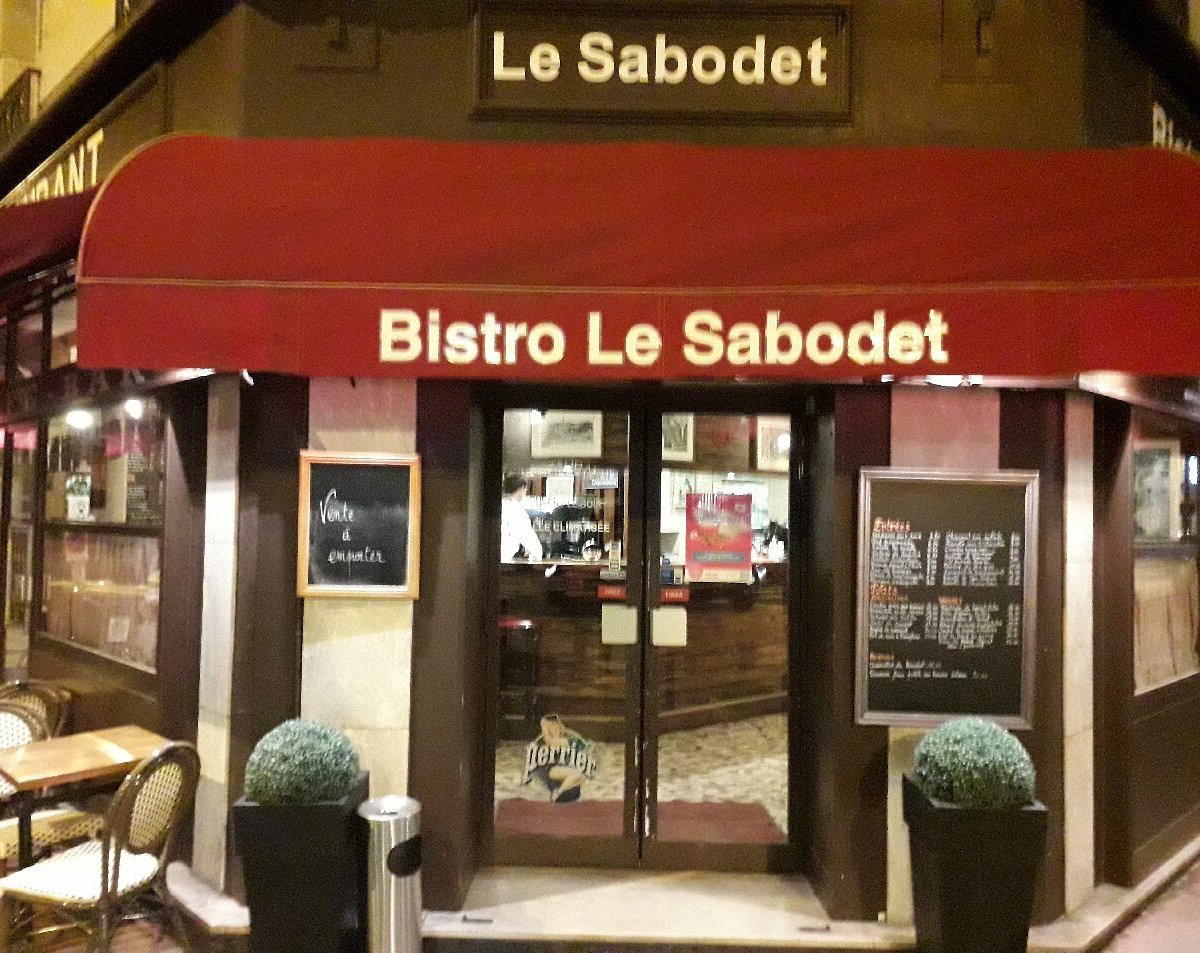
Le Sabodet occupies a quietly residential stretch of Levallois-Perret, the inner-ring commune that sits just beyond Paris's 17th arrondissement boundary. The restaurant's name signals its culinary allegiance: sabodet is a Lyonnais sausage, the kind that anchors bouchon cooking and points directly toward France's larder-driven heartland. For diners crossing the Périphérique in search of something less performative than central Paris dining, it offers a grounded alternative.

Pearl is the En Primeur Club membership app — saves, bookings, and concierge access live there. Same editors, same standards.
- Address
- 36 Rue Edouard Vaillant, 92300 Levallois-Perret, France
- Phone
- +33147375421
- Hours
- Mon–Fri 8 AM–2:30 PM, 7:30–10:30 PMSat–Sun Closed
- Website
- bistrot-sabodet.com
- Directions
- Get directions
- Booking
- Book on the venue's website
The menu
What to order
- Pike quenelles
- Lyon sausages
- Beef snout
The Inner-Ring Dining Shift: Levallois-Perret and the Move Beyond Paris's Périphérique
The communes that press directly against Paris's administrative edge have spent years in the shadow of the capital's restaurant culture. Levallois-Perret, a dense, largely residential territory on the northwestern bank of the Seine, is not a place most visitors arrive at by accident. It draws professionals from the financial and media companies headquartered there, and increasingly a dining cohort willing to step past the Périphérique for food that prioritises substance over spectacle. The restaurant scene here sits closer in spirit to the neighbourhood bistro tradition than to the theatrical tasting-menu formats that now define dining in, say, the Triangle d'Or. For context on what Levallois-Perret's dining offer looks like across the full range, see our full Levallois Perret restaurants guide.
A Name That Points to Lyon: What Sabodet Signals
The word sabodet is specific. It refers to a coarse Lyonnais sausage made predominantly from pork head meat, traditionally poached and served with lentils or potatoes. It is not a fashionable ingredient; it does not appear on the menus of Alléno Paris au Pavillon Ledoyen or on the kind of progressive tasting counters where sourcing is narrated through eleven courses and a printed producer booklet. Choosing it as a restaurant name is an editorial act: it declares allegiance to the bouchon tradition, to Lyon's insistence that secondary cuts and offal are as worthy of careful cooking as prime fillets. That tradition runs through a lineage of French culinary thinking that connects the grandes tables of Paul Bocuse - L'Auberge du Pont de Collonges and Georges Blanc in Vonnas back to Lyon's market halls and the practical, product-first cooking they supplied.
Within the broader French dining spectrum, this kind of positioning occupies a specific and increasingly deliberate niche. At the high-commitment end of ingredient-led cooking, you have operations like Bras in Laguiole, where sourcing from the Aubrac plateau is inseparable from the cooking's identity, or Flocons de Sel in Megève, which draws heavily on Alpine producers. At the neighbourhood level, the same instinct manifests differently: shorter menus, market-driven daily changes, and a pricing logic that reflects what the ingredients cost rather than what the address can command.
Rue Édouard Vaillant: Reading the Room Before You Sit Down
The address on Rue Édouard Vaillant places Le Sabodet in the everyday commercial fabric of Levallois-Perret rather than on a celebrated restaurant row. The street runs through an area of small shops, apartment buildings, and the particular urban texture of a commune that functions primarily as a place people live and work rather than visit. Arriving here, the immediate context is not the polished hospitality theatre of Paris's grandes maisons; it is closer to the neighbourhood dynamics that sustain a restaurant like Au Crocodile in Strasbourg or Auberge de l'Ill in Illhaeusern, where the surrounding community provides the anchor and the occasion justifies the visit on its own terms. Nearby in Levallois-Perret, Rodchenko and Sapori Siciliani represent different ends of the local dining offer, with Le Sabodet's Lyonnais positioning marking it as the most specifically French in culinary identity among the three.
The Ingredient Logic of Bouchon Cooking
Sourcing in the bouchon tradition operates on principles that are almost the inverse of luxury-driven fine dining. Where a restaurant like Mirazur in Menton builds an identity around garden-grown produce and coastal geography, or Christopher Coutanceau in La Rochelle around sustainable Atlantic seafood, the Lyonnais kitchen draws value from animals in their entirety. The sabodet itself is a product of this logic: head meat, fat, and rind, transformed through careful preparation into something that rewards the cook's knowledge rather than the raw material's market price. This is not austerity cooking; it is a different kind of rigour, one that demands more technical understanding of the ingredient rather than less.
For French kitchens with this orientation, the sourcing relationships tend toward regional specificity: butchers who work with specific breeds, charcutiers who maintain traditional preparation methods, and a supply chain that often runs through smaller operators rather than the central wholesale markets that supply volume-focused restaurants. The contrast with the highly engineered tasting menus of Assiette Champenoise in Reims or the technically progressive format of AM par Alexandre Mazzia in Marseille is instructive: different ambitions, different supply chains, different definitions of what makes an ingredient worth cooking.
Placing Le Sabodet in the Broader French Dining Conversation
France's dining culture has always contained this tension between the aspirational and the anchored. The grandes tables, from Troisgros - Le Bois sans Feuilles in Ouches to Auberge du Vieux Puits in Fontjoncouse, carry the weight of multi-generational culinary ambition. The neighbourhood bistro carries a different weight: the expectation that it will feed the same people repeatedly, honestly, and at a price that makes return visits viable. Le Sabodet's positioning, as read through its name and its Levallois-Perret address, sits in the latter category. That is not a concession; it is a choice, and it shapes everything from the menu's scope to the way the room is likely to feel on a Tuesday evening when the tables are occupied by local regulars rather than destination diners.
For readers who spend time tracking the more decorated end of the French dining spectrum, places like Le Bernardin in New York City or Atomix in New York City represent one version of what serious cooking looks like. Le Sabodet represents a different version entirely, one rooted in the proposition that a Lyonnais sausage, properly sourced and correctly cooked, is a sufficient reason to cross the Seine.
Planning a Visit
Le Sabodet is at 36 Rue Édouard Vaillant, 92300 Levallois-Perret. The commune is accessible from central Paris via the Anatole France or Louise Michel metro stations on Line 3, putting it roughly fifteen minutes from the Opera district. Current booking details, hours, and pricing are best confirmed directly with the restaurant, as public records for those specifics are not available through standard databases at the time of writing.
Frequently asked questions
Is Le Sabodet child-friendly?
The neighbourhood bistro register that defines Le Sabodet's position on Rue Édouard Vaillant tends toward an informal, unfussy atmosphere that accommodates families without ceremony. Lyon's bouchon tradition is grounded in communal, working-class dining culture, which historically means children are not an afterthought. Portions in this style of cooking run generous, and the format is relaxed rather than choreographed.
What's the vibe at Le Sabodet?
Le Sabodet's address in the everyday commercial fabric of Levallois-Perret sets the tone before you arrive: this is a neighbourhood table, not a destination restaurant engineered for out-of-towners. The bouchon tradition it references is rooted in convivial, no-theatre dining where the food does the work. Expect a room pitched at regulars rather than one staging an occasion.
How does Le Sabodet differ from a typical Paris bistro?
Where the standard Paris bistro draws from a broad, often eclectic repertoire, Le Sabodet anchors itself specifically to the Lyonnais bouchon tradition, a regional format with its own logic of offal, cured pork, and poached preparations. That specificity sets it apart from the generalist neighbourhood bistro common across the capital and its inner communes, including Levallois-Perret itself. It is a regional French restaurant in the precise sense, not a French restaurant in the general one.
What should I eat at Le Sabodet?
The name itself is the best guide: sabodet is a coarse Lyonnais sausage made from pork head meat, traditionally poached and paired with lentils, and it signals the kitchen's declared orientation toward Lyon's charcuterie and secondary-cut tradition. In bouchon cooking, the argument is made through pig's trotters, quenelles, andouillette, and tablier de sapeur rather than through luxury ingredients. Order accordingly and work from the charcuterie outward.
How It Stacks Up
Comparable venues nearby, for context on price, style, and recognition.
| Venue | Cuisine | Price | Notes |
|---|---|---|---|
| Le SabodetThis venue — the venue you are viewing | Traditional Lyonnais Bistro | $20–30 | Not listed |
| Sapori Siciliani | Authentic Sicilian Italian | $30–50 | Levallois-Perret |
| Rodchenko | French Kosher Tapas | $50–100 | Levallois-Perret |
| Oscar | Traditional French Bistro | $30–50 | 75016 |
| A l'Affiche | Traditional French Bistro | $30–50 | Quartier de l'Europe |
| La Tour Montlhéry - Chez Denise | Classic French Bistro | $30–50 | Les Halles |
Continue exploring
More in Levallois Perret
Restaurants in Levallois Perret
Browse all →
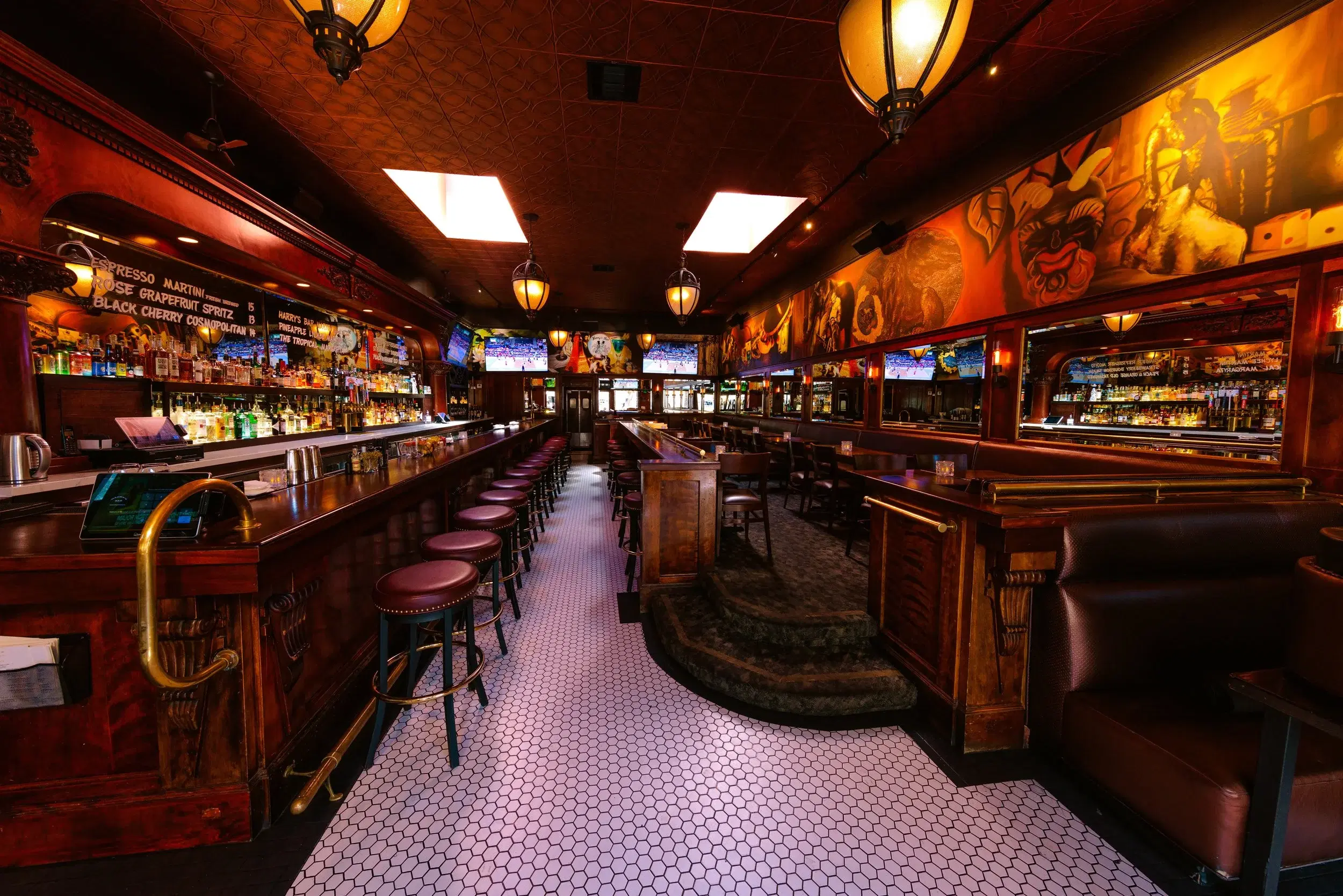
Bars in Levallois Perret
Browse all →
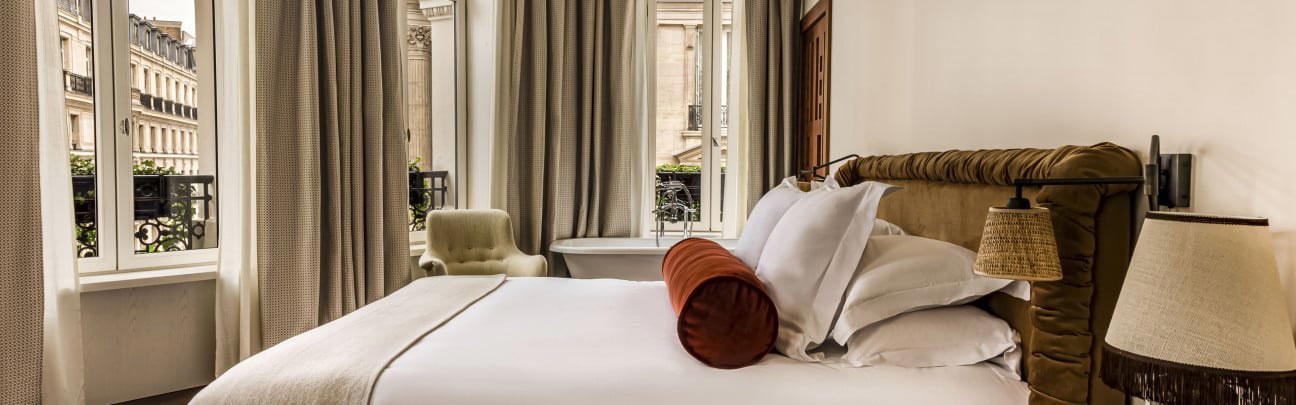
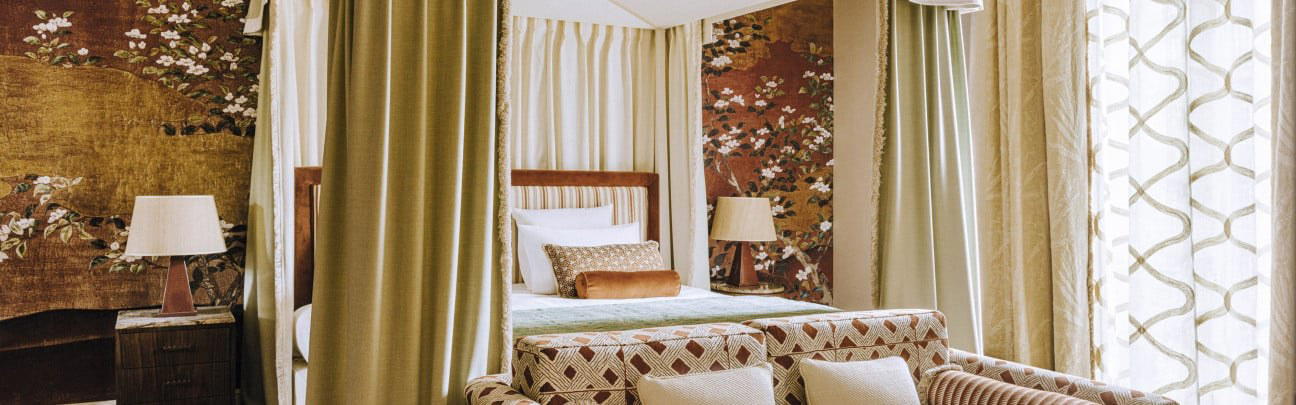
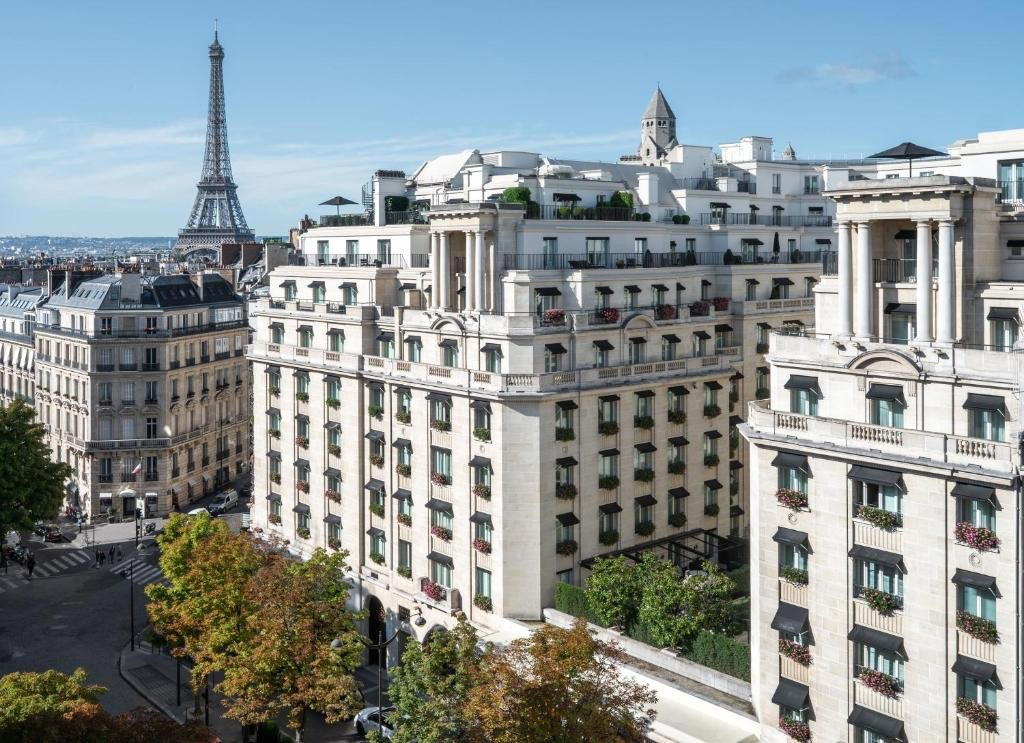
Hotels in Levallois Perret
Browse all →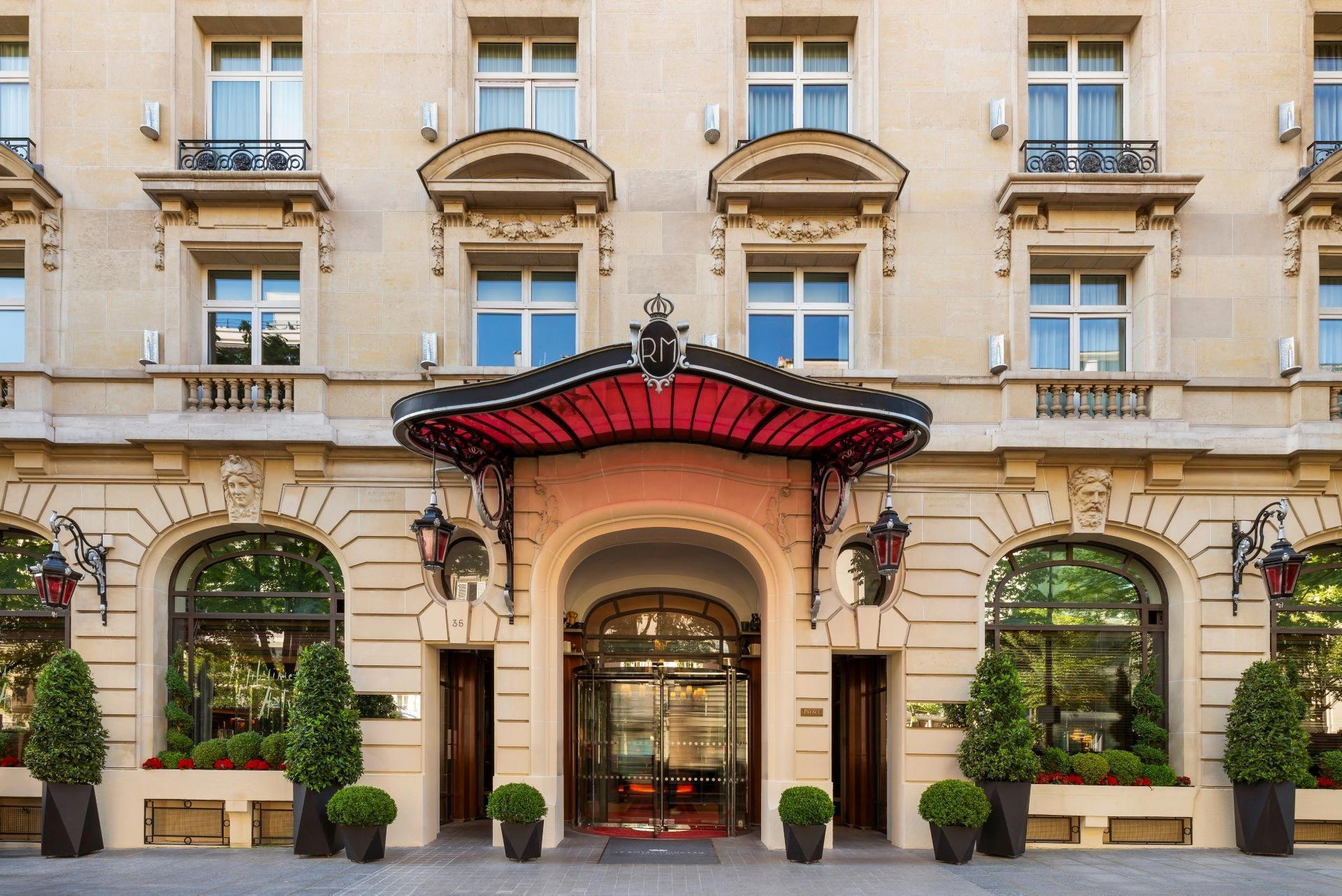
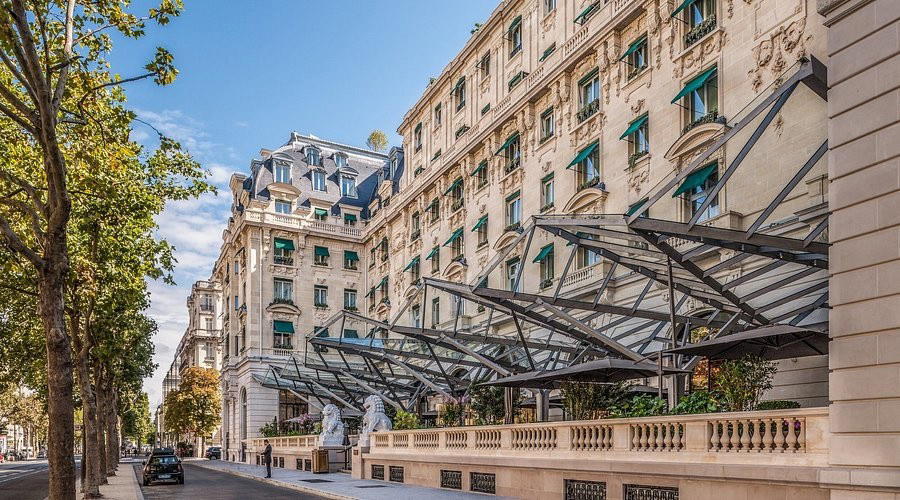
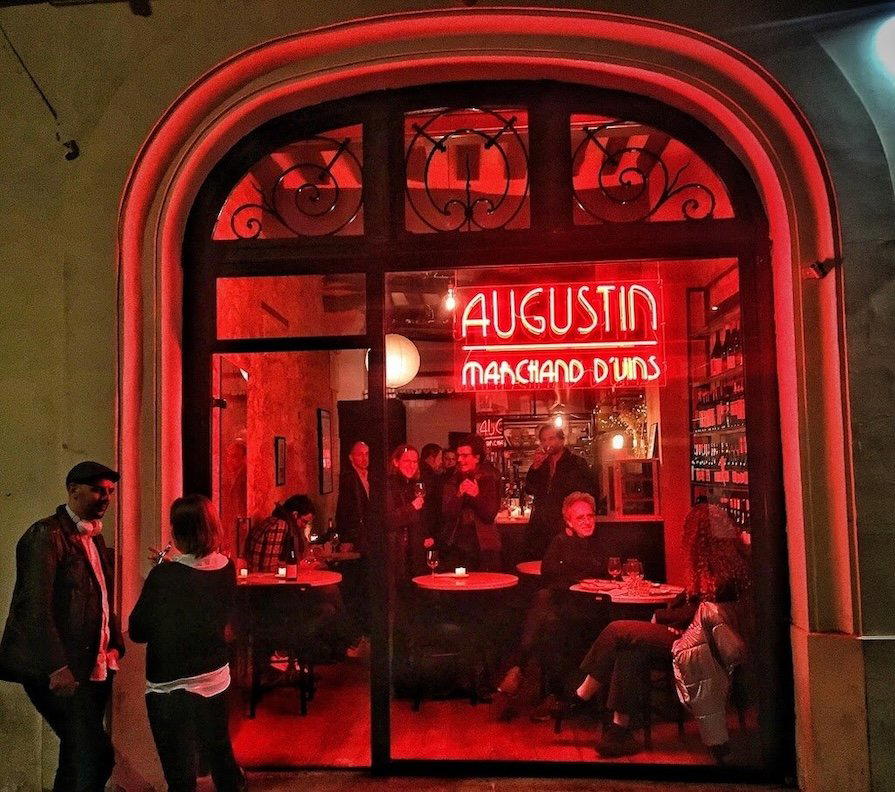
Wineries in Levallois Perret
Browse all →
Le Sabodet
The wine
- Wine program
- Curated wine list
- Extensive wine list
Details
- Cozy
- Classic
- Intimate
- Casual Hangout
- Group Dining
- Terrace
- Extensive Wine List
- Local Sourcing
- A La Carte
Current opening hours
- Monday
- 8 AM–2:30 PM, 7:30–10:30 PM
- Tuesday
- 8 AM–2:30 PM, 7:30–10:30 PM
- Wednesday
- 8 AM–2:30 PM, 7:30–10:30 PM
- Thursday
- 8 AM–2:30 PM, 7:30–10:30 PM
- Friday
- 8 AM–2:30 PM, 7:30–10:30 PM
- Saturday
- Closed
- Sunday
- Closed
Hours can change for holidays and private events. Last verified .
Warm and cozy bistro with red and white tiles, mirrors, benches, colorful walls featuring hand puppets and race cars, and checkered tablecloths.