Le Pré Salé
Le Pré Salé sits on the approach road to Le Mont Saint-Michel, placing it squarely in the tradition of Norman coastal dining built around the bay's most celebrated product: salt-meadow lamb. The restaurant draws on the particular terroir of the tidal flats where sheep graze on halophyte grasses, producing meat with a mineral salinity that no inland rearing can replicate. For visitors arriving at one of France's most visited landmarks, it offers a grounded, ingredient-led meal before or after the pilgrimage up the rock.
Pearl is the En Primeur Club membership app — saves, bookings, and concierge access live there. Same editors, same standards.
- Address
- Rte du Mont Saint-Michel, 50170 Le Mont-Saint-Michel, France
- Phone
- +33 2 33 60 24 17
- Website
- accorhotels.com
- Directions
- Get directions
 Saves & bookings on Pearl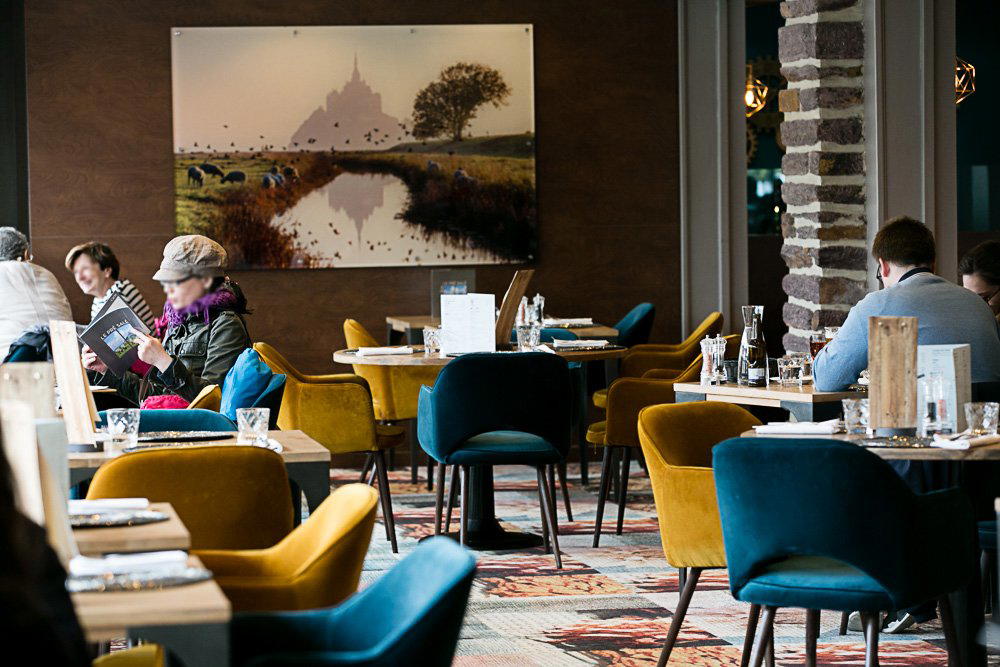
Salt Meadows and Tidal Terroir: Dining at the Edge of the Bay
Approaching Le Mont Saint-Michel from the mainland causeway, the eye is drawn first to the silhouette of the abbey rising from the tidal flats. But the land on either side of the road tells a quieter, older story. The polders and salt marshes stretching east and west of the bay have been grazed by sheep for centuries, and the grass they eat, a mix of halophyte species including salicornia and sea purslane, grows in soil saturated with seawater at every tide. Le Pré Salé, positioned along this approach road at Rte du Mont Saint-Michel, takes its name directly from that tradition. In French, pré salé means salt meadow, and the name is both description and promise.
The geography here is not incidental to the food. Salt-meadow lamb, or agneau de pré-salé, holds a protected designation of origin in France, awarded to animals reared in the tidal marshes of the Bay of Mont Saint-Michel specifically. The AOC designation, one of the more geographically precise agricultural protections in French food law, restricts the label to animals that have grazed these particular marshes for a qualifying period. That regulatory specificity matters at the table: the muscle fibres carry a mineral concentration and a tenderness that differ measurably from conventionally reared lamb, the fat distributes differently, and the salt content is inherent rather than applied. Restaurants that centre their identity on pré-salé lamb are, in effect, staking their kitchen on the integrity of a raw material that the land itself produces, not on technique alone.
The Ingredient Tradition That Defines Norman Coastal Cooking
Norman coastal cuisine has always organised itself around what the tidal landscape provides rather than what chefs import. The Mont Saint-Michel bay is unusually productive: oysters and mussels from the surrounding waters, fish from the English Channel, and the salt-meadow lamb that has made this particular stretch of Normandy internationally recognisable to food-literate travellers. The region's most celebrated dining institution, La Mère Poulard, built its identity on a different local product, the famous omelette cooked in long-handled pans over open fire, demonstrating how narrowly specific an ingredient story can be within the same small bay.
Le Pré Salé occupies the complementary position: where La Mère Poulard claims the drama of the island itself, Le Pré Salé sits with the agricultural land that feeds it. This is a reasonable division of terroir, and it reflects the broader pattern in French provincial cooking where individual restaurants often act as custodians of a single product rather than generalists. French kitchen culture at its most place-specific has always rewarded this kind of specialisation. You see the same logic operating at different price points and scales across the country, from Bras in Laguiole, where the gargouillou is inseparable from the Aubrac plateau's wild plants, to Auberge de l'Ill in Illhaeusern, where Alsatian riverine produce anchors a kitchen with decades of Michelin recognition.
What distinguishes the Mont Saint-Michel approach from the haute cuisine model practised at restaurants like Alléno Paris au Pavillon Ledoyen or Mirazur in Menton is the absence of transformation as the primary value. The salt meadow does much of the work before the animal reaches the kitchen. A kitchen that understands this works with restraint, allowing the mineral salinity and the particular fat of the lamb to register clearly rather than obscuring them with heavy saucing. Norman butter, cream, and cider-based reductions are the natural companions here, each rooted in the same regional larder.
Where Le Pré Salé Sits in the Visitor's Day
The restaurant's position on the approach road makes it a natural staging post rather than a destination in isolation. Most visitors to Le Mont Saint-Michel arrive by shuttle from the mainland car parks, passing through the flat causeway landscape before reaching the island gate. The restaurant sits in this transitional zone, and the practical logic of eating here, before ascending the abbey or after the descent, is direct. A meal grounded in the local lamb or regional seafood is a more instructive way to begin or close a visit than the snack counters inside the island's walls, where the volume of foot traffic shapes the offer more than any culinary intention does.
For travellers with an interest in French regional cooking rather than monument tourism alone, the combination of abbey visit and pré-salé lamb meal compresses two of Normandy's most historically layered experiences into a single afternoon. The bay's tidal drama, which turns the landscape from dry road to open sea within hours, is the frame around which both the abbey and the grazing land make their fullest sense. Timing a meal to coincide with tidal change adds a concrete dimension to understanding why this particular piece of coastline developed the food culture it did.
Le Pré Salé in the Context of France's Ingredient-Driven Kitchens
France's most geographically committed kitchens tend to share a structural approach: the landscape dictates the menu, and the kitchen's role is to make that argument legibly. You see this at Flocons de Sel in Megève, where the alpine larder determines the seasonal range, and at Christopher Coutanceau in La Rochelle, where the Atlantic coast's catch shapes a kitchen with serious ecological commitments. At the other end of the formality scale, places like Auberge du Vieux Puits in Fontjoncouse operate with Michelin recognition in genuinely remote locations, proving that the rural French kitchen tradition does not require urban proximity to function at a high level.
The restaurant does not sit in that Michelin bracket. Its role is different: it represents the accessible, honest end of regional ingredient cooking, where the AOC designation on the lamb does more reputational work than any award. For travellers already in the habit of tracking down kitchens like Georges Blanc in Vonnas or L'Oustau de Baumanière in Les Baux, a stop at the restaurant is a useful recalibration: a reminder that the ingredient case for French regional cooking does not always require a grand kitchen to make itself understood.
Quick Comparison
Comparable venues nearby, for context on price, style, and recognition.
| Venue | Cuisine | Price | Notes |
|---|---|---|---|
| Le Pré SaléThis venue — the venue you are viewing | Traditional French Pré-Salé Lamb | $$ | Not listed |
| La Mère Poulard | Traditional Norman French | $$$$ | Mont-Saint-Michel |
| Au jardin breton | French Bistronomique | $$ | Combourtillé |
| BEVAN | Modern French Bistro | $$ | Dahouët |
| La Touline | Breton Crêperie | $$ | Intra-Muros |
| Le P'Tit Crabe | Breton Creperie | $$ | Intra-Muros |
Continue exploring
More in Le Mont Saint Michel
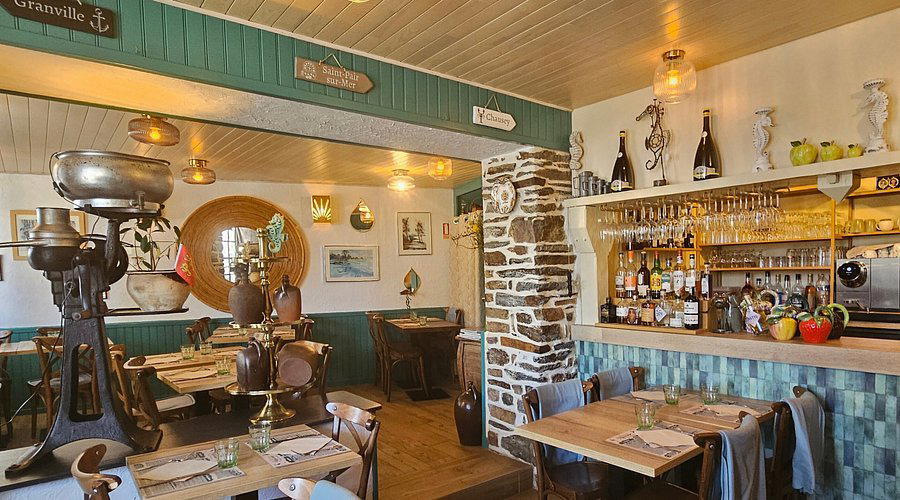
Restaurants in Le Mont Saint Michel
Browse all →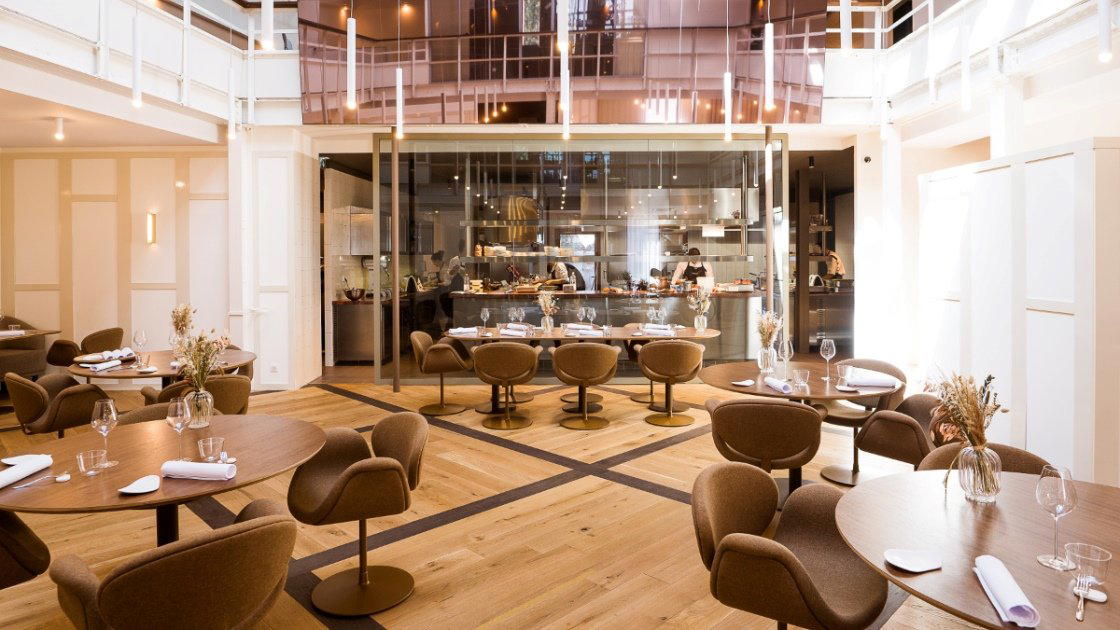
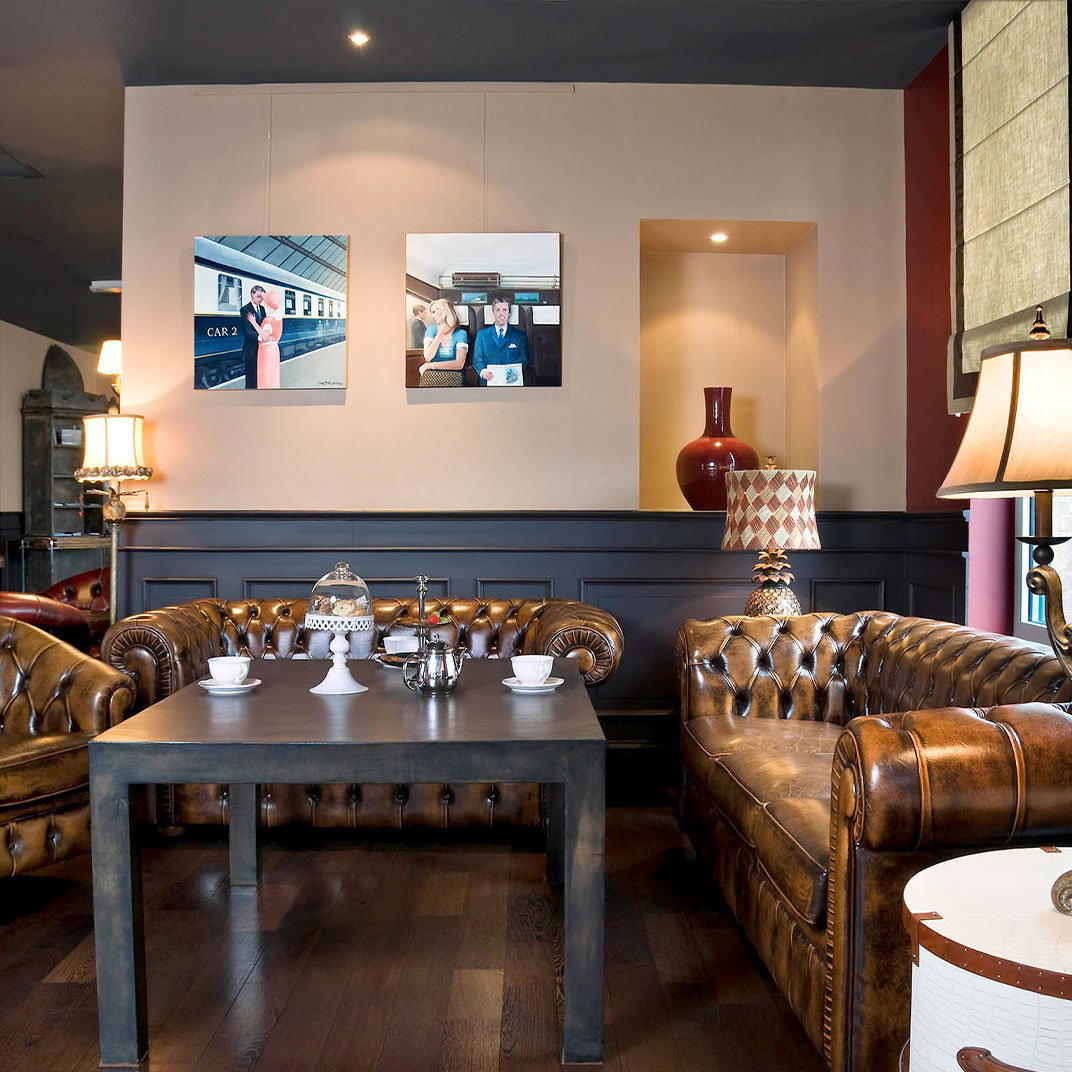
Bars in Le Mont Saint Michel
Browse all →
At a Glance
- Rustic
- Cozy
- Elegant
- Scenic
- Special Occasion
- Family
- Celebration
- Historic Building
- Standalone
- Local Sourcing
Current opening hours
- Monday
- 7–9 PM
- Tuesday
- 7–9 PM
- Wednesday
- 7–9 PM
- Thursday
- 7–9 PM
- Friday
- 7–9 PM
- Saturday
- 7–9 PM
- Sunday
- 7–9 PM
Hours can change for holidays and private events. Last verified .
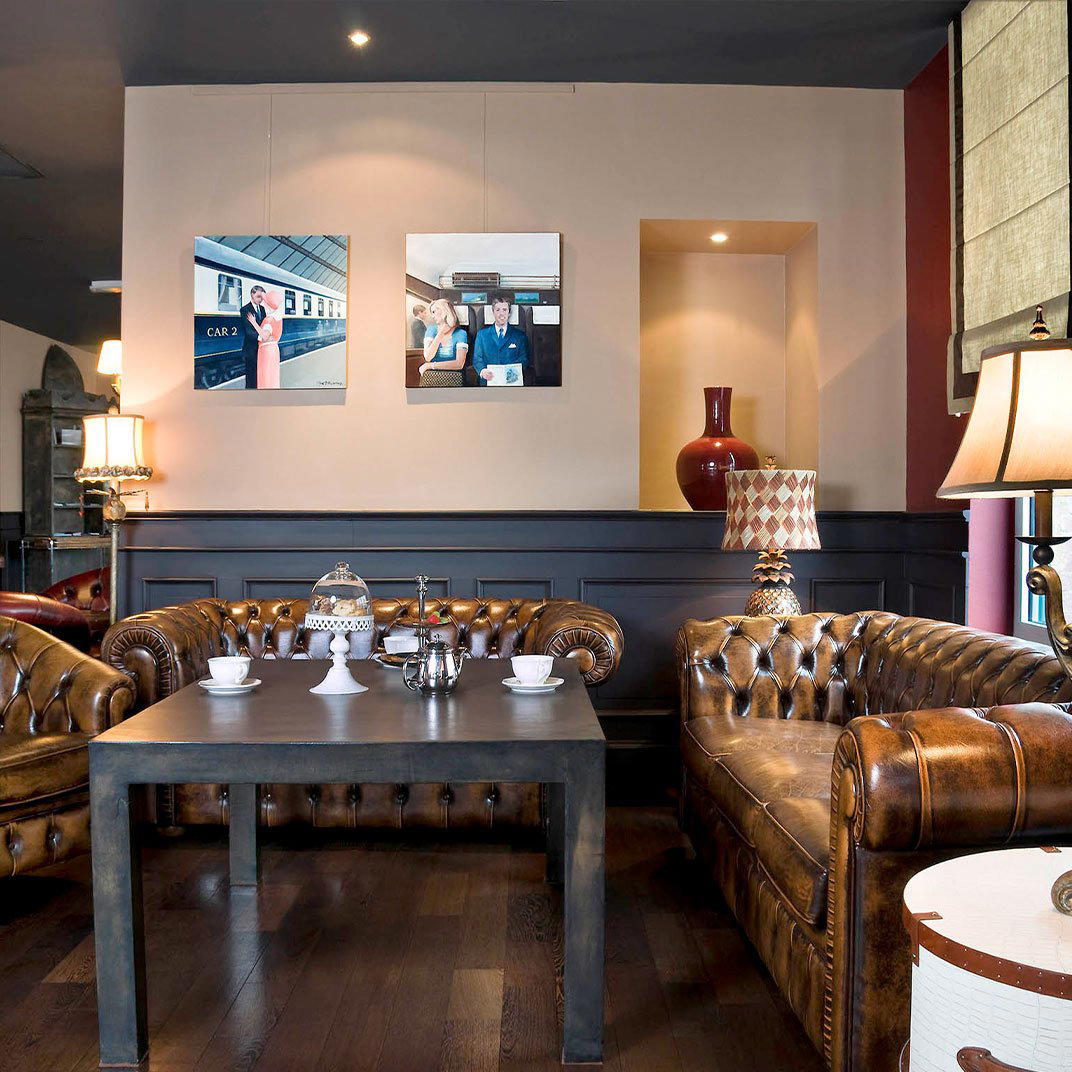
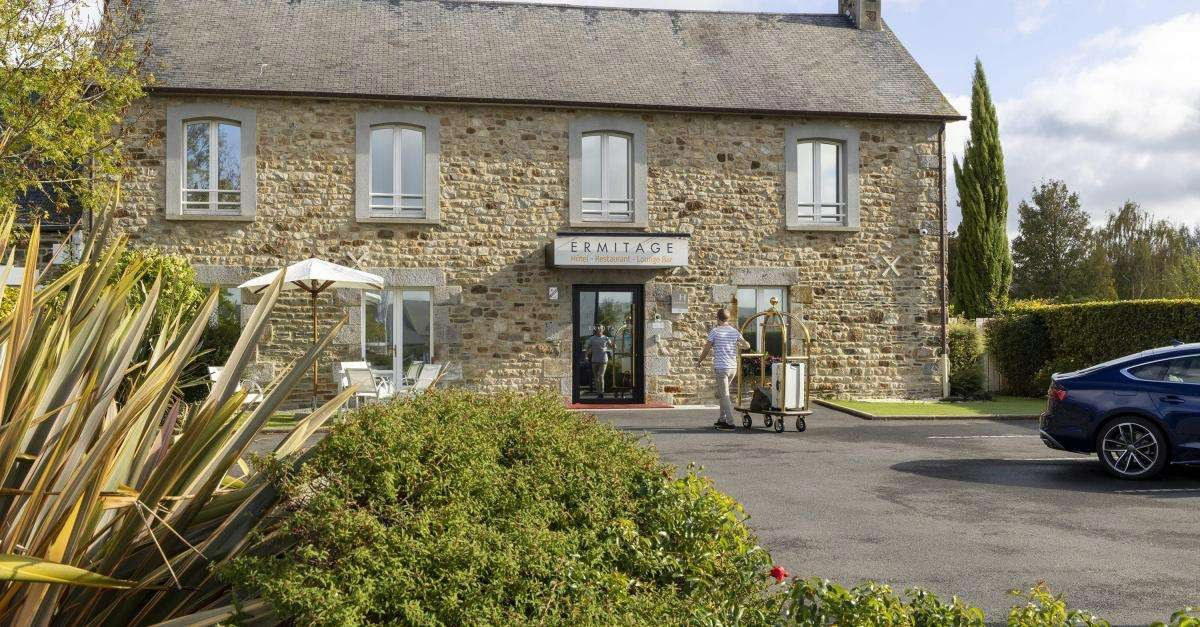
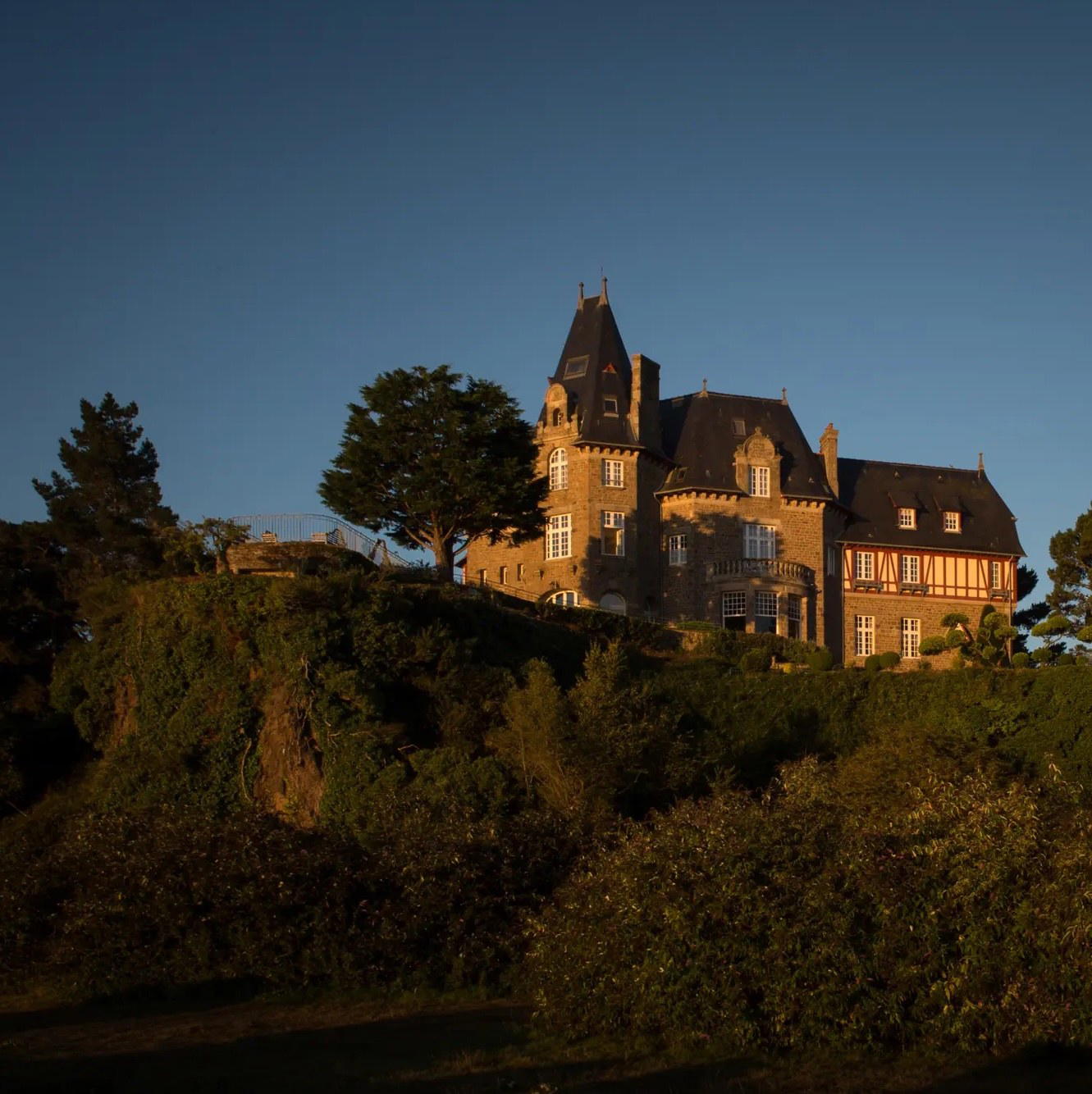
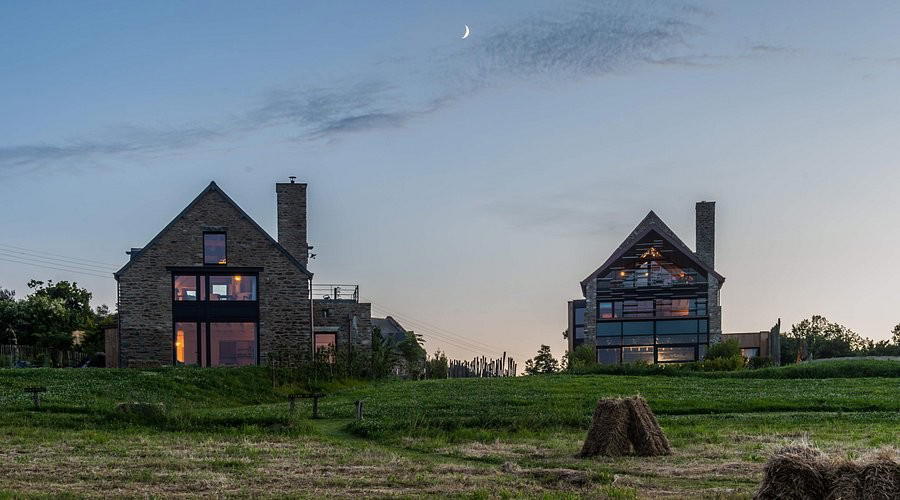
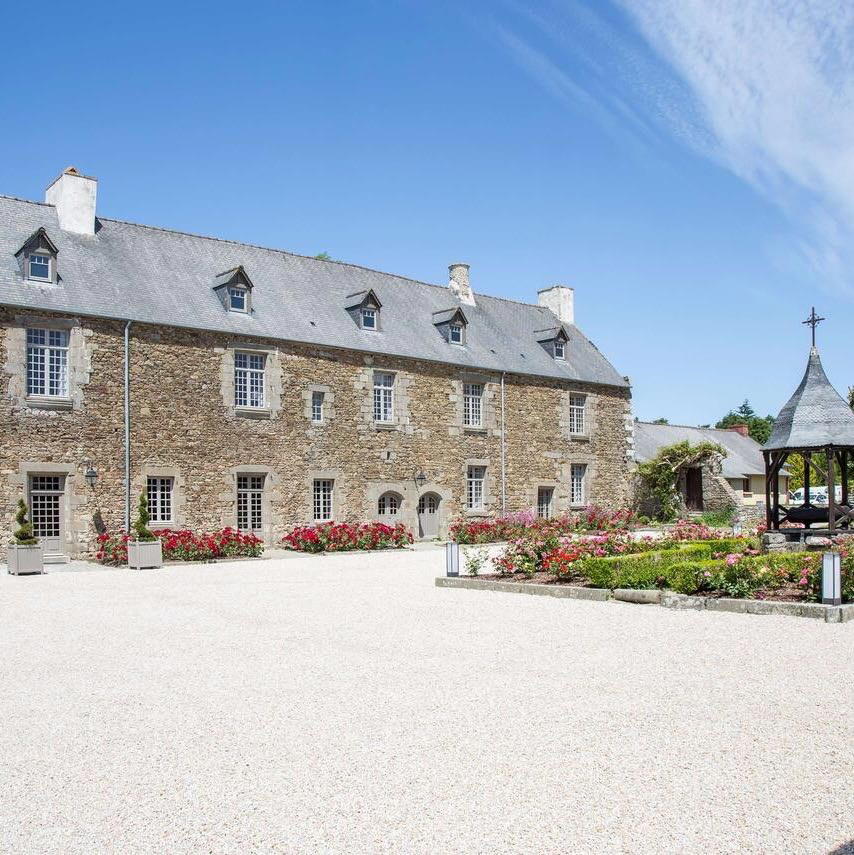
Refined and gourmet atmosphere highlighting local terroir in a warm, welcoming setting near the well-known Mont Saint-Michel.