Le Portanel sits on the narrow waterfront passage of Bages, a medieval fishing village on the Étang de Bages-Sigean that has become one of the Aude's most closely watched dining addresses. The restaurant draws directly from the lagoon and surrounding Corbières countryside, placing southern French ingredient sourcing at the centre of its kitchen logic. For anyone tracing serious regional cooking in Languedoc-Roussillon, this address belongs on the itinerary.
Pearl is the En Primeur Club membership app — saves, bookings, and concierge access live there. Same editors, same standards.
- Address
- Pass. du Portanel, 11100 Bages, France
- Phone
- +33468428166
- Website
- restaurant-portanel-bages.fr
- Directions
- Get directions
 Saves & bookings on Pearl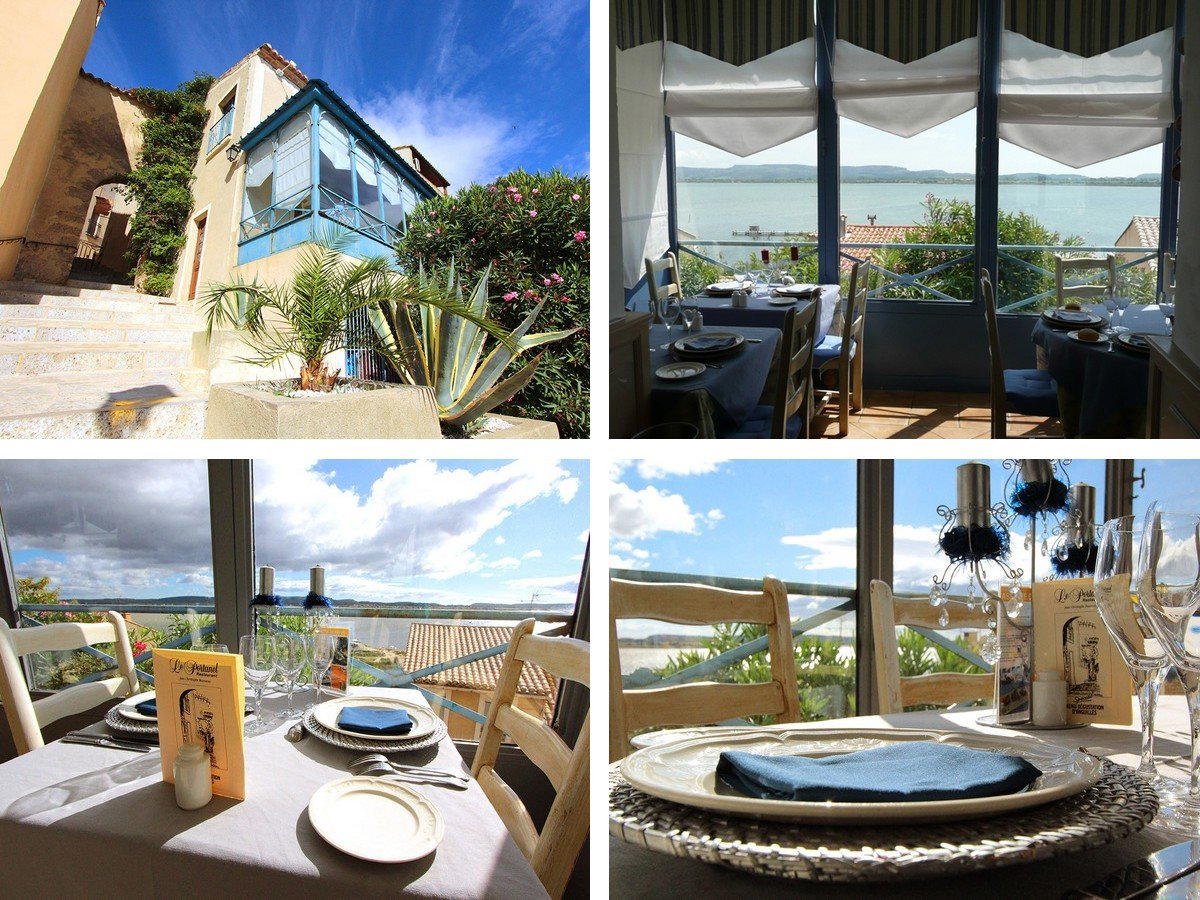
Bages and the Étang: Why Geography Shapes Every Plate
The village of Bages occupies a small promontory jutting into the Étang de Bages-Sigean, a brackish lagoon system that stretches along the Aude coast between Narbonne and Leucate. Arriving on foot through the Passatge del Portanel, the narrow medieval lane that gives the restaurant its name, you pass stone walls stained with salt air and catch the first sight of flat, silver water before you reach the dining room. The physical proximity of kitchen to lagoon is not incidental. It defines what ends up on the plate.
This is a part of France where the sourcing logic of a restaurant kitchen is inseparable from the ecology around it. The Étang de Bages-Sigean is one of several interconnected coastal lagoons that form the Narbonnaise Natural Park, and they have supplied the region's tables with sea bass, eels, mussels, and tellines for centuries. Restaurants that take that supply chain seriously are operating within a culinary tradition far older than any modern conversation about farm-to-table dining. Le Portanel sits squarely in that tradition, in a village that has deliberately positioned itself as a destination for precisely this kind of grounded, place-specific cooking.
The Ingredient Logic of the Languedoc Coast
Southern French coastal cooking operates on a different register from the prestige kitchens of Paris or the Alpine dining rooms of the east. At addresses like Alléno Paris au Pavillon Ledoyen or Flocons de Sel in Megève, the kitchen's authority derives partly from technical complexity and the accumulated weight of long-established institutional reputations. Along the Languedoc littoral, the argument is different: it is about direct access to ingredients that are difficult to replicate elsewhere, and the discipline to let those ingredients carry the cooking.
The lagoon system around Bages produces shellfish and finfish under conditions shaped by the Mediterranean climate, the mistral, and the specific salinity of these shallow, sun-warmed waters. The tellines harvested from the sandy beds of the étang are a local article of faith, small bivalves with a clean brine that bears no resemblance to what travels to Paris under the same name. Oysters from Leucate, a short distance south, have held a regional reputation for decades. Sea bass caught at the mouth of the lagoon arrive at local kitchens with a freshness that makes extended supply chains look like an obvious compromise. A restaurant on the Portanel passage does not have to manufacture a sourcing story; the sourcing story is the village itself.
This places Le Portanel in a meaningful peer conversation with other regionally anchored French restaurants that have built their identities around specific landscapes and their produce. Bras in Laguiole is the defining precedent for this model in southern France, with Michel Bras's decades of work drawing on the Aubrac plateau's flora and farming. Auberge du Vieux Puits in Fontjoncouse, just inland through the Corbières garrigue, has operated on similar principles under Gilles Goujon, earning three Michelin stars in a village of fewer than 200 inhabitants. Le Portanel's context is shaped by these regional comparisons more than by the grand Parisian dining rooms.
Bages as a Dining Destination: The Broader Pattern
Bages itself is a useful case study in how a small French village repositions around food culture. For much of the twentieth century it was a declining fishing settlement, its stone houses emptying as the fishing economy contracted. A concerted effort from the 1990s onward to restore the village and attract artisan producers, restaurants, and a wine bar transformed it into a compact destination that draws visitors from Narbonne and beyond. The village now holds a cluster of food-focused businesses within walking distance: a chocolate maker, an oyster seller, a wine bar with Corbières and Minervois producers on the list, and the restaurant on the Portanel passage.
That clustering matters for the reader planning a visit. Bages works as a half-day or full-day itinerary anchored by a meal, not as a destination that requires overnight accommodation in the village itself. Narbonne, roughly five kilometres to the north, provides the practical infrastructure: hotels, the TGV station, and the covered market at Les Halles, which is itself one of the better arguments for a morning in the area before making the short drive south to the lagoon.
The dining context along this stretch of the Languedoc coast extends further when you consider comparable addresses in the wider region. Mirazur in Menton anchors the Mediterranean end of the French Riviera with a garden-driven sourcing model that shares the same coastal-produce logic. AM par Alexandre Mazzia in Marseille represents a more technically ambitious expression of southern French ingredients. And for those tracing the full arc of serious French regional cooking, addresses such as Auberge de l'Ill in Illhaeusern, Troisgros in Ouches, and Paul Bocuse's Auberge du Pont de Collonges provide the institutional backdrop against which smaller regional restaurants define their own propositions. Other coastal comparisons worth considering: Christopher Coutanceau in La Rochelle and La Marine in Noirmoutier-en-l'île both demonstrate what sustained commitment to Atlantic coastal sourcing can produce at the highest level. For comparison across French fine dining more broadly, Assiette Champenoise in Reims, Au Crocodile in Strasbourg, Georges Blanc in Vonnas, and L'Oustau de Baumanière in Les Baux each represent a distinct regional tradition. And for those who extend their reading to French-influenced kitchens beyond France, Le Bernardin in New York City and Atomix illustrate how European sourcing discipline translates across contexts.
Planning a Visit
Bages sits just off the A9 autoroute, accessible from Narbonne in under ten minutes by car. The village is compact enough that parking near the entrance and walking through to the Portanel passage takes only a few minutes. Reservations are recommended, and one practical approach is to plan ahead for lunch or dinner within the published hours. Lunch service on selected days aligns well with a morning visit to Narbonne's market followed by the short drive south.
A Quick Peer Check
Comparable venues nearby, for context on price, style, and recognition.
| Venue | Cuisine | Price | Notes |
|---|---|---|---|
| Le PortanelThis venue — the venue you are viewing | French Seafood from Bages Lagoon | $$$$ | Not listed |
| Alain Ducasse Baccarat | Avant-garde French fine dining in a crystal-clad Maison Baccarat setting | $$$$ | 16th arrondissement |
| Arbor & Sens | French Mediterranean with Catalan Influences | $$$ | Argelès-sur-Mer |
| Château de Jau - Le Grill | French Grill with Roussillon Wines | $$$ | Estagel |
| Domaine Gayda | French Bistro with Wine Estate Focus | $$$ | Brugairolles |
| La Table De Stephane | Refined French Gastronomic with Seafood Focus | $$$ | PAE des 7 fonts |
Continue exploring
More in Bages
Restaurants in Bages
Browse all →
Bars in Bages
Browse all →
Hotels in Bages
Browse all →

At a Glance
- Scenic
- Elegant
- Rustic
- Cozy
- Intimate
- Special Occasion
- Date Night
- Terrace
- Waterfront
- Historic Building
- Extensive Wine List
- Local Sourcing
- Waterfront
Current opening hours
- Monday
- Closed
- Tuesday
- 12–3 PM, 7:30–10 PM
- Wednesday
- 12–3 PM
- Thursday
- 12–3 PM, 7:30–10 PM
- Friday
- 12–3 PM, 7:30 PM–12 AM
- Saturday
- 12 AM–5 PM, 7:30–10 PM
- Sunday
- 12–3 PM
Hours can change for holidays and private events. Last verified .
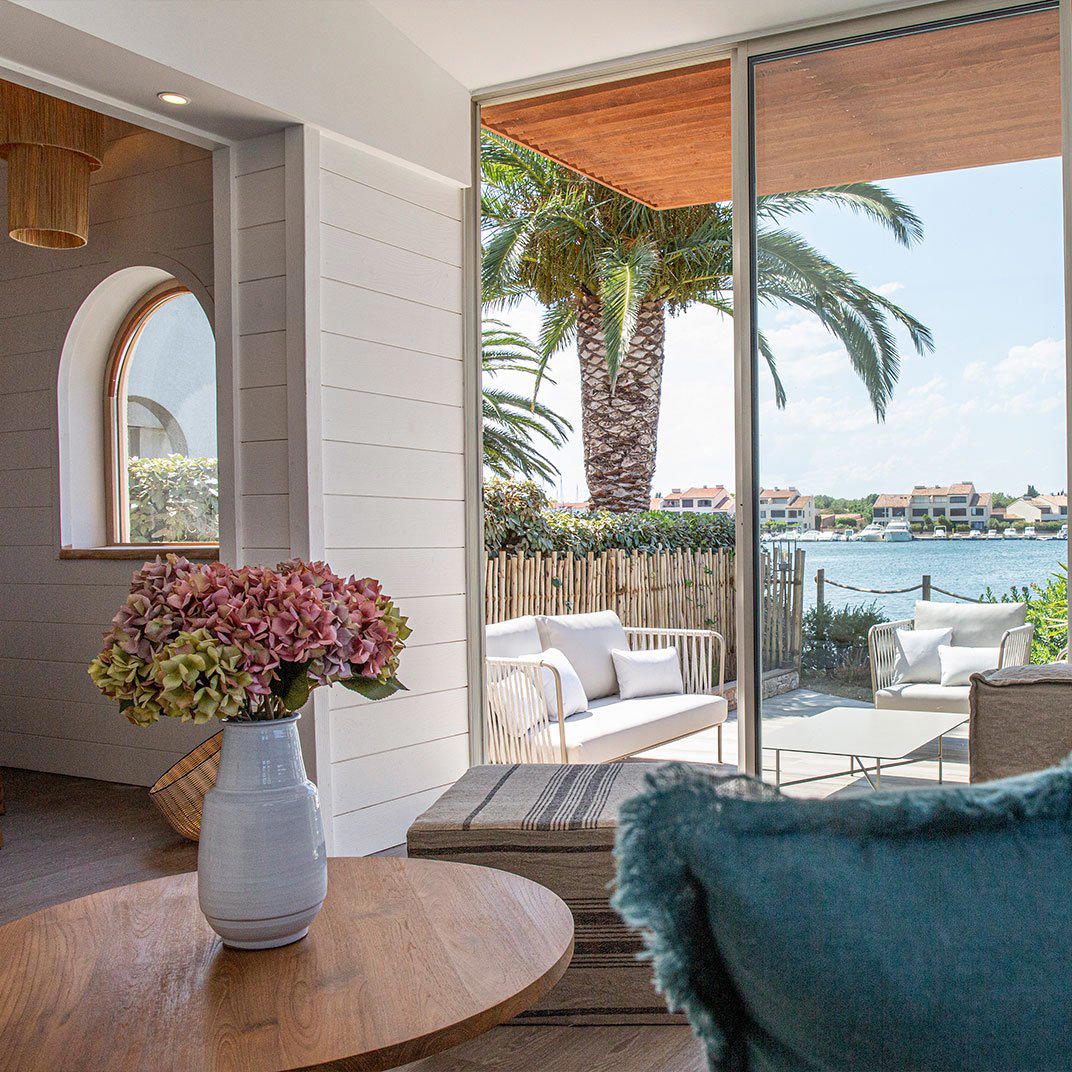
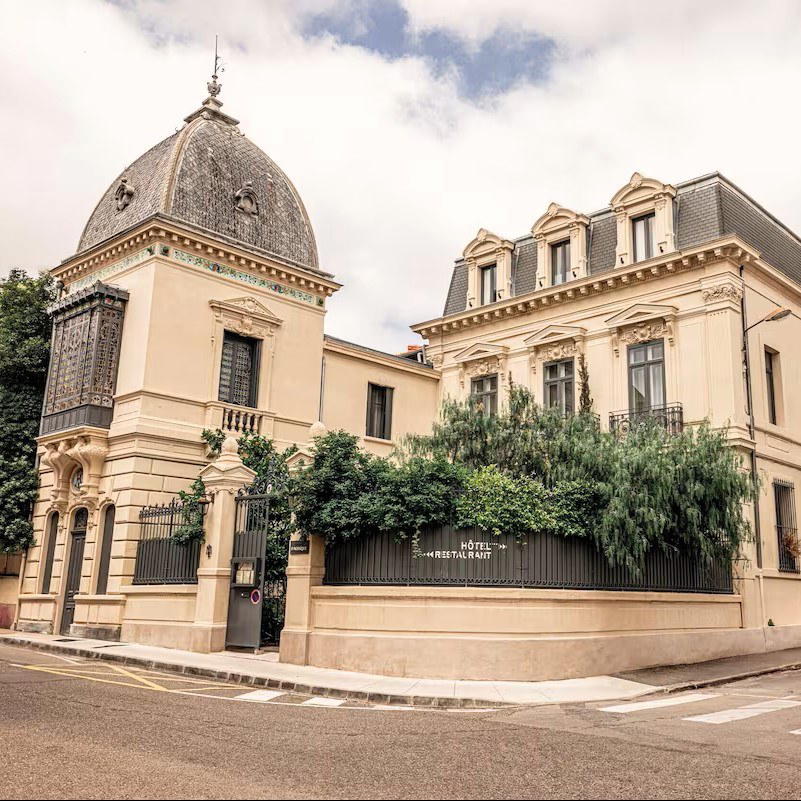
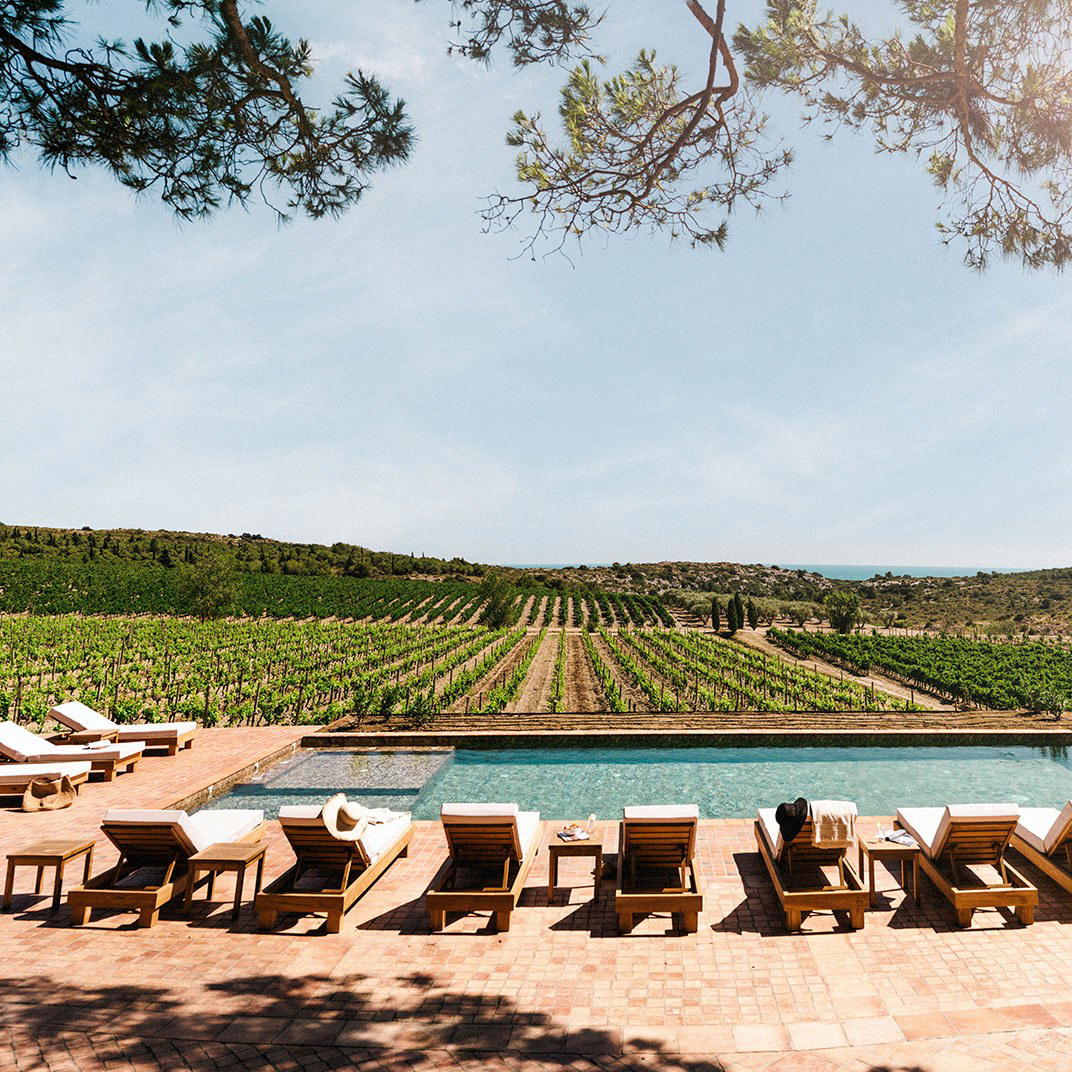
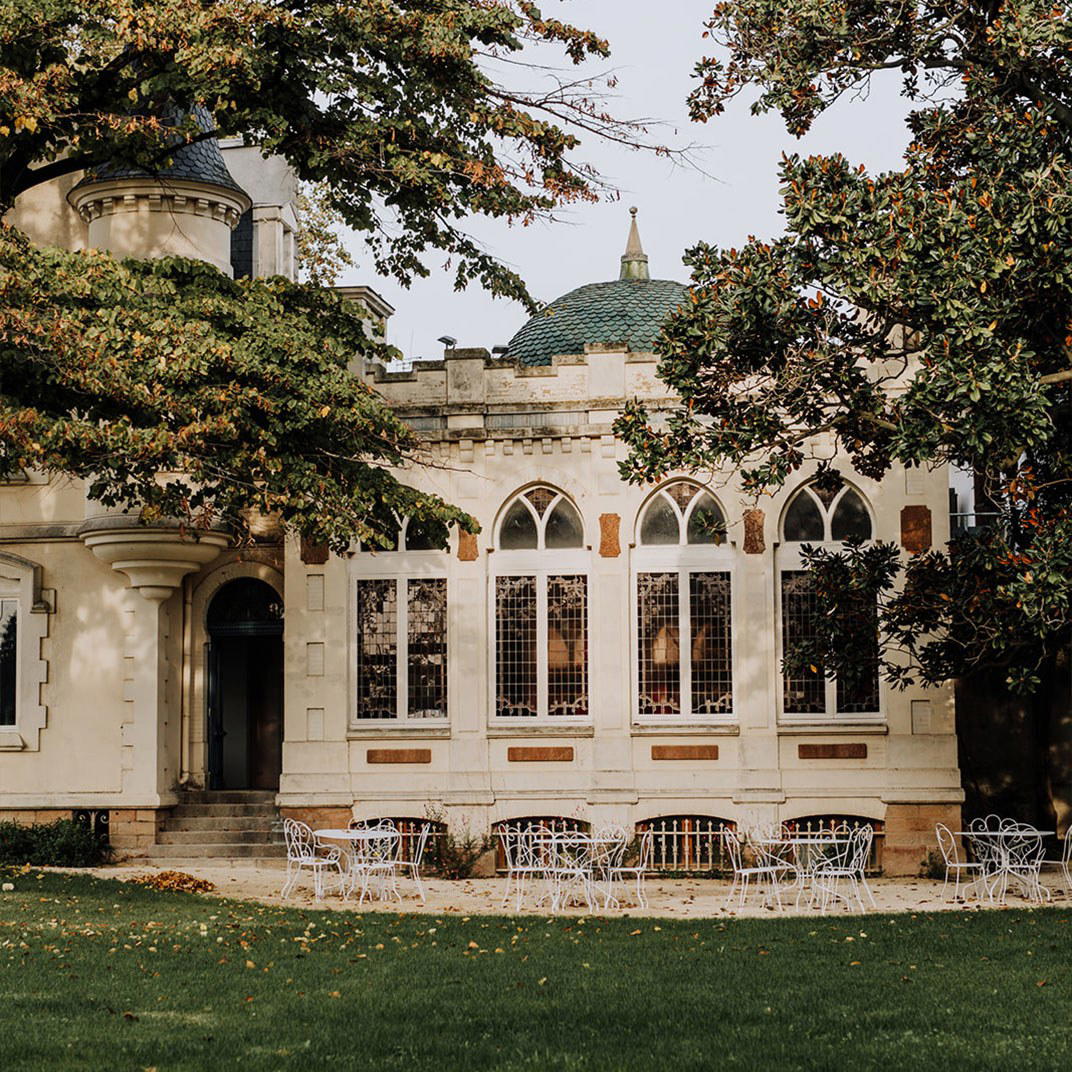
Chic southern setting in a shabby chic former fisherman's house with soothing panoramic lagoon views, cozy and intimate atmosphere.