Le Quint&Sens occupies a distinctive position in Le Havre's dining scene, operating at 98 Rue Président Wilson in a city better known for its UNESCO-listed modernist architecture than its restaurant culture.
Pearl is the En Primeur Club membership app — saves, bookings, and concierge access live there. Same editors, same standards.
- Address
- 98 Rue Président Wilson, 76600 Le Havre, France
- Phone
- +33235411828
- Directions
- Get directions
 Saves & bookings on Pearl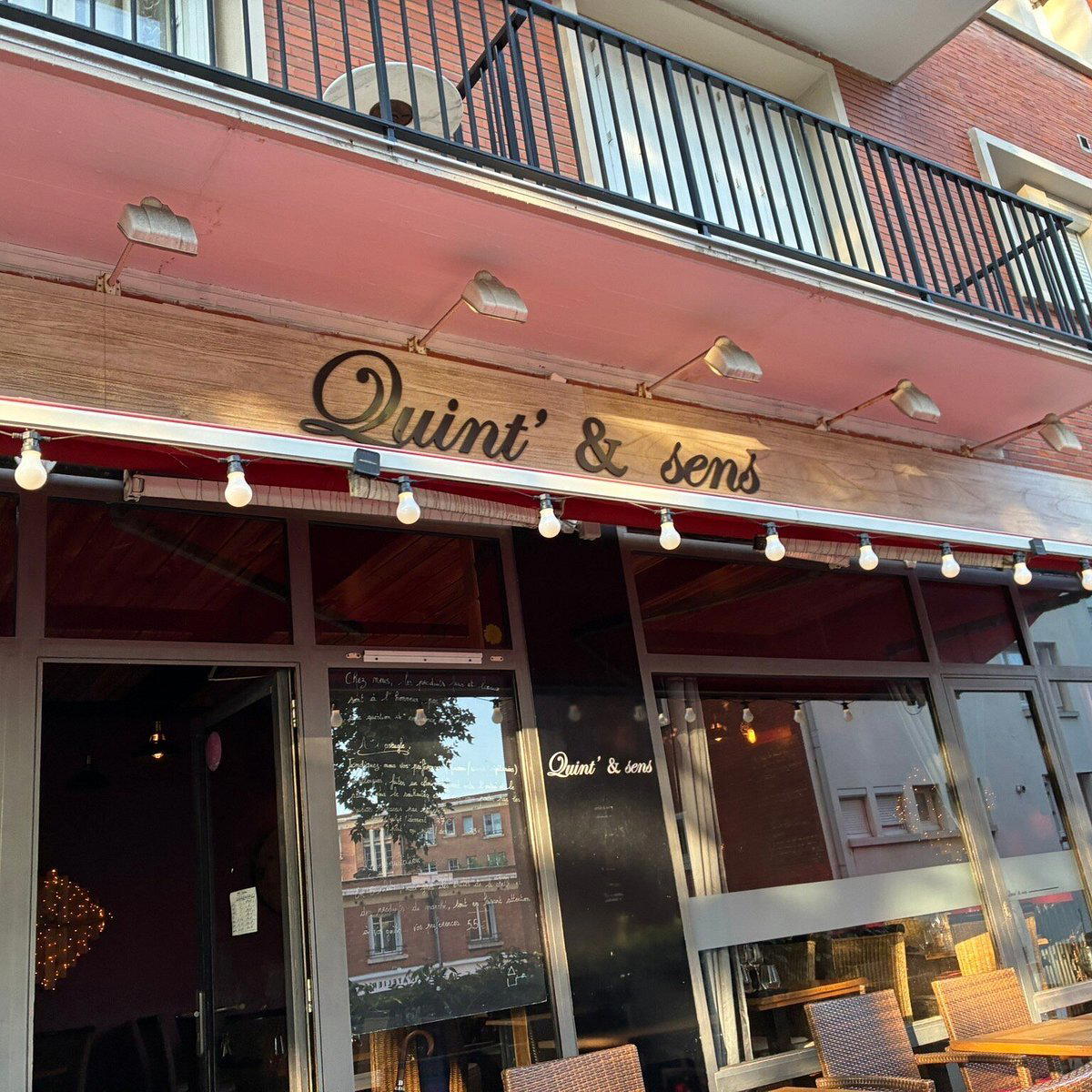
Le Havre at the Table: A Port City Finding Its Culinary Voice
Le Havre sits at the mouth of the Seine, a city rebuilt from near-total destruction after the Second World War and subsequently awarded UNESCO World Heritage status for Auguste Perret's concrete grid, a rare honour for postwar urban planning rather than medieval grandeur. The city's architectural reputation tends to overshadow its restaurant culture, and that imbalance has defined the dining scene here for decades. Paris absorbs the talent; Rouen, an hour inland, draws the weekend gastronomes; Le Havre gets the port traffic. What remains is a city where serious cooking, when it appears, tends to do so without the scaffolding of national attention, and where a restaurant operating outside the obvious tourist circuits occupies a genuinely different relationship with its audience than it would in Lyon or Bordeaux.
Le Quint&Sens is a contemporary French bistro in Le Havre, France, at 98 Rue Président Wilson, serving a blind tasting menu. The name itself signals intent: five senses, the full register of experience, a declaration of ambition that positions the restaurant within the more considered tier of Le Havre dining rather than the casual brasserie tradition that dominates much of the city's eating. Rue Président Wilson runs through a residential and commercial stretch of the city, away from the waterfront spectacle and the tourist-facing quays, which in practical terms means the restaurant's audience arrives by choice rather than by proximity.
Normandy's Larder and the Cuisine It Produces
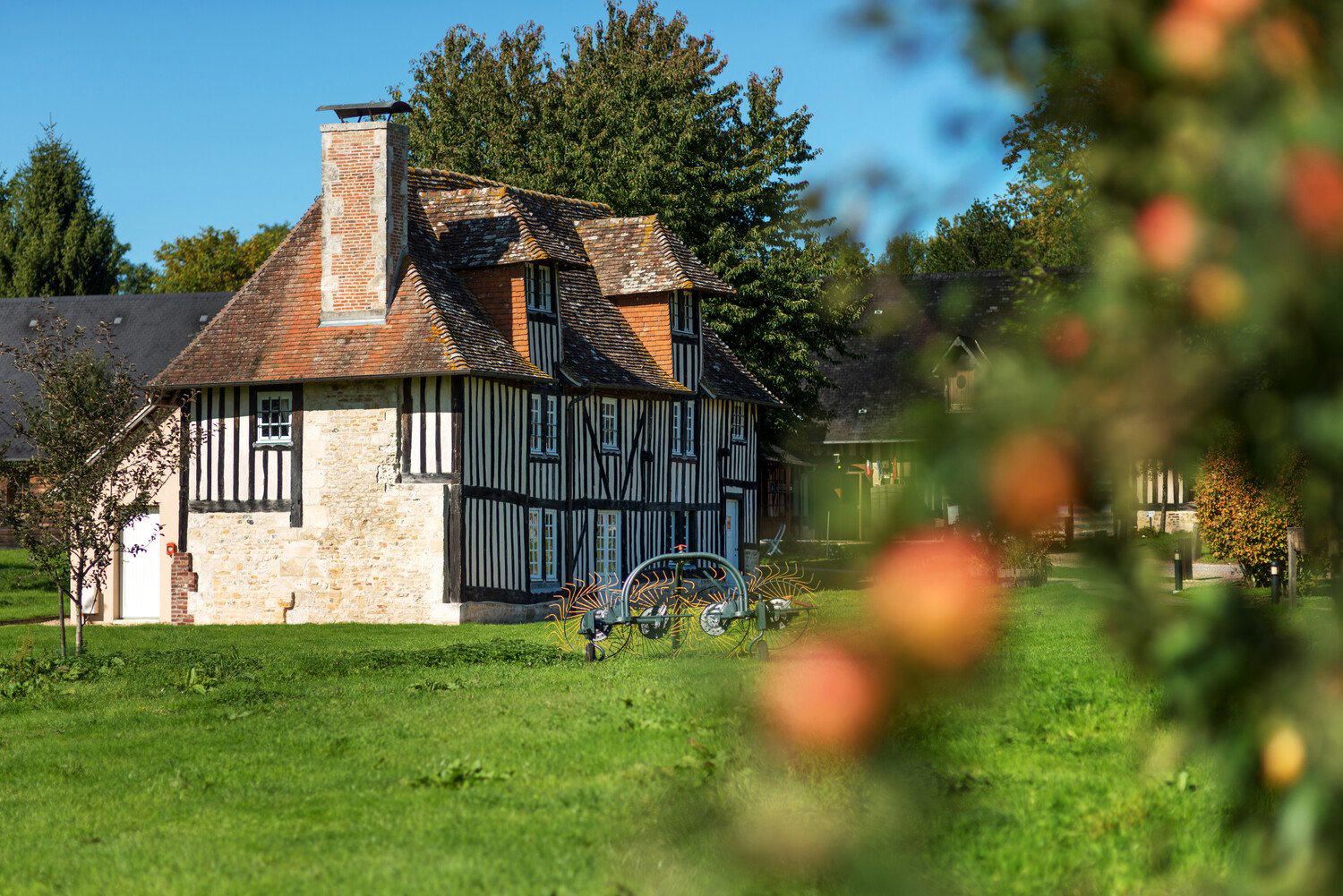
Understanding any serious French restaurant in this region requires a working knowledge of what Normandy puts on the table. The territory is among the more ingredient-rich in France: apple orchards that supply cider and calvados; cream and butter from cattle grazing the bocage; scallops, oysters, and sole from the Channel; duck from the Rouen breed that has held culinary significance since the nineteenth century. These are not minor local curiosities but foundational materials of the French kitchen, and any kitchen in Le Havre with ambition draws from that supply chain almost by default.
French fine dining across the country has spent the past two decades in productive tension between classical codification and a more contemporary, produce-led minimalism. The grandes maisons, Troisgros - Le Bois sans Feuilles in Ouches, Auberge de l'Ill in Illhaeusern, Paul Bocuse - LAuberge du Pont de Collonges in Collonges-au-Mont-dOr, carry the institutional weight of the classical tradition. A younger cohort, including AM par Alexandre Mazzia in Marseille and Mirazur in Menton, has reframed what French fine dining can mean by anchoring it to landscape, biography, and produce rather than to codified technique alone. Regional restaurants operating outside the major urban centres occupy a middle position: they work with genuinely superior local materials but without the recognition infrastructure that comes with a Paris address or an established gastronomic destination.
In Normandy specifically, that means a kitchen can source extraordinary cream and shellfish while operating in relative critical anonymity. For the informed diner, that anonymity is often the point. The restaurants that survive in this tier do so because the cooking is substantive enough to sustain a local and regional following, not because a Michelin inspector made a reservation in a headline year.
Where Le Quint&Sens; Sits in Le Havre's Dining Tier
Le Havre's restaurant scene stratifies in a way that mirrors many mid-sized French port cities. At the accessible end, neighbourhood bistros and seafood counters serve the city's working population with direct, unfussy cooking. Above that sits a middle tier of modern French restaurants with more composed menus and considered wine lists. At the upper end, a small number of addresses attempt something closer to a full dining experience, with kitchen ambition, room investment, and service formality that position them against regional rather than purely local competition.
Within the city, Jean-Luc Tartarin (French, Creative) has historically held the highest profile, with a creative French format at the €€€€ tier that places it as Le Havre's most formally recognised kitchen. A Deux Pas d'Ici, BLACK PEARL, and La Petite Brocante represent different points on the quality curve, each with its own format and audience. La Singerie adds another address to a scene that, for its size, has more range than the city's dining reputation typically suggests.
Le Quint&Sens operates within this ecosystem as a contemporary French bistro with a blind tasting menu. What the name and address imply is a kitchen oriented toward experience rather than volume, toward considered cooking rather than throughput. In a city where the serious dining tier is small, that orientation tends to attract a loyal, return-visiting clientele rather than passing tourist traffic.
Planning a Visit
Le Havre is accessible by train from Paris Saint-Lazare in approximately two hours, making it a viable day trip or a natural stopover on a Normandy itinerary that might include Honfleur, Étretat, or Rouen. The restaurant's address on Rue Président Wilson places it within the city's walkable grid, which means arrival on foot from the central station is direct. Reservations are recommended. The restaurant is closed on Tuesday. Dress expectations in this tier of Le Havre dining generally run to smart casual at minimum, with more formal evenings not unusual for tasting-format meals.
For travellers building a broader French fine dining reference, the contrast between a regional address like this and the capital's more visible operations, Alléno Paris au Pavillon Ledoyen in Paris or Assiette Champenoise in Reims, is instructive. The infrastructure of recognition differs substantially, but the ingredient quality available to a Normandy kitchen is not a concession. It is, in many cases, an advantage.
Booking and Cost Snapshot
Comparable venues nearby, for context on price, style, and recognition.
| Venue | Cuisine | Price | Notes |
|---|---|---|---|
| Le Quint&SensThis venue — the venue you are viewing | Not listed | $$ | Not listed |
| Le Grignot | Not listed | $$ | Centre-ville Perret, Traditional French Brasserie & Seafood |
| La Tablée | Rue Guillemard, Modern Healthy French | $$$ | Not listed |
| La Singerie | Not listed | $$ | Halles Centrales, French Brasserie with Seasonal and Vegetarian Options |
| Le Bistrot des Halles | Not listed | $$ | Place des Halles Centrales, Traditional French Bistro |
| BLACK PEARL | Not listed | $$ | :null, Modern French Creperie |
Continue exploring
More in Le Havre
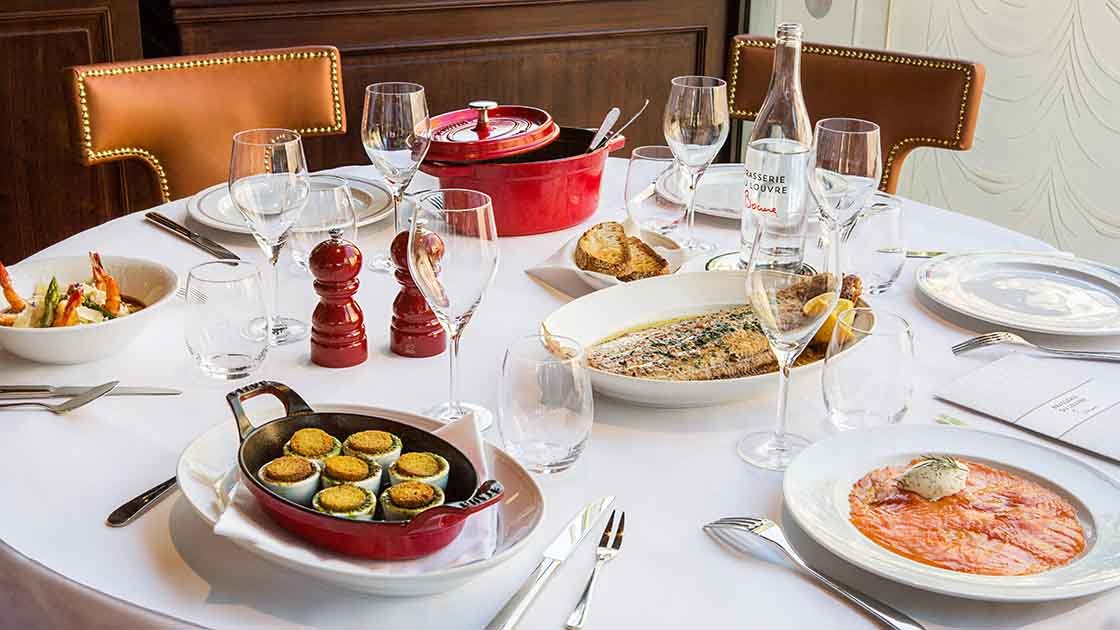
Restaurants in Le Havre
Browse all →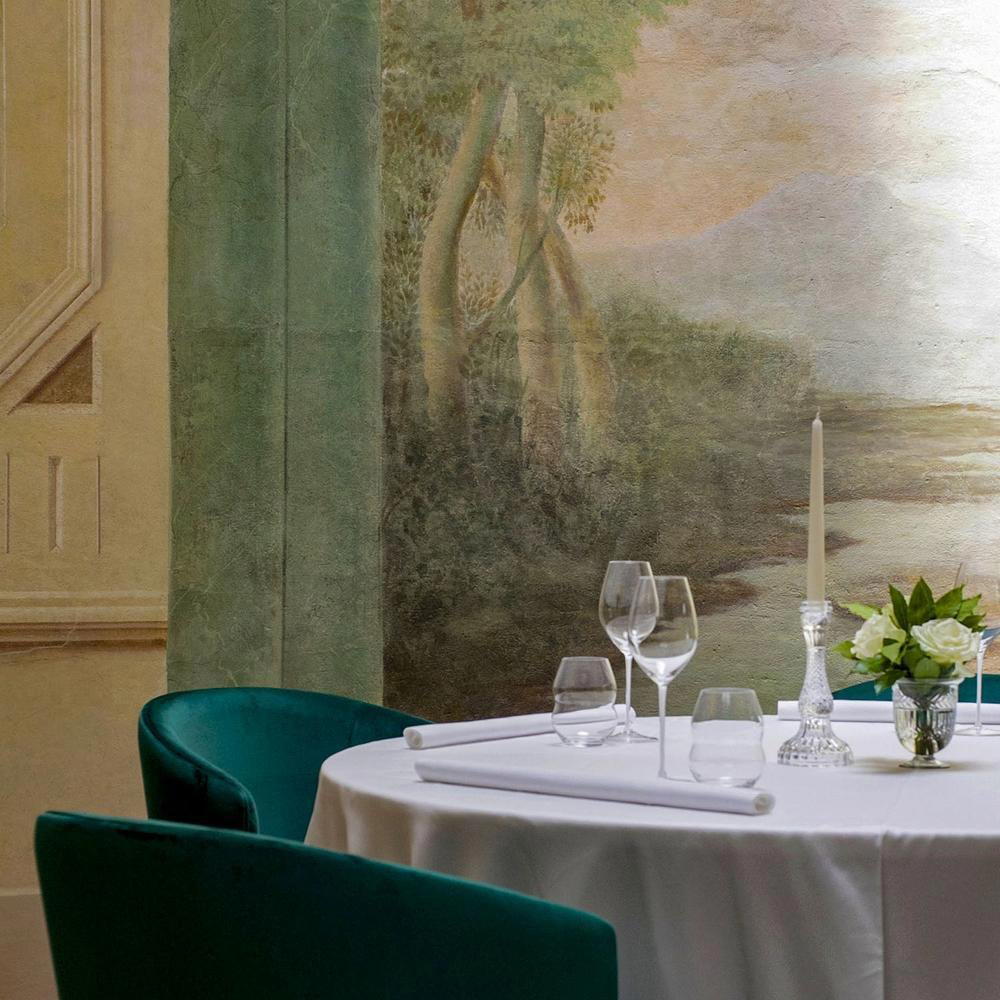
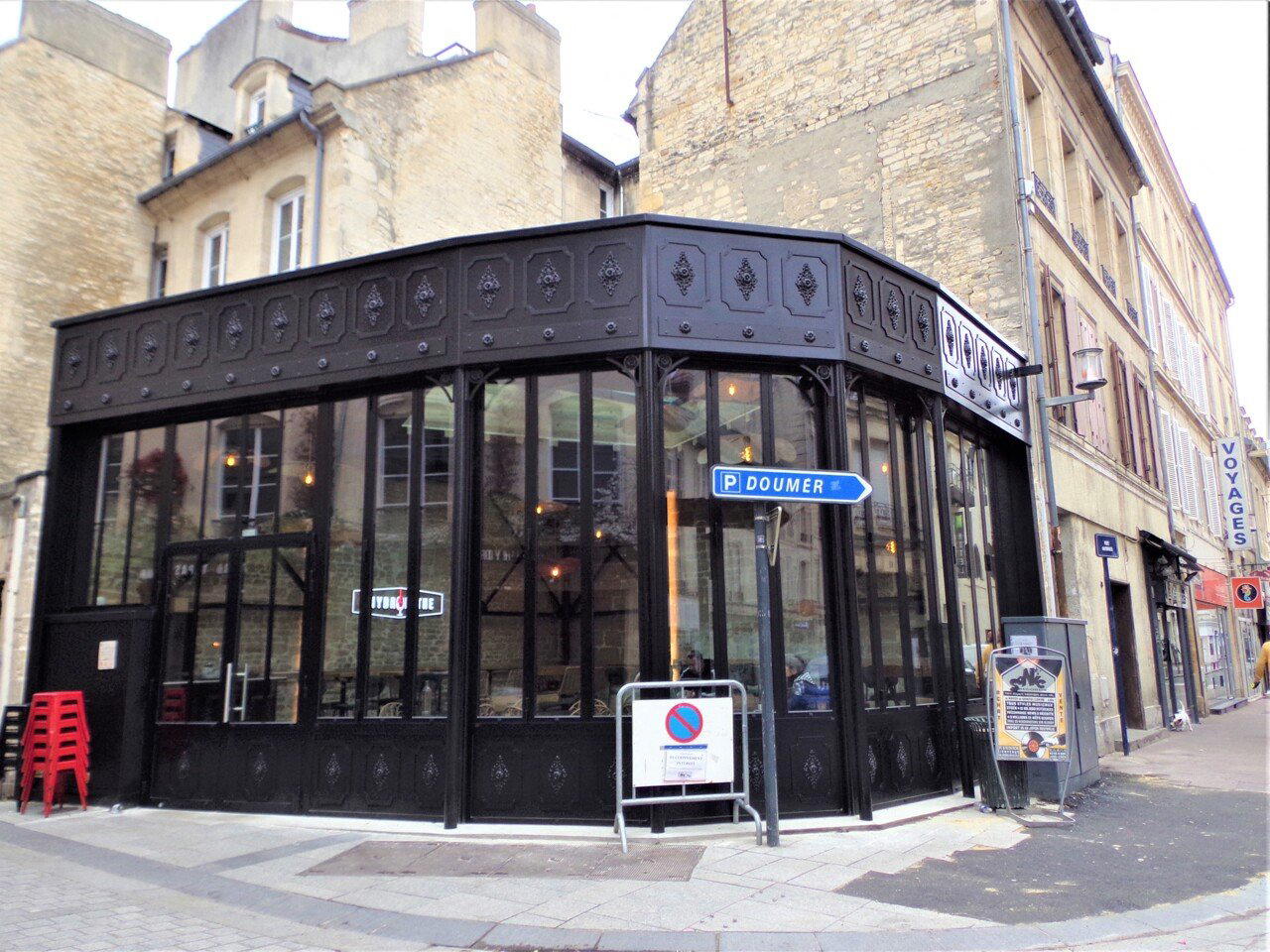
Bars in Le Havre
Browse all →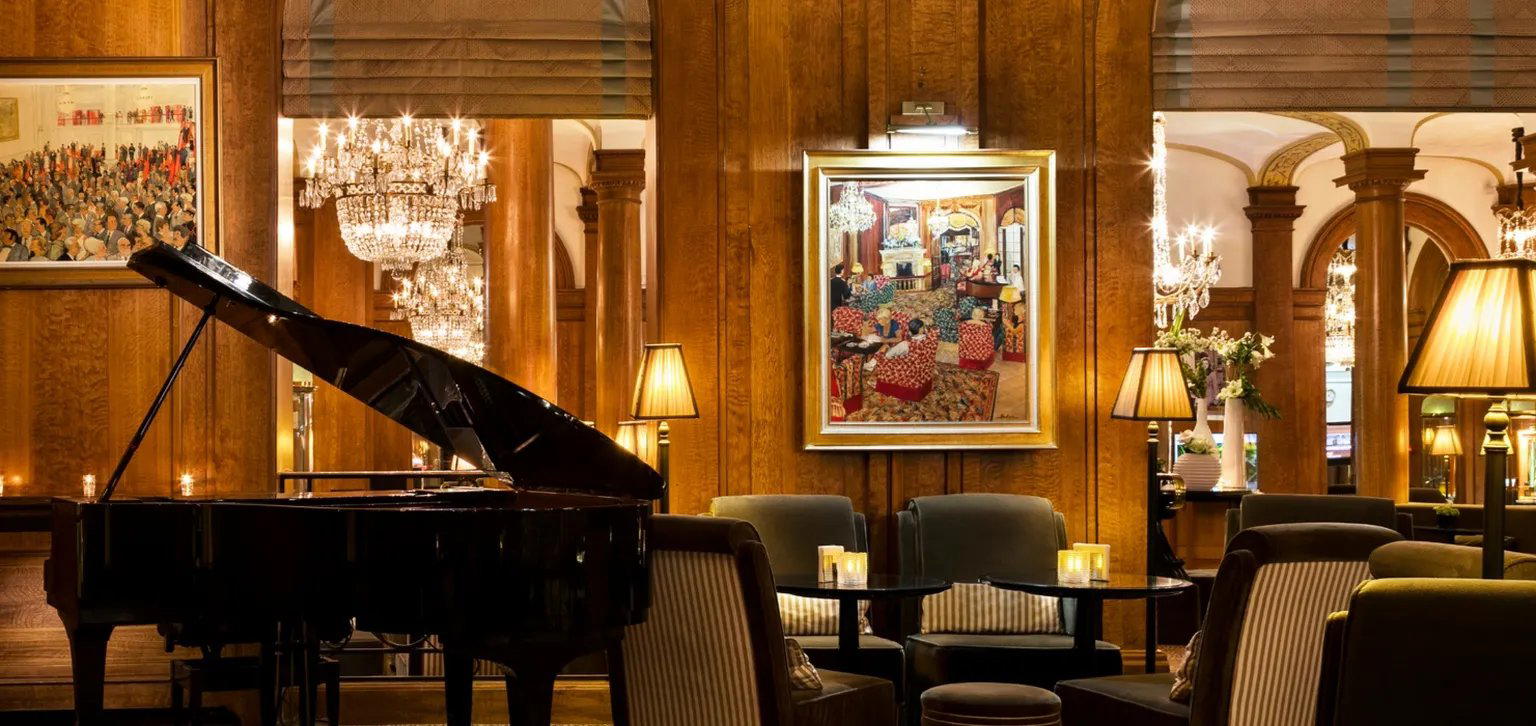
Hotels in Le Havre
Browse all →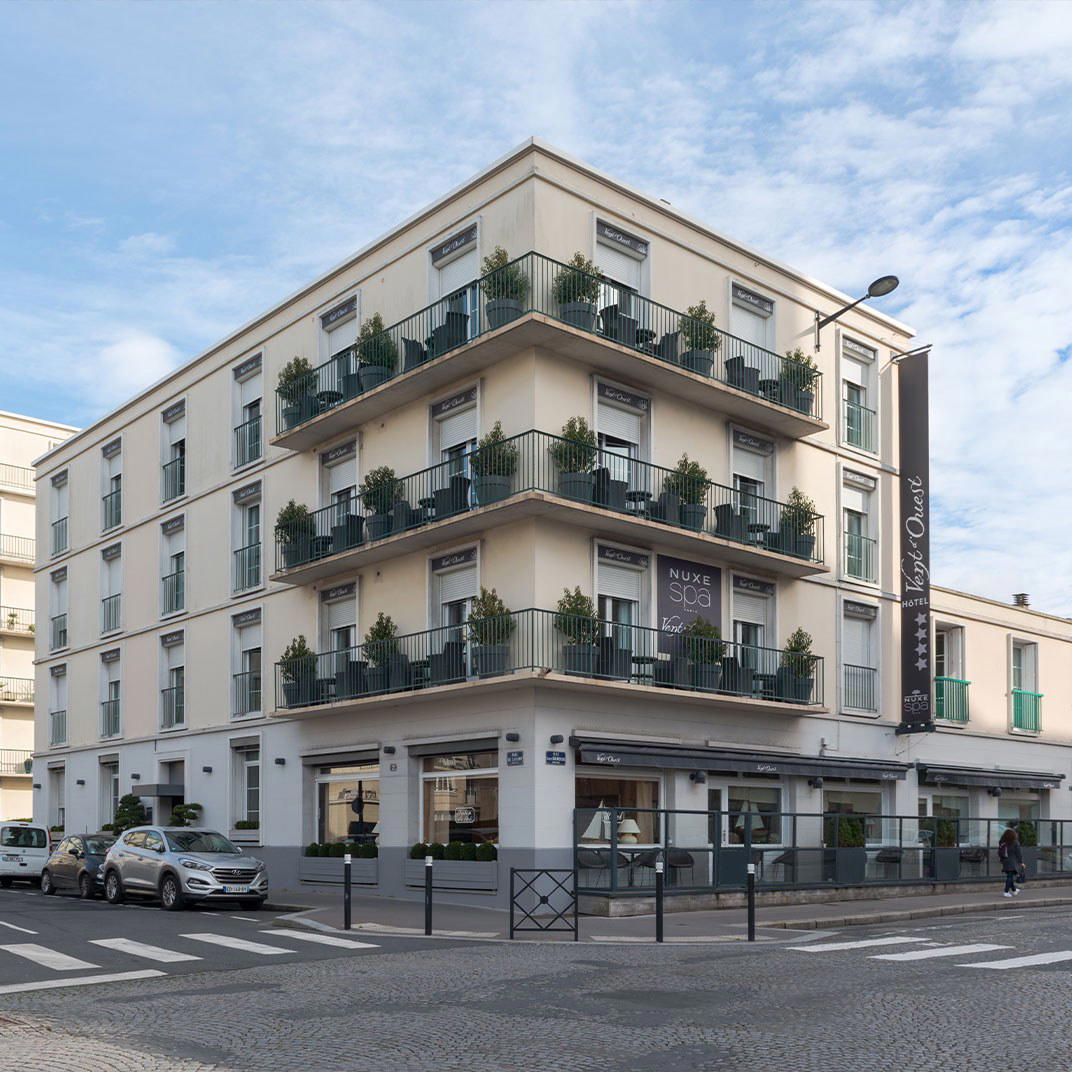
At a Glance
- Cozy
- Intimate
- Classic
- Quiet
- Date Night
- Special Occasion
- Celebration
- Terrace
- Open Kitchen
- Local Sourcing
- Farm To Table
- Organic
Current opening hours
- Monday
- 7:30–8:30 PM
- Tuesday
- Closed
- Wednesday
- 7:30–8:30 PM
- Thursday
- 7:30–8:30 PM
- Friday
- 12–1 PM, 7:30–8:30 PM
- Saturday
- 12–1 PM, 7:30–8:30 PM
- Sunday
- 12–1 PM, 7:30–8:30 PM
Hours can change for holidays and private events. Last verified .
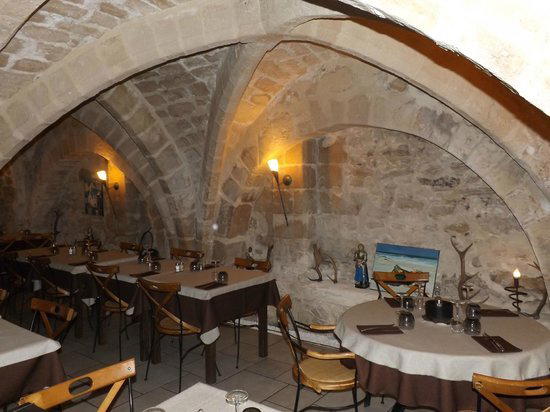
Warm and cozy dining room with burgundy and wood tones, intimate and feutrée (hushed) atmosphere; peaceful terrasse for sunny days.