On Place de la Libération, Dijon's grandest civic square, Le Pré aux Clercs occupies a setting that frames the meal before a dish arrives. The restaurant sits within a dining culture defined by Burgundy's produce traditions and a strong local appetite for classical French technique, placing it among the addresses that anchor the city's more formal restaurant tier.
Pearl is the En Primeur Club membership app — saves, bookings, and concierge access live there. Same editors, same standards.
- Address
- 13 Pl. de la Libération, 21000 Dijon, France
- Phone
- +33380380505
- Website
- lepreauxclercs.fr
- Directions
- Get directions
 Saves & bookings on Pearl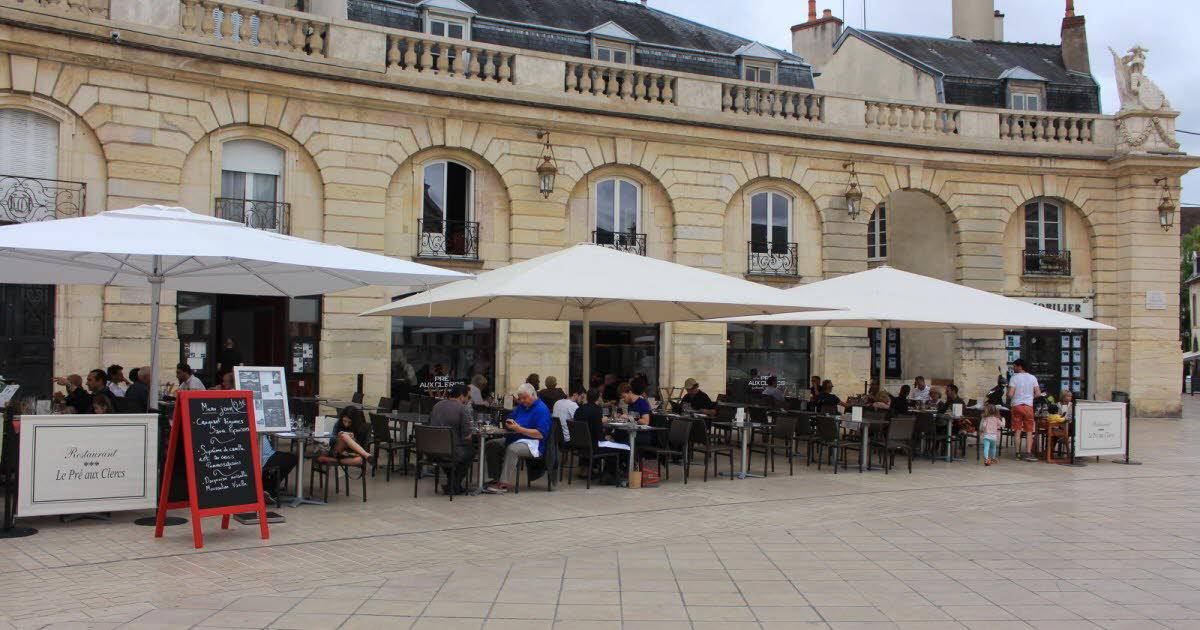
Place de la Libération and What It Signals
Le Pré aux Clercs is a restaurant in Dijon on Place de la Libération. The semicircular square, modelled on Versailles' Place d'Armes and completed in the late seventeenth century, functions as the city's ceremonial centre. Restaurants that face it inherit a certain register: the setting implies occasion dining, white tablecloths over bistro plates, a meal that acknowledges where it is being eaten. Le Pré aux Clercs, at number 13 on that square, operates within that inherited weight. The physical approach, across stone paving with the Ducal Palace colonnade in peripheral view, frames expectations before the door opens.
In a city where the dining culture splits between casual wine-bar formats and more structured classical tables, a Place de la Libération address sits clearly in the latter category. That distinction matters for visitors trying to read Dijon's restaurant map. The more formal, occasion-oriented tier is where Le Pré aux Clercs positions itself, alongside Dijon's better-known fine dining rooms.
Burgundy's Culinary Tradition as the Frame
Understanding what the restaurant represents requires some fluency in what Burgundy means as a culinary region. This is not simply a wine region that happens to have restaurants. The Burgundian table has its own defined grammar: boeuf bourguignon, escargots de Bourgogne, gougères, jambon persillé, époisses in its various applications. These are not museum pieces. They remain the reference dishes against which local restaurants position themselves, whether by faithful reproduction, careful modernisation, or deliberate departure.
Dijon itself adds a second layer to that tradition. As the former seat of the Dukes of Burgundy, the city carries a gastronomic prestige that predates the modern restaurant industry. Mustard, blackcurrant liqueur (cassis, central to the kir that begins so many meals here), pain d'épices, these are Dijonnais specifics inside the broader Burgundian frame. A restaurant operating in this environment, particularly one on the city's most historically loaded square, is always in dialogue with that inheritance, whether or not it explicitly references it on the menu.
That context explains why Dijon supports a serious fine dining tier at all. William Frachot, the city's most decorated address with its Modern French and Creative positioning at €€€€, sets the benchmark. Loiseau des Ducs and Origine occupy adjacent territory in the creative and modern cuisine brackets. The restaurant operates within this same broader conversation about what Burgundian fine dining looks like in a contemporary context.
Where Le Pré aux Clercs Fits in French Regional Dining
France's regional fine dining scene has consolidated significantly over the past two decades. The houses that attract international attention tend to cluster around either Michelin-starred marquee names or destination formats built around chef-as-auteur narratives. Tables like Troisgros - Le Bois sans Feuilles in Ouches or Auberge de l'Ill in Illhaeusern have built identities durable enough to draw travellers who build itineraries around a single meal. At the other end, Bras in Laguiole and AM par Alexandre Mazzia in Marseille represent the singular-vision format that has become a reference point for contemporary French ambition.
Dijon's fine dining offer sits between those poles. It is not a destination-restaurant city in the way that cities built around single marquee addresses can be. It is, however, a city with a coherent fine dining tier that rewards the traveller already in Burgundy for the wine routes or the region's cultural sites. The restaurant, given its address on the city's central square, is among the restaurants that a visitor to Dijon will reasonably encounter when researching where to eat at the more formal end of the market. Comparable regional addresses worth cross-referencing for calibration include Assiette Champenoise in Reims and Au Crocodile in Strasbourg, both of which operate within similar regional-capital fine dining dynamics.
For visitors who have made the calculation at leading Parisian addresses such as Alléno Paris au Pavillon Ledoyen, or who have eaten at destination mountain formats like Flocons de Sel in Megève, Dijon's formal dining tier will read as a step down in ambition but not necessarily in pleasure. Regional capitals often sustain a quality-to-occasion ratio that marquee destinations cannot replicate.
Dijon's Dining Map Beyond the Square
A meal at the restaurant fits most naturally into a day that starts with the covered Marché des Halles, one of France's better provincial markets, and ends in one of the city's wine bars working through Côte de Nuits or Côte de Beaune producers. Dijon's compact centre makes that sequence practical: the market, the square, and the old town's narrower streets are within walking distance of one another.
Visitors building a broader Dijon dining itinerary should note the spread across price tiers. The €€ end of the market is covered by addresses like Akatsuki for something outside the French classical register, while the creative and modern cuisine tier sits with the addresses already referenced. The full Dijon restaurants guide maps the city's offer across price points and formats.
Planning a Visit
The restaurant is located at 13 Place de la Libération, 21000 Dijon, France. From there, the city center is easy to navigate on foot. For visitors travelling from within Burgundy, the restaurant is accessible from the major wine villages of the Côte d'Or without requiring accommodation in Dijon itself, though an overnight makes the logistics considerably easier. Given the formal address and occasion-dining register, booking ahead is advisable, particularly at weekends when both local clientele and wine-route visitors converge on the city's better tables. Reservations are recommended.
Cost and Credentials
Comparable venues nearby, for context on price, style, and recognition.
| Venue | Cuisine | Price | Awards | Notes |
|---|---|---|---|---|
| Le Pré aux ClercsThis venue — the venue you are viewing | Not listed | $$$ | Not listed | Not listed |
| Le Piano Qui Fume | Not listed | $$$ | Not listed | centre historique, Traditional French Bistro |
| Chez Léon | Not listed | $$ | Not listed | Historic Centre of Dijon, near Halles, Traditional Burgundian Bistro |
| L'Un des Sens | Not listed | $$$ | Michelin Plate | quartier des antiquaires, Modern French Gastronomic |
| Chez Septime | Not listed | $$ | Not listed | near the train station, Traditional French Bistro |
| Le Coin Caché | Jouvence, French Bistronomique | $$$ | Not listed | Not listed |
Continue exploring
More in Dijon
Restaurants in Dijon
Browse all →
Bars in Dijon
Browse all →
Hotels in Dijon
Browse all →
At a Glance
- Classic
- Elegant
- Well Known
- Sophisticated
- Business Dinner
- Date Night
- Group Dining
- Family
- Celebration
- Special Occasion
- Terrace
- Private Dining
- Historic Building
- Panoramic View
- Extensive Wine List
- Sommelier Led
- Local Sourcing
- Street Scene
Current opening hours
- Monday
- 12–1:45 PM, 7–9:30 PM
- Tuesday
- 12–1:45 PM, 7–9:30 PM
- Wednesday
- 12–1:45 PM, 7–9:30 PM
- Thursday
- 12–1:45 PM, 7–9:30 PM
- Friday
- 12–1:45 PM, 7–9:30 PM
- Saturday
- 12–2:15 PM, 7–9:30 PM
- Sunday
- 12–2:15 PM, 7–9:30 PM
Hours can change for holidays and private events. Last verified .
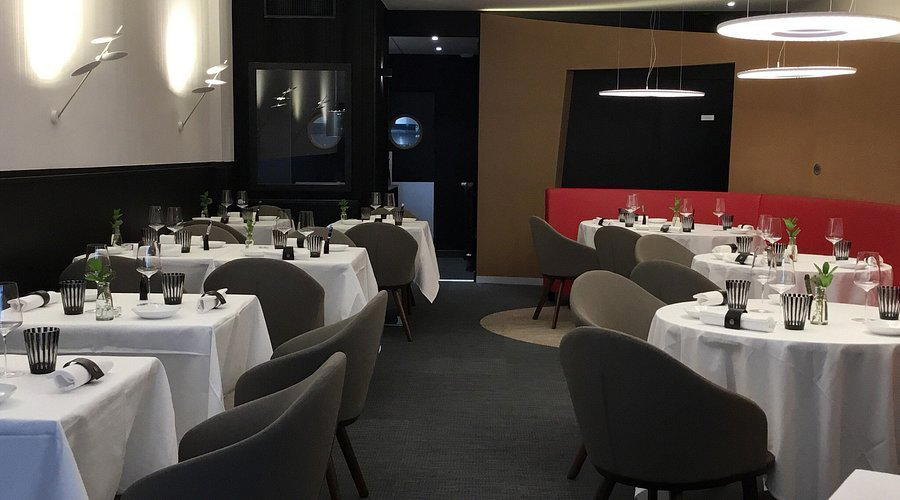
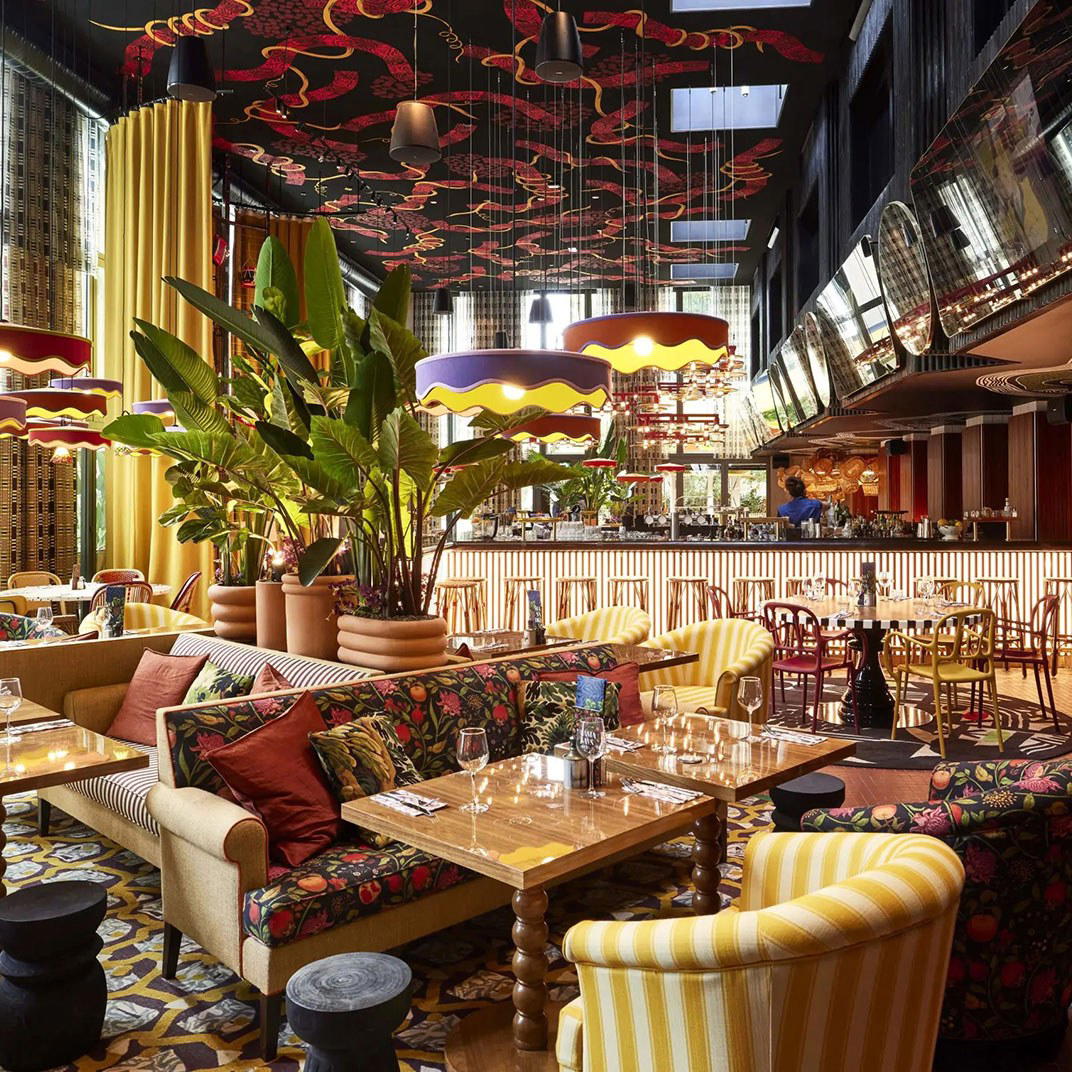
Warm and inviting with elegant dining rooms, a spacious mezzanine, and a bright terrace overlooking the palace; stylish yet approachable.