On the Quai de la Citadelle, Le Puzzle occupies a stretch of Dunkirk's working harbour where the North Sea's influence on the table is felt rather than performed. The address places it within the city's emerging quayside dining strip, a short walk from the old citadel walls, among a small cluster of restaurants redefining what northern French cooking looks like at the water's edge.
Pearl is the En Primeur Club membership app — saves, bookings, and concierge access live there. Same editors, same standards.
- Address
- 6 Quai de la Citadelle, 59140 Dunkerque, France
- Phone
- +33328240490
- Website
- restaurant-lepuzzle.com
- Directions
- Get directions
 Saves & bookings on Pearl
Quayside Dunkirk and the Logic of Coastal Sourcing
Dunkirk's relationship with the sea is not decorative. This is a functioning port city, France's third-largest commercial harbour, and the ingredients that reach its restaurant kitchens often travel shorter distances than anywhere else in the country. The Quai de la Citadelle, where Le Puzzle sits at number 6, faces that reality directly: fishing vessels operate within sight of the dining rooms, and the rhythm of the tides has historically shaped what appears on plates in this part of Flanders. In a region where coastal sourcing is structural rather than aspirational, restaurants that understand the geography of their supply chains carry a different kind of authority than those that merely invoke it.
The broader northern French dining scene has been slower to attract international attention than its counterparts in Paris or Provence, but that relative obscurity has allowed a focused local identity to develop. Dunkirk sits at the intersection of French and Flemish culinary traditions, a fact that surfaces in the estaminets, traditional Flemish taverns, alongside the more contemporary addresses now occupying the harbour's edge. For an understanding of how those older traditions read in a modern room, Estaminet Flamand provides useful contrast. Le Puzzle operates in a different register, part of the city's newer wave of quayside openings rather than its heritage circuit.
What the Address Tells You Before You Enter
Arriving at 6 Quai de la Citadelle, the setting announces its priorities. The quay runs along the inner harbour, with the citadel's fortifications, built under Vauban's direction in the seventeenth century, forming the backdrop to the south. The waterfront here is not the groomed promenade of a resort town; it is an active urban edge where commercial and civic life overlap. That physical context matters for a restaurant because it sets the expectation: this is not a room designed to transport you somewhere else. It is a room that places you precisely where you are, in a northern port city with a specific culinary inheritance.
That inheritance draws from both sides of the Belgian border. Hop-based dishes, braised meats, and preparations built around the chicory that grows prolifically in this part of Flanders sit alongside the Atlantic and North Sea seafood that defines the coastline. Restaurants at this address are implicitly in conversation with that dual tradition, whether they choose to engage it directly or position themselves against it. Le Puzzle's name suggests an interest in assembly and combination, a fitting frame for a city where two distinct food cultures have coexisted and occasionally merged for centuries.
The Sourcing Argument in Northern France
Ingredient sourcing in this part of France carries specific geographic logic that differs from the sun-driven narrative of southern French cuisine. The North Sea cold-water fishery produces cod, sole, herring, and skate with a fat content and texture that Mediterranean equivalents do not replicate. Dunkirk's proximity to the landing markets at Boulogne-sur-Mer, one of Europe's largest fish auction centres, means that restaurants in this city have access to day-boat catches with supply chain brevity that coastal restaurants further inland cannot match. This is the structural advantage that the Quai de la Citadelle address makes credible.
Further inland in France, the sourcing conversation looks different. Starred destinations like Bras in Laguiole built their reputation on Aubrac plateau terroir and foraged highland ingredients. Mirazur in Menton works a Mediterranean kitchen-garden model that reflects its clifftop setting above the Italian border. At the northern extreme, the sourcing logic is maritime and temperature-driven rather than horticultural. Cold-water fish, aged cheeses from Maroilles in the Avesnois, and root vegetables that develop sweetness in the region's clay soils form the raw material that serious Dunkirk restaurants work with. For a fuller picture of how the city's dining addresses distribute across those traditions,
Dunkirk's Dining comparable set
The restaurant shares its city with a small group of restaurants addressing the same local audience from different angles. Comme Vous Voulez and La table de Cha' represent distinct positions within Dunkirk's mid-range dining tier, each drawing on regional ingredients in ways that reflect the kitchen's individual priorities. Le Gaston and Renée extend the city's offer further. What connects them is the shared geography: a port city that receives its seafood by the shortest possible route and frames it within a Flemish-French hybrid culinary identity that no other French region replicates.
Nationally, the restaurants that have built durable reputations on regional identity and sourcing specificity tend to occupy positions well outside the Parisian mainstream. Auberge de l'Ill in Illhaeusern made Alsatian terroir the basis of a multi-generation fine dining institution. Assiette Champenoise in Reims anchors itself to Champagne-region produce. Au Crocodile in Strasbourg has long worked the same Alsatian-Rhenish border logic that Dunkirk applies to its Flemish inheritance. The pattern across all of them is the same: geography as the organising principle of the kitchen, rather than technique or chef biography.
Planning Your Visit
The restaurant's address at 6 Quai de la Citadelle is direct to reach from Dunkirk's central station, which sits roughly fifteen minutes on foot from the harbour edge. The restaurant is recommended for reservations and is closed on Mondays.
For context on where the restaurant sits relative to the wider French fine dining reference points, the gap between Dunkerque's address and the internationally tracked destinations is significant. Alléno Paris au Pavillon Ledoyen and Flocons de Sel in Megève operate at the upper end of France's awarded tier. Paul Bocuse - L'Auberge du Pont de Collonges, AM par Alexandre Mazzia in Marseille, and Troisgros - Le Bois sans Feuilles in Ouches anchor the French dining canon in ways that the northern coast has not yet replicated at the recognition level. Internationally, Le Bernardin in New York City shows what committed seafood sourcing can achieve at the highest tier; Atomix in New York City demonstrates a different model of ingredient-driven discipline. Both are useful reference points for understanding what the sourcing argument can yield when fully developed.
At-a-Glance Comparison
Comparable venues nearby, for context on price, style, and recognition.
| Venue | Cuisine | Price | Awards | Notes |
|---|---|---|---|---|
| Le PuzzleThis venue — the venue you are viewing | Modern French Bistro | $$ | Not listed | Not listed |
| Le Gaston | French Bistronomic | $$ | Not listed | Rosendael |
| La table de Cha' | Traditional French Bistro | $$ | Not listed | Citadelle |
| Comme Vous Voulez | Traditional French Bistro | $$ | Not listed | Malo-les-Bains |
| Estaminet Flamand | Traditional Flemish French | $$ | Not listed | city centre |
| Renée | Traditional French Farm-to-Table Brasserie | $$ | Michelin Plate | Dunkirk city center |
Continue exploring
More in Dunkirk
Restaurants in Dunkirk
Browse all →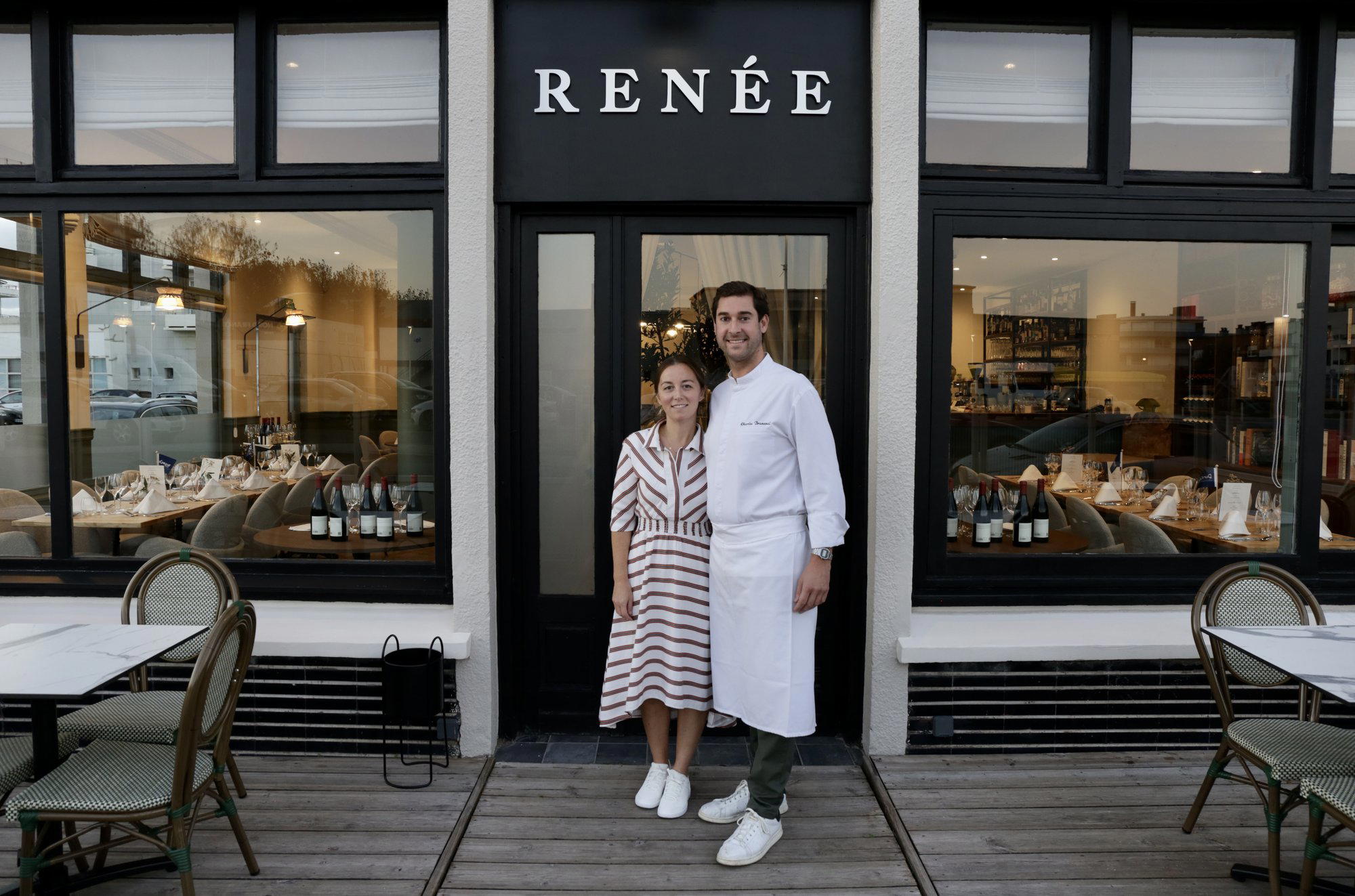
Hotels in Dunkirk
Browse all →
Wineries in Dunkirk
Browse all →
At a Glance
- Modern
- Elegant
- Cozy
- Date Night
- Special Occasion
- Waterfront
- Waterfront
Current opening hours
- Monday
- Closed
- Tuesday
- 12–2 PM, 7–9:15 PM
- Wednesday
- 12–2 PM
- Thursday
- 12–2 PM, 7–9:15 PM
- Friday
- 12–2 PM, 7–9:15 PM
- Saturday
- 12–2 PM, 7–9:15 PM
- Sunday
- 12–1:30 PM
Hours can change for holidays and private events. Last verified .
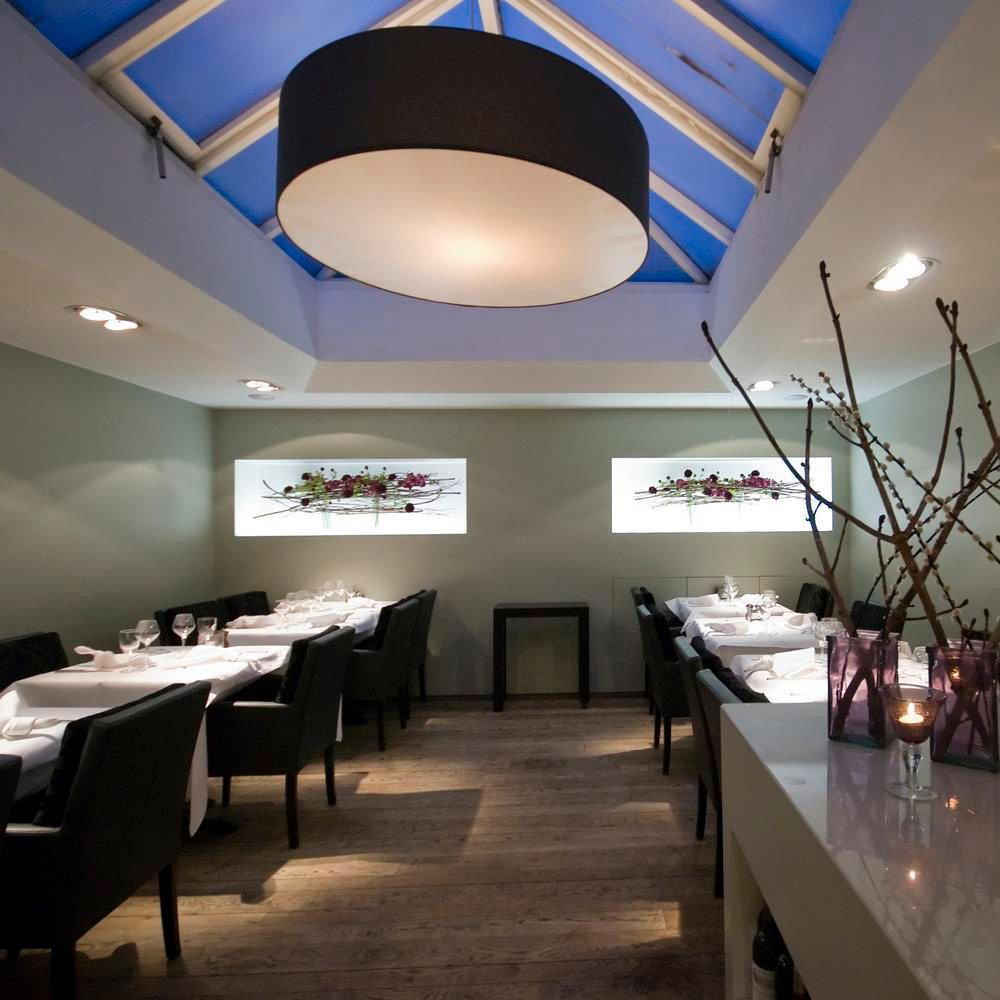
Elegant bistro atmosphere with tablecloths, good service, and modern decor.