
1
Maasmechelen, Belgium
Leonardo
Leonardo in Maasmechelen serves Authentic Italian Trattoria cooking, with a terrace, quiet setting, and casual dress code.
Results
Maasmechelen, Belgium
Leonardo in Maasmechelen serves Authentic Italian Trattoria cooking, with a terrace, quiet setting, and casual dress code.
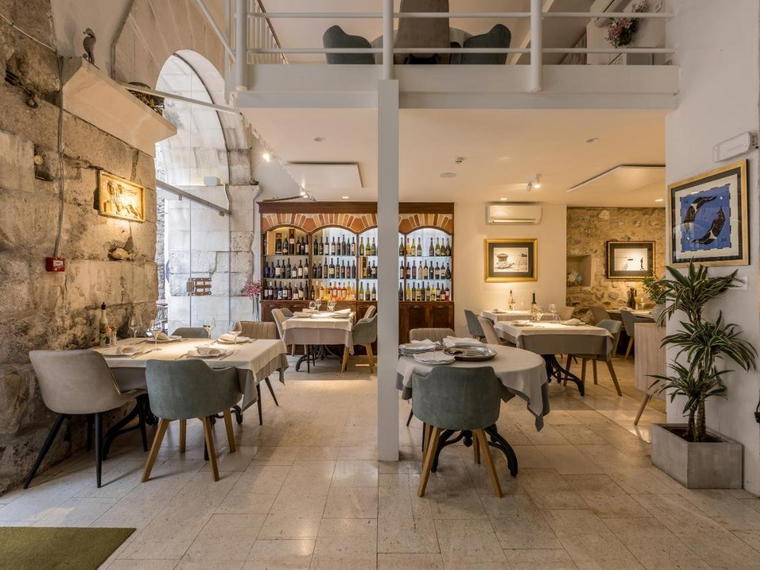
Split, Croatia
Leonis occupies a corner of Split's historic centre on Ul. Julija Nepota, where the city's dining scene shifts between casual harbour-front eating and more composed, ingredient-led cooking. Positioned within walking distance of Diocletian's Palace, it draws both neighbourhood regulars and visitors seeking a slower, sit-down alternative to the Riva's louder options. Booking ahead is advisable, particularly through the summer peak.

San Francisco, United States
Leopold's occupies a corner of Russian Hill's Polk Street corridor, one of San Francisco's most neighborhood-grounded dining strips. The address at 2400 Polk St places it within walking distance of the city's steeper residential blocks, where locals eat repeatedly rather than occasionally. For visitors oriented around the city's Michelin-heavy Financial District and SoMa circuit, Leopold's represents a different register of the San Francisco dining conversation.

Vienna, Austria
Leopoldauerhof sits in Vienna's 21st district, a part of the city where the density of destination restaurants thins and neighbourhood character reasserts itself. The address on Leopoldauer Strasse places it firmly outside the inner-city fine-dining circuit, making it a reference point for understanding how serious cooking operates beyond the Ringstrasse. For diners willing to travel north, it offers a different register of the Vienna restaurant experience.

Los Angeles, United States
Leora occupies a considered address inside UTA Plaza in Beverly Hills, positioning itself within Los Angeles's tighter tier of reservation-driven dining. The booking experience here reflects the city's broader shift toward low-capacity, high-commitment formats, where planning ahead and knowing what to expect separates a smooth visit from a frustrating one.

Roskilde, Denmark
A wok-focused café on Premieren in Roskilde's developing commercial district, Leos Wok Cafe sits within a city better known for Viking heritage than Asian street food. Compared with Roskilde's Italian and burger-led casual dining scene, it occupies a distinct niche. Visitors looking for quick, wok-cooked plates in a city with limited pan-Asian options will find it a practical and purposeful stop.

Calvia, Spain
An all-day Mediterranean dining address in Calvia, Leppoc works within the communal small-plates tradition that defines table culture across the Balearic Islands and the broader Spanish coastal scene. Its setting places it among a cluster of internationally minded restaurants in the municipality, from fire-based Leña by Dani García to the Nikkei counter at Matsuhisa. For visitors planning time in southwest Mallorca, it represents a grounded, approachable entry point into the region's sharing-plate rhythm.

Malmö, Sweden
On Södra Förstadsgatan in central Malmö, Lera sits within a city that has spent two decades building one of Scandinavia's more credible fine-dining conversations. The kitchen operates in the tradition of southern Swedish ingredient-led cooking, where the sourcing logic underpins every decision on the plate. For visitors already tracking restaurants like Vollmers or the broader Skåne food scene, Lera is a name that surfaces consistently.

Paris, France
Leriche occupies a quiet address on Rue Brey in Paris's 17th arrondissement, a pocket of the city where occasion dining tends toward the personal rather than the ceremonial. The restaurant sits at a price point and format that positions it within the upper tier of Paris neighbourhood fine dining, distinct from the grand-hotel rooms and tourist-facing institutions of the 8th. For milestone meals in the French capital, it merits serious consideration.

La Rochelle, France
Lerouge aux Lèvres occupies a address at 4 Rue des Cloutiers in La Rochelle's historic core, placing it within a city whose Atlantic seafood tradition runs deeper than most French coastal ports. The restaurant sits in a dining scene that ranges from Christopher Coutanceau's three-Michelin-star counter to neighbourhood bistros, giving it a distinct position in the mid-market conversation.

Charlotte, United States
Leroy Fox sits on South Sharon Amity Road in Charlotte's SouthPark corridor, where the city's appetite for American comfort cooking meets a neighborhood-pub sensibility. The room draws a regular crowd that treats the place less as a destination and more as a standing appointment. It occupies a middle tier in Charlotte's dining scene: accessible enough for a Tuesday dinner, considered enough to anchor a weekend plan.

San Francisco, United States
Lers Ros Thai on Larkin Street holds a specific position in San Francisco's Thai dining scene: a Tenderloin address that regulars treat as a standing appointment rather than an occasional destination. The kitchen runs a broader menu than most neighborhood Thai spots, with preparations that read as serious rather than simplified. For a city that spends heavily on tasting menus, this is where the same diners often eat on a Tuesday.

San Francisco, United States
Lers Ros occupies a specific position in San Francisco's Thai dining scene: a Mission District address that draws regulars away from the city's more performative fine-dining corridor and toward cooking that takes its cues from regional Thai technique rather than Americanized compromise. The kitchen operates at a register where authenticity and accessibility meet, making it a reference point for serious Thai food in a city better known for its tasting-menu culture.

Fontenay Le Comte, France
Les 2 M serves traditional French semi-gastronomic cooking at Hôtel de Vendée in Fontenay-le-Comte, with local sourcing and a leisurely, conversational pace.

Generargues, France
Les 3 Barbus sits along the Route de Mialet in Générargues, a village in the Cévennes foothills where the Gard department's agricultural traditions run deep. The surrounding region — chestnut forests, terraced gardens, small-scale producers — shapes what lands on the table here in ways that urban restaurants rarely replicate. For visitors making the drive from Nîmes or Alès, this is where southern French terroir becomes a meal.

Sainghin En Weppes, France
In the quiet Flemish fringe of the Nord department, Les 3 Toqués at 43 Rue du Capitaine Lheureux represents a style of French provincial dining that urban restaurants rarely replicate: rooted in local terroir, unhurried in pace, and operating at a remove from the competitive noise of the metropolitan restaurant scene. For travellers willing to leave Lille's ring road behind, it offers a different register of the French table.
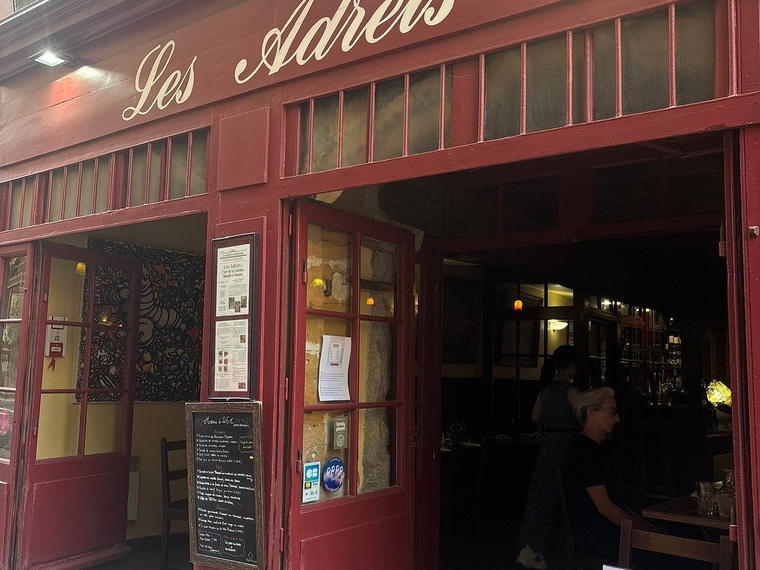
Lyon, France
On Rue du Bœuf in Lyon's Vieux Lyon, Les Adrets occupies one of the quarter's most storied medieval addresses. The dining room draws on the deep bouchon tradition while the service dynamic between kitchen and floor gives the experience a layered coherence rare at this price point. For visitors approaching Lyon's old city table culture seriously, it warrants close attention.

Les Ecarts, France
On the Île d'Oléron, Les Alizés sits at the edge of France's Atlantic oyster and shellfish corridor, where what arrives on the plate is shaped more by tide and season than by kitchen ambition. The address — Saint-Pierre-d'Oléron's quiet Rue Dubois-Aubry — places it squarely in the tradition of coastal French cooking that treats the sea not as a theme but as a supplier. See our full Les Ecarts restaurants guide for broader context.

Paris, France
Les Amis Des Messina occupies a corner of Paris's 2nd arrondissement on Rue Réaumur, a street better known for its Haussmann facades than its restaurant density. The address places it squarely in the orbit of the Sentier district's evolving dining scene, where editorial offices and tech firms have reshaped the lunchtime trade over the past decade. For visitors and locals alike, it represents the kind of neighbourhood fixture that rewards attention.
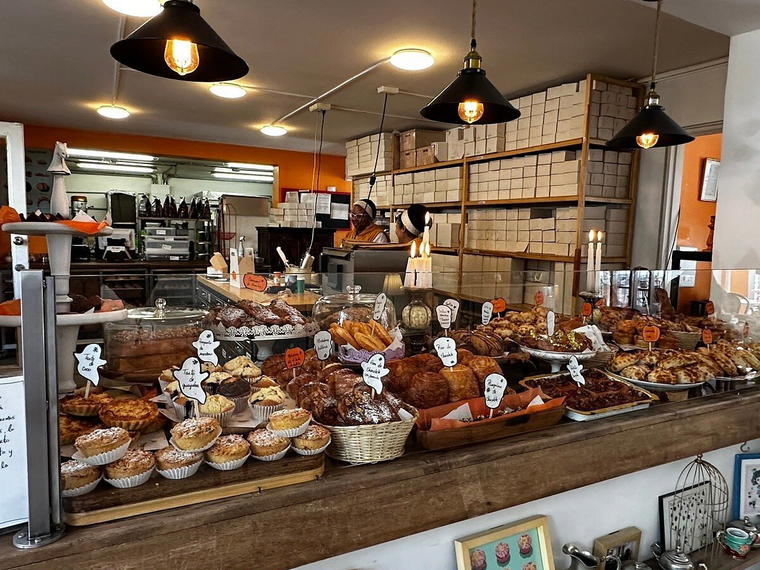
Bogotá, Colombia
A French-inflected pastry shop on Carrera 16 in Chapinero, Les Amis occupies a distinct niche in Bogota's café and patisserie scene, where European technique meets a neighbourhood with growing culinary density. The format skews casual and unhurried, making it a reference point for pastry-focused stops in a city whose sweet offerings have historically trailed its savoury ambitions.

Fullerton, United States
Les Amis Restaurant on West Wilshire Avenue sits within Fullerton's quietly evolving dining corridor, where French-inflected names signal a certain seriousness of intent. The room and kitchen details remain closely held, which places it in a category of local spots that earn their reputation through word of mouth rather than marketing. Visitors exploring Fullerton's wider dining scene will find context worth considering before booking.

Paris, France
On Avenue de la Bourdonnais in Paris's 7th arrondissement, Les Amours occupies a corner of the city where Haussmann architecture meets the quiet discipline of serious neighbourhood dining. The address places it within walking distance of the Eiffel Tower, yet the draw here is proximity to one of Paris's most composed residential quarters, where restaurants earn repeat custom rather than tourist foot traffic.

Paris, France
On a quiet stretch of Rue du Bac in the 7th arrondissement, Les Antiquaires occupies a position in one of Paris's most composed dining neighbourhoods, where the pace of service matches the architecture: unhurried and deliberate. The address sits within walking distance of the Left Bank's antique trade and the Musée d'Orsay, placing it in a corridor of Paris that has long resisted the faster rhythms of the right bank.

Marseille, France
Set within a former 17th-century arsenal on the Cours Honoré d'Estienne d'Orves, Les Arcenaulx combines a bookshop, restaurant, and publishing house under one vaulted roof — a format that has made it one of Marseille's most distinctive cultural dining addresses for decades. The kitchen draws on deep Provençal tradition while the setting gives the meal an intellectual texture rarely found at comparable price points in the city.
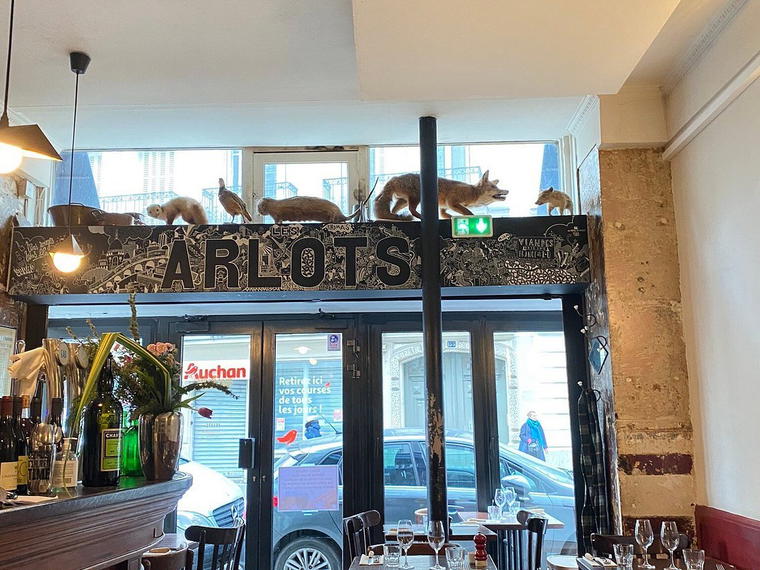
Paris, France
Les Arlots sits on Rue du Faubourg Poissonnière in Paris's 10th arrondissement, where the bistrot tradition has found one of its more serious modern expressions. The address occupies a tier of neighbourhood restaurants that prioritise market cooking and natural wine over spectacle, placing it squarely within a broader Parisian shift toward substance over ceremony. It is the kind of table that rewards regulars more than tourists.

Paris, France
On Rue de la Roquette in the 11th arrondissement, Les Artistes Gourmands occupies a stretch of Paris where neighbourhood bistro culture and a more ambitious dining register have long overlapped.
Metz, France
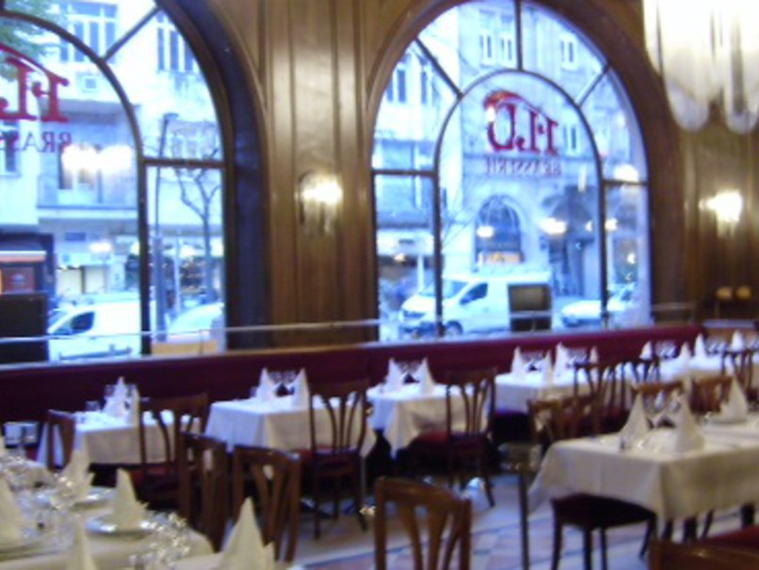
Set along one of Metz's storied central streets, Les Arts et Métiers occupies a compelling position within a city whose dining scene has grown quietly ambitious over the past decade. The address at 2 Bis Rue Gambetta places it within easy reach of the cathedral quarter, where the local appetite for cooking that bridges regional tradition and modern technique has found fertile ground.

Ancelle, France
Les Autanes sits in the village of Ancelle, a small ski and hiking commune in the Hautes-Alpes at the edge of the Champsaur valley. The address — 53 rue du clocher, Le Village — places it within the older stone core of the village, where the pace and scale of the surrounding mountains set the terms for how life, and likely eating, is conducted here.

L Ile D Yeu, France
On an island where Atlantic fishing boats still dock at the same quays they did a century ago, Les Bafouettes occupies a quiet address at 8 Rue Gabriel Guist'Hau in L'Île-d'Yeu. The restaurant draws on the island's own waters and agricultural rhythms in a way that distinguishes it from mainland coastal dining. For visitors crossing from Fromentine or Noirmoutier, it represents one of the more considered stops on an island with a short but serious dining list.
Trouville-sur-Mer, France
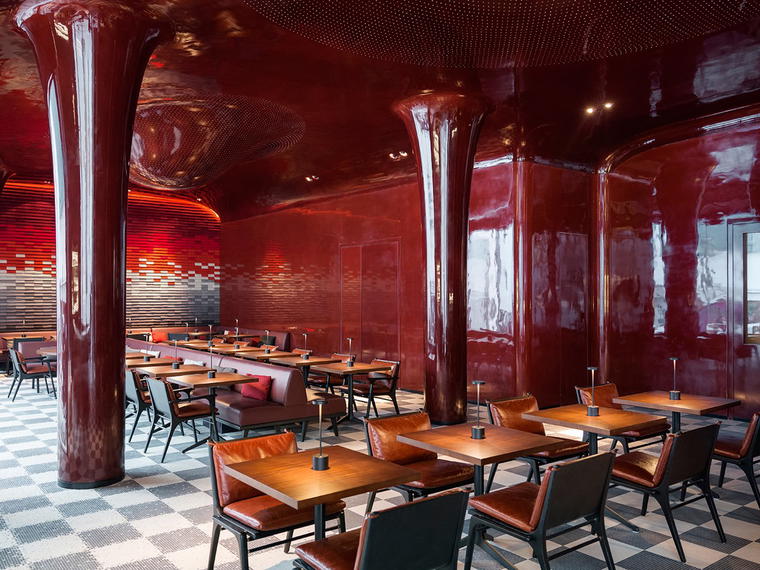
Les Bains pairs French brasserie cooking with a terrace, conversational pacing, and an extensive wine list for lunch or dinner.

Blois, France
Les Banquettes Rouges occupies a quietly observed address on Rue des Trois Marchands in Blois, operating within a Loire Valley dining scene that has grown considerably more ambitious in recent years. The name alone signals a particular kind of French bistro sensibility: red banquettes, a certain warmth, the expectation of cooking rooted in regional tradition rather than spectacle. For visitors working through the city's restaurant options, it represents a different register from the starred tables that now anchor Blois's reputation.

Pertuis, France
On the main square of Pertuis, a small Provençal town between Aix-en-Provence and the Luberon, Les Barbus occupies the kind of address that rewards curiosity over convenience. The cooking draws from the agricultural density of the surrounding Vaucluse, where market gardens, olive groves, and sheep farms sit within a short radius of the kitchen. For travellers moving between the coast and the upland villages, it is a deliberate stop rather than an accident.

Paris, France
On Rue de la Bourse in Paris's 2nd arrondissement, Les Bascules occupies a stretch of the city where finance and hospitality have long traded floors. The address places it among a generation of Paris restaurants rethinking sourcing and waste alongside cooking technique, a shift that has reshaped the 2nd's dining character more quietly than the headline tables of the 8th or 7th.

Carhaix-Plouguer, France
Les Bonnets Rouges occupies a quiet address on Rue des Ursulines in Carhaix-Plouguer, a market town in the agricultural heart of Finistère. The restaurant sits within a Breton dining scene defined by proximity to some of France's most productive coastal and inland food sources. For visitors to central Brittany, it represents a local point of entry into a region whose larder is rarely matched anywhere on the Atlantic seaboard.

Paris, France
Les Bouchons occupies a corner of the 17th arrondissement where the bouchon tradition — that resolutely unapologetic school of French cooking built on slow braises, marrow, and uncut portions — finds a Parisian address. At 103 Rue Legendre, the room reads as a working restaurant rather than a stage set, placing it squarely in the tradition of neighbourhood dining that Paris does better than almost anywhere else in France.

Ixelles, Belgium
Les Brassins occupies a quiet stretch of Rue Keyenveld in Ixelles, the Brussels commune that has quietly assembled one of Belgium's more interesting neighbourhood dining scenes. The address draws a loyal local crowd rather than a tourist circuit, and that self-selection tends to produce a particular kind of atmosphere: unhurried, food-serious, and anchored in the kind of Belgian beer and wine culture that treats the glass as equal partner to the plate.
Roscoff, France
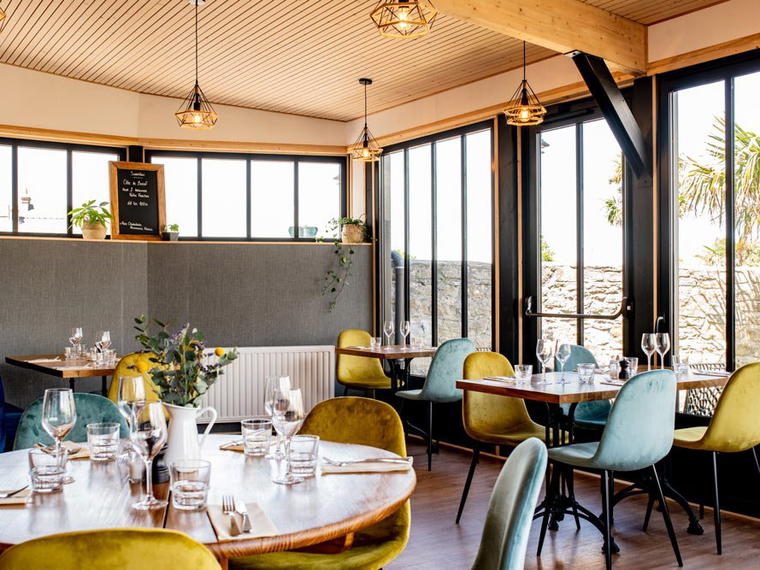
On Roscoff's Place de la République, Les Bricoles sits at the centre of a port town whose culinary identity is inseparable from its surrounding waters and farmland. Brittany's ingredient culture — artichokes from the Ceinture Dorée, shellfish from the bay, line-caught fish from the Channel — provides the raw material for a dining scene that prioritises provenance. Les Bricoles is a working part of that local circuit.

Paris, France
On a quiet side street in the 1st arrondissement, Les Cartes Postales occupies a niche that Paris's dining scene has historically rewarded: the Franco-Japanese kitchen operating below the noise of the grand palace restaurants. Address: 7 Rue Gomboust, 75001 Paris. For travellers who track this particular category of cross-cultural cooking, it sits alongside venues like Kei as a reference point for how Japanese precision entered the Parisian bistro format.
Bois Guillaume, France
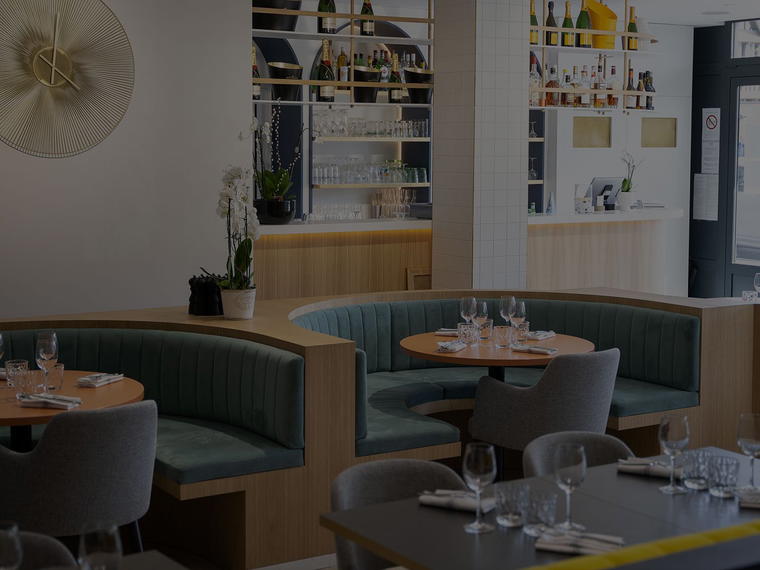
Les Caudalies sits on the Rue de la République in Bois-Guillaume, a residential commune on the northern edge of Rouen. The address places it within Normandy's broader tradition of produce-led French cooking, where the Seine valley and Channel coastline supply kitchens with ingredients that define the region's culinary character. For visitors exploring Haute-Normandie's dining scene, it represents a local address worth investigating alongside the area's established names.

Saint Herblain, France
Located on the Route de Vannes in Saint-Herblain, Les Caudalies sits within the western orbit of Nantes, a city whose restaurant scene has grown considerably more serious over the past decade. With sparse public data available, the restaurant rewards direct investigation for those tracing the Loire-Atlantique dining circuit beyond the city centre.

Aix-en-Provence, France
At 32 Rue Espariat in the historic centre of Aix-en-Provence, Les Caves Henri IV occupies a stone-vaulted address that anchors it firmly in the city's older dining tradition. The name alone signals a particular register: wine-forward, rooted in regional character, and pitched at a clientele that treats a meal as an occasion rather than a transaction. For a fuller picture of what the room and menu deliver, the details below are the place to start.

Münster, Germany
The name signals a French sensibility, and the address places it well outside the tourist circuit — which in Münster's dining culture is often where the more considered meals are found. A reservation here rewards those who look past the city centre.

Tourtour, France
In the hilltop village of Tourtour, Les Chênes Verts occupies a position that says something about how Provence's more serious dining rooms have always operated: rooted in place, anchored by the land immediately around them, and resistant to the kind of urban urgency that drives restaurant culture in Lyon or Paris. The address on the Route de Villecroze places it squarely in oak-covered Haut-Var country, where the sourcing isn't a philosophy statement but a practical fact of geography.

Annecy, France
On Annecy's medieval Rue Sainte-Claire, Les Chineurs de la Cuisine occupies a stretch of town where market culture and Alpine sourcing traditions converge. The name — roughly, 'the kitchen scavengers' — signals an approach built around seasonal discovery rather than fixed menus. For visitors tracking Annecy's broader restaurant scene, it offers a counterpoint to the city's formal fine-dining tier.
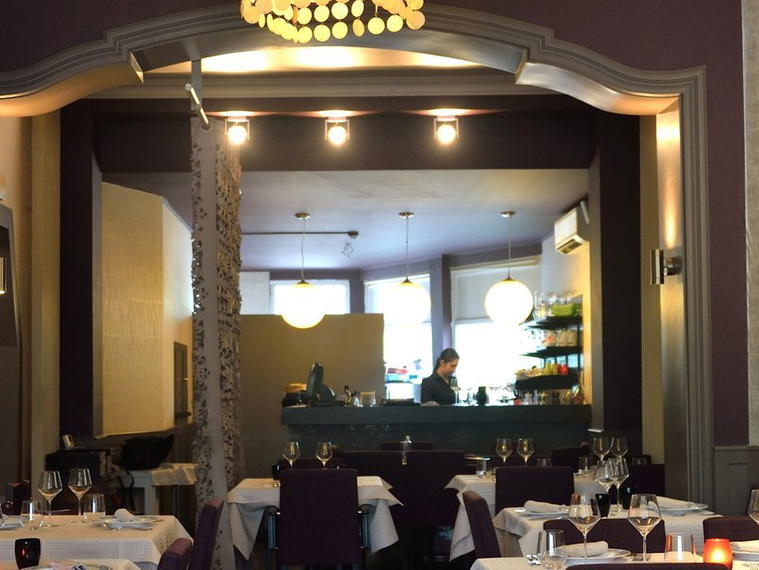
Liège, Belgium
On the Quai des Ardennes in Liège, Les Cinq Etoiles occupies a position in the city's upper dining tier where the setting does as much editorial work as the kitchen. The address places it along the Meuse-adjacent quays that have become a reference point for serious eating in a city increasingly confident about its table. Plan ahead: demand at this level in Liège outpaces casual walk-in culture.

Le Lavandou, France
Les Cinq Sens occupies a quiet address on Rue de Port-Cros in Le Lavandou, a small Var coast town where the Maures hills meet the Mediterranean. The restaurant draws from one of France's most ingredient-dense coastlines, placing it in a regional dining tier that sits well above the standard Riviera seafood formula. For visitors arriving from the larger resort circuit, it offers a noticeably different register.

Fontenay Sous Bois, France
Les Clanchistes sits at 99 Rue Dalayrac in Fontenay-sous-Bois, a Val-de-Marne commune that operates at a quieter register than the capital it borders. The address places it within the eastern suburban dining circuit where neighbourhood regulars rather than destination-seekers set the room's tone. For visitors curious about where Paris's appetite for ingredient-led cooking extends beyond the périphérique, this is a useful reference point.

La Sage, Switzerland
Les Collines sits in La Sage, a quiet village in the Val d'Hérens above the Rhône Valley floor, where the Alps compress the growing season and define what ends up on the plate. The setting places it within a broader tradition of mountain restaurants that draw their identity as much from altitude and terrain as from kitchen technique. For those making the drive up from Sion or Evolène, the address itself is part of the editorial.

Schiltigheim, France
Located on Rue Principale in Schiltigheim, Les Complices occupies a stretch of Alsatian dining that sits between Strasbourg's gastronomic gravity and the quieter, neighbourhood-rooted restaurants north of the city. The address places it in a local dining culture shaped by proximity to one of France's most culinarily serious regions, where Alsatian tradition and modern French technique frequently intersect.

Hannut, Belgium
In the small Hesbaye town of Hannut, Les Comtes de Champagne occupies a quietly serious position in Belgium's provincial dining circuit. The address on Rue de Huy places it away from the country's headline restaurant clusters, yet the name carries the weight of a house that takes its reference points from classical French tradition. For visitors exploring the area, it sits alongside Hannut neighbours Chamarel and La Belva.

Metz, France
On Rue du Coetlosquet in central Metz, Les Copains d'Abord represents the convivial mid-register dining that anchors the city's neighbourhood restaurant culture — the kind of table where the ritual of the meal matters as much as what arrives on the plate. It sits in a Metz dining scene that runs from casual bistro to destination-level modern cuisine, occupying the dependable, sociable middle ground that most cities quietly depend on.
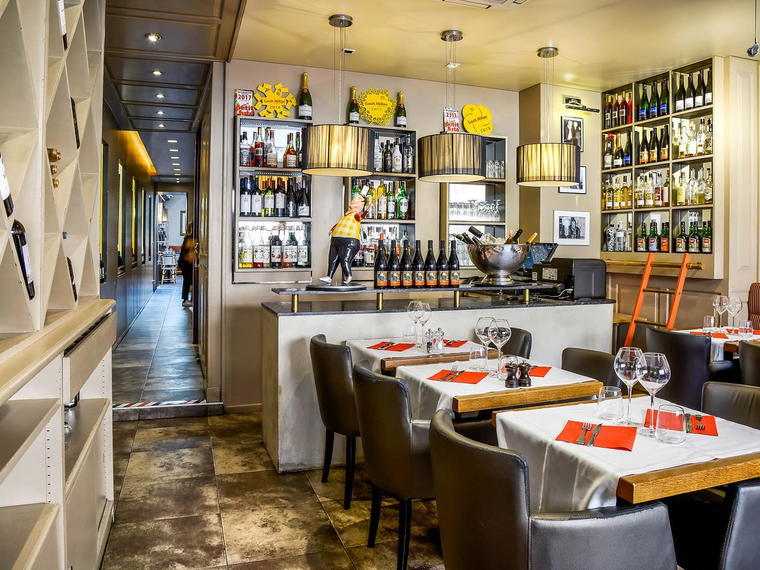
Toulouse, France
On Rue du Pont Guilheméry, Les Copains D'abord occupies the kind of address that Toulouse residents tend to keep to themselves — a neighbourhood table where the rhythm shifts noticeably between a relaxed midday service and a more settled evening pace. The cooking draws on the southwest French larder without leaning on cliché, and the room carries the ease of a place that has earned its regulars rather than recruited them.

Chaudfontaine, Belgium
Les Coudes sur la Table sits in Chaudfontaine, a spa town in the Vesdre valley southeast of Liège, where the Belgian tradition of convivial, table-centred dining runs deep. The name itself — elbows on the table — signals a deliberate rejection of formal dining codes in favour of relaxed, engaged eating. For context on Chaudfontaine's broader restaurant scene, see our full guide.

Rennes, France
At 16 Rue Baudrairie, Les Darons occupies a corner of central Rennes where the city's appetite for neighbourhood-rooted dining is most visible. The address places it squarely within a tier of Rennes restaurants that trade on daily market rhythm rather than tasting-menu formality. For visitors assessing the city's mid-range dining scene, it represents a useful orientation point alongside peers like Breizh Café Rennes and Bombance.

Mollans Sur Ouveze, France
Les Délices serves Traditional French with Seasonal Garden Produce in Mollans-sur-Ouvèze, with terrace seating and a quiet, leisurely dinner pace.

Sint Pieters Woluwe, Belgium
Les Deux Maisons sits in Sint Pieters Woluwe, one of Brussels' quieter residential communes, where the dining scene favours neighbourhood commitment over tourist visibility. The address places it within a local circuit that includes producers, delicatessens, and casual bistros, making it a reference point for understanding how Belgian food culture operates at the commune level rather than the city-centre showcase tier.

Paris, France
Les Diamantaires occupies a particular address in Paris's 9th arrondissement, where the city's diamond trade once concentrated along Rue La Fayette. The restaurant draws its name and atmosphere from that mercantile heritage, positioning itself as a destination for occasion dining in a neighbourhood that sits between the grands boulevards and the southern edge of Montmartre. It belongs to a tier of Paris dining where the setting does significant work alongside the plate.

Mouzon, France
In the quiet Ardennes town of Mouzon, Les Echevins occupies a setting that rewards the detour from the well-worn routes of northeastern France. The address on Rue Charles de Gaulle places it within a historic river town whose pace and character sit at some distance from the bustle of larger regional centres. For travellers already threading through the Champagne and Meuse corridor, it merits a place in the itinerary.

Saint Malo, France
On the Sillon seafront in Saint-Malo, Les Embruns sits where the Atlantic spray defines both the address and the appetite. The restaurant occupies a position within Saint-Malo's mid-to-upper dining tier, where Breton coastal produce and considered front-of-house work converge. For visitors moving through the walled city's restaurant circuit, it represents a measured alternative to the more theatrical creative menus elsewhere in town.

Croissy Sur Seine, France
In the quiet residential stretch of Croissy-sur-Seine, Les Enfants de Cœur occupies a considered position in the western Île-de-France dining scene, sitting at 9 Avenue du Maréchal Foch. The address places it well outside the Parisian restaurant orbit, serving a local clientele that values neighbourhood permanence over destination spectacle. For visitors approaching from central Paris, it represents a different register of French dining entirely.

Toulouse, France
On a quiet street in Toulouse's historic centre, Les Enfants Terribles occupies a tier of the city's dining scene that sits between neighbourhood bistro and destination restaurant. The address on Rue des Prêtres places it within walking distance of the Capitole, making it a practical anchor for an evening in the Pink City. Toulouse's modern French scene has enough range that this address earns its place as a considered option.
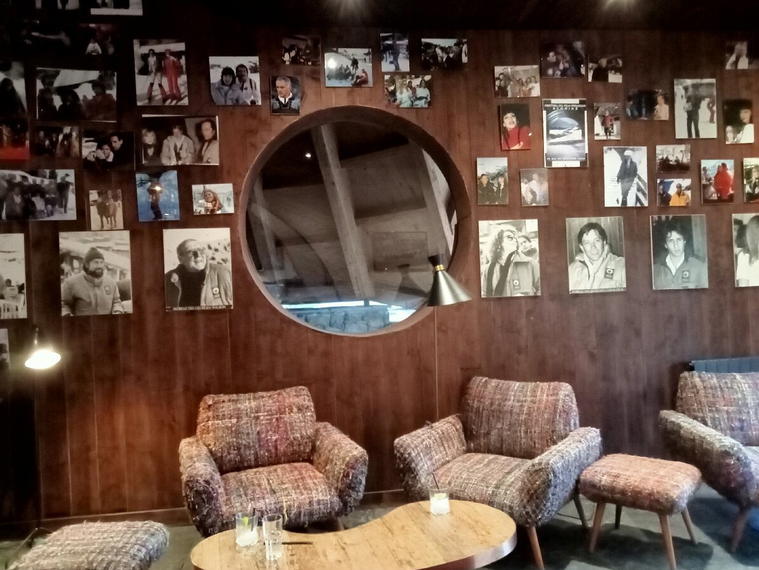
Morzine, France
At the foot of the Avoriaz ski area, Les Enfants Terribles occupies a position that few alpine restaurants manage: a dining room with serious intent in a resort built around speed and spectacle. The menu leans into mountain-rooted French cooking, making it a consistent reference point for skiers willing to trade a quick lunch stop for something more considered. Book ahead during peak winter weeks.

Ollioules, France
In the Var hill town of Ollioules, Les Etiquettes occupies Place Marius Trotobas with a focus on the sourcing traditions that define Provence cooking at its most direct. The restaurant sits in a region where the distance between farm and plate is measured in minutes rather than miles, and the menu reflects that proximity. For visitors tracing serious French regional cooking beyond the coast, it offers a grounded alternative to the high-gloss dining of nearby Toulon.

Trouville-sur-Mer, France
On Rue des Bains in Trouville-sur-Mer, Les Etiquettes sits within a Norman coastal dining scene defined by proximity to the Channel and the daily rhythms of Trouville's fish market. The kitchen draws from that immediate supply chain, placing the restaurant firmly in the ingredient-led tradition that distinguishes serious Norman cooking from resort-town convenience dining. Worth seeking out for those who want the coast on the plate, not just the postcard.

Paris, France
The address sits within a neighbourhood defined by embassies, covered markets, and a resident clientele that tends to eat seriously and without theatre.
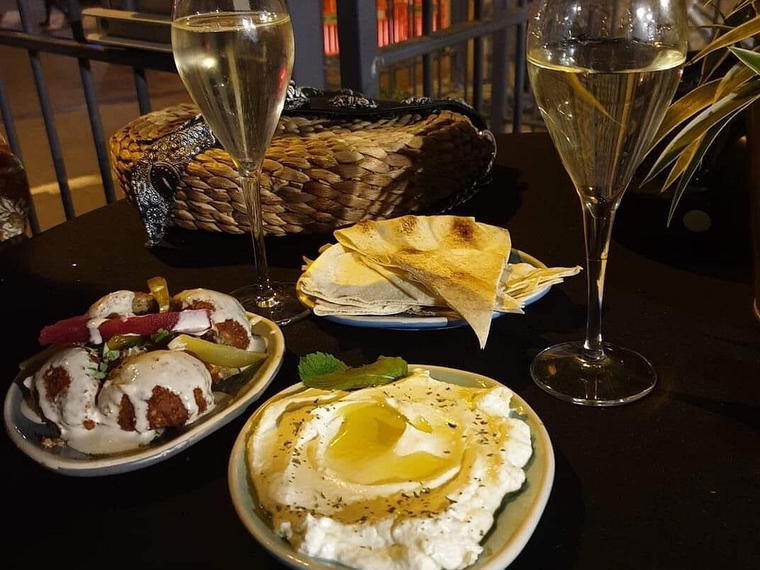
Liège, Belgium
Lebanese cuisine in Liège occupies a particular niche in the city's dining scene, and Les Fables du Liban on Pont des Arches positions itself within that tradition. The address places it in one of the city's most trafficked riverside corridors, where the midday and evening services attract different crowds with different expectations. For visitors mapping the city's non-French dining options, it represents a coherent alternative to the brasserie circuit.

Marseille, France
Les Fenêtres occupies a loaded address at 1 Place Daviel in Marseille's historic core, steps from the Palais de Justice and the neighbourhood rhythms of the Panier district. Within a city that has increasingly framed its restaurant scene around Mediterranean provenance and reduced environmental footprint, Les Fenêtres sits in the conversation around conscious dining in southern France's most port-defined city.
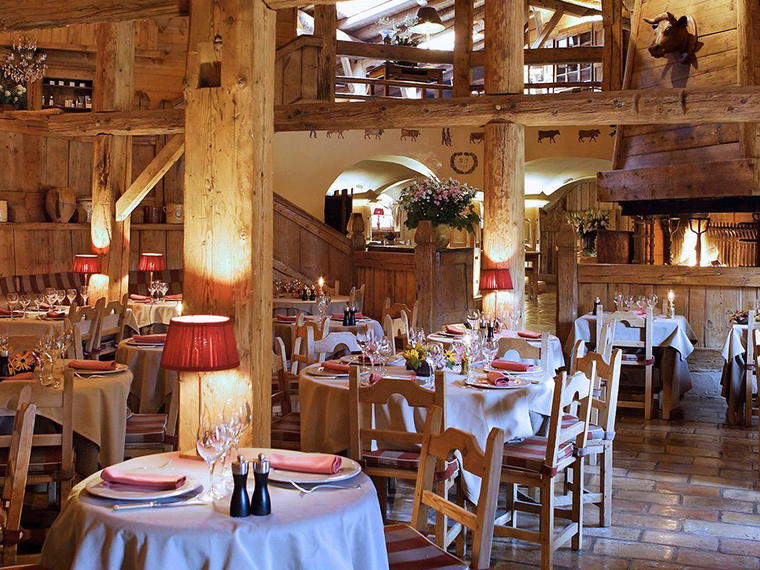
Megève, France
Les Fermes de Marie occupies a particular position in Megève's hospitality scene: a chalet-style property at 163 Chemin des Épis where the surrounding Alpine terrain shapes the table as directly as any kitchen decision. In a village where fine dining ranges from contemporary French tasting menus to Franco-Japanese hybrids, this address holds to a more grounded, mountain-rooted approach that rewards guests who value provenance over spectacle.

Paris, France
Les Filaos sits on Rue Guy de Maupassant in the 16th arrondissement, a quarter where old-money Paris and serious dining have long coexisted quietly. The address places it within reach of the Trocadéro's institutional weight and the residential calm that defines this corner of the Right Bank. For those tracking the less-publicised side of Paris dining, the 16th rewards attention.

Toulouse, France
On Rue du Languedoc in central Toulouse, Les Fines Gueules occupies the middle tier of a dining scene caught between market-driven bistro tradition and increasingly technical ambition. The kitchen draws on the region's deep larder — Gascony duck, Pyrenean lamb, violet garlic from Lautrec — and frames those ingredients through continental technique. For visitors seeking something grounded in the city's food culture without the formality of the four-star bracket, it represents a considered address.

Gigondas, France
Les Florets sits along the Route des Florêts at the foot of the Dentelles de Montmirail, placing it within one of the Southern Rhône's most agriculturally grounded dining settings. The restaurant draws on the produce and wine culture of the Gigondas appellation, where the land's character shapes what arrives on the table. For travellers moving through the Vaucluse, it represents a specific kind of Provençal dining rooted in place rather than performance.

Pleyber Christ, France
In the small Finistère commune of Pleyber-Christ, Les Fougères occupies a position on Place Gambetta that reflects how rural Brittany's restaurant culture operates: rooted in proximity to coast and farmland, serving a local audience with little interest in destination-dining theatrics. For visitors passing through the interior of Finistère, it represents the kind of address that rewards curiosity over expectation.

Paris, France
On the Île Saint-Louis, one of Paris's most self-contained and historically layered addresses, Les Fous de l'Ile occupies a position that the 4th arrondissement's more celebrated dining rooms cannot replicate: a neighbourhood bistro with genuine local roots, set apart from the tourist circuits that dominate the island's perimeter. The address is 33 Rue des Deux Ponts, a quieter interior street where the island turns residential.

Nancy, France
On the Grande Rue in Nancy's historic centre, Les Frères Marchand occupies a address that regulars return to for its grounded take on northeastern French cooking. The restaurant sits within a city better known for Art Nouveau architecture than its dining scene, making it a reference point for those who know the local table well. Booking ahead is advisable for weekends.

Lyon, France
On the Cours Lafayette in Lyon's 3rd arrondissement, Les Garçons Bouchers occupies territory where the city's deep butchery tradition meets a contemporary dining room sensibility. The name alone signals a culinary lineage rooted in Lyon's bouchon culture, where meat-forward cooking and well-drilled service have defined the local table for generations. This is Lyon dining taken seriously, without apology.

Orcieres, France
Les Gardettes sits on the Route des Baniols in Orcières, a mountain village in the Hautes-Alpes that draws skiers and hikers rather than destination diners. The address places it within a modest alpine pocket where direct regional cooking tends to reflect the rhythms of the surrounding terrain rather than any metropolitan ambition. Details on format, pricing, and booking are best confirmed directly with the venue.

La Bouille, France
Les Gastronomes sits on the Place du Bateau in La Bouille, a Seine-side village in Normandy that has drawn Rouen's dining public for generations. The restaurant occupies a position in a French provincial tradition where the river setting and regional produce do most of the framing. Visitors coming from Rouen, around 20 kilometres upstream, will find it a natural pairing with the village itself.

Tours, France
On a quiet stretch of Rue Marceau in central Tours, Les Gens Heureux occupies a tier of neighbourhood dining that the Loire Valley does particularly well: unpretentious rooms with serious attention to what lands on the table. The address sits within reach of Tours' broader dining scene, from market bistros to more ambitious modern kitchens, making it a useful anchor for visitors building a multi-day itinerary around the region.
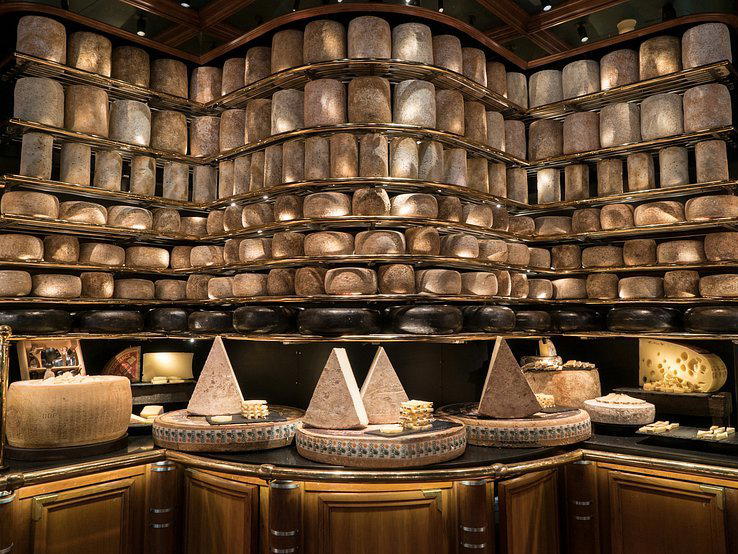
Narbonne, France
Les Grands Buffets focuses on Classical French Escoffier Buffet service in a historic building, with an extensive wine list and dishes such as foie gras and lobster thermidor for lunch or dinner.

Esneux, Belgium
Les Granges sits at Rue d'Angleur 118b in Esneux, a riverside town in the Ourthe valley southeast of Liège. The address places it within a small but earnest local dining scene where the meal itself — its pacing, its setting, its rituals — tends to matter as much as the plate. Visitors to the Liège province looking for a measured, unhurried table in the valley will find Esneux a quieter counterpoint to the city.