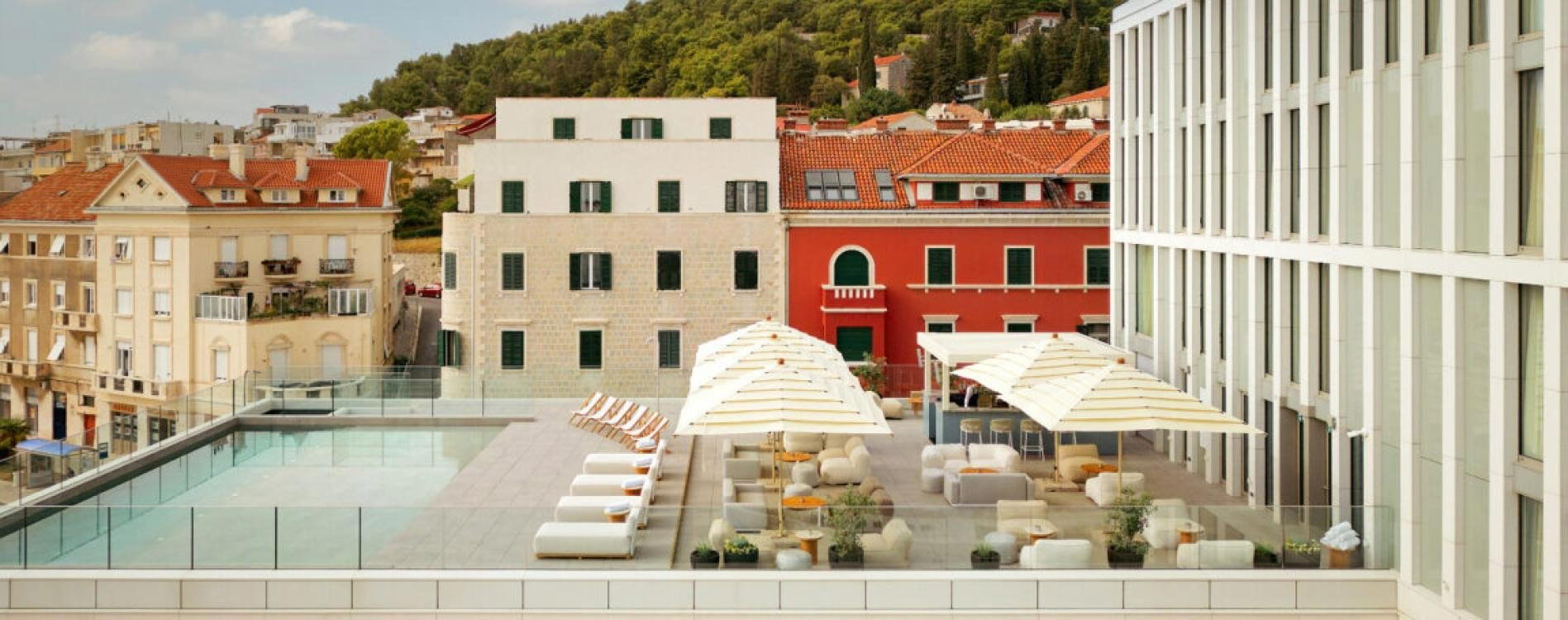
Leonis occupies a corner of Split's historic centre on Ul. Julija Nepota, where the city's dining scene shifts between casual harbour-front eating and more composed, ingredient-led cooking. Positioned within walking distance of Diocletian's Palace, it draws both neighbourhood regulars and visitors seeking a slower, sit-down alternative to the Riva's louder options. Booking ahead is advisable, particularly through the summer peak.
Pearl is the En Primeur Club membership app — saves, bookings, and concierge access live there. Same editors, same standards.
- Address
- Ul. Julija Nepota 4, 21000, Split, Croatia
- Phone
- +38521666636
- Directions
- Get directions
 Saves & bookings on Pearl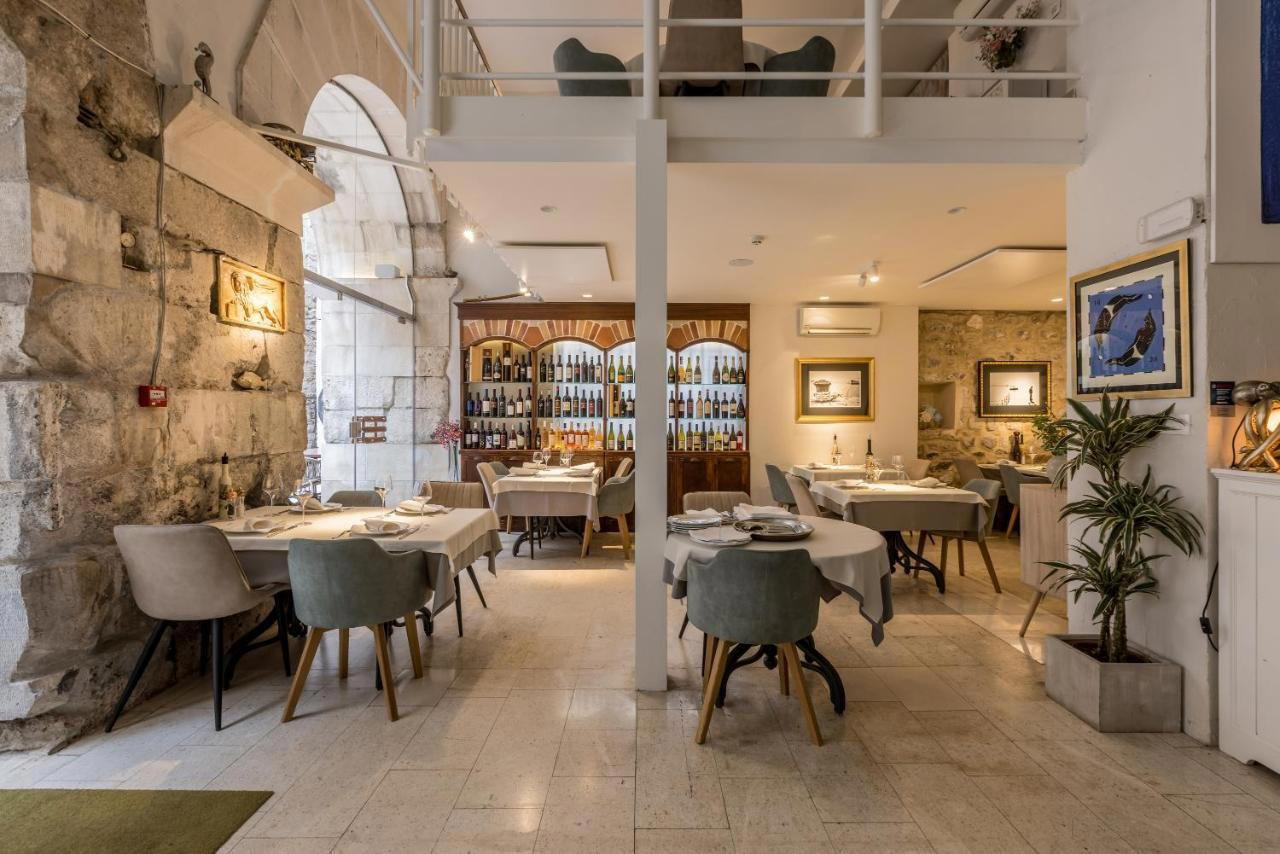
Split at the Table: Where Leonis Fits
Along the Riva and inside the palace walls, the loudest and most tourist-facing operations compete on location. A step back from those arteries, a quieter set of addresses has taken shape, drawing on Dalmatian produce and a more deliberate pace. Leonis, on Ul. Julija Nepota in the historic centre, sits in that second group: close enough to the palace district to catch visiting diners, far enough from the waterfront to attract locals who return by habit rather than accident.
Split operates a tier below that in terms of formal recognition, but the city's better tables compete credibly on ingredient quality and kitchen discipline. What distinguishes the stronger options in the city is often the sourcing relationship with Dalmatian fishing boats and local vegetable growers, rather than technique alone. Adriatic and Krug anchor the city's more polished Mediterranean end; Leonis operates within that same general orbit.
Evening service in Split's historic centre takes on a different register altogether. As the city's late-afternoon promenade shifts into dinner hour, the pace lengthens, wine orders increase, and the kitchen has more room to execute. At addresses that take their cooking seriously, this is when more composed plates tend to appear, multi-course options open up, and the social contract between kitchen and guest extends. The neighbourhood around Ul. Julija Nepota is quieter than the palace's interior streets after dark, which shapes the atmosphere: less spectacle, more conversation. Comparable operations elsewhere in Croatia, including LD Restaurant in Korčula and Boskinac in Novalja, demonstrate how evening service in the region can hold its own against more internationally recognised tables when the setting and sourcing align.
The Adriatic provides a specific catch profile, with sea bass, dentex, John Dory, and various bream species forming the backbone of coastal menus from Split north to Rijeka and south toward Dubrovnik. Alongside seafood, Dalmatian cuisine carries a distinct vegetable and olive oil identity rooted in the hinterland: the Dalmatian zagora, the rough inland region behind the coast, contributes lamb, fig, dried figs, and sheep's-milk cheese to a pantry that coastal kitchens have always drawn on. The stronger addresses in the region, including Nebo by Deni Srdoč in Rijeka and Alfred Keller in Mali Lošinj, have built their identity on this dual sourcing logic: Adriatic protein, zagora produce and dairy.That gap is partly structural: Split functions more as a transit hub and day-trip base than a destination in its own right, which shapes the economics of running a formal fine-dining operation. The city's better mid-market tables fill that space instead, offering cooking that references regional traditions without the full apparatus of tasting menus and sommelier-led service. For a city of Split's size and visitor volume, the depth at the mid-market level is more substantial than casual visitors typically expect. Bajamonti POP sits at one end of that range; the more composed addresses on quieter streets represent the other.
For those building a broader Croatian itinerary around dining, Dubravkin Put in Zagreb and Korak in Jastrebarsko extend the reference set into the continental interior, where the cuisine shifts toward game, freshwater fish, and a Central European sauce tradition quite distinct from the coast. BioMania Bistro Bol on Brač offers an island-focused organic-leaning alternative accessible as a day trip from Split itself.
Planning Your Visit
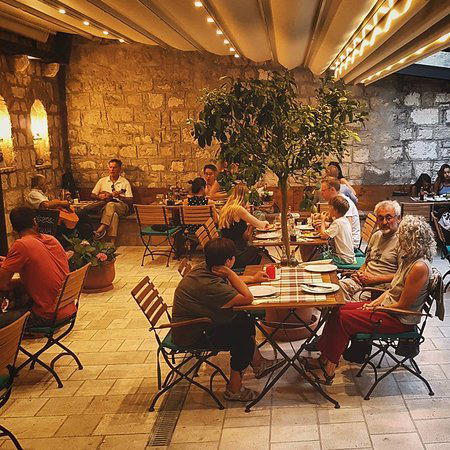
Leonis is located at Ul. Julija Nepota 4, in the historic centre of Split, within comfortable walking distance of Diocletian's Palace. The address places it in a residential-adjacent pocket that tends to be quieter than the palace interior, particularly after the main tourist rush subsides in the early evening. Split's peak season runs from late June through August, when tables at the city's better restaurants fill several days in advance; visiting in May, early June, or September returns shorter queues and more moderate temperatures.
Cuisine and Credentials
Comparable venues nearby, for context on price, style, and recognition.
| Venue | Cuisine | Price | Notes |
|---|---|---|---|
| LeonisThis venue — the venue you are viewing | Fresh Seafood in Diocletian's Palace | $$$ | Not listed |
| Nikola | Dalmatian Seafood Konoba | $$$ | Stobrec |
| Brasserie on 7 | Mediterranean Brasserie | $$$ | Riva |
| FANTAŽIJA kitchen and wine | Modern Dalmatian Mediterranean | $$$ | Old Town |
| Konoba Laganini | Modern Dalmatian Seafood | $$$ | Diocletian's Palace |
| Zora Bila | Modern Dalmatian Mediterranean | $$$ | Bačvice |
Continue exploring
More in Split
Restaurants in Split
Browse all →
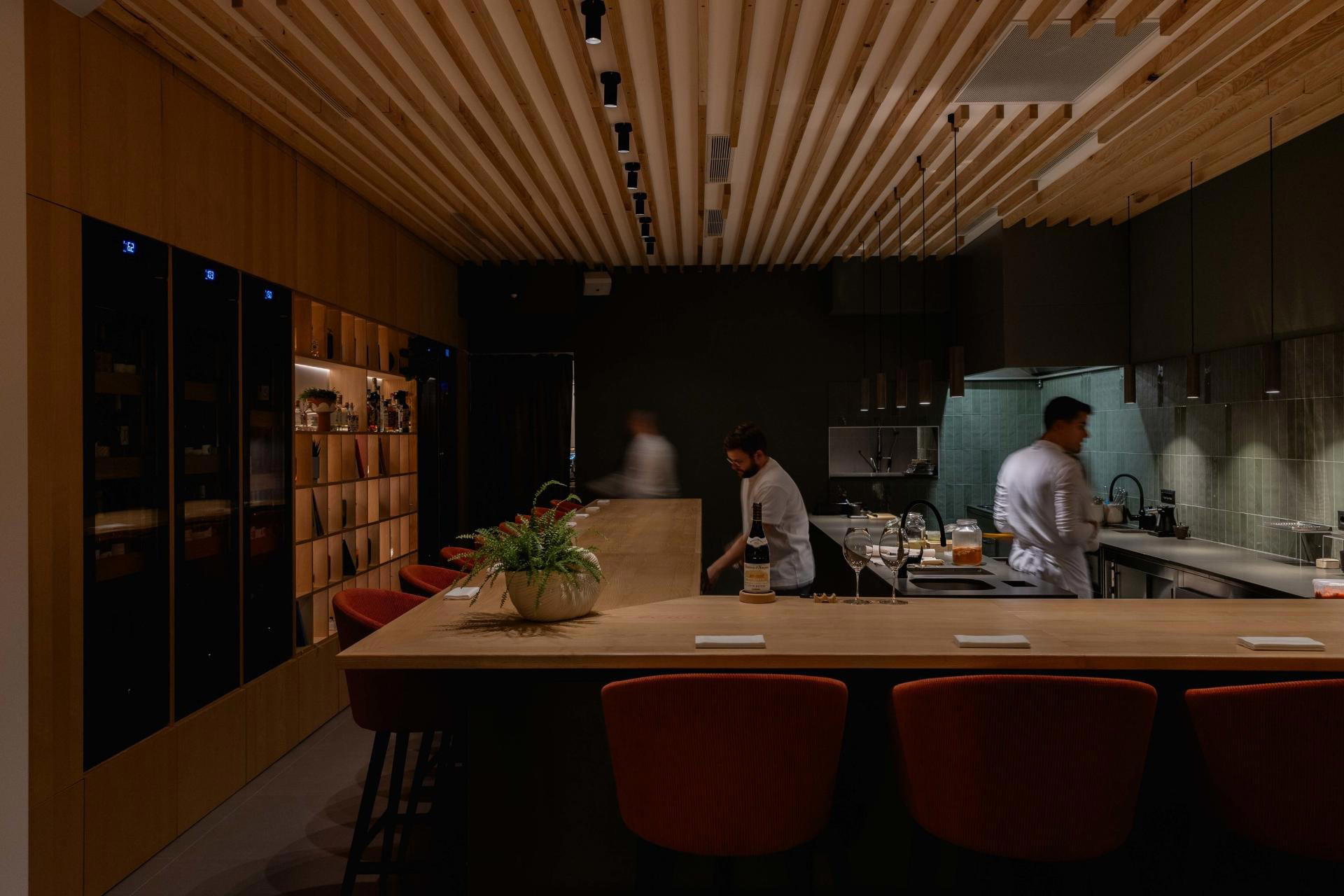
Bars in Split
Browse all →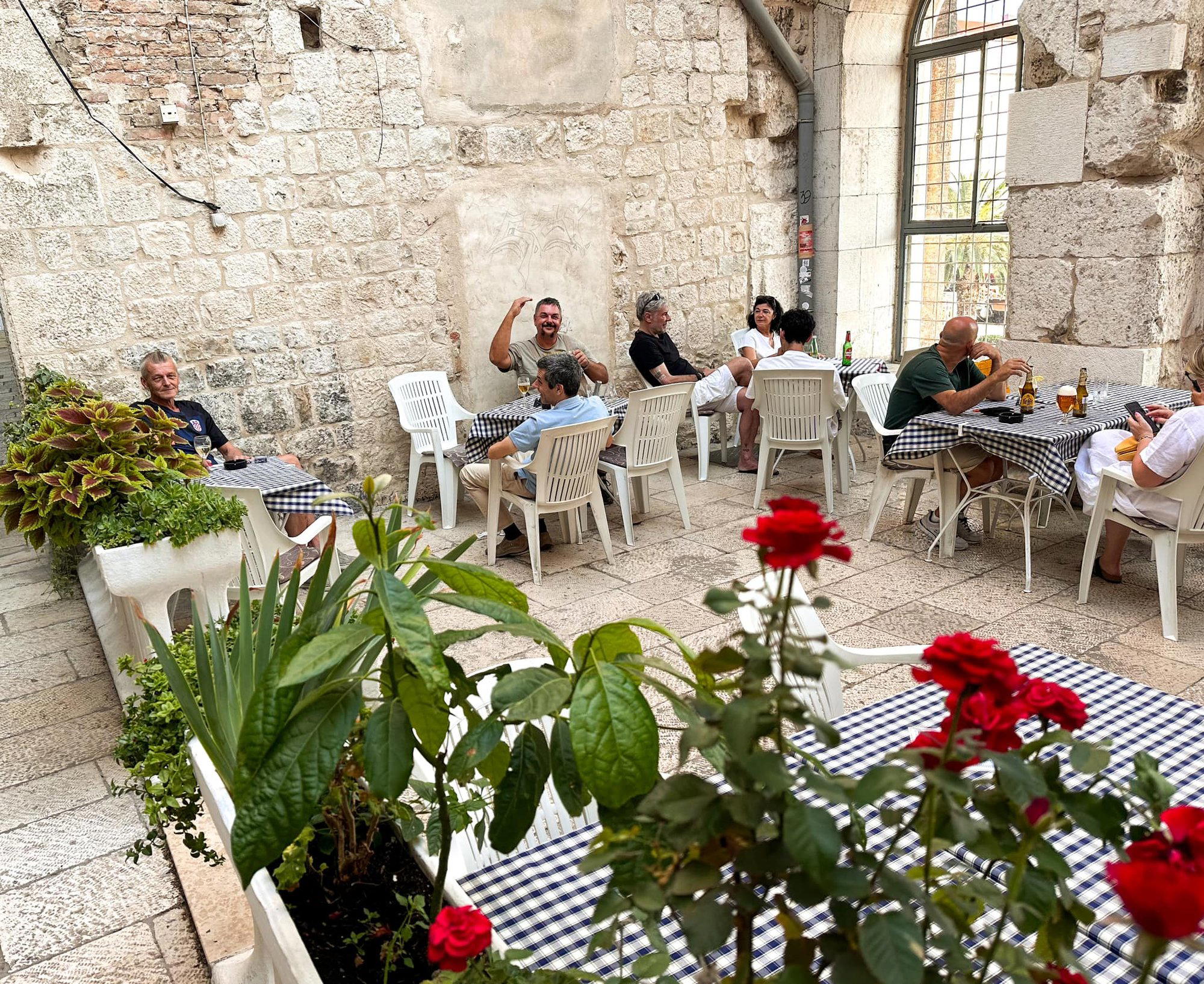
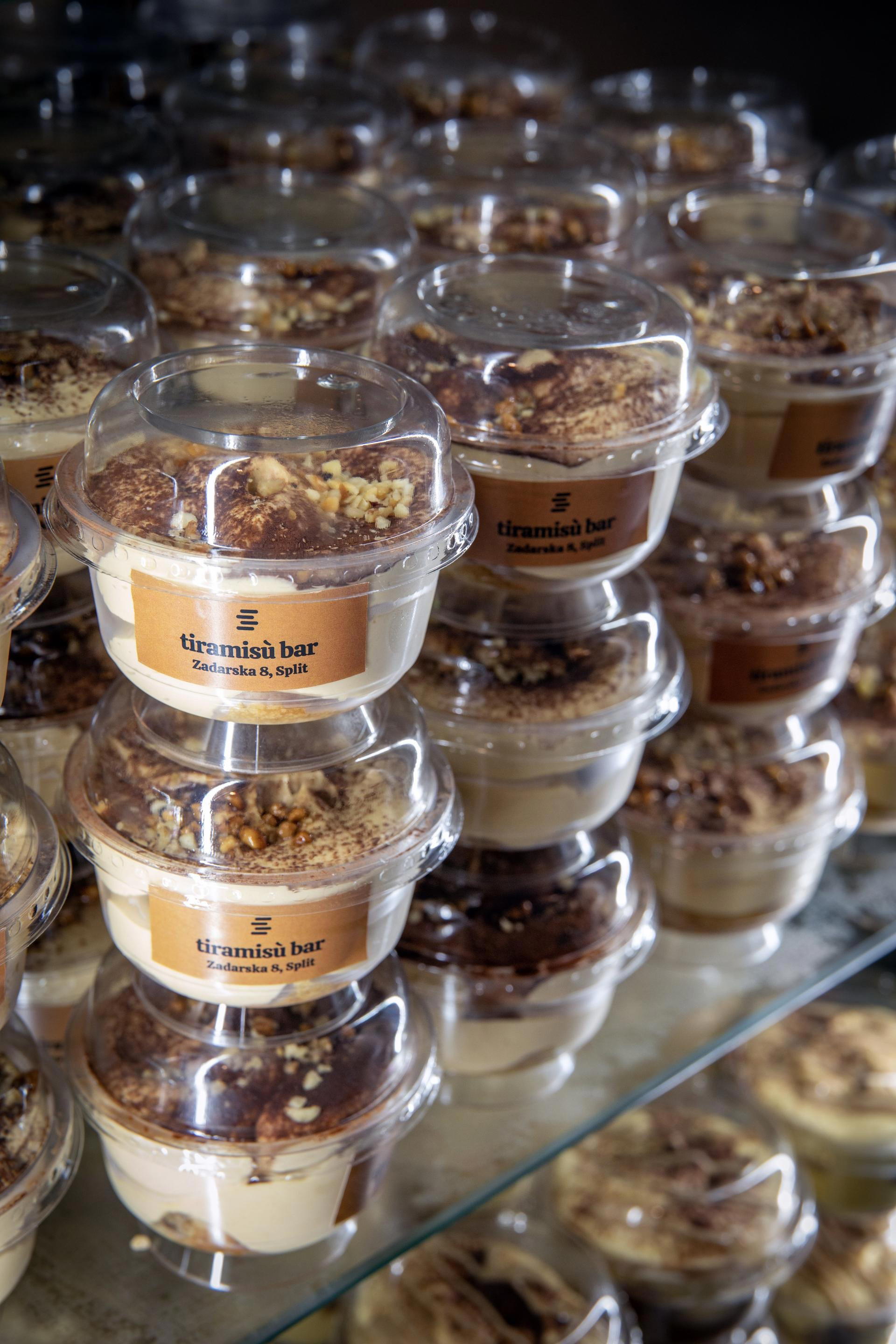
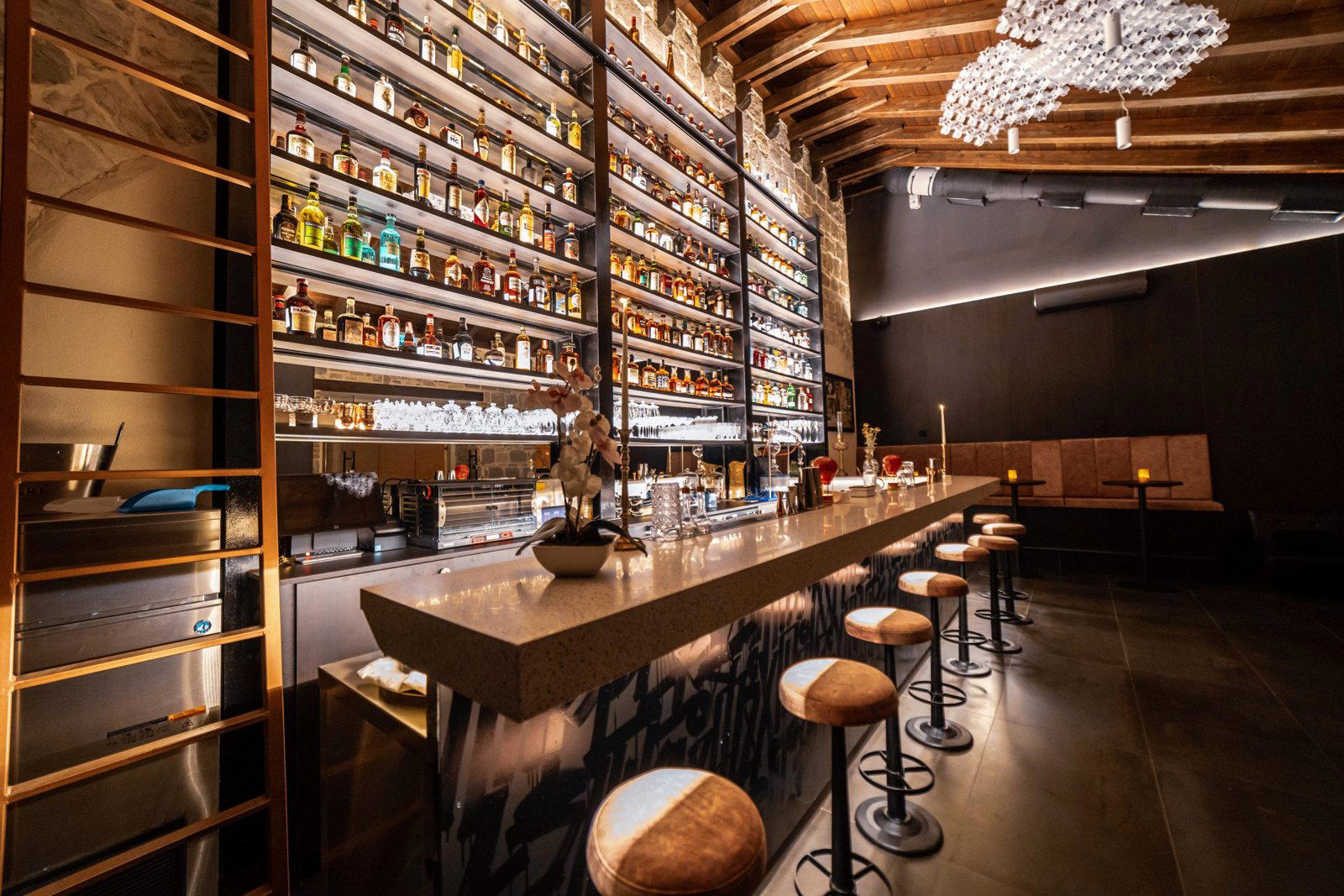
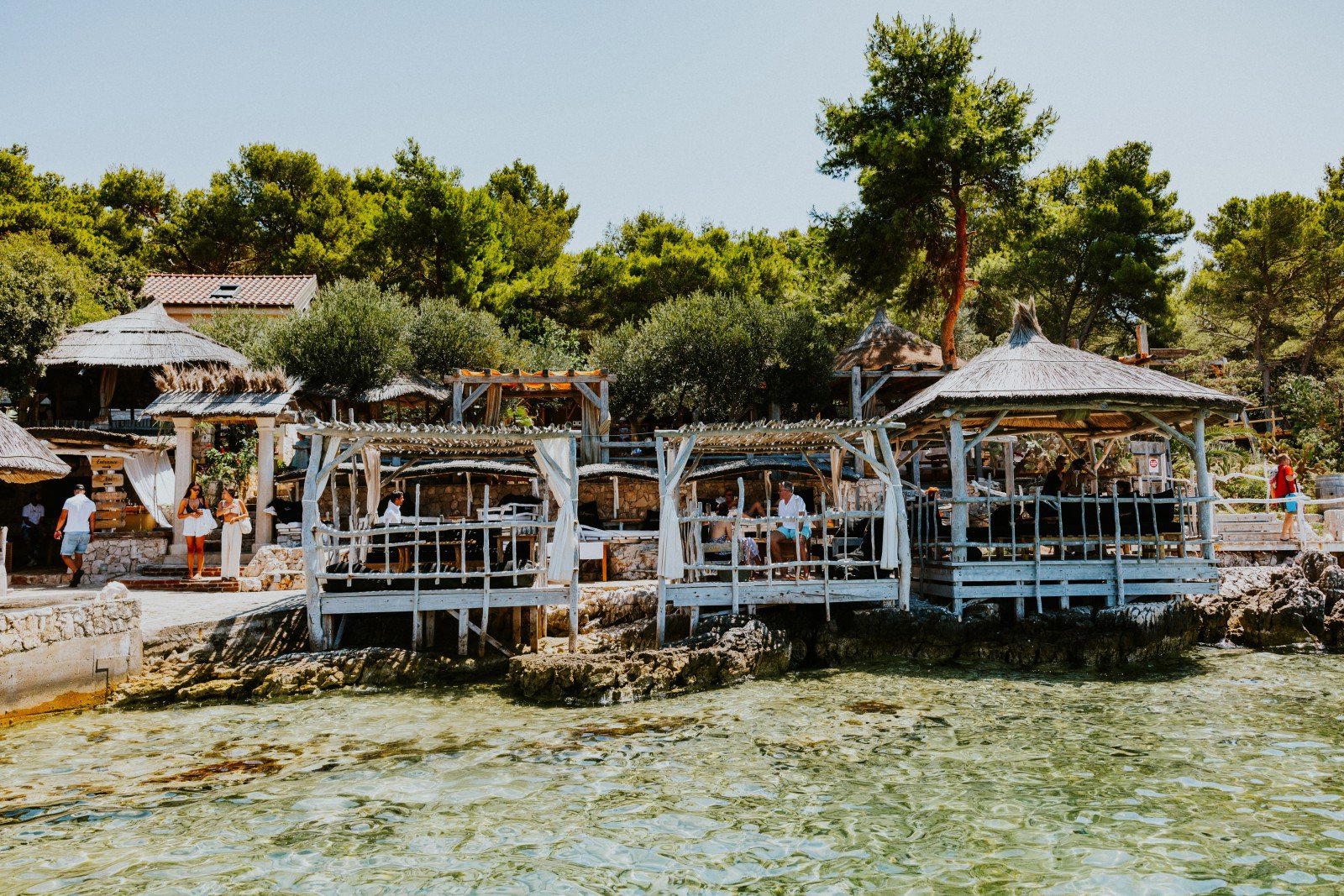
Hotels in Split
Browse all →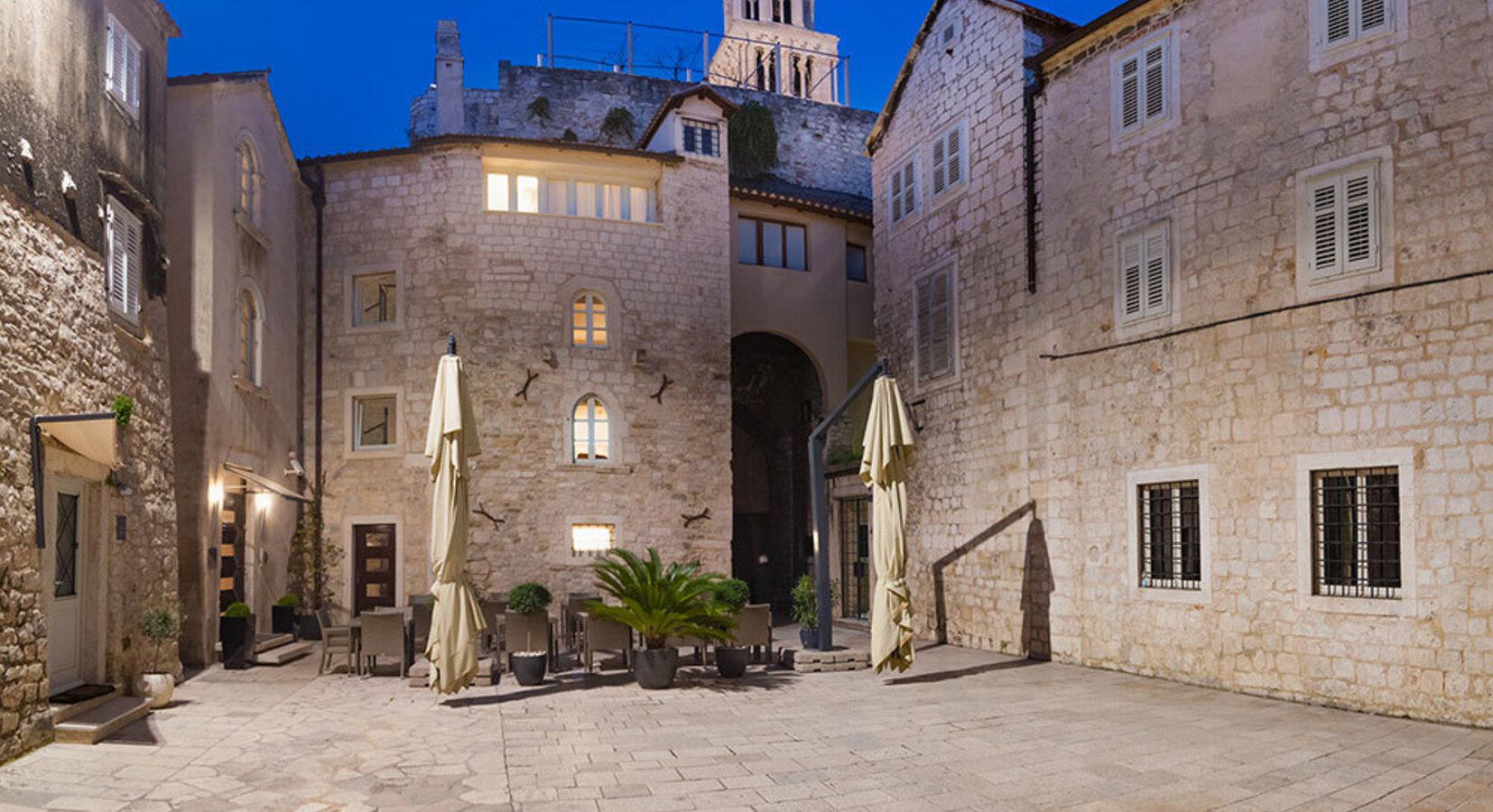
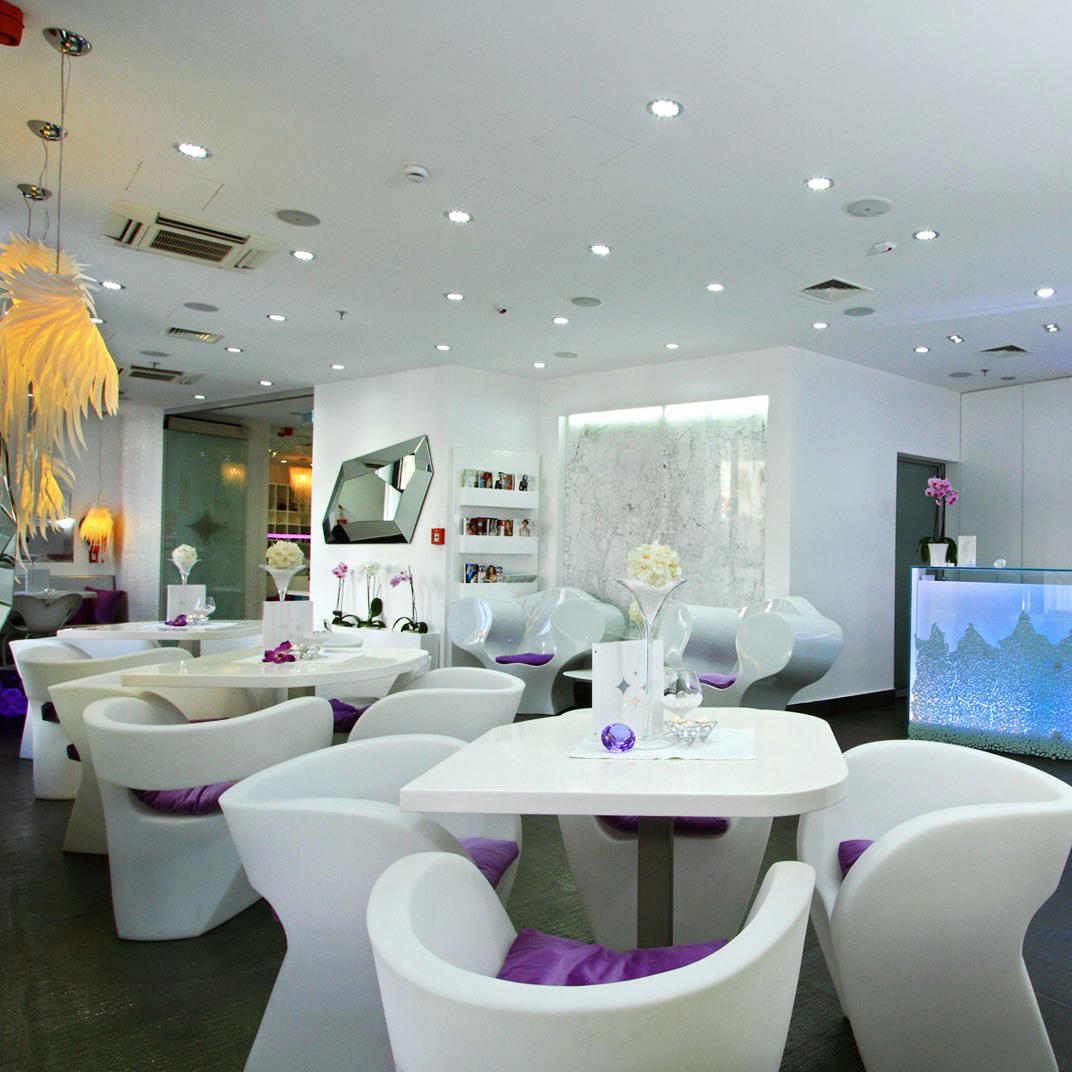

At a Glance
- Cozy
- Romantic
- Intimate
- Date Night
- Special Occasion
- Historic Building
- Extensive Wine List
- Local Sourcing
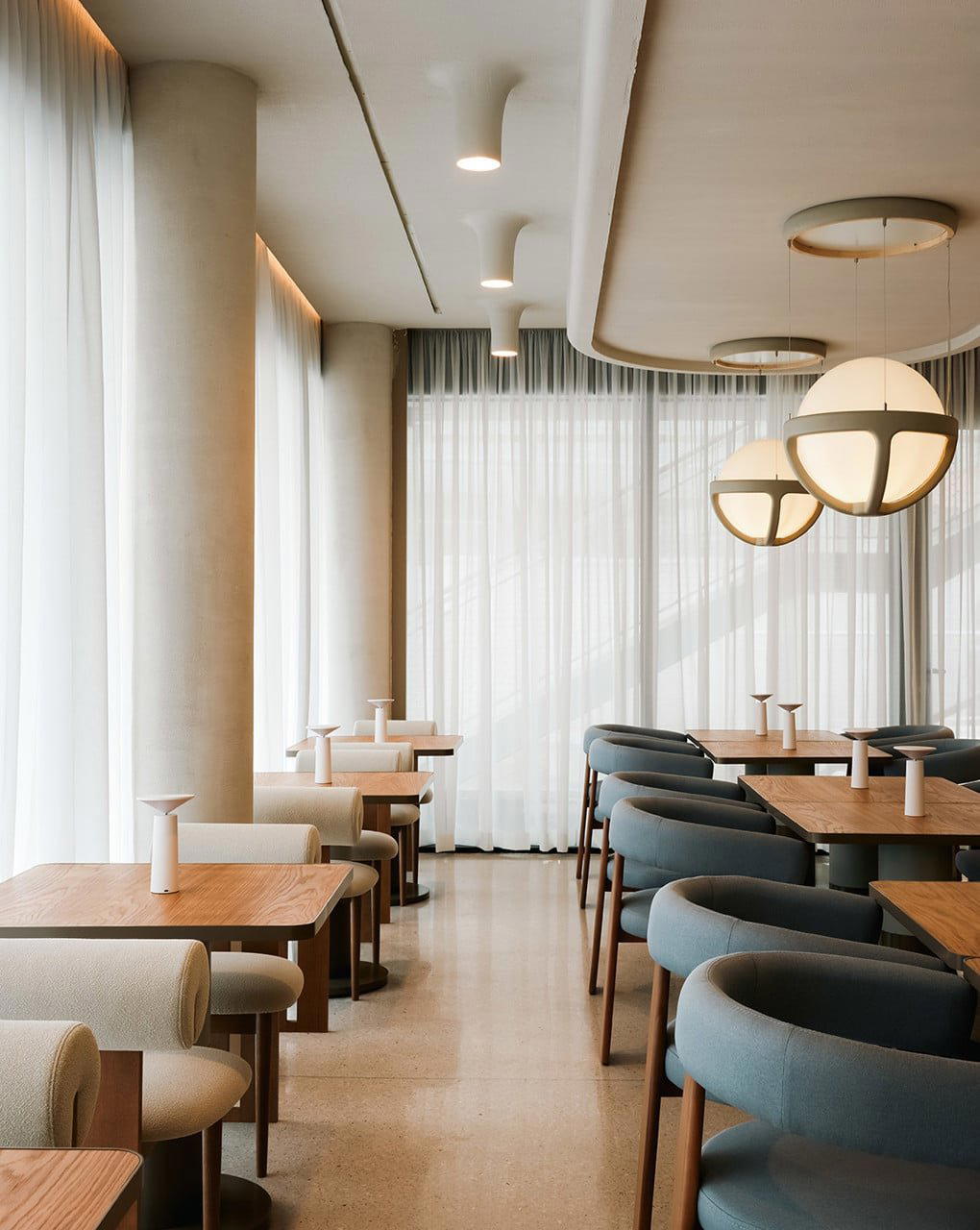
Cozy and pleasant atmosphere in historic palace setting with friendly service and air conditioning.