On Roscoff's Place de la République, Les Bricoles sits at the centre of a port town whose culinary identity is inseparable from its surrounding waters and farmland. Brittany's ingredient culture, artichokes from the Ceinture Dorée, shellfish from the bay, line-caught fish from the Channel, provides the raw material for a dining scene that prioritises provenance. Les Bricoles is a working part of that local circuit.
Pearl is the En Primeur Club membership app — saves, bookings, and concierge access live there. Same editors, same standards.
- Address
- 1 Pl. de la République, 29680 Roscoff, France
- Phone
- +33298155114
- Website
- lesbricoles-roscoff.fr
- Directions
- Get directions
 Saves & bookings on Pearl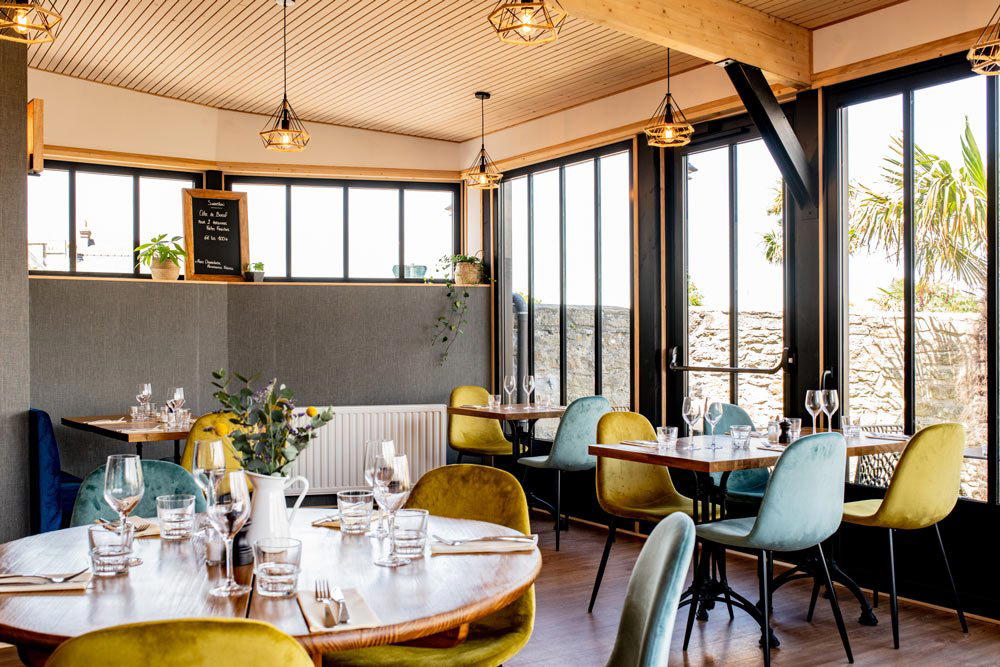
A Port Town Built on What It Grows and Catches
Roscoff earns its culinary reputation not through density of fine-dining establishments but through the quality of what surrounds it. The town sits at the edge of the Ceinture Dorée, the so-called Golden Belt of north Finistère, where the mild maritime climate and particular soil composition have made this strip of coastline one of France's most productive market-garden zones for centuries. Artichokes, cauliflower, onions, and early-season vegetables leave Roscoff's port for markets across Britain and beyond, the Johnnies, Breton onion sellers who once cycled door to door across the Channel, are especially visible chapter of that history. The fishing boats that work the bay add shellfish, line-caught bass, and turbot to what the land already provides. In a town this small, a restaurant's relationship to those supply chains is not optional; it is simply what cooking here means.
Les Bricoles occupies a position on Place de la République, the open square at Roscoff's civic centre, a short walk from the sixteenth-century church of Notre-Dame de Kroaz-Batz and the old harbour. The square catches the afternoon light differently from the narrow lanes that run back from the waterfront, and arriving on foot from the port side, you move from salt air and the sound of rigging into a more settled, town-square rhythm. That transition, from working harbour to civic space, frames what many of Roscoff's mid-register restaurants do: translate the raw material of the coast and farmland into something served at a table, without much ceremony about doing so.
Sourcing as Context, Not Marketing
Across Brittany's restaurant circuit, ingredient provenance has moved from talking point to baseline expectation. The region's appellations cover oysters from the Belon and Cancale, lamb from the salt marshes of Mont-Saint-Michel, and the line-caught fish that Breton inshore boats have always prioritised. What separates the more considered establishments from the generic is whether provenance shapes the menu's structure or simply decorates the menu card. In a port town like Roscoff, where the distance between producer and plate is measurable in kilometres, the sourcing argument is either easy to make honestly or easy to fake with geography alone.
Roscoff's dining options span a range that reflects the town's dual nature as both a working port and a destination for visitors arriving by ferry from Plymouth and Cork. At the higher end of the local price tier, Le Brittany (Modern Cuisine) represents formal interpretation of Breton produce in town. More casual formats, including Creperie Ti Saozon, anchor the tradition of buckwheat galettes, a specifically Breton staple that uses local grain rather than wheat, while L'Ecume des Jours and Le Local occupy the middle range. Nori adds an Asian-influenced register to what is otherwise a firmly regional dining circuit. Les Bricoles sits inside that constellation as a town-centre address accessible to visitors.
What Roscoff Produces and Why That Shapes What You Eat
The Ceinture Dorée designation covers roughly the strip of coastline between Roscoff and Saint-Pol-de-Léon. The climate here is moderated by the Gulf Stream, keeping frost rare and extending growing seasons in ways that the interior of Brittany cannot replicate. That climatic accident, combined with historically intensive small-scale farming, produced a horticultural culture that survives in recognisable form: artichokes remain a serious local crop, and the early primeur vegetables that reach French and British markets in spring often originate within a few kilometres of the town.
For a restaurant on the Place de la République, that agricultural backdrop means that the supply of seasonal produce is both geographically close and commercially well-established. The same logistics that move Roscoff vegetables to Rungis or London markets also connect local growers to local buyers. Fish supply works similarly: the small inshore fleet working the waters between Roscoff and the Île de Batz lands catch that feeds the town's restaurants before it reaches wider distribution. These are not niche or artisanal arrangements; they are the ordinary infrastructure of a working fishing and farming port.
Across France's broader fine-dining circuit, the question of what genuine terroir-driven cooking looks like is answered differently depending on the region. Establishments like Mirazur in Menton have built international reputations on the argument that garden-to-plate proximity can drive a kitchen at the highest level. Bras in Laguiole made the Aubrac plateau's seasonal produce the conceptual centre of a decades-long project. In both cases, the sourcing logic is inseparable from the cooking philosophy. At a different scale and price point, the same underlying logic applies to what Roscoff's mid-tier restaurants do with the produce and catch available to them, the ambition is smaller, but the raw material argument is no less valid.
Planning a Visit
Roscoff is reachable by train to Morlaix (approximately 30 kilometres inland), with connecting bus or taxi service to the port. The Brittany Ferries route from Plymouth makes Roscoff a logical first or last French stop for visitors travelling overland from the UK. The town is compact enough to cover on foot, and Place de la République is within easy walking distance of the ferry terminal and the main hotel concentration along the waterfront.
In Context: Similar Options
Comparable venues nearby, for context on price, style, and recognition.
| Venue | Cuisine | Price | Awards | Notes |
|---|---|---|---|---|
| Les BricolesThis venue — the venue you are viewing | French Bistronomique Seafood | $$ | Not listed | Not listed |
| Creperie Ti Saozon | Breton Creperie | $$ | Not listed | Roscoff |
| Le Local | French Fusion Bistro | $$ | Not listed | Roscoff |
| L'Ecume des Jours | Refined French Regional Seafood | $$$ | Not listed | Vieux Port |
| Nori | Modern Breton with Japanese Influences | $$$$ | Michelin 1 Star | Roscoff |
| Le Brittany | Modern Breton Seafood with Japanese Influences | $$$$ | Michelin 1 Star | Roscoff |
Continue exploring
More in Roscoff
Restaurants in Roscoff
Browse all →
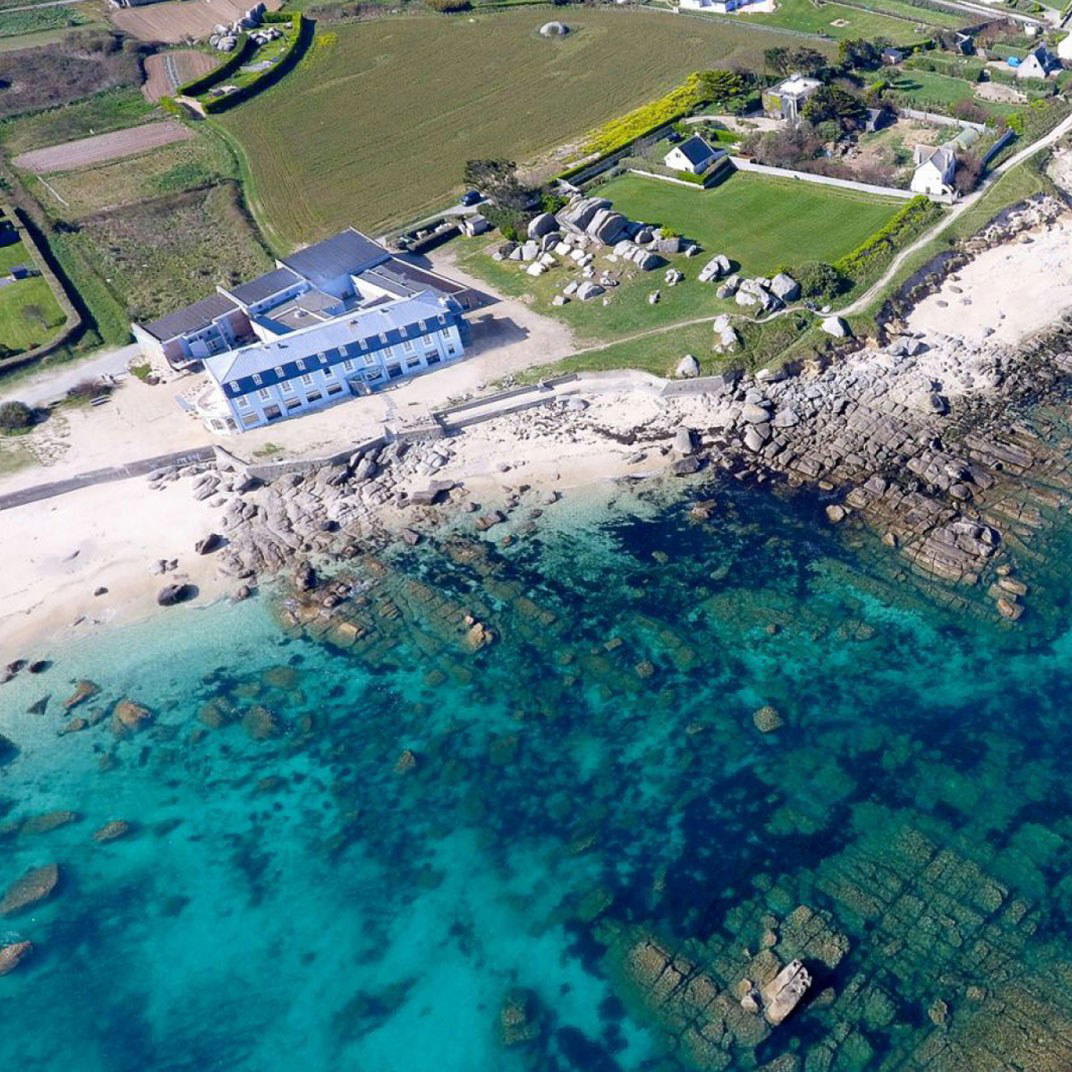
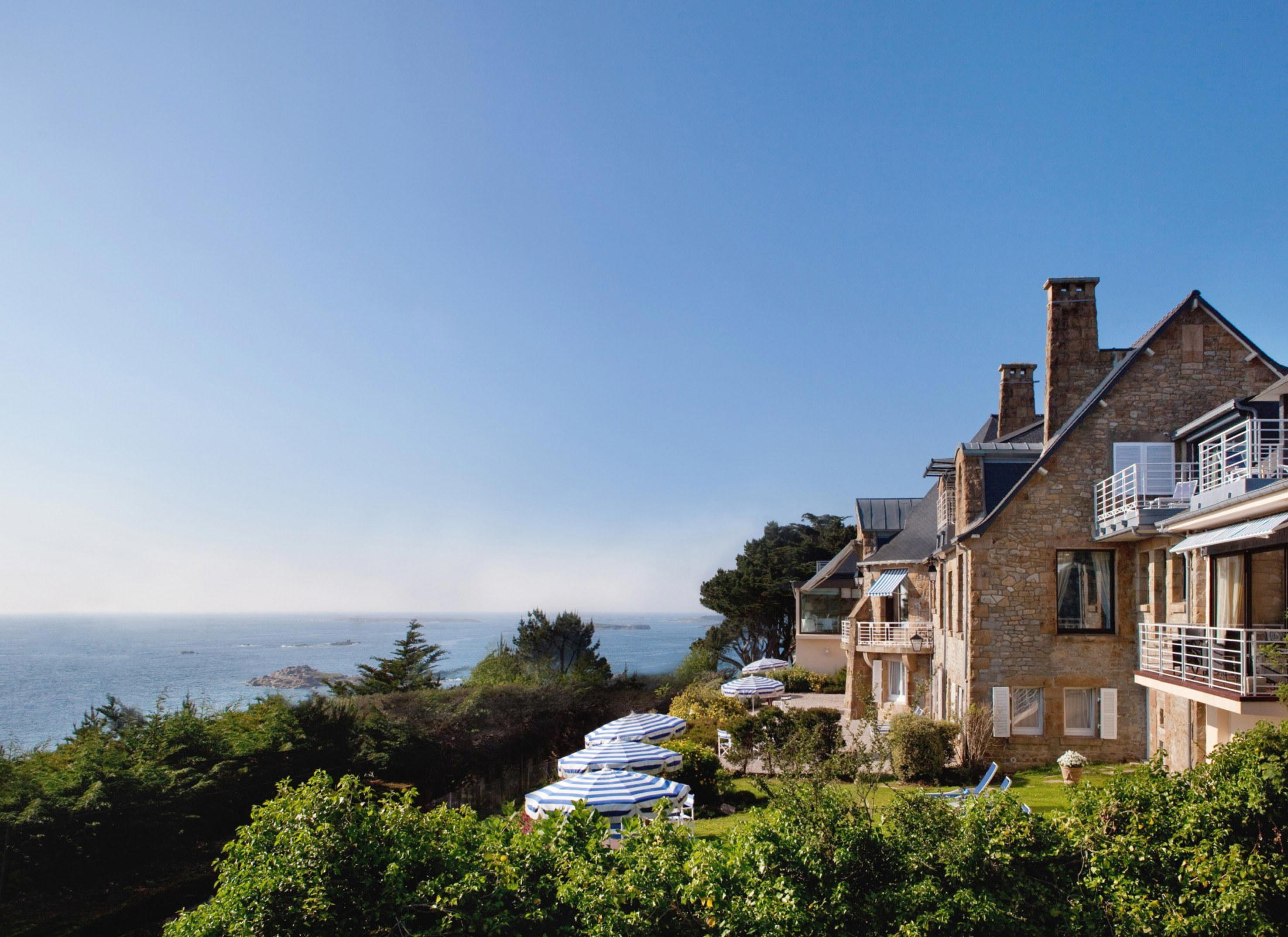
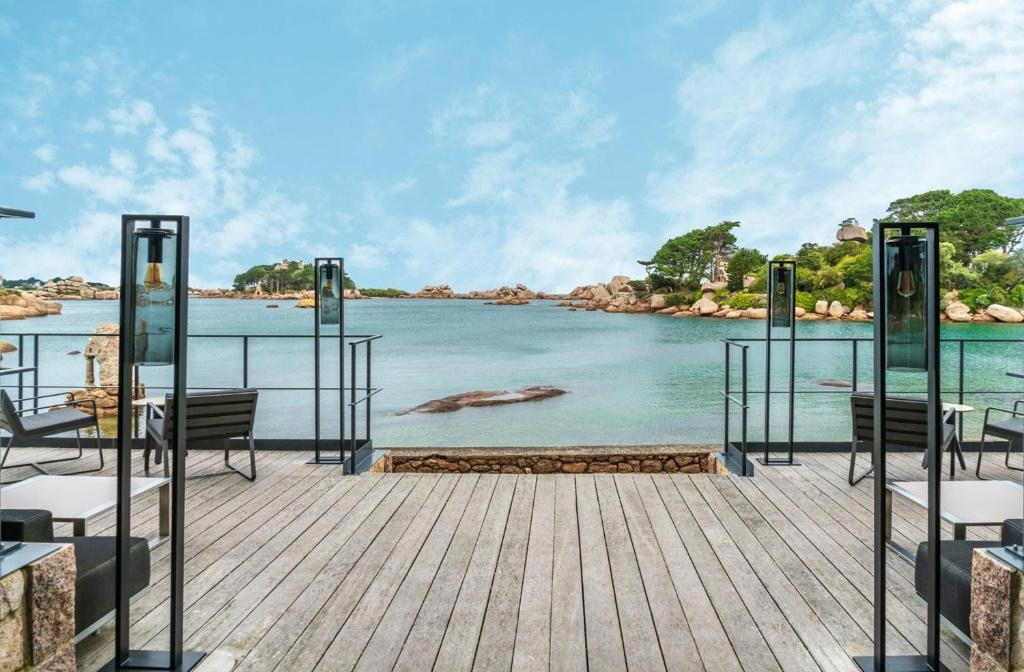
At a Glance
- Elegant
- Cozy
- Intimate
- Date Night
- Special Occasion
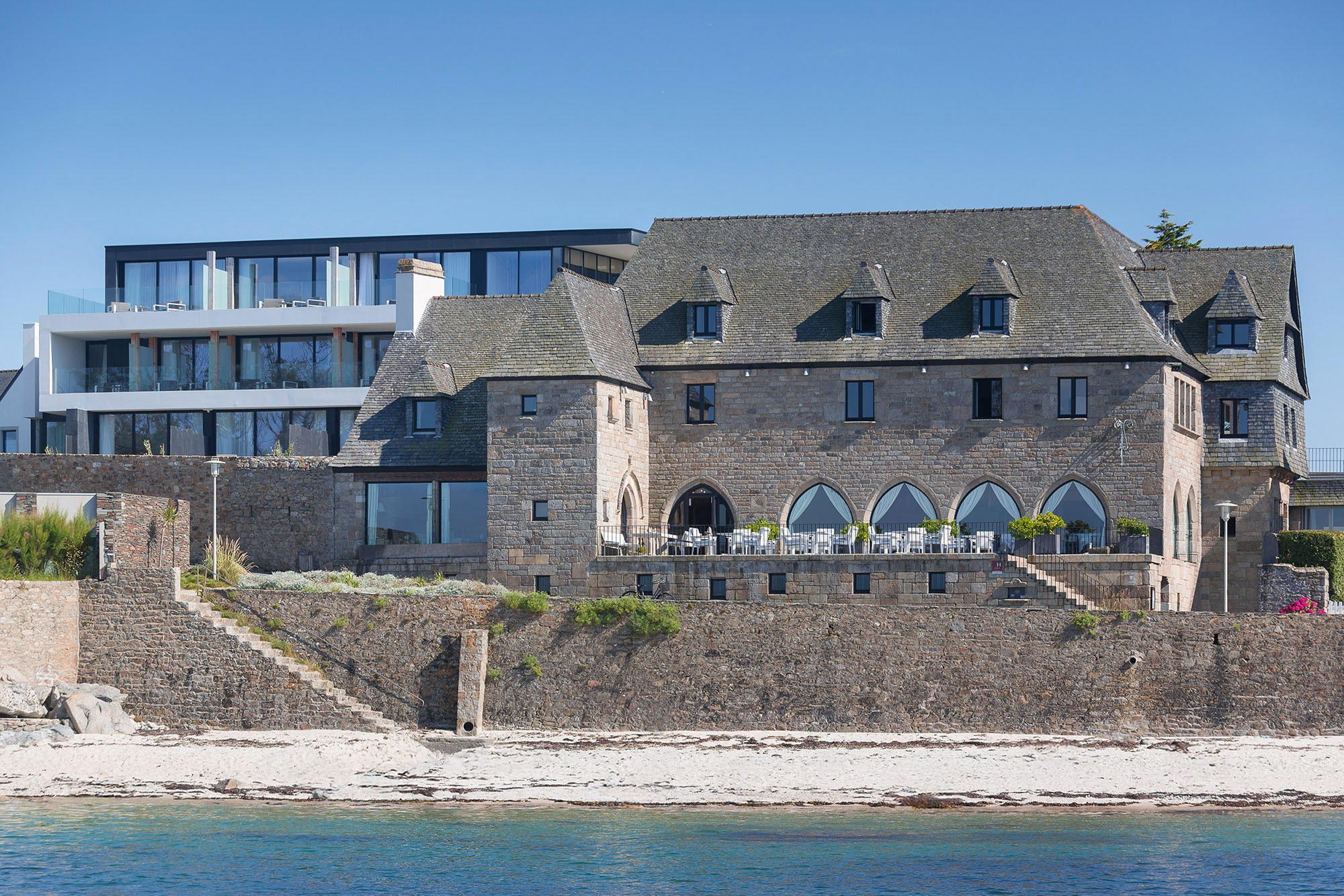
- Waterfront
- Local Sourcing
- Waterfront
- Street Scene
Current opening hours
- Monday
- Closed
- Tuesday
- 12–1:15 PM, 7–9 PM
- Wednesday
- 12–1:15 PM, 7–9 PM
- Thursday
- 12–1:15 PM, 7–9 PM
- Friday
- 12–1:15 PM, 7–9 PM
- Saturday
- 7–9 PM
- Sunday
- Closed
Hours can change for holidays and private events. Last verified .
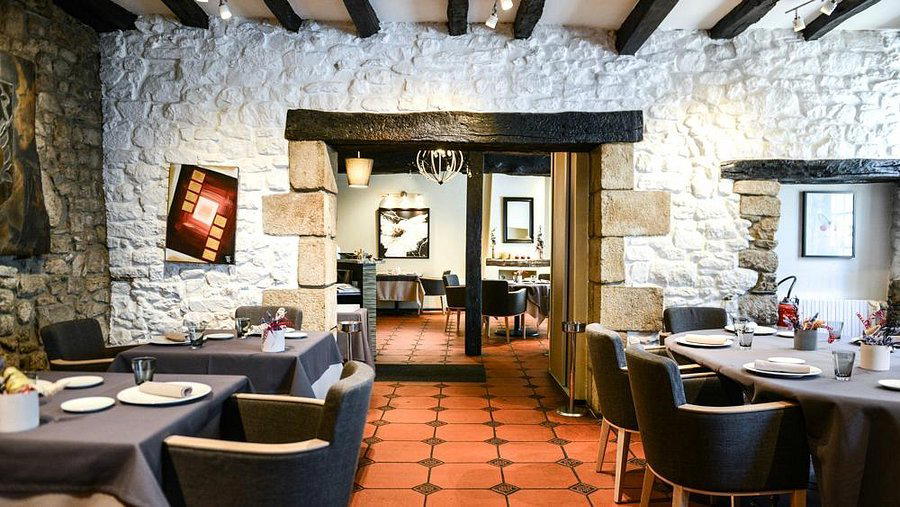
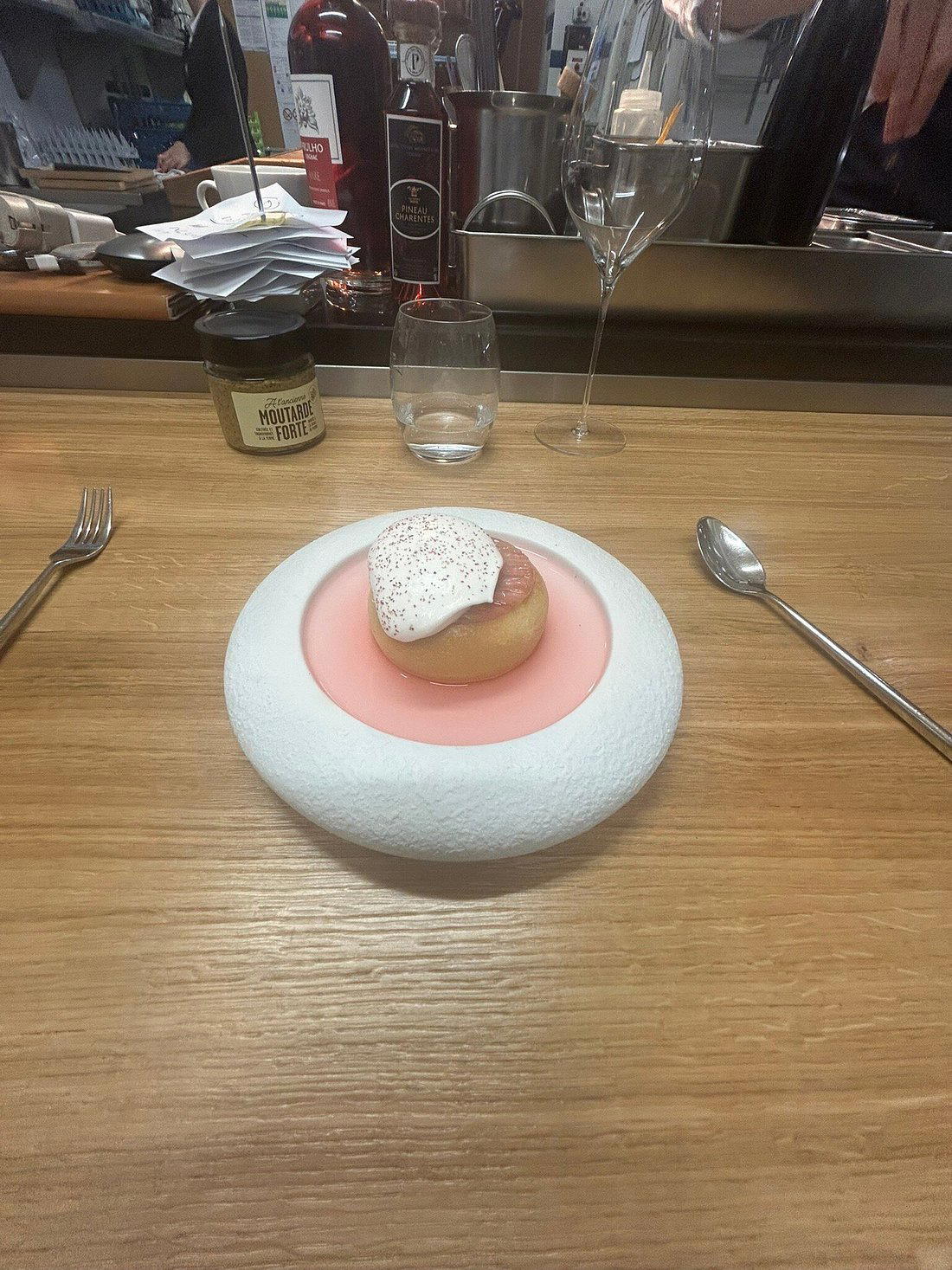
Élégant et feutré with chic contemporary veranda and polished dish plating.