Set along one of Metz's storied central streets, Les Arts et Métiers occupies a compelling position within a city whose dining scene has grown quietly ambitious over the past decade. The address at 2 Bis Rue Gambetta places it within easy reach of the cathedral quarter, where the local appetite for cooking that bridges regional tradition and modern technique has found fertile ground.
Pearl is the En Primeur Club membership app — saves, bookings, and concierge access live there. Same editors, same standards.
- Address
- 2 Bis Rue Gambetta, 57000 Metz, France
- Phone
- +33387559495
- Website
- brasseriemetz.fr
- Directions
- Get directions
 Saves & bookings on Pearl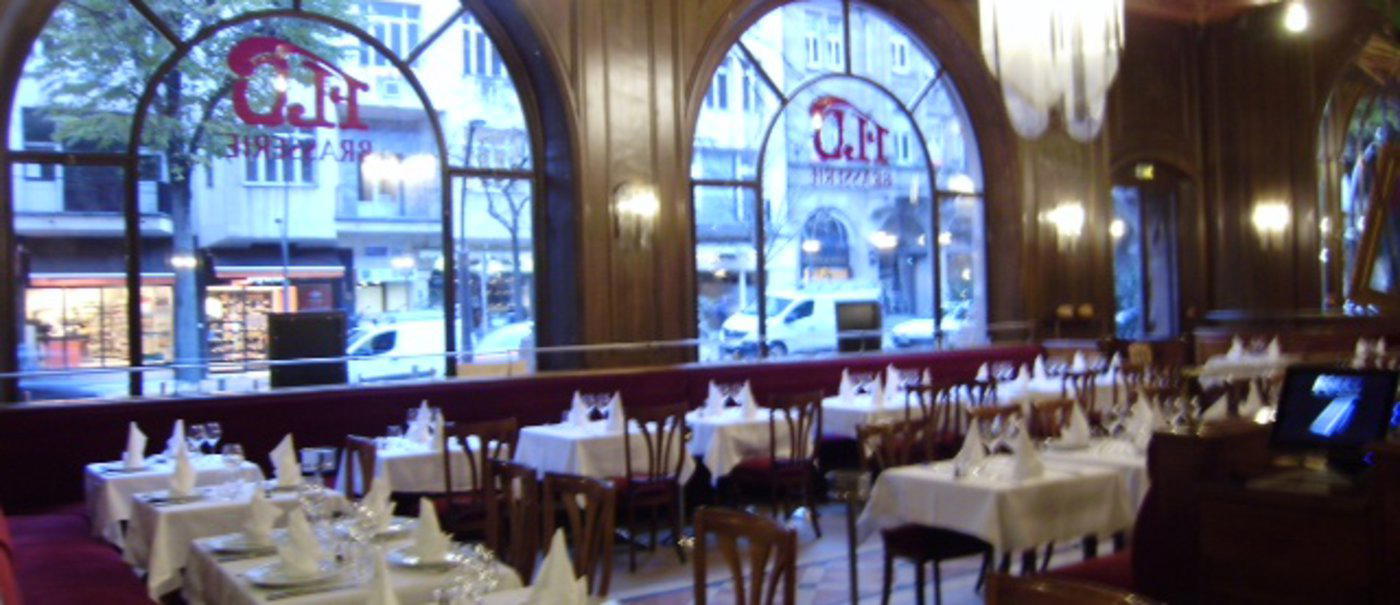
Metz, the Moselle, and the Question of Regional Ambition
France's northeastern corner has always complicated the national dining narrative. The Grand Est region, where Lorraine's butter-rich traditions meet Alsatian charcuterie culture and a centuries-long back-and-forth with Germanic influence, produces a cooking identity that resists easy categorisation. Metz sits at the pivot of this, a city whose Roman foundations and cathedral-dominated skyline attract a visitor class that has, in turn, pushed local restaurants toward greater seriousness. The address at 2 Bis Rue Gambetta positions Les Arts et Métiers inside the central historic grid, a neighbourhood where foot traffic from the Centre Pompidou-Metz and the cathedral quarter sustains demand rather than seasonal spikes alone.
That broader context matters for understanding what any ambitious Metz restaurant is working against and working with. Grand Est kitchens that earn sustained recognition tend to sit somewhere between Alsatian precision, the tradition that produced Au Crocodile in Strasbourg and Auberge de l'Ill in Illhaeusern, and a looser, more product-driven sensibility closer to what you find further south. The intersection of imported technique and indigenous product is where Grand Est cooking is most interesting, and where Metz's better kitchens are quietly staking their ground.
The Rue Gambetta Address: Entering the Space
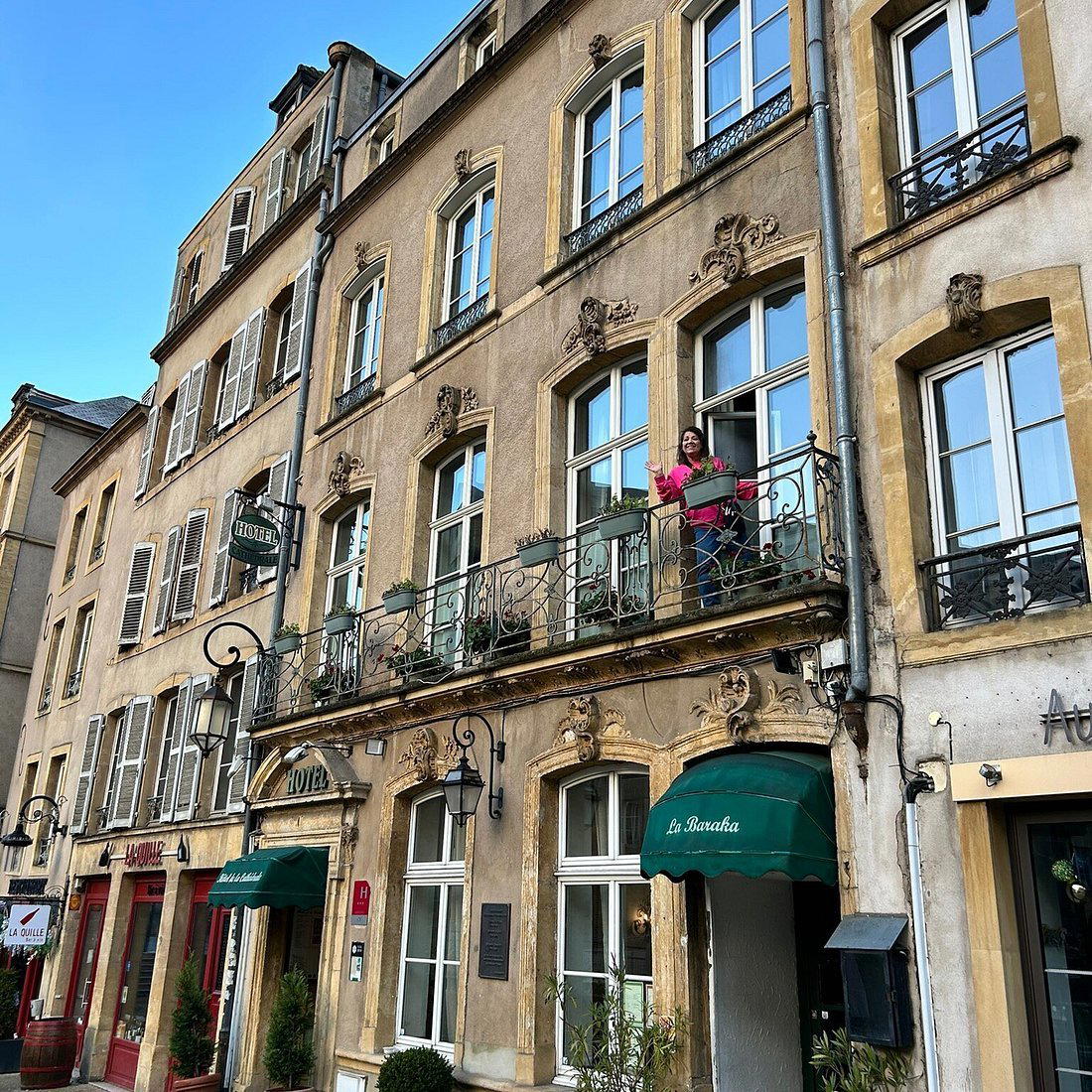
The street itself carries period weight. Rue Gambetta runs through the kind of 19th-century urban fabric that makes Metz one of the more architecturally coherent provincial cities in France, its German Imperial Quarter stone sitting alongside older French civic forms. A restaurant occupying a Gambetta address inherits that visual gravity whether it wants to or not. The approach on foot from the Place d'Armes or from the Moselle riverbanks takes a visitor through that architecture, arriving at a dining room that reads against a backdrop of genuine city character rather than tourist-strip adjacency.
For autumn and winter visits in particular, this area of Metz rewards the kind of dining that leans into season. The regional larder shifts significantly after October: Lorraine truffle, game from the Moselle valley, cèpes and other woodland mushrooms, and the aged dairy products that colder months encourage. Restaurants working this stretch of calendar in the Grand Est have historically had strong raw material to draw from, provided they are sourcing with attention to local producers rather than relying on national wholesale supply chains, a distinction that separates serious regional cooking from competent but generic French cuisine.
Where This Fits in Metz's Current Scene
Metz dining has developed an identifiable tier structure over the past several years. At the more experimental end, Yozora operates a creative format at the leading price point. Closer to the accessible middle, 2'Moiselles and Bouillon Batignolles anchor a casual-to-mid segment, while 83 Restaurant covers the Italian-leaning mid-market and Cantino rounds out an increasingly diverse set of options. Les Arts et Métiers, by its address and name register, sits somewhere in the mid-to-upper range of this scene, the kind of establishment that attracts both local professionals and visitors arriving specifically for the cultural cluster around the Pompidou satellite.
That visitor profile has direct implications for what a restaurant at this address needs to do. Cultural tourists arriving from Paris, Luxembourg, or across the German border bring comparison sets drawn from larger cities. They are eating at places like Assiette Champenoise in Reims and checking in with France's broader fine dining conversation. A Metz restaurant in this position competes less against its immediate neighbours and more against the general standard of ambitious provincial French cooking, a bar set by places including Bras in Laguiole, Flocons de Sel in Megève, and Mirazur in Menton.
The Local-Global Technical Tension in Grand Est Kitchens
One instructive lens for reading restaurants in this part of France is the tension between technique absorbed from outside the region and ingredients pulled directly from it. French culinary training, whether through classical apprenticeship or through exposure to the modernist wave that reshaped European cooking after the 1990s, tends to travel. Chefs who trained under high-pressure classical brigades, the tradition running from Paul Bocuse to Troisgros, or through the technically demanding Paris circuit represented by Alléno Paris au Pavillon Ledoyen, bring a transferable toolkit when they return to or settle in provincial cities. The interesting question, when applied to any ambitious Grand Est kitchen, is whether that toolkit is being used to express the Moselle and Lorraine ingredient base or to produce technically proficient cooking that happens to be located here.
At the more adventurous international end of the spectrum, kitchens like AM par Alexandre Mazzia in Marseille have shown how far technique can travel from its French classical foundation when applied to a specific terroir with genuine conviction. Closer geographically, Atomix in New York City and Le Bernardin demonstrate the global reach of this conversation about local ingredient meets imported method. For Metz, the challenge and the opportunity are the same: use what the Moselle valley and surrounding Lorraine countryside produce and apply to it whatever technical literacy the kitchen has acquired elsewhere.
Planning a Visit
For those building an itinerary around Metz's broader dining scene, the Rue Gambetta corridor rewards an approach that treats lunch and dinner as distinct decisions. The area around the cathedral and the Pompidou-Metz generates afternoon foot traffic that suits a longer lunch format, while evenings here have a quieter, more residential character than comparable central Paris streets. Reservations for dinner at any mid-to-upper-tier Metz address are advisable, particularly from September through December when the cultural season and cooler-weather dining appetite both peak.
Peers You’d Cross-Shop
Comparable venues nearby, for context on price, style, and recognition.
| Venue | Cuisine | Price | Notes |
|---|---|---|---|
| Les Arts et MétiersThis venue — the venue you are viewing | Traditional French Brasserie with Seafood | $$$ | Not listed |
| L'Assiette et le Verre | French Seasonal Bistro | $$$ | Place de Chambre, near Metz Cathedral |
| Restaurant Le Paris | Traditional French Bistro | $$ | centre-ville |
| 2'Moiselles | Seasonal French Bistronomy | $$$ | Outre-Seille |
| La Lanterne | Modern French with Jura Influences | $$$ | Place de Chambre |
| Terroirs de Lorraine | Lorraine Bistronomy | $$$ | Gare |


At a Glance
- Elegant
- Lively
- Classic
- Sophisticated
- Business Dinner
- Group Dining
- Casual Hangout
- Historic Building
Current opening hours
- Monday
- 10 AM–10 PM
- Tuesday
- Closed
- Wednesday
- 10 AM–10 PM
- Thursday
- 10 AM–10 PM
- Friday
- 10 AM–10 PM
- Saturday
- 10 AM–10 PM
- Sunday
- 10 AM–10 PM
Hours can change for holidays and private events. Last verified .
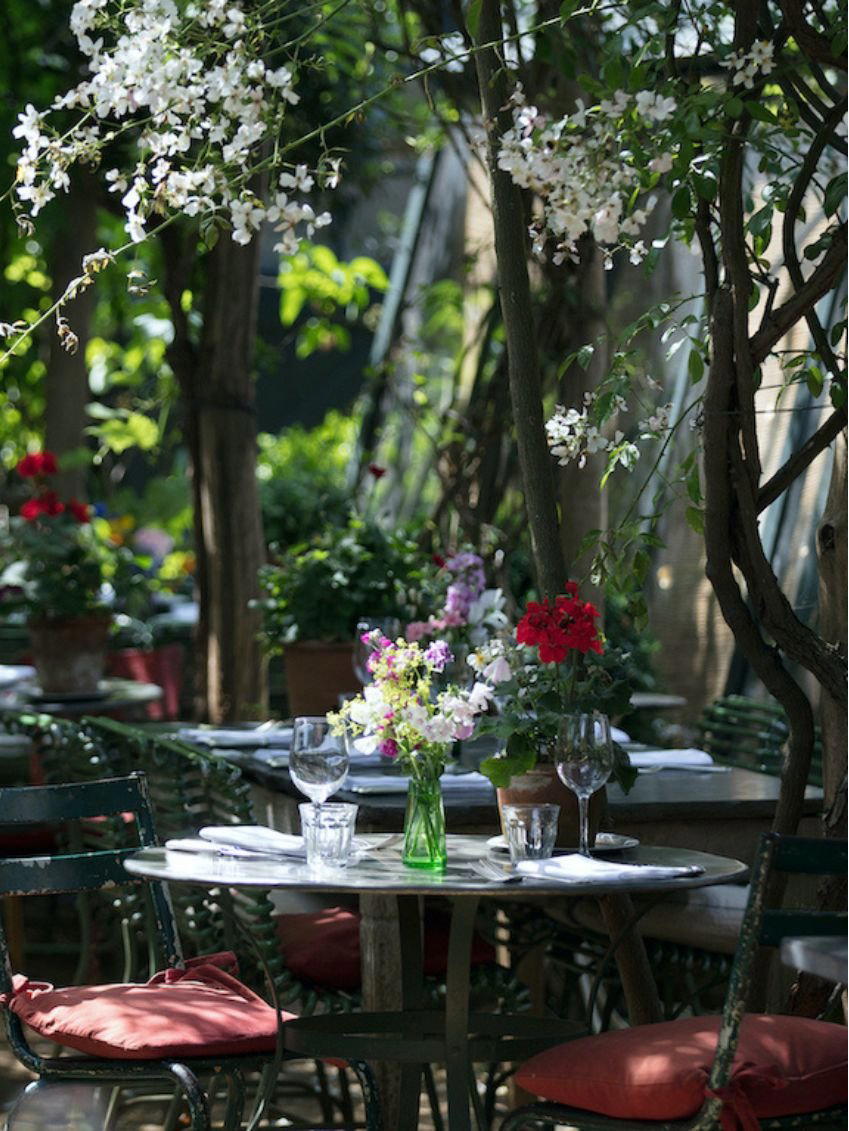
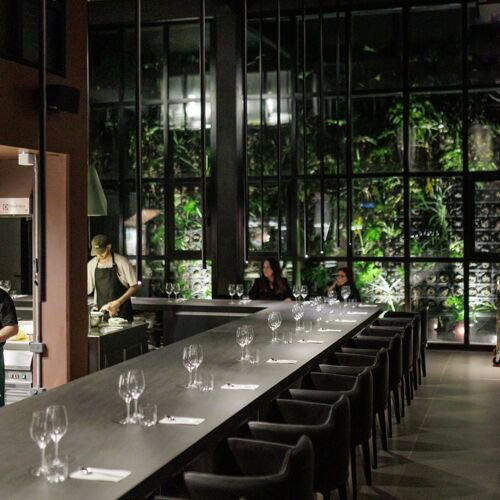
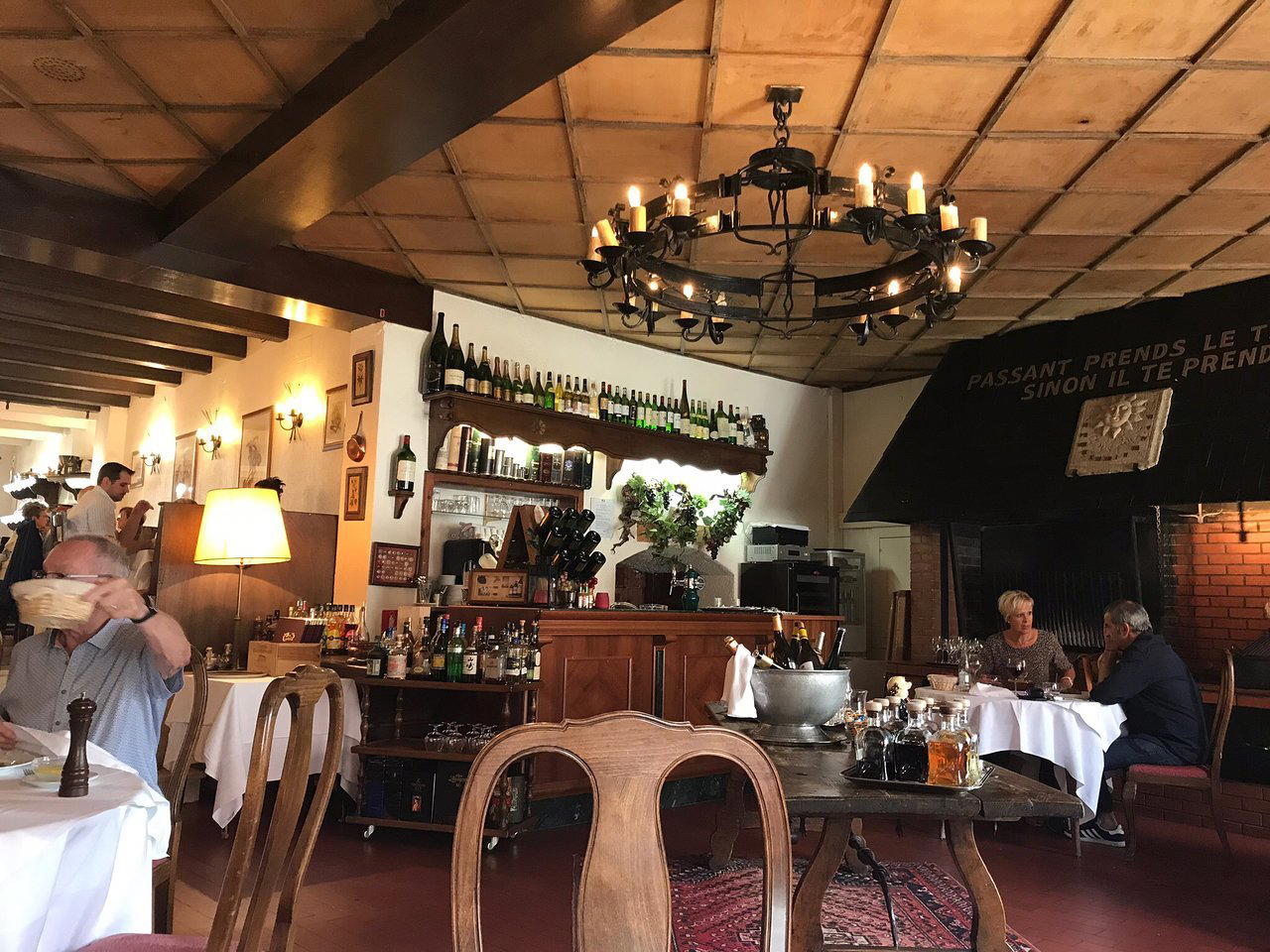
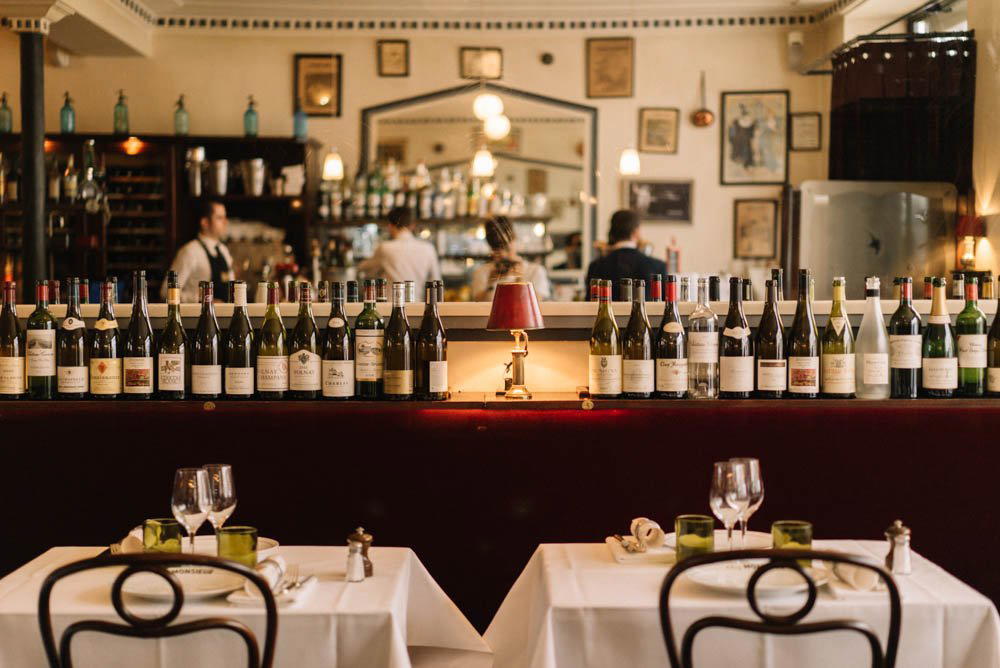
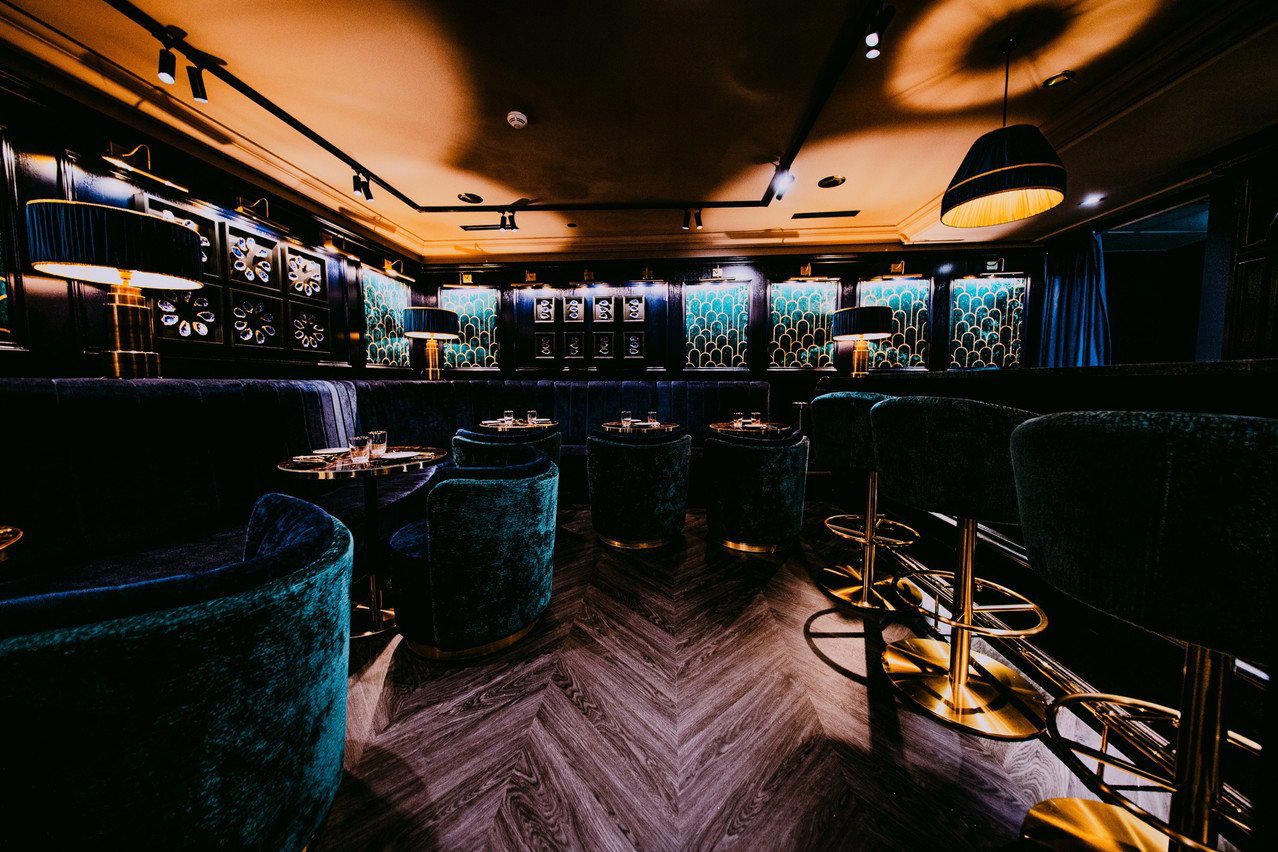
Spacious, lively, and elegant atmosphere with a prestigious setting that mixes Parisian charm and modern elegance.