On the main square of Pertuis, a small Provençal town between Aix-en-Provence and the Luberon, Les Barbus occupies the kind of address that rewards curiosity over convenience. The cooking draws from the agricultural density of the surrounding Vaucluse, where market gardens, olive groves, and sheep farms sit within a short radius of the kitchen. For travellers moving between the coast and the upland villages, it is a deliberate stop rather than an accident.
Pearl is the En Primeur Club membership app — saves, bookings, and concierge access live there. Same editors, same standards.
- Address
- 72 Pl. Jean Jaurès, 84120 Pertuis, France
- Phone
- +33987153808
- Website
- facebook.com
- Directions
- Get directions
 Saves & bookings on Pearl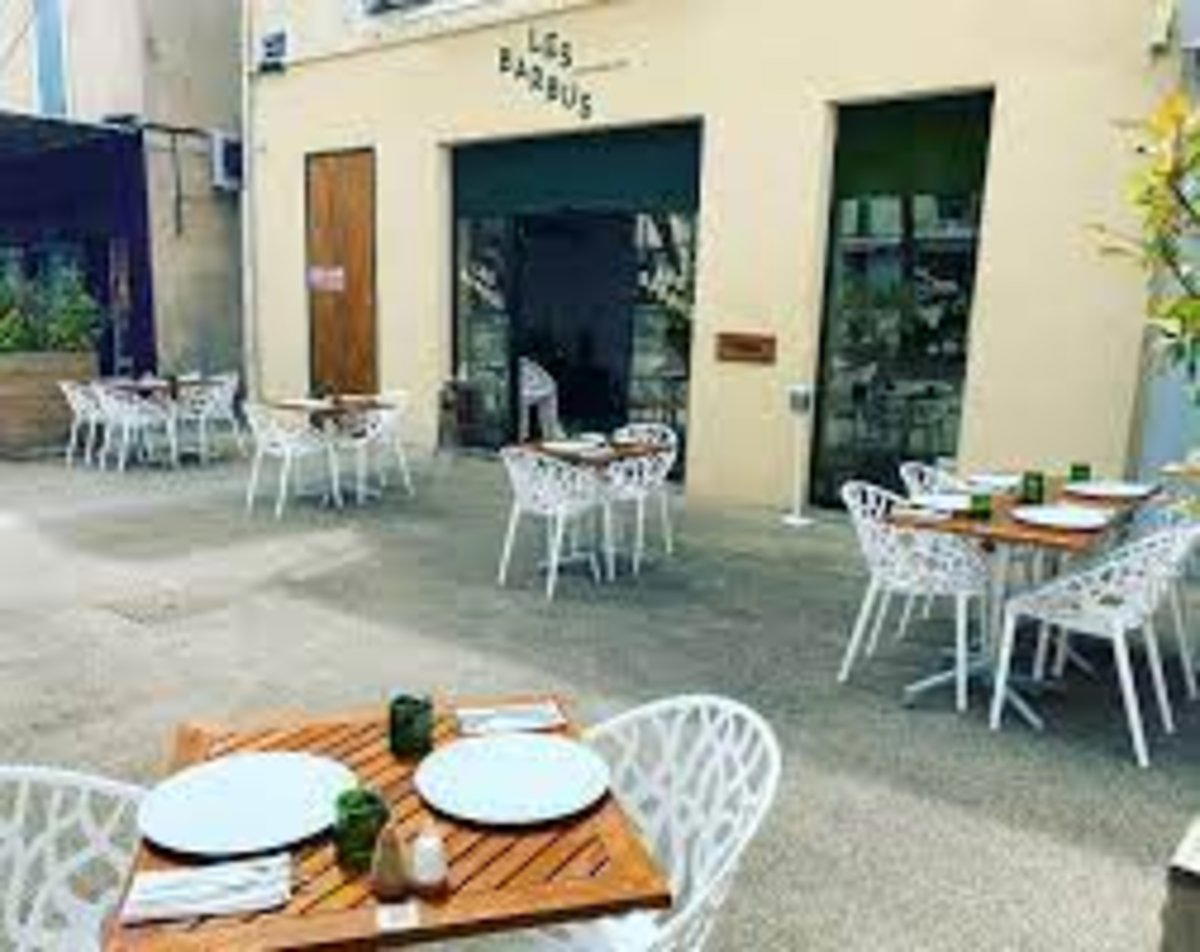
Place Jean Jaurès and What It Says About Provençal Dining
Place Jean Jaurès is the civic centre of Pertuis: plane trees, a fountain, the rhythmic shuffle of a Tuesday market. Restaurants that open onto this kind of square in southern France carry a particular obligation. They are eating into a tradition of public sociability, of meals that extend into the afternoon, of wine poured without ceremony. Les Barbus is a Modern French Bistro in Pertuis at 72 Place Jean Jaurès. The setting is not a designed aesthetic choice, it is the baseline from which the kitchen operates.
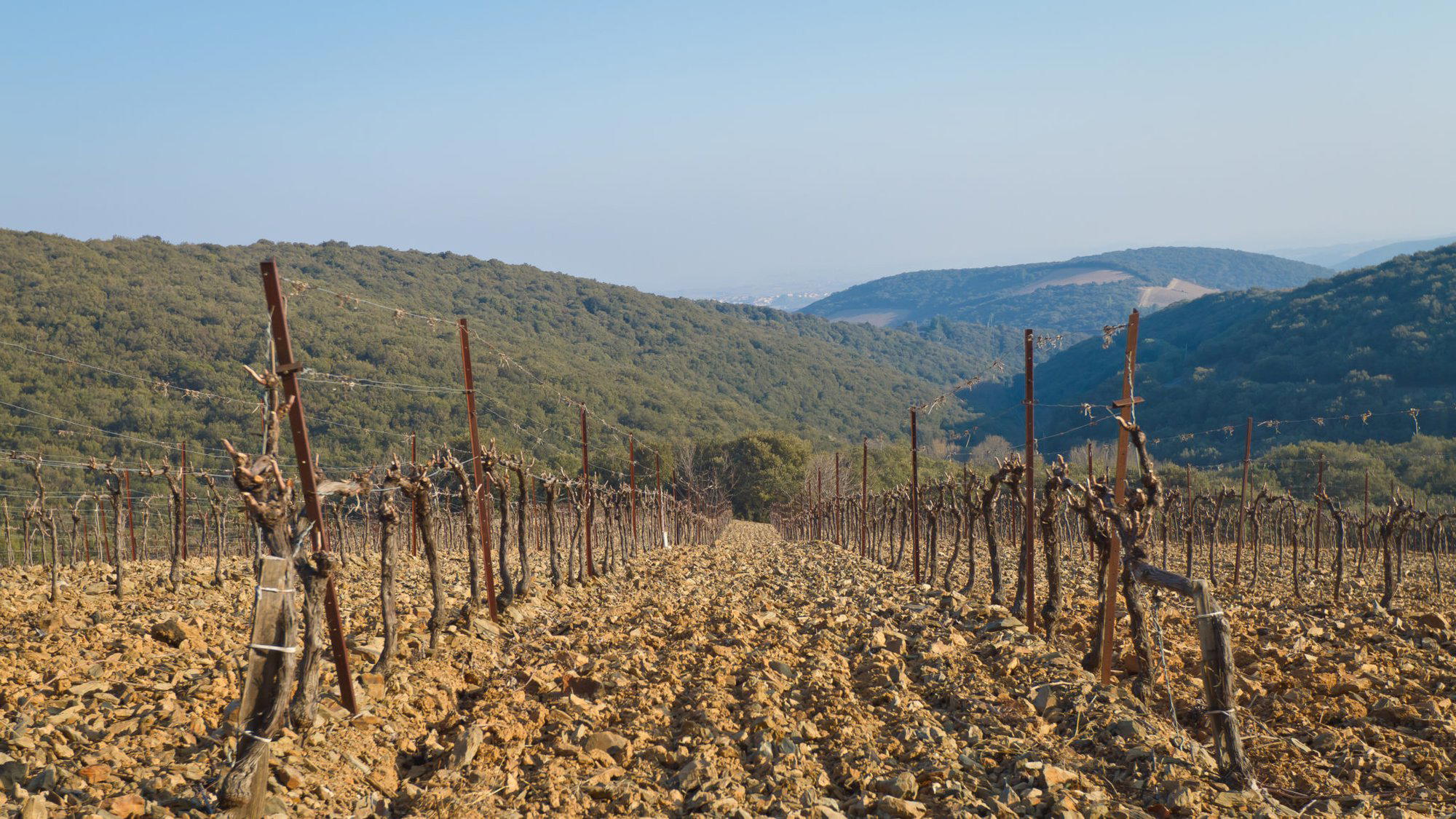
Pertuis itself sits in a productive agricultural corridor. To the north, the Luberon plateau and its villages; to the south, the Étang de Berre plain and eventually Aix-en-Provence, roughly 25 kilometres away. The Vaucluse département that contains the town is among the more intensively farmed areas of Provence, with AOC olive oil, asparagus from Lauris, early-season vegetables from the Durance valley plain, and lamb from the Luberon hills all produced within a narrow radius. That density of local supply is the underlying condition for cooking in this part of France, a condition that distinguishes it sharply from the supply chains that feed urban restaurant kitchens in Paris or Lyon.
Ingredient Sourcing as Regional Argument
In French regional cooking, the credibility of a table is often read through its proximity to its ingredients. This is not a recent philosophy, it is how cooking in Provence operated for generations before it became a marketing term. The Luberon and Durance corridor delivers a particular seasonal calendar: asparagus in April, courgette flowers through early summer, stone fruits from July, wild mushrooms in autumn, and the winter roots and dried legumes that have defined the inland Provençal table for centuries.
A kitchen in Pertuis with genuine access to this supply chain is positioned differently from one working in a larger city. The market on Place Jean Jaurès runs multiple times per week and draws producers from the surrounding communes. Short distances between farm and kitchen mean that decisions about what to cook can follow what arrived that morning rather than what was ordered two days earlier. This is not incidental to the dining experience at Les Barbus, it is the structural condition that shapes it.
For comparison, the kitchens that define French fine dining at the highest tier, Mirazur in Menton, Bras in Laguiole, or L'Oustau de Baumanière in Les Baux, have built international reputations in part on the argument that their location grants them privileged access to specific ingredients. The logic holds at every tier: place matters because supply matters.
The Character of the Square and How to Arrive
Pertuis is most easily reached by car. It lies just off the A51 autoroute that runs north from Aix-en-Provence toward Gap, with the town exit well signed. From Aix, the drive takes under 30 minutes. From Marseille, allow 45 minutes depending on traffic through the northern ring road. The TER regional rail service connects Pertuis to Aix, though the station sits on the edge of town; the square is a ten-minute walk or a short taxi ride. If you are arriving from the Luberon villages, Lourmarin, Cucuron, or Ansouis, the drive descends through agricultural land and enters Pertuis from the north, with the old town centre and the square accessible within minutes of arrival.
Parking is available around the square itself and on adjacent streets, though on market mornings the immediate area is congested and visitors should allow extra time. The atmosphere on the square shifts noticeably between a weekday lunch and a Saturday evening: midweek, the pace is unhurried and local; weekend evenings draw a wider catchment that includes visitors from the hill villages and day-trippers from Aix.
Pertuis in the Broader South of France Dining Context
The towns of inland Provence, Pertuis, Apt, Manosque, Forcalquier, do not generate the same volume of dining attention as the coast or the Luberon villages with established tourist infrastructure. This is partly a function of profile: the celebrated addresses in the south of France that appear regularly in international press tend to cluster around Marseille (AM par Alexandre Mazzia), the Riviera (Mirazur in Menton), or the prestige villages like Les Baux (L'Oustau de Baumanière).
Smaller market towns occupy a different position in the ecosystem. They serve a local population year-round, adjust to seasonal agricultural rhythms rather than tourist seasons, and tend to price in a register that reflects regional economics rather than destination premiums. For the traveller who uses fine dining itineraries as a way of mapping French regional culture, rather than as an end in themselves, these tables provide a different kind of reading than a three-star in a destination village.
Other notable French tables operating in similarly rooted, non-capital contexts include Auberge du Vieux Puits in Fontjoncouse, Georges Blanc in Vonnas, Auberge de l'Ill in Illhaeusern, and Flocons de Sel in Megève, all of which have built reputations in provincial towns rather than urban centres, drawing on the same argument that proximity to raw materials constitutes a form of culinary authority that no city address can fully replicate. At the pinnacle of urban French fine dining, Alléno Paris au Pavillon Ledoyen and Assiette Champenoise in Reims represent a contrasting model, one built on technical ambition and supply logistics at scale rather than the short-chain sourcing that defines the Provence market-town table.
Planning a Visit
Les Barbus is open Tuesday through Saturday for lunch and dinner, and closed Monday and Sunday. Reservations are recommended. For visitors building a wider southern France itinerary, pairing Pertuis with Troisgros - Le Bois sans Feuilles in Ouches, Paul Bocuse - L'Auberge du Pont de Collonges, or international references like Le Bernardin in New York City and Atomix in New York City may offer useful contrast across dining registers. Within France, Christopher Coutanceau in La Rochelle, La Marine in Noirmoutier-en-l'île, and Au Crocodile in Strasbourg each represent distinct regional dining traditions that reward the same approach, arriving with knowledge of context, not just coordinates.
Fast Comparison
Comparable venues nearby, for context on price, style, and recognition.
| Venue | Cuisine | Price | Notes |
|---|---|---|---|
| Les BarbusThis venue — the venue you are viewing | Modern French Bistro | $$ | Not listed |
| Aigo Blanco | French Bistro | $$ | old quarter |
| Café Vian | French Bistro | $$ | Thiers |
| La Place | French Mediterranean Bistro | $$ | Puyloubier |
| Le Four à Chaux | French Bistronomy with Local Mediterranean Influences | $$ | Caromb |
| Crêperie Glacier l'Igloo | French Crêperie & Artisan Ice Cream | $$ | Basse Ville |
Continue exploring
More in Pertuis
Restaurants in Pertuis
Browse all →
Bars in Pertuis
Browse all →
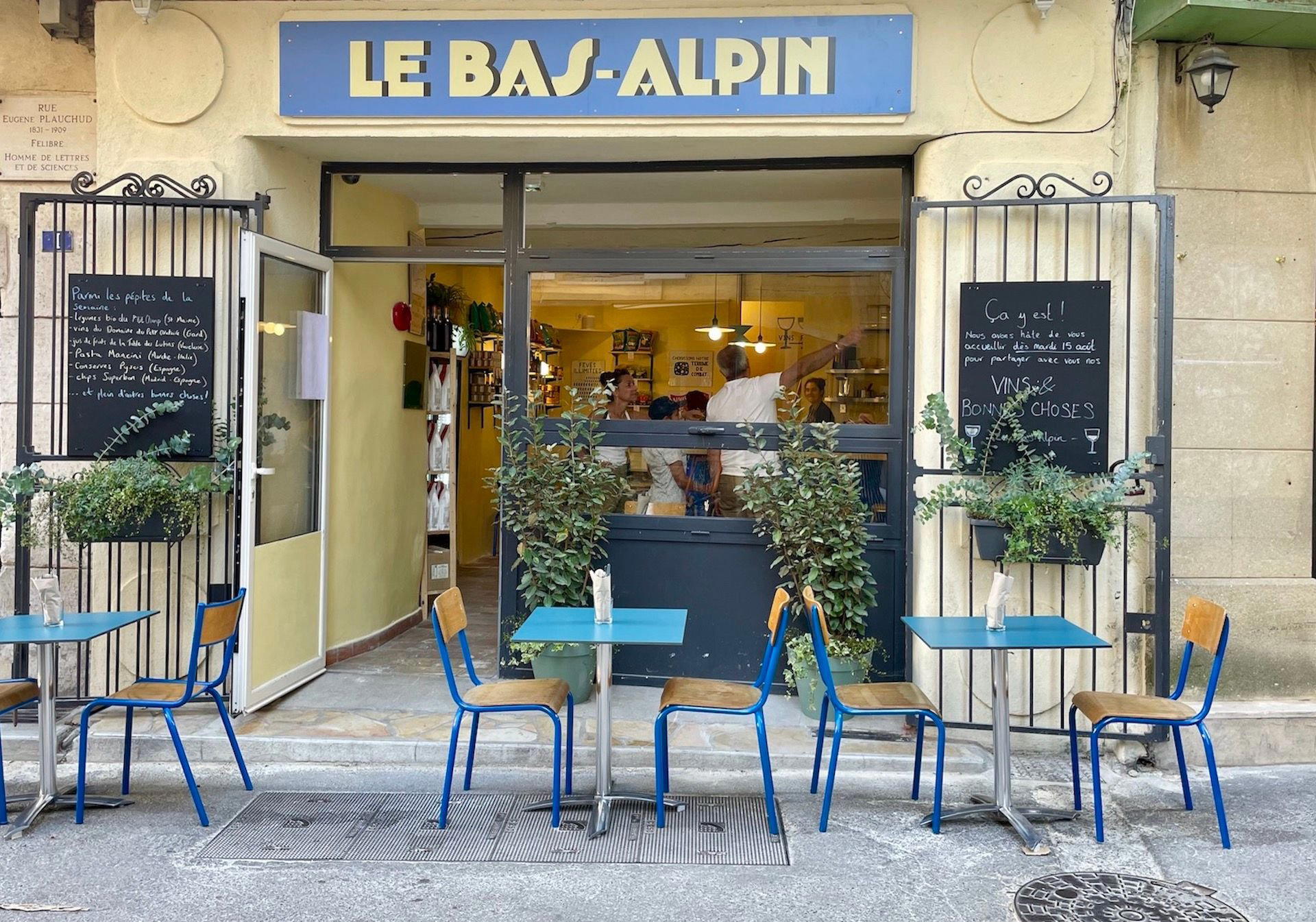
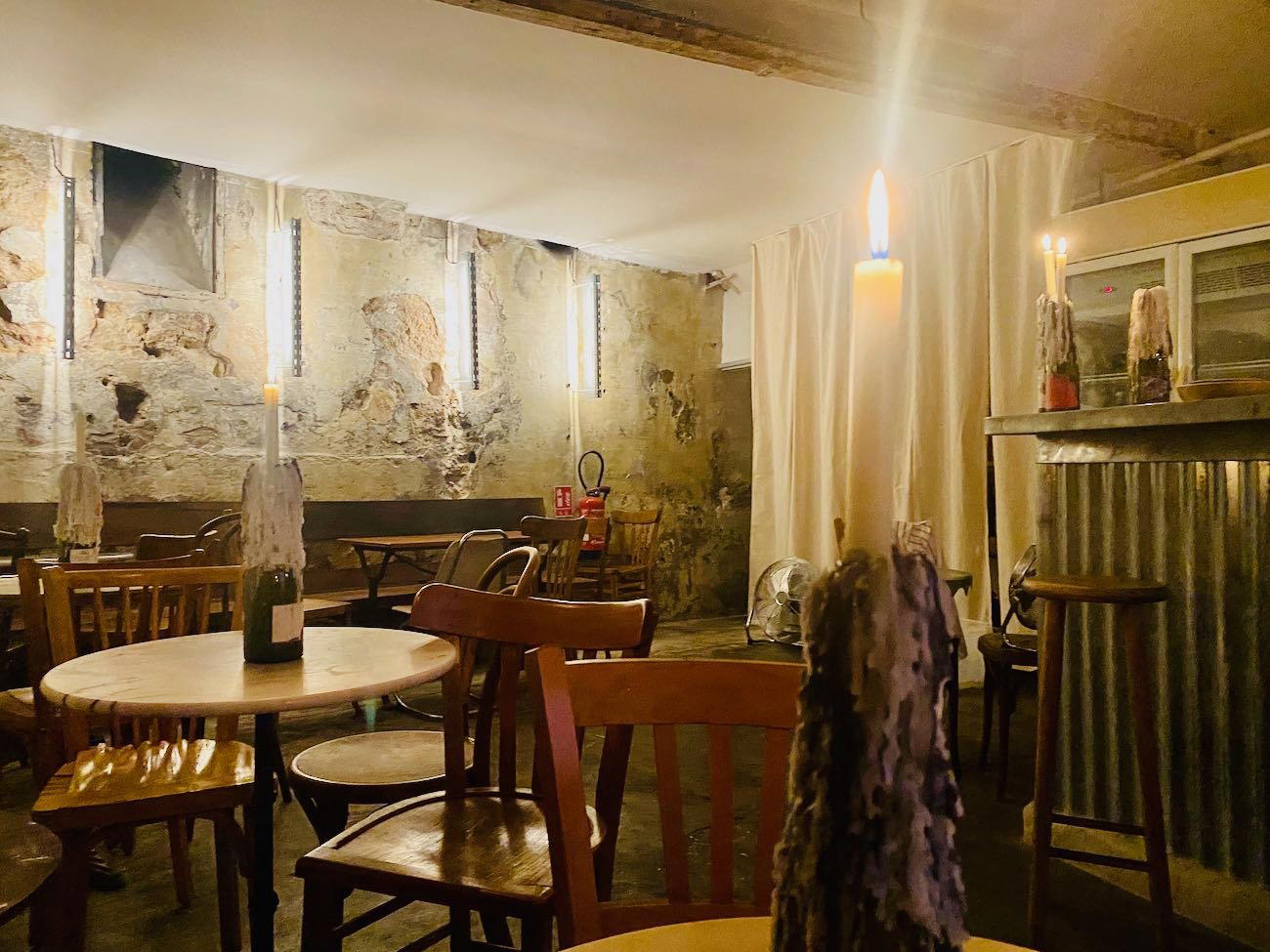
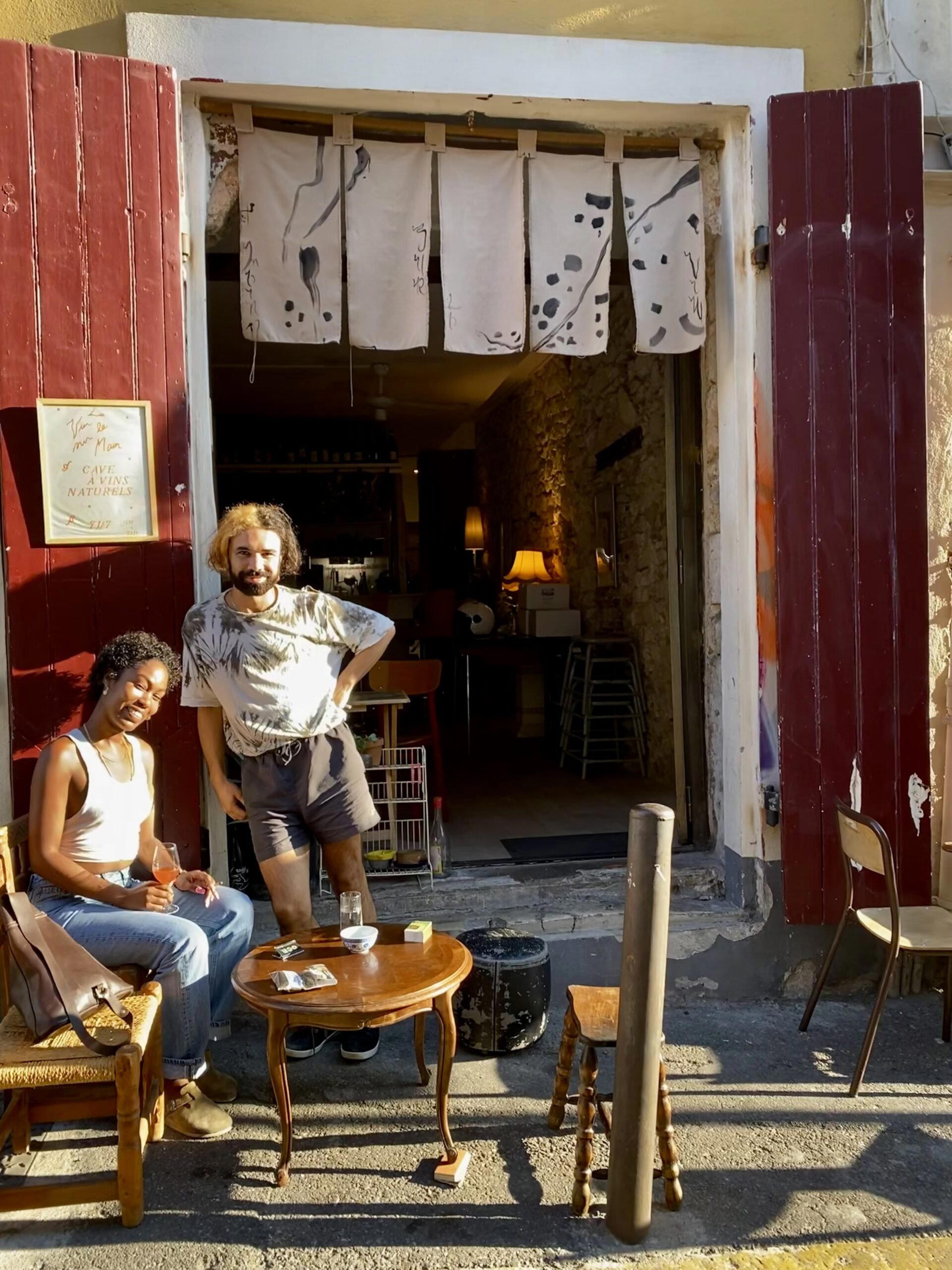
Hotels in Pertuis
Browse all →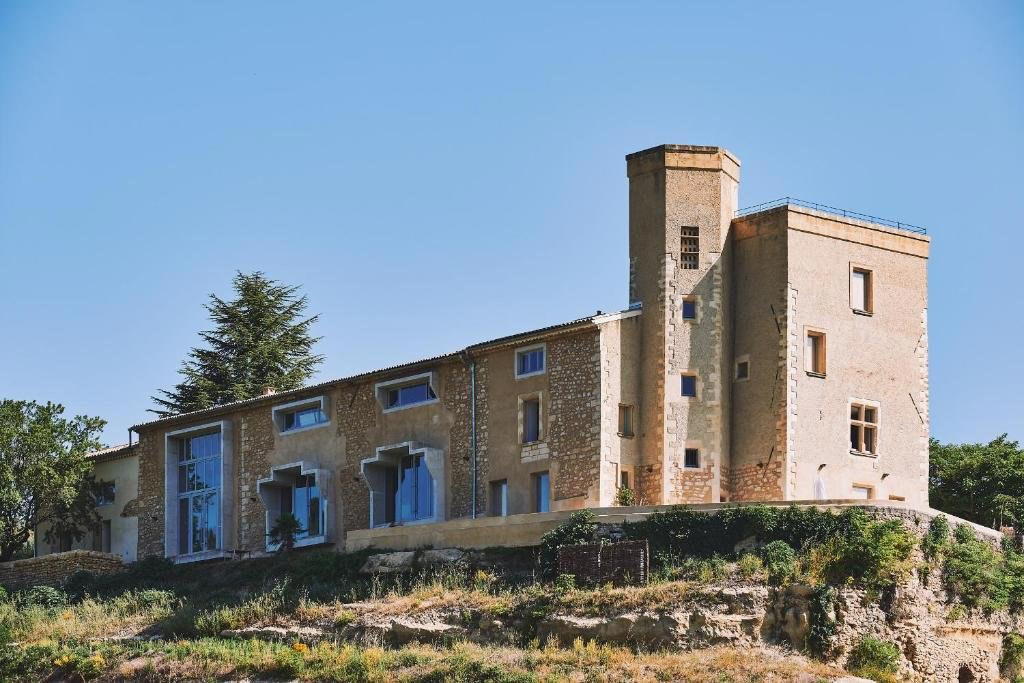

At a Glance
- Modern
- Cozy
- Date Night
- Casual Hangout
- Open Kitchen
- Terrace
- Natural Wine
- Street Scene
Current opening hours
- Monday
- Closed
- Tuesday
- 12–2 PM, 7:30–10 PM
- Wednesday
- 12–2 PM, 7:30–10 PM
- Thursday
- 12–2 PM, 7:30–10 PM
- Friday
- 12–2 PM, 7:30–10 PM
- Saturday
- 12–2 PM, 7:30–10 PM
- Sunday
- Closed
Hours can change for holidays and private events. Last verified .
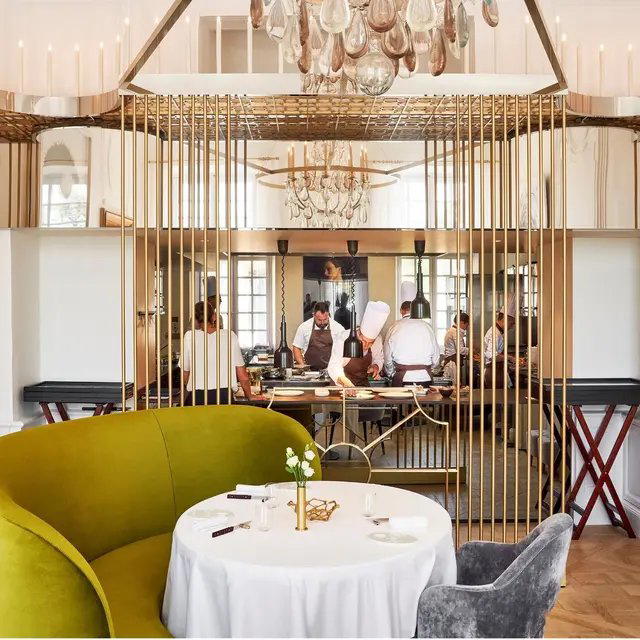
Modern decor with open kitchen, black brick, parquet flooring, and loft style, creating a ravishing atmosphere.