Les Collines
Our verdict
Les Collines sits in La Sage, a quiet village in the Val d'Hérens above the Rhône Valley floor, where the Alps compress the growing season and define what ends up on the plate. The setting places it within a broader tradition of mountain restaurants that draw their identity as much from altitude and terrain as from kitchen technique. For those making the drive up from Sion or Evolène, the address itself is part of the editorial.

Pearl is the En Primeur Club membership app — saves, bookings, and concierge access live there. Same editors, same standards.
- Address
- La Sage d'en haut 109, 1985 La Sage, Switzerland
- Phone
- +41272831344
- Hours
- Mon 9 AM–11:30 PMTue–Wed ClosedThu–Sun 9 AM–11:30 PM
- Website
- lescollines.ch
- Directions
- Get directions
The menu
What to order
- Local hunt dishes
- Lamb sweetbreads
- Slow cooked pork belly
Where Altitude Shapes the Plate
In the Swiss Alps, the relationship between a restaurant and its surroundings is rarely decorative. At this elevation in the Val d'Hérens, the terrain actively determines what is available, what can be stored, and what must be sourced from elsewhere. Restaurants that take this seriously operate within a different logic than their urban counterparts: the mountain is not backdrop but ingredient list. Les Collines, located in La Sage at the address La Sage d'en haut 109, sits within this tradition, in a village where the road narrows and the valley opens into something older and less mediated than the resort towns further along the Rhône.
La Sage itself is a hamlet in the commune of Evolène, roughly 1,700 metres above sea level, and the approach from Sion takes you through a succession of terraced vineyards, walnut groves, and dry-stone walls that mark the shift from valley floor to high alpine pasture. By the time you arrive, the air is different and so is the logic of eating. Seasonal specificity is not a marketing position at this altitude; it is an operating constraint. What the farms around Evolène produce in any given month is broadly what the kitchen must work with. That constraint, historically, is what gave mountain cuisine in Valais its character: slow-braised cuts, cured meats, aged cheeses from herds that move between pastures, and preparations that extend the usable life of perishable ingredients across winters that last longer than the calendar suggests.
The Val d'Hérens Ingredient Tradition
Valais sits at the intersection of French, Italian, and German culinary influences, and the Val d'Hérens in particular has maintained a food culture tied to its Hérens cattle, the short-legged alpine breed famous for the combats de reines and for producing milk with fat content suited to the region's traditional cheeses. The cheese of Evolène and its surrounding hamlets, aged in stone cellars built into hillsides, carries a flavour profile shaped by the high-altitude pastures the cattle graze from late spring through early autumn. This is the kind of sourcing context that urban restaurants cite as aspiration; in La Sage, it is geography. For any kitchen operating in this village, proximity to that ingredient tradition is unavoidable.
Switzerland's broader fine dining conversation happens at tables like Schloss Schauenstein in Fürstenau, Memories in Bad Ragaz, or focus ATELIER in Vitznau, all of which operate at the €€€€ tier and draw from regional sourcing traditions shaped by their specific geography. The Val d'Hérens occupies a different register: less accessible, less trafficked by international visitors, and defined by an ingredient culture that has not been heavily commercialised. That relative obscurity is not a weakness. It is what keeps the sourcing honest.
The Setting at Les Collines
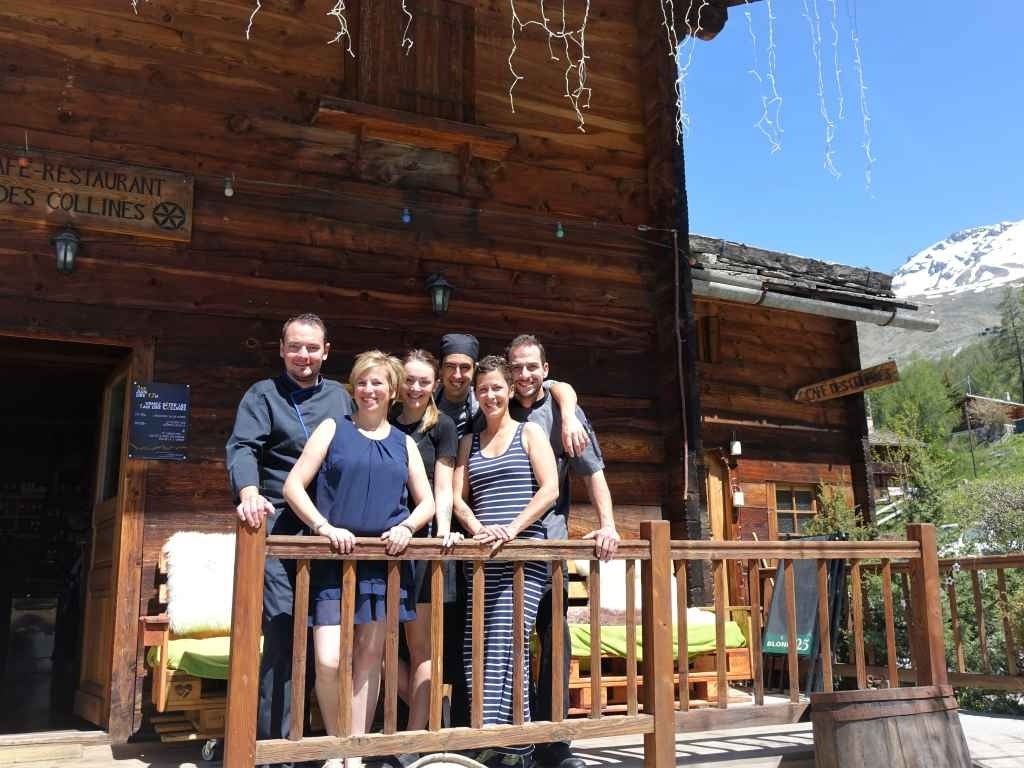
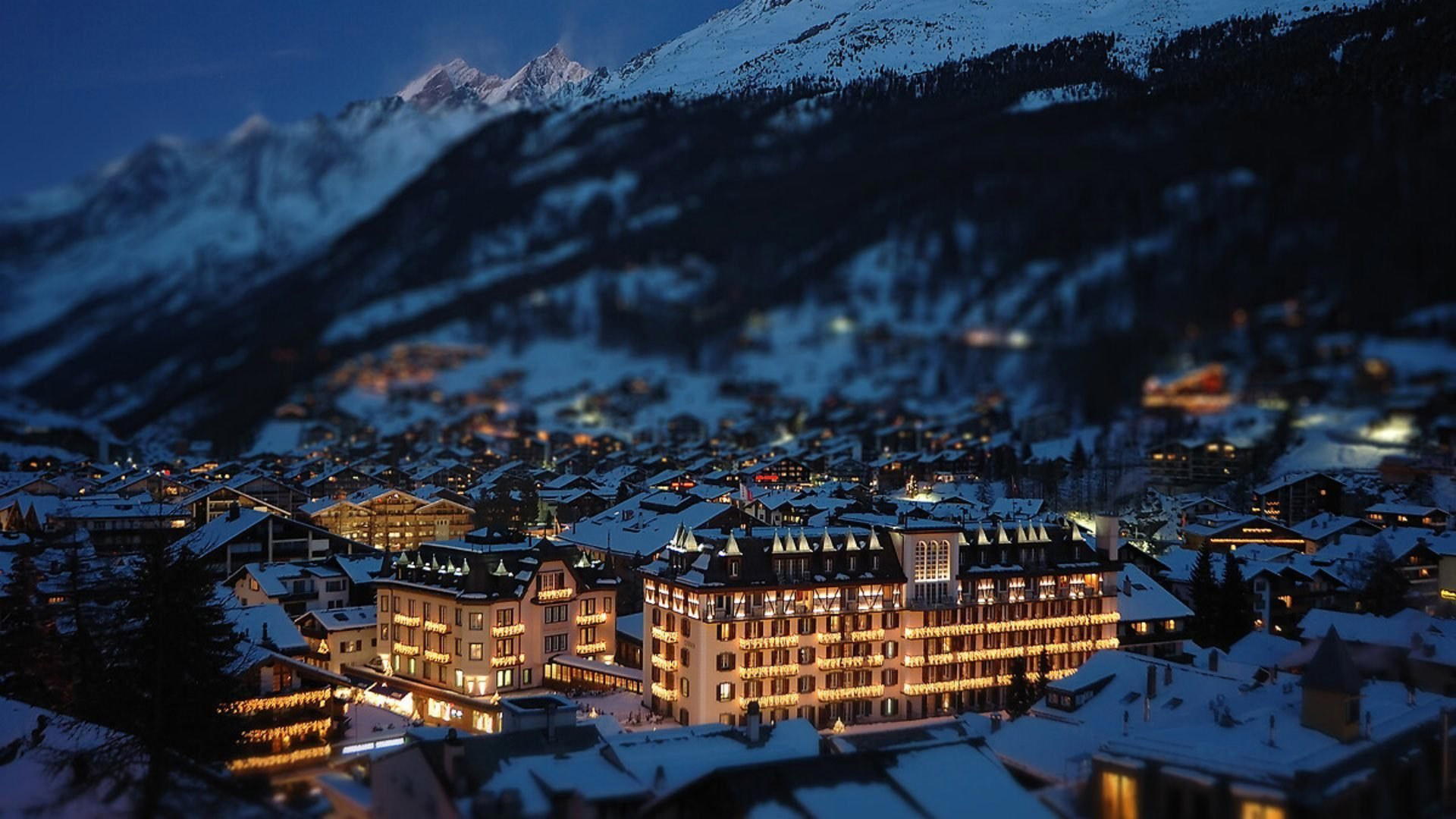
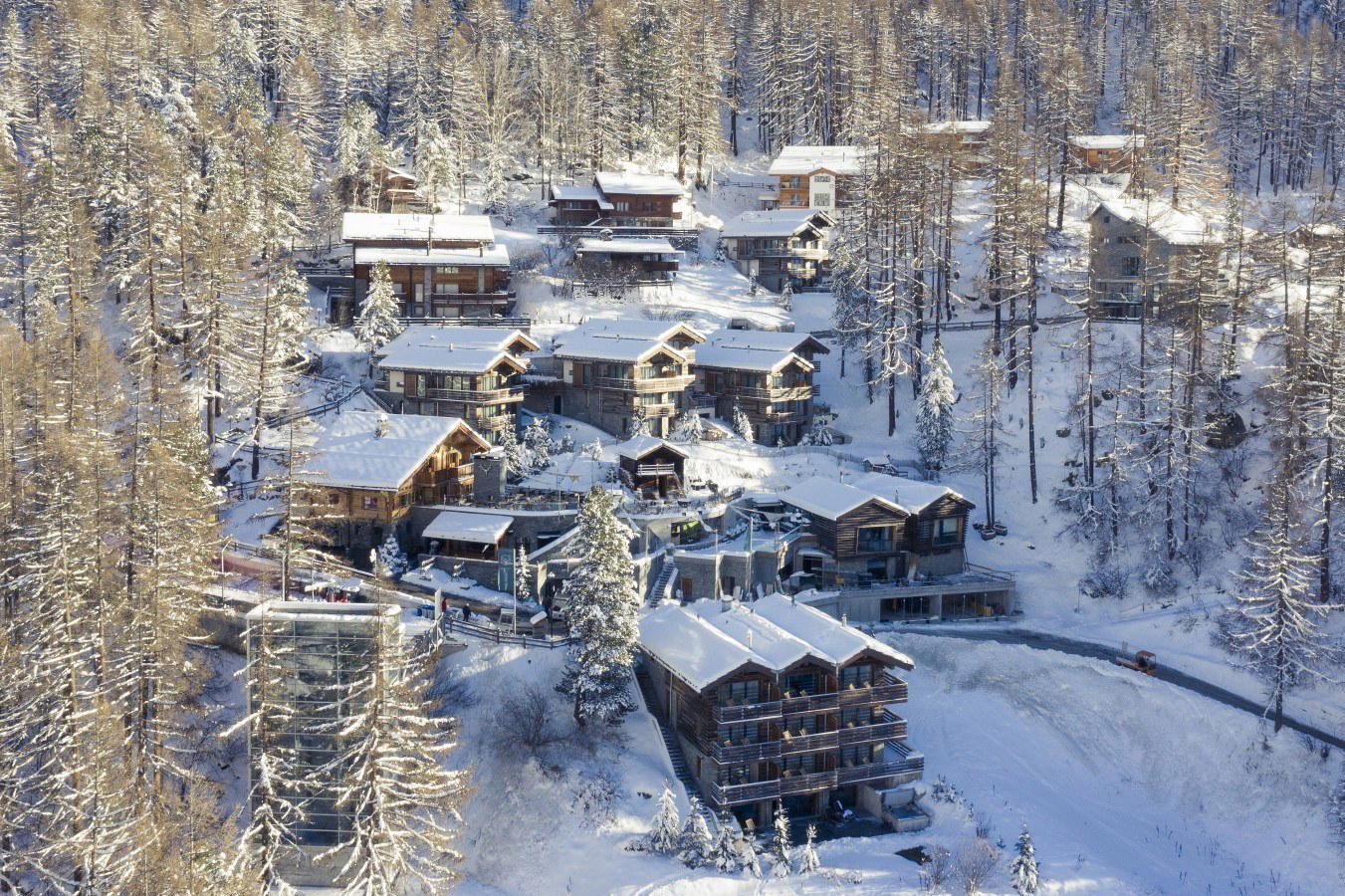
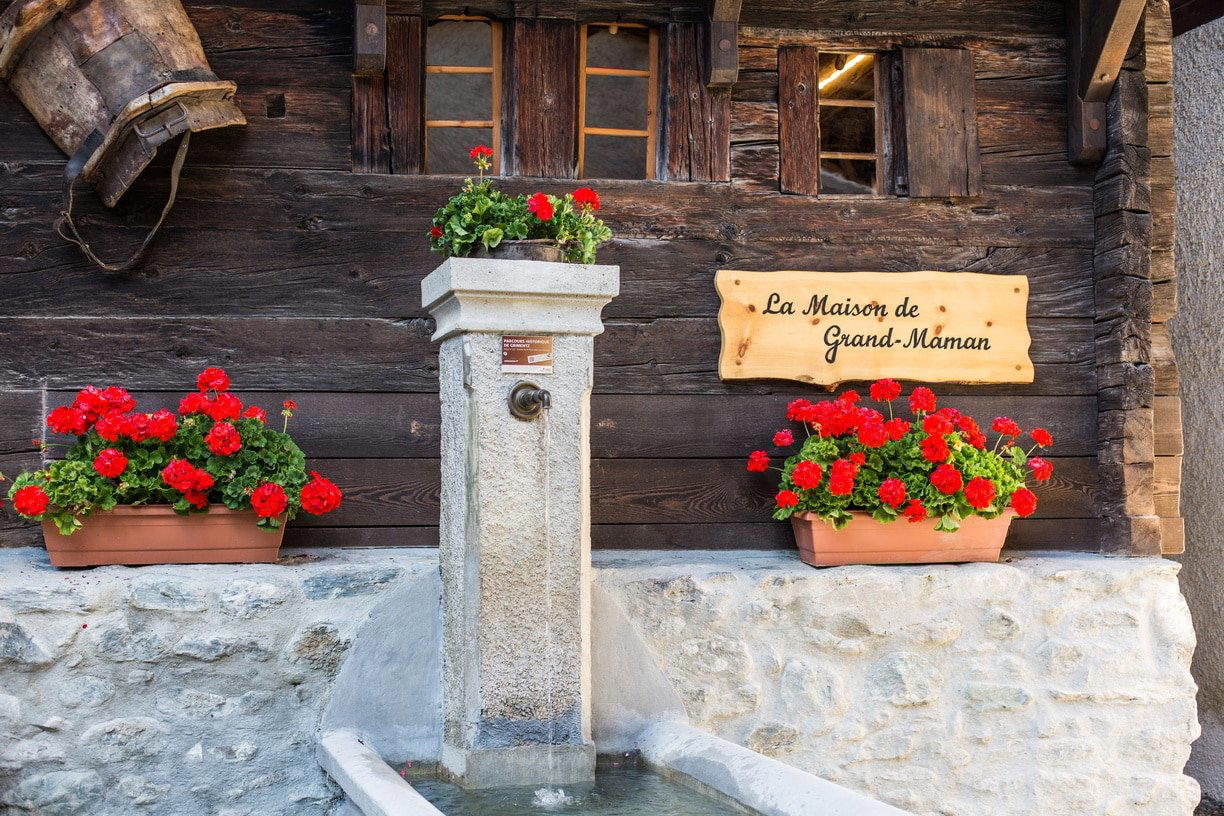
Mountain restaurants in this part of Valais tend toward the architectural vernacular of the valley: dark timber, stone foundations, narrow windows oriented toward the valley rather than the peaks. The approach to La Sage d'en haut positions a building not as a destination object but as something that has grown where it stands. Whether Les Collines follows that local aesthetic closely or departs from it in some direction, the context of the village sets the terms. You are not in a converted farmhouse with reclaimed materials and a curated backstory; you are in a working alpine settlement where the buildings predate the tourism infrastructure that surrounds larger resorts.
This kind of setting places Les Collines in a specific niche within Swiss mountain hospitality: properties where the draw is the place itself, not an amenity portfolio. Comparable in spirit, if not in scale or recognition tier, to what 7132 Silver in Vals achieves in a more architecturally dramatic register, or what Maison Wenger in Le Noirmont accomplishes in the Jura, Les Collines operates in a geography that does most of the positioning work before anyone sits down.
Planning Your Visit
La Sage is not a through-route. The village sits at a dead end in the Val d'Hérens, which means anyone arriving has made a deliberate choice to come here specifically. From Sion, the drive takes approximately 45 minutes via Evolène, and there is no rail connection to the village. Given the limited public transport options and the alpine road conditions that shift with the seasons, a visit in summer or early autumn represents the most direct window: the passes are open, the pastures are active, and the agricultural context that gives valley-sourced food its character is visible in the surrounding landscape. Winter access depends on road conditions above Evolène, and advance planning is advisable for any visit outside the main summer season. For a broader orientation to eating and drinking in the area, see our full La Sage restaurants guide.
Les Collines in the Swiss Context
Switzerland's restaurant culture runs a wide range: from the formal French tradition maintained at Hotel de Ville Crissier in Crissier and La Table du Lausanne Palace in Lausanne, to the Italian-influenced alpine registers of Da Vittorio in St. Moritz and La Brezza in Ascona, to the sharing-format experiments of IGNIV Zürich by Andreas Caminada and the technical precision of Cheval Blanc by Peter Knogl in Basel. Its address in La Sage places it in a category defined by proximity to source, by remoteness, and by the logic of a village that has not been rerouted around visitor expectations. That is a legitimate editorial position, separate from the award count and price brackets that sort the venues above.
For readers who have worked through the Michelin-tracked Swiss circuit, including destinations like Magdalena in Schwyz, Einstein Gourmet in Sankt Gallen, Colonnade in Lucerne, or L'Atelier Robuchon in Geneva, Les Collines offers something structurally different: a reason to be in the Val d'Hérens that is about the valley, not the kitchen's award count. International reference points like Le Bernardin in New York City or Atomix in New York City operate in a metropolitan logic where sourcing is a deliberate programme imposed on an urban context. In La Sage, the sourcing programme is the geography itself, and the restaurant exists inside it.
Frequently asked questions
Is Les Collines okay with children?
La Sage is a small, car-dependent village at a dead end in the Val d'Hérens, which gives Les Collines a relaxed, unhurried pace more common to family-run mountain establishments than urban fine-dining rooms. Nothing in the venue's profile suggests a formal or exclusionary environment. Families visiting the valley for hiking or skiing would find the setting appropriate, though confirming directly with the restaurant before arrival is advisable given its remote location.
What kind of setting is Les Collines?
Les Collines sits at La Sage d'en haut 109 in La Sage, a village perched in the Val d'Hérens at altitude in the canton of Valais. Mountain restaurants in this part of the valley typically follow the architectural vernacular of the region: dark timber framing, stone construction, and orientation toward the surrounding peaks. The village is a genuine destination rather than a stop on any through-route, which shapes the atmosphere — guests are here by choice, not by chance.
How far is Les Collines from Sion, and is it worth the drive from the Rhône Valley?
La Sage sits roughly 30 kilometres southeast of Sion via the Val d'Hérens road — a route that climbs sharply through Euseigne and Evolène before reaching the upper village at altitude. The drive takes approximately 45 minutes under normal conditions and requires no through-destination logic: La Sage is the end of the road. For anyone already in Valais, that commitment is part of the point — Les Collines operates in a valley where proximity to the high Alpine environment is built into the meal itself.
What's the must-try dish at Les Collines?
What can be said is that the Val d'Hérens sits at the intersection of French, Italian, and German culinary influence within Valais — a canton known for raclette, Hérens beef, and locally cured meats. Any kitchen operating at this elevation and within that tradition will likely reflect those ingredients.
How do I find Les Collines?
Les Collines is located at La Sage d'en haut 109, 1985 La Sage, Switzerland, La Sage.
Do they take walk-ins at Les Collines?
La Sage is not a village you pass through — anyone arriving has made a deliberate trip into the Val d'Hérens. That kind of destination positioning often means a small dining room with limited covers, where walk-in availability cannot be assumed, particularly during peak ski or hiking seasons.
A Quick Peer Check
Comparable venues nearby, for context on price, style, and recognition.
| Venue | Cuisine | Price | Notes |
|---|---|---|---|
| Les CollinesThis venue — the venue you are viewing | Creative French-Swiss Fusion | Not listed | Not listed |
| Zum Blauen Engel | Classic French with Global Influences | Not listed | Neufeld |
| Ghostacos | French Tacos | $10–20 | Aeschen |
| Zimmermania | Classic French Bistro | Not listed | Altenberg |
| Bodu | Classic French Brasserie | $30–50 | Old Town |
| Brasserie VICO | Modern French Brasserie | Not listed | city center |
Continue exploring
More in La Sage
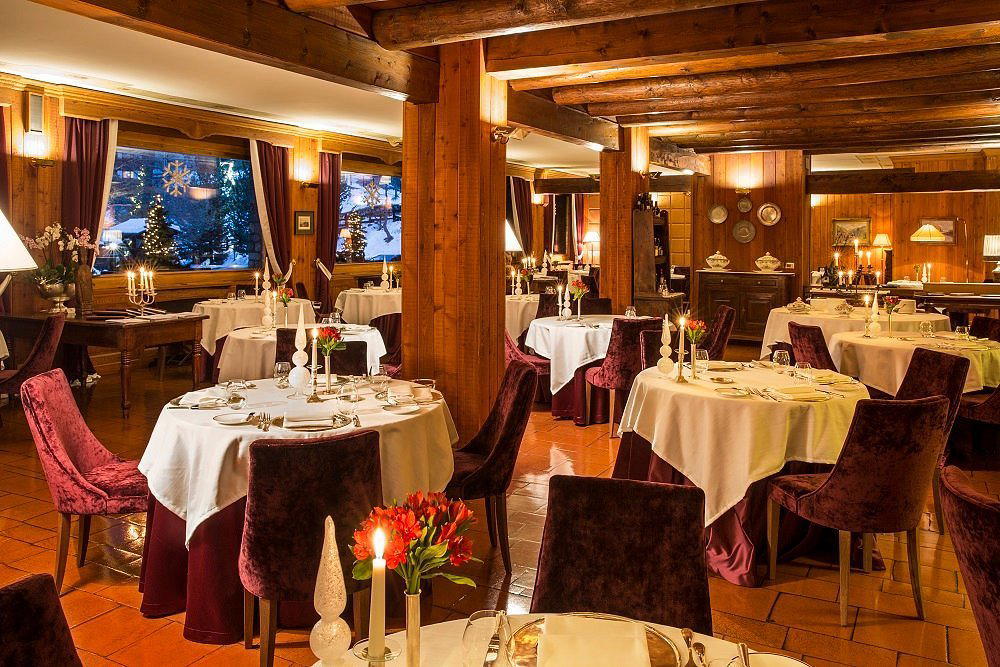
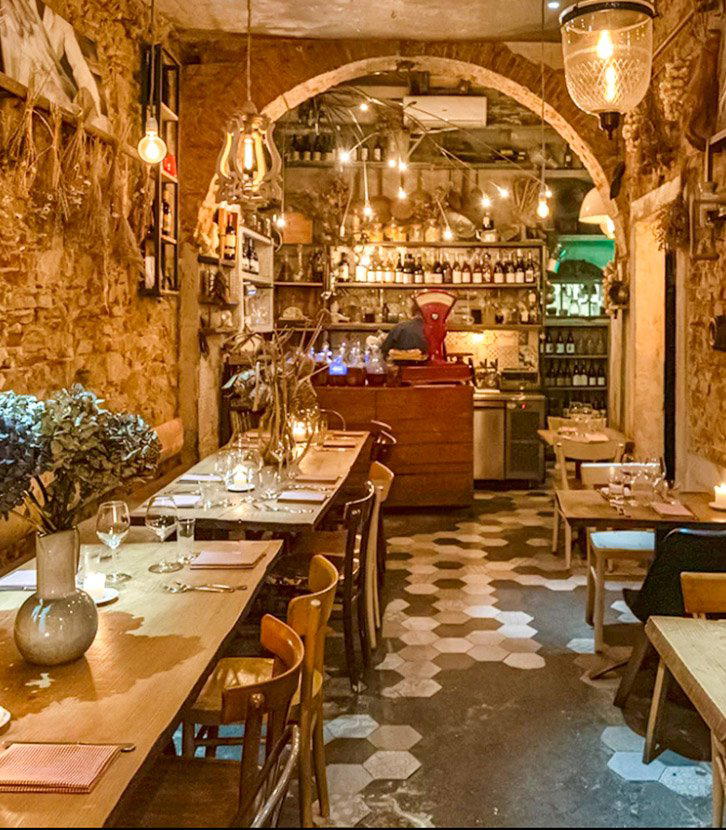
Restaurants in La Sage
Browse all →
Bars in La Sage
Browse all →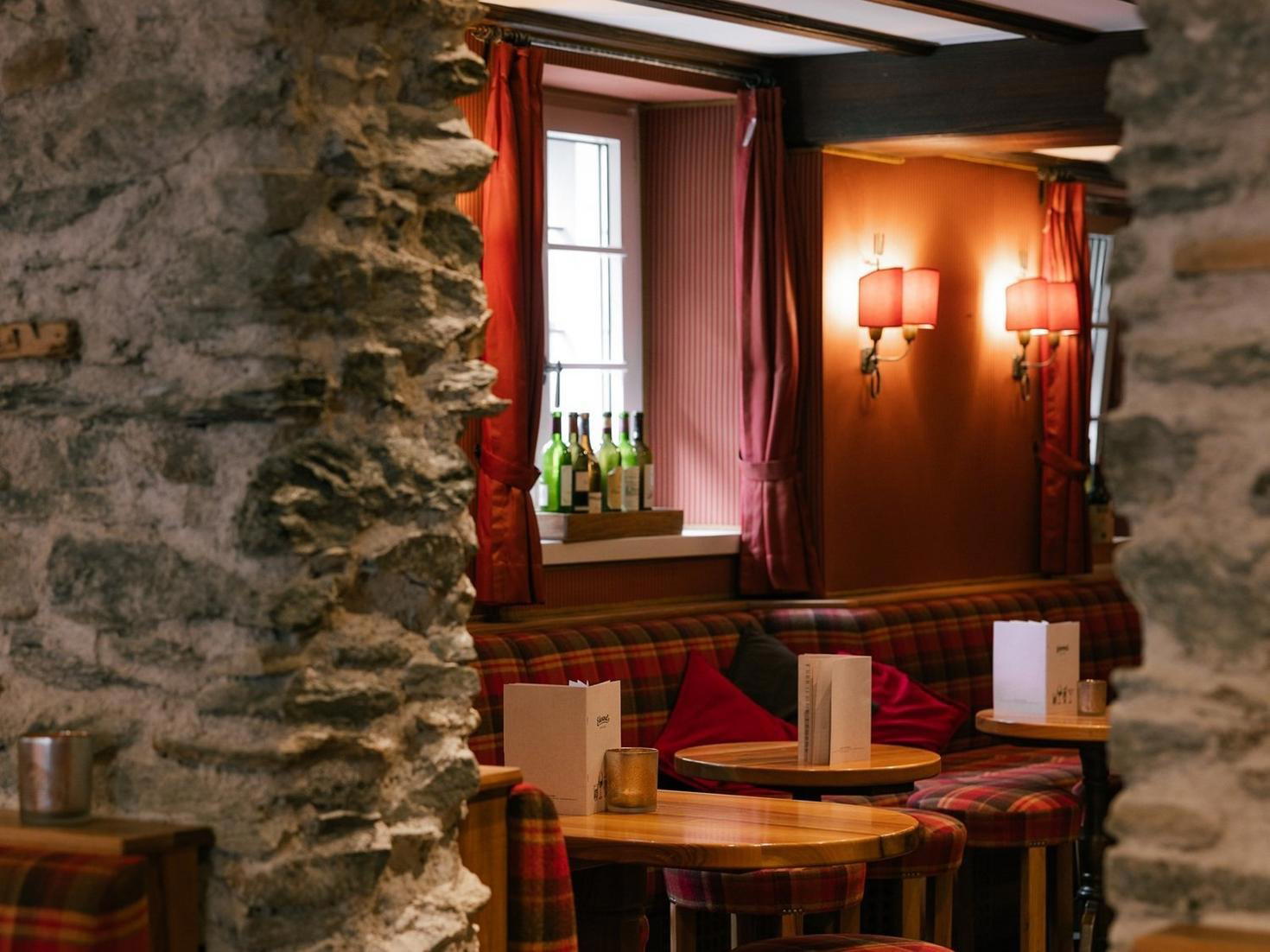
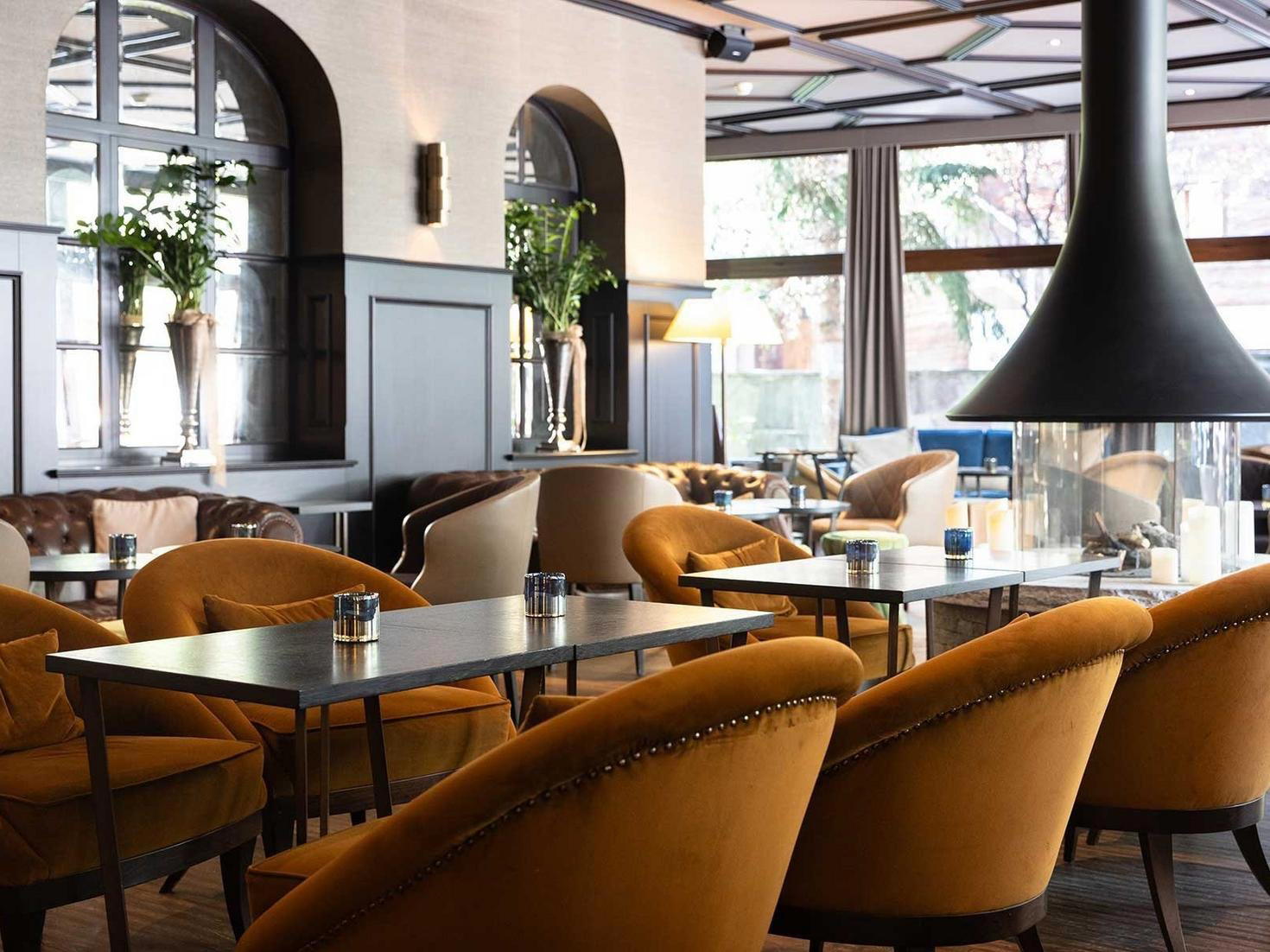
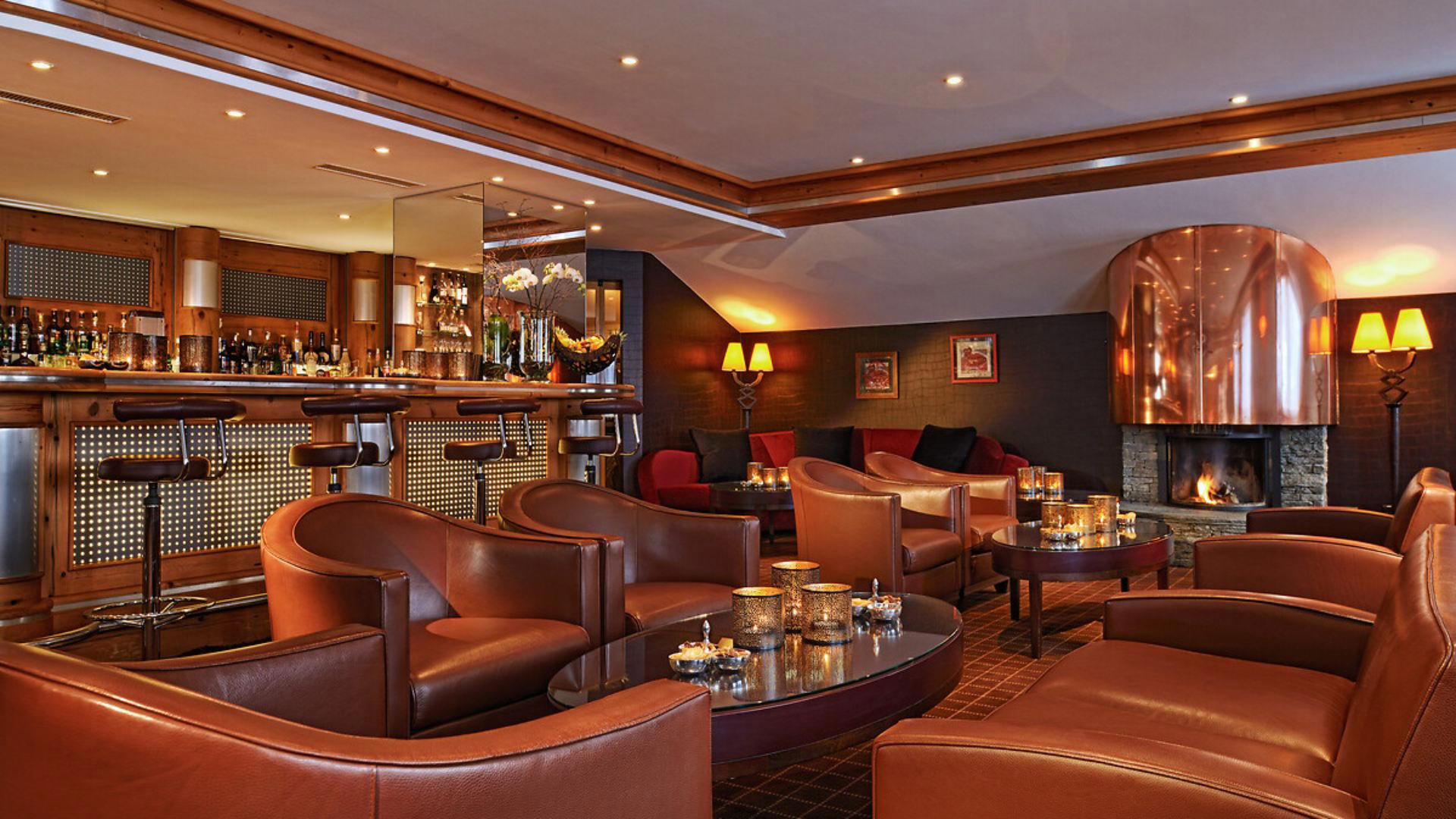
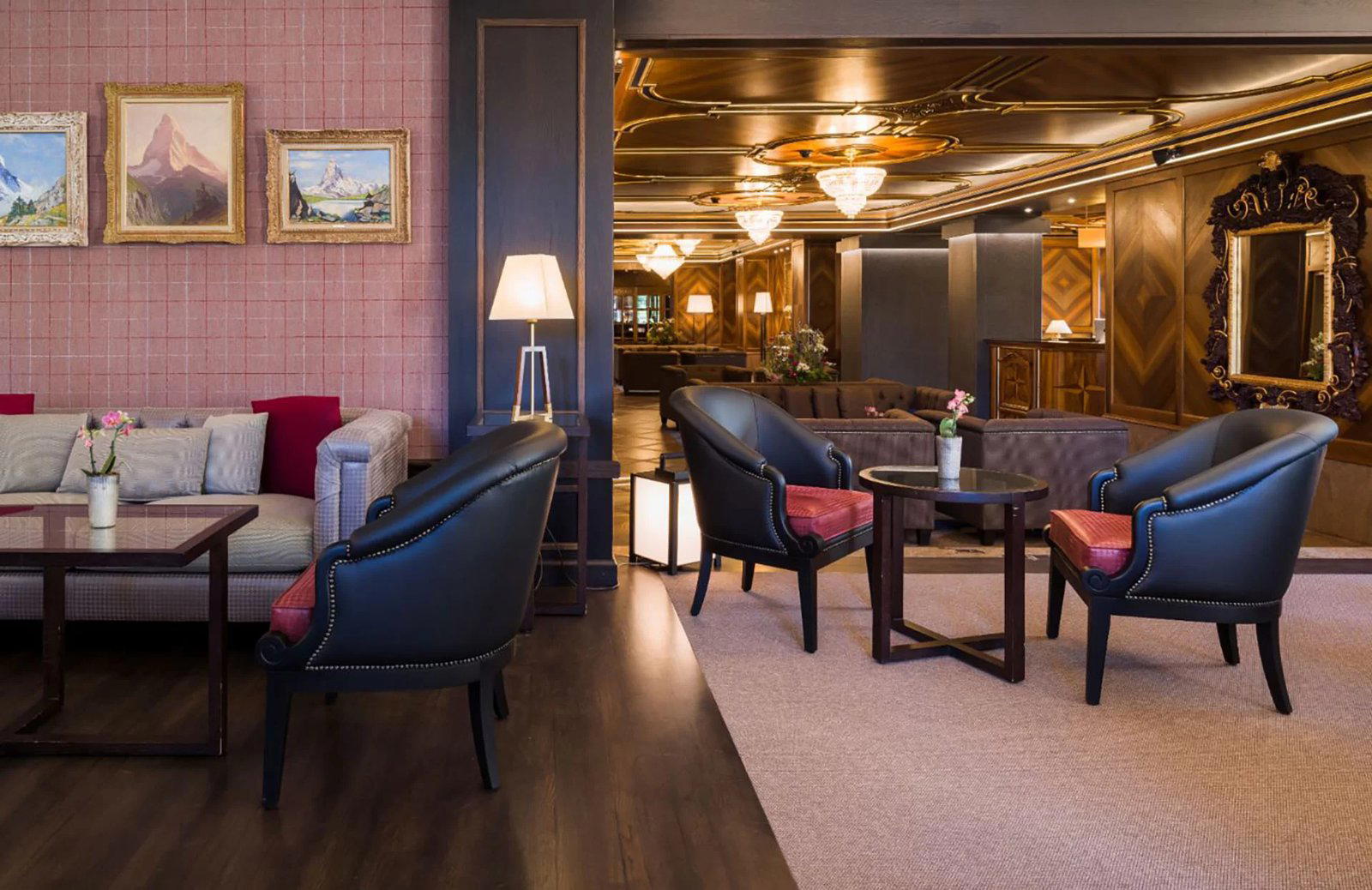
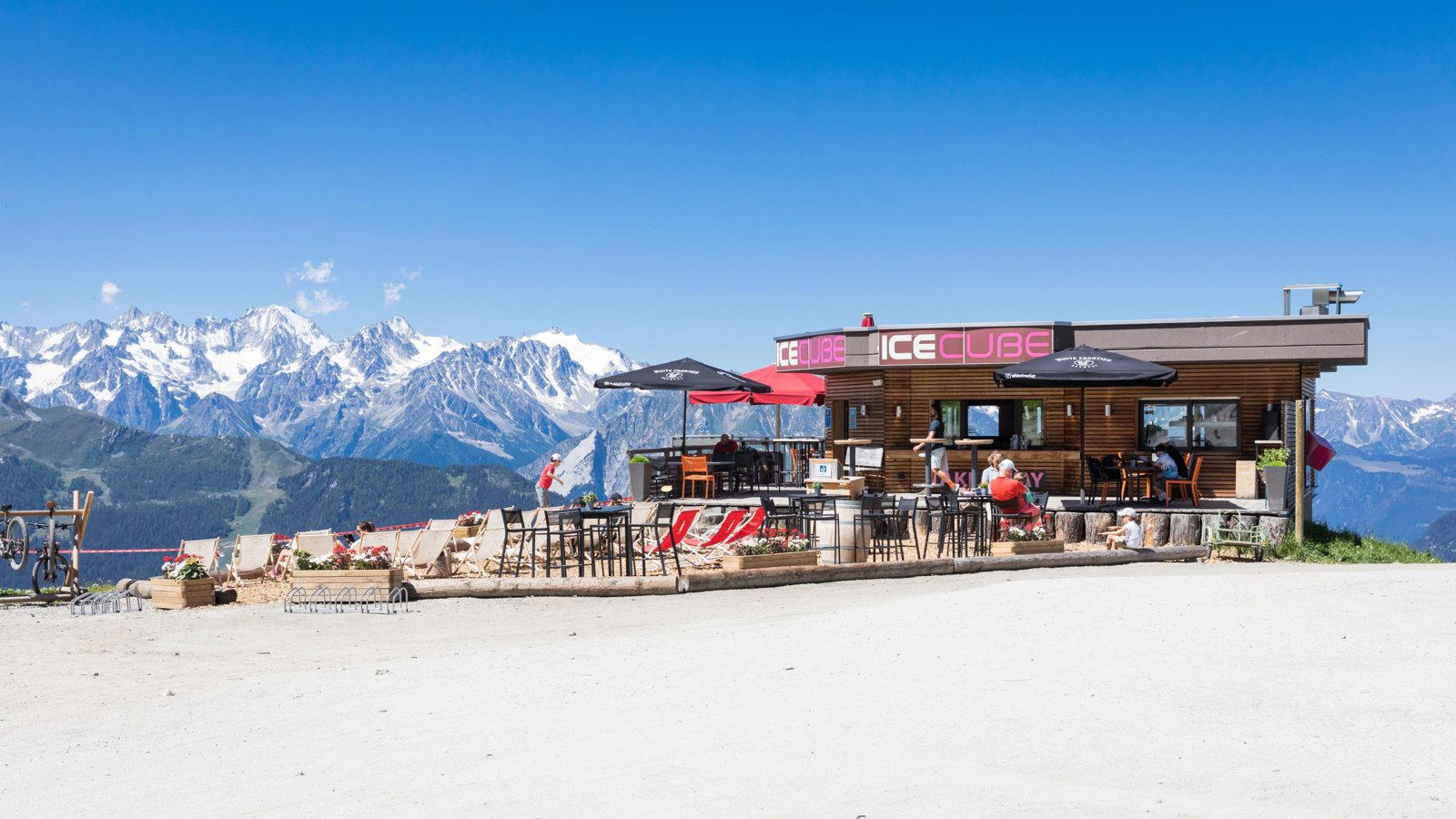
Hotels in La Sage
Browse all →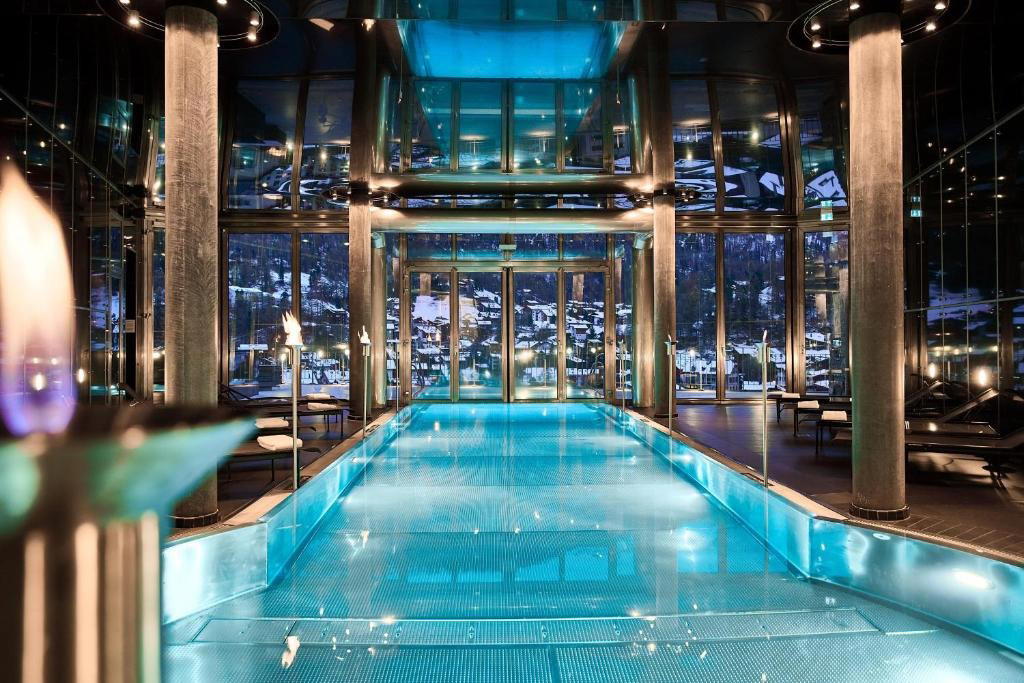


Les Collines
The wine
- Wine program
- Curated wine list
- Extensive wine list
Details
- Cozy
- Rustic
- Scenic
- Elegant
- Special Occasion
- Date Night
- Terrace
- Panoramic View
- Extensive Wine List
- Local Sourcing
- Mountain
- A La Carte
- Vegetarian Friendly
- Vegan Options
- Gluten Free Options
Current opening hours
- Monday
- 9 AM–11:30 PM
- Tuesday
- Closed
- Wednesday
- Closed
- Thursday
- 9 AM–11:30 PM
- Friday
- 9 AM–11:30 PM
- Saturday
- 9 AM–11:30 PM
- Sunday
- 9 AM–11:30 PM
Hours can change for holidays and private events. Last verified .
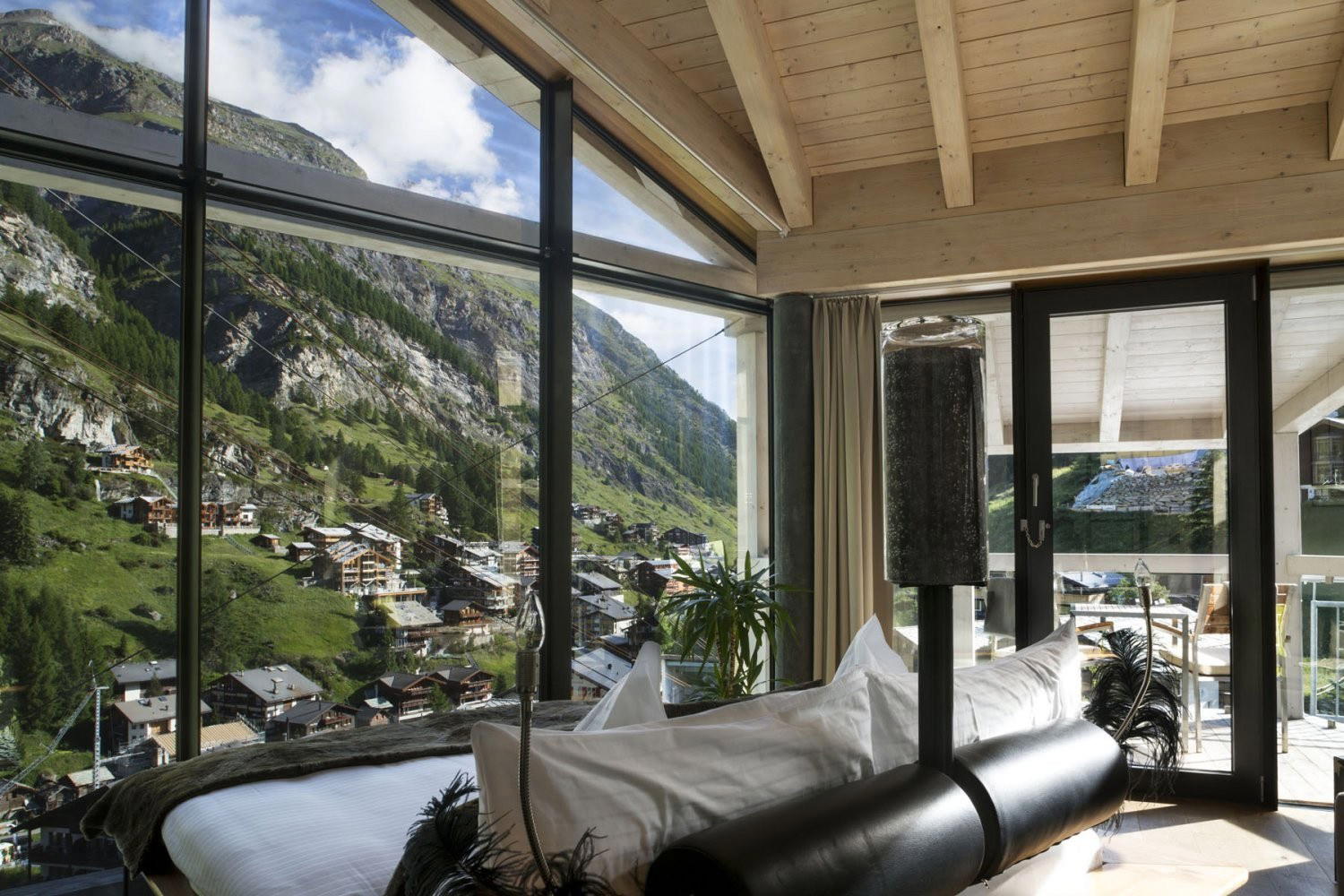
Warm, welcoming atmosphere with cozy interior and terrace offering magnificent mountain views.