On a quiet side street in the 1st arrondissement, Les Cartes Postales occupies a niche that Paris's dining scene has historically rewarded: the Franco-Japanese kitchen operating below the noise of the grand palace restaurants. Address: 7 Rue Gomboust, 75001 Paris. For travellers who track this particular category of cross-cultural cooking, it sits alongside venues like Kei as a reference point for how Japanese precision entered the Parisian bistro format.
Pearl is the En Primeur Club membership app — saves, bookings, and concierge access live there. Same editors, same standards.
- Address
- 7 Rue Gomboust, 75001 Paris, France
- Phone
- +33142612340
- Directions
- Get directions
 Saves & bookings on Pearl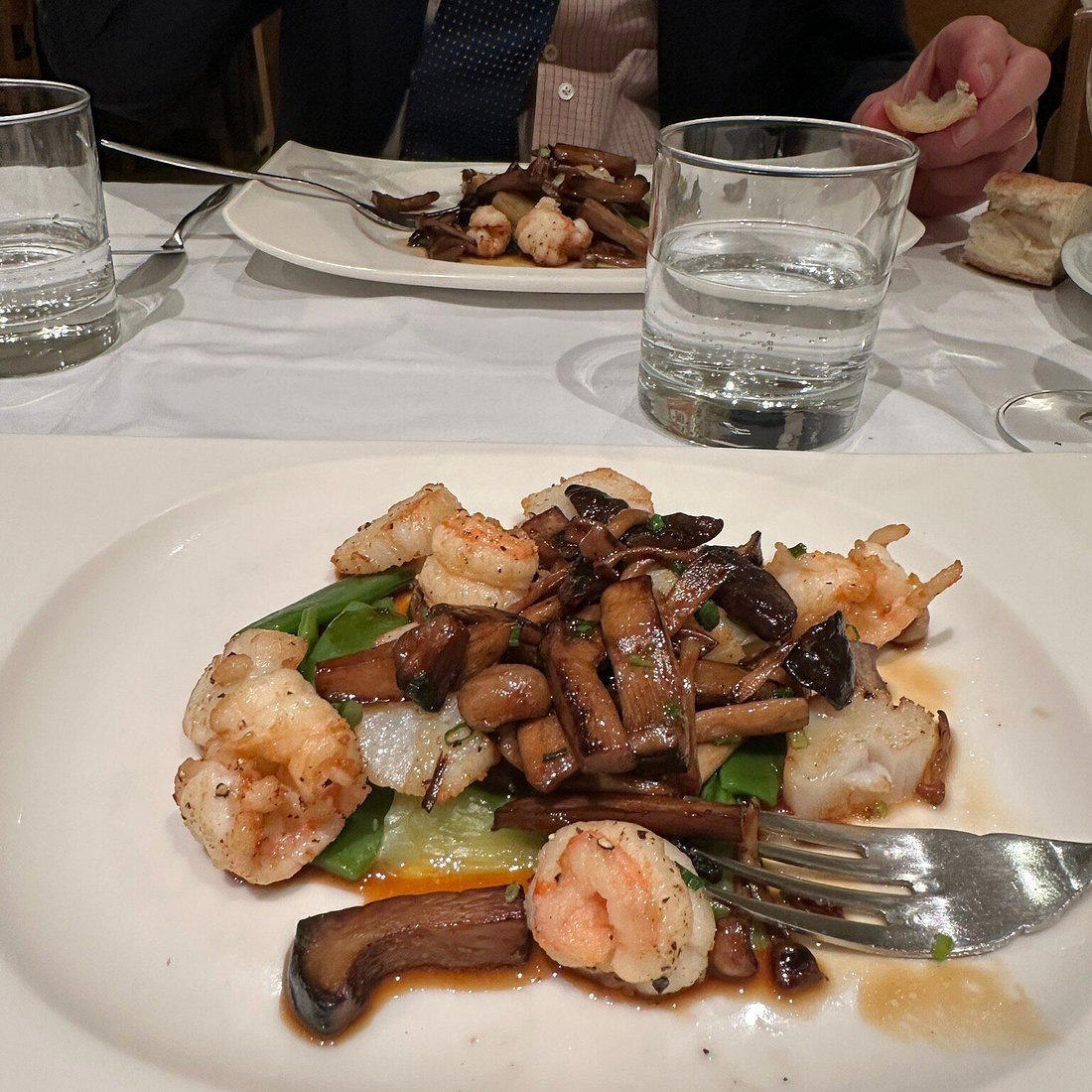
A Quiet Corner of the 1st, a Long Argument About Influence
The 1st arrondissement of Paris accommodates two almost irreconcilable dining registers. On one side sit the formal palace restaurants, the kind represented by Le Cinq at the Four Seasons George V or the grand creative ambition of Alléno Paris au Pavillon Ledoyen, where the room itself announces the price before the menu arrives. On the other side is a smaller, quieter tradition: the neighbourhood restaurant with serious cooking, modest decor, and a set of regulars who find the absence of theatre a point in its favour.
What distinguishes this address from the broader category of serious-but-understated Paris bistros is its position within Franco-Japanese cooking, a format that Paris has been refining for several decades now. The city's relationship with Japanese culinary technique is well documented, running from the early exchange students who trained in French kitchens through to established counters like Kei, which brought the Franco-Japanese synthesis to three Michelin stars. Les Cartes Postales enters the conversation from a different angle: quieter, smaller in ambition of scale, more clearly rooted in the neighbourhood-restaurant format that the 1st arrondissement quietly supports alongside its more visible palaces.
How the Franco-Japanese Bistro Evolved in Paris
To understand what Les Cartes Postales represents, it helps to track how Franco-Japanese cooking in Paris has shifted. The first wave, arriving in the 1980s and early 1990s, was largely about technique transfer: Japanese chefs who had trained in classical French kitchens and returned to apply that grammar to Japanese ingredients, or who stayed in France and opened small rooms where the synthesis was the point. The cooking tended toward restraint in seasoning, precision in preparation, and an interest in lightness that sat at an angle to the butter-forward classical French tradition.
By the 2000s, that category had subdivided. Some addresses moved upmarket, pursuing Michelin recognition and the tasting-menu format. Others stayed closer to the original bistro model, fixed-price menus, compact rooms, lunch as the preferred service, and a cooking style that read as French in structure but Japanese in its economy of gesture. Les Cartes Postales belongs to the latter cohort, and its address on Rue Gomboust places it physically close to the Palais Royal gardens while remaining stylistically far from the grand-restaurant circuit that surrounds that neighbourhood.
This positioning was not accidental. Across France, particularly durable Franco-Japanese addresses have tended to resist the full tasting-menu pivot. Compare the Paris pocket to what regional France was doing: Flocons de Sel in Megève and Mirazur in Menton both demonstrate how French fine dining absorbed outside influence at the highest register. The restaurant has historically made a different argument, that the influence could be absorbed at a more accessible register, and that the bistro format was a legitimate home for it.
The 1st Arrondissement Context
Rue Gomboust sits within walking distance of some of Paris's most visited landmarks, but the street itself has the character of a working neighbourhood thoroughfare rather than a tourist corridor. That geography matters to how the restaurant functions. The lunch trade in this part of the 1st draws from the professional and political class that works in the area, a constituency that tends to value discretion and consistency over spectacle.
This is the same quarter that houses L'Ambroisie on the Place des Vosges at the summit of the classical French register, and Arpège not far across the river. Both represent the grand tradition of French cooking at its most committed. The restaurant operates without that level of ambition or infrastructure, which is precisely what makes it legible as a neighbourhood institution rather than a destination restaurant. The distinction matters for how a visitor should approach it: this is not a meal you plan a trip around, but one you plan into a trip already in progress.
Situating Les Cartes Postales in the Wider French Scene
France's restaurant culture at the serious end of the bistro register has faced structural pressure over the past decade. The costs of operating in central Paris have pushed many kitchens toward higher price points, and the tasting-menu format has migrated downward from the starred tier into what were previously direct fixed-price rooms. The addresses that have held their format against this pressure tend to do so because they have a clear local constituency and a long enough trading history to have absorbed regulars across multiple generations of the neighbourhood's professional class.
For context on how French regional cooking handles longevity and reinvention, Troisgros, Auberge de l'Ill, and Bras in Laguiole all demonstrate what multi-decade commitment to a culinary identity can produce at the highest level. Paul Bocuse's Auberge du Pont de Collonges represents one documented case of a French kitchen maintaining identity across an institutional arc. The restaurant operates on a smaller scale, but the underlying question, how a kitchen sustains a distinct identity over time in a changing market, applies equally.
Outside France, the Franco-Japanese category appears in different forms: Le Bernardin in New York represents the transatlantic export of French technique applied to seafood with Japanese-influenced precision, while Atomix shows how a different Asian culinary tradition has been synthesised with French structure in a New York fine-dining context. Closer to home, AM par Alexandre Mazzia in Marseille, Assiette Champenoise in Reims, Au Crocodile in Strasbourg, and Auberge du Vieux Puits in Fontjoncouse each illustrate how France's regional kitchens have handled the tension between tradition and reinvention at different price points and formats.
Reputation Context
Comparable venues nearby, for context on price, style, and recognition.
| Venue | Cuisine | Price | Notes |
|---|---|---|---|
| Les Cartes PostalesThis venue — the venue you are viewing | French-Japanese Fusion | $$$ | Not listed |
| Le Trader's | Contemporary French Brasserie with Asian Fusion | $$$ | Bourse |
| Magdalena | Traditional French Brasserie | $$$ | 8th arrondissement |
| La Renommée | Refined French Brasserie with New York Influences | $$$ | 1er arrondissement |
| La Société | French Brasserie | $$$ | Saint-Germain-des-Prés |
| Pluto | Creative French Fusion | $$$ | Le Marais |
Continue exploring
More in Paris
Restaurants in Paris
Browse all →
Bars in Paris
Browse all →
Hotels in Paris
Browse all →



At a Glance
- Elegant
- Intimate
- Date Night
- Business Dinner
- Open Kitchen
Current opening hours
- Monday
- 12–2 PM
- Tuesday
- 12–2 PM, 7–9:30 PM
- Wednesday
- 12–2 PM, 7–9:30 PM
- Thursday
- 12–2 PM, 7–9:30 PM
- Friday
- 12–2 PM, 7–9:30 PM
- Saturday
- 7–9:30 PM
- Sunday
- Closed
Hours can change for holidays and private events. Last verified .
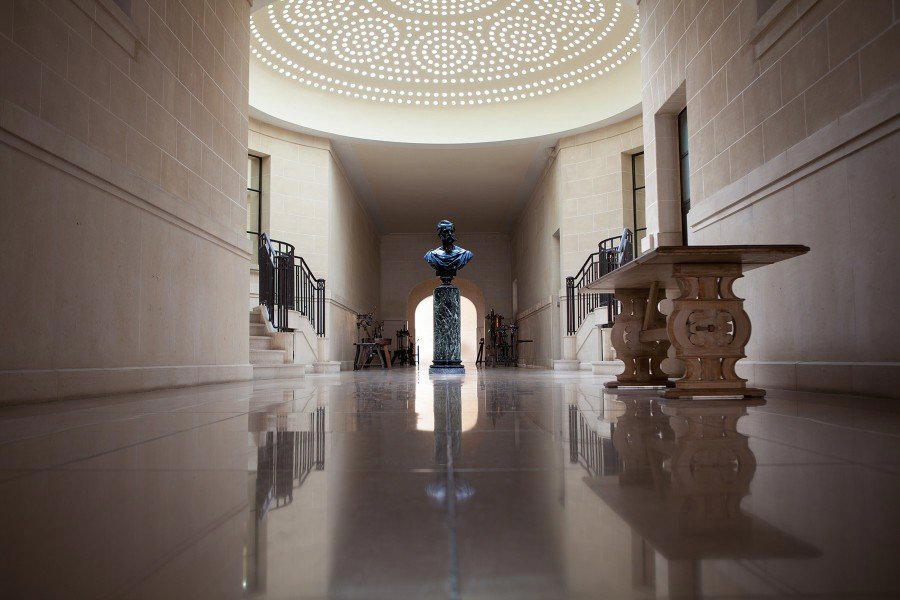
Zen decor with a charming, warm atmosphere.