Les 3 Barbus
Les 3 Barbus sits along the Route de Mialet in Générargues, a village in the Cévennes foothills where the Gard department's agricultural traditions run deep. The surrounding region — chestnut forests, terraced gardens, small-scale producers — shapes what lands on the table here in ways that urban restaurants rarely replicate. For visitors making the drive from Nîmes or Alès, this is where southern French terroir becomes a meal.
Pearl is the En Primeur Club membership app — saves, bookings, and concierge access live there. Same editors, same standards.
- Address
- 1735 Rte de Mialet, 30140 Générargues, France
- Phone
- +33430383909
- Website
- restaurantles3barbus.com
- Directions
- Get directions
 Saves & bookings on Pearl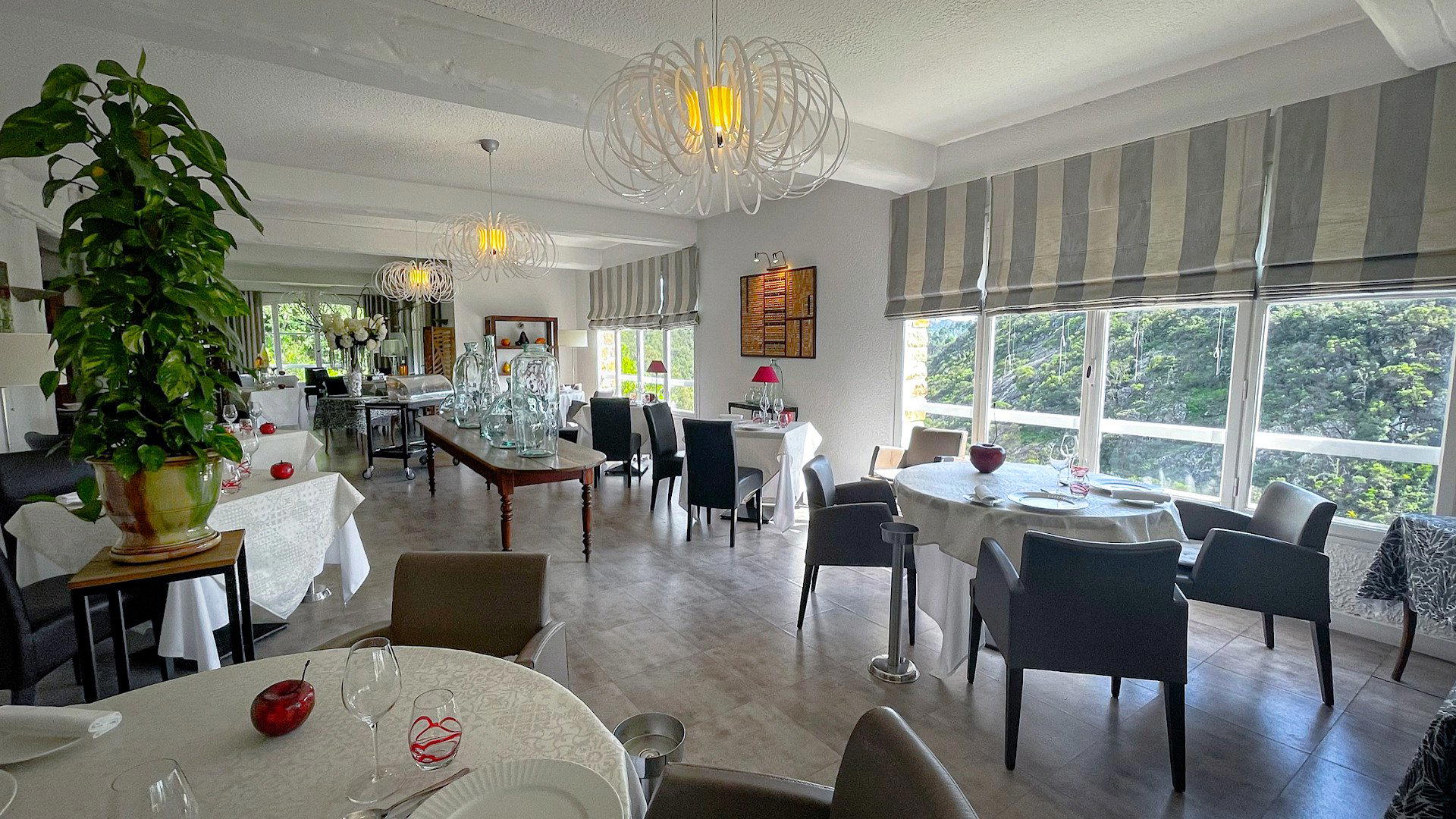
The Cévennes as Kitchen Garden
Southern France's dining conversation tends to concentrate on Provence and the Mediterranean coast. Restaurants like Mirazur in Menton and AM par Alexandre Mazzia in Marseille command the critical attention, while the inland Gard department operates in relative quiet. That quiet is, in part, the point. The Cévennes — the southern edge of the Massif Central, a range of schist ridges, chestnut groves, and river gorges — has its own agricultural logic, one built around small-scale production, seasonal rhythm, and an isolation that historically made self-sufficiency a necessity rather than an aesthetic choice.
Les 3 Barbus sits on the Route de Mialet in Générargues, a commune of a few hundred residents in the foothills above Anduze. The drive in sets the context before the meal does: the road follows the Gardon de Mialet river through terrain that looks nothing like the garrigue flatlands closer to Nîmes. Up here, the sourcing radius is short not by policy but by geography. The producers are neighbors in the most literal sense.
What This Part of the Gard Puts on the Table
Ingredient sourcing in the Cévennes follows patterns shaped by altitude, microclimate, and centuries of land use. Chestnut flour has been a staple since medieval agriculture here depended on the chestnut tree as a primary food crop, the tree was called the "bread tree" across the region. Wild mushrooms, foraged herbs, and game characterize autumn and winter menus. Spring brings early vegetables from the valley floors, where small producers work plots irrigated by the Gardon tributaries. Summer in the Gard means intense heat and a produce calendar weighted toward tomatoes, peppers, and stone fruit from lower elevations.
This contrasts sharply with the supply chains available to destination restaurants in larger centers. A three-Michelin-starred kitchen in Paris, such as Alléno Paris au Pavillon Ledoyen, sources globally with a logistics infrastructure to match. A village restaurant in the Cévennes foothills works within what the surrounding hills and valleys produce, which imposes its own discipline and its own seasonal honesty. Neither approach is superior, they answer to different contexts, but the Cévennes model tends to produce menus that read as documents of a specific place at a specific time of year.
Restaurants rooted in this kind of hyper-local sourcing sit in a recognizable French tradition. Bras in Laguiole built its identity around Aubrac plateau ingredients with comparable geographic specificity. Auberge du Vieux Puits in Fontjoncouse operates from a similarly remote southern French village where the surrounding land defines the menu's character. Les 3 Barbus belongs to this pattern of rural French restaurants where remoteness is a feature of the cooking logic, not an obstacle to it.
Arriving at Générargues
The address, 1735 Route de Mialet, places the restaurant on the main road connecting Générargues to the Bambouseraie de Prafrance, one of the Gard's more visited sites, which means the area draws day-trippers in reasonable numbers during spring and summer. Anduze, the nearest town of any size, sits roughly four kilometers south and functions as the practical base for visitors exploring the upper Gardon valleys. The narrow-gauge train between Anduze and Saint-Jean-du-Gard passes through the valley below, a route popular with visitors from late spring through early autumn.
For those coming from further afield, Nîmes is the nearest city with direct rail connections to Paris and regular air access, placing Les 3 Barbus within a comfortable half-day's drive of a major transit hub. Alès, roughly fifteen kilometers north, offers a closer regional rail connection. The drive from either city through the Cévennes foothills is part of the experience in the same way the approach matters at Flocons de Sel in Megève or Georges Blanc in Vonnas, the setting frames the meal before it starts.
Where Les 3 Barbus Sits in the Regional Context
French regional dining outside the major gastronomic corridors operates on different terms than destination restaurants with international profiles. Venues like Auberge de l'Ill in Illhaeusern or Troisgros in Ouches have built identities that attract international travel specifically to remote French villages, but they carry decades of critical recognition and defined culinary lineages. The Cévennes has no equivalent critical infrastructure, which means restaurants here are assessed primarily by local and regional visitors rather than by the international food press.
That relative obscurity has a practical upside. Tables at village restaurants in the Gard's interior tend to be more accessible than at starred rooms in Provence or along the Riviera, where demand from tourist traffic pushes bookings weeks or months ahead. For visitors willing to build an itinerary around the region rather than around a single marquee reservation, the Cévennes offers a different kind of return: meals that reflect a place that hasn't been optimized for outside consumption. Our full Générargues restaurants guide covers the broader dining options in the area for those planning a longer stay.
The comparison set for a restaurant in this position isn't Paul Bocuse in Collonges-au-Mont-d'Or or Assiette Champenoise in Reims. It's the wider category of serious French country restaurants that serve a local clientele first and visitors second, where the cooking reflects agricultural relationships built over years rather than a sourcing philosophy assembled for a press kit.
Planning Your Visit
Visits to the Cévennes tend to cluster between May and September, when the valley roads are clear and the regional markets are at their most active. Arriving outside peak season, particularly in spring before the main tourist flow from the Bambouseraie begins, generally makes access to smaller local restaurants more direct. Those accustomed to booking well ahead at international destinations, Christopher Coutanceau in La Rochelle or La Marine in Noirmoutier both operate on multi-week booking windows, should reset expectations here: the rhythm is slower and more local.
How Les 3 Barbus Generargues compares with similar nearby venues.
| Venue | Cuisine | Price |
|---|---|---|
| Épices et Tout | Modern Cuisine | €€ |
| Le Saint Hilaire | Modern Cuisine | €€€ |
Continue exploring
More in Generargues
Restaurants in Generargues
Browse all →
Bars in Generargues
Browse all →
Hotels in Generargues
Browse all →

At a Glance
- Scenic
- Elegant
- Sophisticated
- Date Night
- Special Occasion
- Celebration
- Private Event
- Panoramic View
- Hotel Restaurant
- Private Dining
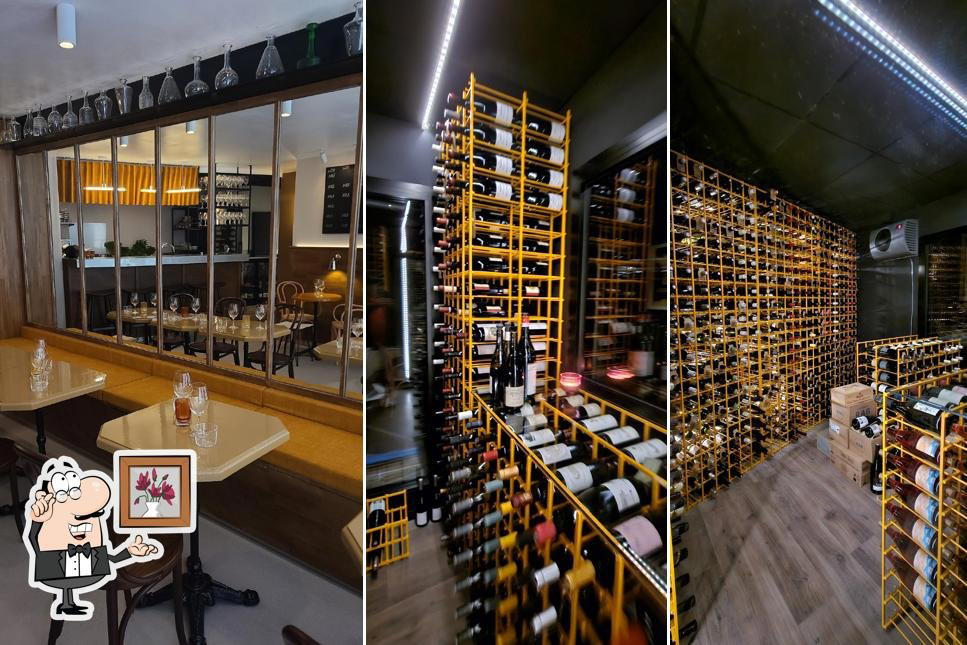
- Extensive Wine List
- Local Sourcing
- Mountain
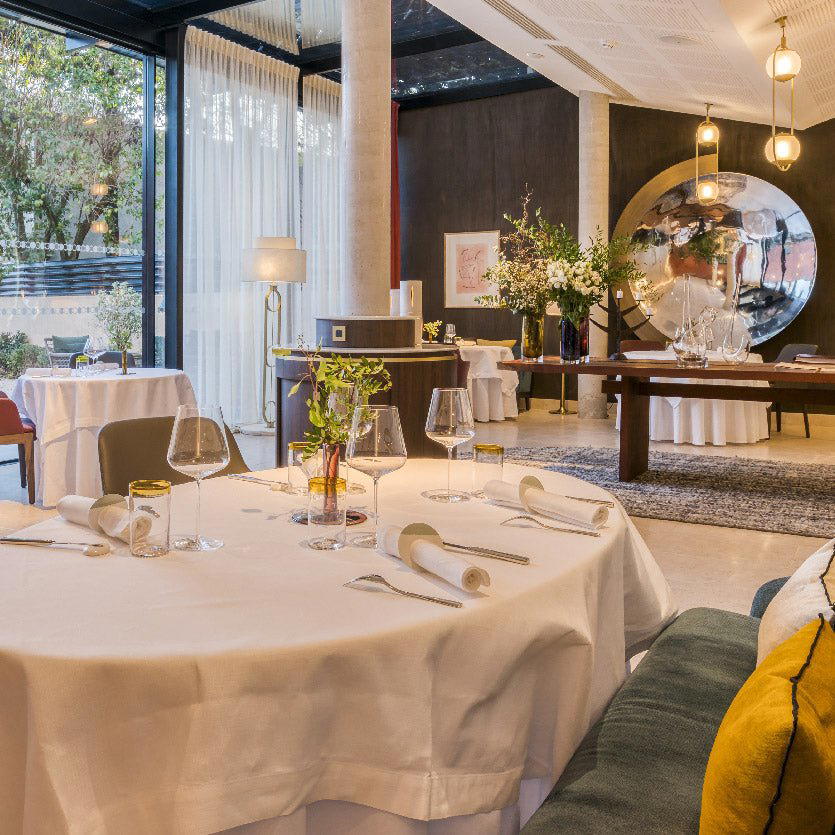
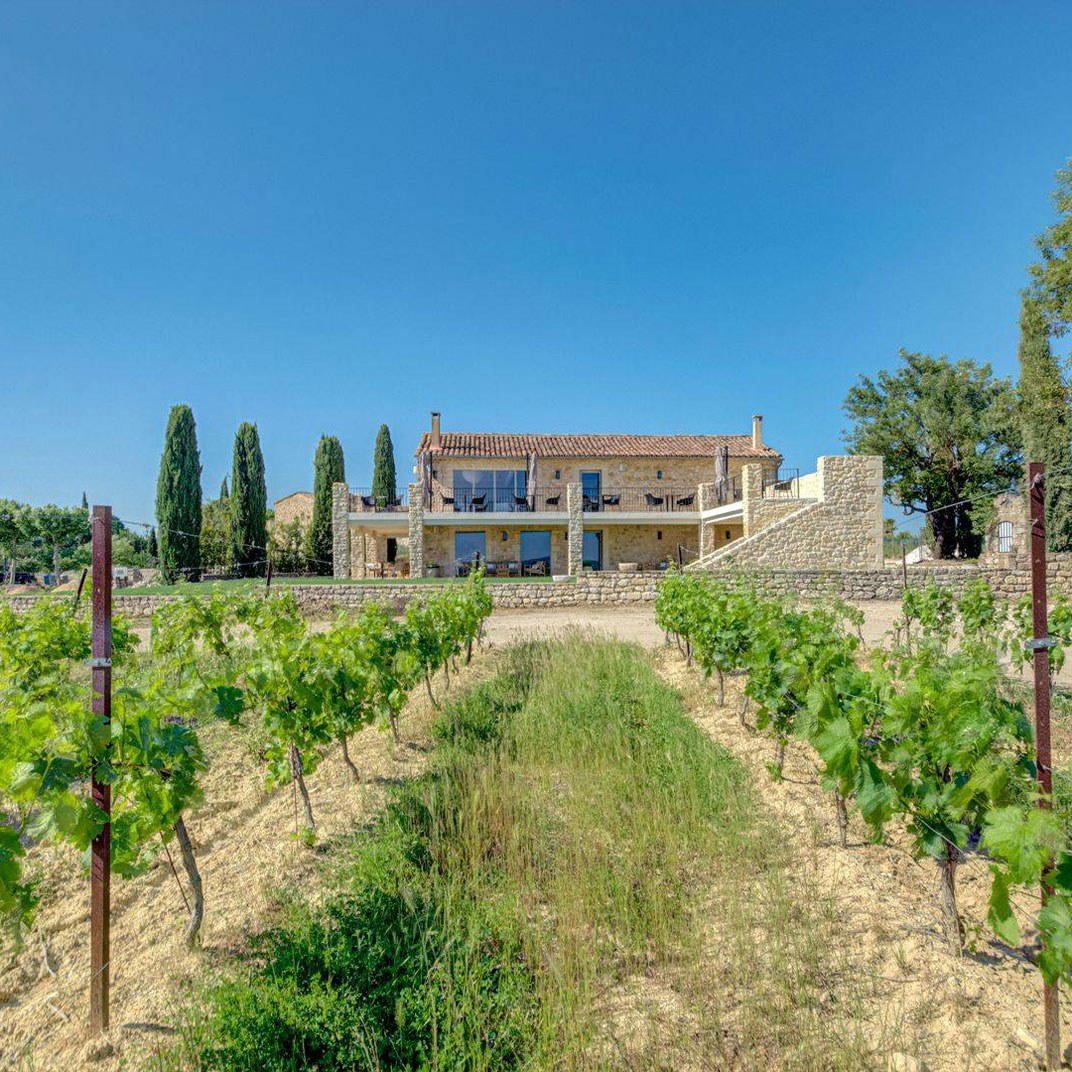
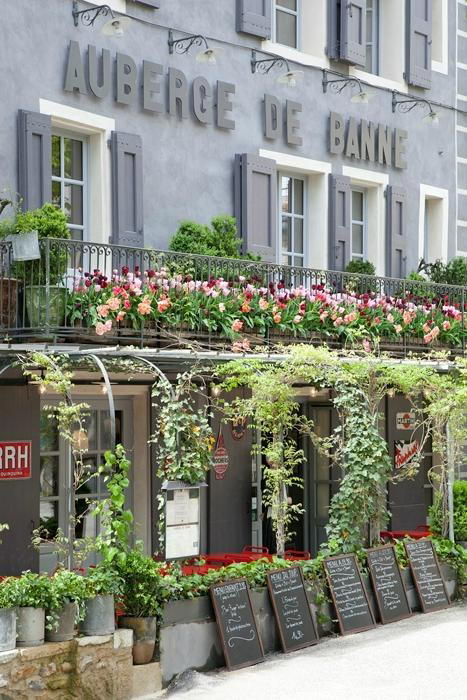
Elegant and scenic, with a tranquil hotel-restaurant atmosphere and views over the surrounding Cévennes landscape.