Les Bouchons occupies a corner of the 17th arrondissement where the bouchon tradition — that resolutely unapologetic school of French cooking built on slow braises, marrow, and uncut portions — finds a Parisian address. At 103 Rue Legendre, the room reads as a working restaurant rather than a stage set, placing it squarely in the tradition of neighbourhood dining that Paris does better than almost anywhere else in France.
Pearl is the En Primeur Club membership app — saves, bookings, and concierge access live there. Same editors, same standards.
- Address
- 103 Rue Legendre, 75017 Paris, France
- Phone
- +33173738723
- Directions
- Get directions
 Saves & bookings on Pearl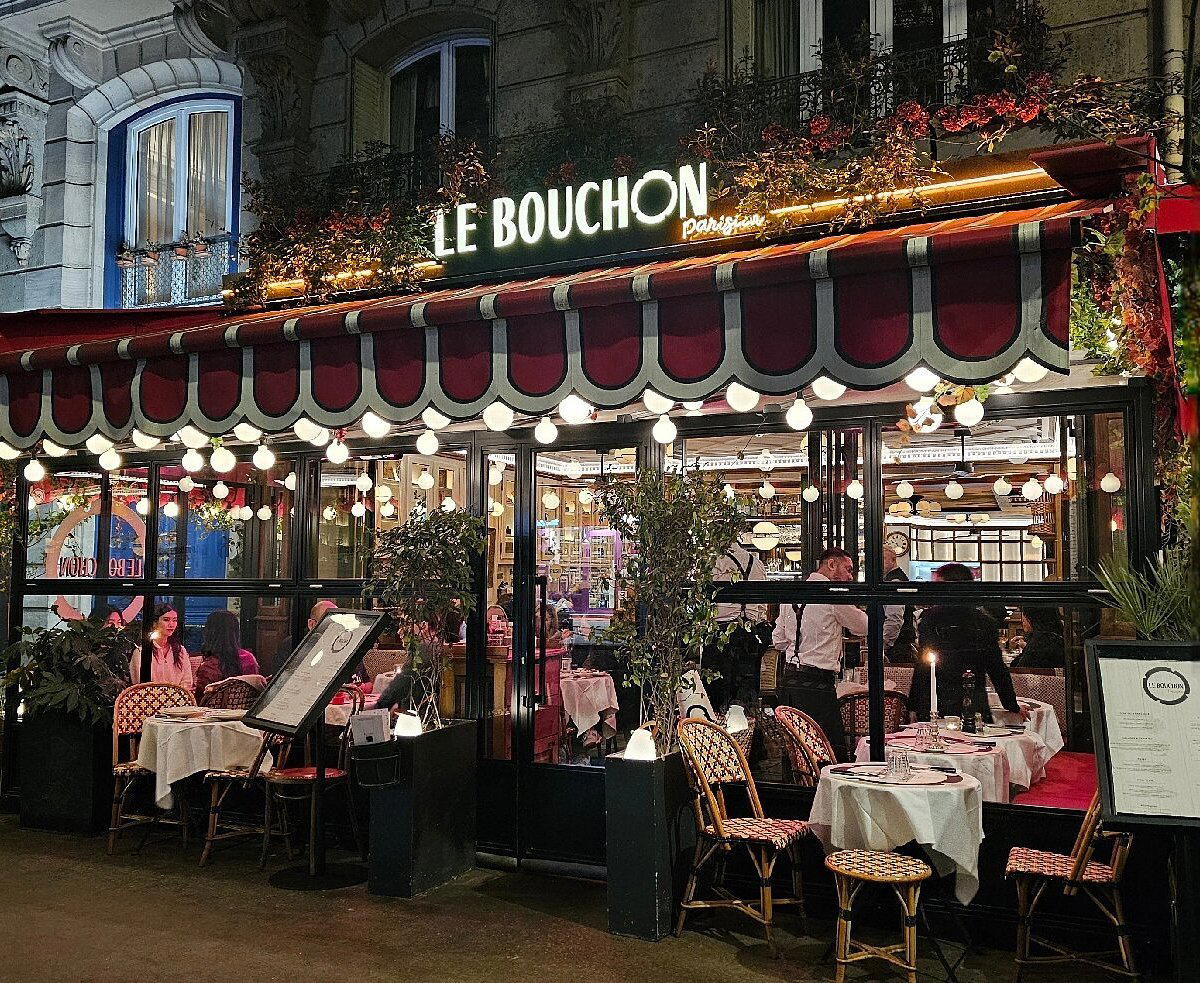
The 17th and the Logic of the Neighbourhood Table
The 17th arrondissement does not attract the same editorial attention as Saint-Germain or the Marais, and that asymmetry is partly what defines it. The quartier around Rue Legendre, running northeast from Place de Clichy toward the Batignolles village, has a density of working restaurants — not concept restaurants, not tasting-menu showcases — that reflects an older model of how Parisians actually eat. Les Bouchons sits at 103 Rue Legendre inside that tradition, in a part of the city where the clientele is local before it is tourist and where a restaurant survives on return visits rather than first impressions.
That neighbourhood logic matters because it explains the category the restaurant occupies. The bouchon form, historically associated with Lyon rather than Paris, is built on a set of culinary commitments: economy of ingredient, generosity of portion, technique that converts cheap cuts into something requiring patience and knowledge. When that tradition travels to Paris it tends to either sharpen into something more self-conscious or soften into pastiche. The restaurants that hold the line sit in precisely the kind of address that Les Bouchons occupies, off the main tourist circuit, priced for regulars, decorated without irony.
What the Bouchon Tradition Actually Involves
French bistro cooking is one of the most widely misunderstood categories in European dining. The word appears on menus across four continents, often attached to food that has little to do with the original model. The canonical bouchon, in its Lyonnais form, is a very specific thing: a small room, a fixed format, a short menu that changes with the market, and a kitchen that knows exactly three or four things with deep competence. Dishes like tablier de sapeur, quenelles de brochet, andouillette, and tête de veau are not accidents of the tradition, they are its point. The cooking exists to transform ingredients that require skill and time, not expense, and the room exists to serve them without ceremony.
Paris has its own parallel lineage in the bistrot de quartier, which shares the same anti-spectacle philosophy but draws on a slightly different canon. The overlap is significant enough that a restaurant invoking the bouchon model in a Parisian neighbourhood is positioning itself within a recognisable set of values: cooking that rewards knowledge of French culinary tradition, rooms that prioritise function over design, and a pricing structure that reflects the ingredient cost rather than the postcode of a more fashionable arrondissement. For context, the Parisian fine-dining tier, Alléno Paris au Pavillon Ledoyen, Arpège, L'Ambroisie, operates at a fundamentally different register, where the ingredient IS the luxury and the room signals it. Les Bouchons operates in the register where the cooking is the value and the room is beside the point.
France's Broader Restaurant Tradition and Where Les Bouchons Fits
French regional cooking has been through several decades of institutional recognition and critical rediscovery. The restaurants that anchor the country's formal reputation, Troisgros - Le Bois sans Feuilles in Ouches, Auberge de l'Ill in Illhaeusern, Bras in Laguiole, Paul Bocuse in Collonges-au-Mont-d'Or, represent one end of the spectrum: destination restaurants where the journey is part of the proposition. At the other end sits the working neighbourhood restaurant, which requires no journey beyond the quartier and asks for no advance planning beyond showing up hungry.
That second category is, by most measures, the one under the most pressure in contemporary France. Rising ingredient costs, staffing shortages, and shifting dining habits have thinned the field of genuinely committed neighbourhood restaurants in Paris specifically. The ones that remain tend to be older establishments with a loyal client base or newer ones that have made a deliberate decision to resist the temptations of the prix-fixe tasting format and the social-media-friendly plating style. In that context, a restaurant invoking the bouchon tradition in the 17th is making a statement about what it values, whether or not the statement is explicit.
For comparison across the country's range: AM par Alexandre Mazzia in Marseille and Assiette Champenoise in Reims represent the formal, destination-driven end of provincial French cooking. Auberge du Vieux Puits in Fontjoncouse and Au Crocodile in Strasbourg show how regional specificity can anchor a serious restaurant away from the capital. Les Bouchons occupies a different category entirely: a Paris address, a neighbourhood format, a culinary tradition rooted in Lyon that has found a working home in the 17th. For those building a wider picture of French dining, Flocons de Sel in Megève and Mirazur in Menton complete the regional picture at its most formally ambitious.
In Paris itself, the full range runs from Le Cinq at the Four Seasons George V and Kei, both operating at the technically demanding, haute-cuisine level, down through the bistrot tier where Les Bouchons operates. Internationally, the French culinary influence extends to places like Le Bernardin in New York and Atomix, where classical French training informs contemporary menus at a significant remove from the source. The 17th arrondissement version of French cooking is something else: closer to the source, less mediated, and more dependent on the reader's own literacy with the tradition. See our full Paris restaurants guide for the broader picture.
Know Before You Go
- Address: 103 Rue Legendre, 75017 Paris, France
- Arrondissement: 17th (Batignolles-Monceau), near Place de Clichy
- Category: Neighbourhood bouchon / bistrot de quartier
- Nearest Metro: Brochant (Line 13) or La Fourche (Line 13), both within walking distance of Rue Legendre
- Ideal time to visit: Weekday lunch often reflects the neighbourhood-restaurant format most clearly; weekend evenings tend to draw a broader clientele
- Note: Confirm current hours and reservation policy before travelling, details were not available at time of publication
How Les Bouchons Paris compares with similar nearby venues.
| Venue | Cuisine | Price |
|---|---|---|
| Petit Boutary | Modern Cuisine | €€ |
| Vinello | Italian | €€ |
Continue exploring
More in Paris
Restaurants in Paris
Browse all →

Bars in Paris
Browse all →
Hotels in Paris
Browse all →

At a Glance
- Cozy
- Rustic
- Classic
- Intimate
- Group Dining
- Casual Hangout
- After Work
- Private Dining
- Standalone
- Extensive Wine List
- Local Sourcing
Current opening hours
- Monday
- Closed
- Tuesday
- 12–9:30 PM
- Wednesday
- 12–9:30 PM
- Thursday
- 12–9:30 PM
- Friday
- 12–10:30 PM
- Saturday
- 12–10:30 PM
- Sunday
- Closed
Hours can change for holidays and private events. Last verified .
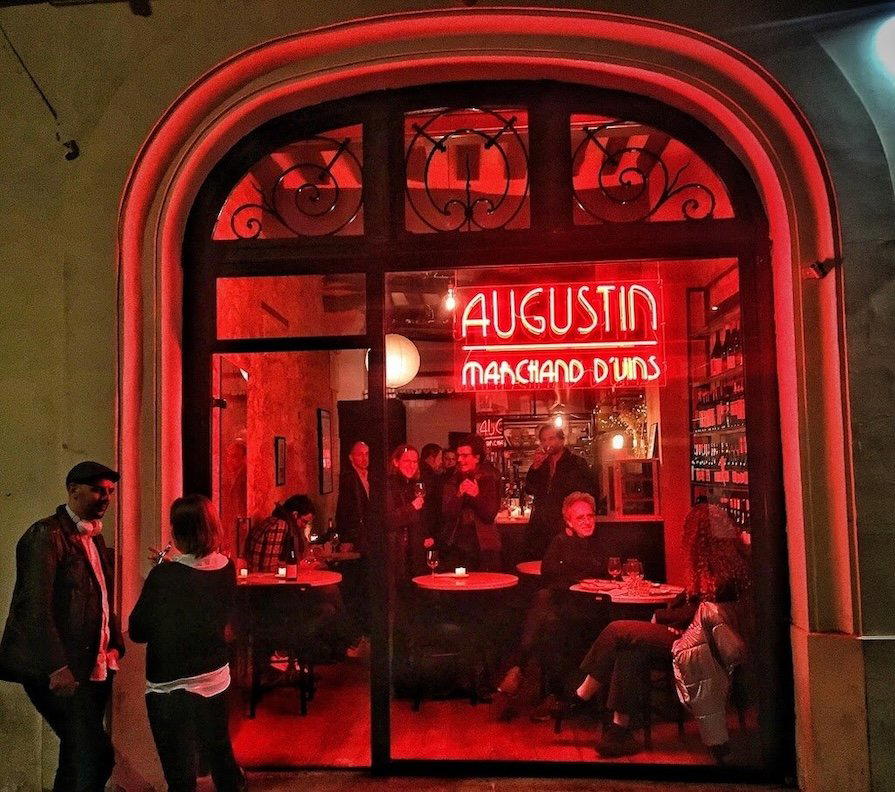
Warm and convivial atmosphere with antique furniture and crockery that tell a story, intimate tables designed for happy conversation, and a relaxed, homey setting that welcomes guests as friends.
Know Before You Go
- Getting there
- 103 Rue Legendre, 75017 Paris, France