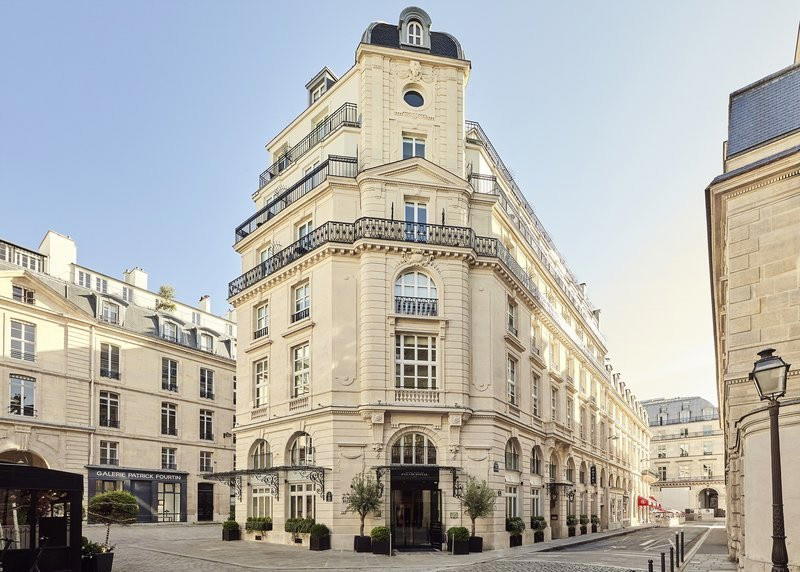
On a quiet stretch of Rue du Bac in the 7th arrondissement, Les Antiquaires occupies a position in one of Paris's most composed dining neighbourhoods, where the pace of service matches the architecture: unhurried and deliberate. The address sits within walking distance of the Left Bank's antique trade and the Musée d'Orsay, placing it in a corridor of Paris that has long resisted the faster rhythms of the right bank.
Pearl is the En Primeur Club membership app — saves, bookings, and concierge access live there. Same editors, same standards.
- Address
- 13 Rue du Bac, 75007 Paris, France
- Phone
- +33142610836
- Website
- lesantiquaires.net
- Directions
- Get directions
 Saves & bookings on Pearl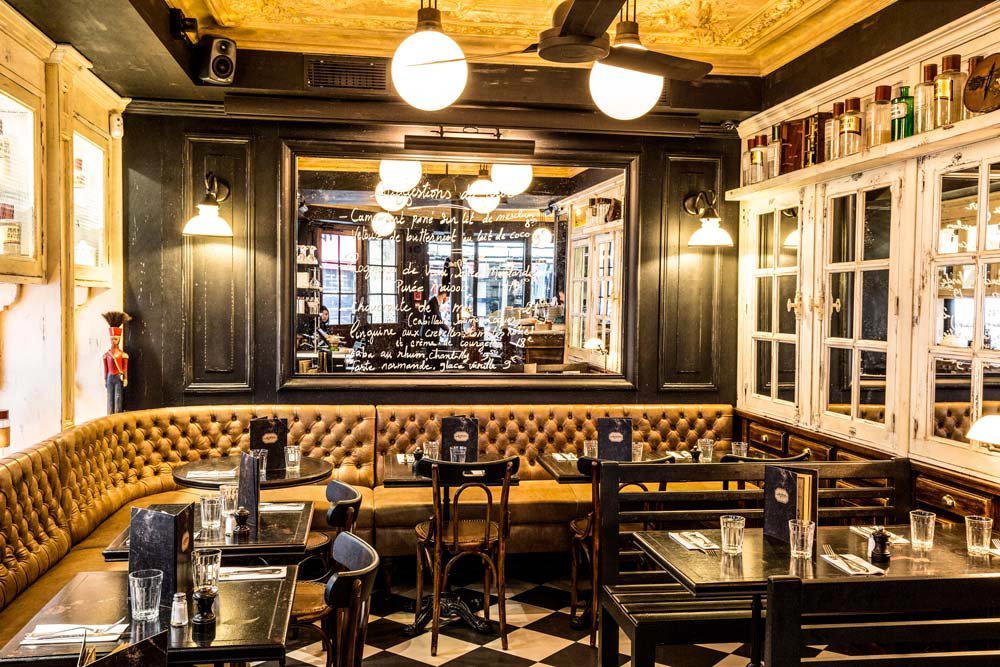
The 7th Arrondissement Table: Where Rue du Bac Sets the Tone
The stretch of Rue du Bac between the Seine and the Boulevard Raspail has always belonged to a particular kind of Parisian seriousness. Galleries, antique dealers, and quietly expensive apartment buildings form the neighbourhood's character, not spectacle, but depth. Dining rooms in this corridor tend to follow the same logic: rooms that reward attention, meals that unfold rather than perform. Les Antiquaires at number 13 sits inside that tradition, on a street where the clientele has historically preferred substance to noise.
This is a part of the 7th where the pedestrian experience itself frames the meal. Arriving along Rue du Bac on a winter evening, when the antique-shop windows cast amber rectangles onto wet cobblestones, the approach already suggests what a serious multi-course French table here should feel like: composed, specific, unhurried. The nearby Arpège has redefined what a classic address in this arrondissement can aspire to, and several other Left Bank institutions carry weight in this neighbourhood's dining conversation.
Reading the Meal: A Tasting Progression in Classic French Register
French tasting menus at the serious end of the Paris spectrum follow a structure that has been refined over decades: an amuse sequence that establishes the kitchen's register, cold starters that introduce precision before richness, fish courses that test technical control, a meat or game pivot that shifts the meal into its longer notes, cheese that pauses the tempo, and a dessert sequence that closes with something lighter than the meat course but more complex than the cheese. This architecture is not arbitrary. It reflects how palate fatigue works and how a kitchen earns the right to its final courses.
The tradition Les Antiquaires belongs to is one that several of France's great regional tables have also shaped. Troisgros in Ouches has spent generations refining the logic of progression. Auberge de l'Ill in Illhaeusern has preserved the Alsatian version of this arc across multiple decades. Bras in Laguiole has argued for a version that opens toward the landscape rather than toward classical technique. Each represents a different answer to the same question: what should a French meal teach the diner about where they are eating?
In the 7th arrondissement, that question is answered through restraint more often than through spectacle. The neighbourhood's dining rooms do not generally compete on theatrics. They compete on depth, on wine lists that reward knowledge, on sauces that require time, on service that reads the room rather than performing for it.
Where This Address Sits in the Paris Dining Tier
Paris's upper dining tier has stratified considerably over the past fifteen years. At the summit, addresses like Alléno Paris au Pavillon Ledoyen and Le Cinq at the Four Seasons George V operate at price points and production scales that place them in a different category from neighbourhood dining rooms. L'Ambroisie on the Place des Vosges has for decades represented the Parisian ideal of the intimate room at stronger examples from the craft hierarchy. Kei near the Louvre has demonstrated how a Franco-Japanese syntax can earn three Michelin stars within the French tradition.
Les Antiquaires on Rue du Bac sits in a different register from those addresses, closer to the serious neighbourhood table that serves the 7th's resident population as much as its visitors. That positioning is not a limitation. Particularly instructive meals in Paris happen at this level, where the kitchen is cooking for a room that knows the difference between a properly made beurre blanc and a shortcut.
For comparison, France's broader geography of serious cooking includes addresses far from Paris that operate at a similar level of intent: Assiette Champenoise in Reims brings three-star ambition to Champagne country, while Au Crocodile in Strasbourg and Auberge du Vieux Puits in Fontjoncouse each demonstrate that the French tradition extends well beyond the capital's dining rooms. Flocons de Sel in Megève and Mirazur in Menton have each built cases for French cooking at the highest international level outside Paris entirely. And internationally, Le Bernardin in New York and Atomix show how French technical grammar has been absorbed and reinterpreted far from its origin. AM par Alexandre Mazzia in Marseille and Paul Bocuse in Collonges-au-Mont-d'Or each represent distinct chapters of the same long story. The 7th arrondissement address on Rue du Bac belongs to that story in its own quieter way.
Seasonal Timing and When to Come
The 7th arrondissement dining rooms that operate in a classic French register tend to show their strongest form in autumn and winter, when game seasons align with the richest parts of a French menu and when the neighbourhood's pace slows enough to make a long lunch or dinner feel appropriate. The Rue du Bac corridor empties of tourists in November and fills instead with residents and professionals from the nearby ministries, which changes the room's character considerably from the high-summer months when the 7th draws more visitor traffic.
Spring brings a shift toward lighter preparations, asparagus from the Loire, early-season fish, the first soft vegetables that mark the end of root-heavy winter cooking. A serious French kitchen on this street will recalibrate through each seasonal transition, and choosing a visit to coincide with the peak of a season rather than its shoulder is consistently the more rewarding approach.
Planning Your Visit
Peers You’d Cross-Shop
Comparable venues nearby, for context on price, style, and recognition.
| Venue | Cuisine | Price | Notes |
|---|---|---|---|
| Les AntiquairesThis venue — the venue you are viewing | Classic French Bistro | $$$ | Not listed |
| Saturne | Modern French with Nordic Influences | $$$ | 2nd Arrondissement |
| Didon | Bistronomic French with Lebanese Accents | $$$ | Saint-Germain-des-Prés |
| MAR'CO | Chic Modern French Bistro | $$$ | Louvre / Palais-Royal |
| Le Trader's | Contemporary French Brasserie with Asian Fusion | $$$ | Bourse |
| Market | French-Asian Fusion | $$$ | 8th Arr. - Élysée |
Continue exploring
More in Paris
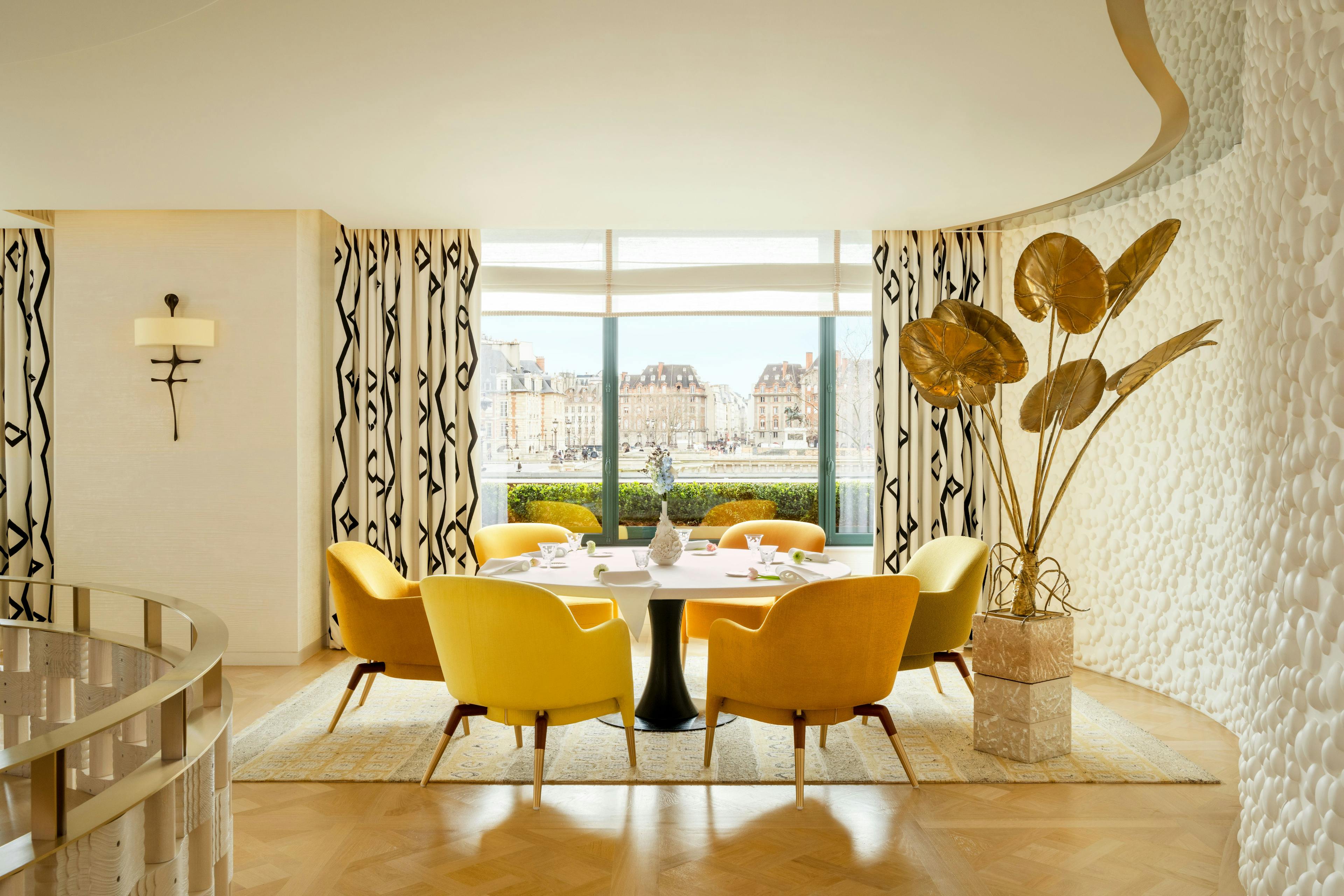
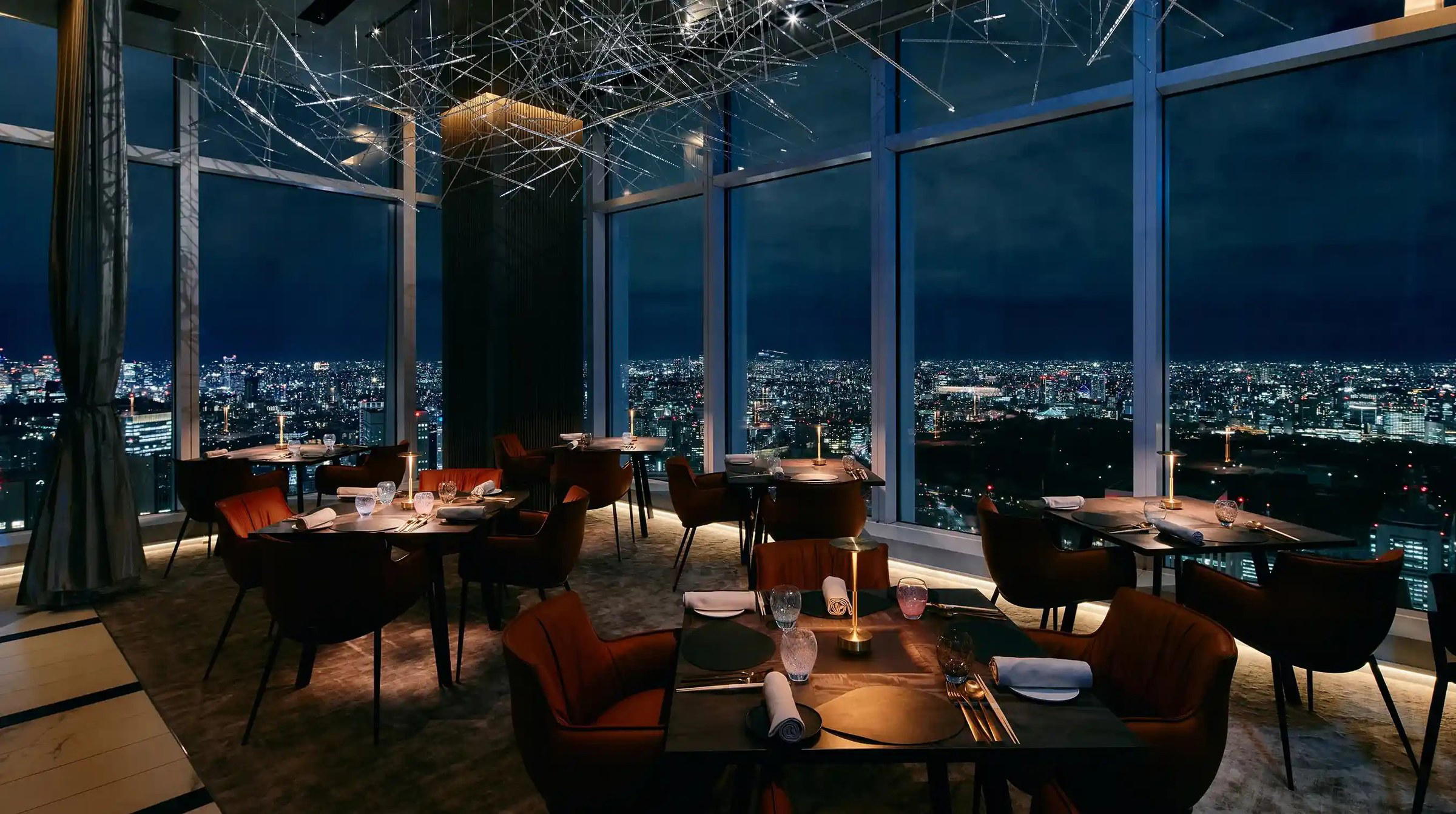
Restaurants in Paris
Browse all →
Bars in Paris
Browse all →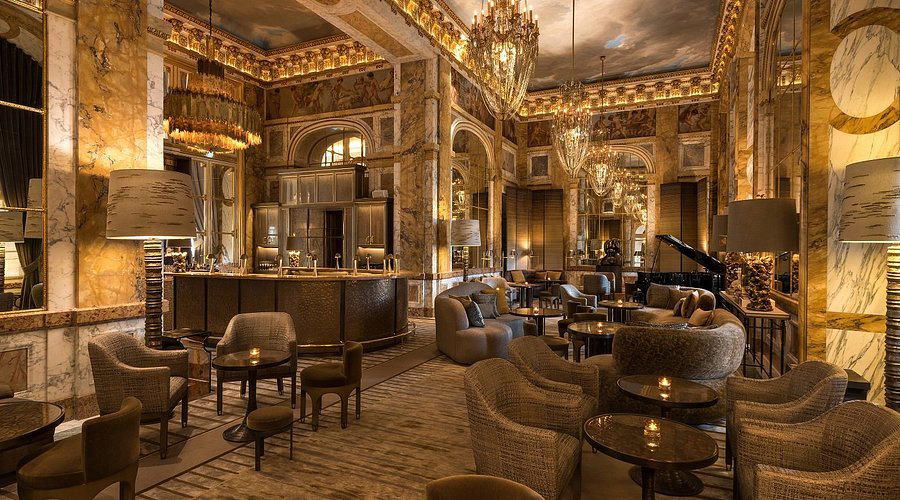
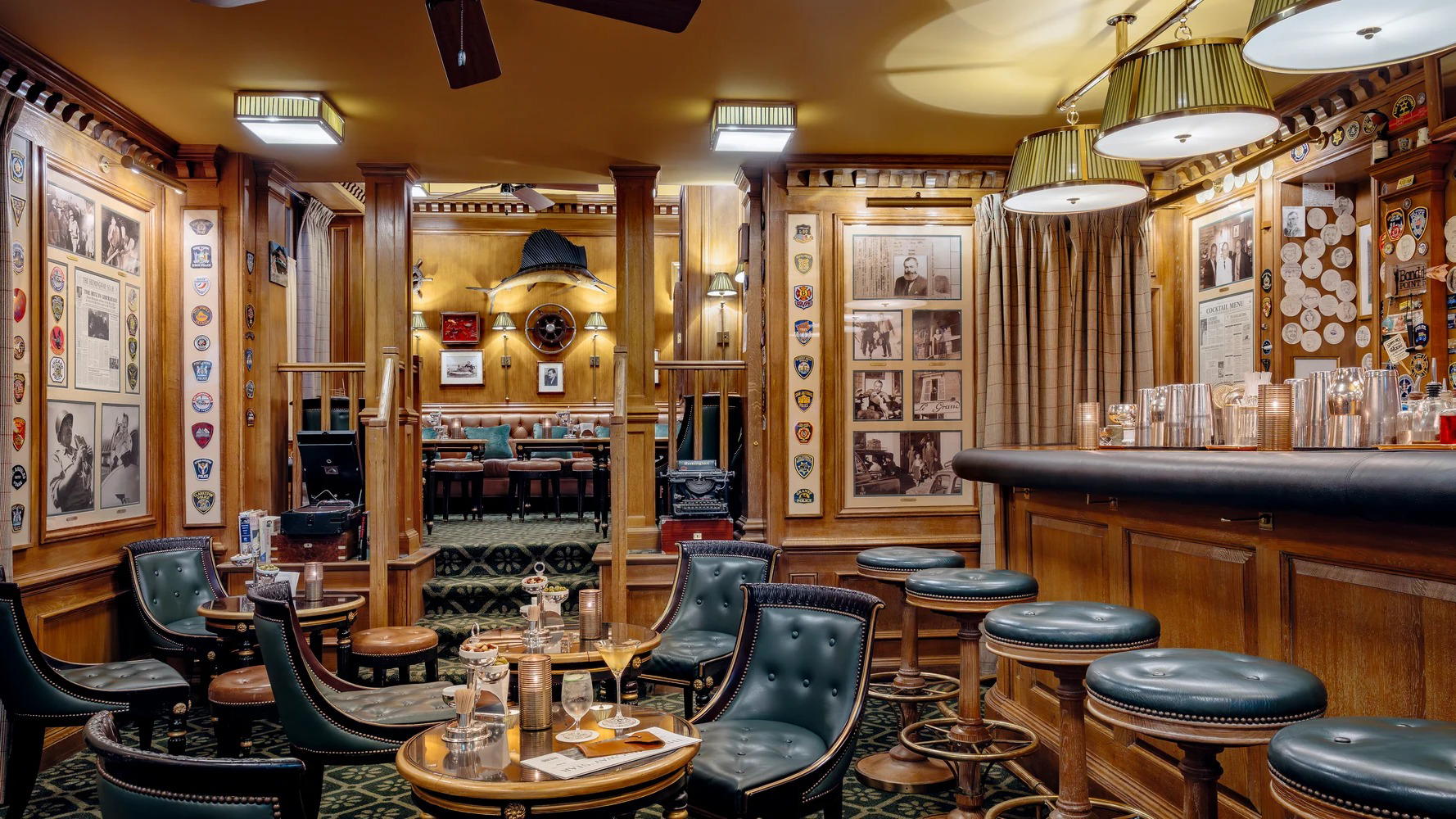

Hotels in Paris
Browse all →




At a Glance
- Classic
- Cozy
- Elegant
- Date Night
- Casual Hangout
- Late Night
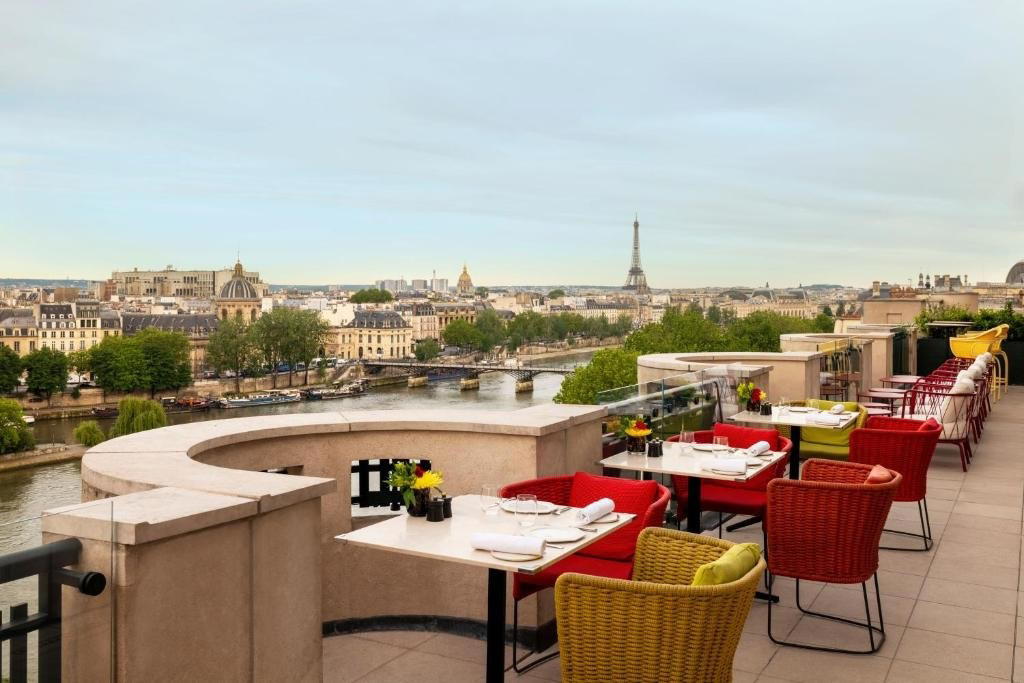
- Terrace
- Extensive Wine List
- Local Sourcing
- Street Scene
Current opening hours
- Monday
- 8 AM–2 AM
- Tuesday
- 8 AM–2 AM
- Wednesday
- 8 AM–2 AM
- Thursday
- 8 AM–2 AM
- Friday
- 8 AM–2 AM
- Saturday
- 8 AM–2 AM
- Sunday
- 8 AM–2 AM
Hours can change for holidays and private events. Last verified .
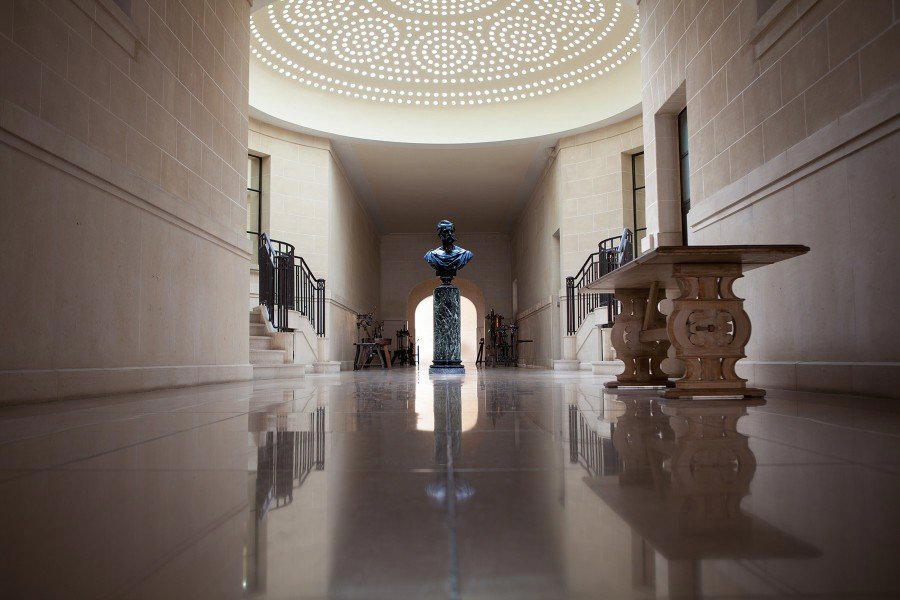
Cozy nostalgic ambiance with leather banquettes, large mirrors, wooden bar, and invigorating buzz of diners.