On Warendorfer Strasse in Münster's eastern residential stretch, Les Cèdres occupies a part of the city where serious cooking tends to go quietly about its business. The name signals a French sensibility, and the address places it well outside the tourist circuit, which in Münster's dining culture is often where the more considered meals are found. A reservation here rewards those who look past the city centre.
Pearl is the En Primeur Club membership app — saves, bookings, and concierge access live there. Same editors, same standards.
- Address
- Warendorfer Str. 161, 48145 Münster, Germany
- Phone
- +492519226629
- Website
- lescedres.de
- Directions
- Get directions
 Saves & bookings on Pearl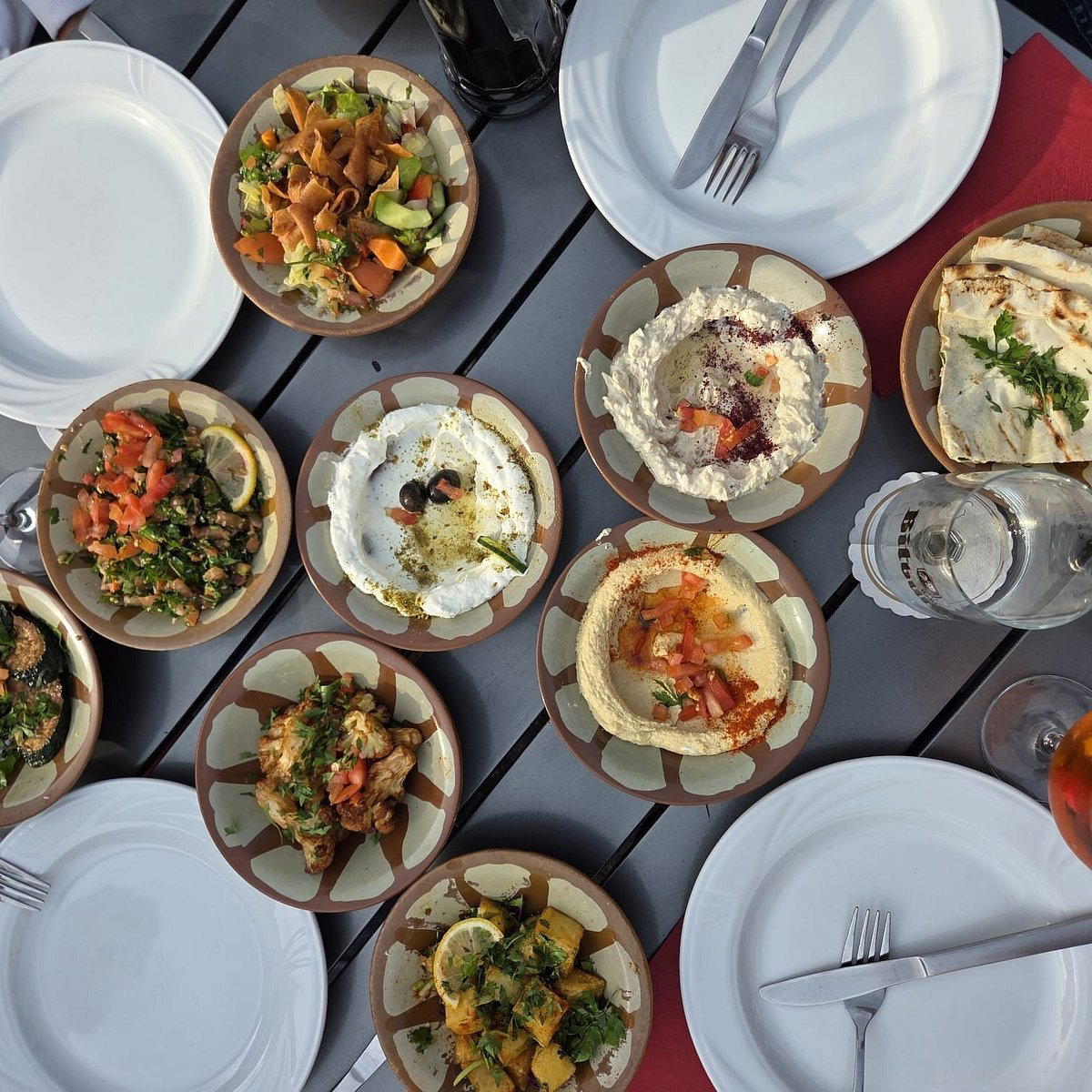
East of the Centre, Away from the Noise
Münster's dining scene has a particular geography. The obvious choices cluster around the Altstadt and the Prinzipalmarkt, where foot traffic and visibility drive decisions. But the addresses that tend to generate quieter, more sustained reputations sit further out, on residential thoroughfares where the clientele arrives by intention rather than by accident. Warendorfer Strasse 161 is that kind of address. Les Cèdres operates in a part of the city where restaurants earn their repeat visitors rather than inherit them from passing trade. It is an authentic Lebanese restaurant Set at Warendorfer Str. 161 in Münster.
The name itself is a marker. Les Cèdres, the cedars, carries a distinctly French register, and in the context of Münster's dining culture, that signal matters. The city has a handful of establishments working in the French or Franco-German tradition, including Coeur D'Artichaut at the higher end of the market and Spitzner with its modern French orientation. Les Cèdres sits within that peer conversation, serving a neighbourhood that understands the difference between a French-inflected menu and one that merely borrows the aesthetic.
What Sourcing Tells You About a Kitchen
In contemporary German fine dining, the question of ingredient provenance has become something close to a defining credential. Across the country's better restaurants, from BOK Restaurant Brust oder Keule in Münster itself, which frames its entire identity around farm-to-table sourcing, to operations as far afield as Aqua in Wolfsburg and JAN in Munich, the sourcing story has moved from background detail to front-of-house conversation. Kitchens that still treat the supply chain as a private matter are increasingly at odds with how guests now read a menu.
For a restaurant operating under a name with French agricultural connotations in the Westphalian countryside, the surrounding region offers particular advantages. The farmland around Münster is among the more productive in northwestern Germany. Westphalia's dairy and pork traditions are documented and longstanding. A kitchen positioned on Warendorfer Strasse, at the city's eastern edge, has direct access to supply networks that kitchens in more central locations sometimes have to reach further to establish. Whether the restaurant draws on those regional resources explicitly, or works in a more classical French mode that sources independently of terroir logic, shapes the fundamental character of what arrives at the table.
This distinction matters more than it might appear. Restaurants in the French tradition have historically operated on the principle that technique transforms ingredient, and that the sourcing narrative is secondary to the craft applied. The newer school, represented locally by BOK and nationally by places like Waldhotel Sonnora in Dreis and Schanz in Piesport, insists that origin and technique are inseparable. Where the restaurant lands on that spectrum is a question worth asking before you book.
Münster's Fine Dining comparable set
To understand the restaurant accurately, it helps to map Münster's current restaurant tiers. At the upper end, Coeur D'Artichaut operates at €€€€, positioned against the city's most formal dining occasions. BOK Restaurant Brust oder Keule at €€€ makes sourcing transparency its competitive identity. Below those, addresses like Acacia and Alem Mar diversify the city's offer at different price points. A full picture of how these restaurants relate to each other and to Münster's wider dining culture is available in our full Münster restaurants guide.
The French-named establishments in this peer group face a particular pressure: French culinary language still carries authority in German fine dining, but it now competes with regional identity narratives that have more momentum in the current critical climate. Restaurants working in this tradition in cities like Münster tend to succeed when they occupy a clear position, either committed classicism, visibly updated French technique, or a hybrid that integrates Westphalian produce into a French structural framework. The middle ground, where the French name is aesthetic rather than culinary, is the harder place to hold.
The Broader German Fine Dining Context
Germany's serious restaurant culture extends well beyond its obvious metropolitan centres. Some of the country's most decorated tables operate in smaller cities or rural settings, Schwarzwaldstube in Baiersbronn, Victor's Fine Dining by Christian Bau in Perl, ES:SENZ in Grassau, which suggests that geography is not a limiting factor for ambition. Münster, as a university city with a stable, educated population and significant purchasing power, provides a viable base for serious cooking. The city's restaurants do not need to compete on a national stage to sustain a loyal following.
That context matters for how to approach the restaurant. This is not a restaurant positioning itself against Vendôme in Bergisch Gladbach or Restaurant Haerlin in Hamburg. Its competitive reference points are local and regional, and its success depends on serving Münster's dining community consistently and specifically. That is a different brief from destination restaurants that draw guests from outside the city, and it produces a different kind of experience, less theatrical, more sustained, more embedded in the rhythms of a particular neighbourhood.
Internationally, the analogues for this kind of restaurant, French-registered, residential location, city-specific following, exist in abundance. Le Bernardin in New York City operates at a different scale entirely, but the principle of a French-tradition kitchen serving a specific and loyal urban clientele is recognisable across markets. Even the more conceptually adventurous end of that spectrum, represented by places like Atomix in New York City or CODA Dessert Dining in Berlin, demonstrates how strongly a clear culinary identity anchors a restaurant's reputation over time.
Planning a Visit
The restaurant sits at Warendorfer Str. 161, in Münster's eastern residential district, which means arriving by car or taxi is the practical approach for most visitors. The address is not on a major pedestrian route, and the surrounding area reads as a neighbourhood destination rather than a destination-district restaurant.
At-a-Glance Comparison
Comparable venues nearby, for context on price, style, and recognition.
| Venue | Cuisine | Price | Notes |
|---|---|---|---|
| Les CèdresThis venue — the venue you are viewing | Authentic Lebanese | $$ | Not listed |
| Orléans | Traditional French Bistro | $$ | Münster |
| Acacia | Authentic Japanese Sushi and Omakase | $$$ | Münster |
| PALUMBO Restaurant | Authentic Italian | $$$ | Mauritz |
| Rotkehlchen Speise-& Cocktailbistro | Modern German Bistro with Cocktails | $$$ | Innenstadt |
| Restaurant Ackermann | Upscale Regional German | $$$ | Roxel |
Continue exploring
More in Münster
Restaurants in Münster
Browse all →
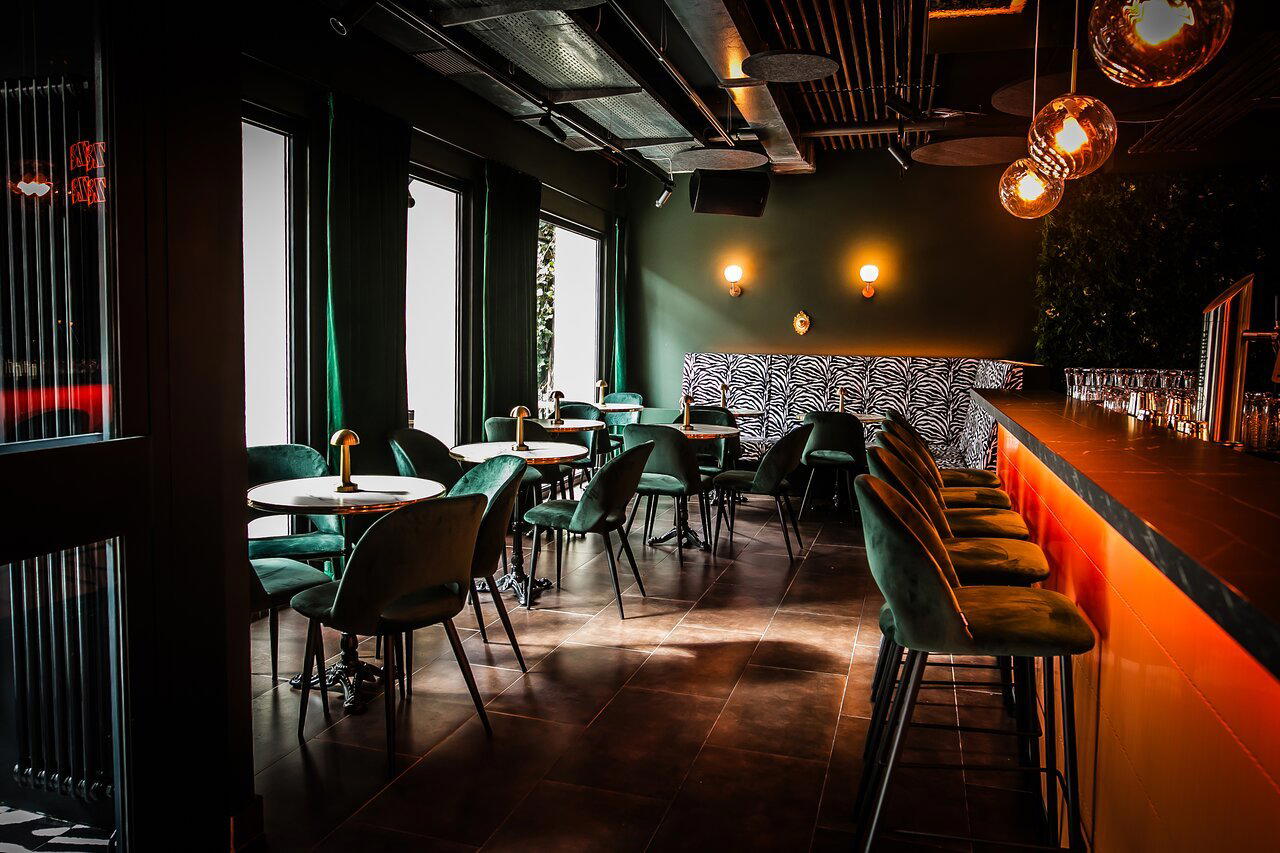
Bars in Münster
Browse all →
Hotels in Münster
Browse all →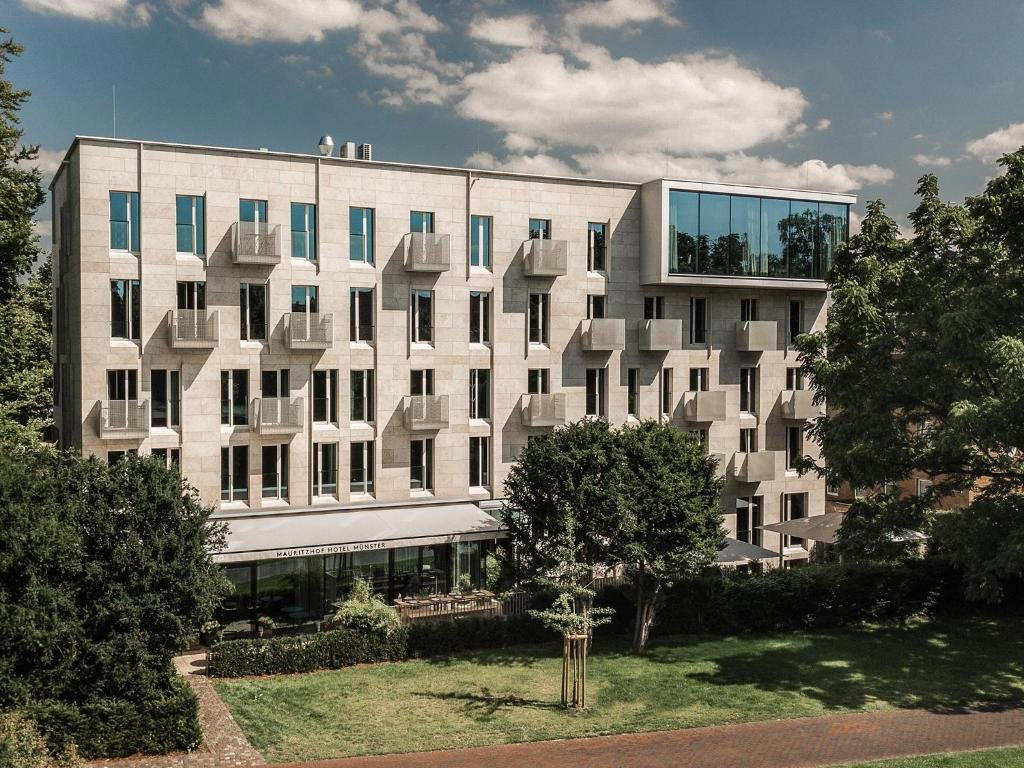
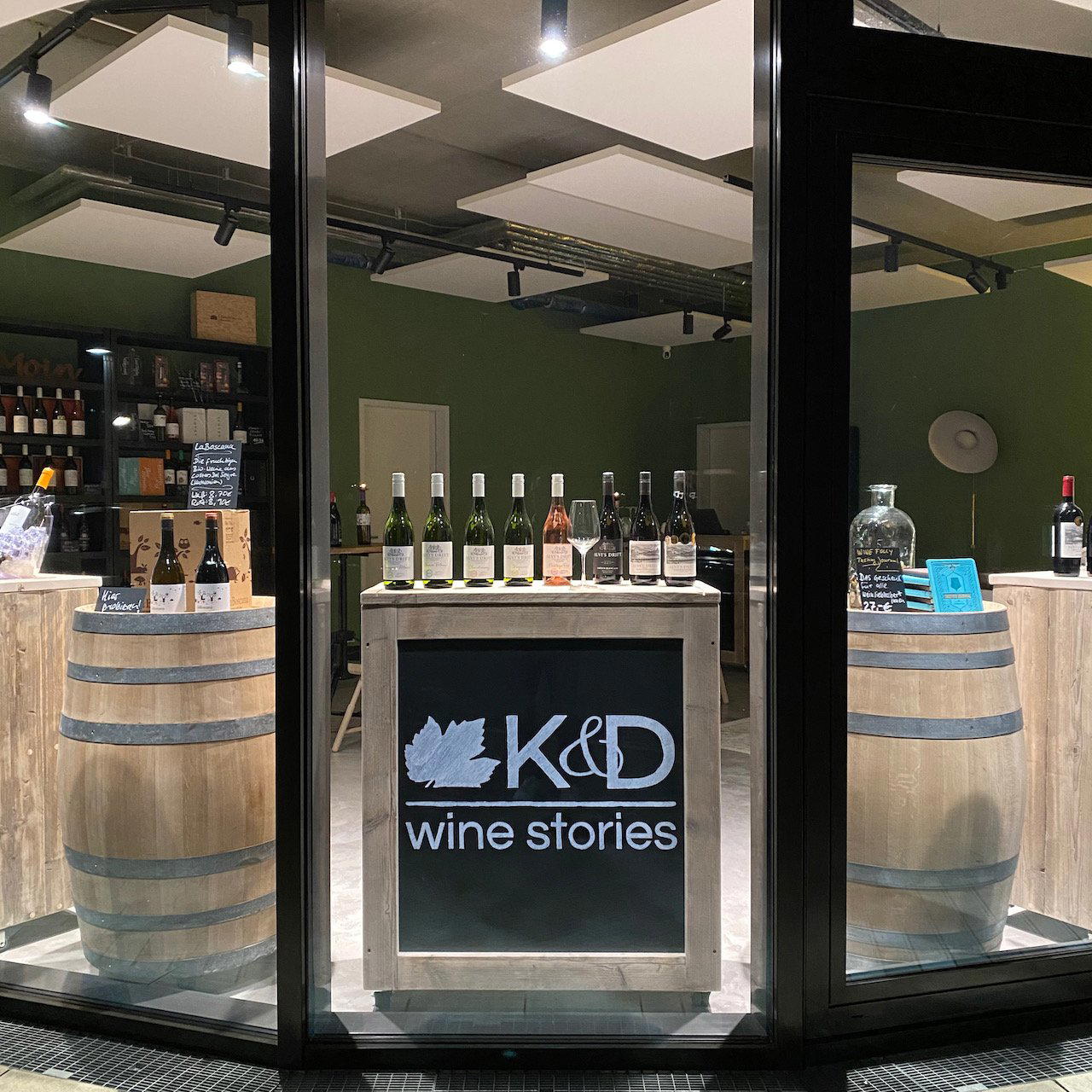
Wineries in Münster
Browse all →
At a Glance
- Cozy
- Intimate
- Family
- Group Dining
- Casual Hangout
- Terrace
Current opening hours
- Monday
- 5–10 PM
- Tuesday
- 5–10 PM
- Wednesday
- 5–10 PM
- Thursday
- 5–10 PM
- Friday
- 5–11 PM
- Saturday
- 5–11 PM
- Sunday
- 5–10 PM
Hours can change for holidays and private events. Last verified .
Cozy oriental atmosphere with enchanting lanterns and red fabrics, though it can get loud during peak times.