Our verdict
Les Arlots sits on Rue du Faubourg Poissonnière in Paris's 10th arrondissement, where the bistrot tradition has found one of its more serious modern expressions. The address occupies a tier of neighbourhood restaurants that prioritise market cooking and natural wine over spectacle, placing it squarely within a broader Parisian shift toward substance over ceremony. It is the kind of table that rewards regulars more than tourists.

Pearl is the En Primeur Club membership app, where members save venues, book tables and use the concierge.
The menu
What to order
- Saucisse des Arlots
- Sausage and mashed potatoes
The 10th Arrondissement and the Bistrot Revival
The stretch of Rue du Faubourg Poissonnière that runs through the 10th arrondissement has become one of the more reliable corridors for the kind of French cooking that Paris has been quietly producing in parallel with its grand restaurant circuit. This is not the territory of palace hotels or multi-star temples like Alléno Paris au Pavillon Ledoyen or the formal classicism of L'Ambroisie. It belongs to a different register entirely: the neighbourhood bistrot operating at a level of seriousness that belies its informal setting.
Les Arlots at number 136 is a fixture of this current. The 10th has attracted a cohort of restaurants in the past decade that share a sensibility: short menus dictated by the market, natural and low-intervention wines, room formats that seat small numbers without pretension, and cooking that draws directly from the French provincial tradition rather than reinventing it. Understanding Les Arlots means understanding that context first.
What the Bistrot Tradition Actually Means Here
The word bistrot carries a great deal of weight in French food culture, and not always accurately. In too many cases it has become a brand signifier rather than a genuine cooking philosophy. The real thing, when you find it, tends to look like this: a slate board that changes with what arrived at the market that morning, a wine list weighted toward growers rather than négociants, and a kitchen that applies real technique without performing it.
France's deeper restaurant tradition runs through addresses far from Paris. The multi-generational craft visible at places like Auberge de l'Ill in Illhaeusern, the terroir-driven focus of Bras in Laguiole, or the foundational influence of Paul Bocuse's Auberge du Pont de Collonges all speak to a French culinary culture rooted in place, season, and accumulated knowledge. What the Paris bistrot revival of the past fifteen years has done is attempt to distil that provincial seriousness into an urban, accessible format, without the white tablecloths or the ceremony.
Les Arlots operates in that space. Its address in the 10th is part of a cluster of similarly minded tables that have made this arrondissement a point of reference for the style, distinct from the 6th's tourist-heavy brasseries or the 8th's expense-account circuit anchored by rooms like Le Cinq at the Four Seasons George V.
The Cultural Weight of Charcuterie and Wine
One of the consistent features of this category of Paris restaurant is the emphasis on charcuterie as a serious discipline rather than a stopgap starter. In the French provincial tradition, cured meats, terrines, and rillettes carry the same intellectual weight as a composed dish. They represent technique, patience, and an understanding of the whole animal, values that have been central to French culinary identity since long before modern restaurant culture existed.
At Les Arlots, this element of the kitchen's identity is documented and deliberate. House-made charcuterie appears as a pillar of the offer, reflecting the same ethos visible at regionally grounded addresses like Flocons de Sel in Megève or Auberge du Vieux Puits in Fontjoncouse, where the kitchen's relationship to raw materials defines the cooking before a single plate leaves the pass.
The wine program at bistrots of this type typically follows the same logic: growers are chosen for transparency of process and connection to place. This positions the list in conversation with the natural wine movement that has reshaped Parisian restaurant culture over the past two decades, without necessarily requiring allegiance to any particular ideological camp within it.
Where Les Arlots Sits in the Paris Dining Order
Paris operates on a clear hierarchy of restaurant formats and price points. At the summit sit the €€€€ creative and classic addresses: Arpège, Kei, and their peers. Below that, a mid-market tier of modern bistronomy has flourished since the early 2000s. Les Arlots occupies a position within this mid-tier but at the more considered end of it, where the cooking is grounded in craft rather than trend. It is not competing with Mirazur or Troisgros for the same reader. It is competing for a different kind of attention: the reader who wants to eat well in Paris without navigating the formal dining apparatus.
That reader, and there are many of them, finds in the 10th a reliable alternative to both the grand addresses and the generic bistrot. Les Arlots is part of the reason the arrondissement has developed that reputation. For a broader map of where it sits within the city's dining options, the EP Club Paris restaurants guide provides the full context.
Internationally, French-trained technique surfaces across very different settings. Le Bernardin in New York and Atomix in the same city represent what happens when classical French rigour migrates and hybridises. AM par Alexandre Mazzia in Marseille and Assiette Champenoise in Reims show the regional variation within France itself. Les Arlots positions itself not in relation to any of those, but in deliberate proximity to the local and the seasonal, which is its own kind of argument.
The comparison to Au Crocodile in Strasbourg is instructive in a different way: Alsatian cuisine, like the best of the Paris bistrot tradition, takes its authority from accumulated regional knowledge rather than from novelty. Both represent French cooking that trusts its own foundations.
Planning Your Visit
Address: 136 Rue du Faubourg Poissonnière, 75010 Paris. Reservations: Recommended, particularly for dinner service; walk-in availability depends on time and day. Dress: No formal code; the room is informal by design. Budget: In line with the serious mid-tier of Paris bistrots, expect a meaningful meal at a fraction of the grand restaurant circuit. Getting there: The 10th arrondissement is well-served by Paris Metro; Poissonnière station (line 7) is the closest stop to this address.
Frequently asked questions
What should I order at Les Arlots?
The kitchen's reputation centres on house-made charcuterie, which functions as a serious discipline here rather than a perfunctory opener. Within the broader 10th-arrondissement bistrot tradition, the smart approach is to follow the slate rather than a printed menu, the market-driven daily specials carry the most current expression of what the kitchen is doing. The natural wine list is an integral part of the meal and worth engaging with as seriously as the food. For context on how this style of cooking sits within Paris's wider restaurant order, the EP Club Paris guide maps the full range of options.
How hard is it to get a table at Les Arlots?
By the standards of Paris's better-known addresses, Les Arlots does not require months of forward planning, but it is not a room you walk into on a Friday evening without some preparation. The format is small and the local following is consistent, which means dinner bookings in particular benefit from advance reservation. Weekend lunch tends to be the most competitive sitting. This is characteristic of the serious mid-tier bistrot in Paris: demand is steady because the offer is reliable, not because the address has been accelerated by a major award cycle in the way that rooms like Arpège or Alléno Paris attract international reservation pressure.
Is Les Arlots a good choice for someone who wants to experience authentic Parisian bistrot cooking rather than a tourist-facing brasserie?
Yes, and that distinction matters more in Paris than in most cities. The 10th arrondissement address, the house charcuterie focus, and the natural wine program are all signals that point away from the tourist-facing brasserie format and toward a room that earns its following from locals and knowledgeable visitors. Within the French culinary tradition, this style of cooking connects directly to the provincial craft that underpins grander addresses elsewhere in the country, from Bras in Laguiole to Auberge de l'Ill in Illhaeusern. Les Arlots delivers that sensibility at an accessible price point in a Paris neighbourhood that has made this kind of cooking its own.
Cuisine and Awards Snapshot
Comparable venues nearby, for context on price, style, and recognition.
| Venue | Cuisine | Price | Notes |
|---|---|---|---|
| Les ArlotsThis venue (the venue you are viewing) | Traditional French Bistro | $30–50 | Not listed |
| Groot | French Street Food Pies | $20–30 | Sentier |
| Juveniles | Seasonal French Bistro | $30–50 | Louvre / Palais-Royal |
| Chez Nenesse | Traditional French Bistro | $20–30 | Le Marais |
| Pause Café | French Bistro | $20–30 | Bastille |
| Coutume | Modern French Bakery Cafe with Specialty Coffee | $20–30 | 7e Arr. - Palais-Bourbon |
Continue exploring
More in Paris
Restaurants in Paris
All restaurants in Paris →
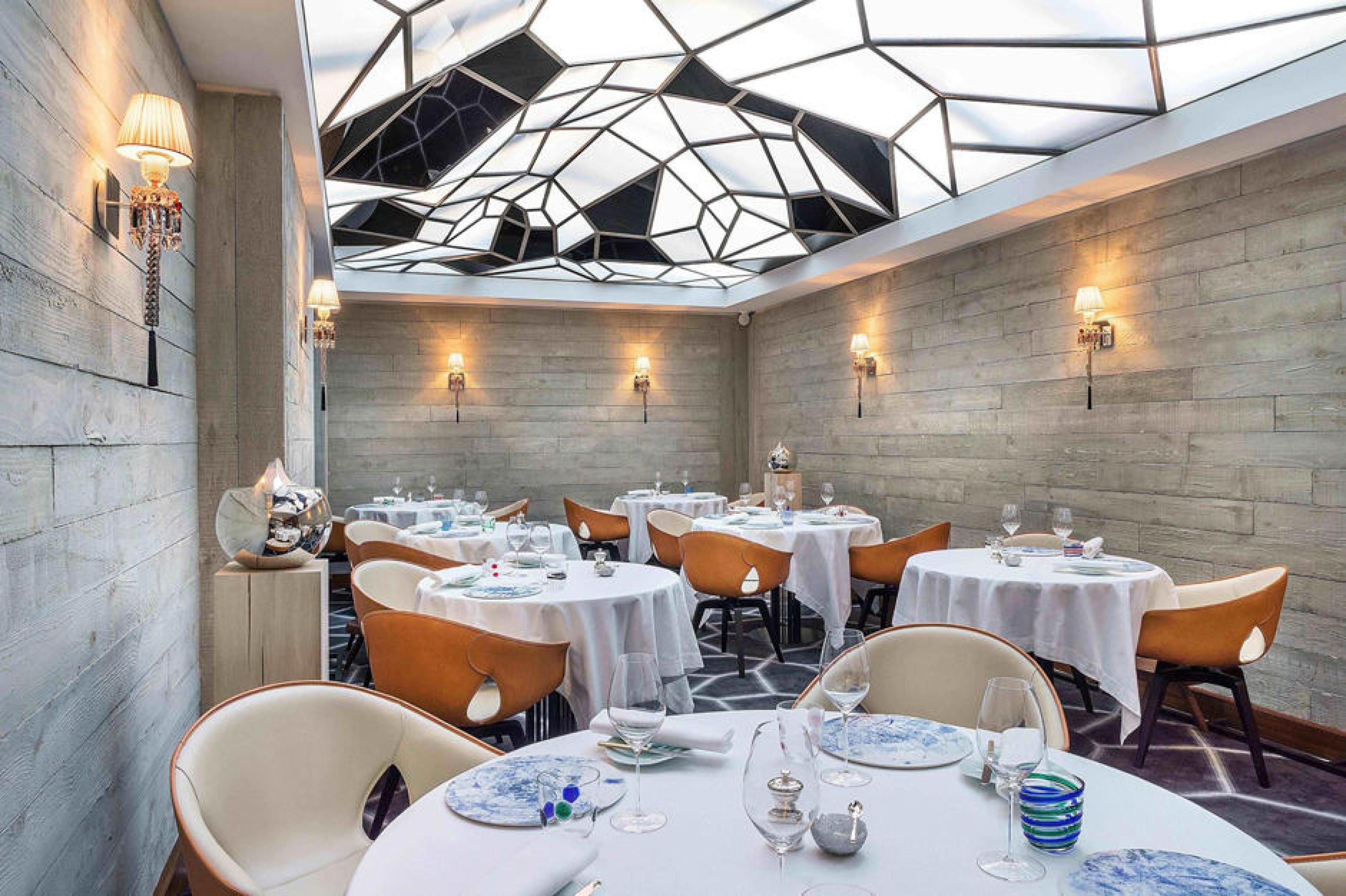
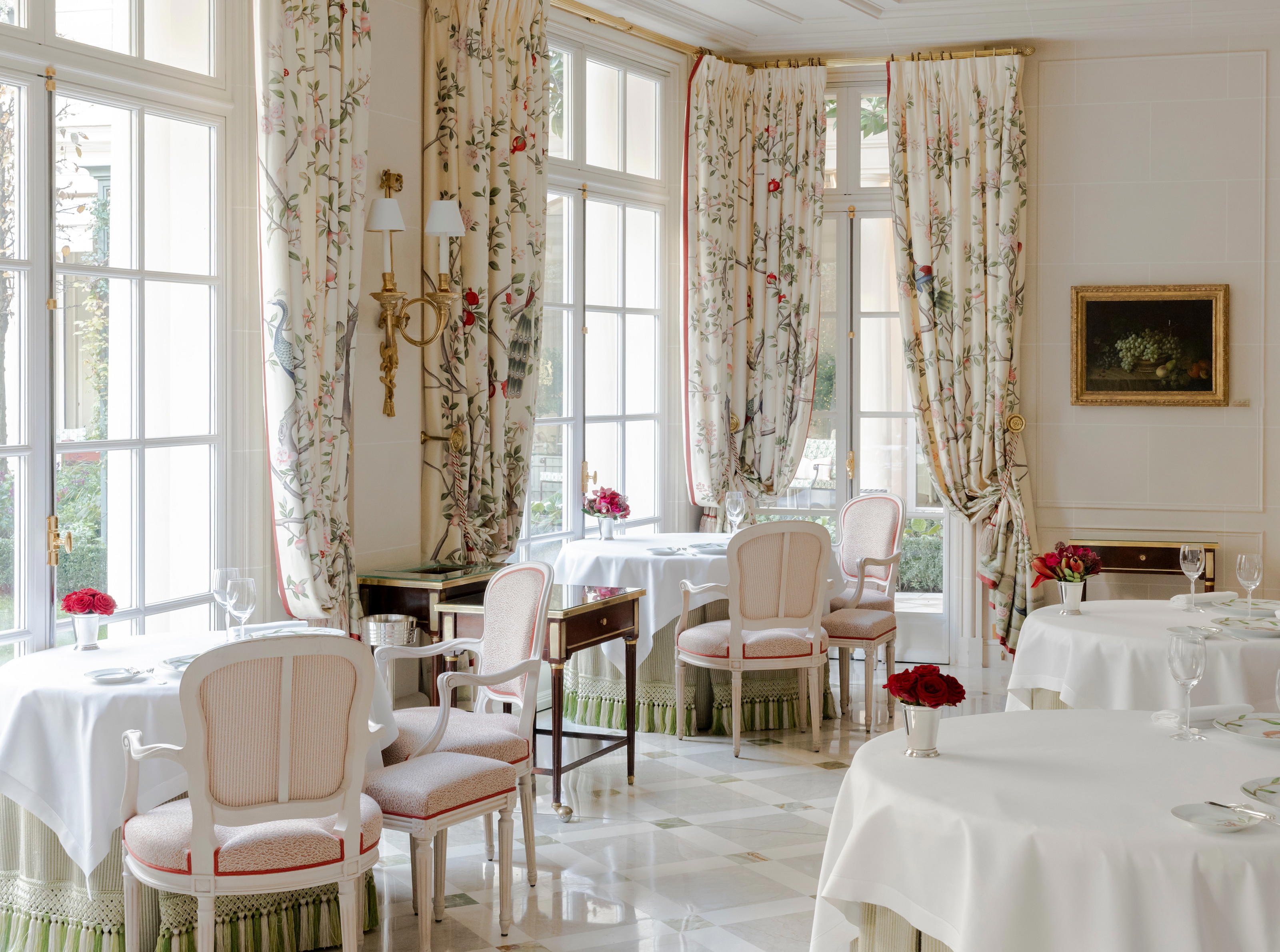
Bars in Paris
All bars in Paris →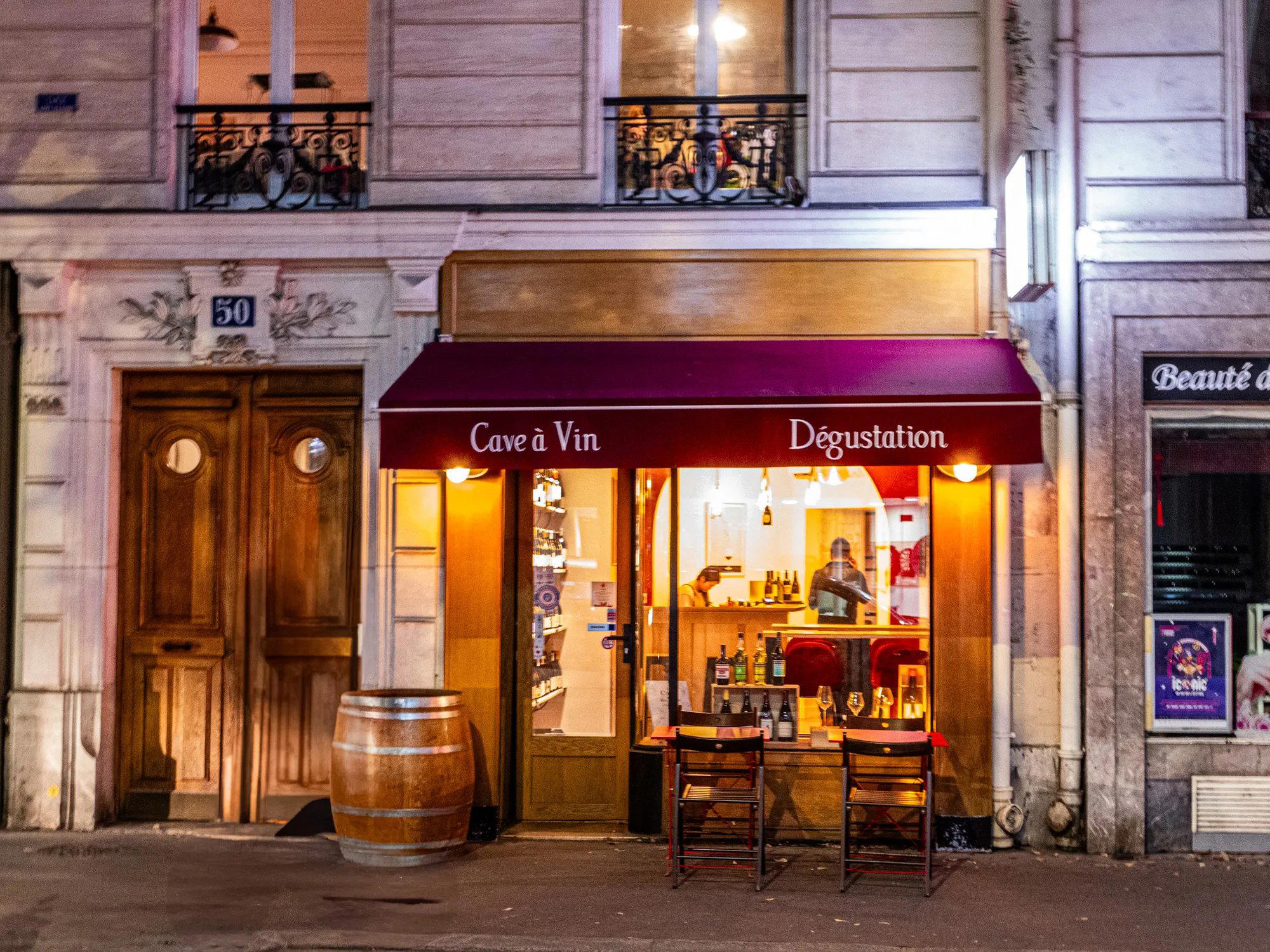
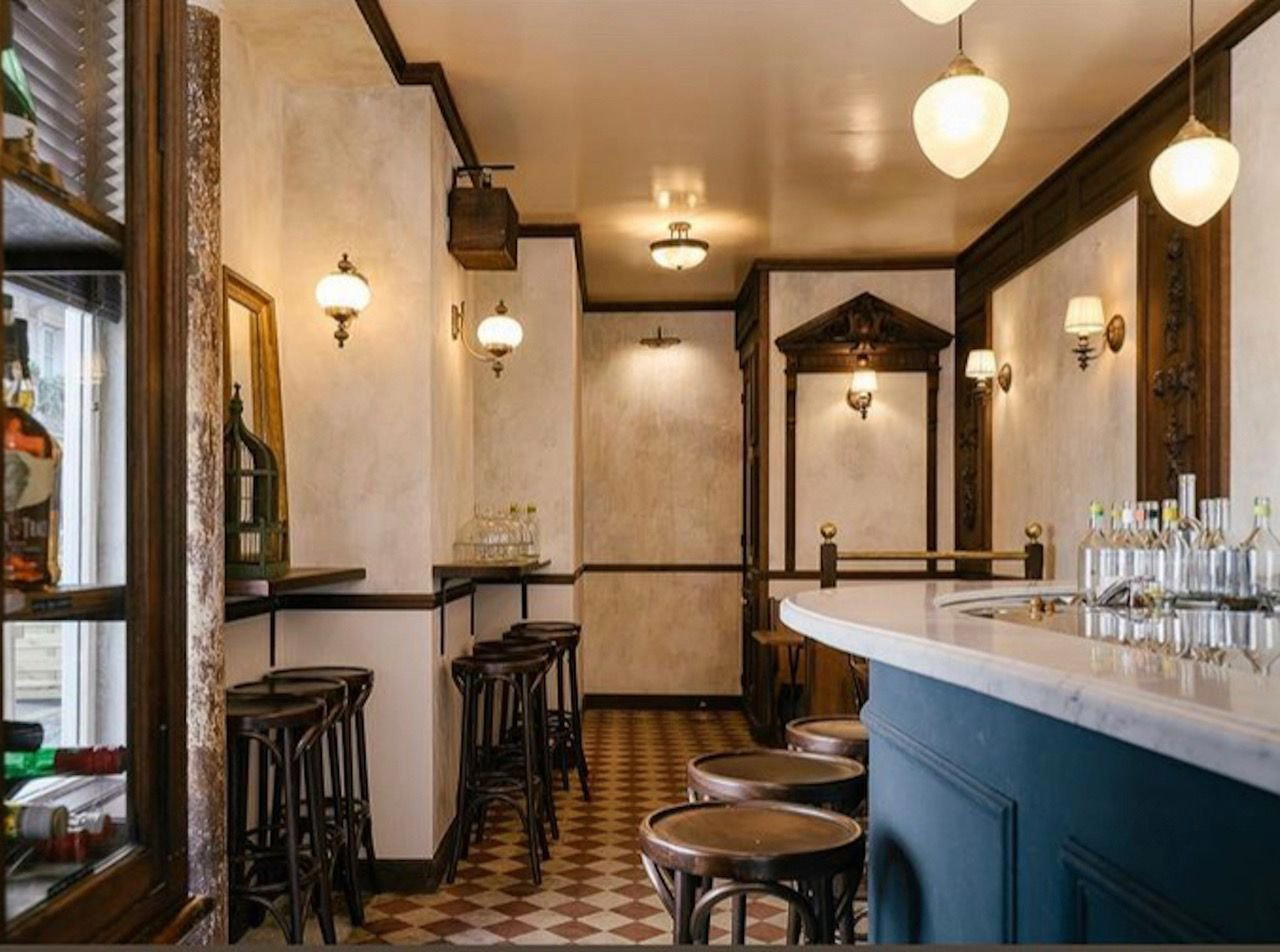



Details
- Classic
- Cozy
- Intimate
- Date Night
- Casual Hangout
- Special Occasion
- Standalone
- Local Sourcing
- A La Carte
Current opening hours
- Monday
- Closed
- Tuesday
- 12–2 PM, 7:30–10 PM
- Wednesday
- 12–2 PM, 7:30–10 PM
- Thursday
- 12–2 PM, 7:30–10 PM
- Friday
- 12–2 PM, 7:30–10 PM
- Saturday
- 12–2 PM, 7:30–10 PM
- Sunday
- Closed
Hours can change for holidays and private events. Hours as of .
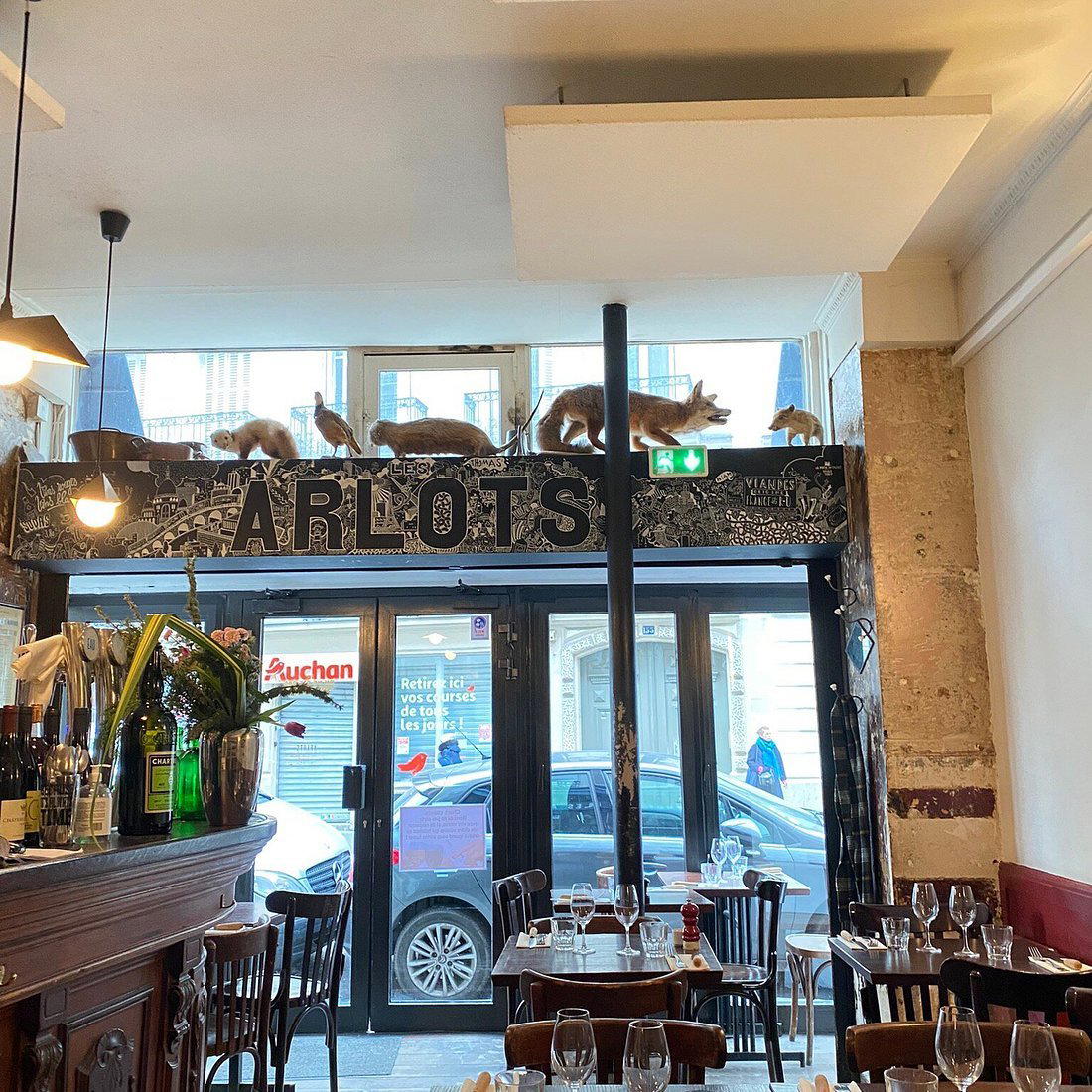
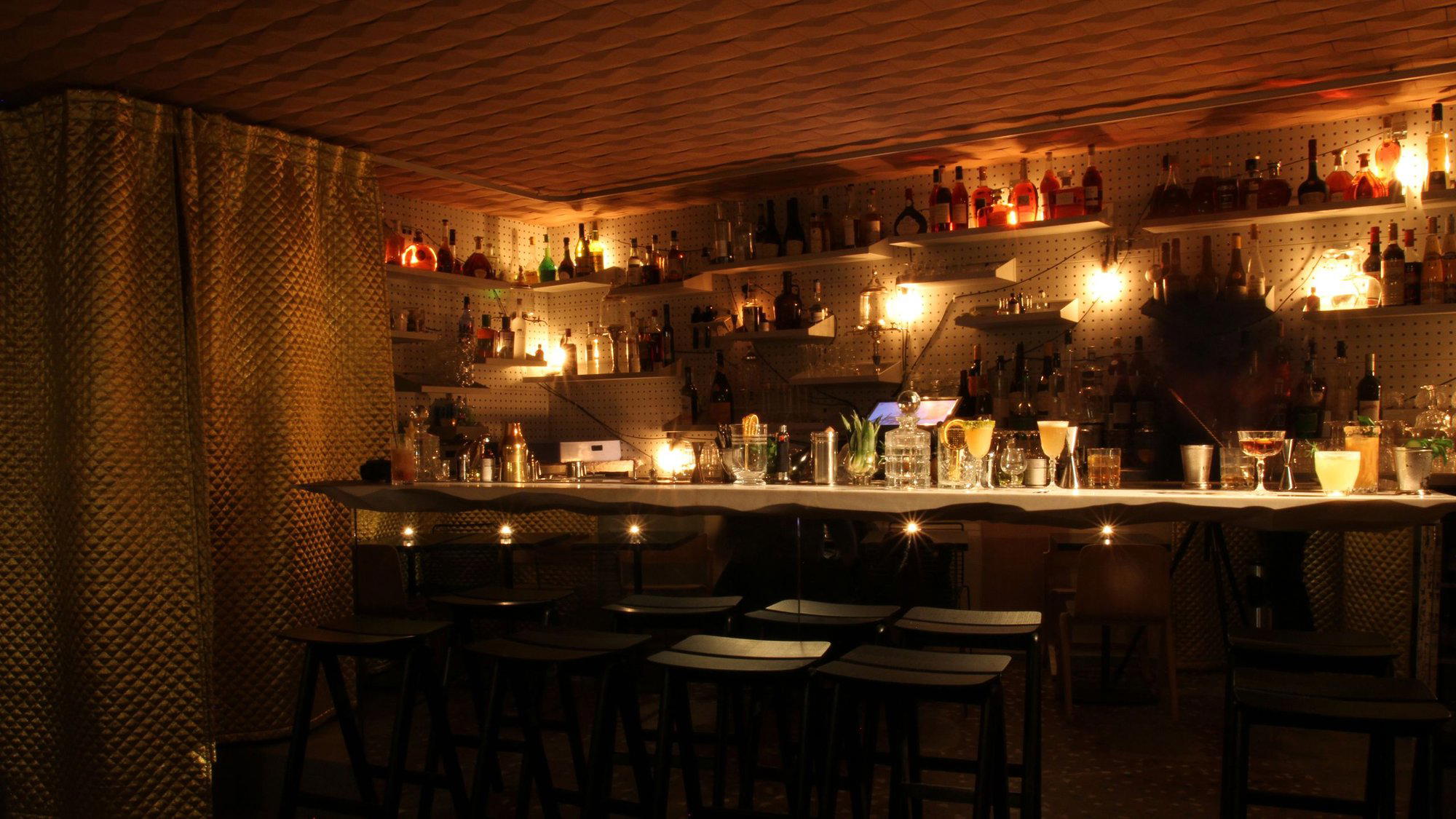
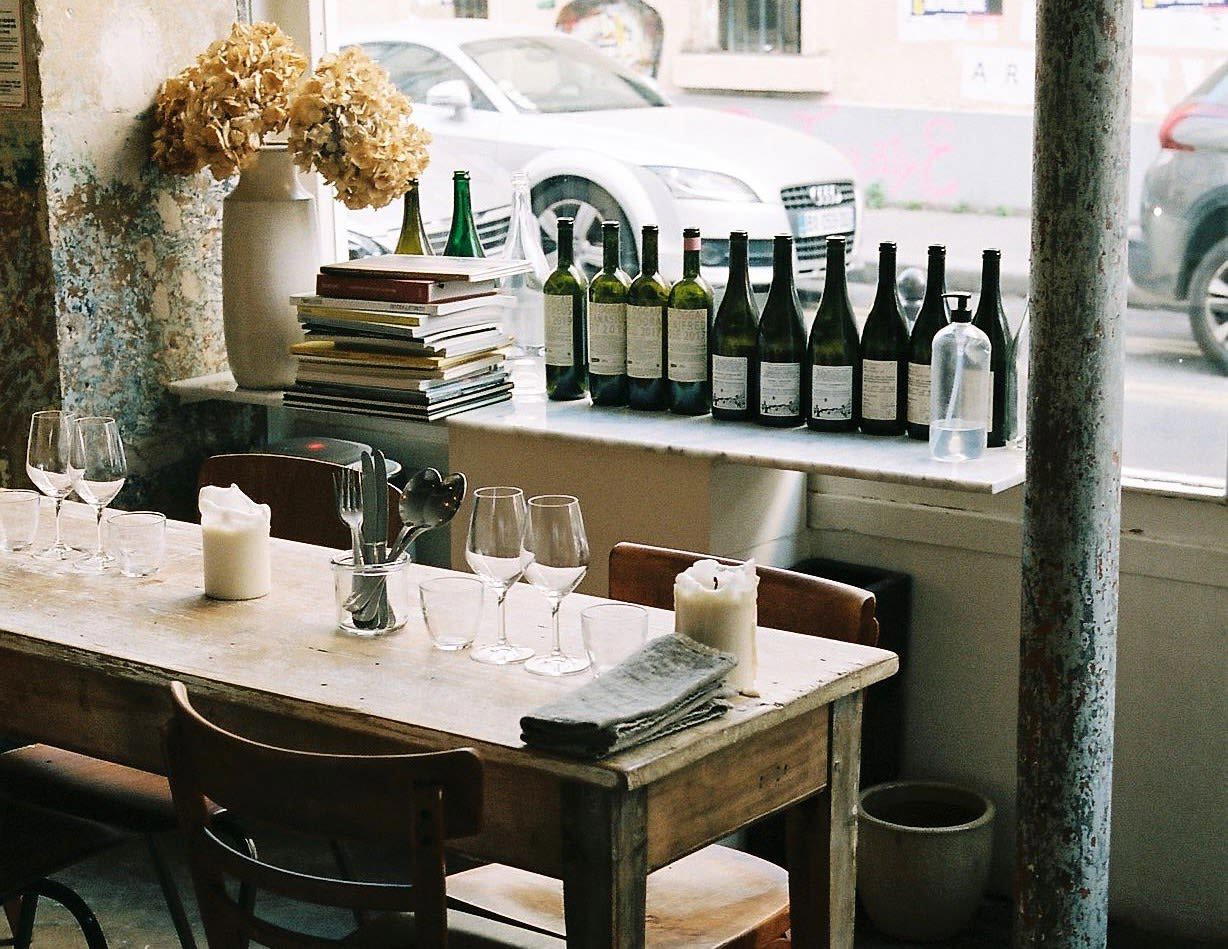
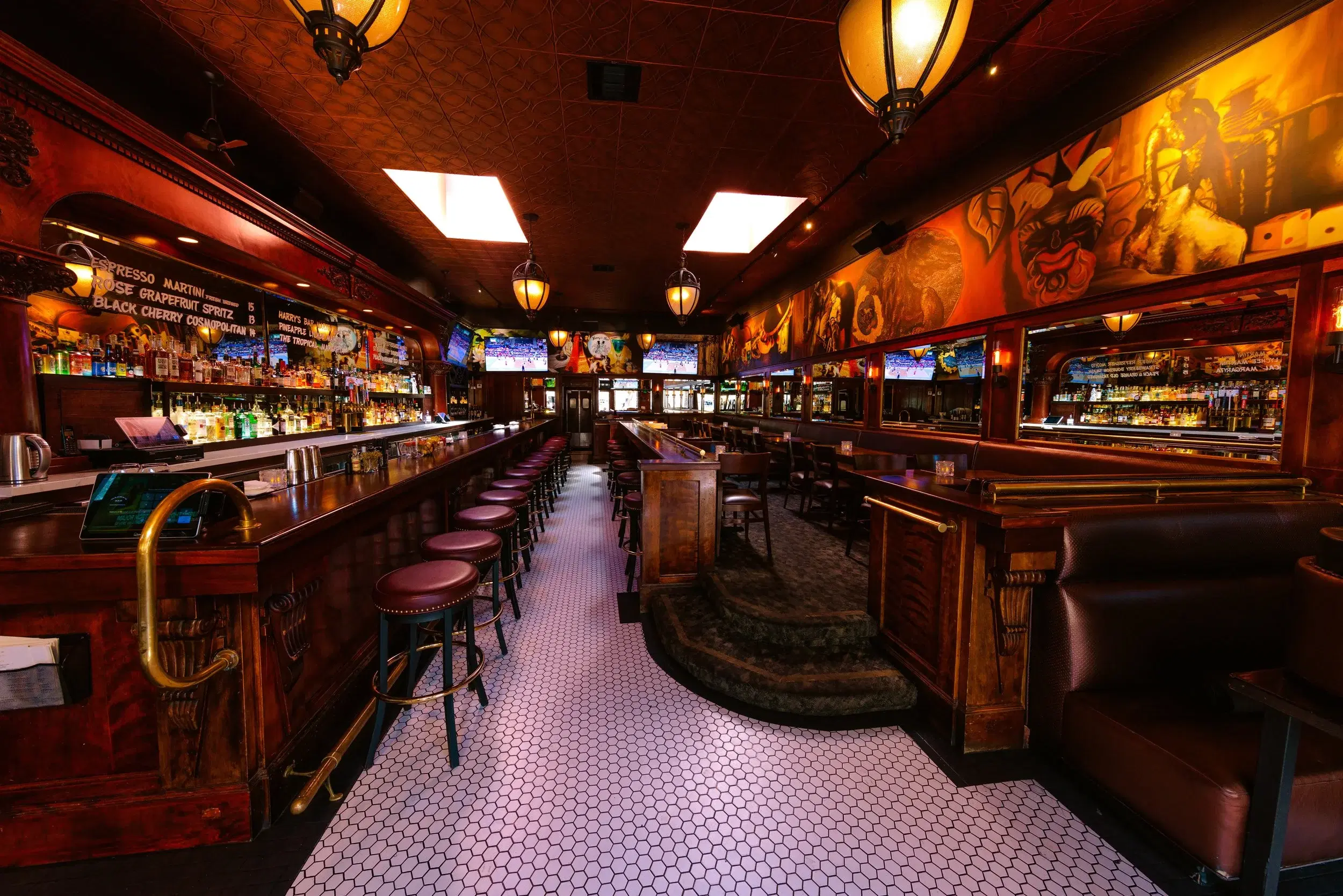
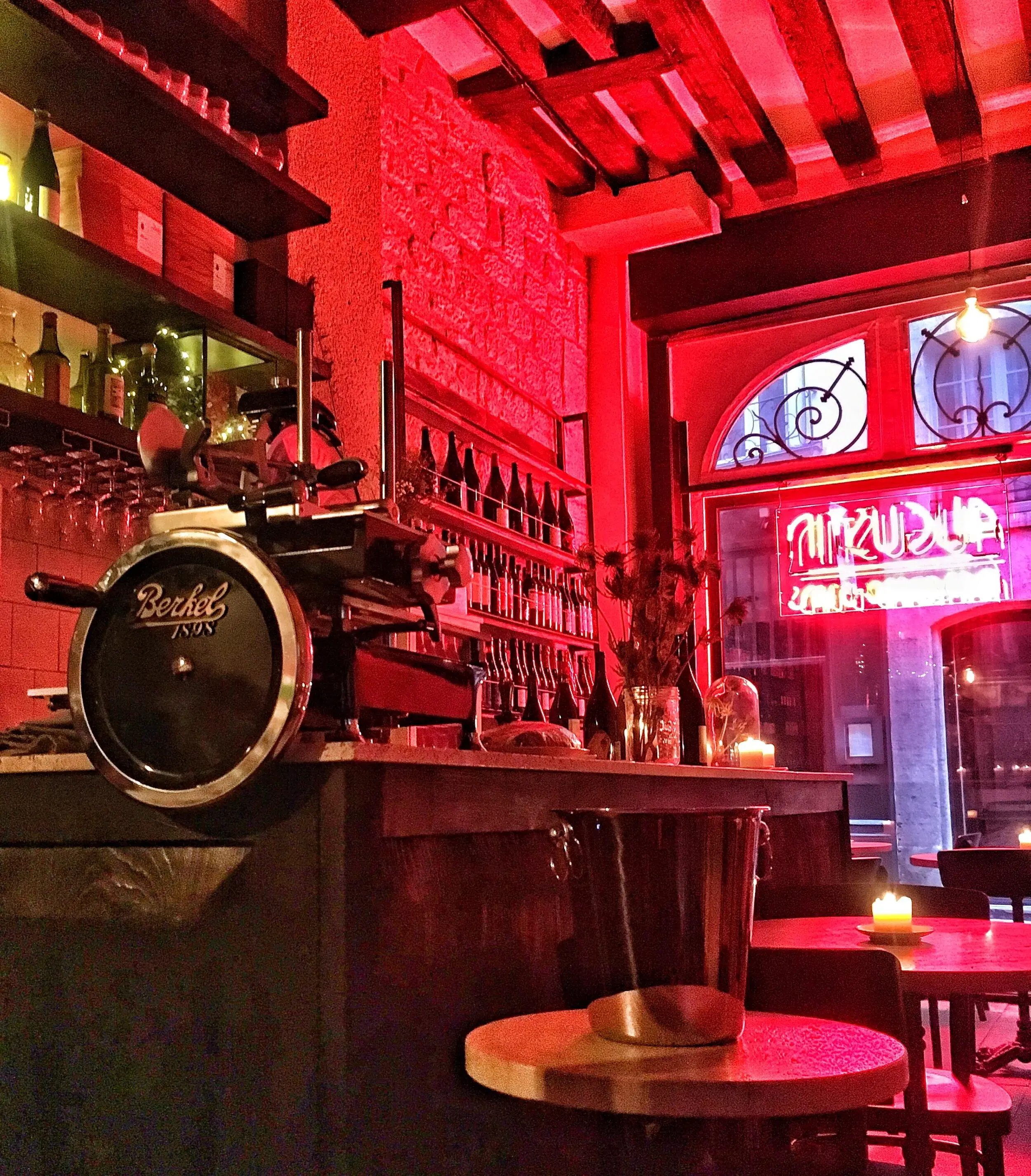
Charming and convivial with tiled floors, wooden bar, bottle-lined walls, and taxidermy accents creating an authentic, heartwarming Parisian bistro atmosphere.