Les Banquettes Rouges occupies a quietly observed address on Rue des Trois Marchands in Blois, operating within a Loire Valley dining scene that has grown considerably more ambitious in recent years. The name alone signals a particular kind of French bistro sensibility: red banquettes, a certain warmth, the expectation of cooking rooted in regional tradition rather than spectacle. For visitors working through the city's restaurant options, it represents a different register from the starred tables that now anchor Blois's reputation.
Pearl is the En Primeur Club membership app — saves, bookings, and concierge access live there. Same editors, same standards.
- Address
- 16 Rue des Trois Marchands, 41000 Blois, France
- Phone
- +33254787492
- Website
- linktr.ee
- Directions
- Get directions
 Saves & bookings on Pearl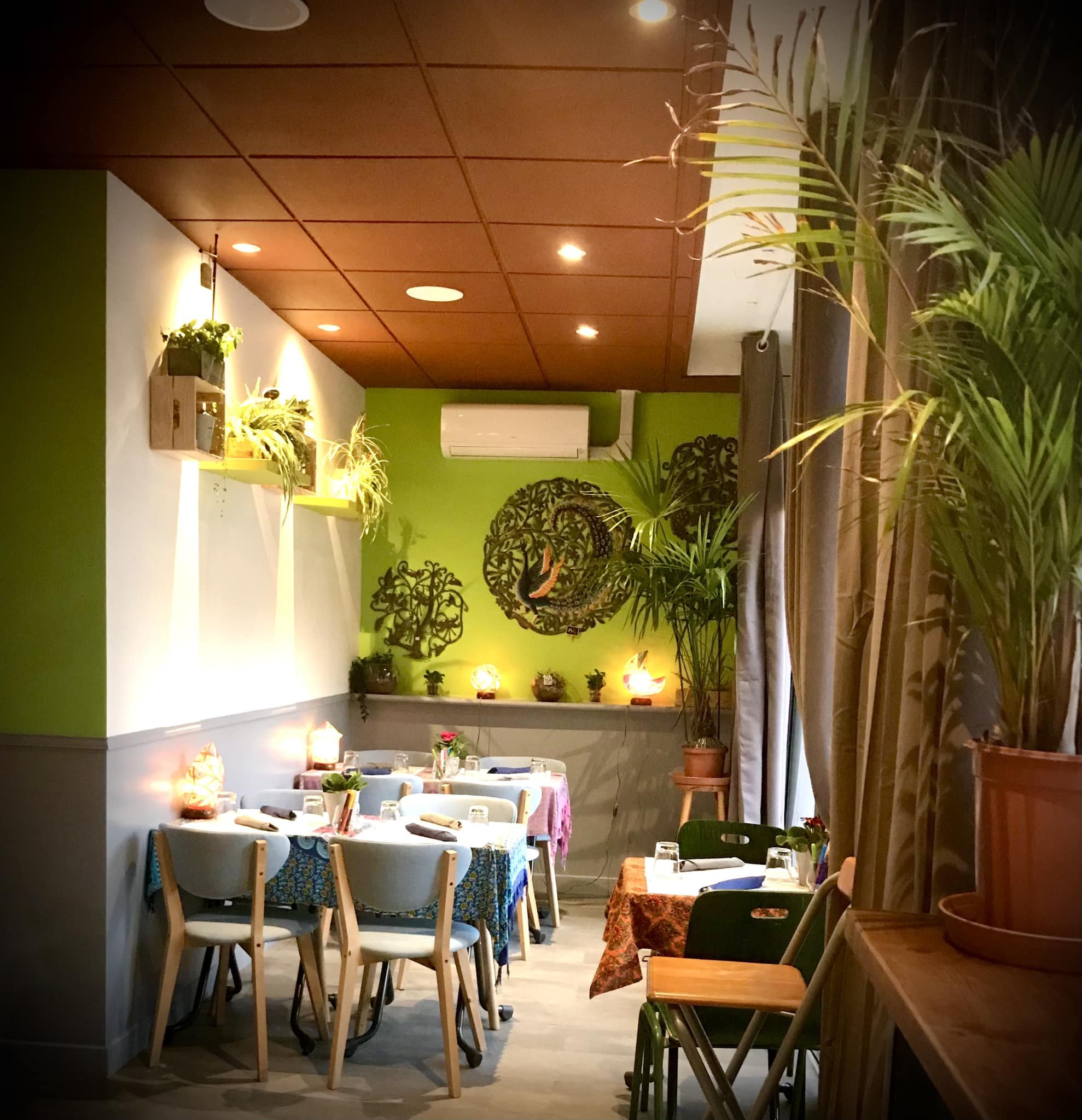
Red Banquettes and the Loire Bistro Tradition
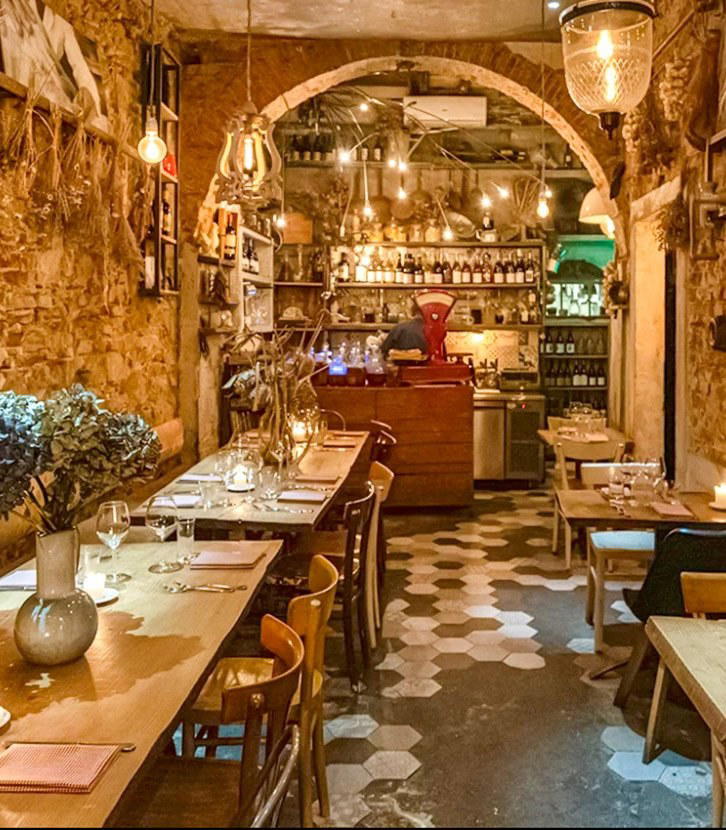
Les Banquettes Rouges is a Traditional French Bistro in Blois, at 16 Rue des Trois Marchands, with. The red banquette bistro is one of France's most durable formats. The physical language is deliberately readable: upholstered seating, a contained room, a menu that signals comfort and regionality rather than ambition for its own sake. Les Banquettes Rouges, at 16 Rue des Trois Marchands in Blois, operates in exactly this register.
Blois itself has shifted considerably as a dining destination over the past decade. The Loire Valley's standing as a UNESCO World Heritage Site has drawn a more attentive international visitor, and the city's restaurant scene has responded. At the upper end, Christophe Hay - Fleur de Loire has established Blois as a serious address for contemporary French cooking, while Assa brings a creative format that places it firmly in the €€€€ tier. That kind of escalation at the summit of the market creates space for mid-tier and traditional operators to define their position more clearly. The bistro format does not need to compete with starred ambition; it serves a different purpose entirely.
The Loire as a Culinary Reference Point
The Loire Valley's food culture is often discussed in terms of its wine, and reasonably so, the region produces Muscadet, Sancerre, Vouvray, Chinon, and Bourgueil across a corridor that stretches from the Atlantic to Berry. But the table tradition is equally specific. Game from the Sologne forest to the south, fresh-water fish from the Loire itself, goat's cheese in forms ranging from Selles-sur-Cher to Valençay, white asparagus in spring, and mushrooms cultivated in the region's famous cave systems: these are the ingredients that define what honest Loire cooking looks like when a kitchen is paying attention to its geography.
That regional specificity is part of what distinguishes the Loire bistro from a generic French brasserie. In cities like Blois, proximity to the source matters. The distance from the Sologne to the city centre is short enough that game and river fish appear on menus in genuinely seasonal patterns, not as year-round imports. France's broader provincial bistro tradition, running through Auberge de l'Ill in Alsace and the deeply rooted Bras in Laguiole, is at its strongest when it draws this kind of direct line between landscape and plate. The Loire has its own version of that relationship.
Where Les Banquettes Rouges Sits in the Blois Dining Map
Blois's current restaurant spread covers a meaningful range of formats and price points. Amour Blanc operates in the €€€ bracket with a modern cuisine approach, while Bro's holds the €€ position with contemporary technique at accessible pricing. Au Rendez-vous des Pêcheurs has long been associated with Loire fish cookery in a more classical mode. Within this spread, a traditional bistro format occupies the role of reliable regionality: the place visitors return to on a second evening after the starred meal, or the place locals use on a weeknight without the ceremony of a reservation weeks in advance.
The Rue des Trois Marchands address places the restaurant in the older part of the city, within walking distance of the château and the network of steep lanes that connect the upper and lower town. This is not incidental to how a restaurant like this functions. The foot traffic in that zone is a mixture of tourists in warmer months and a consistent local clientele that forms the actual operating base for a neighbourhood bistro. That dual audience shapes the menu register: approachable enough for a visitor who wants recognisable French cooking, consistent enough to retain regulars who have no patience for seasonal reinvention as theatre.
France's Bistro Tier in Broader Context
It is useful to situate the French provincial bistro against the wider spectrum of French fine dining. At the extreme end, houses like Alléno Paris au Pavillon Ledoyen, Mirazur in Menton, and Troisgros - Le Bois sans Feuilles in Ouches represent decades of institutional investment, family legacy, and technical evolution. Further along the spectrum, addresses like Flocons de Sel in Megève and Assiette Champenoise in Reims demonstrate how regional France maintains serious tables outside the capital. Even in international comparison, the French bistro format has influenced everything from Le Bernardin in New York to Atomix, where the tasting counter owes formal debts to French service discipline.
The bistro sits below all of that institutional ambition, deliberately. Its job is not innovation but consistency, not projection but welcome. AM par Alexandre Mazzia in Marseille and Au Crocodile in Strasbourg illustrate how regional France builds layered dining ecosystems: the starred table and the neighbourhood room do not compete; they serve different decision points in the same visitor's trip, or the same local's month. Paul Bocuse's foundational argument, that French cooking's identity lives in the regions, not just Paris, is borne out in cities like Blois, where the bistro tier is part of the infrastructure.
Planning Your Visit
The restaurant sits at 16 Rue des Trois Marchands, within the historic centre and easily reached on foot from the château. For visitors arriving by train, Blois-Chambord station is the main hub, with the city centre a short walk or taxi ride away. Given the compact size typical of bistros in this format, walk-in availability will depend on the day and season; spring and summer see heavier château-driven tourism in Blois, which increases competition for covers at accessible-tier restaurants.
Pricing, Compared
Comparable venues nearby, for context on price, style, and recognition.
| Venue | Cuisine | Price | Notes |
|---|---|---|---|
| Les Banquettes RougesThis venue — the venue you are viewing | Saint-Nicolas, Traditional French Bistro | $$ | Not listed |
| Mimosa | Not listed | $$ | pedestrian precinct, French Bistronomique |
| L'Oratoire | Not listed | $$ | Orangerie de Blois, Modern French Bistro Fusion |
| O'Blend | Not listed | $$$ | near train station, Modern French Brasserie |
| Fleur de Loire | Not listed | $$$$ | Quai Villebois Mareuil, Modern French Loire Valley Fine Dining |
| Le Denis Papin | centre-ville, French Bistro | $$ | Not listed |
Continue exploring
More in Blois
Restaurants in Blois
Browse all →
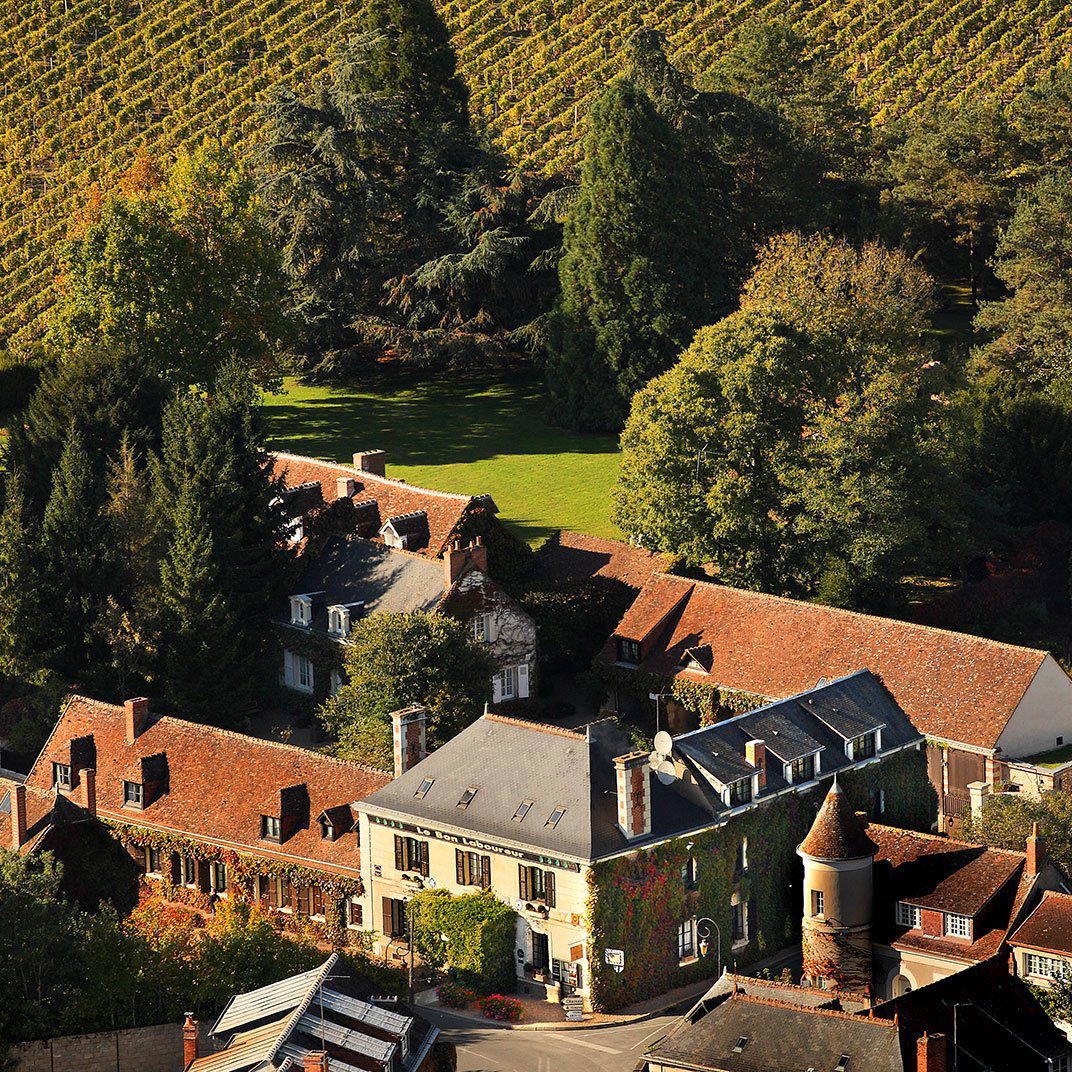
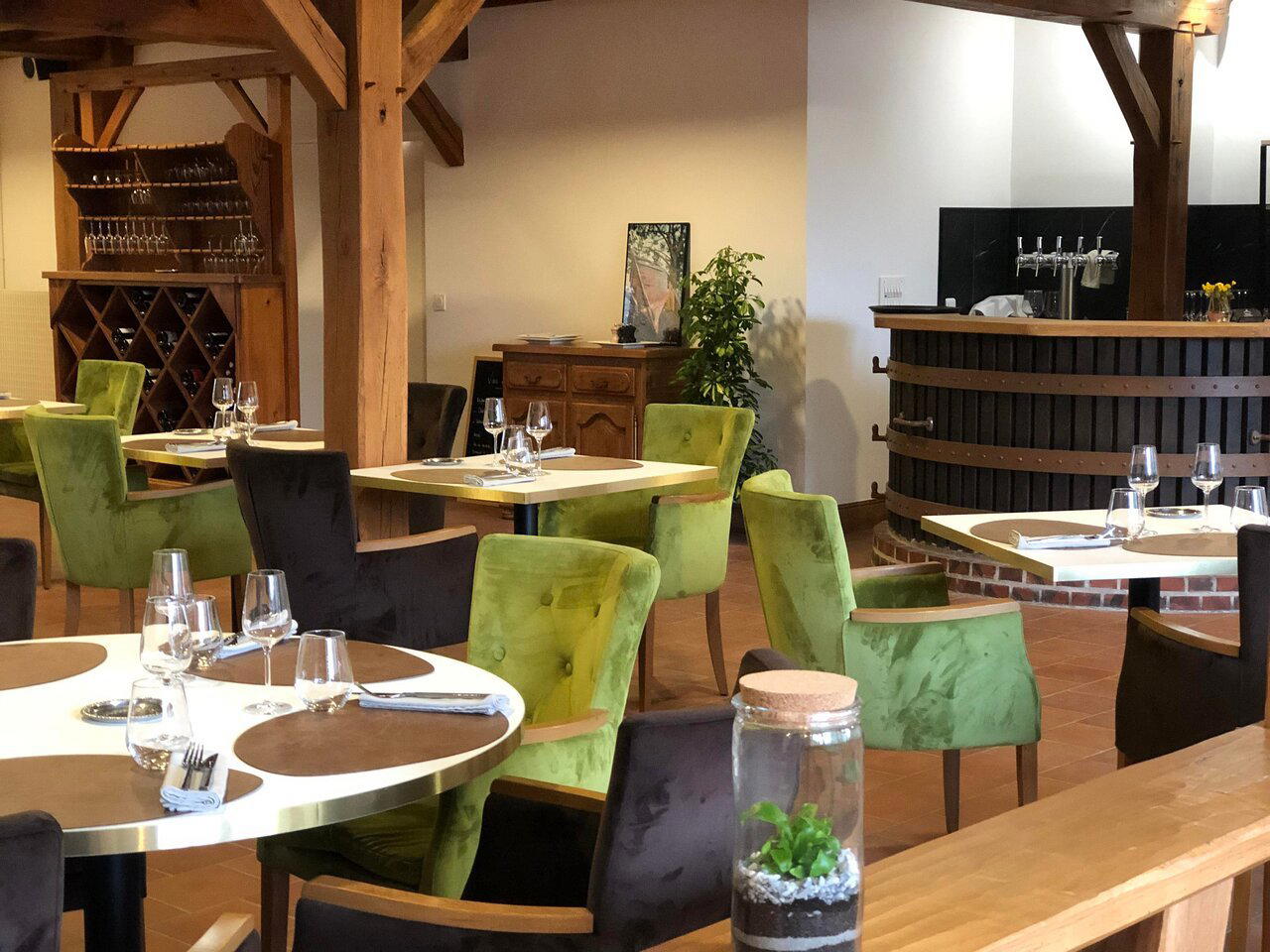
Bars in Blois
Browse all →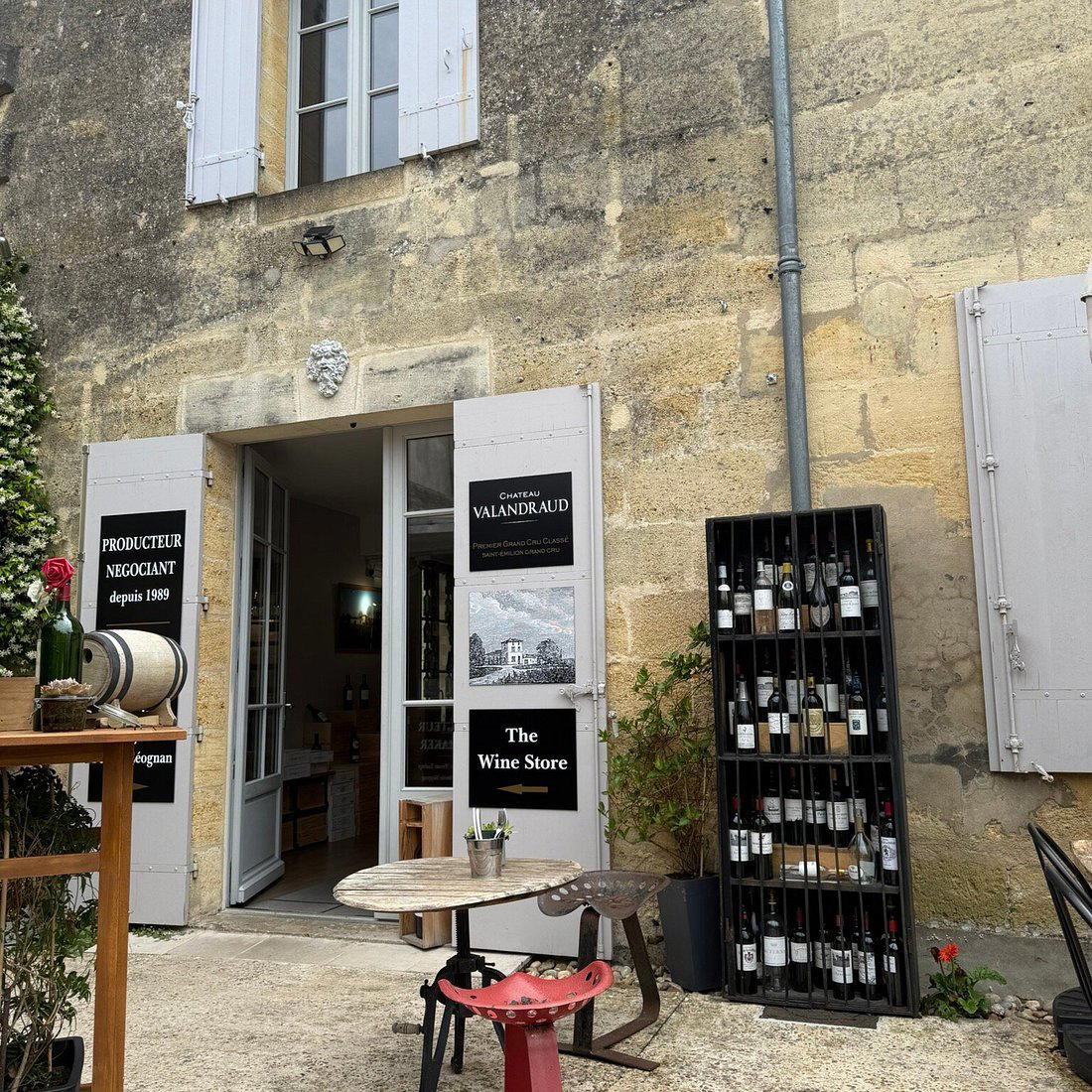
Hotels in Blois
Browse all →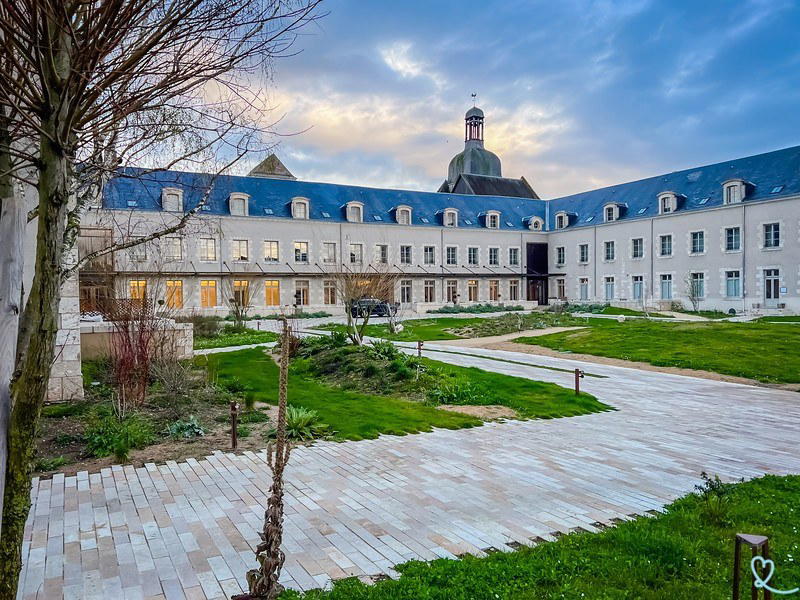

At a Glance
- Cozy
- Classic
- Intimate
- Date Night
- Business Dinner
- Historic Building
- Extensive Wine List
- Local Sourcing
Current opening hours
- Monday
- Closed
- Tuesday
- 12:15–1:30 PM, 7:15–9 PM
- Wednesday
- 12:15–1:30 PM, 7:15–9 PM
- Thursday
- 12:15–1:30 PM, 7:15–9 PM
- Friday
- 12:15–1:30 PM, 7:15–9 PM
- Saturday
- 12:15–1:30 PM, 7:15–9 PM
- Sunday
- Closed
Hours can change for holidays and private events. Last verified .
Warm and restful atmosphere with well-dosed background music in a narrow, small space.