Les 2 M
Les 2 M serves traditional French semi-gastronomic cooking at Hôtel de Vendée in Fontenay-le-Comte, with local sourcing and a leisurely, conversational pace.
Pearl is the En Primeur Club membership app — saves, bookings, and concierge access live there. Same editors, same standards.
- Address
- 126 Rue de la République, 85200 Fontenay-le-Comte, France
- Phone
- +33259162873
- Directions
- Get directions
 Saves & bookings on Pearl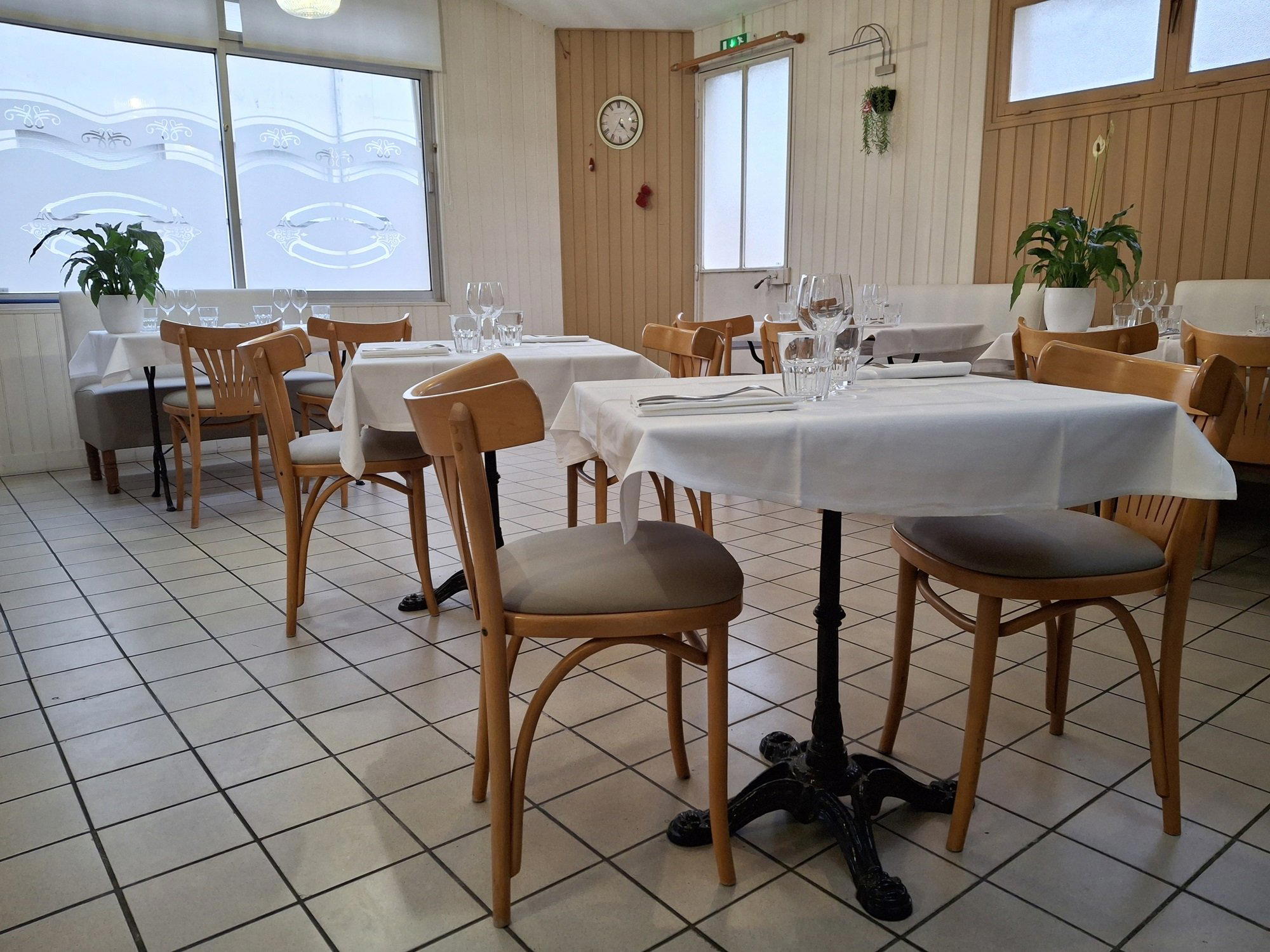
Fontenay-le-Comte and the Quiet Case for Regional French Cooking
Les 2 M is a restaurant in Fontenay-le-Comte, France, where regional French cooking meets the town's local market rhythm. Fontenay-le-Comte, a historic sub-prefecture sitting at the edge of the Marais Poitevin wetlands, belongs to that tradition. The town's position between the bocage countryside to the east and the coastal marshes to the west means its markets draw from two quite different larders. Restaurants here work within that dual geography, and Les 2 M, at 126 Rue de la République, operates in exactly that context. The address places it on one of the town's main commercial arteries, readable from the street rather than tucked away, which in a town this size matters, because dining in Fontenay-le-Comte is a local habit as much as a destination decision.
What Regional Sourcing Looks Like in the Vendée
France's most discussed restaurants, whether Mirazur in Menton with its kitchen garden philosophy, or Bras in Laguiole and its rootedness in Aubrac terroir, have made ingredient provenance a central editorial story. That framing has filtered down through French dining culture in a meaningful way. In the Vendée, the sourcing story is less manicured but no less real. The Marais Poitevin produces freshwater fish, eels, and distinctive waterfowl. The bocage supplies dairy, lamb, and pork from breeds that haven't been aggressively rationalised. Mogette de Vendée beans, carrying a protected designation, are a staple ingredient tied directly to this soil. A restaurant on the Rue de la République in Fontenay-le-Comte sits inside that supply web, even if its sourcing credentials are not publicly documented in the way a starred kitchen might publish them.
This matters for the visitor calibrating expectations. The Vendée's regional kitchen is not one of theatrical presentation or tasting-menu architecture. It is closer in sensibility to the auberge tradition, coherent, satisfying, grounded in what the surrounding land reliably produces. That lineage runs through French regional cooking at a level well below the Alléno Paris au Pavillon Ledoyen tier, but it is no less legitimate for that. The comparison set for Les 2 M is not Flocons de Sel in Megève or Troisgros in Ouches. It is the mid-register French bistro or brasserie that understands its local larder and works it with consistency rather than ambition.
The Atlantic Corridor and Its Culinary Reference Points
Fontenay-le-Comte sits roughly 60 kilometres inland from La Rochelle, which positions it within reach of the Atlantic coast's seafood supply. That coastal corridor is well-documented for serious cooking: Christopher Coutanceau in La Rochelle represents the high-end articulation of Atlantic seafood in a fine-dining frame, while La Marine in Noirmoutier-en-l'île has drawn international attention to island produce just up the coast. Les 2 M operates at a different register entirely, but the regional ingredient pool that makes both those restaurants possible extends inland. Mussels from the Aiguillon bay, oysters from Charente-Maritime, sole and seabass from the Atlantic, these are all within the ordinary supply radius of a Fontenay-le-Comte kitchen.
The broader French regional dining tradition that connects restaurants from Auberge de l'Ill in Illhaeusern to Auberge du Vieux Puits in Fontjoncouse rests on exactly this geography-to-plate logic: you cook what grows around you, and you cook it well. That is the implicit standard by which a Fontenay-le-Comte restaurant should be measured.
How Les 2 M Sits in Its Town
Fontenay-le-Comte carries history at street level, Renaissance architecture, the legacy of a once-significant royal court, and a market culture that still functions. Dining here is embedded in the rhythm of a working French town rather than organised around tourism. That context shapes what a restaurant on the Rue de la République is doing: it is feeding residents on weekday lunches, local families at weekend, and occasional visitors who have arrived at the Marais Poitevin or are passing through on the way to the Atlantic coast. The dining culture is closer to Georges Blanc in Vonnas in its regional rootedness (if not its scale or prestige) than to anything Paris-facing.
For the visitor, this means arriving without the expectations one would carry to a destination restaurant. What the address on Rue de la République does signal is a restaurant operating in the main social artery of a town that takes its food seriously at a local scale. Fontenay-le-Comte is not a city where restaurants survive long without community support, which makes longevity in itself a form of credential.
Planning a Visit: What to Know
Visitors to the Vendée who are building an itinerary around food should think of Les 2 M as part of a regional circuit rather than a standalone destination. The Marais Poitevin is worth a morning, and the town's Renaissance quarter rewards an hour on foot before or after a meal. Fontenay-le-Comte is accessible by road from La Rochelle in under an hour, or from Niort in under 30 minutes, and it sits on a rail line that connects it to the wider region.
The wider EP Club network extends from focused regional French cooking to France's starred tier: AM par Alexandre Mazzia in Marseille, Assiette Champenoise in Reims, Au Crocodile in Strasbourg, Paul Bocuse in Collonges-au-Mont-d'Or, and L'Oustau de Baumanière in Les Baux represent that upper tier across France's regions.
At-a-Glance Comparison
Comparable venues nearby, for context on price, style, and recognition.
| Venue | Cuisine | Price | Notes |
|---|---|---|---|
| Les 2 MThis venue — the venue you are viewing | Traditional French Semi-Gastronomic | $$$ | Not listed |
| Pier Cuisine Terre & Mer | French Terre & Mer Bistro | $$$ | Minimes |
| La Côte Rôtie | Modern French Bistro | $$$ | Pallice |
| Momento | Modern French-Mexican Fusion | $$$ | Bué |
| Le Fin Gourmet | Classic French Fine Dining | $$$ | forteresse médiévale |
| Restaurant L'Hoirie | French Gastronomic Fish Specialties | $$$ | Beaucouze |
Continue exploring
More in Fontenay Le Comte
Restaurants in Fontenay Le Comte
Browse all →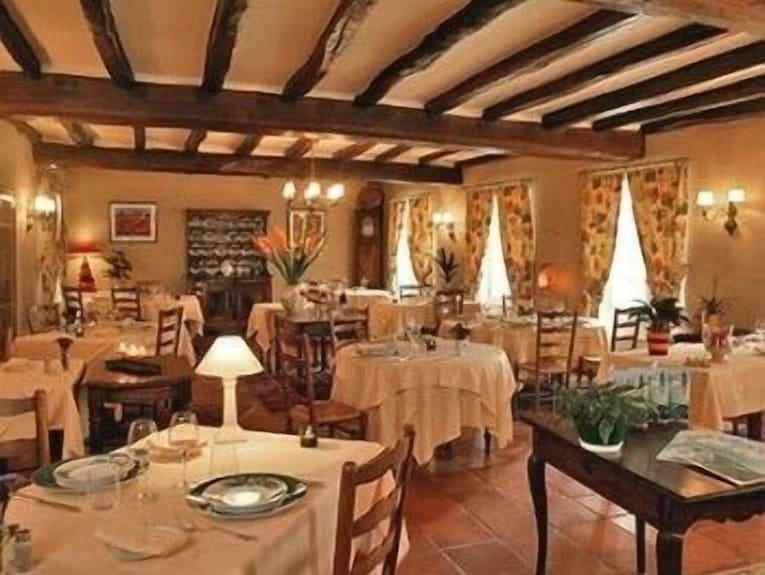
Bars in Fontenay Le Comte
Browse all →
At a Glance
- Classic
- Cozy
- Elegant
- Intimate
- Date Night
- Business Dinner
- Group Dining
- Celebration
- Brunch
- Hotel Restaurant
- Historic Building
- Local Sourcing
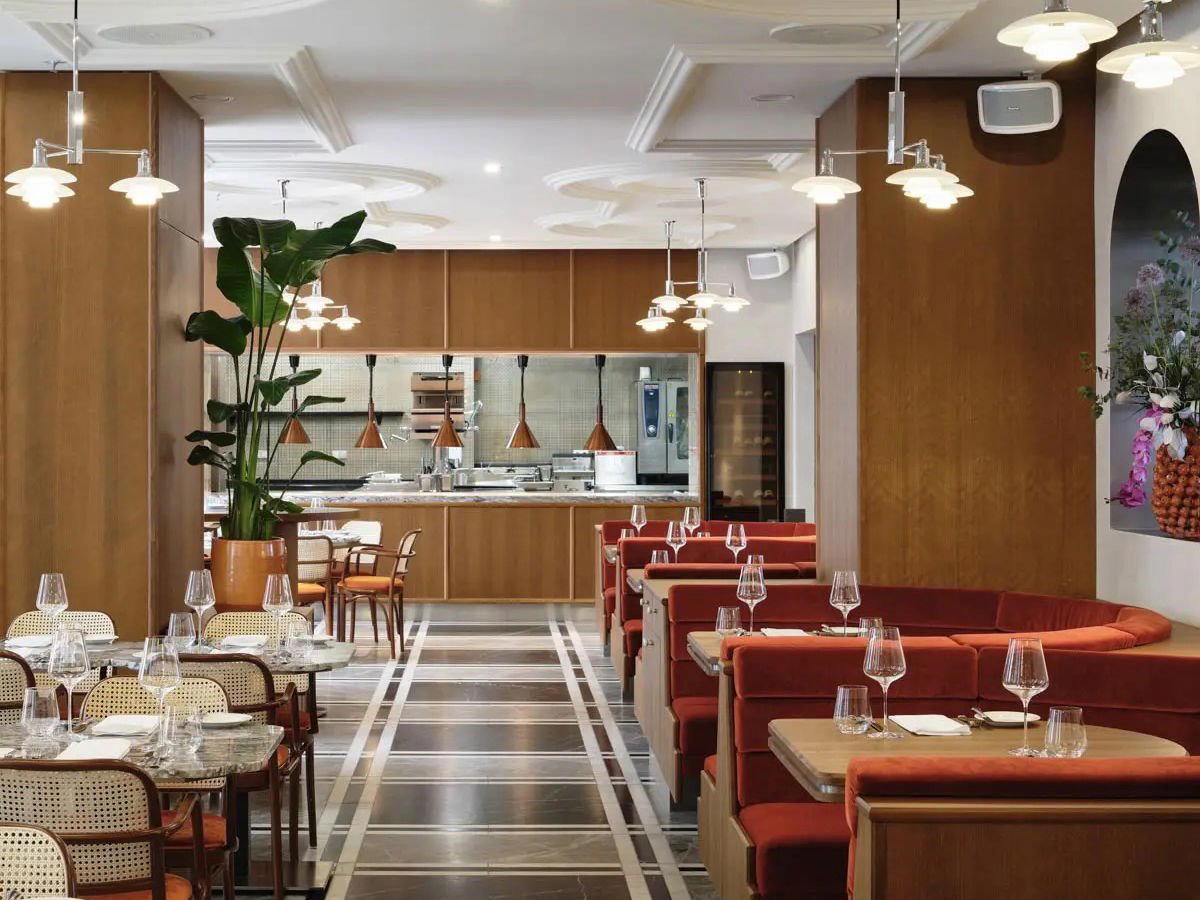
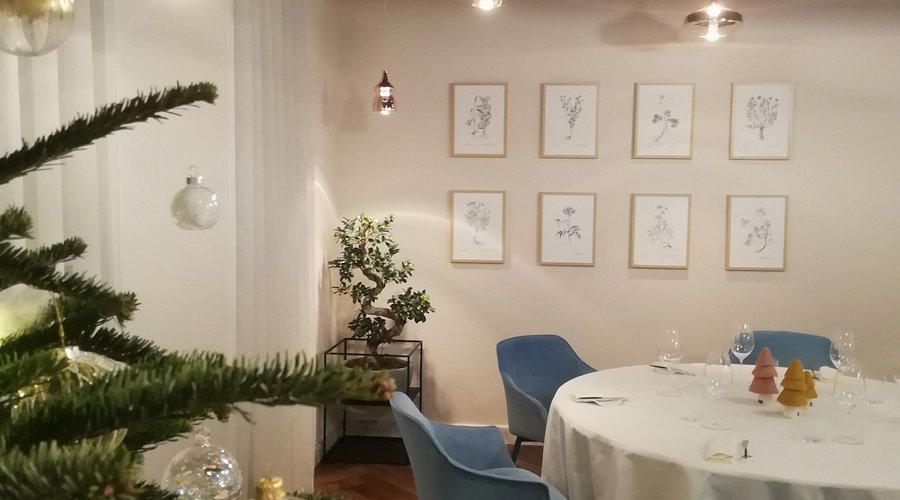
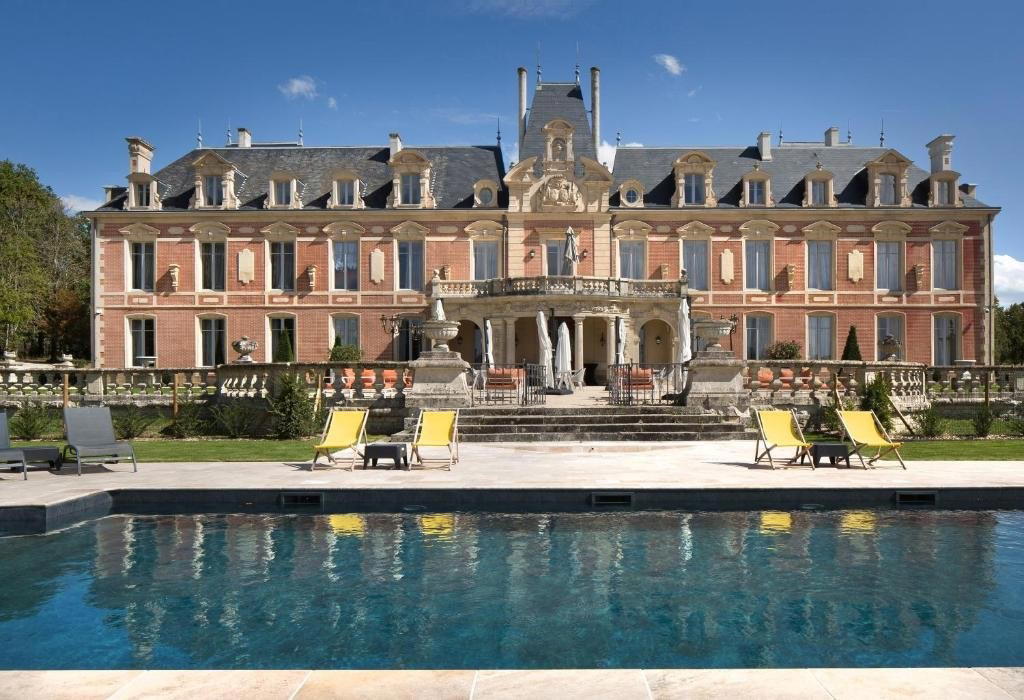
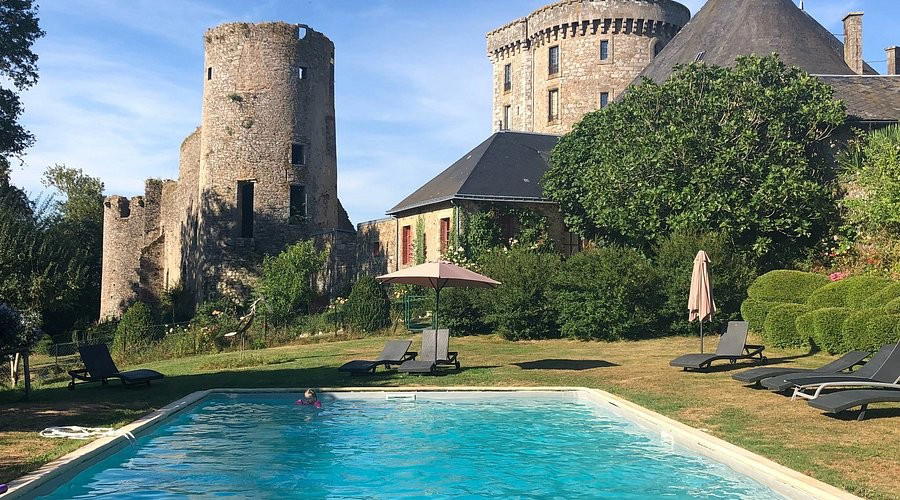
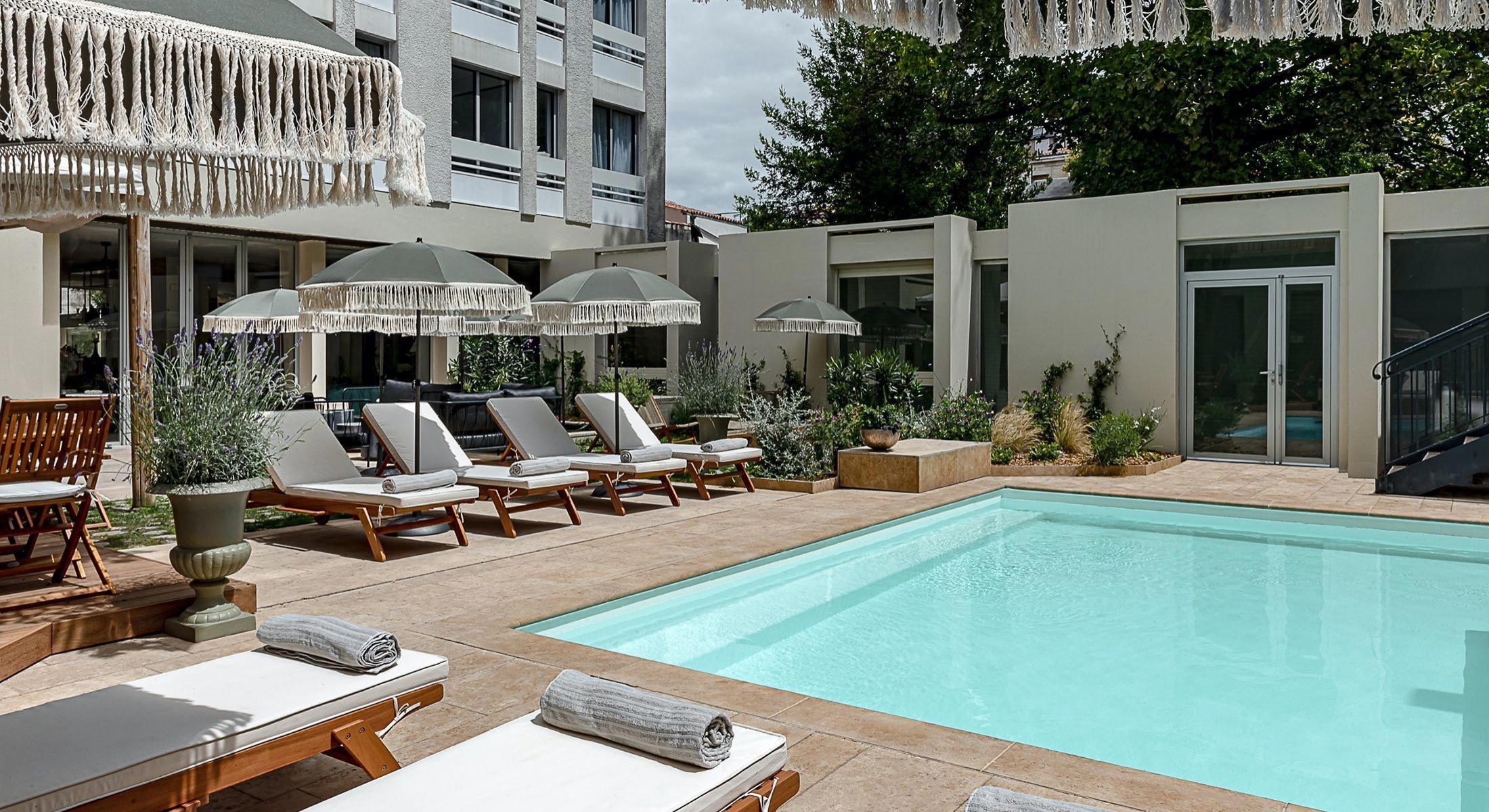
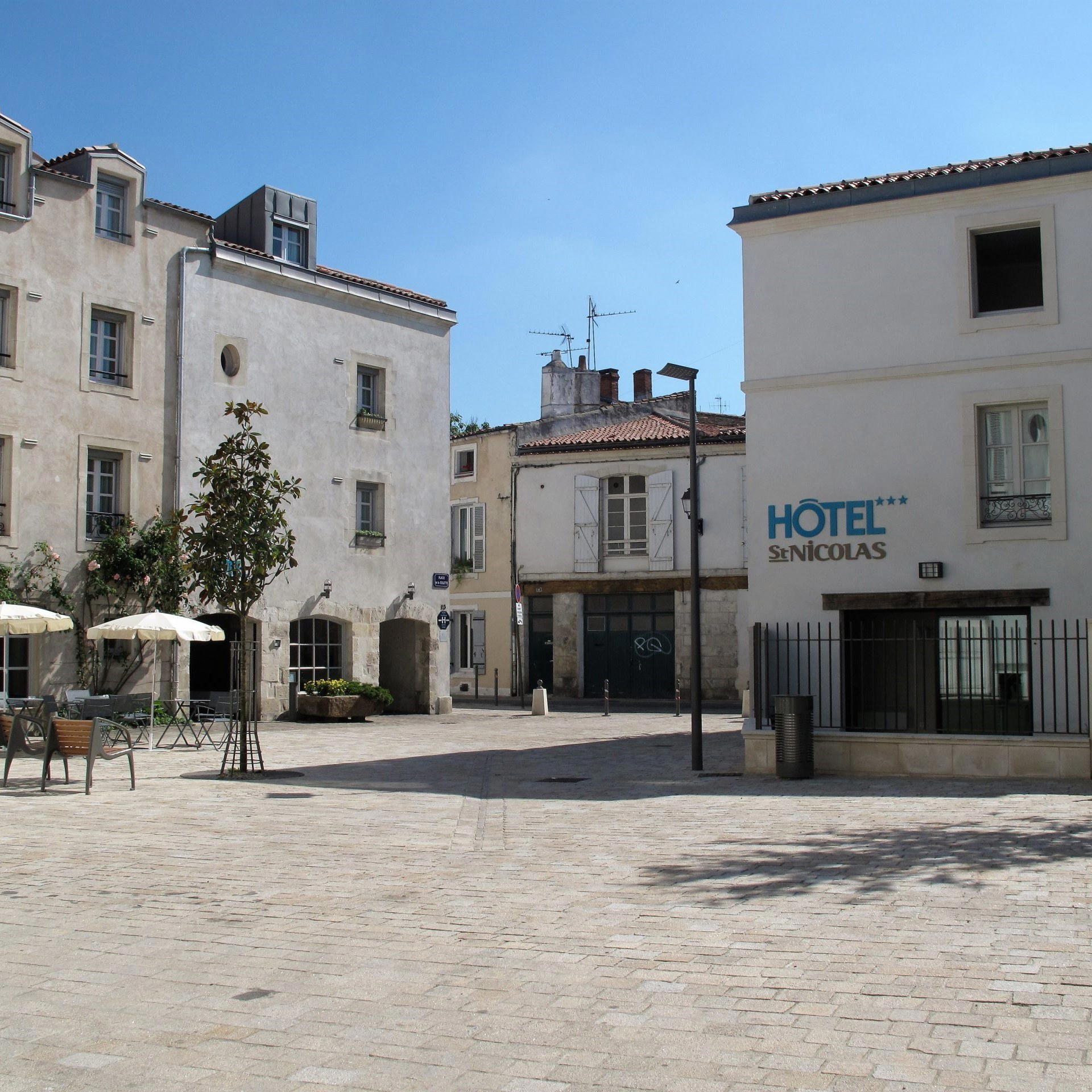
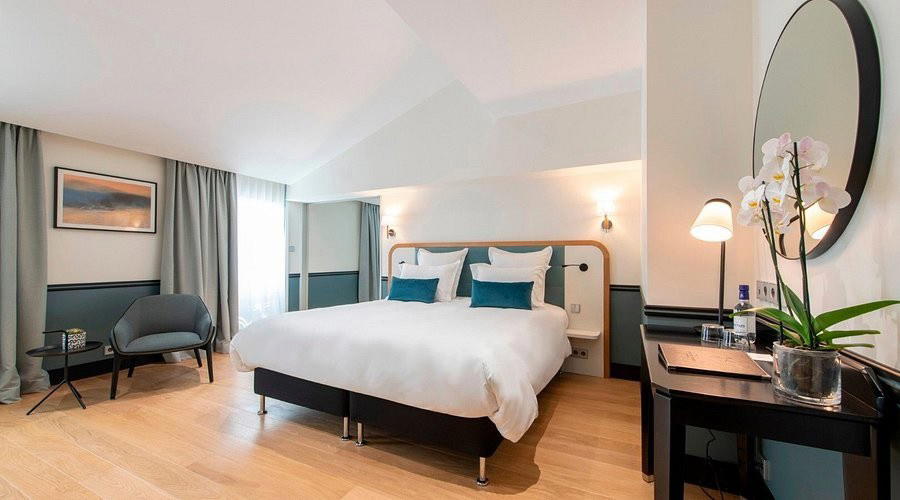
Sober, chic, and warm atmosphere with vintage décor in a historic center-ville location; guests feel at home in this intimate hotel-restaurant setting.