Lers Ros - Mission
Our verdict
Lers Ros occupies a specific position in San Francisco's Thai dining scene: a Mission District address that draws regulars away from the city's more performative fine-dining corridor and toward cooking that takes its cues from regional Thai technique rather than Americanized compromise. The kitchen operates at a register where authenticity and accessibility meet, making it a reference point for serious Thai food in a city better known for its tasting-menu culture.

Pearl is the En Primeur Club membership app, where members save venues, book tables and use the concierge.

The menu
What to order
- Garlic Pork
- Roasted Duck Curry
- Dry Tom Yum Noodle
Thai Cooking in a City Built on Tasting Menus
San Francisco's restaurant identity is largely constructed around the $$$$ tier: omakase counters, multi-course progressive American formats at places like Lazy Bear, and modernist French kitchens like Atelier Crenn. That concentration at the upper end of the market has a predictable side effect: mid-register restaurants with genuine technical depth get systematically underweighted in the critical conversation. Lers Ros, on 16th Street in the Mission, is a case study in that dynamic. The room is low-key, the prices are not stratospheric, and the cooking draws from Thai regional tradition rather than the fusion grammar that tends to attract awards attention. None of that means the kitchen is operating casually.
The Mission's 16th Street corridor has long functioned as one of the city's more honest dining streets, meaning the restaurants that survive there do so on return visits from locals rather than on tourist traffic or press cycles. Lers Ros has built its reputation in exactly that environment, which tells you something about the consistency of what comes out of the kitchen. In a city where Benu and Quince occupy one end of the ambition spectrum, a Thai restaurant that holds its ground through ingredient quality and technique sits in a different but equally defensible position.
Regional Thai Tradition, Not the Americanized Version
Thai cuisine as it exists in the United States has been filtered through decades of commercial adaptation: sweetened curries, heat levels calibrated to broad palatability, and a general flattening of regional distinctions. The cooking at Lers Ros operates closer to the source. Thai regional food, particularly from the north and northeast of the country, has a different logic from the central Thai dishes that became export staples. Fermented ingredients, bitter greens, dry-spiced preparations, and deeper herbaceous profiles define that tradition, and kitchens that work within it are making different purchasing and sourcing decisions than their Americanized counterparts.
This is where the intersection of imported method and local product becomes interesting. The Bay Area produces some of the country's most diverse agricultural output, and that gives a kitchen working in Thai tradition access to ingredients that would have required compromise in most other American cities. Kaffir lime, galangal, fresh turmeric, and lemongrass are available at a quality level in the Mission's surrounding markets that simply isn't replicable in, say, a landlocked Midwestern city. The result is cooking that can stay honest to its source tradition without significant substitution. That distinction matters more than it sounds: technique applied to inferior aromatic ingredients produces a structurally different dish, regardless of the cook's intent.
The broader point generalizes. When you look at the restaurants that have maintained serious reputations for Southeast Asian cooking in American cities, proximity to high-quality Asian grocery infrastructure is almost always a factor. San Francisco's access to that supply chain, concentrated particularly in the Mission and the Richmond, gives Thai kitchens here a structural advantage that their counterparts in less ingredient-rich cities don't have. Lers Ros operates within that advantage.
Where Lers Ros Fits in San Francisco's Thai Scene
San Francisco's Thai restaurant tier has a clear shape. At the casual end, there are delivery-optimized operations running standardized menus with little regional specificity. At the high end, there are occasional tasting-menu experiments that apply modernist technique to Thai flavor profiles. Lers Ros sits in a different register from both, working within recognizable Thai formats but with a seriousness about sourcing and spice that separates it from the commercial middle. That position has earned it sustained local loyalty rather than the cycling attention that follows press-driven openings.
For travelers arriving in San Francisco whose frame of reference for ambitious dining is built around Saison or the Michelin-starred end of the market, Lers Ros represents a different kind of argument for why a meal is worth your time. The argument is not about ceremony or setting; it is about a kitchen that has decided to take a specific culinary tradition seriously and has built its supply chain and technique around that decision. That is a narrower claim than the ones made by The French Laundry in Napa or Providence in Los Angeles, but it is no less defensible for being smaller in scale.
The comparison to other cities is worth making explicitly. New York has a handful of Thai restaurants that operate at this level of seriousness, and Chicago's Thai scene has its own reference points. But the Bay Area's combination of Southeast Asian immigrant communities, agricultural diversity, and a dining public that has been trained by decades of Californian ingredient-forward cooking creates a specific environment for this kind of kitchen. Smyth in Chicago and Atomix in New York City demonstrate what happens when technique meets serious sourcing in their respective contexts. Lers Ros is making a version of the same argument, in a different tradition and at a different price point.
Planning Your Visit
Lers Ros is located at 3189 16th Street in the Mission District, a neighborhood that is walkable from BART's 16th Street Mission station. The Mission's dining corridor is most active in the early evening, and the restaurant draws a mix of neighborhood regulars and visitors who have done their research. Given the restaurant's established local following, arriving earlier in service is a reasonable approach for walk-in diners. For travelers building a broader San Francisco itinerary, this sits comfortably alongside other parts of the city's dining picture; the full San Francisco restaurants guide maps the city's dining options across all tiers and neighborhoods. Those with an interest in how local-ingredient sourcing drives restaurant identity at the fine-dining end of the market might also consider the work being done at Single Thread Farm in Healdsburg or Blue Hill at Stone Barns in Tarrytown, both of which make ingredient provenance the explicit subject of the meal in ways that illuminate what a kitchen like Lers Ros is doing at a different price register.
For those building broader dining itineraries across American cities, the sourcing-driven approach at Lers Ros has analogues worth knowing: Addison in San Diego and Frasca Food and Wine in Boulder each demonstrate how regional ingredient access shapes a kitchen's identity. In the European context, Atelier Moessmer Norbert Niederkofler in Brunico makes a similar argument about local sourcing and culinary tradition at the fine-dining end. And for those tracing the longer history of ambitious American restaurant cooking, Emeril's in New Orleans, Le Bernardin in New York City, and The Inn at Little Washington in Washington each represent how a kitchen's commitment to a specific tradition, sustained over years, builds a category of its own.
Frequently asked questions
What should I eat at Lers Ros?
Is Lers Ros reservation-only?
What's the signature at Lers Ros?
How does Lers Ros handle allergies?
How does Lers Ros compare to other Thai restaurants in San Francisco?
The Quick Read
Comparable venues nearby, for context on price, style, and recognition.
| Venue | Cuisine | Price | Notes |
|---|---|---|---|
| Lers RosThis venue (the venue you are viewing) | Authentic Thai | $20–30 | Not listed |
| Manora's Thai Cuisine | Authentic Thai Cuisine | $20–30 | Mission, Authentic Thai Cuisine |
| Lers Ros Thai | Authentic Thai | $20–30 | Tenderloin, Authentic Home-Style Thai |
| Hawker Fare | Modern Isaan Thai Street Food | $30–50 | Mission Dolores, Modern Isaan Thai Street Food |
| Basil Canteen | Thai Street Food | $20–30 | South of Market, Thai Street Food |
| King of Thai Noodle House | Thai Noodle House | $10–20 | Financial District/South Beach, Thai Noodle House |
Continue exploring
More in San Francisco
Restaurants in San Francisco
All restaurants in San Francisco →
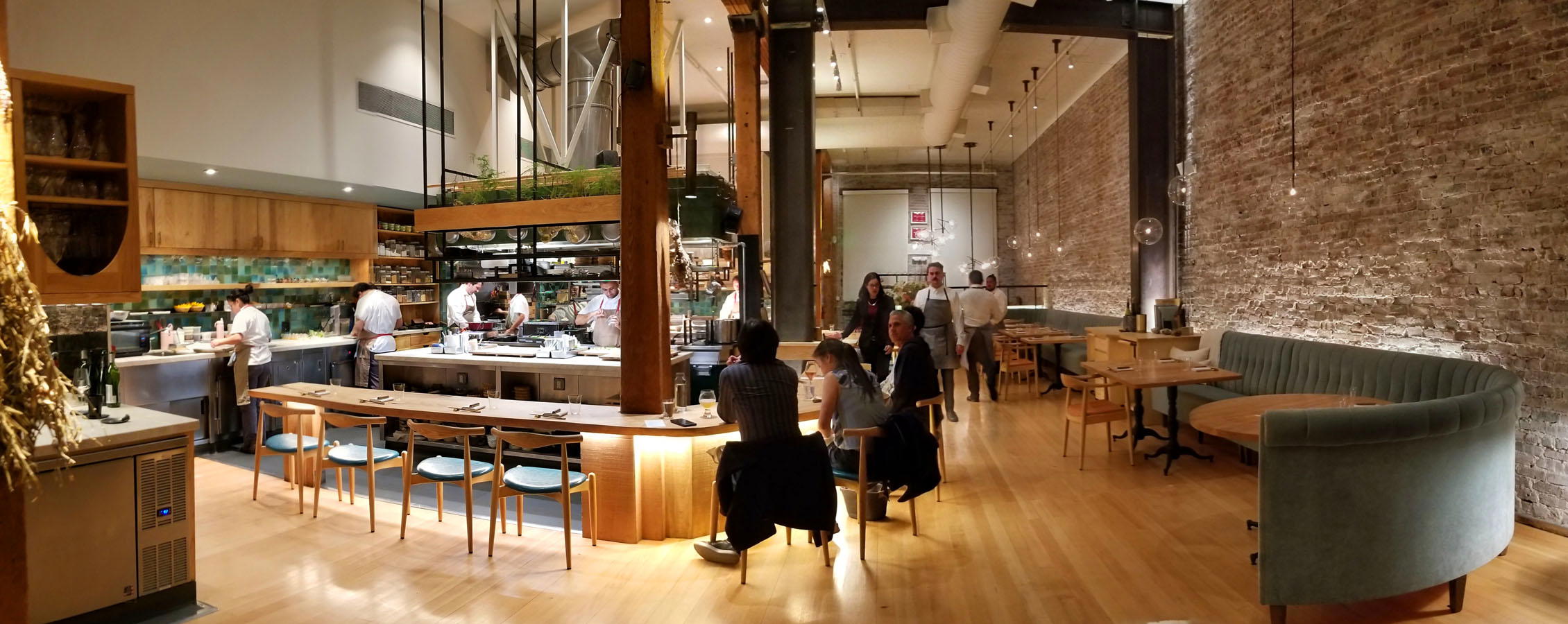
Bars in San Francisco
All bars in San Francisco →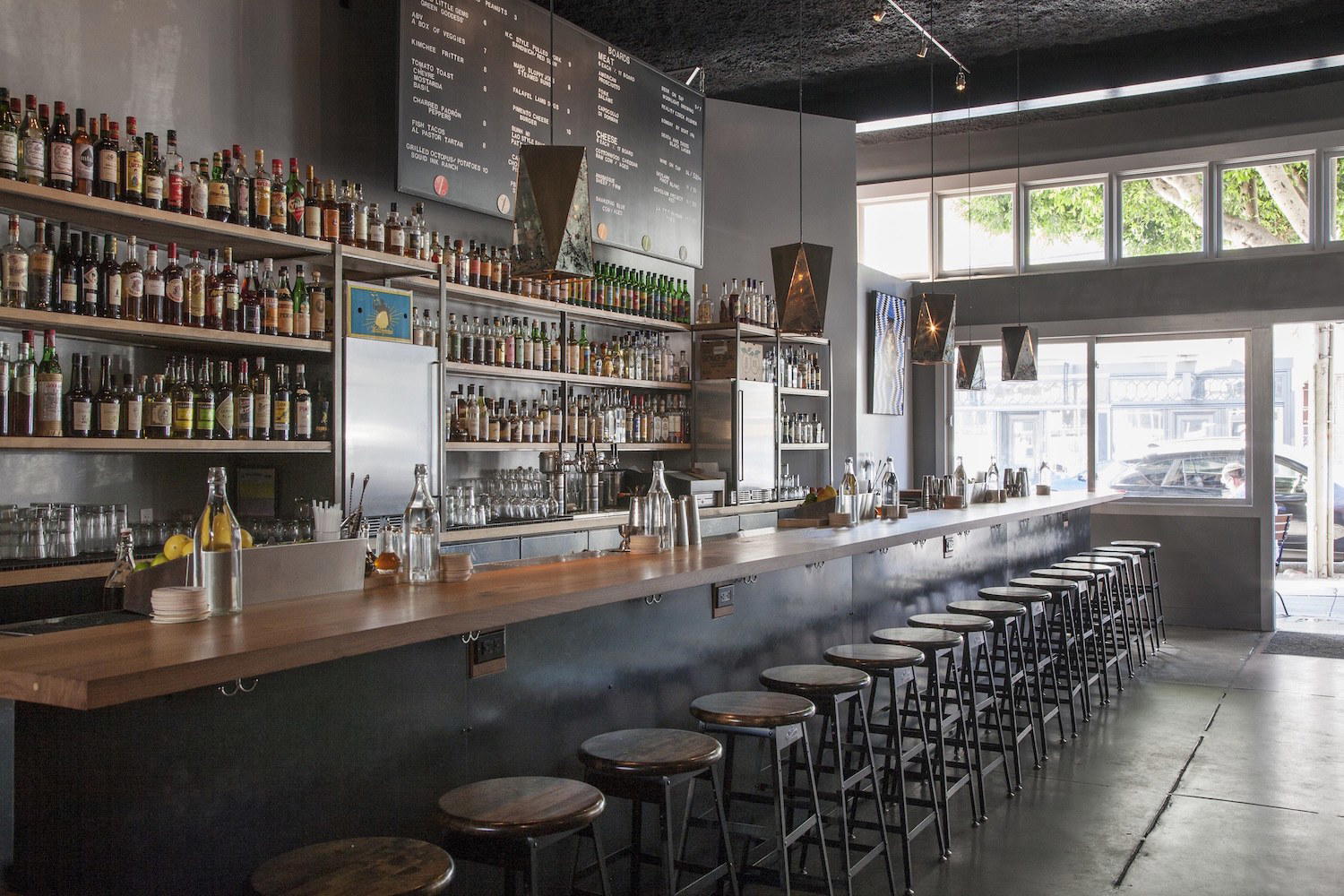
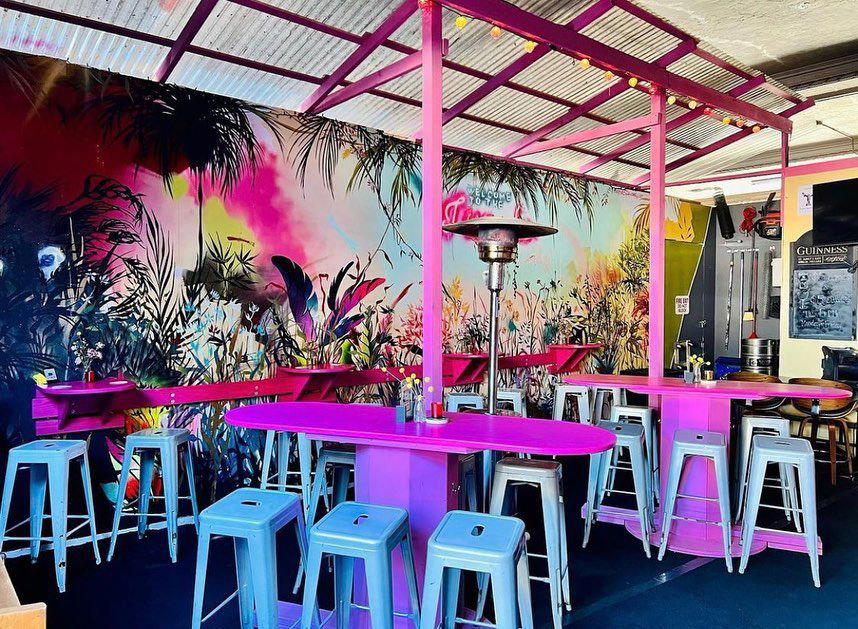
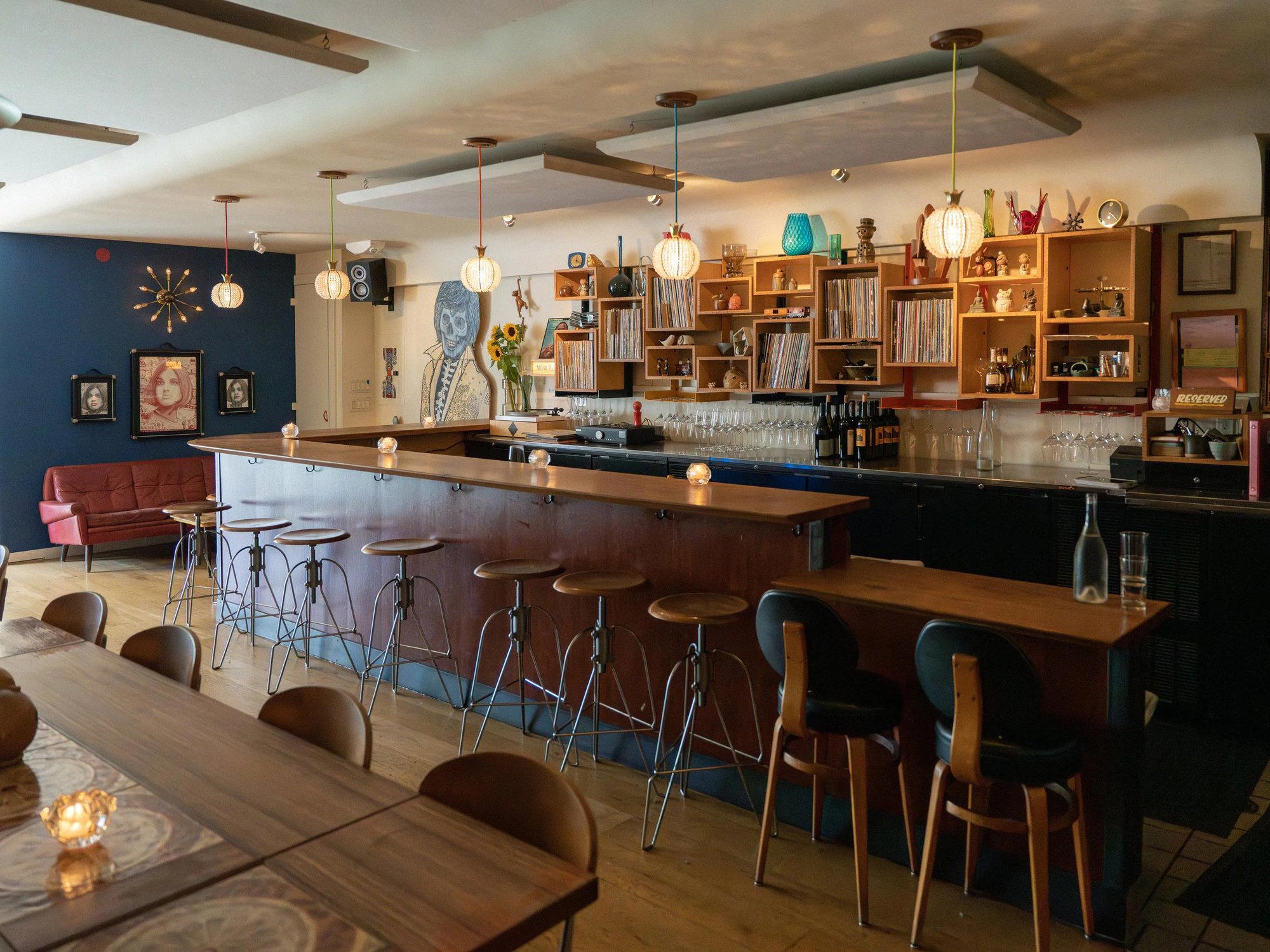

Details
- Cozy
- Rustic
- Casual Hangout
- Group Dining
- Open Kitchen
- Sake Program
- A La Carte
- Vegetarian Friendly
- Vegan Options
- Gluten Free Options
Current opening hours
- Monday
- 12–3 PM, 5–10 PM
- Tuesday
- 12–3 PM, 5–10 PM
- Wednesday
- 12–3 PM, 5–10 PM
- Thursday
- 12–3 PM, 5–10 PM
- Friday
- 12–3 PM, 5–11 PM
- Saturday
- 12–3 PM, 5–11 PM
- Sunday
- 12–3 PM, 5–10 PM
Hours can change for holidays and private events. Hours as of .
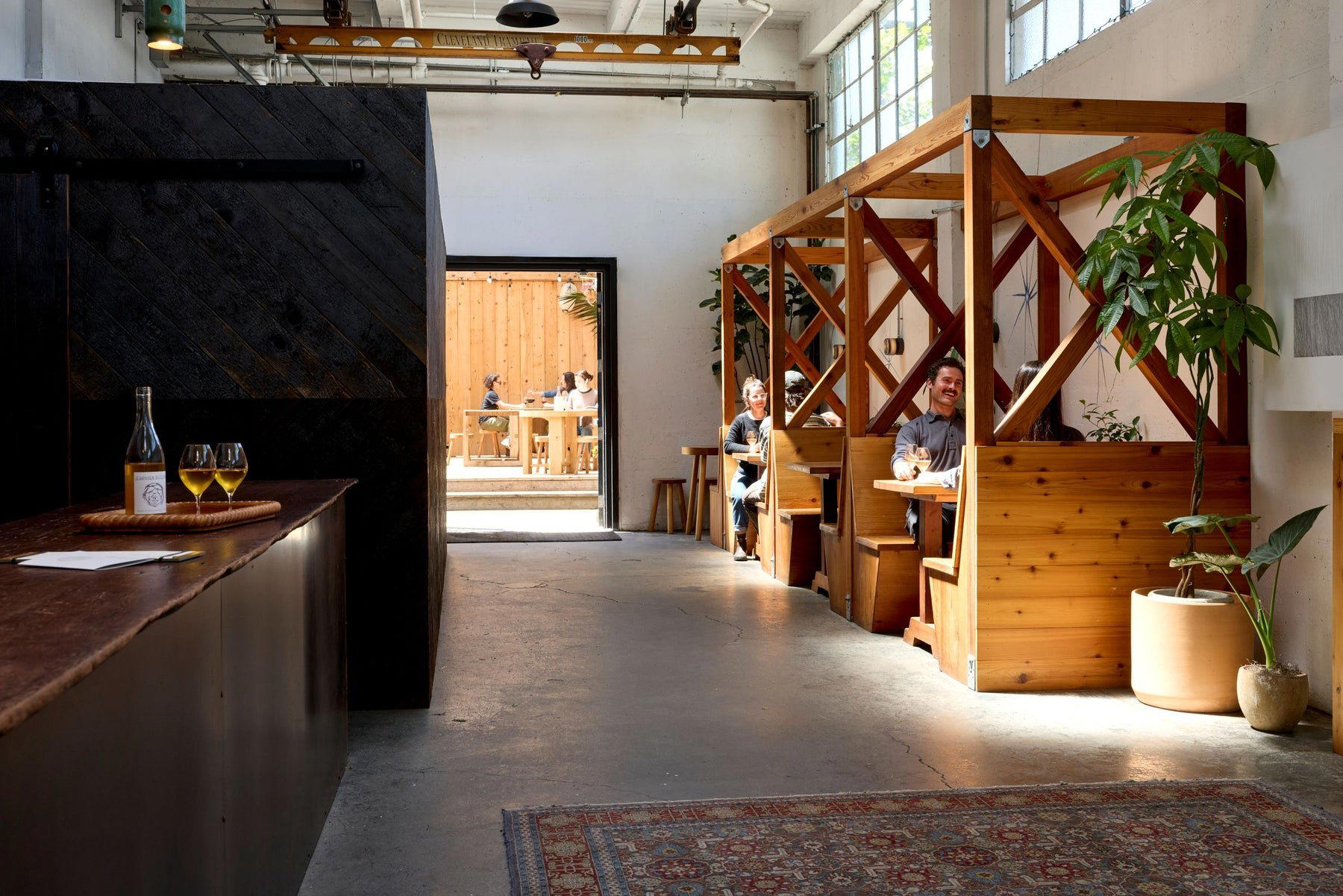
Quirky charm with walls decorated in quotes about home cooking, creating a cozy and casual atmosphere.