Les Fenêtres occupies a loaded address at 1 Place Daviel in Marseille's historic core, steps from the Palais de Justice and the neighbourhood rhythms of the Panier district. Within a city that has increasingly framed its restaurant scene around Mediterranean provenance and reduced environmental footprint, Les Fenêtres sits in the conversation around conscious dining in southern France's most port-defined city.
Pearl is the En Primeur Club membership app — saves, bookings, and concierge access live there. Same editors, same standards.
- Address
- 1 Pl. Daviel, 13002 Marseille, France
- Phone
- +33413424240
- Directions
- Get directions
 Saves & bookings on Pearl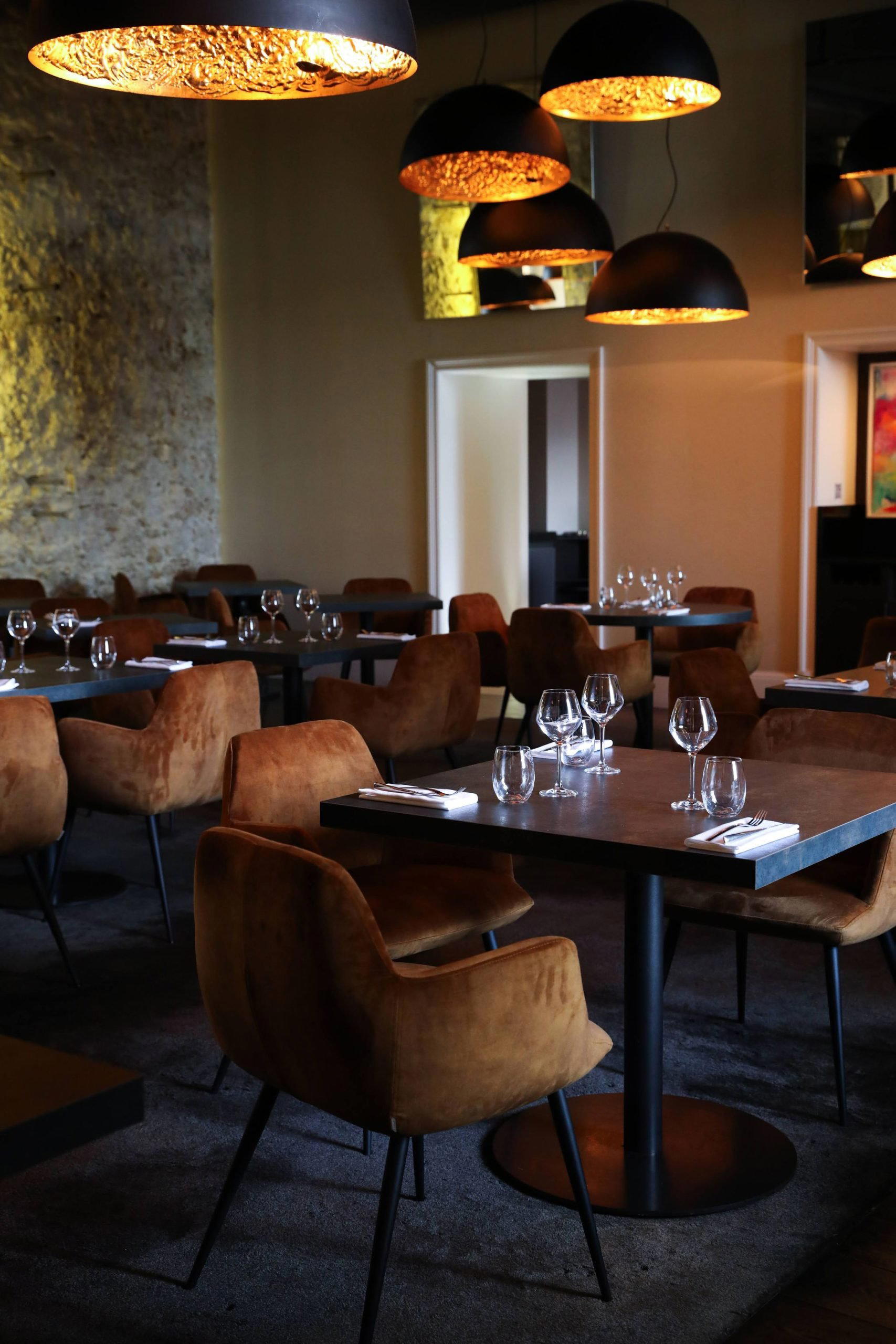
Marseille, Place Daviel, and the Ethics of Where You Eat
Place Daviel is the kind of address that arrives with context already attached. Flanked by the Palais de Justice and within walking distance of the Vieux-Port, this corner of the 13002 arrondissement sits at the intersection of Marseille's administrative gravity and its oldest residential quarter. Dining here is not a neutral act, the neighbourhood has a history of working-class identity, North African and southern Italian migration, and a port-city pragmatism about food that long preceded any fine-dining interest from Paris or beyond. It is in this setting that Les Fenêtres operates, and the address itself sets expectations about what kind of restaurant belongs here.
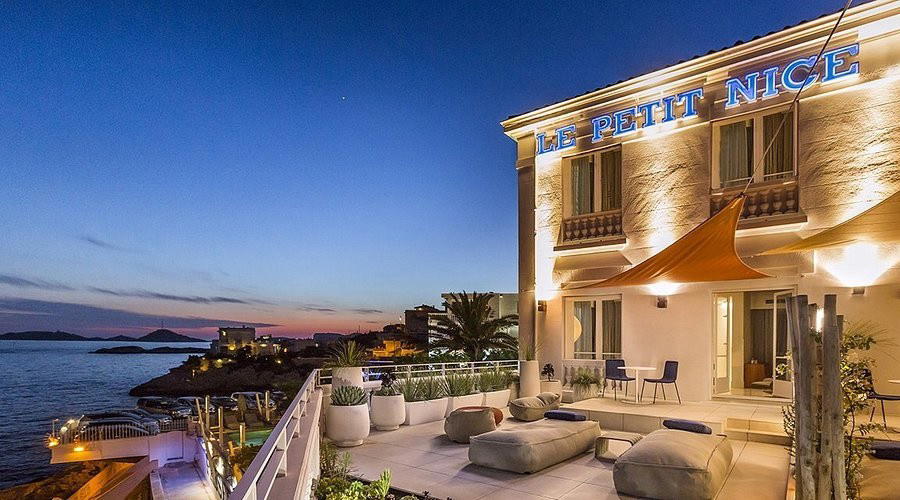
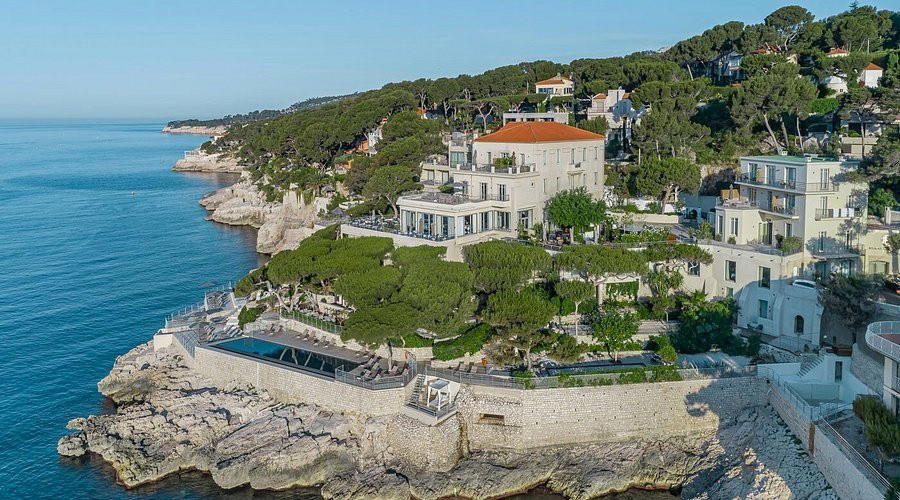
Across Marseille's higher-end dining tier, which includes AM par Alexandre Mazzia at the creative edge and Le Petit Nice commanding the headland above the Corniche, the conversation has shifted noticeably toward sourcing accountability and environmental positioning. That shift mirrors what has been happening across French fine dining more broadly, from Mirazur in Menton, which built a biodynamic kitchen garden into its identity, to Bras in Laguiole, whose longstanding relationship with the Aubrac plateau set an early template for terroir-rooted responsibility. Les Fenêtres enters this conversation at a more local, neighbourhood scale, without the altitude of alpine estates or the spectacle of coastal panoramas, but with the particular weight of a dense urban address in a city that feeds itself from the sea.
Southern France's Sustainability Turn, and Where Marseille Fits
The ethics of sourcing have reorganised French restaurant culture more substantially in the last decade than at any point since nouvelle cuisine reordered the plate in the 1970s. At the institutional level, houses like Troisgros in Ouches and Auberge de l'Ill in Illhaeusern have deep roots in specific agricultural regions that naturally constrain and define their supply chains. In the south, the logic is different: proximity to the Mediterranean means seafood sourcing is both abundant and fraught, with overfishing pressure on species like sea bass, red mullet, and sea urchin creating real decisions for any kitchen that claims environmental seriousness.
Marseille's position as France's primary southern port city gives it a complicated relationship with sustainability. The Vieux-Port fish market, one of the few remaining daily fish markets of its scale in France, still operates every morning and supplies restaurants with direct catch. But the species mix has changed across decades, and kitchens that built menus around particular fish have had to adapt. Une Table, au Sud has engaged with this directly through its modern cuisine format. For a restaurant on Place Daviel, operating within this ecological and cultural frame is less a branding decision than a geographic reality.
Beyond seafood, Provence's agricultural infrastructure offers a counterpoint to the pressure on marine resources. The inland markets of Marseille, particularly the Marché du Capucins and the producers arriving from the Bouches-du-Rhône hinterland, supply seasonal vegetables, herbs, and olive oils that form the backbone of any kitchen committed to short supply chains. Restaurants that draw from both coastal and inland Provençal sources, rather than relying on centralised distributors, are making a structural choice that has direct effects on carbon footprint, food quality, and local economic resilience. This is not peripheral to how Marseille's serious restaurants should be understood, it is increasingly central to why they merit attention at all.
The Neighbourhood as Context
The Panier district, which rises steeply from the Vieux-Port behind Place Daviel, is the oldest continuously inhabited neighbourhood in France's oldest city. For decades it absorbed the populations least able to afford Marseille's more comfortable arrondissements, and the traces of that history remain in the density of the streets, the mix of languages, and the absence of the kind of studied aesthetic that signals gentrification completion. The dining character of the surrounding streets remains largely working-register: North African restaurants, Provençal brasseries, and the occasional specialist épicerie. A restaurant on Place Daviel that aspires to more formal dining territory operates against that grain, which is either a tension or an asset depending on how it is managed.
Comparison with 1860 Le Palais and Alivetu within the broader Marseille scene illustrates how the city's restaurant tier distributes across districts. The waterfront and the more polished streets of the 7th and 8th arrondissements tend to attract higher price-point dining; the 13002 retains a more embedded, resident-serving character. That distribution shapes who eats at a given restaurant, what price thresholds feel reasonable, and what sourcing stories resonate. For a restaurant arguing an environmental or provenance-led position, neighbourhood context is not incidental, it affects whether that argument reads as authenticity or affectation.
Restaurants making similar place-rooted arguments in other French cities, Au Crocodile in Strasbourg with its Alsatian agricultural depth, or Auberge du Vieux Puits in Fontjoncouse with its Corbières sourcing, operate in contexts where the surrounding region supplies an obvious and established narrative. Marseille requires a more composite argument: city, sea, and hinterland simultaneously, with a cultural complexity that no single provenance story fully covers.
Planning a Visit
Les Fenêtres sits at 1 Place Daviel in the 13002 arrondissement, reachable from the Vieux-Port on foot in under ten minutes. For visitors approaching the broader Marseille dining scene, Reservation is recommended. Those planning a wider France itinerary involving high-commitment restaurant visits might also consider the programmes at Flocons de Sel in Megève or Assiette Champenoise in Reims, both of which operate with documented seasonal and sourcing frameworks that provide useful comparison points. For those travelling internationally and arriving from New York, Le Bernardin and Atomix represent the transatlantic reference tier for similar discussions around provenance and sourcing rigour in fine dining. The Alléno Paris au Pavillon Ledoyen and Paul Bocuse in Collonges-au-Mont-d'Or anchor the institutional end of French fine dining and provide useful historical context for understanding how the current generation of more ecologically conscious restaurants positions itself differently.
Where It Fits
Comparable venues nearby, for context on price, style, and recognition.
| Venue | Cuisine | Price | Notes |
|---|---|---|---|
| Les FenêtresThis venue — the venue you are viewing | Modern Mediterranean Brasserie | $$$$ | Not listed |
| Miramar | Traditional Mediterranean Seafood & Bouillabaisse | $$$$ | Belsunce |
| PEPERE | Mediterranean Cocktail Bar with Tapas | $$ | Prefecture |
| Restaurant Femina | Algerian Couscous Specialist | $$ | Noailles |
| Place des Canailles | French Food Hall with Homemade Street Food | $$$ | Arenc |
| Le Jardin Montgrand | Modern French Bistro with Mediterranean Influences | $$$ | Opera |
Continue exploring
More in Marseille
Restaurants in Marseille
Browse all →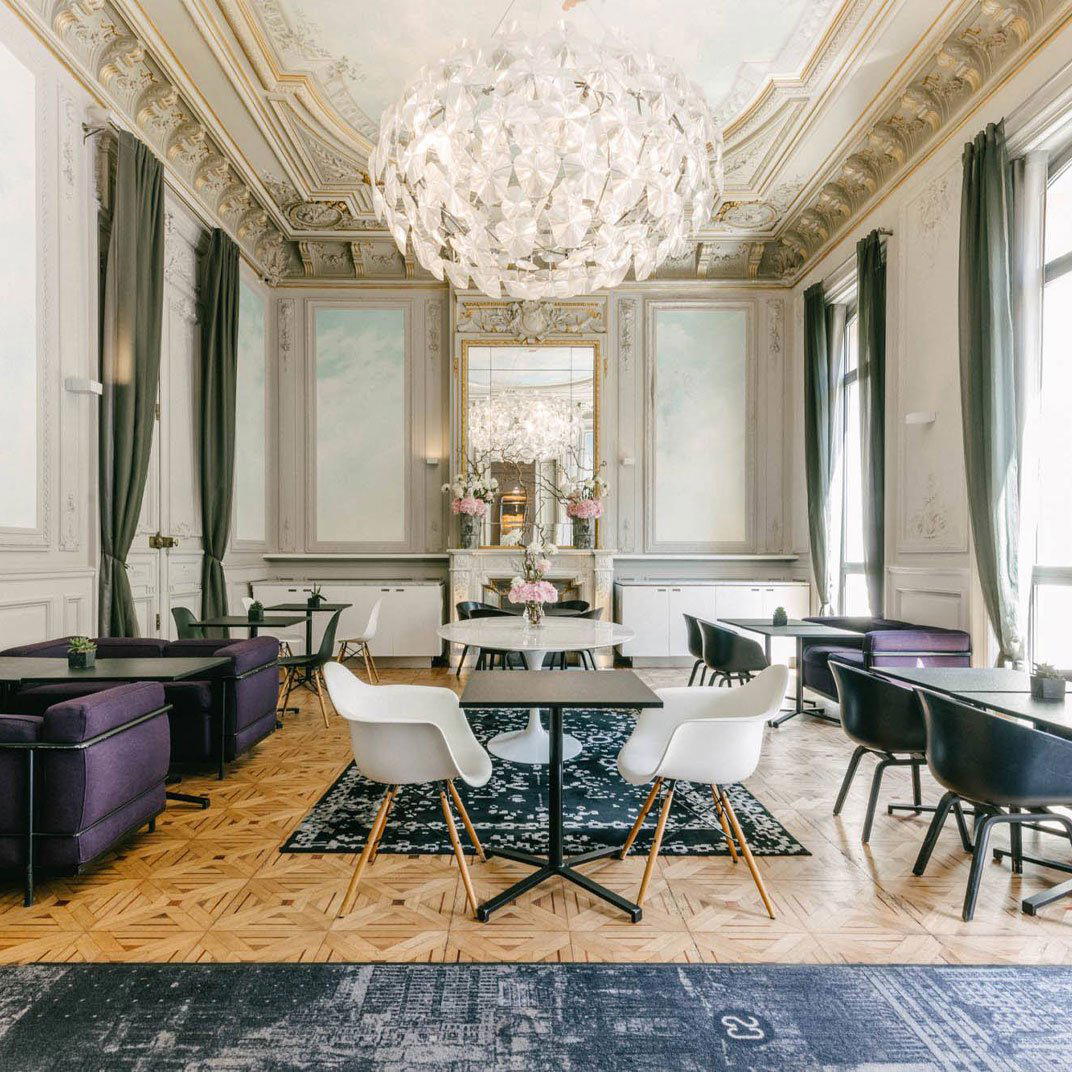
Bars in Marseille
Browse all →
Hotels in Marseille
Browse all →
At a Glance
- Elegant
- Sophisticated
- Date Night
- Brunch
- Special Occasion
- Terrace
- Hotel Restaurant
- Panoramic View
- Extensive Wine List
- Local Sourcing
- Skyline
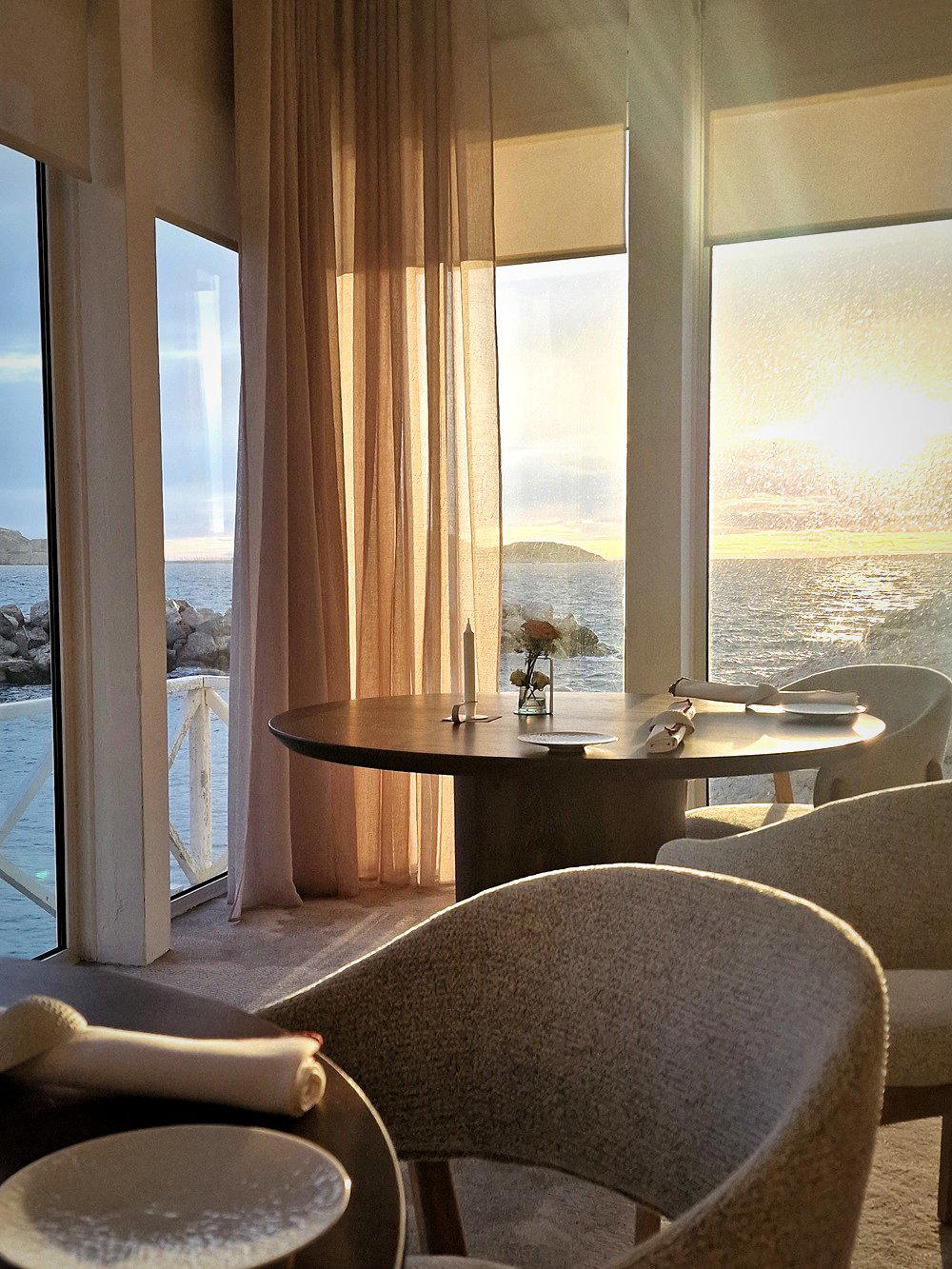
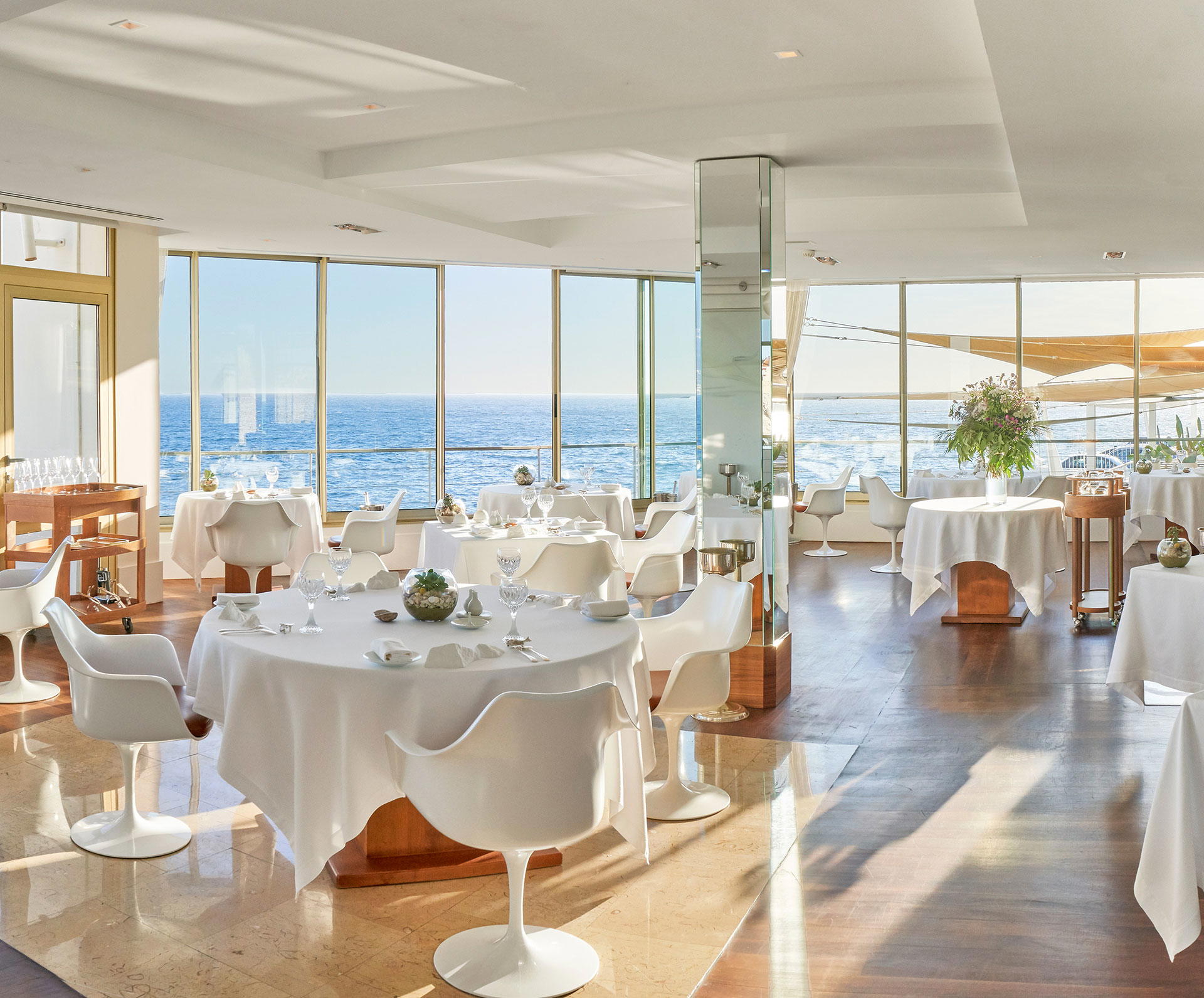
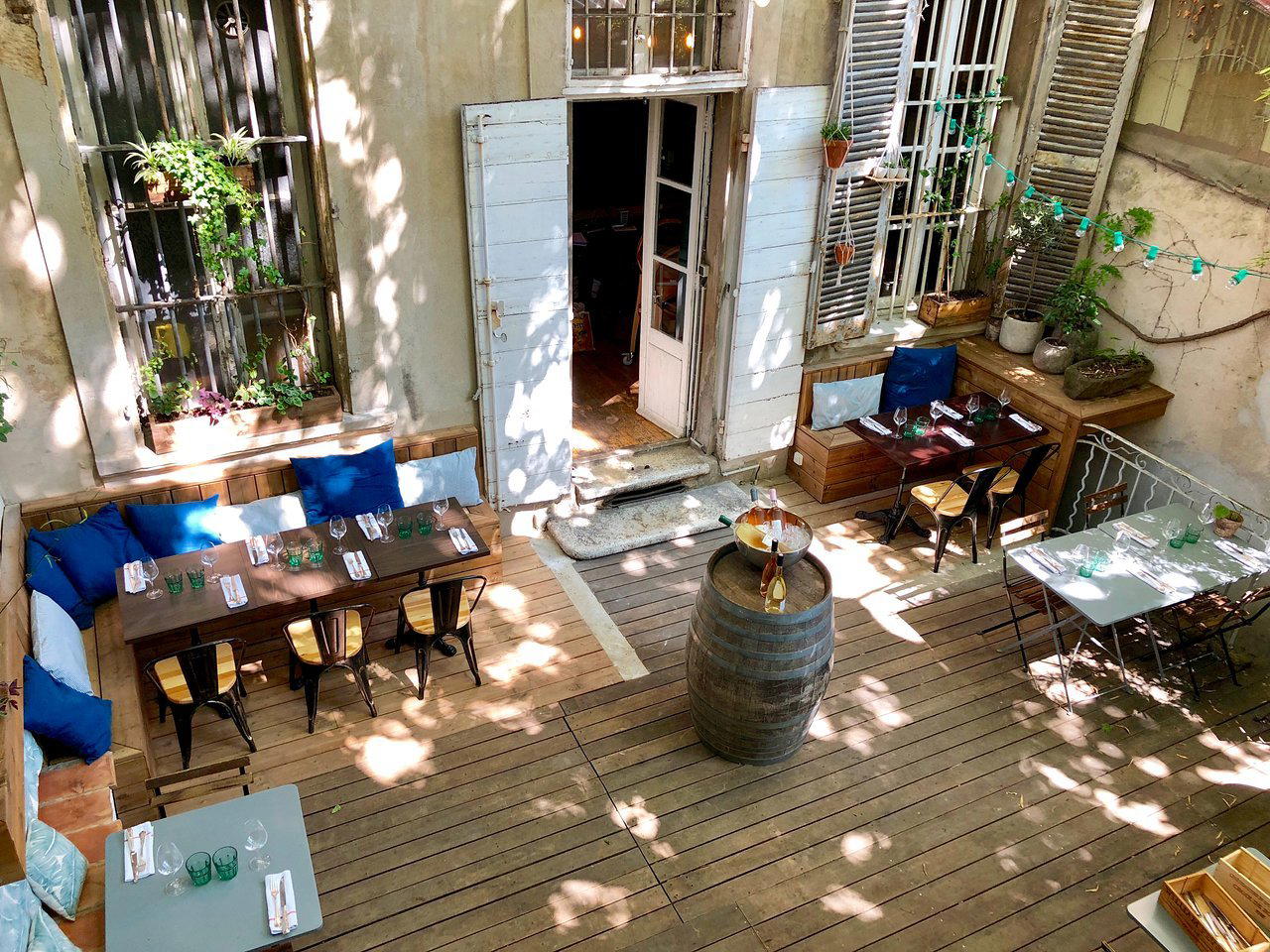
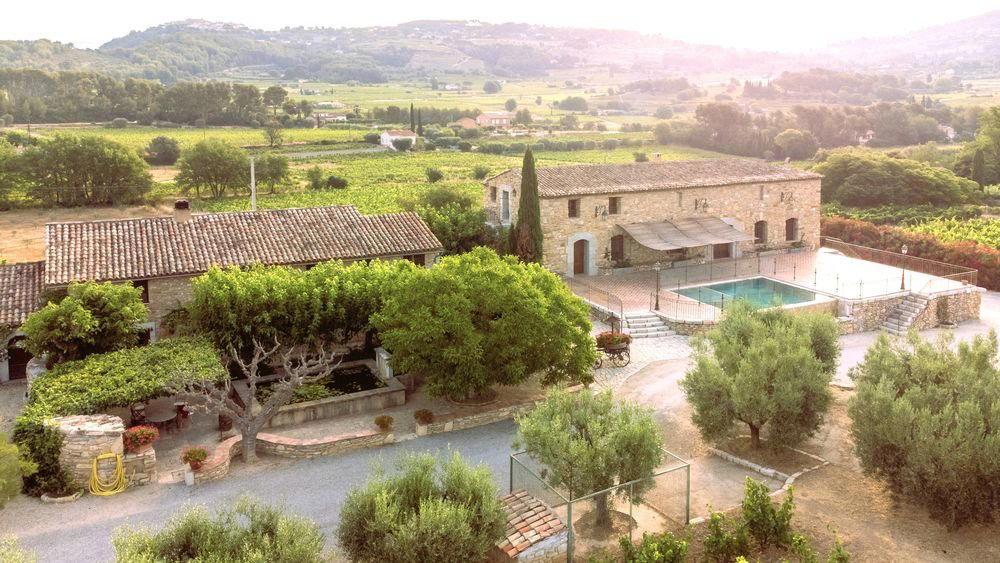
Chic brasserie style with contemporary decoration, terrace offering sweeping skyline views, and a refined yet convivial atmosphere.