Les 3 Toqués
Our verdict
In the quiet Flemish fringe of the Nord department, Les 3 Toqués at 43 Rue du Capitaine Lheureux represents a style of French provincial dining that urban restaurants rarely replicate: rooted in local terroir, unhurried in pace, and operating at a remove from the competitive noise of the metropolitan restaurant scene. For travellers willing to leave Lille's ring road behind, it offers a different register of the French table.

Pearl is the En Primeur Club membership app — saves, bookings, and concierge access live there. Same editors, same standards.
- Address
- 43 Rue du Capitaine Lheureux, 59184 Sainghin-en-Weppes, France
- Phone
- +33320963446
- Hours
- Mon–Wed 12–1:30 PMThu–Fri 12–1:30 PM, 7:15–9:15 PMSat–Sun Closed
- Website
- restaurant-les3toques.fr
- Directions
- Get directions
- Booking
- Book on the venue's website
The menu
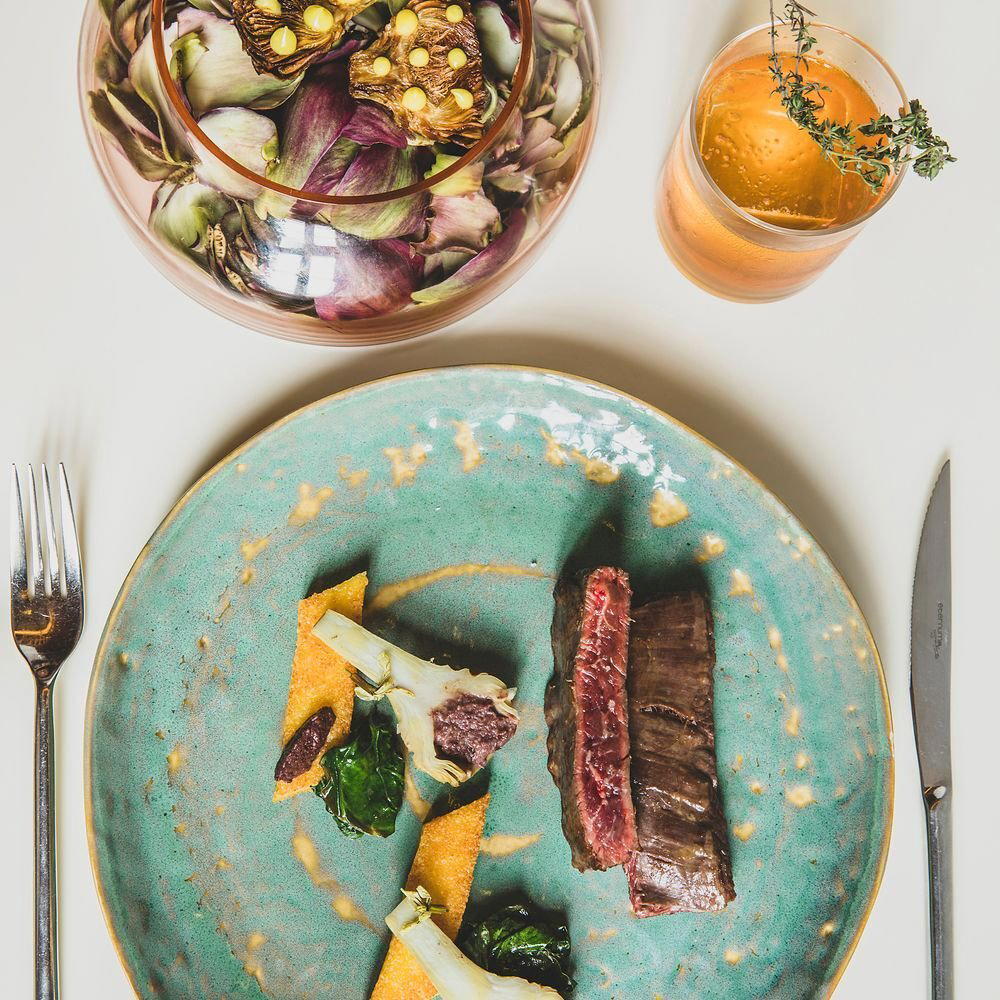
What to order
- Homemade charcuterie
- Monkfish tail with smoked herring pearl cream
- Saddle of lamb stuffed with chard
Where the Nord's Agricultural Interior Meets the French Table
The flat, fertile triangle between Lille, Béthune, and Armentières is not a landscape most food travellers think to seek out. This is the Weppes, a stretch of Flemish farmland that has quietly supplied northern France's markets and kitchens for centuries, growing endives, chicory, and root vegetables in soils that the region's more celebrated neighbours to the south rarely match for depth of flavour. In Sainghin-en-Weppes, a commune of a few thousand residents, Les 3 Toqués sits on Rue du Capitaine Lheureux in precisely this agricultural context, and that context is the whole point.
French regional dining at its most coherent operates this way: the kitchen and the surrounding land are in direct conversation, and the restaurant's identity is inseparable from what grows or grazes within a reasonable distance of its address. The grands établissements of France have long understood this. Bras in Laguiole has built a decades-long reputation on Aubrac's volcanic plateau and the plants Michel Bras catalogued from it. Mirazur in Menton works the terraced gardens above its dining room directly into its menus. The principle scales down to village restaurants too, and when it works at that scale, it tends to feel less constructed and more instinctive.
The Weppes Table: What the Region Actually Produces
Understanding what Nord-Pas-de-Calais brings to a table helps calibrate expectations for any serious restaurant in this corridor. The region produces some of France's most characterful raw ingredients: Maroilles cheese, aged in humid cellars across the Avesnois; grey shrimp from the Opal Coast fishing ports; endive forced in dark sheds through winter months; and waterzooi-adjacent preparations that carry Flemish culinary DNA even when executed in a French register. Pork is serious here, cured and smoked in ways that reflect the border with Belgium as much as any southern French tradition.
A restaurant operating in Sainghin-en-Weppes has access to this supply network in a way that restaurants in Lille's centre, with their longer logistical chains, may not. The short distance between farm gate and kitchen pass is not a marketing point in the agricultural interior; it is simply how supply works when a restaurant is embedded in the producing community rather than orbiting it from a city address.
This sourcing logic connects Les 3 Toqués to a broader pattern visible in French provincial dining over the past two decades. As readers of our full Sainghin-en-Weppes restaurants guide will find, the gravitational pull of regional ingredient identity has strengthened rather than weakened even as metropolitan French kitchens have become more international in their reference points.
Provincial French Dining vs. the Parisian Standard
The comparison between village-scale French restaurants and their Parisian equivalents is instructive rather than flattering to either side. Paris concentrates the investment and the critics; it also concentrates the pressure to perform for a transient, international audience. Alléno Paris au Pavillon Ledoyen operates in that high-pressure tier, where menu construction, room design, and service choreography are measured against the most demanding international benchmarks.
Provincial restaurants operating below that scrutiny can afford a different relationship with their guests, one built on regulars rather than destination diners, on seasonal rhythms rather than year-round consistency across a fixed prestige menu. Auberge de l'Ill in Illhaeusern and Georges Blanc in Vonnas have achieved the rare feat of making provincial scale work at national recognition level, but they are exceptions. Most excellent provincial restaurants in France remain known primarily to the communities they serve and to the travellers attentive enough to find them.
That dynamic shapes the experience at any serious restaurant in the Weppes. The room will not be styled for Instagram. The wine list will reflect the preferences of the local clientele as much as any sommelier's aspirations. The rhythm of service will feel deliberate rather than theatrical. These are not shortcomings; they are the texture of regional French dining as it actually exists outside the guidebook circuit, and they are increasingly rare as mid-tier restaurants across France standardise toward a recognisable contemporary bistro format.
The Broader Northern French Restaurant Circuit
Travellers using Sainghin-en-Weppes as a base or a detour can build a meaningful northern French restaurant itinerary. Assiette Champenoise in Reims anchors the Champagne corridor to the southeast, while Au Crocodile in Strasbourg and Auberge du Vieux Puits in Fontjoncouse represent the Alsatian and southern French counterpoints to the Nord's Flemish culinary register. Internationally, Le Bernardin in New York City and Atomix in New York City show how French technical discipline translates across continents, while Christopher Coutanceau in La Rochelle and La Marine in Noirmoutier-en-l'île demonstrate the Atlantic coast's parallel commitment to hyper-local sourcing from sea rather than farmland.
For those drawn to mountain terroir rather than coastal or northern agricultural traditions, Flocons de Sel in Megève and L'Oustau de Baumanière in Les Baux offer a useful calibration of how landscape-driven French cuisine operates at the other end of the country. AM par Alexandre Mazzia in Marseille and Troisgros - Le Bois sans Feuilles in Ouches complete a picture of French gastronomy's geographic diversity. Paul Bocuse - L'Auberge du Pont de Collonges in Collonges-au-Mont-d'Or remains the reference point for understanding what French classical tradition looks like when preserved rather than evolved.
Planning Your Visit
Les 3 Toqués is located at 43 Rue du Capitaine Lheureux in Sainghin-en-Weppes, a village accessible by car from Lille in under twenty minutes via the A25 or D549. The village has no train station; a personal vehicle or taxi from Lille is the practical approach. Given the limited dining options in the immediate commune, booking ahead is advisable, though specific reservation methods and current hours should be confirmed directly with the restaurant before travelling. Arriving in the Nord's agricultural interior without a confirmed table at your intended destination is an avoidable miscalculation.
Frequently asked questions
Can I bring kids to Les 3 Toqués?
Sainghin-en-Weppes is a working commune of roughly 4,000 residents, and a village address like 43 Rue du Capitaine Lheureux typically draws a local family clientele rather than a destination-dining crowd. Children are unlikely to be out of place here. Confirming with the restaurant directly before your visit remains advisable, particularly for lunch service.
How would you describe the vibe at Les 3 Toqués?
The setting is a French village restaurant in the Weppes plain between Lille, Béthune, and Armentières — agricultural interior, not urban brasserie. Arrive expecting the pace and register of provincial French dining: unhurried, rooted in the region, without the formality of a metropolitan tasting-menu room. The name itself, a French culinary pun on three chef's toques, signals a kitchen-first identity rather than a lifestyle concept.
Is Les 3 Toqués a good restaurant to visit if you're travelling between Lille and Béthune?
Sainghin-en-Weppes sits in the flat triangle directly between the two cities, making 43 Rue du Capitaine Lheureux a practical midpoint stop rather than a significant detour. The village is accessible by car from Lille in under twenty minutes. For travellers building a northern French itinerary that extends toward Armentières or the broader Weppes corridor, it represents a regional anchor rather than a destination requiring a standalone journey.
What's the signature dish at Les 3 Toqués?
Given the restaurant's position in the Nord-Pas-de-Calais agricultural corridor, the regional larder — endive, Maroilles cheese, estaminets-style preparations, North Sea fish — forms the logical backbone of any serious kitchen here. check the venue's official channels for current menu information.
Where exactly is Les 3 Toqués?
Les 3 Toqués is located at 43 Rue du Capitaine Lheureux, 59184 Sainghin-en-Weppes, France, Sainghin En Weppes.
Comparable Venues
Comparable venues nearby, for context on price, style, and recognition.
| Venue | Cuisine | Price | Notes |
|---|---|---|---|
| Les 3 ToquésThis venue — the venue you are viewing | French Bistro with Seasonal Local Cuisine | $30–50 | Not listed |
| Aux éphérites | French Fusion Bistronomy | Not listed | Lille Centre 19 |
| Brasserie André | Traditional French Brasserie | $30–50 | Lille Centre 12 |
| Le Tableau | Modern French Semi-Gastronomic | $30–50 | Centre-ville |
| Le Moulin Des Ecrevisses | Contemporary French Gastronomique | $50–100 | Ailly-sur-Noye |
| Comptoir De Vie | Modern French Tasting Counter-Bar | $100–150 | 2nd Arrondissement |
Continue exploring
More in Sainghin En Weppes
Restaurants in Sainghin En Weppes
Browse all →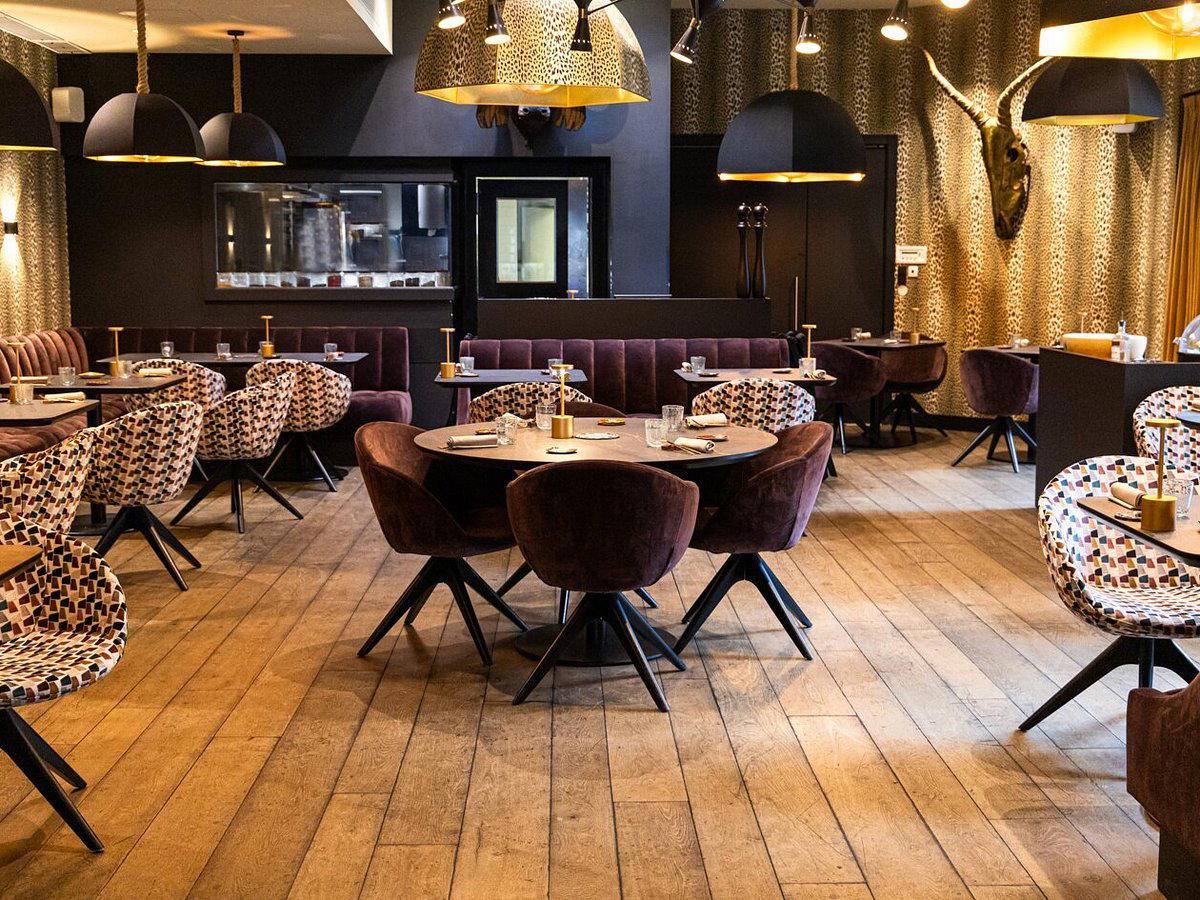
Bars in Sainghin En Weppes
Browse all →
Hotels in Sainghin En Weppes
Browse all →
Wineries in Sainghin En Weppes
Browse all →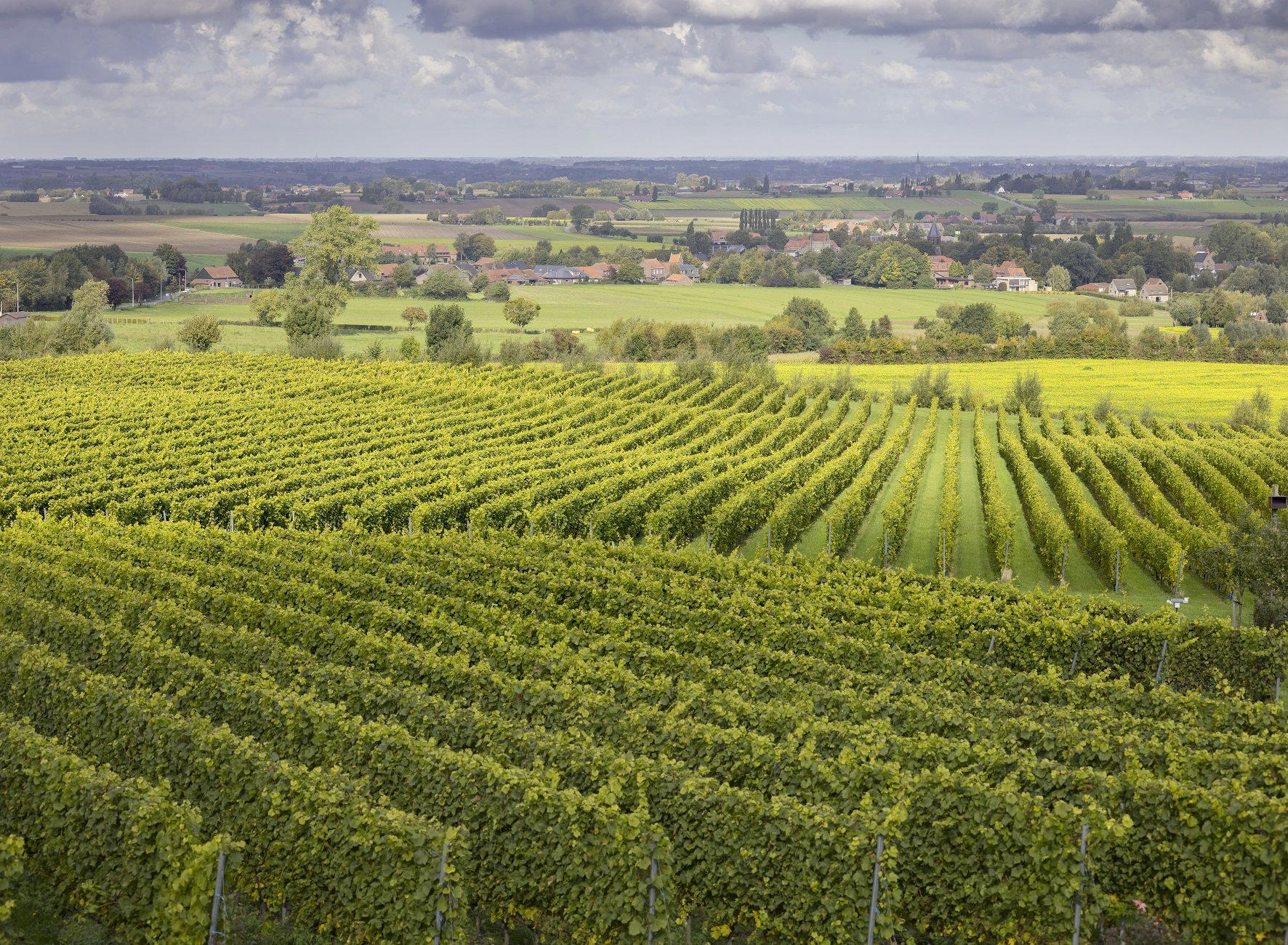
Details
- Cozy
- Elegant
- Intimate
- Special Occasion
- Business Dinner
- Historic Building
- Local Sourcing
- Organic
- A La Carte
- Vegetarian Friendly
Current opening hours
- Monday
- 12–1:30 PM
- Tuesday
- 12–1:30 PM
- Wednesday
- 12–1:30 PM
- Thursday
- 12–1:30 PM, 7:15–9:15 PM
- Friday
- 12–1:30 PM, 7:15–9:15 PM
- Saturday
- Closed
- Sunday
- Closed
Hours can change for holidays and private events. Last verified .
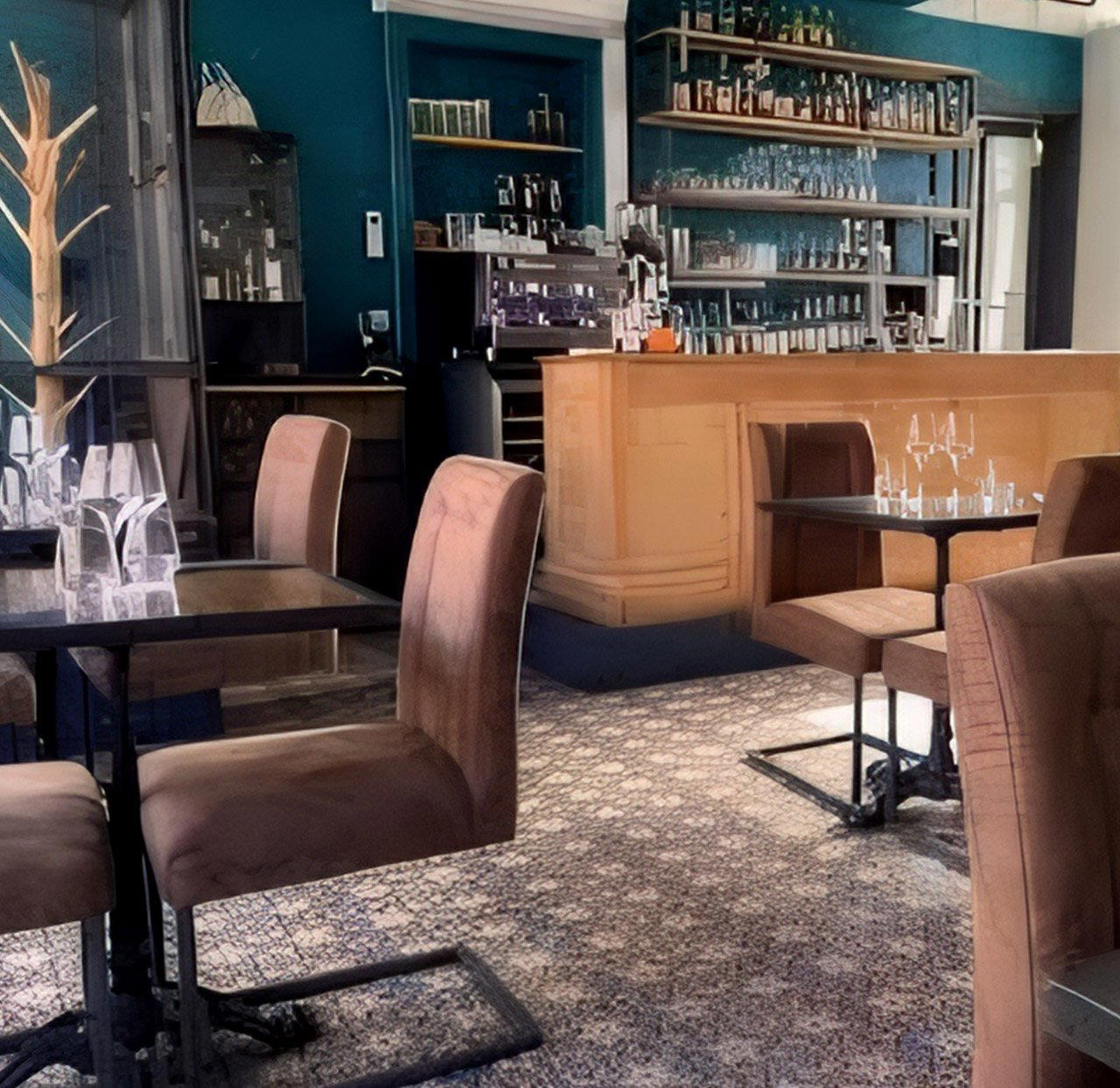
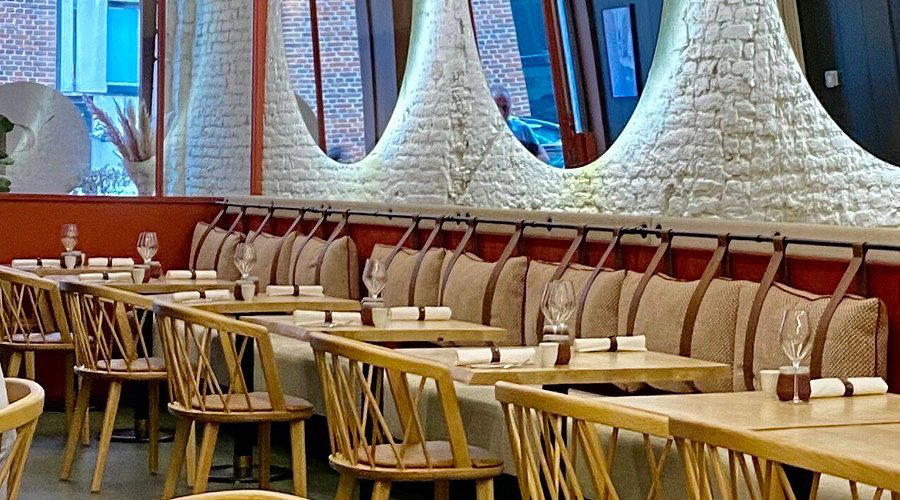
Chaleureuse ambiance with personalized service in a cozy, historic setting featuring wrought-iron front.