On Rue de la Bourse in Paris's 2nd arrondissement, Les Bascules occupies a stretch of the city where finance and hospitality have long traded floors. The address places it among a generation of Paris restaurants rethinking sourcing and waste alongside cooking technique, a shift that has reshaped the 2nd's dining character more quietly than the headline tables of the 8th or 7th.
Pearl is the En Primeur Club membership app — saves, bookings, and concierge access live there. Same editors, same standards.
- Address
- 3 Rue de la Bourse, 75002 Paris, France
- Phone
- +33140150154
- Website
- lesbascules.fr
- Directions
- Get directions
 Saves & bookings on Pearl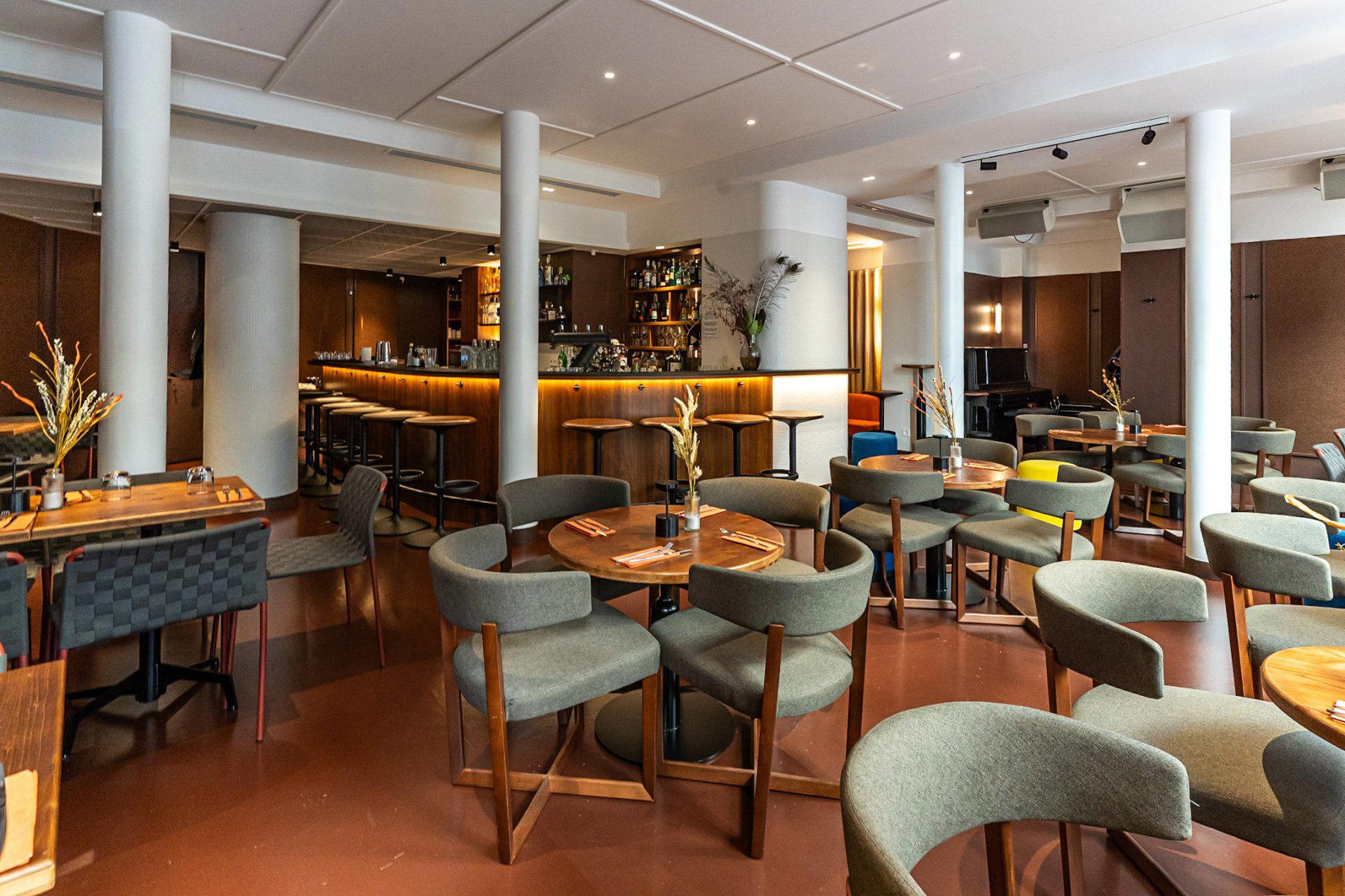
The 2nd Arrondissement and the Shift Toward Conscious Kitchens
Paris's relationship with ethical sourcing in fine dining has moved slowly compared to cities like Copenhagen or London, but it has moved. The restaurants that now define the conversation are not the grand institutions of the 7th or the 8th — those tables, from Arpège to Alléno Paris au Pavillon Ledoyen — operate at a scale and price tier where sustainability is one credential among many. The more interesting shift has happened in the city's less-publicised arrondissements, where smaller rooms and shorter supply chains are becoming a structural choice rather than a marketing position. The 2nd, historically defined by the Bourse and the passage culture of the 19th century, has accumulated a cohort of restaurants that sit in this middle ground: serious cooking, purposeful sourcing, without the full weight of palace-hotel infrastructure behind them.
Les Bascules at 3 Rue de la Bourse sits within that context. The address is precise enough to tell you something: a street named for the stock exchange, in an arrondissement that has spent the better part of two decades repositioning itself from a financial district into a neighbourhood with genuine culinary character. The name itself, les bascules, meaning scales or balances in French, carries a resonance that aligns with where Paris dining is heading: the idea of calibration, of weighing inputs against outputs, of finding equilibrium between ambition and restraint.
Sustainability as Kitchen Architecture, Not Afterthought
Particularly significant change in how Paris's mid-tier restaurants are being evaluated is not about stars or scores. It is about whether a kitchen's sourcing logic is structural or decorative. A number of France's most respected tables have demonstrated over the past decade that environmental consciousness and technical ambition are not in tension. Mirazur in Menton, with its biodynamic garden as a production input rather than a photo opportunity, and Bras in Laguiole, where the surrounding Aubrac plateau dictates the menu's seasonal rhythm, have made the case at the highest level. Closer to Paris, Flocons de Sel in Megève has built its identity around alpine terroir in a way that makes geography inseparable from the plate.
What these examples share is a commitment to waste reduction and ethical sourcing that operates at the level of kitchen design, not PR copy. The question for a Paris address like Les Bascules is how that model translates to an urban context, where direct farm relationships require more deliberate cultivation and where the logistics of zero-waste cooking inside a city kitchen demand specific infrastructure. Paris restaurants that have committed seriously to this approach, reducing food waste, working with verified short-supply-chain producers, and building menus around what is available rather than what is fashionable, tend to operate with smaller covers and tighter seasonal rotations than their more conventional peers.
The broader French tradition provides a useful frame. Troisgros in Ouches relocated partly to access the agricultural land that now feeds its kitchen directly. Auberge de l'Ill in Illhaeusern has maintained a connection to Alsatian agricultural identity for generations. Even in urban settings, AM par Alexandre Mazzia in Marseille has demonstrated that a city kitchen can build a menu philosophy around specific, traceable sourcing without compromising on creative range. These are the precedents against which a sustainability-conscious Paris restaurant is now measured, whether it invites the comparison or not.
Where Les Bascules Sits in Paris's Current Dining Order
Paris's dining hierarchy has always been legible from the outside. The €€€€ tier, L'Ambroisie, Le Cinq at Four Seasons Hôtel George V, Kei, occupies a different conversation from the mid-range rooms that have been reshaping the 2nd, the 3rd, and the 10th over the past decade. The more interesting tension in Paris dining today is not between the three-star tables and the bistrots, but between the restaurants that have absorbed the sourcing and sustainability conversation as a genuine operational constraint and those that have adopted its language without its discipline.
The restaurant, without the full data record of an established destination, sits at an early point in that story. Its Rue de la Bourse address places it in a neighbourhood with the foot traffic and the demographic profile to support serious cooking at a sustainable price point. The relevant comparison set is not the palace hotels of the 8th but the generation of Paris restaurants that have built credibility through provenance transparency and menu discipline. For international context, the approach rhymes with what Le Bernardin in New York City has done with seafood sourcing at the leading end, or what Atomix in New York City demonstrates about rigorous editorial control over ingredients and format.
France's regional strong tables also provide a useful frame for what the sustainability story looks like when it matures. Auberge du Vieux Puits in Fontjoncouse, Assiette Champenoise in Reims, and Au Crocodile in Strasbourg each show how a restaurant can build a durable identity around place, season, and supply chain in a way that earns long-term recognition. For Paul Bocuse - L'Auberge du Pont de Collonges, the legacy question is different, built over decades into an institution. For a newer Paris address, the question is whether the sourcing commitments survive the pressure of the city's pace and cost structure.
For a full picture of where the restaurant fits within Paris's broader dining scene, see our full Paris restaurants guide.
Is Les Bascules better for a quiet night or a lively one?
The 2nd arrondissement runs quieter than the Marais or Saint-Germain after 9pm, and Rue de la Bourse specifically has a more measured pace than the main passages. Without award data or confirmed covers, the room's energy level is not something this publication can verify, but the neighbourhood context suggests a composed rather than animated atmosphere.
What dish is Les Bascules famous for?
No confirmed signature dishes are on record at time of publication. For verified menu details, check directly with the restaurant. Paris addresses in the sustainability-conscious category tend to rotate their menus seasonally, which means a fixed signature dish is less likely to define the offer than at more format-locked venues.
Can I walk in to Les Bascules?
Walk-in availability is not confirmed. In Paris's 2nd arrondissement, smaller rooms at serious restaurants typically require a reservation, particularly on Thursday through Saturday evenings. Until booking policy is publicly confirmed, treat a reservation as necessary rather than optional.
What do critics highlight about Les Bascules?
No published critical reviews are on record at time of publication. The restaurant has not appeared in the major award cycles, Michelin, Gault & Millau, in publicly available data. Its position on Rue de la Bourse places it in a neighbourhood with growing critical attention, but confirmed press recognition is not available to cite here.
How does Les Bascules fit into Paris's broader sustainability-focused dining movement?
Paris has seen a measurable shift toward provenance-led, waste-conscious cooking over the past decade, particularly in the 2nd, 3rd, and 10th arrondissements where smaller independent operators have room to build tighter supply-chain relationships than the larger palace-hotel kitchens. The restaurant, at 3 Rue de la Bourse, sits at the address level where that conversation is most active in the city.
How Les Bascules Paris compares with similar nearby venues.
| Venue | Cuisine | Price |
|---|---|---|
| Accents Table Bourse | Modern Cuisine | €€€€ |
Continue exploring
More in Paris
Restaurants in Paris
Browse all →
Bars in Paris
Browse all →
Hotels in Paris
Browse all →



At a Glance
- Lively
- Elegant
- Intimate
- Date Night
- Group Dining
- Celebration
- Late Night
- Live Music
- Craft Cocktails
Current opening hours
- Monday
- 12–3:30 PM
- Tuesday
- 11:30 AM–2 AM
- Wednesday
- 11:30 AM–2 AM
- Thursday
- 11:30 AM–2 AM
- Friday
- 11:30 AM–2 AM
- Saturday
- 6 PM–2 AM
- Sunday
- Closed
Hours can change for holidays and private events. Last verified .
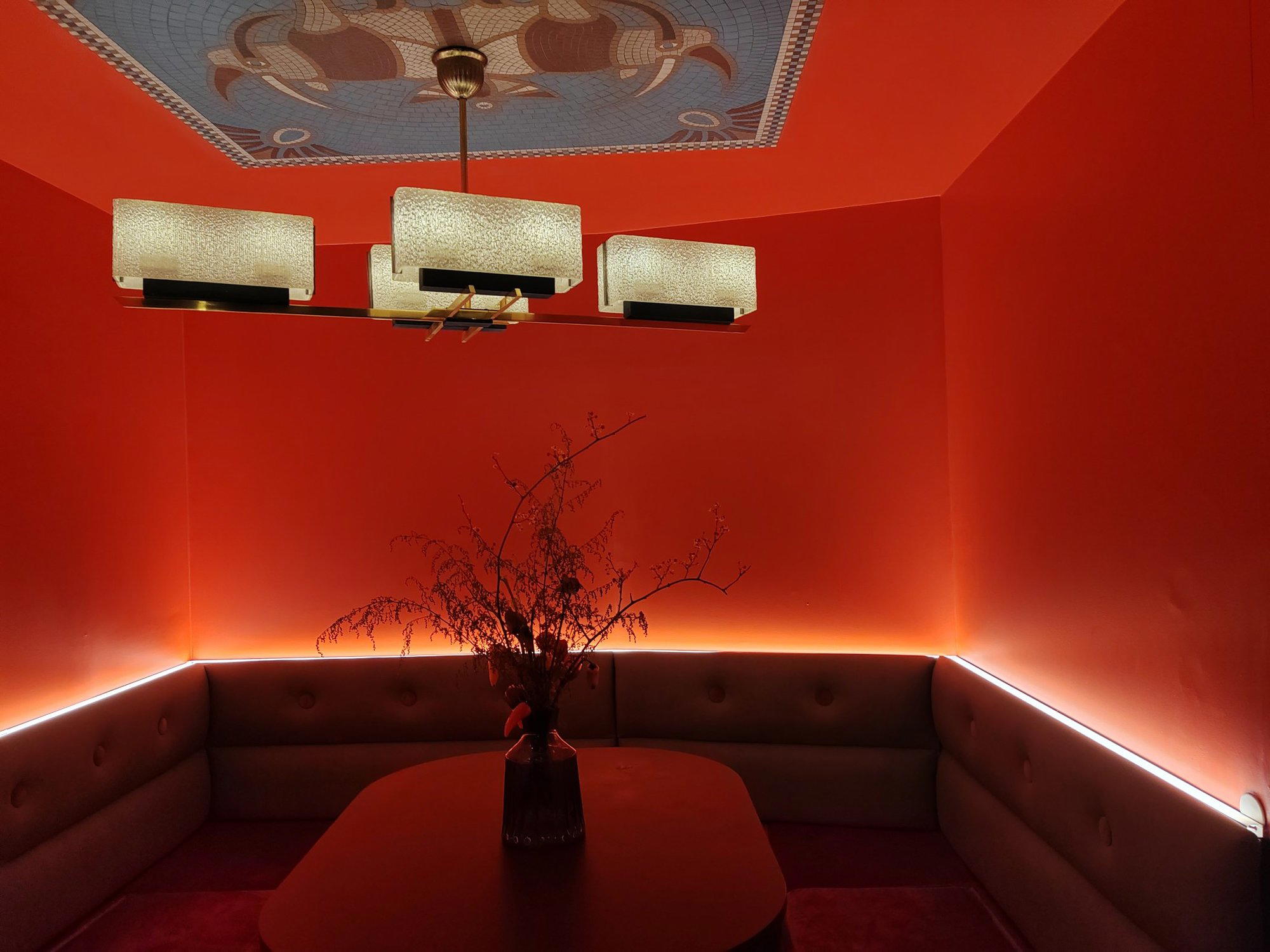
Refined yet warm atmosphere with orange banquettes and Klein blue accents, turning lively with music and dancing.