BnA Hotel Koenji sits in one of Tokyo's most musically charged neighbourhoods, where each room is conceived as a commissioned artwork rather than a standard accommodation unit. The property positions itself at the intersection of the city's independent art and live-music scenes, making it a different proposition from central Tokyo's luxury hotel tier. Koenji's JR Chuo Line location keeps Shinjuku within ten minutes.
Pearl is the En Primeur Club membership app — saves, bookings, and concierge access live there. Same editors, same standards.
- Address
- 2 Chome-4-7 Koenjikita, Suginami City, Tokyo 166-0002, Japan
- Website
- bna-koenji.com
- Directions
- Get directions
 Saves & bookings on Pearl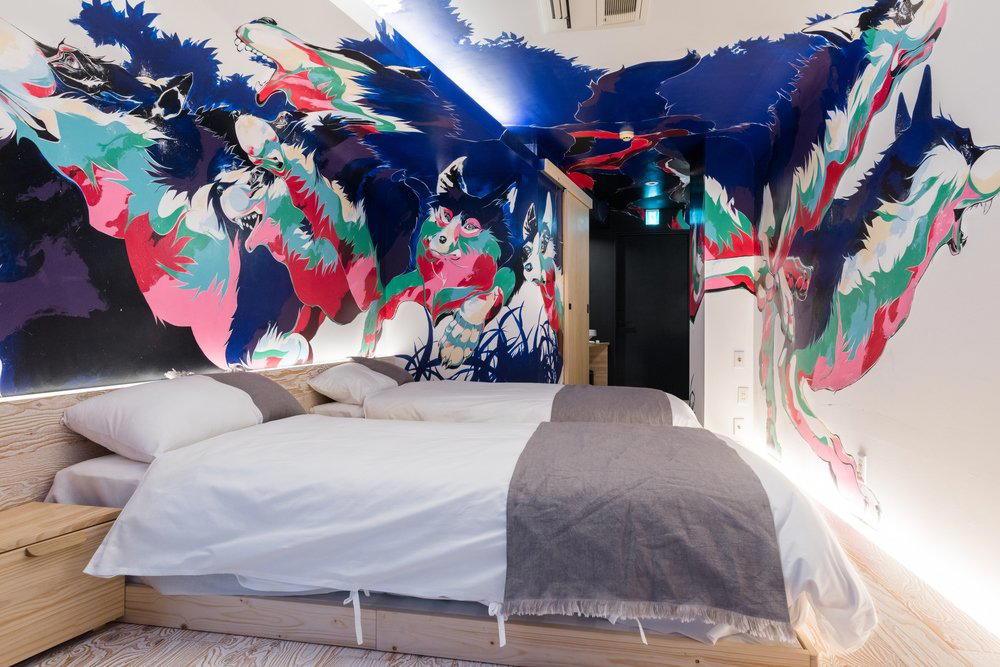
Art Hotels and the Koenji Question
On one side sit the international flagships: properties like Bvlgari Hotel Tokyo, Aman Tokyo, JANU Tokyo, and Four Seasons Hotel Tokyo at Otemachi, anchored in Marunouchi, Otemachi, and Minami-Aoyama, competing on suite footage, Michelin-linked restaurants, and concierge depth. On the other side, a smaller category of art-integrated properties has grown quietly in the city's outer wards, where lower land costs and stronger subculture identities make possible a format that the central districts rarely support: rooms conceived as single-artist commissions, where the accommodation itself is the cultural product.
BnA Hotel Koenji belongs to the second cohort. The address, in Suginami City's Koenji district, is not incidental. Koenji has carried a specific identity in Tokyo's cultural geography for decades: vinyl record shops stacked four floors high, live houses where bands play to fifty people with the same seriousness they would bring to a thousand, vintage clothing markets, and a resident population that skews toward working artists and musicians rather than the finance and tech professionals who have colonised Shibuya and Minami-Azabu. A hotel operating here is making a legibility choice from the moment it selects the postcode.
The Neighbourhood as Frame
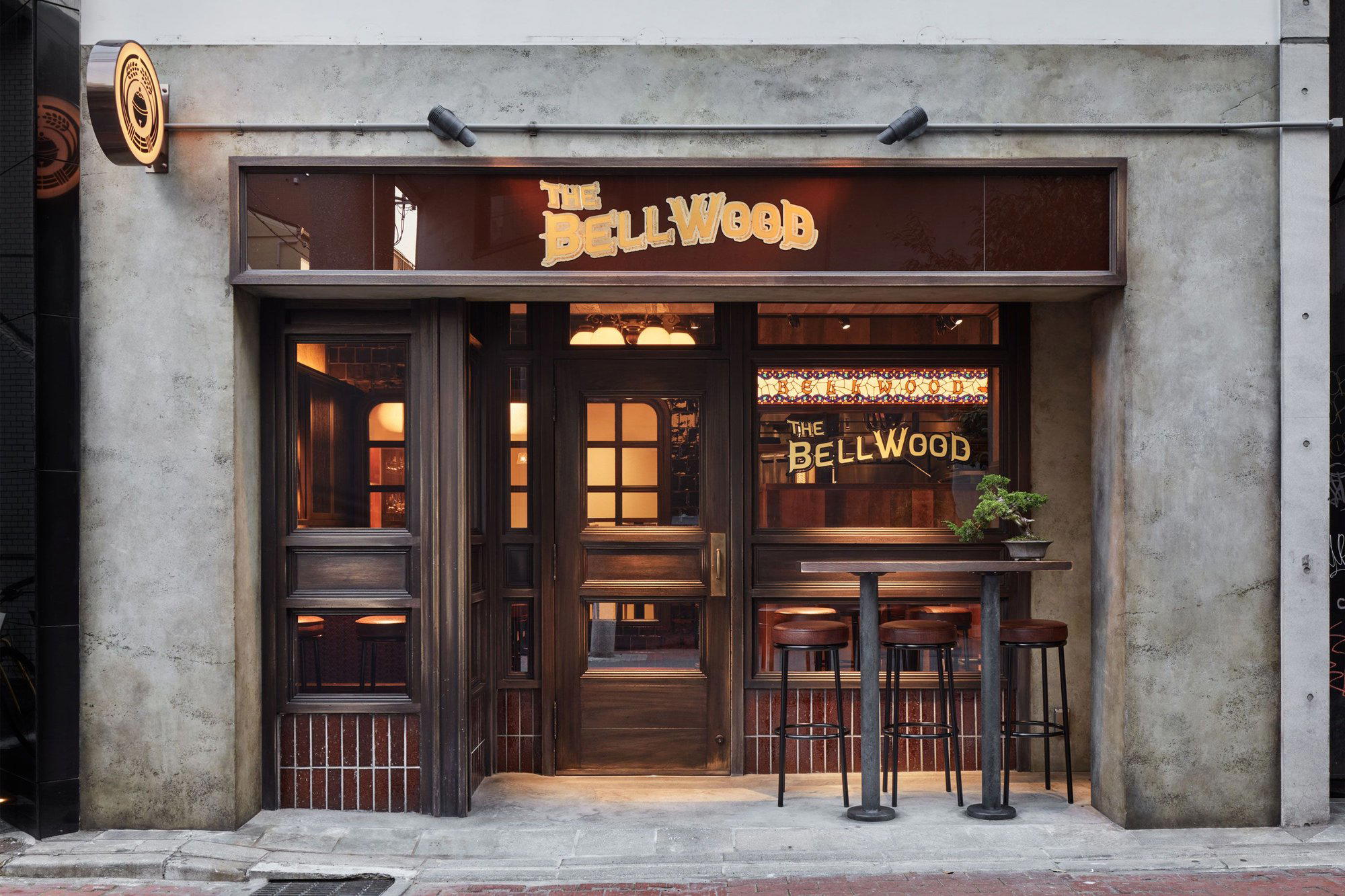
Arriving at Koenji Station on the JR Chuo Line, the urban texture announces itself immediately. This is not the high-gloss streetscape of Ginza or the manicured lanes of Yanaka. The north exit opens onto a neighbourhood where the architectural grammar mixes wooden shotengai arcades, narrow lanes of izakayas, and small live venues with hand-lettered signage. Shinjuku is eight minutes by rapid train; the practical connection to central Tokyo is strong. But the feeling is distinctly removed from the central wards, which is precisely the point for a stay here.
For travellers whose Tokyo itinerary reaches beyond the standard circuit of Shibuya, Harajuku, and Asakusa, Koenji functions as a credible neighbourhood base. The dining immediate to the station is dense with mid-range izakayas, ramen shops, and the kind of curry houses that reward slow neighbourhood walking rather than reservation-book planning. The Palace Hotel Tokyo, The Capitol Hotel Tokyu, and Andaz Tokyo anchor a different geography entirely, suited to travellers whose schedule centres on the business and government districts.
The Room as Sequence
A stay at BnA Koenji is structured as a progression. It is more usefully understood as a progression: from the common areas, which function as gallery and bar space, through corridors where works shift register, into individual rooms where a single commissioned artist has designed every visual element. This is the model the BnA format developed at its earlier Akihabara location before expanding to Koenji, and it operates on a logic closer to residency than hospitality.
Where most hotel rooms are designed to recede, to become neutral containers for the guest's own routine, an artist-commissioned room at BnA is designed to be present. The artwork is not hung on the wall; it constitutes the wall, the floor treatment, the light choices. Guests who find that register uncomfortable are better served at properties in the Bellustar Tokyo, A Pan Pacific Hotel category, where design is polished but subordinate to comfort conventions. BnA's rooms ask something of the occupant.
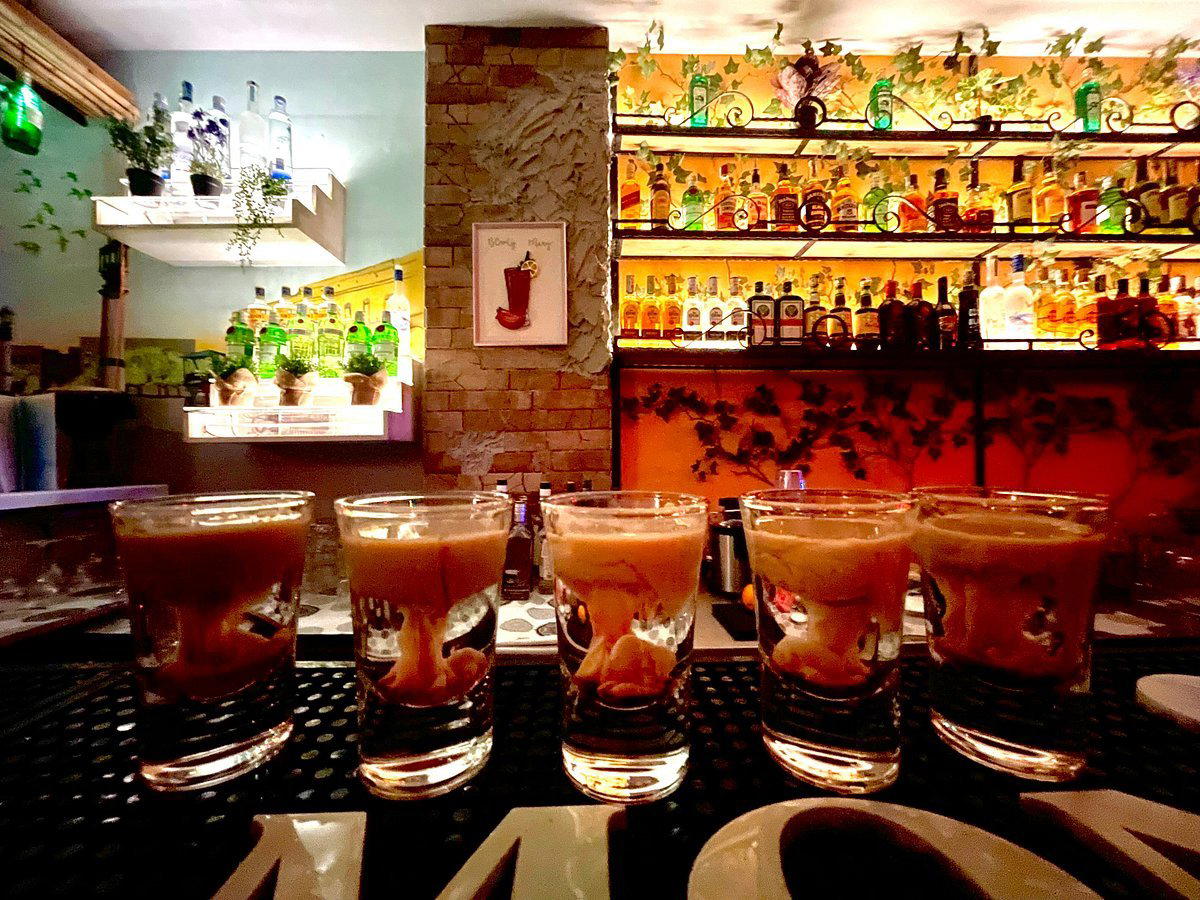
The sequencing logic extends to how time in the hotel tends to work. The bar and common areas are social and permeable; the BnA format typically invites interaction between guests and with the local arts community. Moving through these zones across an evening before retreating to a room that operates as a self-contained art installation gives a stay a clear structure.
Positioning Against Japan's Broader Art-Hotel Category
Japan has produced particularly considered art-integrated accommodation in the world, though the formats vary considerably. Benesse House in Naoshima remains the reference point for institutional-scale art hotel, where Tadao Ando's architecture and the Benesse Art Site's permanent collection create an experience impossible to separate from its island geography. Properties like Zaborin in Kutchan, Gora Kadan in Hakone, and Asaba in Izu apply aesthetic discipline through ryokan traditions rather than contemporary art commissions.
BnA Koenji occupies a different register: urban, accessible by transit, priced without the premium of a destination resort, and embedded in an active subculture rather than a scenic landscape. It is not competing with Amanemu in Mie or Halekulani Okinawa any more than a Tokyo live house competes with Carnegie Hall. The comparable set is smaller, defined by format rather than price tier: properties that treat the room itself as a medium.
For travellers planning a broader Japan itinerary that includes Kyoto, properties like HOTEL THE MITSUI KYOTO or regional alternatives such as Nishimuraya Honkan in Kinosaki-cho, Sekitei in Hatsukaichi-shi, ENOWA Yufu, Fufu Kawaguchiko, Fufu Nikko, and Jusandi in Ishigaki offer alternative registers across the country's distinct accommodation spectrum.
Planning a Stay
BnA Koenji sits at 2 Chome-4-7 Koenjikita, Suginami City, Tokyo 166-0002. Koenji Station is the access point, served by the JR Chuo and Sobu lines; the Marunouchi Line stops at Shin-Koenji a short walk to the south. The hotel has two rooms, each individually commissioned, so availability is limited.
Guests arriving from long-haul flights who need absolute quiet should plan accordingly. For reference on how Tokyo's broader accommodation tier compares internationally, The Fifth Avenue Hotel in New York City, Aman New York, and Aman Venice occupy the upper tier of their respective markets; BnA Koenji's proposition is structured around a different set of criteria entirely.
Price and Positioning
Comparable venues nearby, for context on price, style, and recognition.
| Venue | Cuisine | Price | Awards | Notes |
|---|---|---|---|---|
| BnA Hotel - KoenjiThis venue — the venue you are viewing | Suginami, artist-designed boutique hotel | $$ | 2-Star | Not listed |
| Muji Hotel Ginza | Not listed | $$ | 4-Star | Chūō, Anti-gorgeous, anti-cheap minimalist design philosophy emphasizing simplicity, restraint, and high-quality craftsmanship; functions as flagship retail experience integrated with hospitality. |
| Shibuya Excel Hotel Tokyu | Shibuya, Hotel | Not listed | Not listed | Not listed |
| Hotel Sunroute Ginza | Not listed | $$ | 3-Star | Chūō, Contemporary urban hotel with modern Japanese-influenced design |
| Apartment Hotel Shinjuku | Not listed | $ | 2-Star | Shinjuku, Apartment-style with Japanese functional design in a former inn rebuilt in the 1970s. |
| ASAKUSA KOKONO CLUB HOTEL | Not listed | $$$ | 3-Star | Taitō, Creative concept hotel inspired by American boutique style in historic Japanese setting |










At a Glance
- Modern
- Trendy
- Cozy
- Intimate
- Weekend Escape
- Design Destination
- Terrace
- Wi Fi
- Bar
- Street Scene
- Wi Fi
- Bar
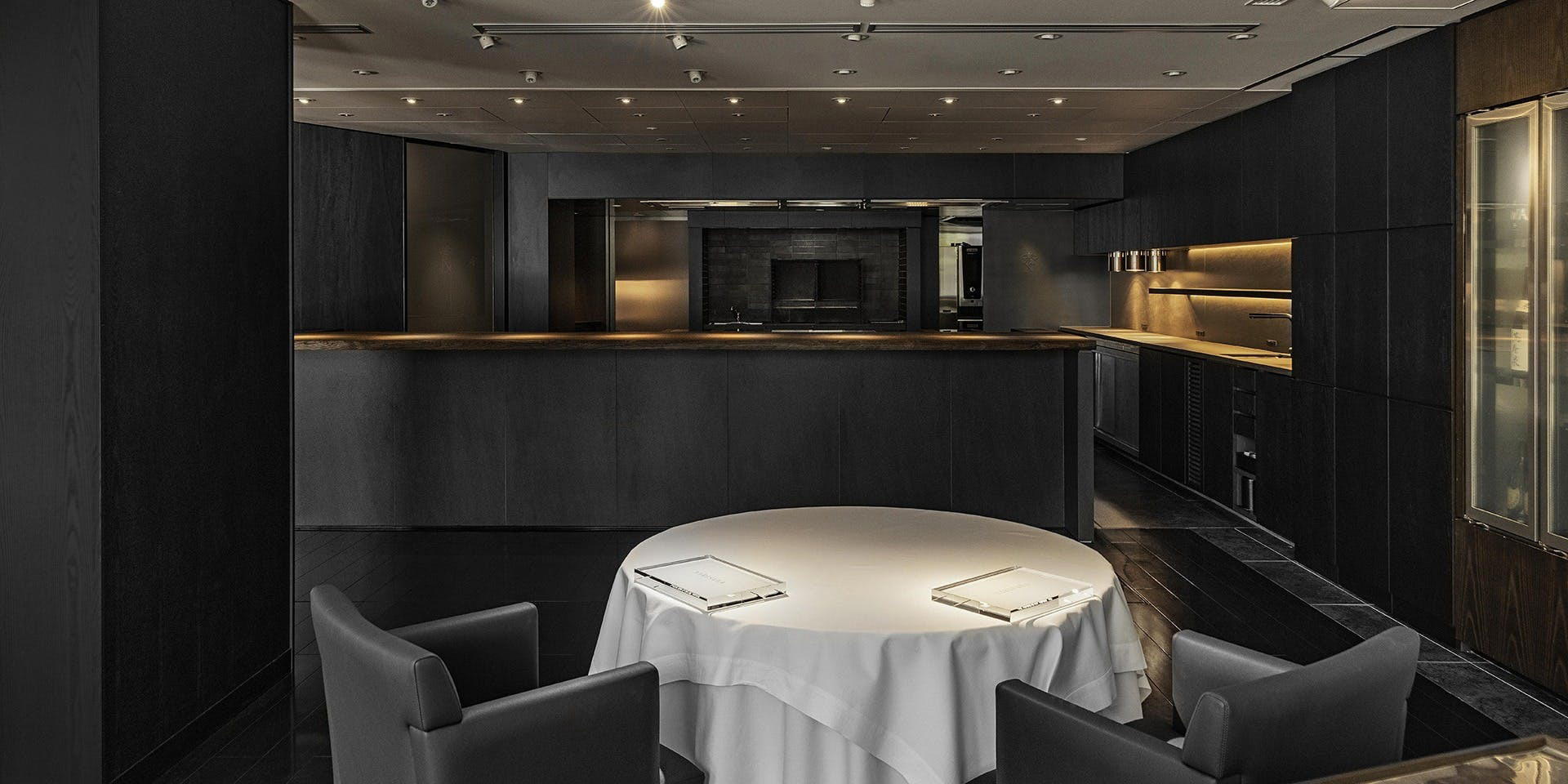
Cozy and creative atmosphere with art-filled rooms, a local artist bar for check-in, and a rooftop lounge fostering community interaction.