


2 Michelin Keys · La Liste Top Hotels · Forbes 5-Star
Designed by architect Kengo Kuma and holding a Michelin 2 Keys distinction, The Capitol Hotel Tokyu occupies a precise position in Nagatachō where the Imperial Palace grounds meet central Tokyo's political and business corridors. With 251 rooms dressed in shoji screens and low-slung Japanese furnishings, a celebrated Beatles memorabilia corner, and direct subway access below the building, it draws a regular circuit of diplomats and international visitors who prioritize discretion over spectacle.

Pearl is the En Primeur Club membership app, where members save venues, book tables and use the concierge.

Architecture as Argument: Kengo Kuma's Capitol Hotel Tokyu
Tokyo's luxury hotel tier has, over the past two decades, fractured into two broadly legible camps: the international trophy build, where global brands import a prestige aesthetic largely indifferent to site, and the architecturally grounded property that treats its physical context as the primary design brief. The Capitol Hotel Tokyu sits firmly in the second category. The building is a ground-up rebuild designed by Kengo Kuma, the architect who also shaped Tokyo's 2020 Olympic stadium, and it carries the hallmarks of his practice: clean structural lines, natural material hierarchies, and a studied refusal to compete with its surroundings through volume or visual noise. In Nagatachō, a district where the geometry of power (the National Diet Building, the prime ministerial residence, the Imperial Palace grounds) already dictates the visual register, that restraint is not modest, it is deliberate and precise.
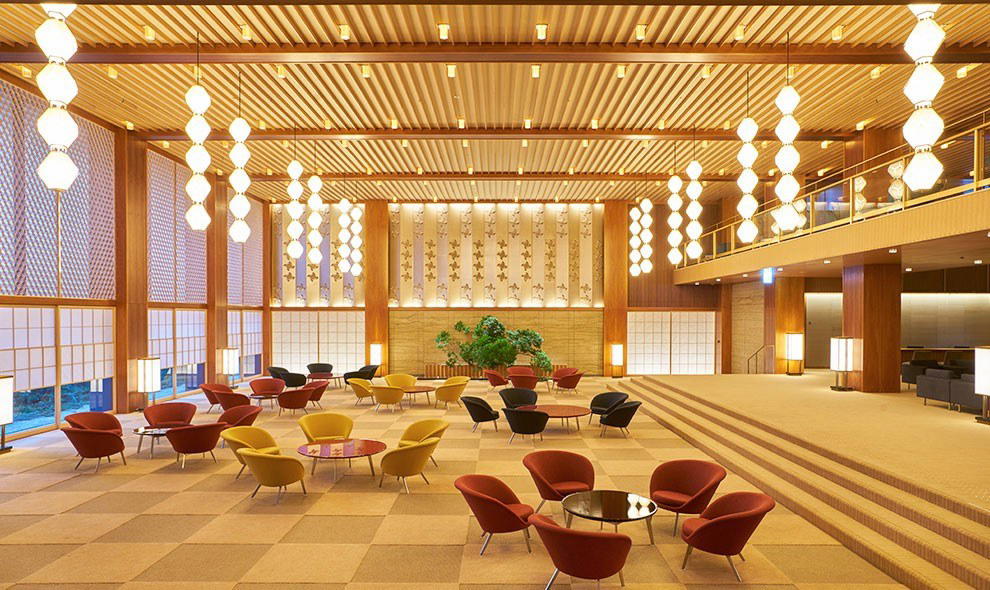
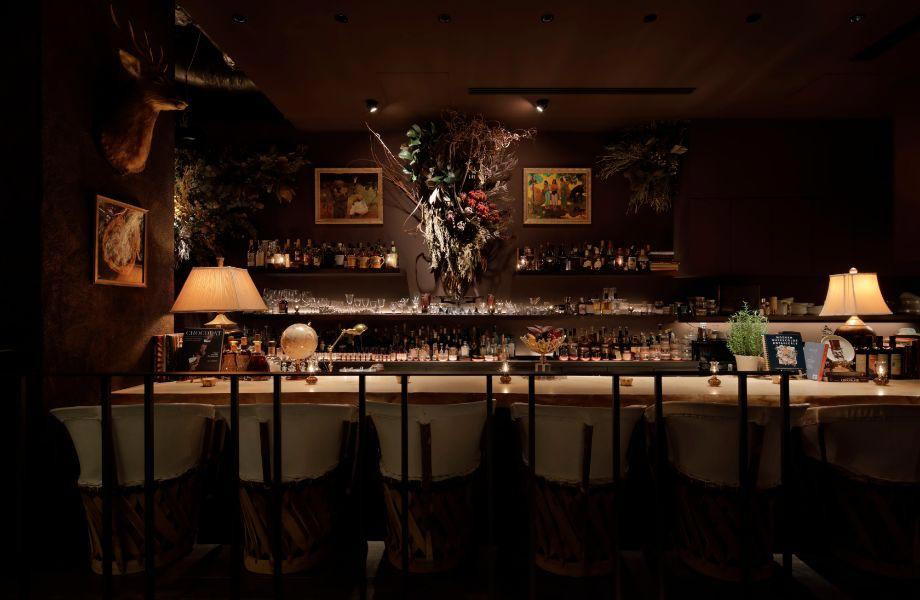
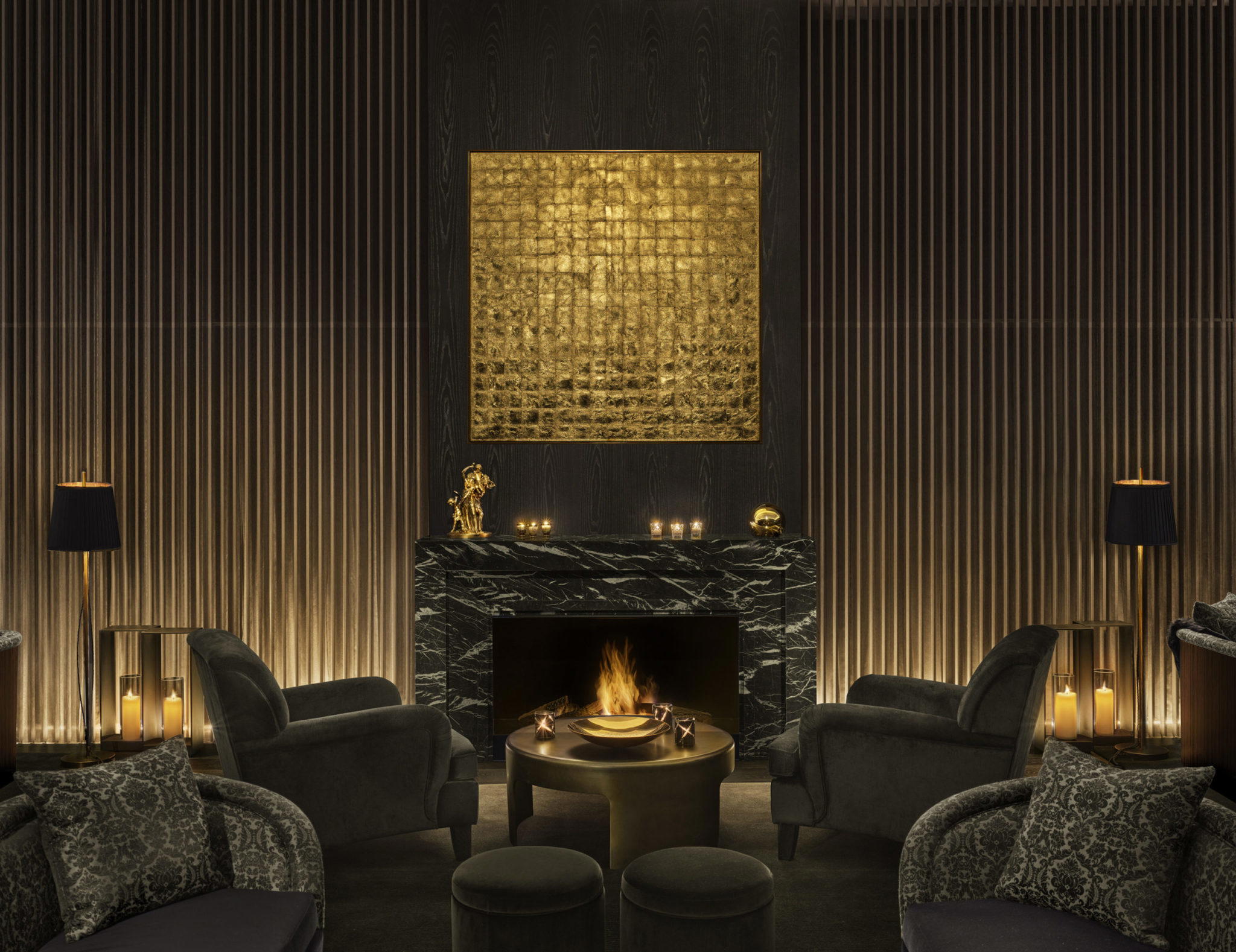
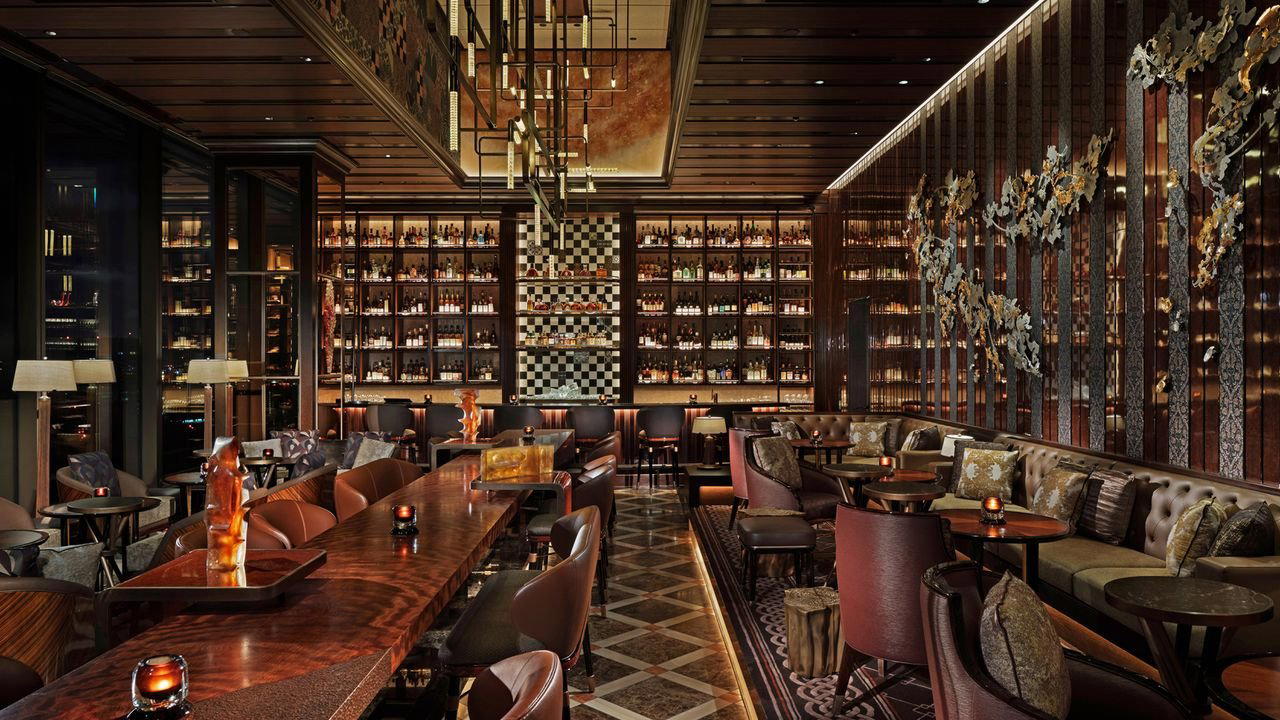
Kuma's influence extends beyond the exterior. The Capitol Bar and hotel lobby were both shaped under his direction, and the result is a sequence of interior spaces that feel architecturally continuous rather than assembled from competing design moments. The bar, in particular, demonstrates how that discipline translates to atmosphere: considered material choices and controlled proportions give the room a weight that most hotel bars, however expensive, rarely achieve. Peers such as Aman Tokyo, Four Seasons Hotel Tokyo at Otemachi, and Bvlgari Hotel Tokyo all operate with strong design identities, but the Capitol's distinction is that its architectural authorship is legible at every scale, from the building profile down to the carpet, which carries stream and water-ripple patterns that echo a broader aqueous design theme running through the property.
Water, Nature, and a Design Language Rooted in Japanese Thought
That water motif is not decorative shorthand. In Japanese cultural practice, water carries associations with growth and strength, and the hotel's design team integrated it at a structural level: fountains in the communal spaces, the use of spring water within the property, and the carpet patterns already mentioned. This kind of thematic consistency, where a single symbolic register is developed across multiple materials and scales, is characteristic of high-discipline Japanese design thinking and places the Capitol in a different conversation from hotels that treat Japanese aesthetics as surface-level reference.
The same logic applies to the hotel's engagement with ikebana. The lobby displays seasonal arrangements produced by the Sogetsu Ikebana School, one of Japan's most respected ikebana institutions, and those arrangements function as a genuine seasonal index: what the school places in the lobby shifts with what is growing, blooming, or finishing outside. This connection between interior and exterior, between the controlled design environment and the actual plant calendar visible from the building's windows, is one of the Capitol's more considered gestures. The Imperial Palace grounds, which the hotel overlooks, reinforce that connection. Camellias signal winter, cherry blossom positions the hotel in spring, and the maple canopy in autumn produces a color shift that the building's refined vantage points make available to guests in their rooms.
The Rooms: Shoji Screens and the Vocabulary of Japanese Space
Across 251 rooms and suites, the Capitol applies the same material and spatial logic evident in the public areas. Entry to each room is through moveable shoji paper screens, a spatial transition that frames the threshold between corridor and private space in specifically Japanese terms. Inside, furnishings sit low to the ground, wallpapers draw on traditional Japanese pattern vocabularies, and the overall effect is minimal without being sparse. The bathrooms move in a different register: large soaking tubs, rainfall showerheads, and bamboo-derived amenities from the hotel's own line. Suites add Farmacista Antica products and Japanese bath salts, a practical distinction worth noting for longer stays.
What the rooms face matters considerably. The Imperial Palace grounds and the Hie Jinja Shrine, which has stood for roughly 500 years in various forms, appear in the sightlines of a significant portion of the room inventory. At night, Palace-facing rooms look out over one of the most unusual views available in central Tokyo: a zone of near-total darkness in a city that otherwise has no interest in darkness. That inversion, neon city on one side, ink-black historic grounds on the other, is an experience of Tokyo's spatial contradictions that few hotels in the centre make available this directly.
Location and Context: Nagatachō's Particular Advantages
The Capitol occupies an address in Nagatachō, Chiyoda City, that places it between two distinct gravitational pulls. The business district is minutes away on foot or by subway, and the Roppongi nightlife corridor is similarly accessible. The building sits directly above a subway station, which eliminates the transfer friction that makes some otherwise well-located Tokyo hotels more cumbersome than they appear on a map. Taxis circulate at the entrance continuously, which is relevant for late arrivals or early departures when subway timing is a factor.
For guests who want to cover the immediate neighbourhood on foot, the reconstructed Hie Shrine is adjacent to the property, and the Imperial Palace footpath, which circumnavigates the Palace grounds, is accessible nearby. A circuit of the Palace perimeter is a well-established running route used by Tokyo's foreign business community and visitors alike, and the Capitol's proximity to the path's entry points is a practical benefit that does not appear in most descriptions of the hotel but matters meaningfully for guests who maintain an exercise routine. Palace Hotel Tokyo and Andaz Tokyo serve the adjacent Marunouchi and Toranomon corridors respectively, but the Capitol's position on the Nagatachō side of the Palace gives it a quieter residential-diplomatic character that those properties do not share.
Dining, the Capitol Bar, and One Particular Corner
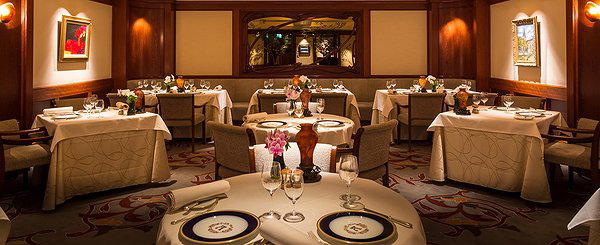
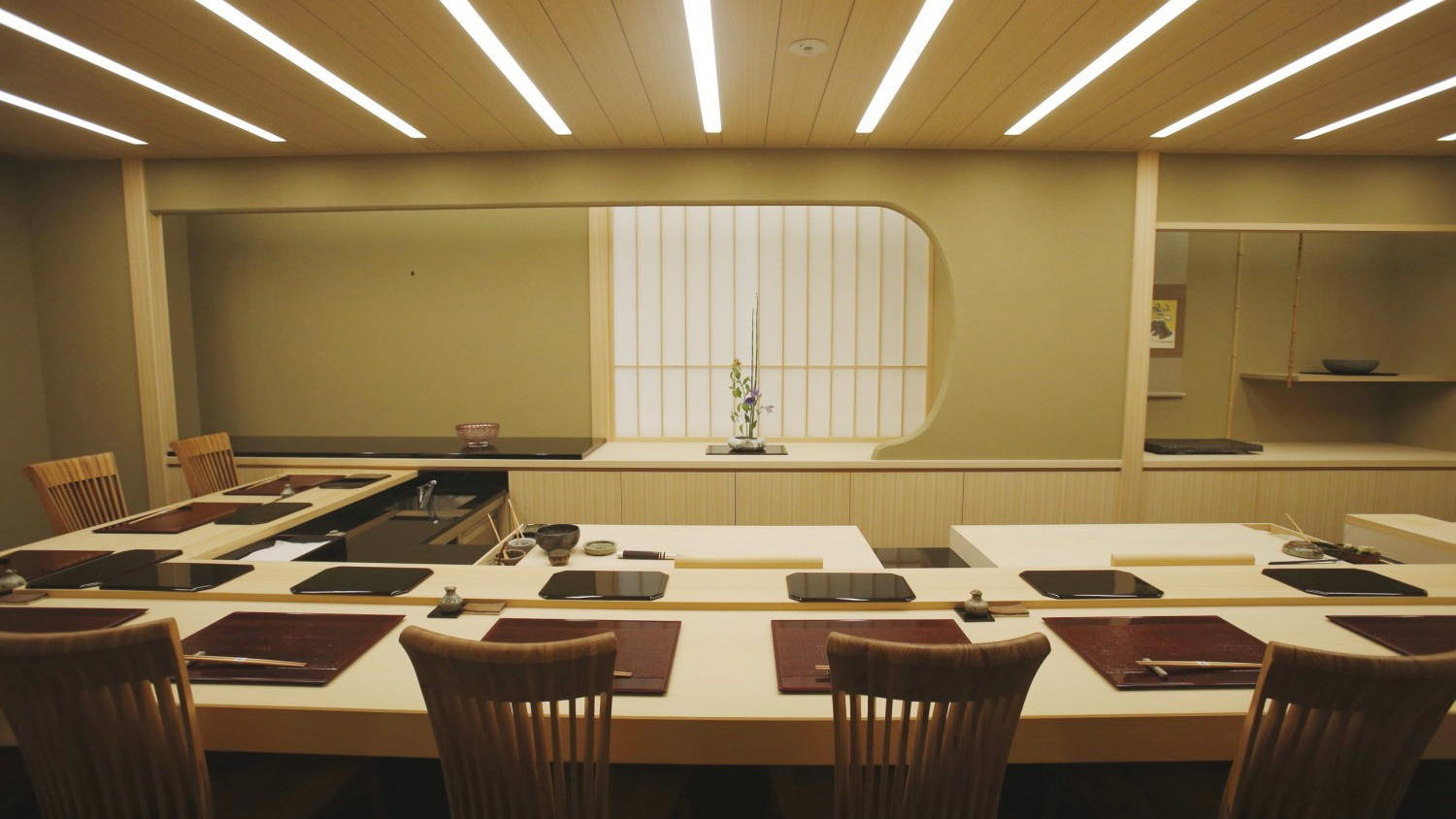
The hotel's dining program operates across multiple outlets. Suiren, the flagship Japanese restaurant, draws on locally sourced produce with a seasonal orientation. A second restaurant focuses on Chinese cooking, and two separate lounges handle the cocktail and lighter food traffic. Given that the hotel's guest profile skews toward dignitaries and international VIPs, the program's range is calibrated to serve a full in-house cycle, from working breakfast to late evening, without guests needing to leave the building if discretion or schedule requires it.
The Capitol Bar occupies a specific cultural footnote worth identifying directly: the hotel's earlier incarnation as the Tokyo Hilton was the residence chosen by The Beatles during their only Tokyo performances in 1966, and the bar maintains a dedicated area with memorabilia and artifacts from that stay. It is a documented historical association, not retrospective branding, and it gives the bar a concrete identity that goes beyond the Kuma design brief.
Facilities, Recognition, and the Broader Tokyo Comparison
Fitness offer runs across two floors and includes a twenty-meter indoor pool and a whirlpool that looks out over the Imperial Palace grounds. The spatial relationship between a lap pool and a UNESCO-listed historic landscape is unusual enough to note as a design decision in its own right. A full-service spa operates within the same facility. The hotel holds a Michelin 2 Keys distinction (2024), placing it within the recognized upper tier of Tokyo's hotel inventory alongside properties like Four Seasons Hotel Tokyo at Marunouchi, JANU Tokyo, and Bellustar Tokyo, A Pan Pacific Hotel. Rates are positioned at approximately $1,444 per night, which places the Capitol in the premium segment of the Tokyo market but below the rates commanded by some of the newer ultra-luxury entrants.
For travelers building a Japan itinerary beyond Tokyo, the EP Club covers a wide range of properties across the country, from HOTEL THE MITSUI KYOTO in Kyoto and Amanemu in Mie to ryokan-format stays such as Gora Kadan in Hakone, Asaba in Izu, and Nishimuraya Honkan in Kinosaki-cho. Design-focused alternatives include Benesse House in Naoshima, Zaborin in Kutchan, and ENOWA Yufu in Yufu. For southern Japan, Halekulani Okinawa in Okinawa, Jusandi in Ishigaki, Sekitei in Hatsukaichi-shi, Fufu Kawaguchiko in Fujikawaguchiko, and Fufu Nikko in Nikko each represent distinct regional characters. See our full Tokyo restaurants guide for dining context across the city.
For travelers comparing Tokyo to other premium city stays internationally, The Fifth Avenue Hotel in New York City, Aman New York in New York City, and Aman Venice in Venice provide reference points across architecture-led hospitality in different metropolitan contexts.
Credentials Lens
Comparable venues nearby, for context on price, style, and recognition.
| Venue | Cuisine | Price | Awards | Notes |
|---|---|---|---|---|
| The Capitol Hotel TokyuThis venue (the venue you are viewing) | Luxury boutique hotel blending traditional Japanese architectural elements with contemporary minimalist design and high-end furnishings. | $300–500 | 2 Michelin Keys · La Liste Top Hotels | Not listed |
| The Tokyo Edition Toranomon | Boutique luxury hotel designed by Kengo Kuma blending minimalist sophistication with Japanese tranquility. | Not listed | Michelin Selected · World's 50 Best #45 | Minato |
| Mandarin Oriental Tokyo | Contemporary Japanese luxury with futuristic architectural design featuring floor-to-ceiling windows and minimalist elegance. | $500–750 | 1 Michelin Key · La Liste Top Hotels | Chūō |
| Hotel New Otani Tokyo Executive House Zen | Exclusive executive tower within a landmark hotel featuring Zen-inspired design and private lounge. | Not listed | 1 Michelin Key · La Liste Top Hotels | Chiyoda |
| Four Seasons Hotel Tokyo at Otemachi | Contemporary high-rise urban luxury with Japanese Zen influences | Not listed | 3 Michelin Keys · La Liste Top Hotels | Chiyoda |
| Bellustar Tokyo, A Pan Pacific Hotel | luxury urban skyscraper hotel blending Japanese tradition with modern design | Not listed | 1 Michelin Key · World Luxury Hotel Awards WLHA Regional Winner | Shinjuku |
Recognition history
Dated appearances from independent guides and award organizations, with the underlying list record or original source where available.
Michelin 2 Keys
Michelin
La Liste Top Hotels
La Liste
Forbes 5-Star
Forbes
Preferred Hotels Member
Preferred Hotels
Full recognition history (7 entries)
Forbes 5-Star
Forbes
Michelin 2 Keys
Michelin
Michelin 2 Keys
Michelin
Continue exploring
More in Tokyo
Hotels in Tokyo
All hotels in Tokyo →


Bars in Tokyo
All bars in Tokyo →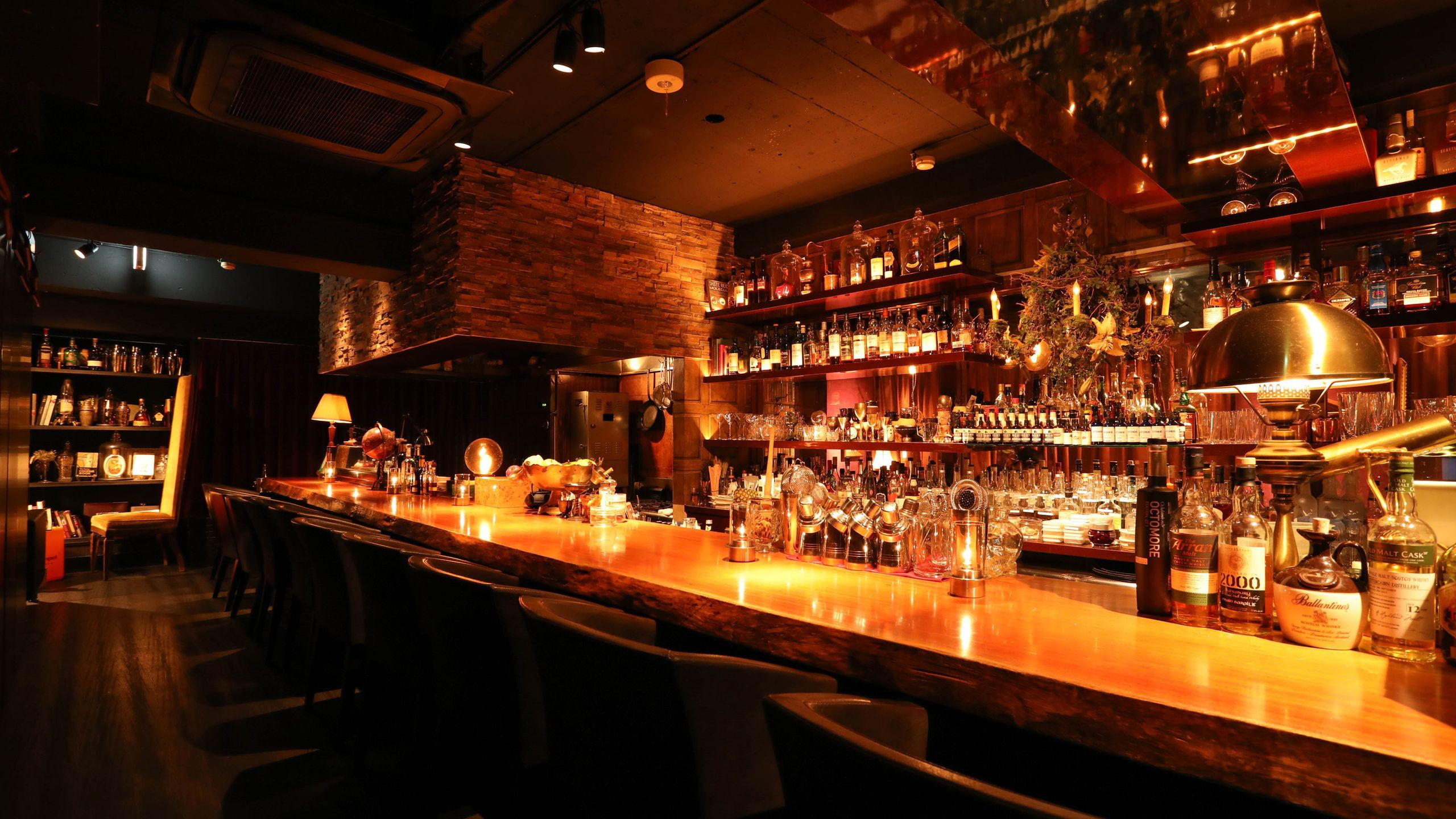
Details
- Elegant
- Sophisticated
- Modern
- Quiet
- Business Trip
- Romantic Getaway
- Wellness Retreat
- Celebration
- Panoramic View
- Garden
- Destination Spa
- Historic Building
- Design Destination
- Wi Fi
- Pool
- Spa
- Fitness Center
- Room Service
- Concierge
- Business Center
- Valet Parking
- EV Charging
- Restaurant
- Bar
- Skyline
- Garden
- Wheelchair Accessible
- Elevator
- Accessible Restroom
Serene and tranquil with refined Japanese modern atmosphere, elegant décor, immaculate cleanliness, and spacious rooms offering panoramic city views and a sense of relaxation.