
World's 50 Best #39
Bar Libre sits in a basement on Nishiikebukuro's quieter western flank, far from Ginza's polished drinking circuit. Ranked 49th on Asia's 50 Best Bars 2025, it occupies a tier of Tokyo bars where technical ambition and neighbourhood anonymity coexist deliberately. For anyone mapping the city's cocktail scene beyond the obvious, it belongs on the itinerary.

Pearl is the En Primeur Club membership app, where members save venues, book tables and use the concierge.
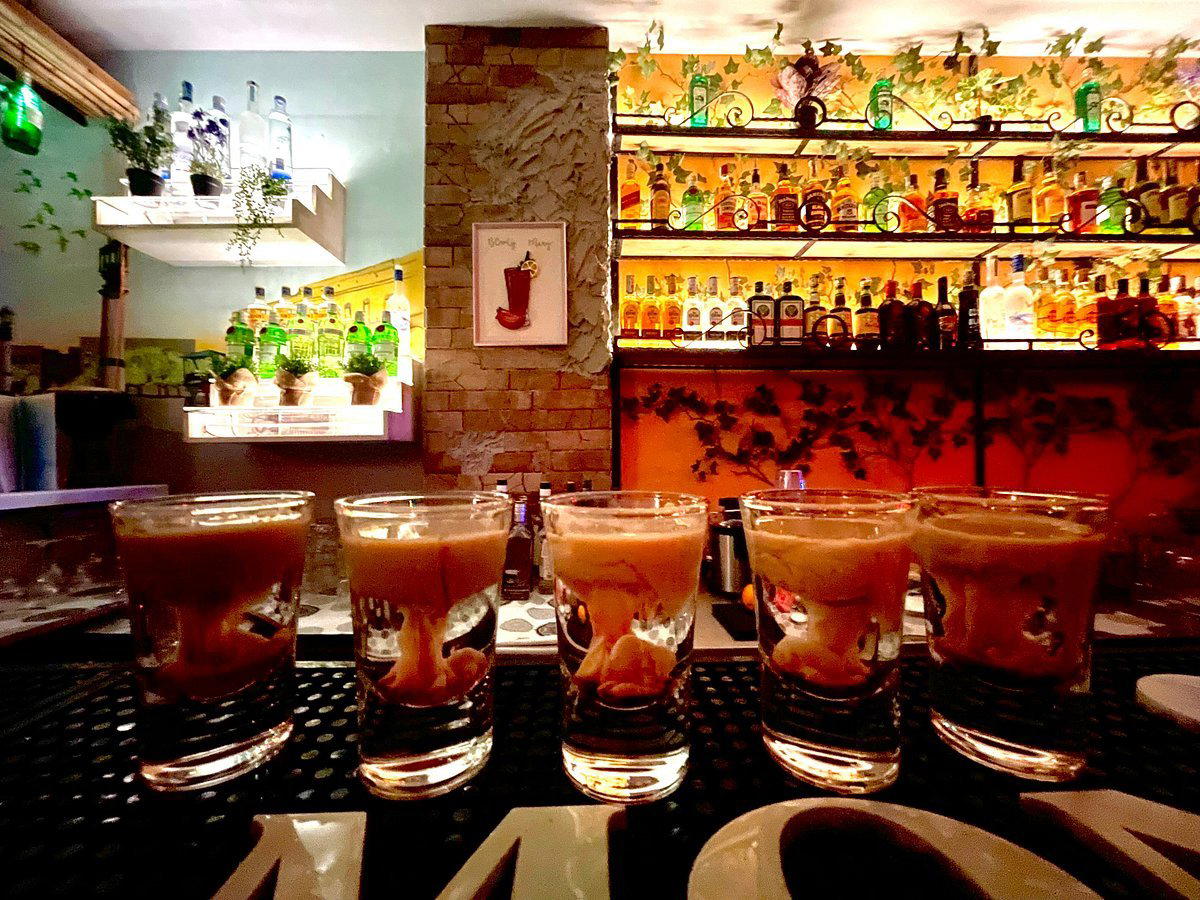
West of the Station, Below Street Level
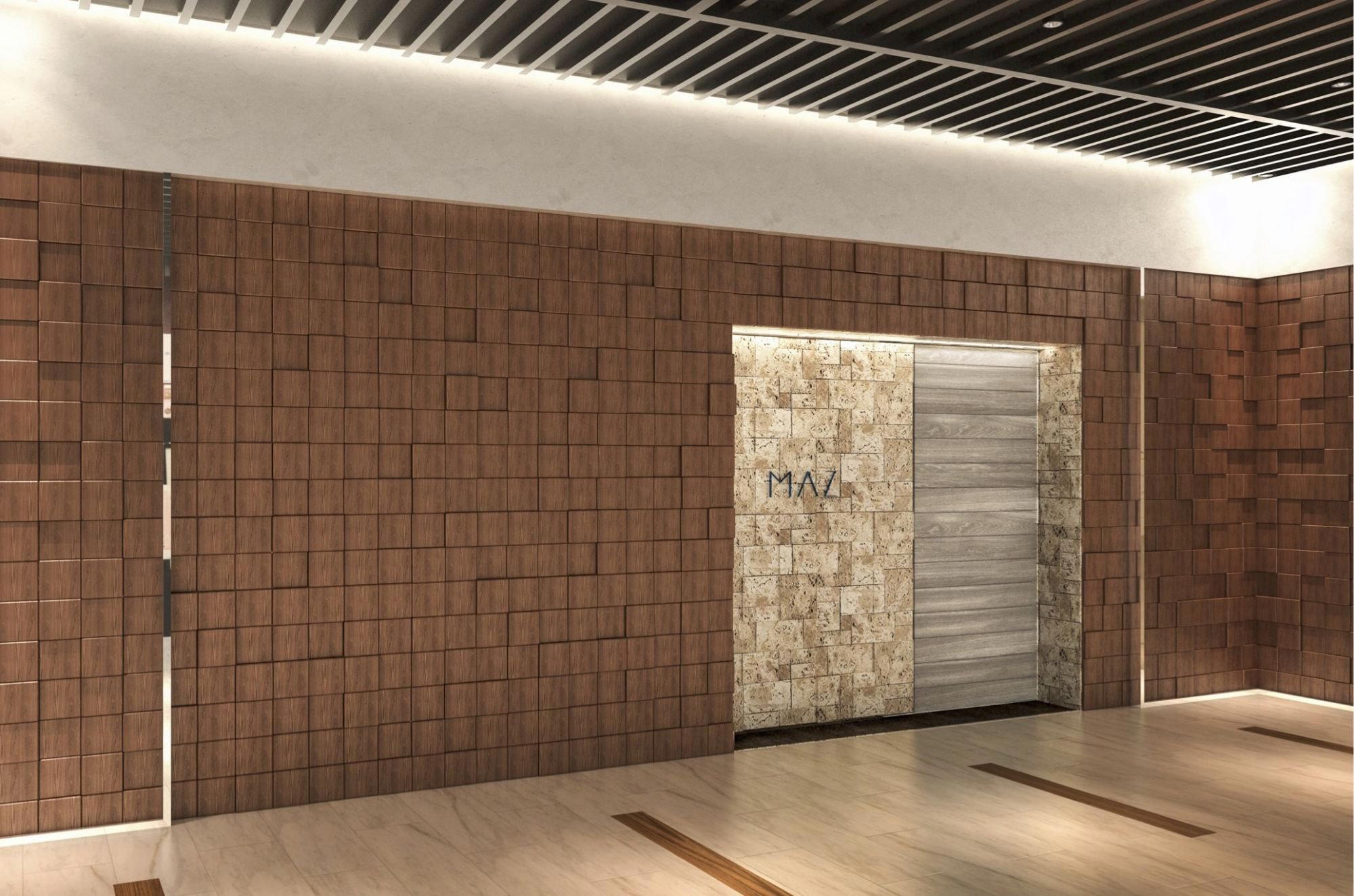
Ikebukuro's drinking culture has long operated in the shadow of Shinjuku and Ginza. The neighbourhood draws a different crowd, less expat circuit, more local regulars, and the bars that thrive here tend to earn their reputation through word of mouth rather than hotel concierge lists. Bar Libre fits that pattern precisely. Located in the basement of the Soma Building on Nishiikebukuro's 3-chome, the approach involves the kind of staircase descent that Tokyo does better than almost any other city: a narrow entrance, a drop below street noise, and a room that announces itself on its own terms rather than through signage designed to impress passersby.
That physical remove from the tourist drinking axis is not incidental. Bars at this tier in Tokyo, technically accomplished, independently operated, tucked into residential or commercial blocks rather than high-traffic shopping streets, represent a distinct strand of the city's cocktail identity. The scene splits clearly between the formal counter bars of Ginza and Roppongi, which play to an international audience, and the neighbourhood-anchored specialists that the industry itself tends to rate more highly. Bar Libre belongs to the latter category, and its 2025 placement at No. 49 on Asia's 50 Best Bars confirms that the wider industry has caught up with what Ikebukuro regulars already knew.
The Cocktail Programme: Technique in a Quiet Room
Tokyo's cocktail bars have largely moved away from the maximalist theatre that defined the early craft era in other cities. The dominant register here is precision: careful temperature management, considered dilution, an attention to ingredient provenance that mirrors what the city's leading sushi counters apply to fish. That sensibility shapes the drinking culture at bars across the Tokyo spectrum, from Bar High Five in Ginza, with its decade-deep reputation for classical technique, to the more experimentally inclined Bar Trench in Ebisu. Where Bar Libre sits within that spectrum is defined by the combination of creative ambition and neighbourhood quietude, a pairing that tends to produce menus built for repeat visitors rather than first impressions.
Bars at this ranking level in Japan typically demonstrate mastery of local ingredient integration, shochu, Japanese whisky, domestic citrus, regional spirits, alongside an understanding of classical frameworks rigorous enough to make deviation meaningful. A bar that reaches the 50 Best list from a Nishiikebukuro basement, rather than a Ginza tower address, is almost certainly doing something that prioritises the glass over the room.
Comparison with other Tokyo bars on the Asia's 50 Best list is instructive. Bar Benfiddich, also in Shinjuku's orbit, built its international reputation on an herb-and-spice-forward programme using ingredients the head bartender grows himself, an approach that made the bar a reference point for ingredient-led cocktail philosophy in Japan. Bar Orchard Ginza works a different angle, anchoring its programme to fresh fruit with the same seasonal attention a kaiseki kitchen would give produce. Bar Libre's Ikebukuro positioning suggests a third axis: bars that draw from the city's technical tradition without performing it for an audience that came to be impressed.
Ikebukuro as a Drinking Destination
The case for Ikebukuro as a serious stop on Tokyo's bar circuit has been building for several years. The neighbourhood's density and relative affordability have attracted a generation of operators who want space to work without the rent pressure of central Ginza or Shibuya. For the traveller, that means bars that are genuinely integrated into the local fabric rather than positioned as destinations in the conventional tourist sense. Getting to Bar Libre involves using the Yamanote Line or the Fukutoshin Line to Ikebukuro Station, then walking west toward the quieter Nishiikebukuro side, a ten-minute walk at most from the west exit, through streets that feel markedly less frenetic than the east side's department store corridors.
Booking logistics for bars at this level in Tokyo follow a recognisable pattern: advance reservation is strongly advisable, particularly for weekend evenings. Japanese basement bars of this calibre typically run small seat counts, and the combination of local regulars and increasing international visibility since the 2025 ranking means walk-in availability cannot be assumed. Arriving without a reservation on a Friday or Saturday is a meaningful risk. The bar's address, 3-25-8 Soma Building B1F, Nishiikebukuro, Toshima, is specific enough to navigate to directly; the building is not a landmark, so having the address confirmed before departure matters.
Japan's Bar Scene in Context
Bar Libre's ranking places it in a national conversation that extends well beyond Tokyo. Japan's bar culture has a geographic spread that rewards planning: Bar Nayuta in Osaka and Bee's Knees in Kyoto represent the Kansai end of the same tradition, while Lamp Bar in Nara demonstrates how far the country's cocktail ambition extends into smaller cities. Further south, Yakoboku in Kumamoto operates in a context where the bar functions as a local institution as much as a destination venue. That spread matters for the traveller building an itinerary: Japan's drinking culture is not Tokyo-centric in the way that, say, France's is Paris-centric, and a trip structured around the Asia's 50 Best list will trace a genuinely varied geography.
Within Tokyo specifically, the city's cocktail scene has continued to diversify its geography. The Ginza-Roppongi axis that defined the high-end bar world a decade ago now shares credibility with venues in Shimokitazawa, Ebisu, Nakameguro, and, increasingly, Ikebukuro. That diffusion reflects both rising rents in central districts and a generational shift in where ambitious operators choose to plant themselves. Bar Libre's Nishiikebukuro address is, in that sense, as much a statement about where Tokyo drinking culture is heading as it is a practical location detail. For broader context on the city's food and drink circuit, the EP Club Tokyo guide maps the full range.
For readers whose itineraries extend to Honolulu, Bar Leather Apron operates in a similar register, technically grounded, independently spirited, and recognised at the Asia-Pacific level, making it a useful reference point for the kind of bar culture Bar Libre represents. Closer to home, anchovy butter in Osaka and Kyoto Tower Sando in Kyoto round out the Japan bar map for those building a multi-city route.
Planning a Visit
The practical approach is to search the current address, Soma Building B1F, 3-25-8 Nishiikebukuro, Toshima-ku, through Japanese bar reservation platforms or to cross-reference recent coverage from the Asia's 50 Best Bars site, which typically carries updated contact information following the annual rankings announcement in 2025. No dress code data is available, but the general register of Tokyo bars at this level leans toward smart-casual without formality requirements.
The No. 49 ranking on Asia's 50 Best Bars 2025 is the clearest available signal of where Bar Libre sits competitively. In a market that includes some of the most technically accomplished bar programmes in the world, that placement from a neighbourhood basement address in Ikebukuro is the kind of detail that tends to define a bar's trajectory. Visiting before the next ranking cycle is the sensible approach.
Fast Comparison
Comparable venues nearby, for context on price, style, and recognition.
| Venue | Cuisine | Price | Awards | Notes |
|---|---|---|---|---|
| Bar LibreThis venue (the venue you are viewing) | cocktail_bar | $10–20 | World's 50 Best #39 | Not listed |
| Tokyo Confidential | rooftop_bar | $50–100 | World's 50 Best #70 · Top 500 Bars Best Bars #89 | Minato |
| Memento Mori | cocktail_bar | $30–50 | World's 50 Best #41 | Minato |
| Mixology Laboratory | Bar | Not listed | World's 50 Best #38 | Chūō |
| Folklore | cocktail_bar | $30–50 | World's 50 Best #74 | Chiyoda |
| Codename Mixology Akasaka | cocktail_bar | $50–100 | World's 50 Best #36 | Minato |
Recognition history
Dated appearances from independent guides and award organizations, with the underlying list record or original source where available.
World's 50 Best Asia's Best Bars #39
World's 50 Best
Full recognition history (2 entries)
World's 50 Best Asia's Best Bars #49
World's 50 Best
Continue exploring
More in Tokyo
Bars in Tokyo
All bars in Tokyo →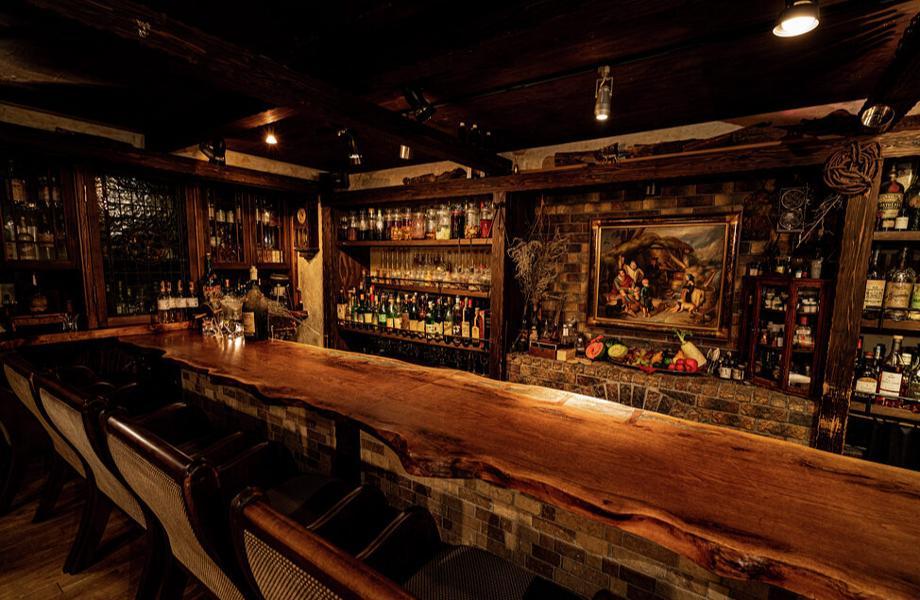
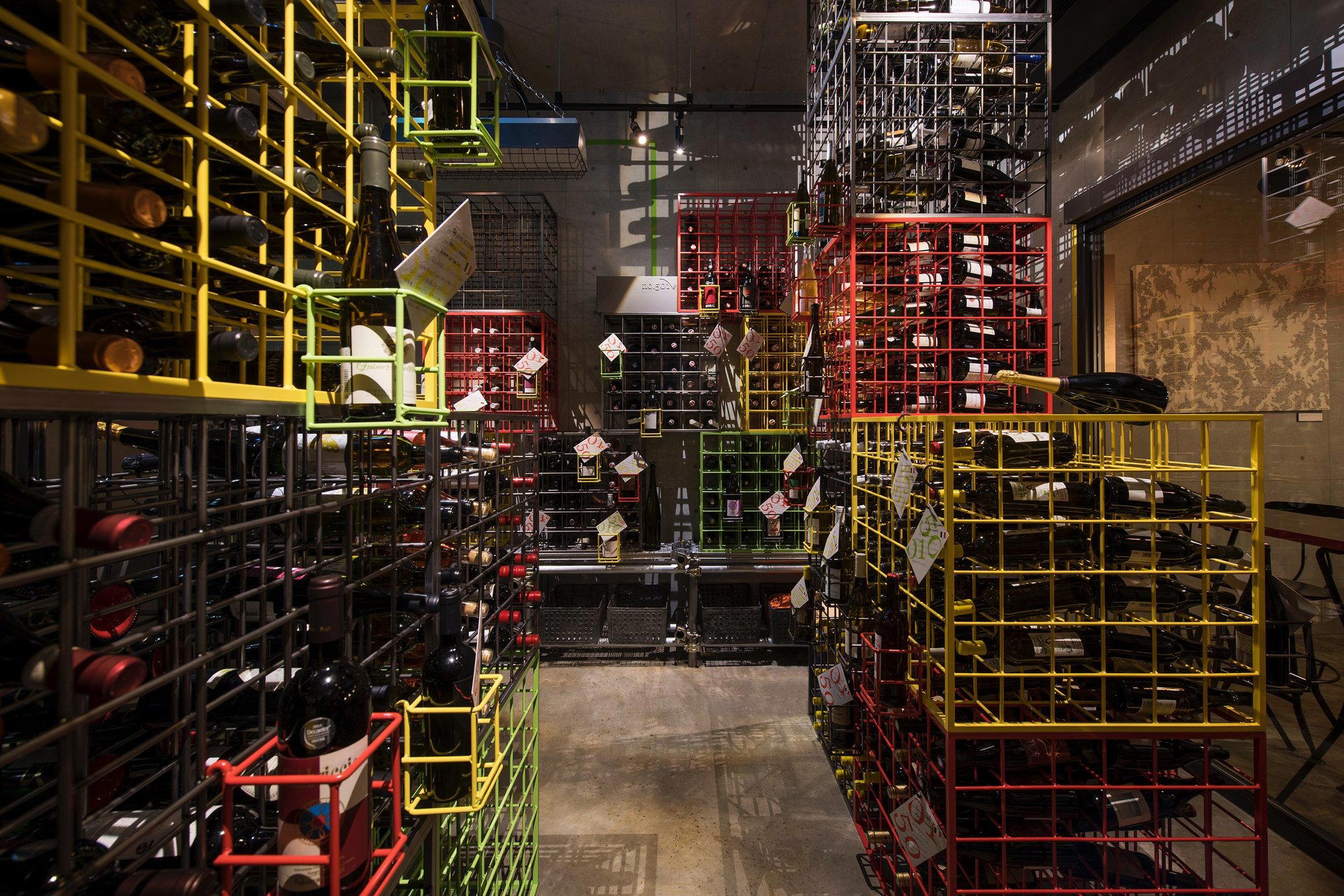


Restaurants in Tokyo
All restaurants in Tokyo →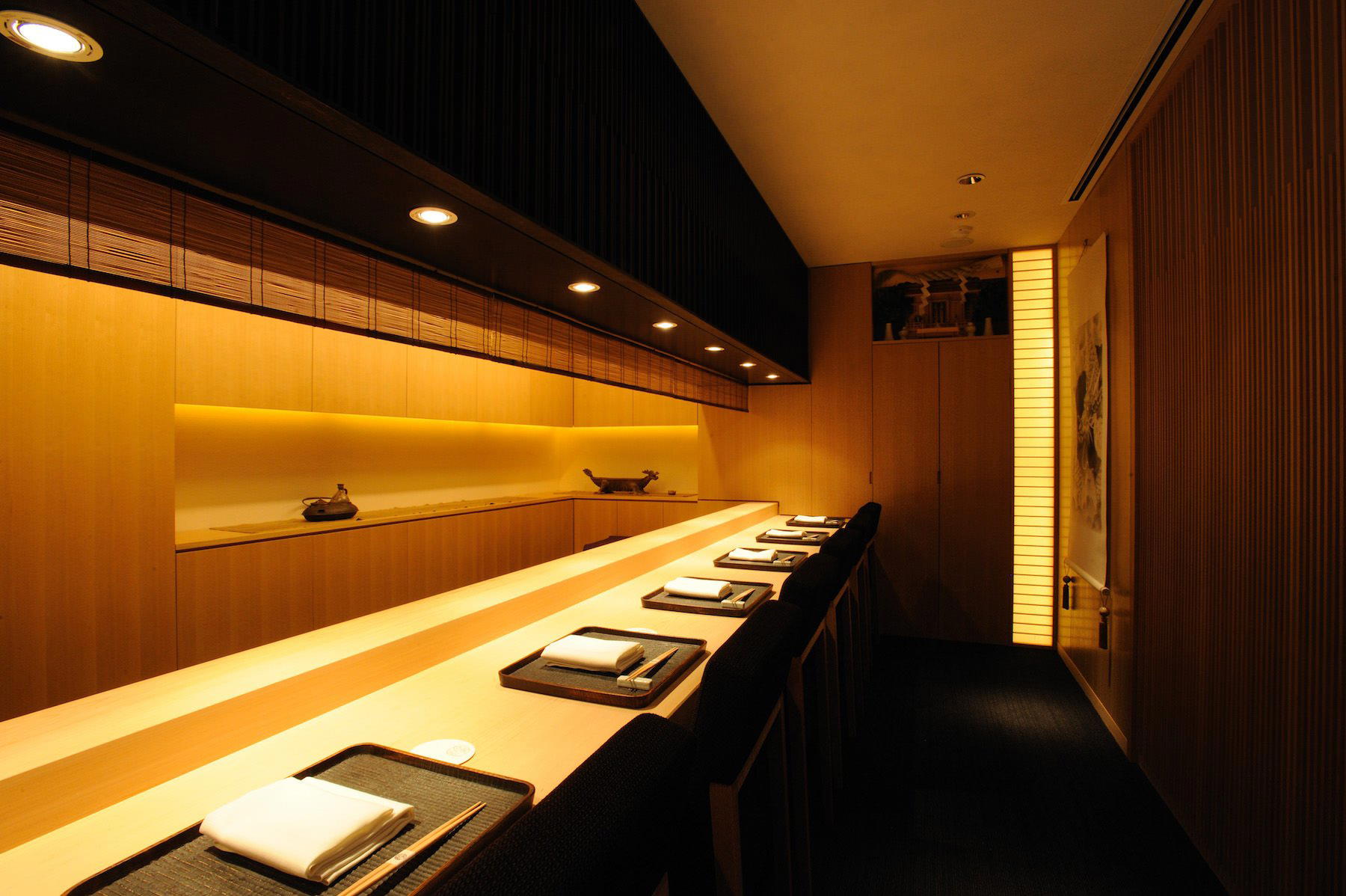

Bar Libre
The drinks
- Craft cocktails
Signature drinks: Seasonal Fruit Martini, Nitro Citrus Fizz, Smoked Barrel Old Fashioned.
Details
- Intimate
- Trendy
- Sophisticated
- Date Night
- Casual Hangout
- Special Occasion
- Design Destination
- Standalone
- Seated Bar
- Lounge Seating
- Counter Only
- Craft Cocktails
- Whiskey
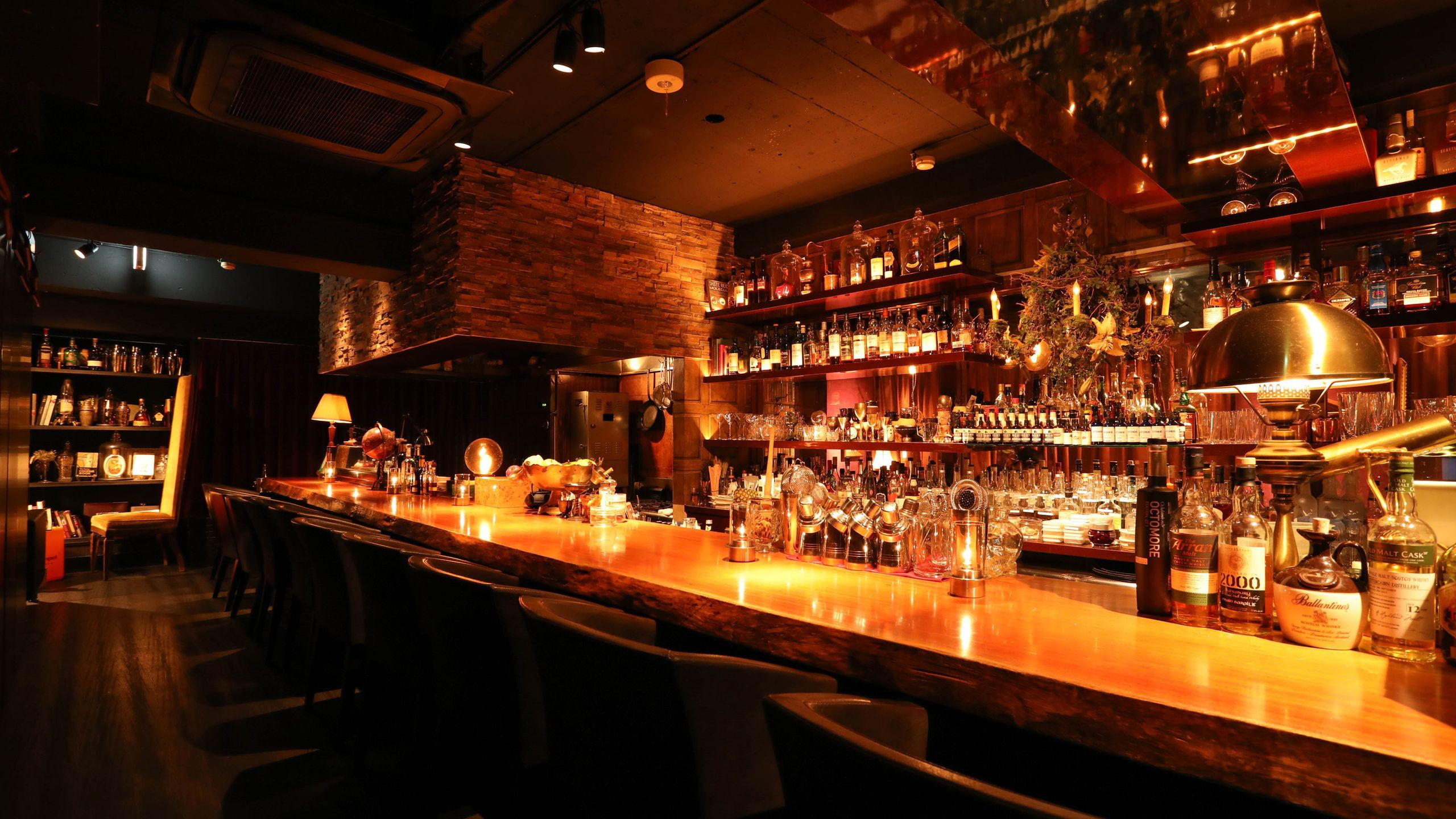
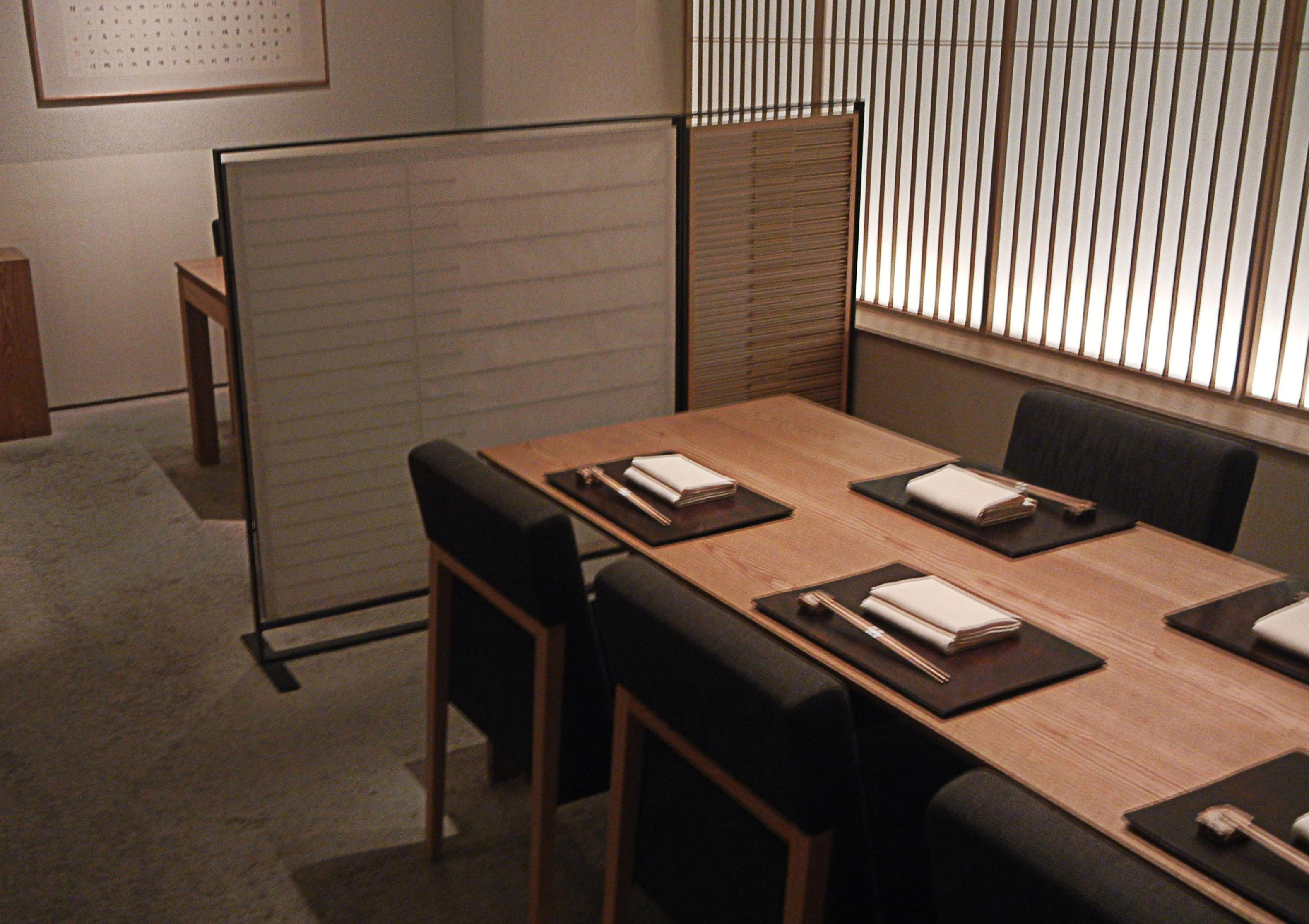
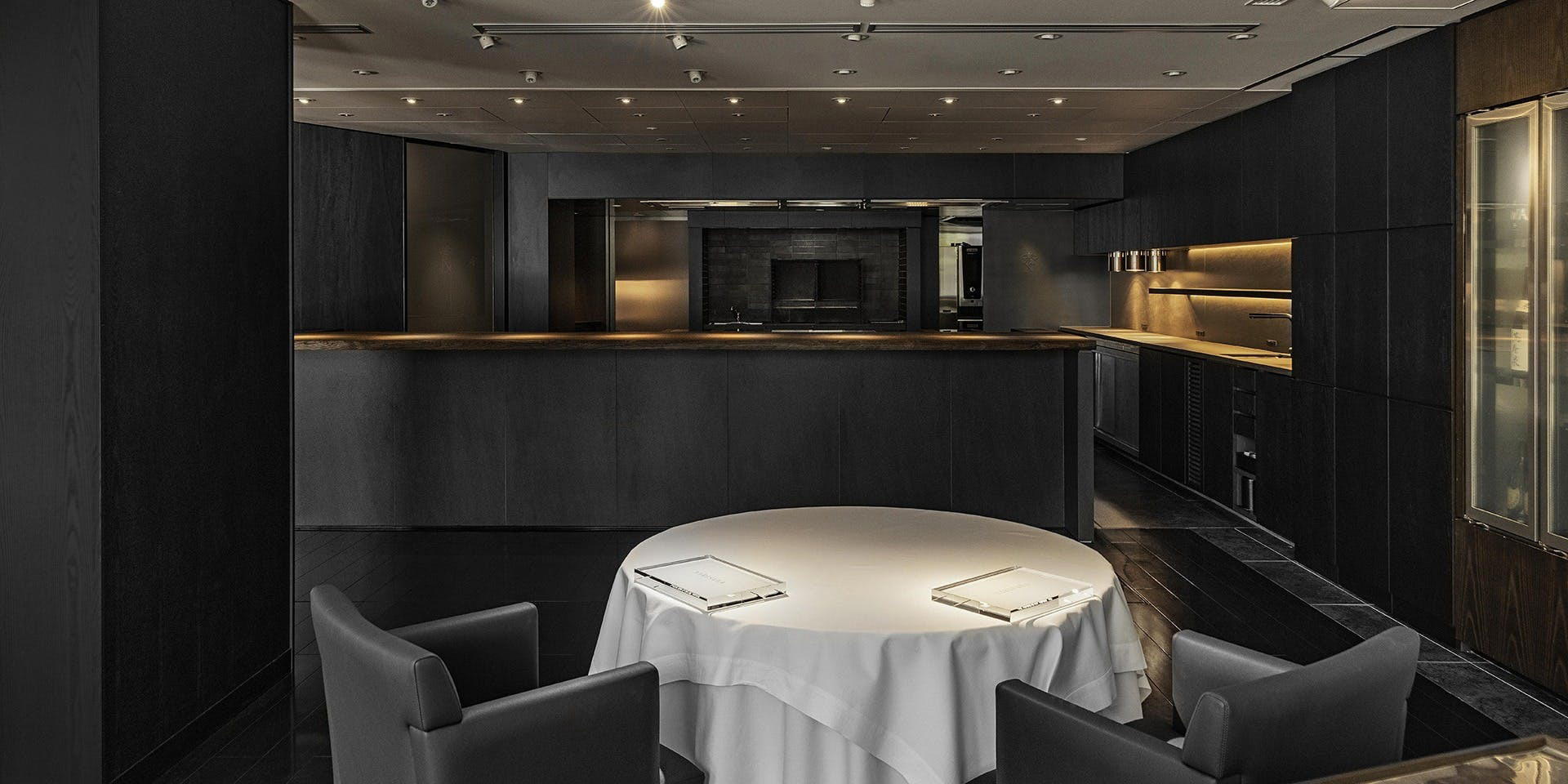
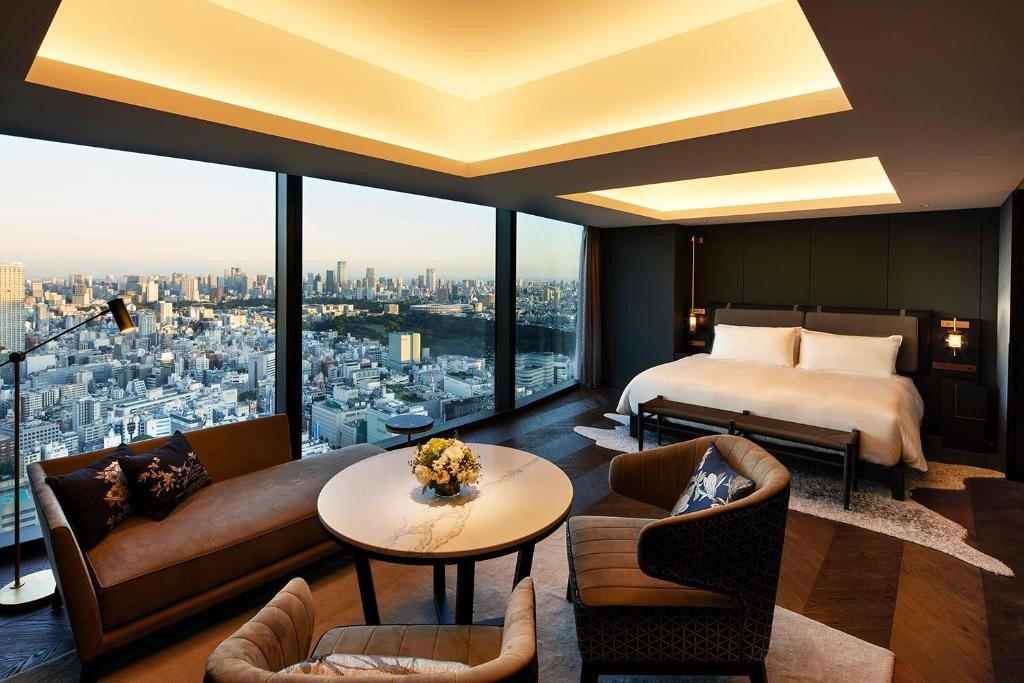
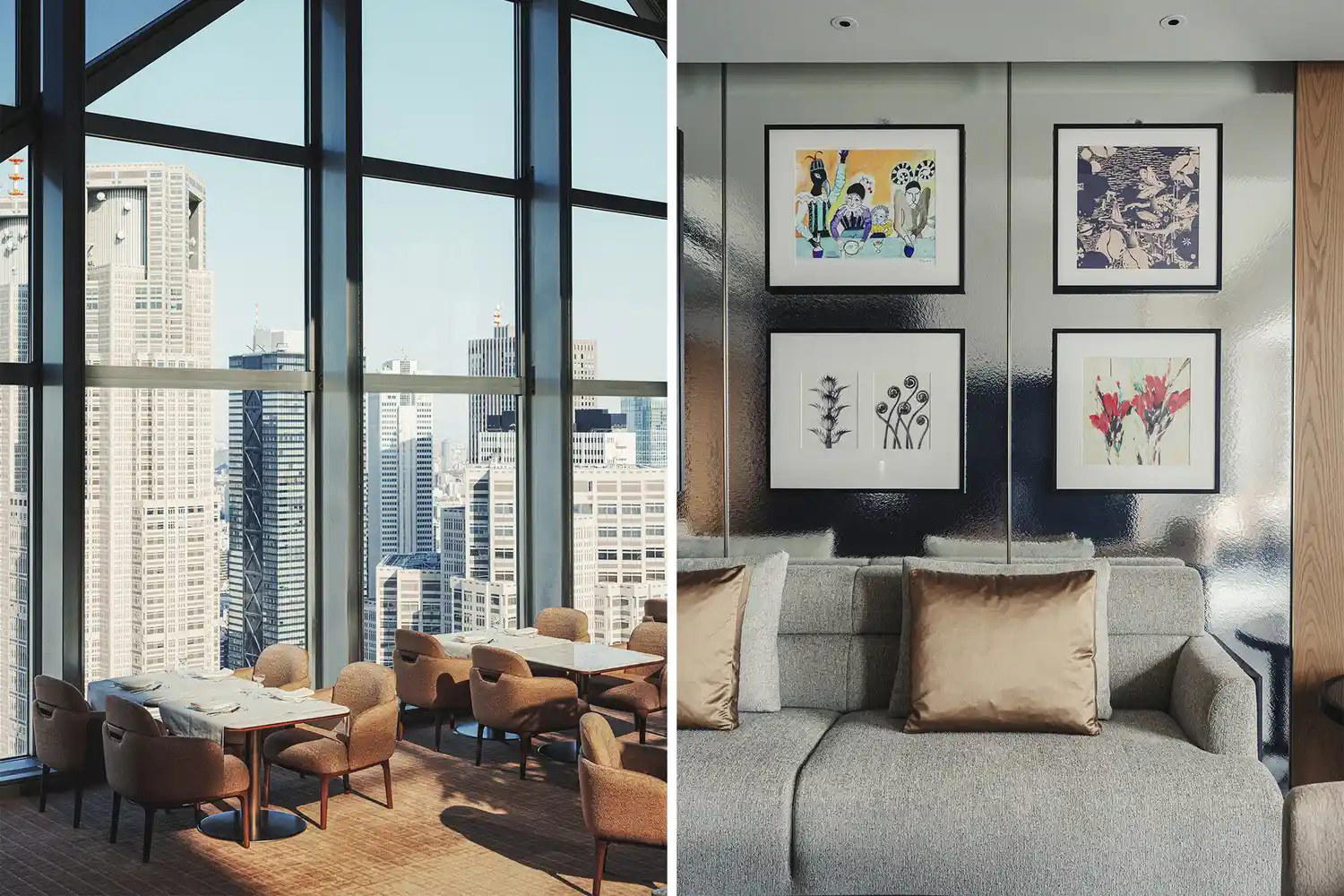
Low lighting with dark, tactile materials creating an intimate, sepia-toned atmosphere focused on craft cocktails and conversation.