




3 Michelin Keys · World's 50 Best #79 · La Liste Top Hotels
Built on the 250-year-old estate of the Mitsui family, directly opposite Nijo Castle in central Kyoto, this 160-room property holds Michelin Three Keys distinction for two consecutive years, a Forbes Travel Guide Five-Star rating earned in its opening year, and a place at number 46 in the World's 50 Best Hotels 2025. Rates from $1,148 per night position it at the upper tier of Kyoto's luxury hotel market.

Pearl is the En Primeur Club membership app, where members save venues, book tables and use the concierge.
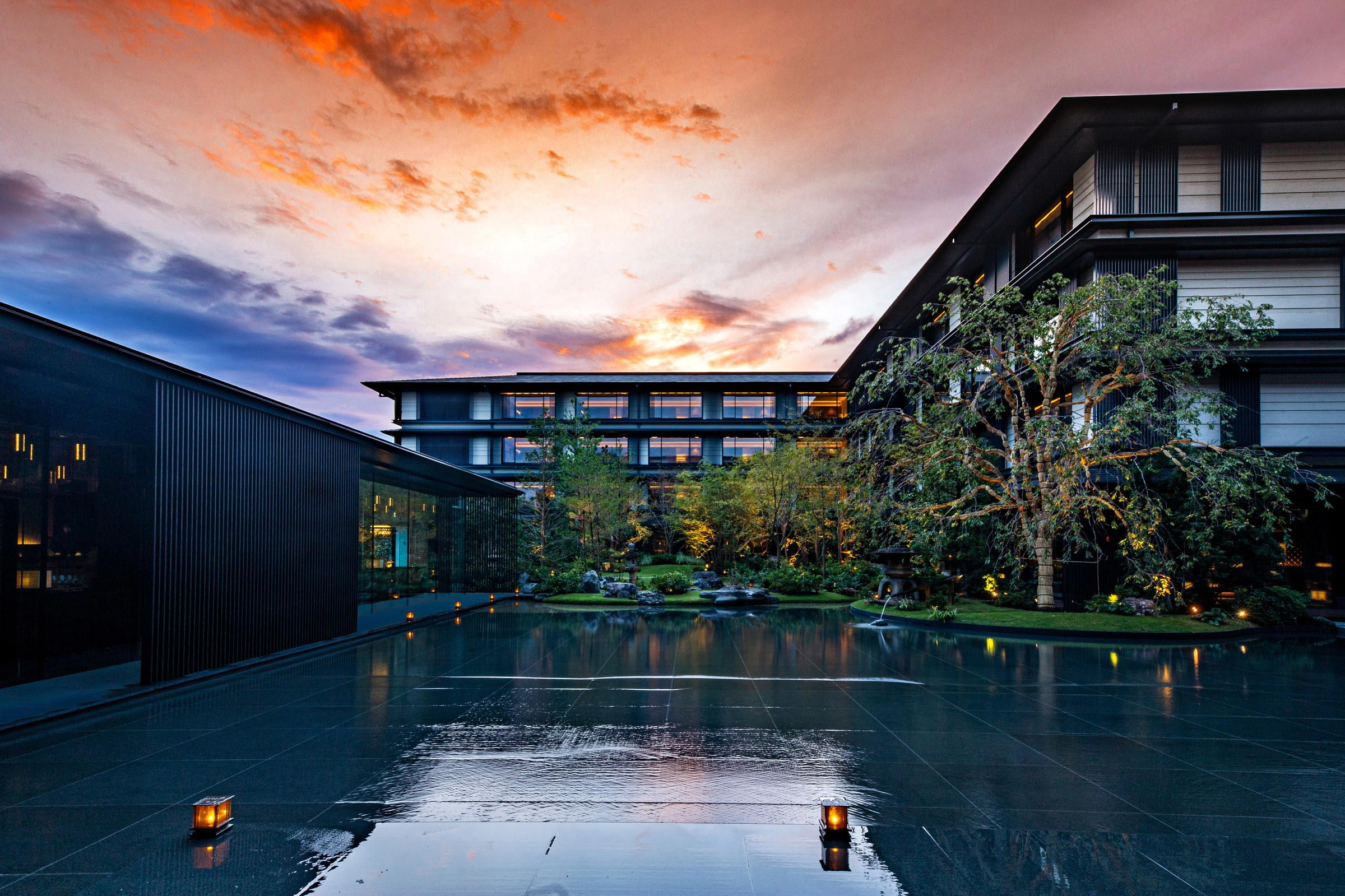
A Historic Estate in the Centre of Kyoto's Luxury Hotel Tier
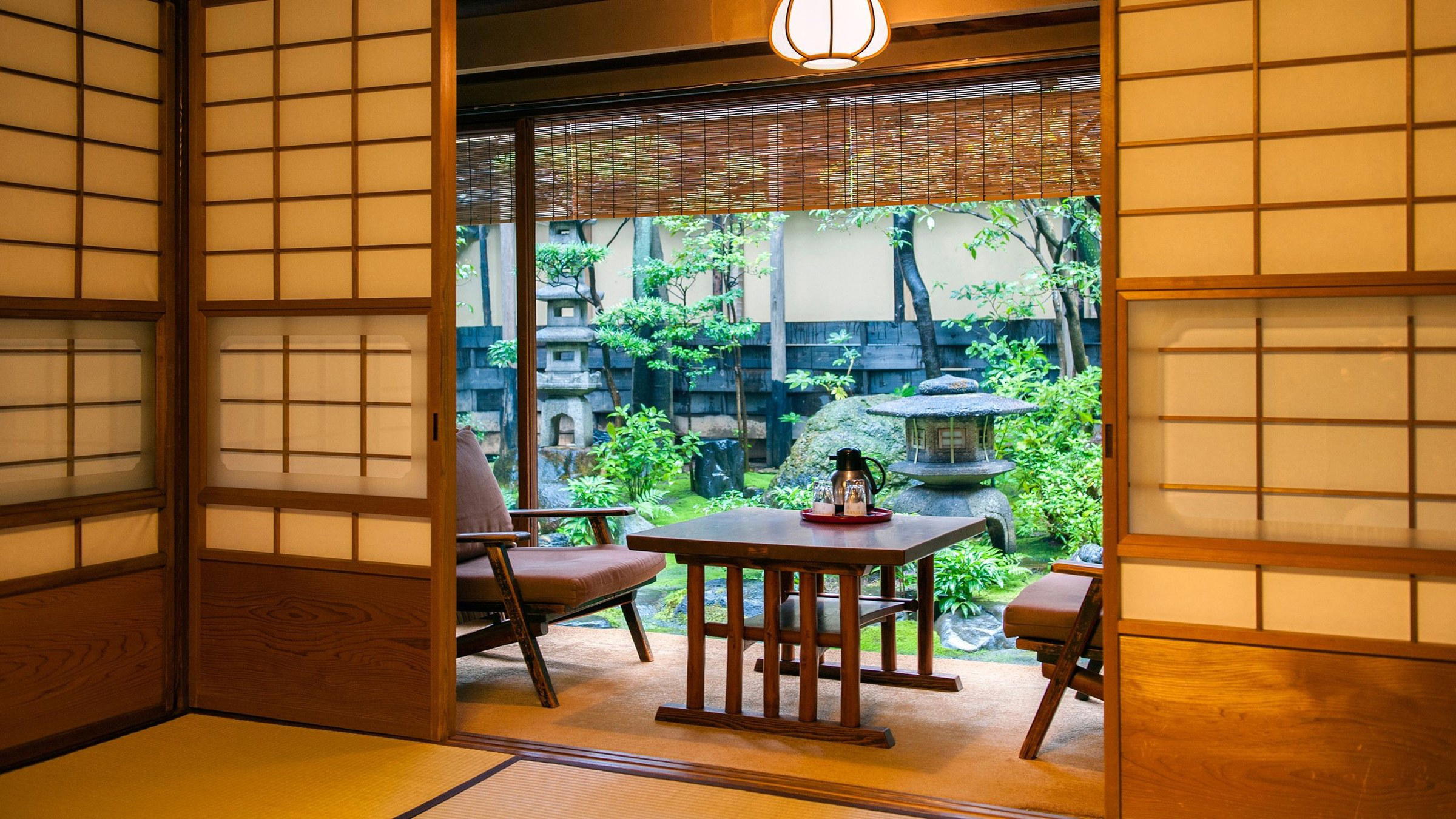
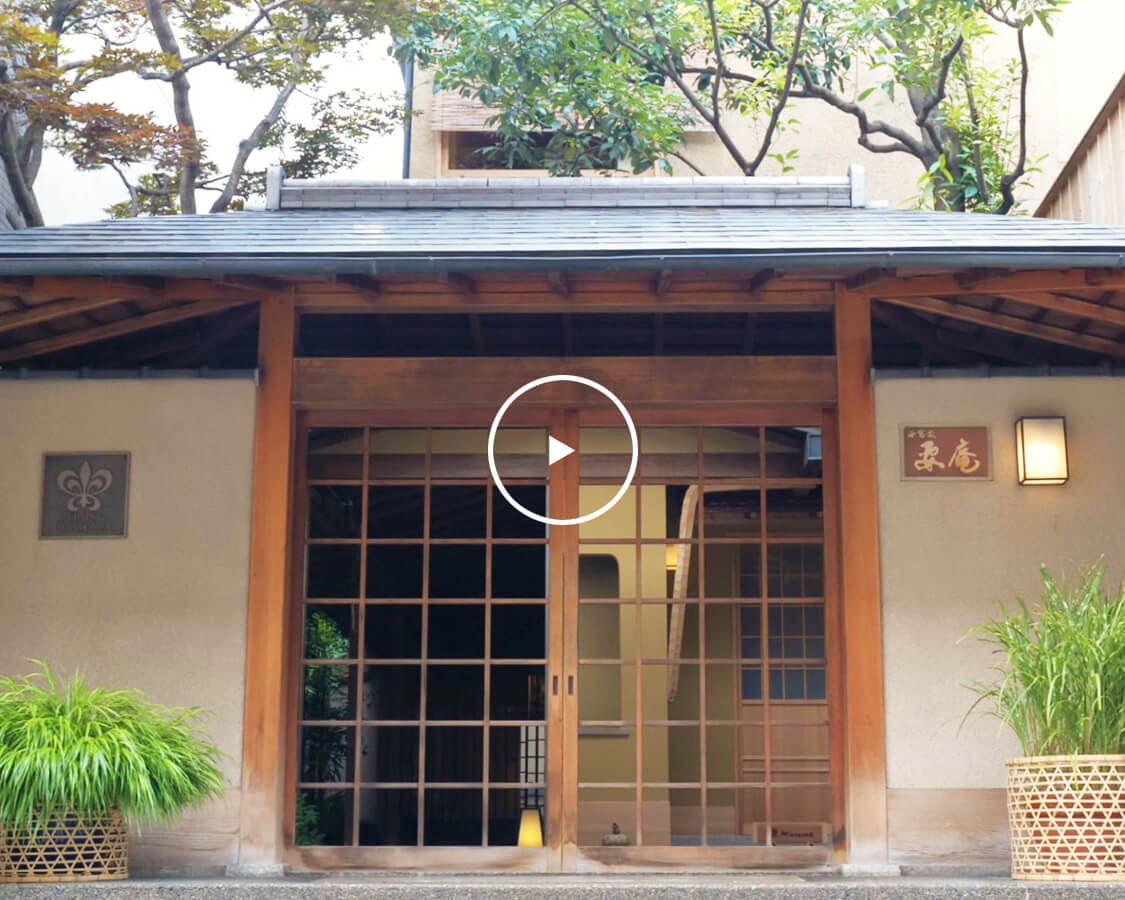
The approach to Hotel The Mitsui Kyoto sets a tone that few city-centre hotels can replicate. Guests pass through a 300-year-old gate, the original entrance to the Mitsui family's executive compound, before arriving at a building that has been deliberately shaped to feel like a private estate rather than a commercial hotel. Across the street, the moated walls of Nijo Castle, a UNESCO World Heritage Site, frame the arrival sequence in a way that no interior design budget could manufacture. The neighbourhood of Nakagyo-ku, in which the hotel sits, is the geographic and cultural core of Kyoto: close enough to Gion and the Higashiyama corridor to reach easily, yet removed from the tourist-density that makes the city's eastern districts feel crowded during peak seasons.
Kyoto's ultra-luxury hotel sector has developed two identifiable camps over the past decade. One group consists of international brand flagships, properties like Four Seasons Hotel Kyoto and Park Hyatt Kyoto, that bring global service standards and recognisable brand trust to a city that international travellers are often visiting for the first time. The other camp is made up of properties that take their identity entirely from Kyoto's own historical fabric: Aman Kyoto, set within a forest garden, and SOWAKA and The Shinmonzen in Gion's preserved streetscape. Hotel The Mitsui Kyoto occupies an interesting position between these camps: the scale and service infrastructure of an international luxury property, but a site-specific identity that no brand can replicate because it is anchored to an actual piece of Kyoto's merchant and cultural history.
Design as Environmental Argument
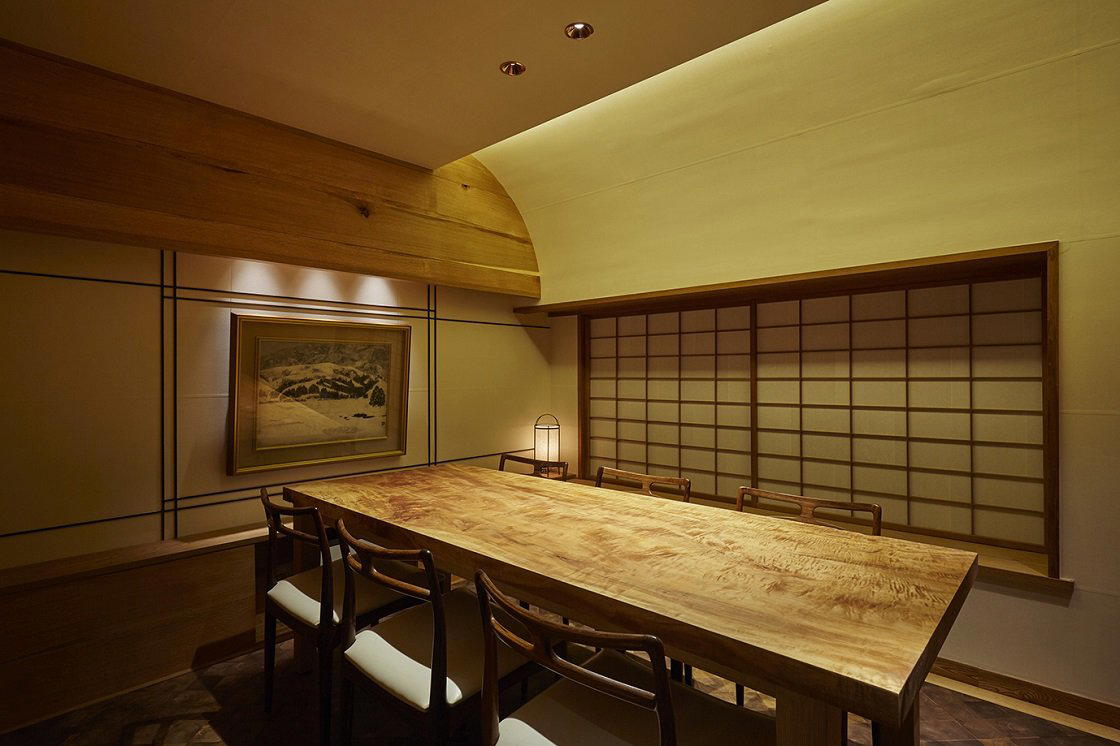
The design brief for Hotel The Mitsui Kyoto, led by Hong Kong-based architect André Fu and a team of Japanese artists and craftspeople, was framed around the relationship between built space, natural environment, and the passage of the seasons. This is an approach that has deep roots in Japanese architecture, the idea that a building should be experienced differently depending on whether you encounter it in cherry blossom season, the dense humidity of summer, autumn's colour shift, or the austere quiet of winter, and it carries a sustainability dimension that the broader hospitality industry is only beginning to formalise.
At its most practical, designing for seasonal experience means resisting the instinct to neutralise the outside world. Hotels that lean on mechanical climate control and year-round identical aesthetics sever the guest from place. The Mitsui Kyoto's design philosophy, with its emphasis on the harmony between natural environment and the five senses, works in the opposite direction: allowing the property's outdoor spaces, material palette, and spatial organisation to respond to what Kyoto's climate actually does across the year. That orientation is less a marketing position than a structural commitment, it is built into the physical bones of how light enters, how gardens are planted, and how interior and exterior thresholds are managed.
Within Japan's broader luxury hotel cohort, this approach appears most deliberately at properties that carry a strong ryokan or estate lineage. Gora Kadan in Hakone, Asaba in Izu, and Zaborin in Kutchan all build seasonal responsiveness into their identity in ways that international branded hotels rarely do. Hotel The Mitsui Kyoto applies this logic at larger scale, across 160 rooms, which makes it a more complex execution, maintaining the intimacy and sensory attentiveness of an estate setting while managing the operational demands of a full-service city hotel.
What the Awards Record Signals
The recognition attached to Hotel The Mitsui Kyoto is specific enough to be analytically useful. Michelin Three Keys, the highest distinction in Michelin's hotel guide, awarded for two consecutive years, places it in a very small group of Japanese properties. Forbes Travel Guide's Five-Star rating, earned in the hotel's first year of operation, is a credential that matters for a particular tier of international corporate and leisure traveller for whom the Forbes system functions as a reliable pre-arrival quality signal. Ranking 46th in the World's 50 Best Hotels 2025 puts it inside the global conversation for top-tier hospitality, alongside properties such as Aman Venice and Aman New York. La Liste's 2026 hotel rankings awarded it 94 points, a score that positions it competitively within Japan's luxury tier alongside properties like Bvlgari Hotel Tokyo in the capital.
Taken together, these recognitions across Michelin, Forbes, and the 50 Best list suggest a property that performs consistently across different evaluation frameworks, which tend to weight different things: Michelin leans toward design coherence and cultural integration, Forbes toward service delivery and physical standards, and 50 Best toward a broader measure of experience and hospitality culture. Consistent performance across all three is less common than it might appear, and it tends to indicate operational maturity rather than a single standout attribute. For the purposes of comparison with Kyoto peers, this positions Hotel The Mitsui above Fufu Kyoto, Ace Hotel Kyoto, and Dusit Thani Kyoto in terms of formal award recognition, while sitting in roughly the same peer tier as Aman Kyoto in terms of positioning and price.
Kyoto's Seasonal Logic and When to Go
A property designed around seasonal attentiveness invites the question of which season to choose. Kyoto's spring cherry blossom window, typically late March to mid-April depending on annual temperature variation, remains the city's most in-demand period, and hotel rates across the premium tier reflect that demand. Autumn, the late October to mid-November koyo (maple leaf) season, generates comparable occupancy pressure and is widely considered by repeat visitors to offer the more atmospheric experience, with the city's hillside temple districts taking on a richer visual quality than spring. Summer in Kyoto is genuinely hot and humid, but it also brings the Gion Matsuri festival in July, one of Japan's oldest and most significant civic celebrations, centred within walking distance of the hotel's Nakagyo-ku address. Winter, from December through February, is the city's quietest season: shorter queues at major sites, lower rates at some properties, and an austere aesthetic quality to Kyoto's gardens and temple grounds that aligns well with a hotel whose design philosophy takes seasonal change seriously.
For broader context on dining and neighbourhood character across the city, our full Kyoto restaurants guide covers the areas most relevant to guests based in Nakagyo-ku. Travellers looking at Japan's wider luxury estate landscape may also want to consider Amanemu in Mie, Benesse House in Naoshima, Halekulani Okinawa, ENOWA Yufu in Yufu, Fufu Kawaguchiko, Fufu Nikko, Nishimuraya Honkan in Kinosaki-cho, Sekitei in Hatsukaichi-shi, and Jusandi in Ishigaki.
Planning a Stay
Rates start from approximately $1,148 per night across the hotel's 160 rooms. At that price point, Hotel The Mitsui sits at the upper tier of Kyoto's accommodation market, comparable to Aman Kyoto and the upper room categories at Four Seasons Hotel Kyoto. Booking well in advance of peak periods (late March to mid-April, late October to mid-November) is advisable, as Kyoto's best-reviewed luxury properties fill quickly during those windows and holding flexible dates provides meaningful advantage. The hotel is located at 284 Nijo Aburanokojicho, Nakagyo-ku, adjacent to Nijo Castle, making it accessible by subway via the Tozai Line's Nijojo-mae station.
Comparable Spots, Quickly
Comparable venues nearby, for context on price, style, and recognition.
| Venue | Cuisine | Price | Awards | Notes |
|---|---|---|---|---|
| HOTEL THE MITSUI KYOTOThis venue (the venue you are viewing) | Blends traditional Japanese aesthetics with contemporary elegance on the historic site of the Mitsui family residence facing Nijo Castle. | $1,000–1,500 | 3 Michelin Keys · World's 50 Best #79 | Not listed |
| Park Hyatt Kyoto | Contemporary Japanese luxury integrated with historic estate | $500–750 | 1 Michelin Key · World's 50 Best #37 | Higashiyama |
| Aman Kyoto | Contemporary homage to traditional ryokan inns with latticed pavilions | Not listed | 2 Michelin Keys · World's 50 Best #74 | Kita |
| The Shinmonzen | Contemporary minimalist design inspired by traditional Japanese ryokan aesthetics, blending Tadao Ando's architectural vision with cosmopolitan luxury and curated contemporary art. | $1,000–1,500 | 2 Michelin Keys · Mr & Mrs Smith Seal of Approval | Higashiyama |
| Four Seasons Hotel Kyoto | Contemporary luxury resort anchored by historic Japanese heritage, featuring modern amenities integrated with traditional design elements and cultural programming. | $1,000–1,500 | 1 Michelin Key · La Liste Top Hotels | Higashiyama |
| The Ritz-Carlton, Kyoto | Japanese-inspired urban resort | $500–750 | 1 Michelin Key · La Liste Top Hotels | Nakagyō |
Recognition history
Dated appearances from independent guides and award organizations, with the underlying list record or original source where available.
Michelin 3 Keys
Michelin
World's 50 Best Hotels 51-100 #79
World's 50 Best
La Liste Top Hotels
La Liste
Forbes 5-Star
Forbes
Virtuoso Luxury Hotel Partner
Virtuoso
Full recognition history (7 entries)
World's 50 Best Hotels #46
World's 50 Best
Michelin 3 Keys
Michelin
HOTEL THE MITSUI KYOTO
Featured Guides
Continue exploring
More in Kyoto
Hotels in Kyoto
All hotels in Kyoto →
Bars in Kyoto
All bars in Kyoto →
Restaurants in Kyoto
All restaurants in Kyoto →
Wineries in Kyoto
Browse all →
Details
- Elegant
- Sophisticated
- Quiet
- Scenic
- Modern
- Classic
- Honeymoon
- Romantic Getaway
- Anniversary
- Wellness Retreat
- Historic Building
- Garden
- Panoramic View
- Private Dining
- Spa
- Pool
- Fitness Center
- Room Service
- Concierge
- Wi Fi
- Restaurant
- Business Center
- Valet Parking
- Garden
- Street Scene
- Wheelchair Accessible
- Elevator
- Step Free Entrance
- Accessible Parking
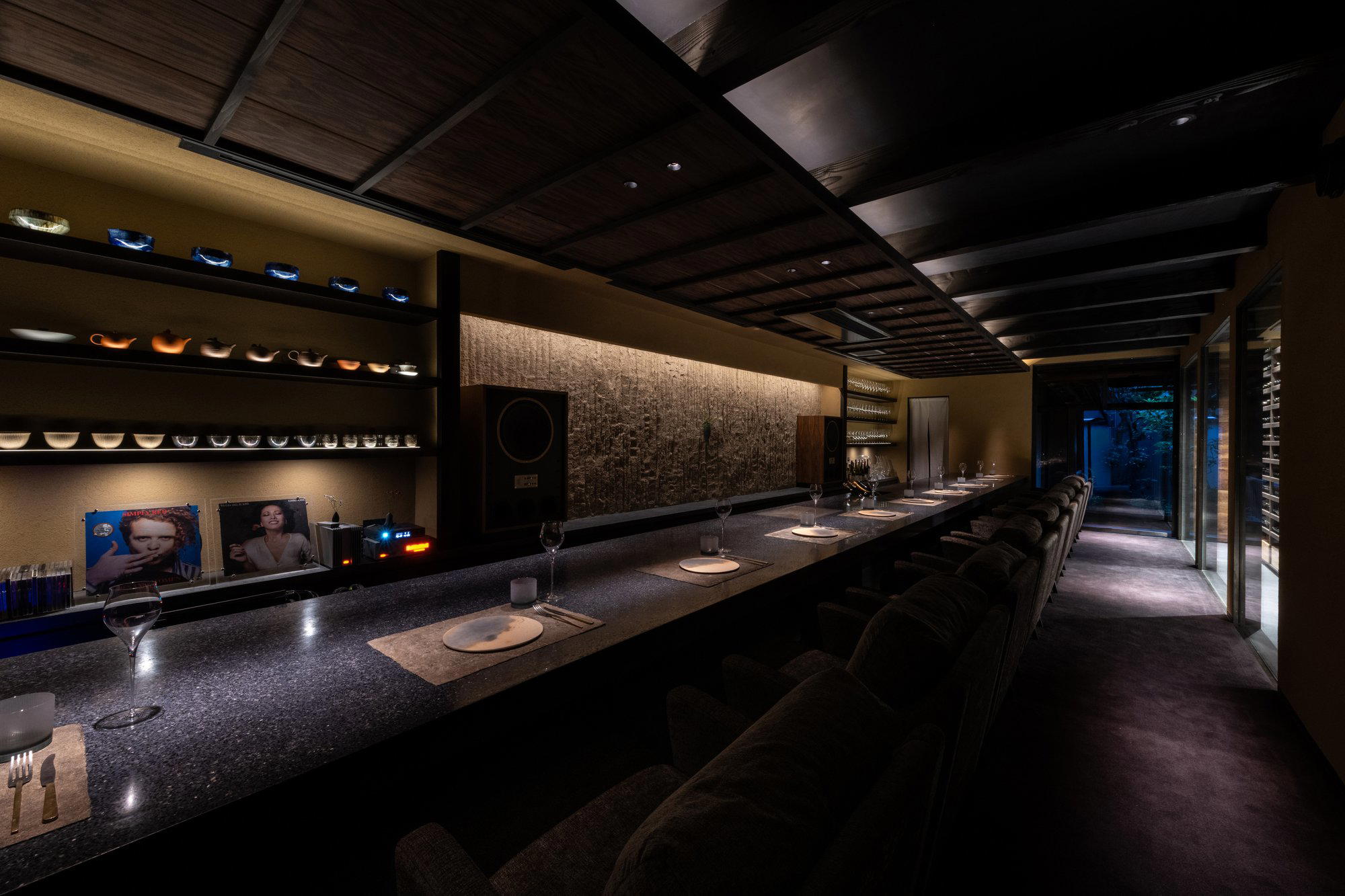
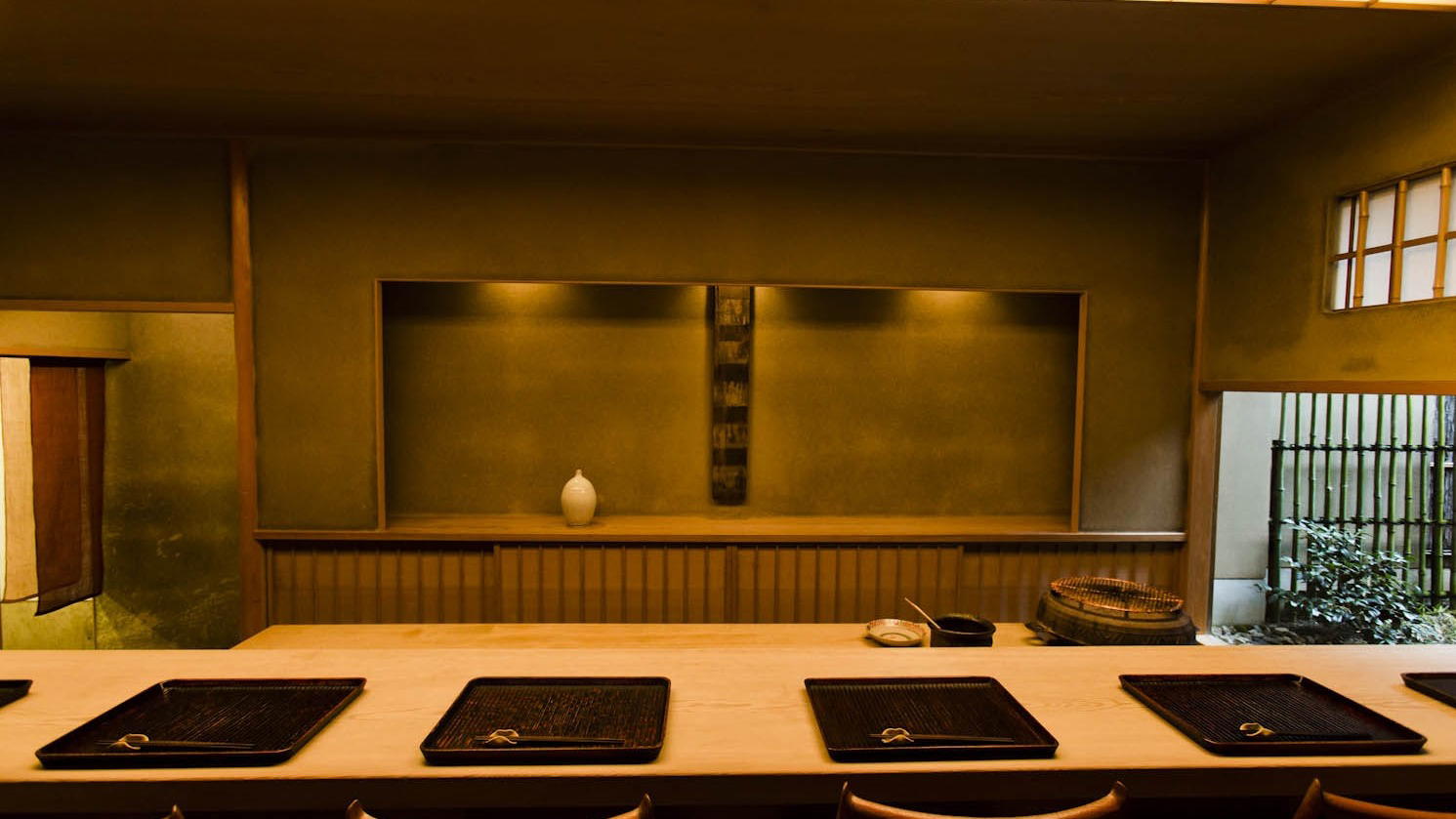
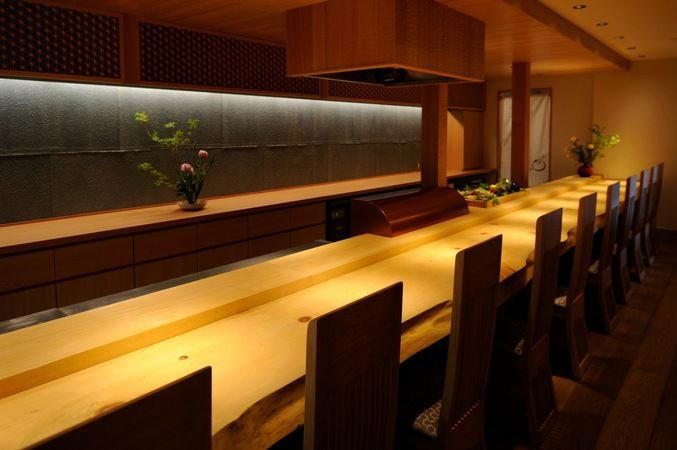
Serene and tranquil with soft lighting, natural materials like wood and stone, minimalist design, and calming garden views creating a spa-like peaceful retreat.