




3 Michelin Keys · La Liste Top Hotels · Forbes 4-Star
Opened in 2020 in Otemachi's high-rise financial district, the Four Seasons Hotel Tokyo at Otemachi occupies the upper floors of a 39-story tower with direct views over the East Gardens of the Imperial Palace and, on clear days, Mount Fuji. With 190 rooms, Michelin 3 Keys recognition (2024), and a cluster of French, Italian, and cocktail venues, it sits at the larger, more view-forward end of Tokyo's luxury hotel market.

Pearl is the En Primeur Club membership app, where members save venues, book tables and use the concierge.
Otemachi from Above: Where Tokyo's Financial Quarter Meets the Imperial Gardens
Tokyo's premium hotel market has long sorted itself by neighbourhood logic. Shinjuku and Shibuya serve the commercial west; Ginza and Marunouchi anchor the eastern business corridor. Otemachi occupies a narrower position still: a district of banking headquarters and government-adjacent towers that press directly against the moat and stone walls of the Imperial Palace East Gardens. Hotels in this zone aren't trading on nightlife proximity or retail adjacency. They're selling altitude, political geography, and a specific kind of urban quiet that most Tokyo addresses simply cannot offer. The Four Seasons Hotel Tokyo at Otemachi, which opened in 2020 as the brand's second Tokyo property, is the most direct expression of that positioning. At 190 rooms across the upper floors of a 39-story tower, it is more than three times the size of its nearby sibling, Four Seasons Hotel Tokyo at Marunouchi, and commands a more direct sightline over the Palace grounds.
The View as Architecture
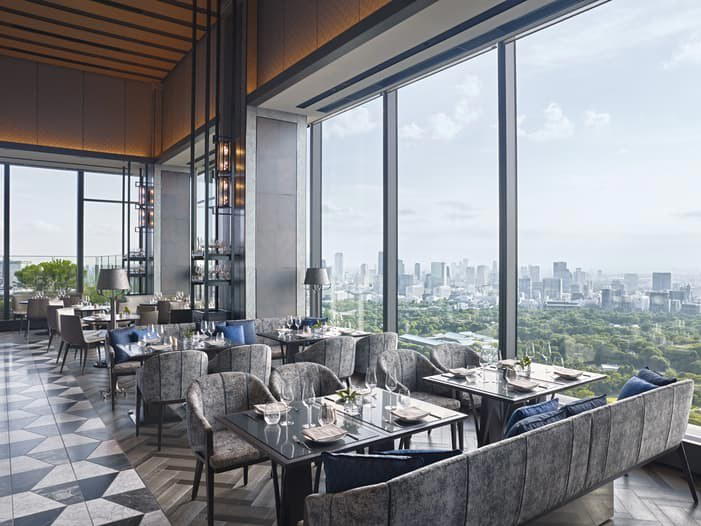
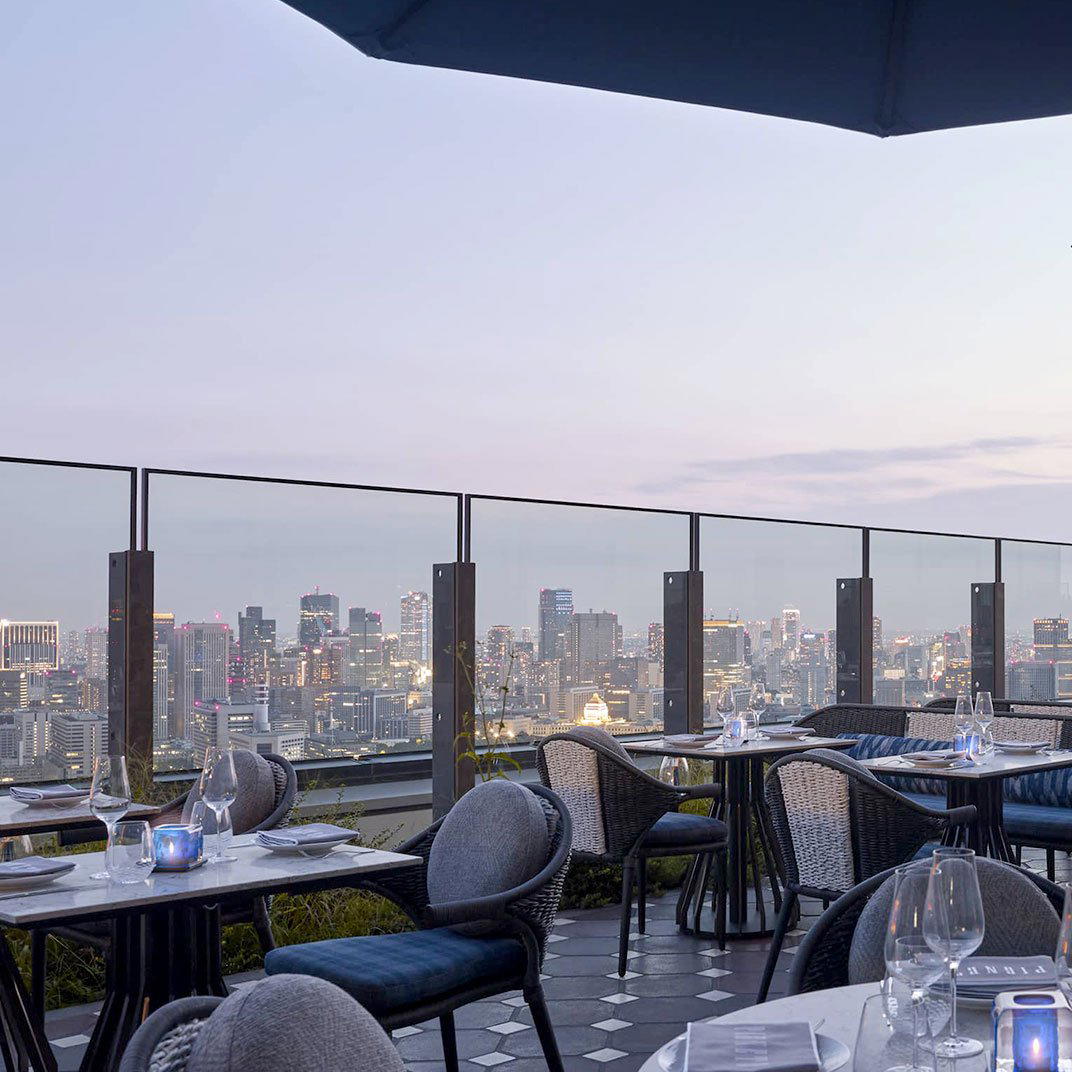
Tokyo skyscrapers sell views as a matter of course, but not all of them deliver the same compositional logic. Most high-floor rooms in the city look out over a dense middle distance of office towers and expressway infrastructure. Otemachi breaks that pattern. From the upper floors, the East Gardens read as a contained green plane at the base of the tower, ringed by the Palace moat, with the broader city spreading behind it. On a clear winter morning, Mount Fuji appears on the horizon as a snow-capped reference point that functions as something between a weather gauge and a landscape feature. The hotel's decision to orient restaurants, a gym, and guest rooms toward this panorama is less a design flourish than a structural argument: the view is the differentiation, and every interior element is arranged to keep it in frame. The approach places this property in a different competitive tier from Aman Tokyo, which sits in the same district but occupies a darker, more interior-facing aesthetic, and from Andaz Tokyo in nearby Toranomon, which tilts toward a design-forward millennial audience rather than the view-obsessed business traveller.
Dining: European Technique, Tokyo Address
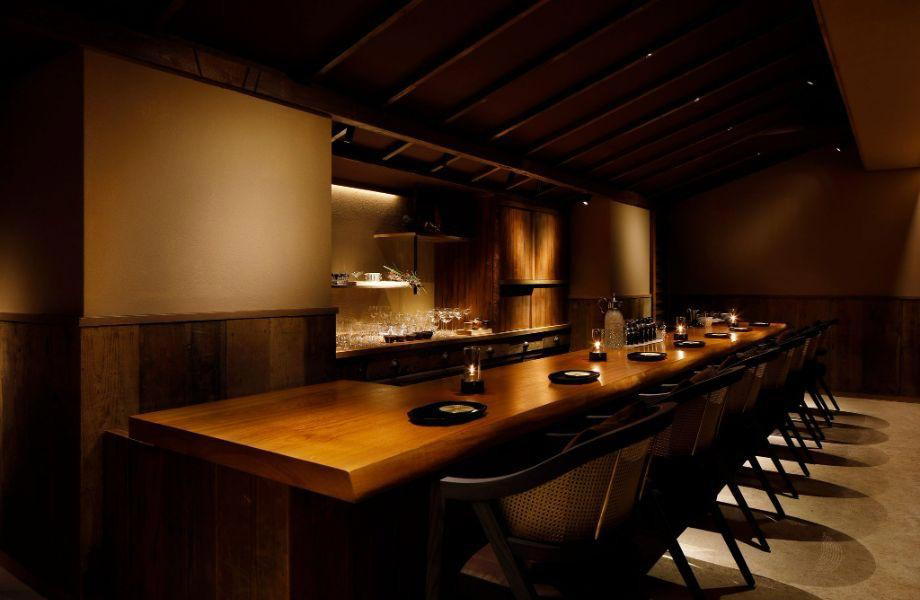
Urban luxury hotels in Japan have developed a consistent pattern over the past two decades: anchor a French or Italian restaurant at the top of the building, add a Japanese counter on a lower floor, and let the view do the work that the menu cannot. Otemachi's dining program follows this logic with enough specificity to distinguish it from generic five-star programming. Est, the hotel's French restaurant, operates with terrace seating on a Tokyo skyscraper floor, a configuration that remains genuinely rare in a city where rooftop access is typically restricted to bars or observation decks. Dining outdoors above the Palace Gardens, at altitude, positions Est within a micro-tier of Tokyo restaurants where geography and format are as consequential as the plate. Pigneto, the casual Italian offering, works a counter-and-table format with seasonal antipasto and a wine list structured around fine Italian producers. This format, common in Rome's better neighbourhood trattorias, translates differently in Tokyo, where counter dining carries its own cultural weight and where seasonal produce sourcing follows Japanese market rhythms even when the cuisine is European. The use of imported technique applied to local seasonal produce is not unique to this hotel, but it is executed here within a context, the Imperial Palace sightline, that gives it a particular spatial coherence. For a broader map of where this hotel's restaurants sit within Tokyo's wider dining picture, see our full Tokyo restaurants guide.
Virtu and the Cocktail Position
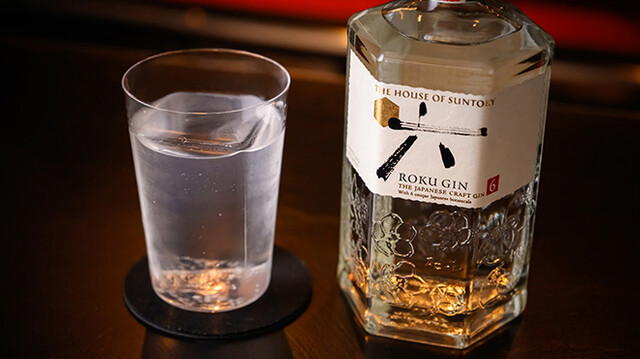
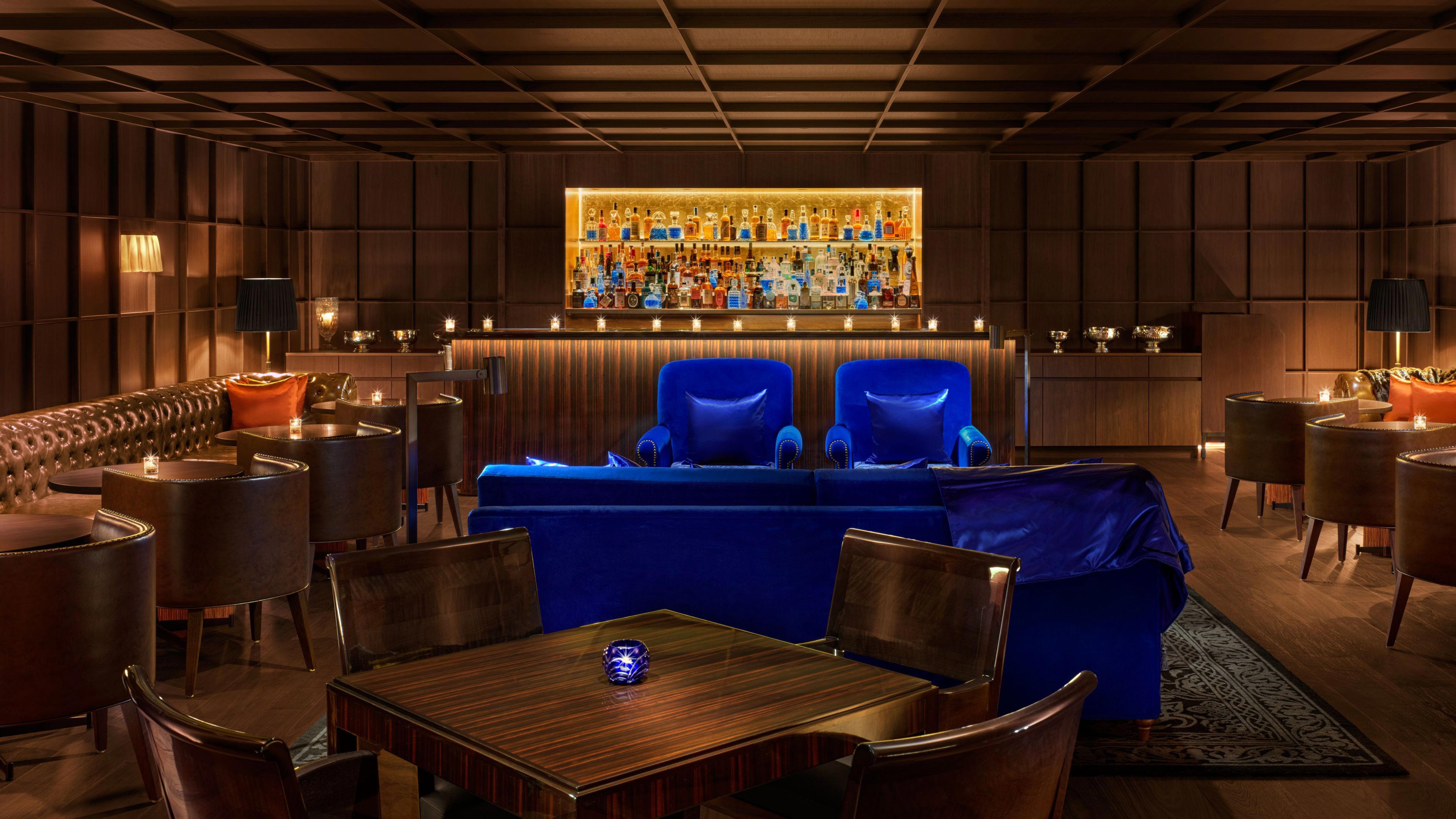
Tokyo's cocktail culture operates at two speeds: the neighbourhood bar specialist, often a six-seat room with a single bartender running a deeply personal program, and the hotel bar, where scale and theatrical presentation take precedence. Virtu, the hotel's cocktail bar, runs a French-Japanese fusion format that draws on local botanicals and French spirits tradition. The Le Shiso Tonic, constructed from Japanese gin, local citrus, shiso leaf, soda, and tonic, demonstrates the house approach: a familiar build made legible to an international audience through precisely sourced local ingredients. Vintage champagne and refined bar snacks anchor the other end of the list. This positions Virtu within the hotel-bar tier rather than the specialist neighbourhood category, but within that tier it applies more ingredient specificity than most. The bar format, intimate layout with a curated short menu, aligns it more closely with the direction that hotel bars in cities like New York have moved, away from comprehensive list-building toward a tighter, technique-led offering. Comparable thinking appears at Bvlgari Hotel Tokyo's bar program, where the emphasis falls on craft presentation for an international guest base.
The Spa and the Zen Premium
High-end hotel spas in Japan operate in a competitive context that no international market fully replicates. The country has an indigenous wellness tradition, the onsen and ryokan circuit, that generates its own expectations around water, wood, and meditative quiet. Urban luxury spas in Tokyo must position themselves relative to that tradition even when they cannot replicate it. The spa at Otemachi occupies the tower's leading floor and draws on Zen-inflected design, with Japanese cedar oil used in treatments like the Yakusugi Massage. Cedar, specifically yakusugi from Yakushima Island, carries cultural and aromatic significance in Japan that positions this treatment as more than a generic aromatherapy service. It is a deliberate reference point for guests familiar with Japanese materials culture, and a sensory introduction for those who are not. For guests seeking a deeper engagement with Japan's onsen and ryokan wellness tradition beyond Tokyo, properties like Gora Kadan in Hakone, Asaba in Izu, Zaborin in Kutchan, and Nishimuraya Honkan in Kinosaki-cho each represent distinct regional approaches to that tradition.
Rooms and the Art Program
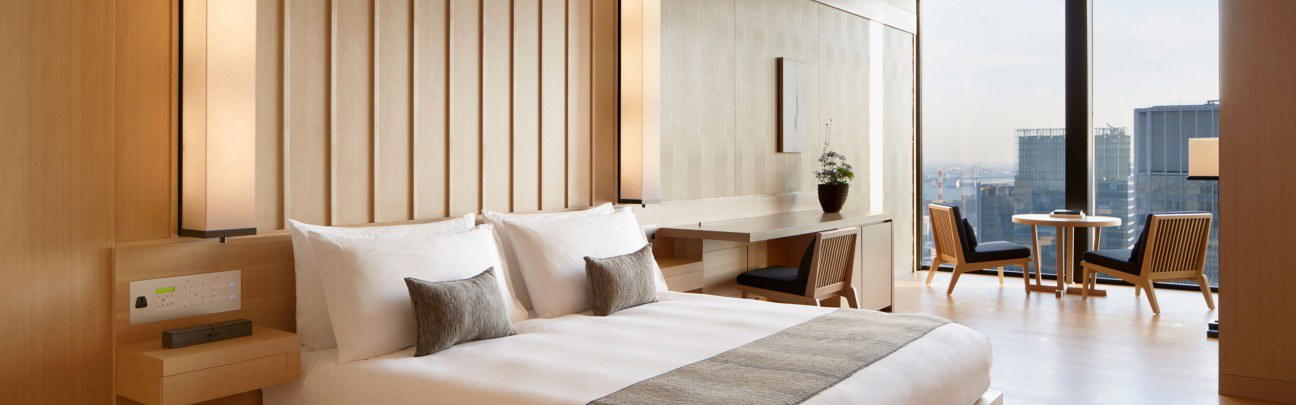
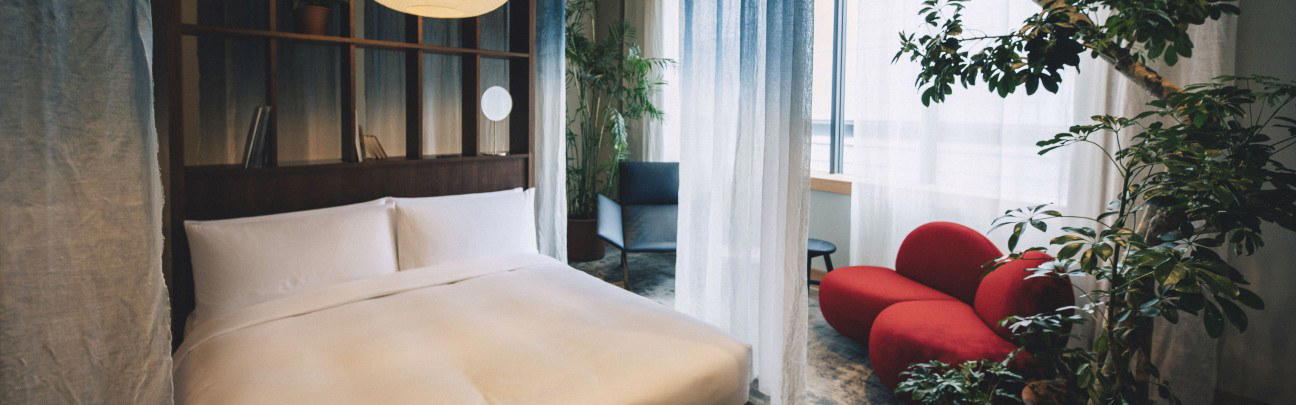
The 190 rooms follow a Four Seasons standard brief: high-thread-count materials, pillow menus, in-room technology via iPad, Nespresso, and Japanese tea selections. What distinguishes the Otemachi rooms from the brand's generic international inventory is the integration of original artwork by Namiko Kitaura, whose practice draws on Japanese textile and art traditions. The pieces function as room-specific rather than decorative, embedding a local cultural reference at a scale that most international chain rooms handle with licensed prints. Customized mattress toppers and a multi-pillow program address the sleep specificity that long-haul travellers on corporate schedules require. Room service and gym access run 24 hours, a practical consideration for guests arriving from transatlantic time zones. Complimentary bicycle rental with city maps extends the hotel's connection to the immediately surrounding district, which, given the Palace Gardens access, is among the more walkable and cyclable areas of central Tokyo.
Where This Hotel Sits in the Tokyo Market
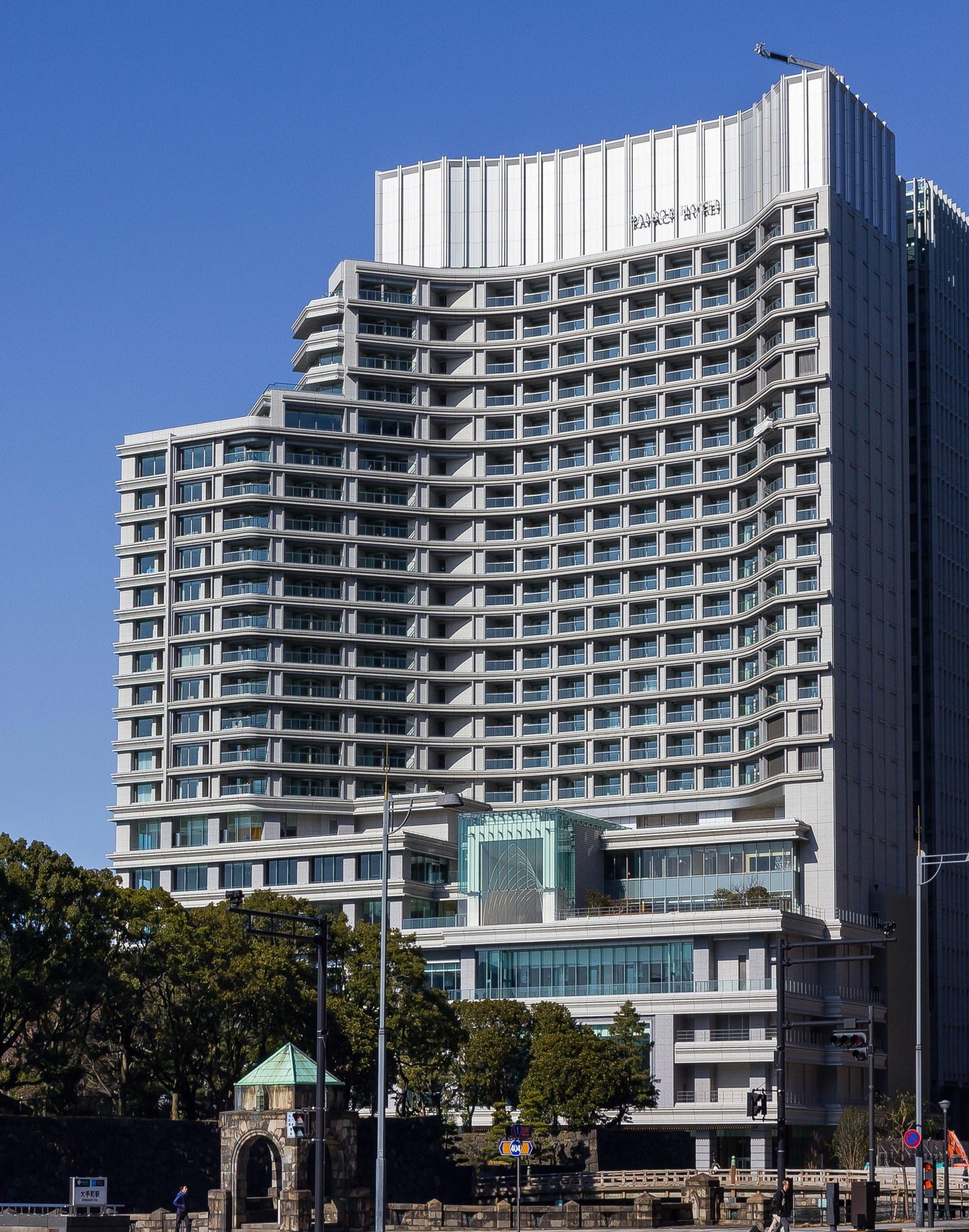
Tokyo's luxury hotel tier has expanded significantly since 2020, with new entrants including JANU Tokyo, Bellustar Tokyo, and Bvlgari Hotel Tokyo raising the competitive threshold for design ambition and food-and-beverage programming. Within this expanded field, Otemachi holds a position defined primarily by its scale and its view. At 190 rooms, it is larger than most ultra-luxury Tokyo addresses; Aman Tokyo operates 84 rooms, and Palace Hotel Tokyo keeps a tighter key count relative to its public space footprint. The size allows the hotel to absorb families alongside business travellers, a dual-market positioning that the hotel explicitly maintains: 24-hour facilities, bike rentals, and family-accessible dining formats all point toward a broader demographic than the adult-only, design-centric properties that have proliferated in Tokyo since 2022. For travellers whose Japan itinerary extends beyond Tokyo, the broader Four Seasons and Japanese luxury network includes HOTEL THE MITSUI KYOTO in Kyoto, Amanemu in Mie, Halekulani Okinawa, Benesse House in Naoshima, ENOWA Yufu in Yufu, Fufu Kawaguchiko, Fufu Nikko, Sekitei in Hatsukaichi-shi, and Jusandi in Ishigaki. The Four Seasons group also operates landmark properties internationally, including The Fifth Avenue Hotel in New York City and comparably positioned urban towers in markets where altitude and address carry similar premium weight.
Planning Your Stay
The hotel is located at 1-chome-2-1 Otemachi, Chiyoda City, Tokyo, a two-minute walk from Otemachi Station, which connects to the Marunouchi, Chiyoda, Hanzomon, Tozai, and Mita subway lines. The Palace East Gardens are accessible on foot. The 190-room inventory means availability is less constrained than at smaller luxury addresses in the city, but rooms with direct Palace and Mount Fuji views book ahead, particularly for winter and early spring when Fuji visibility peaks and the Gardens' seasonal transitions provide the strongest visual contrast. The gym and room service operate around the clock, and complimentary bike rentals provide the most direct way to cover the Palace perimeter and the adjacent Kitanomaru Park.
Cuisine-First Comparison
Comparable venues nearby, for context on price, style, and recognition.
| Venue | Cuisine | Price | Awards | Notes |
|---|---|---|---|---|
| Four Seasons Hotel Tokyo at OtemachiThis venue (the venue you are viewing) | Contemporary high-rise urban luxury with Japanese Zen influences | Not listed | 3 Michelin Keys · La Liste Top Hotels | Not listed |
| Palace Hotel Tokyo | Contemporary luxury hotel with Japanese hospitality (omotenashi) and natural inspirations from Imperial Palace gardens. | Not listed | 3 Michelin Keys · World's 50 Best #73 | Chiyoda |
| The Capitol Hotel Tokyu | Luxury boutique hotel blending traditional Japanese architectural elements with contemporary minimalist design and high-end furnishings. | $300–500 | 2 Michelin Keys · La Liste Top Hotels | Chiyoda |
| JANU Tokyo | Contemporary urban luxury emphasizing social connection and active experiences | Not listed | 2 Michelin Keys · World's 50 Best #52 | Minato |
| Aman Tokyo | Aman’s first urban sanctuary blending Japanese serenity with Tokyo's dynamism | Not listed | 2 Michelin Keys · World's 50 Best #11 | Chiyoda |
| Hoshinoya Tokyo | Contemporary luxury ryokan blending traditional Japanese aesthetics with modern minimalist design; each floor operates as a private inn with shared lounge spaces. | $750–1,000 | Michelin Selected · World's 50 Best #85 | Chiyoda |
Recognition history
Dated appearances from independent guides and award organizations, with the underlying list record or original source where available.
Michelin 3 Keys
Michelin
La Liste Top Hotels
La Liste
Forbes 4-Star
Forbes
Robb Report Selected for 2026 Robb Report Best Luxury Hotels in Tokyo
Robb Report
Conde Nast Best Hotels #14
Conde Nast
Full recognition history (8 entries)
Forbes 4-Star
Forbes
Michelin 3 Keys
Michelin
Michelin 3 Keys
Michelin





Details
- Elegant
- Sophisticated
- Modern
- Quiet
- Ornate
- Business Trip
- Romantic Getaway
- Honeymoon
- Family Vacation
- Panoramic View
- Rooftop Pool
- Spa
- Pool
- Fitness Center
- Room Service
- Concierge
- Wi Fi
- Valet Parking
- Skyline
- Garden
- Elevator
- Wheelchair Accessible
Serene and minimalist Zen-inspired interiors with contemporary aesthetics, natural light, low ambient lighting in spa areas, and inspiring city and garden views creating a tranquil urban retreat.