

2 Michelin Keys · Mr & Mrs Smith Seal of Approval
A 15-villa ryokan in the Hanazono Forest outside Kutchan, Zaborin pairs modernist architecture by Makoto Nakayama with kaiseki dining and private onsen baths. Awarded 2 Michelin Keys in 2024, it operates in a small tier of Hokkaido properties where design, cuisine, and landscape function as a single proposition. The address delivers four-season immersion in one of Japan's most distinctive natural environments.

Pearl is the En Primeur Club membership app, where members save venues, book tables and use the concierge.
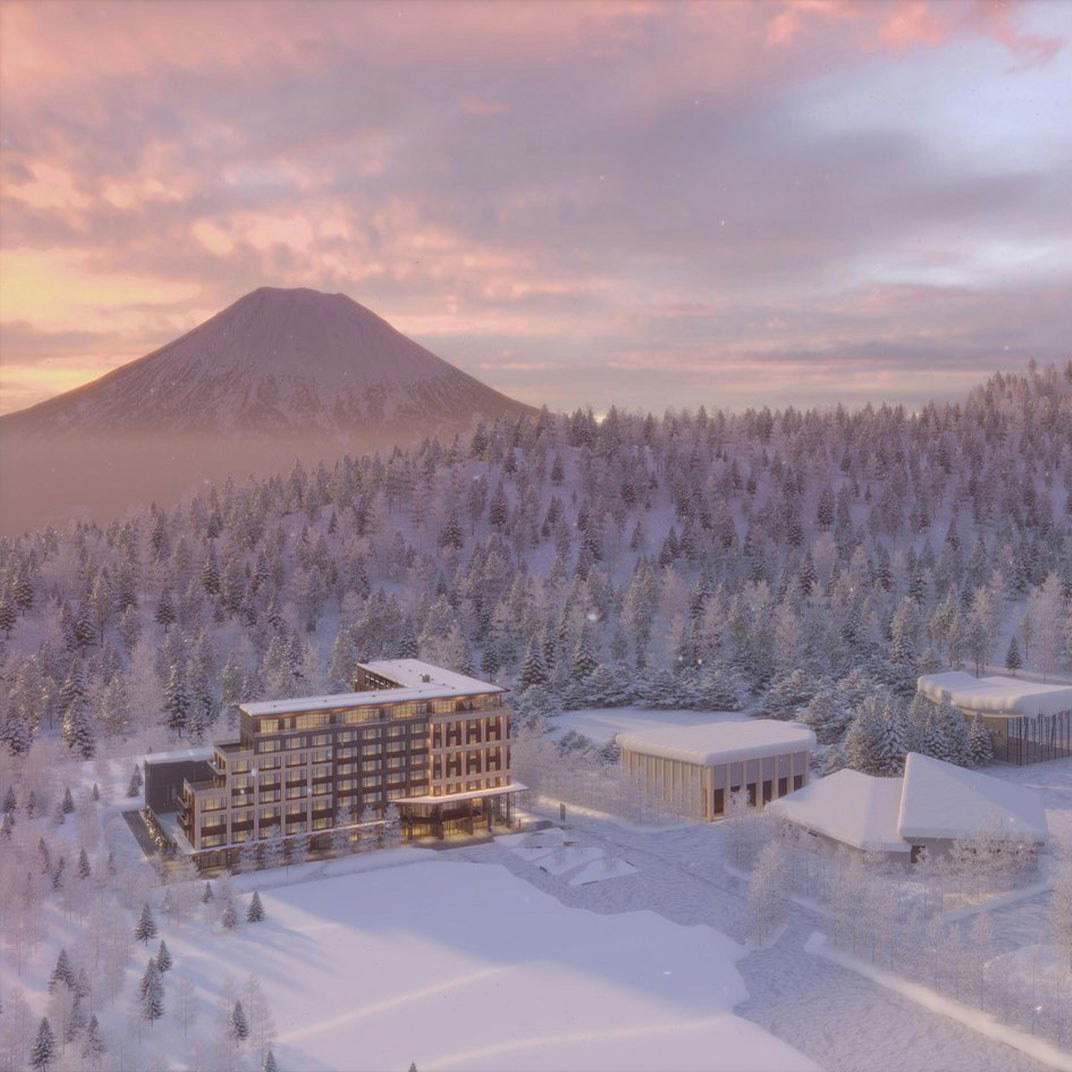
Approach Zaborin through the Hanazono Forest in winter and the pines carry snow in a way that feels deliberately composed. In summer the same corridor of trees breathes green and damp. The building that emerges from either version of this landscape is not trying to disappear into it, Makoto Nakayama's architecture is angular and considered, a structure that frames the forest rather than mimics it. The name translates roughly as "to sit and forget in the woods," and the design earns that description through specificity: windows positioned to hold particular sightlines, walkways that route guests past rather than around the trees.
Where Hokkaido Puts a Ryokan
Most travellers arrive in Kutchan for Niseko's ski terrain, and the Hanazono zone, just east of the main resort corridor, carries that winter-sports association. But Zaborin sits in the forest portion of this address rather than on the slope, which changes what the location delivers. The proximity to skiing is available as an option, not an obligation. What the address provides in every season is seclusion within reach of a functioning small town, a combination that proves harder to achieve in the ryokan category than it might appear. Properties at this price tier in Japan frequently choose between deep rurality, which means logistical friction, and resort adjacency, which means noise and traffic. The Hanazono Forest position threads between those outcomes.
Compared to other premium ryokan alternatives across Japan, including properties like Gora Kadan in Hakone or Asaba in Izu, Zaborin operates in a notably different climatic register. Hokkaido's northern latitude produces genuine seasons with measurable contrast: heavy snowfall from December through March, and a short, vivid summer that draws a different kind of guest entirely. That seasonal range is part of what the address sells.
The Villa Format and What It Implies
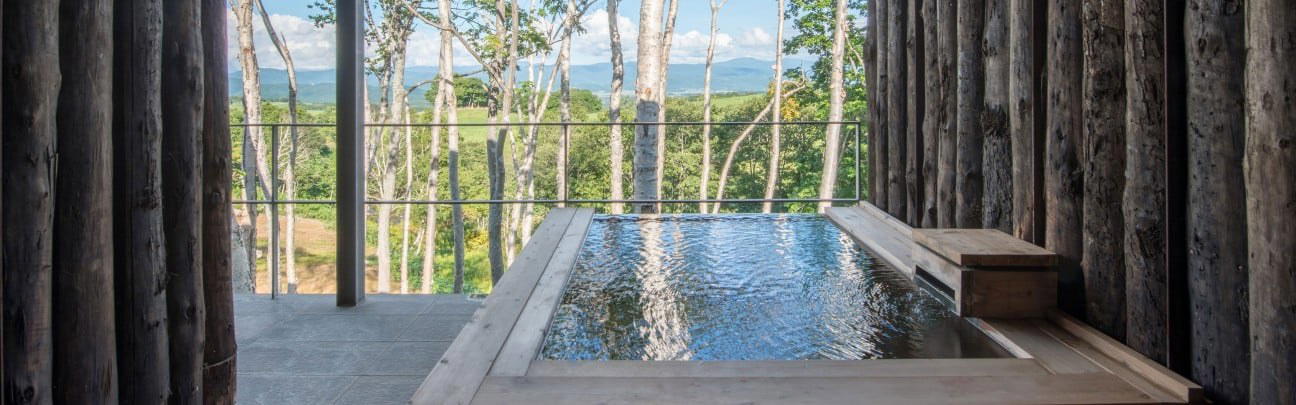
Zaborin's 15 villas are individual structures rather than rooms within a shared building, which affects the experience in practical ways. Each villa includes both indoor and outdoor onsen spring baths fed by natural hot spring water, a configuration that places the property in a specific sub-tier of the ryokan category: properties where the bath is private to the guest rather than communal. That distinction matters to guests who use the onsen as a restorative anchor to the stay rather than a social facility. The outdoor bath in a Hokkaido winter, surrounded by snow and forest, is the version of this experience most associated with the property's reputation.
Inside, the villas carry a deliberate dual register: flatscreen televisions and Bluetooth audio systems alongside traditional Japanese garments provided for lounging and dining. This is not a property that asks guests to choose between contemporary comfort and traditional ritual, it layers them. The architecture supplies the modernist frame; the yukata and the kaiseki dinner fill it with form.
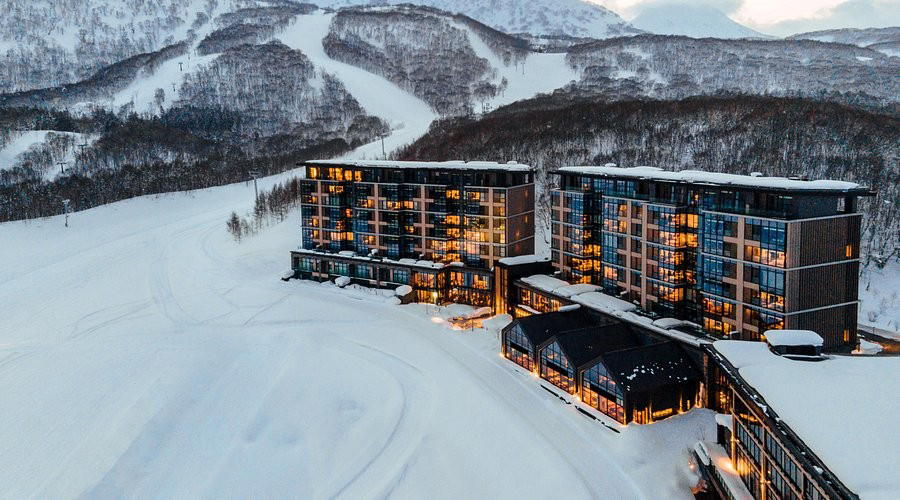
Within the Niseko and Kutchan area, properties like Sansui Niseko, SHIGUCHI, and The Vale Niseko each occupy different positions in the local accommodation spread.
Kaiseki in the Forest
The kaiseki tradition structures a meal as a sequence of small courses that map, loosely, to the season and the available local produce. At its more refined end, kaiseki is as much a temporal document as it is a dinner, each course indexing a particular moment in the agricultural and culinary calendar. Hokkaido's larder is unusually well-suited to this format: the island produces dairy, seafood from cold northern waters, and mountain vegetables across seasons that are more distinct than those found in central Honshu.
Chef Yoshihiro Seno, who was born in Hokkaido and trained internationally, runs the kitchen. The local origin matters here not as biographical colour but as a practical index of ingredient knowledge: a chef who grew up on Hokkaido produce approaches the kaiseki sourcing question differently than one who trained exclusively in Kyoto or Tokyo. The Michelin 2 Keys recognition the property received in 2024 places it in the upper tier of Japanese hospitality recognition, a credential that applies to the total stay experience rather than the restaurant alone.
For comparison, properties like Amanemu in Mie and ENOWA Yufu in Yufu operate in the same space where architecture, onsen, and destination dining converge. Zaborin's kaiseki program is the on-property anchor that makes the stay complete without requiring outside activity, dining and bathing are, as the property itself describes them, the twin pillars of the experience.
Planning the Stay
Zaborin sits in the Hanazono district of Kutchan, in Hokkaido's Abuta region. New Chitose Airport in Sapporo is the primary arrival point for international guests, with transfers to Kutchan taking roughly two hours by road. During winter peak season, demand from the skiing market compresses availability across all Niseko-area properties, and Zaborin's 15-villa count makes it particularly tight. Guests targeting the snow season should plan several months ahead. The summer and autumn windows, June through October, offer both availability and the forest at its most visually active, with fewer competing guests and the same kaiseki program calibrated to a different seasonal larder.
Current availability can be confirmed directly with the property; no rooms were listed as available at the time of writing. Given the property's scale and recognition, advance planning is the operative approach regardless of season. Browse our full Kutchan restaurants guide for context on what the broader area offers beyond the ryokan.
Guests considering Zaborin alongside other Michelin-recognised Japanese ryokan properties might also look at Araya Totoan in Kaga, Nishimuraya Honkan in Kinosaki-cho, or Beniya Kofuyuden in Awara for alternative ryokan formats across different regions. For properties that combine architectural ambition with Japanese hospitality at a different scale, Benesse House in Naoshima and Azumi Setoda in Onomichi represent compelling alternatives in the Setouchi corridor. Urban counterparts for guests building a broader Japan itinerary include Bvlgari Hotel Tokyo in Tokyo and HOTEL THE MITSUI KYOTO in Kyoto.
For those extending a Pacific journey, Halekulani Okinawa in Okinawa and Jusandi in Ishigaki offer contrasting southern island experiences. Further afield, Fufu Kawaguchiko in Fujikawaguchiko, Fufu Nikko in Nikko, Sekitei in Hatsukaichi-shi, Atami Izusan Karaku in Atami, and ANA InterContinental Beppu Resort & Spa in Beppu round out the Japanese onsen-resort tier. Internationally, The Fifth Avenue Hotel in New York City, Aman New York in New York City, and Aman Venice in Venice occupy a comparable tier in their respective markets for guests cross-referencing globally.
At a Glance
Comparable venues nearby, for context on price, style, and recognition.
| Venue | Cuisine | Price | Awards | Notes |
|---|---|---|---|---|
| ZaborinThis venue (the venue you are viewing) | Not listed | Not listed | 2 Michelin Keys · Mr & Mrs Smith Seal of Approval | Not listed |
| Sansui Niseko | Not listed | Not listed | 1 Michelin Key | Niseko Hirafu, Ultra-stylish luxury boutique tailored for contemporary travelers. |
| SHIGUCHI | Not listed | $1,500–2,500 | 1 Michelin Key | Hanazono, Renovated historic kominka farmhouses with modern minimalist interiors |
| Nikko Style Niseko HANAZONO | Not listed | $200–300 | Michelin Selected | Hanazono, Lifestyle hotel brand combining Japanese hospitality with contemporary mountain resort design; sensorial seasonal concept celebrating Niseko's changing landscapes. |
| Kimamaya by Odin | Hirafu, exclusive luxury lodge | Not listed | Michelin Selected · Design Hotels Member | Not listed |
| The Vale Niseko | Not listed | $200–300 | Forbes Recommended | Hirafu, Contemporary luxury alpine condotel blending Japanese hospitality with Western comfort and spaciousness. |
Recognition history
Dated appearances from independent guides and award organizations, with the underlying list record or original source where available.
Michelin 2 Keys
Michelin
Mr & Mrs Smith Seal of Approval
Mr & Mrs Smith
Full recognition history (4 entries)
Michelin 2 Keys
Michelin
Michelin 2 Keys
Michelin
Continue exploring
More in Kutchan
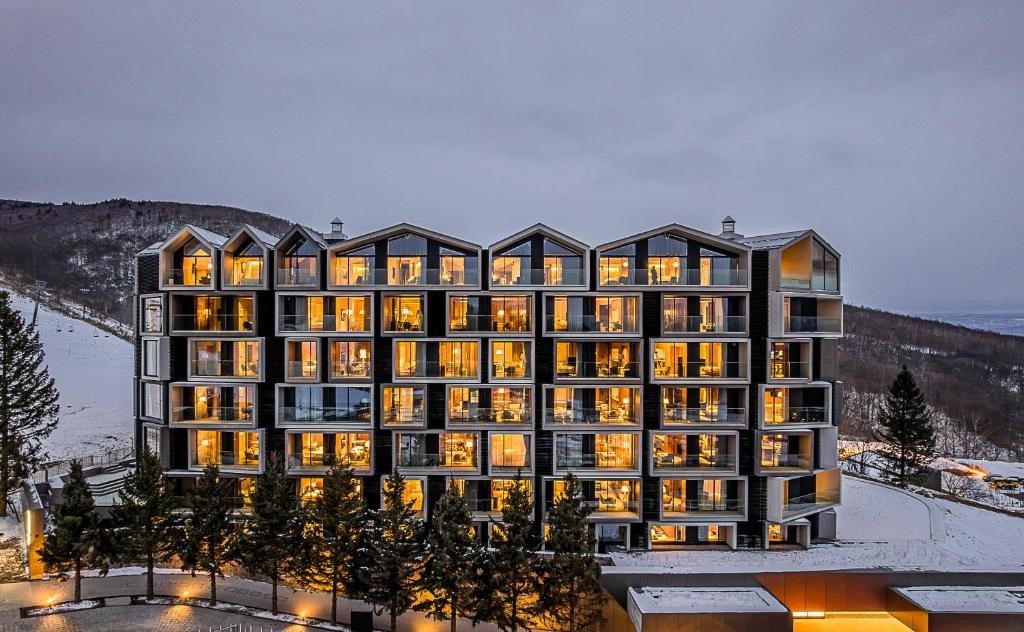
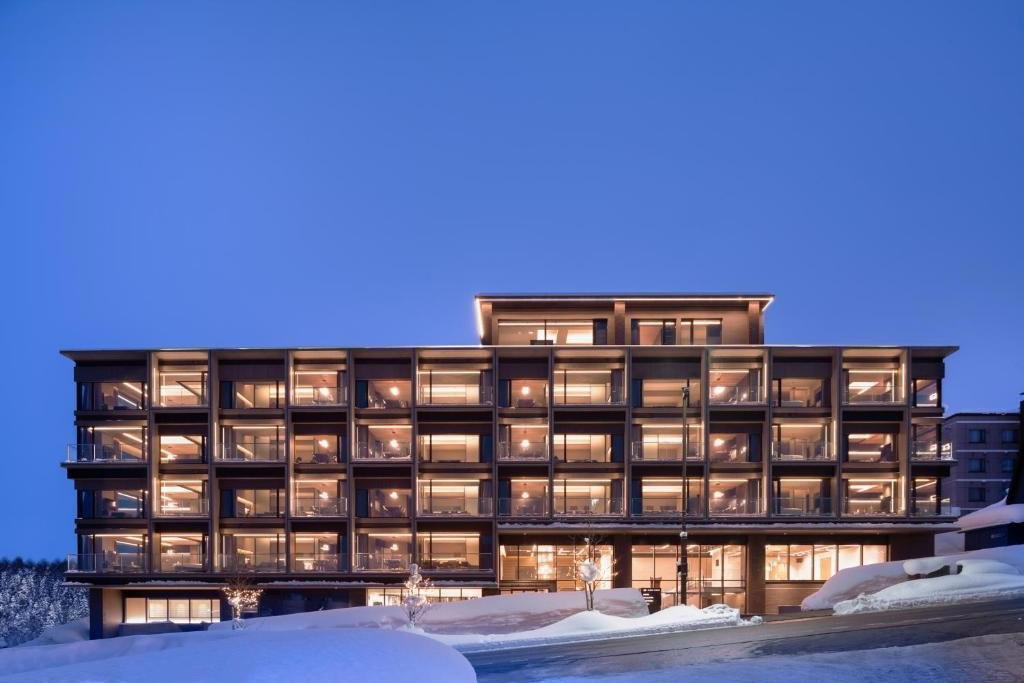
Hotels in Kutchan
All hotels in Kutchan →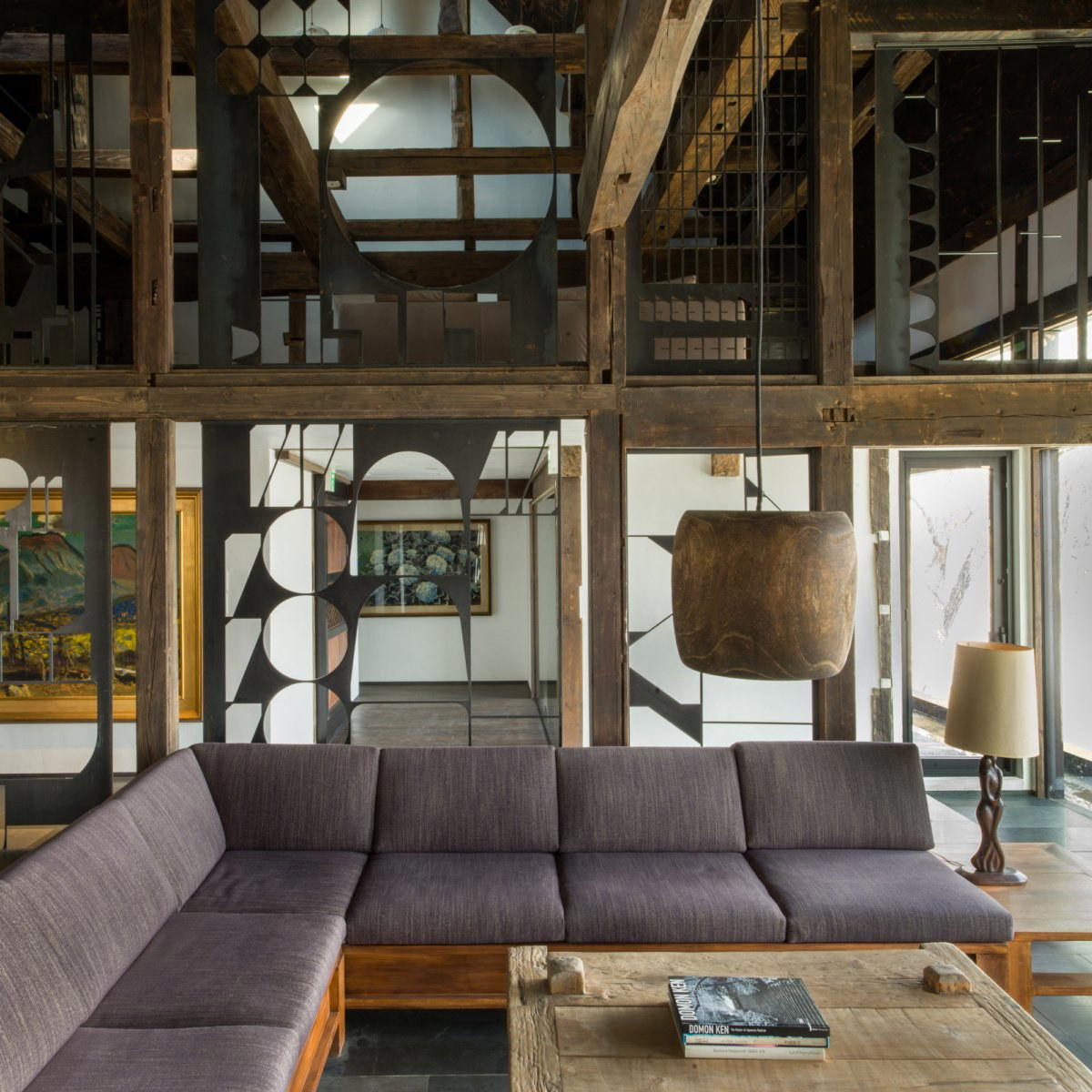
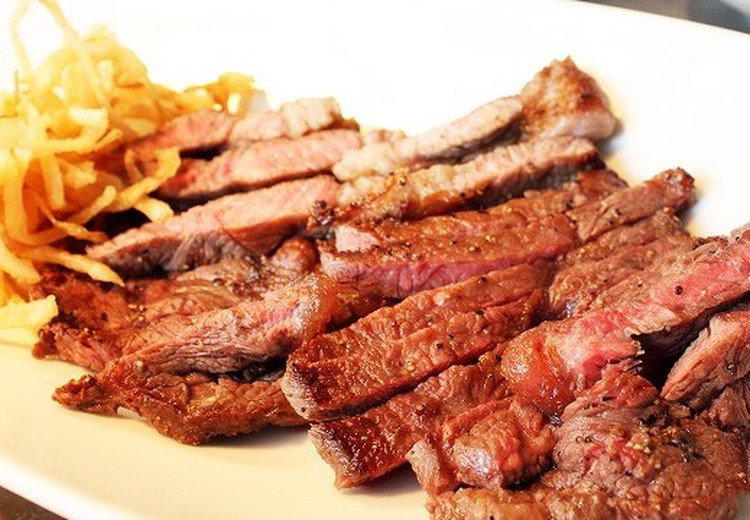
Restaurants in Kutchan
All restaurants in Kutchan →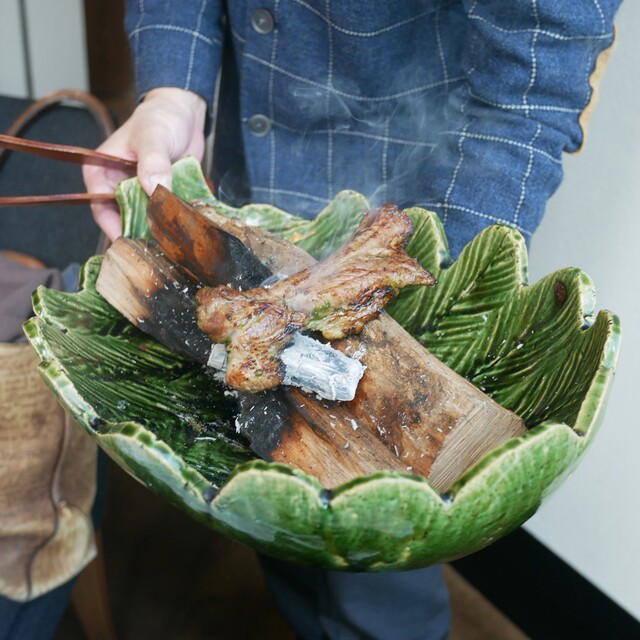
Wineries in Kutchan
Browse all →
Details
- Romantic
- Quiet
- Modern
- Scenic
- Elegant
- Minimalist
- Romantic Getaway
- Wellness Retreat
- Anniversary
- Honeymoon
- Private Villa
- Destination Spa
- Panoramic View
- Private Dining
- Garden
- Terrace
- Wi Fi
- Spa
- Restaurant
- Bar
- Valet Parking
- Massage
- Room Service
- Laundry Service
- Garden
- Mountain
- Garden
- Elevator
Minimalist contemporary design with contemplative mood; serene natural setting with fireplace in lobby; tranquil atmosphere enhanced by private dining rooms and garden views.