
Star Wine List
Cellar Door Aoyama occupies the second floor of Passage Aoyama in Minato City, where Aoyama's appetite for considered drinking finds a focused expression. The bar earned recognition from Star Wine List in 2026, placing it among Tokyo's more credentialed wine-forward venues. For those exploring the neighbourhood's quieter, upper-floor drinking culture, it merits a place on any serious itinerary.

Pearl is the En Primeur Club membership app — saves, bookings, and concierge access live there. Same editors, same standards.
- Address
- Japan, 〒107-0062 Tokyo, Minato City, Minamiaoyama, 2 Chome−27−18 パサージュ青山 2F
- Phone
- +81 3-6804-5200
- Hours
- Mon ClosedTue–Sun 11 AM–10 PM
- Website
- cellardoorfinewine.jp
- Directions
- Get directions
- Booking
- Book on TableCheck

Aoyama's Upper-Floor Drinking Culture
Tokyo's bar scene has always favoured verticality: the leading rooms tend to sit one or two floors above street level, removed from foot traffic, accessible only to those who already know. Minami-Aoyama plays this logic with particular discipline. The neighbourhood draws a crowd accustomed to seeking things out, and its second-floor venues often reward that effort with the kind of atmosphere that ground-floor operations rarely sustain. Cellar Door Aoyama sits on the second floor of Passage Aoyama at 2 Chome-27-18, and that address alone signals a particular register: this part of Minami-Aoyama, close to the Omotesando axis, attracts venues with a point of view.
The name is worth pausing on. "Cellar Door" is a phrase with a long aesthetic history, cited repeatedly in literary circles as among the most phonetically pleasing constructions in English. Whether the bar wears this as a genuine reference or simply a tone-setter, the choice communicates something about the kind of attention being paid to framing. In a neighbourhood where presentation carries weight, that instinct fits.
Star Wine List Recognition and What It Signals
Industry recognition in the drinks world operates on a narrower evidentiary base than restaurant awards, which makes individual citations more meaningful when they appear. Cellar Door Aoyama earned a Star Wine List award for 2026, a designation that functions within the global wine bar and wine-program space as a credential of list quality and curation rigour. Star Wine List evaluates venues across depth of selection, value positioning, and the coherence of the list's editorial logic, meaning the recognition reflects considered buying rather than simply volume.
For context, Star Wine List operates across dozens of markets and its Tokyo selections represent a competitive field. The city has developed a wine culture that punches well above regional expectations, with a collector base and hospitality import infrastructure that allows serious cellars to exist far from traditional European wine capitals. A Star Wine List citation in Tokyo, accordingly, is not a soft category win.
For those tracking Tokyo's credentialed bar circuit, the wine list recognition distinguishes Cellar Door Aoyama from the cocktail-centric model that dominates much of the city's international recognition. Tokyo's most decorated bars, including Bar Benfiddich with its herbalist approach and Bar High Five with its classical technique, have built reputations around spirits and cocktail craft. The wine-focused credential at Cellar Door Aoyama occupies a different lane in that competitive field.
Aoyama in the Tokyo Drinking Map
Tokyo's bar geography rewards specificity. Ginza runs formal and classical, with counters like Bar Libre and Bar Orchard Ginza embodying the district's commitment to precision and decorum. Shinjuku tilts toward the theatrical and the dense, with bars stacked in buildings that would baffle any newcomer. Aoyama operates differently: lower volume, higher design awareness, a clientele that arrives with considered taste as a baseline rather than an aspiration.
Minami-Aoyama specifically is where Tokyo's fashion, gallery, and design industries converge at night, and the drinking venues that survive in that environment tend to match the neighbourhood's standards. A wine bar in this context is not a casual offer; it competes for attention alongside some of the city's most curated retail and dining. The Passage Aoyama building, which houses Cellar Door on its second floor, follows the neighbourhood's preference for architecture that earns its occupants through curation rather than footfall.
For a fuller read of how Cellar Door fits into Tokyo's broader drinking and dining map, our full Tokyo restaurants guide places the city's leading venues in neighbourhood and category context.
Japan's Wine Bar Tier in Broader Context
Wine bars in Japan have undergone a sustained shift over the past decade. What began as import-heavy, European-facing rooms has evolved into something with more editorial independence, with sommeliers and buyers developing lists that reflect both global breadth and a specific point of view. The natural wine movement found early and serious adoption in Tokyo, while classical Burgundy and Champagne rooms maintained their own committed clientele. The result is a market where a venue needs a coherent position to register, because the informed drinker in Tokyo has seen enough to notice when a list lacks conviction.
Star Wine List's recognition of Cellar Door Aoyama in 2026 implies the list has that conviction. That matters in a city where wine programs can range from well-stocked without direction to deeply considered with a clear thesis.
For those who want to map this kind of credentialed wine focus across Japan more broadly, comparable drinking destinations include Bar Nayuta in Osaka, Bee's Knees in Kyoto, and Lamp Bar in Nara, each of which operates within the country's more deliberate drinking culture. Further afield, Yakoboku in Kumamoto and anchovy butter in Osaka Shi round out a national picture of venues where the drink program is the main argument. Even internationally, Bar Leather Apron in Honolulu and Kyoto Tower Sando in Kyoto Shi offer useful comparative reference points for how considered drink programming operates across different markets.
Planning a Visit
Cellar Door Aoyama is located at 2 Chome-27-18 Minami-Aoyama, Minato City, Tokyo, on the second floor of Passage Aoyama. The Omotesando station on the Tokyo Metro Ginza, Chiyoda, and Hanzomon lines puts the address within comfortable walking distance, and the surrounding block rewards time before or after: the neighbourhood's gallery density makes early evening arrival worthwhile. Given the venue's second-floor, Aoyama-facing position, expect the quieter and more focused atmosphere that defines this part of the city's drinking culture rather than the energetic throughput of a high-traffic ground-floor bar.
Fast Comparison
Comparable venues nearby, for context on price, style, and recognition.
| Venue | Cuisine | Price | Awards | Notes |
|---|---|---|---|---|
| Cellar Door AoyamaThis venue — the venue you are viewing | wine_bar | $100–150 | Star Wine List | Not listed |
| Izakaya Vin | wine_bar | $50–100 | Star Wine List | Shibuya |
| élevé | rooftop_bar | $20–30 | Star Wine List | Minato |
| Tender Bar | cocktail_bar | $50–100 | Not listed | Chūō |
| Ten | lounge | Not listed | Not listed | Shibuya |
| Starbucks Reserve® Roastery Tokyo | lounge | Not listed | Not listed | Meguro |
Recognition history
Dated appearances from independent guides and award organizations, with the underlying list record or original source where available.
Star Wine List
Star Wine List




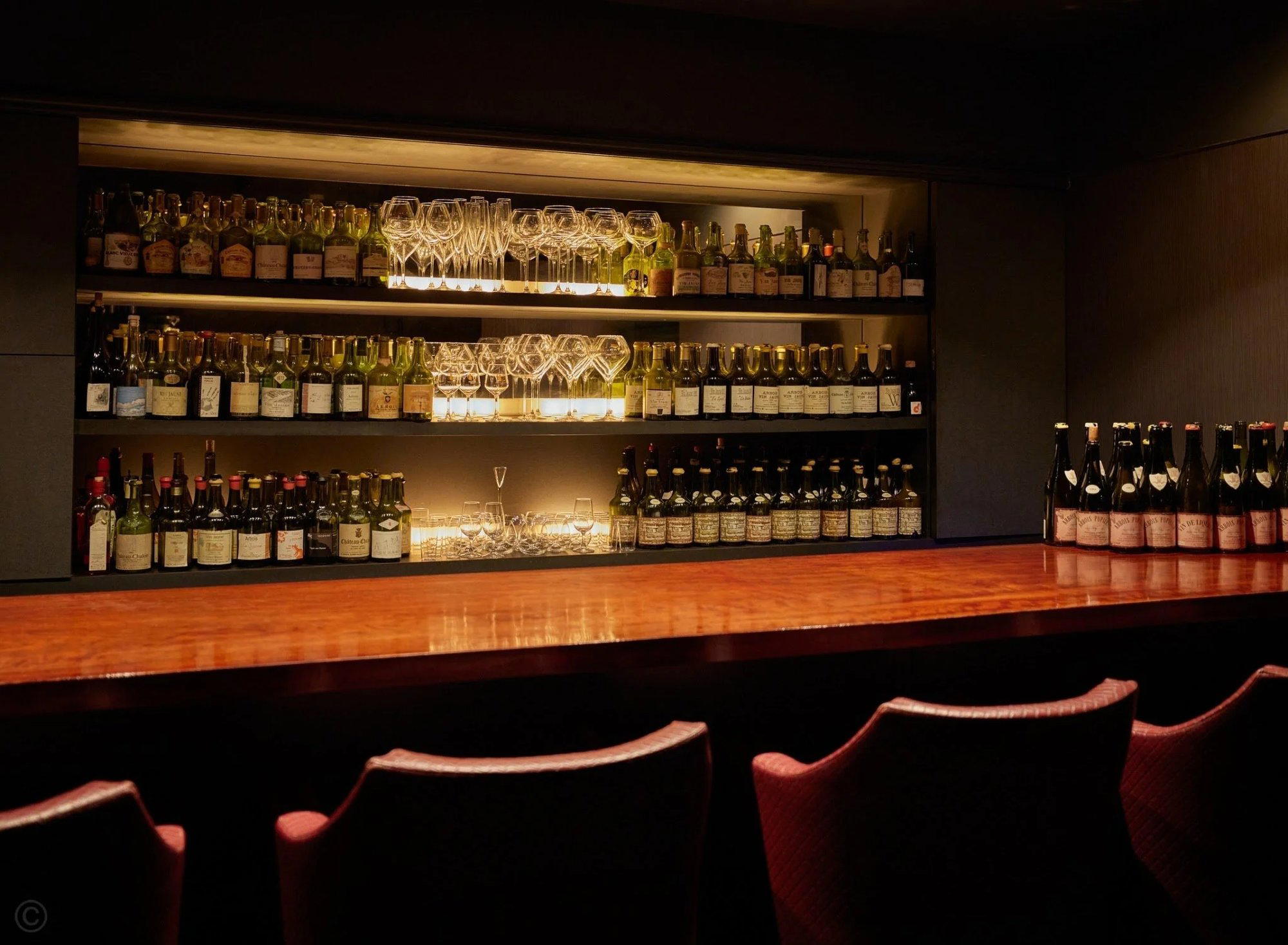




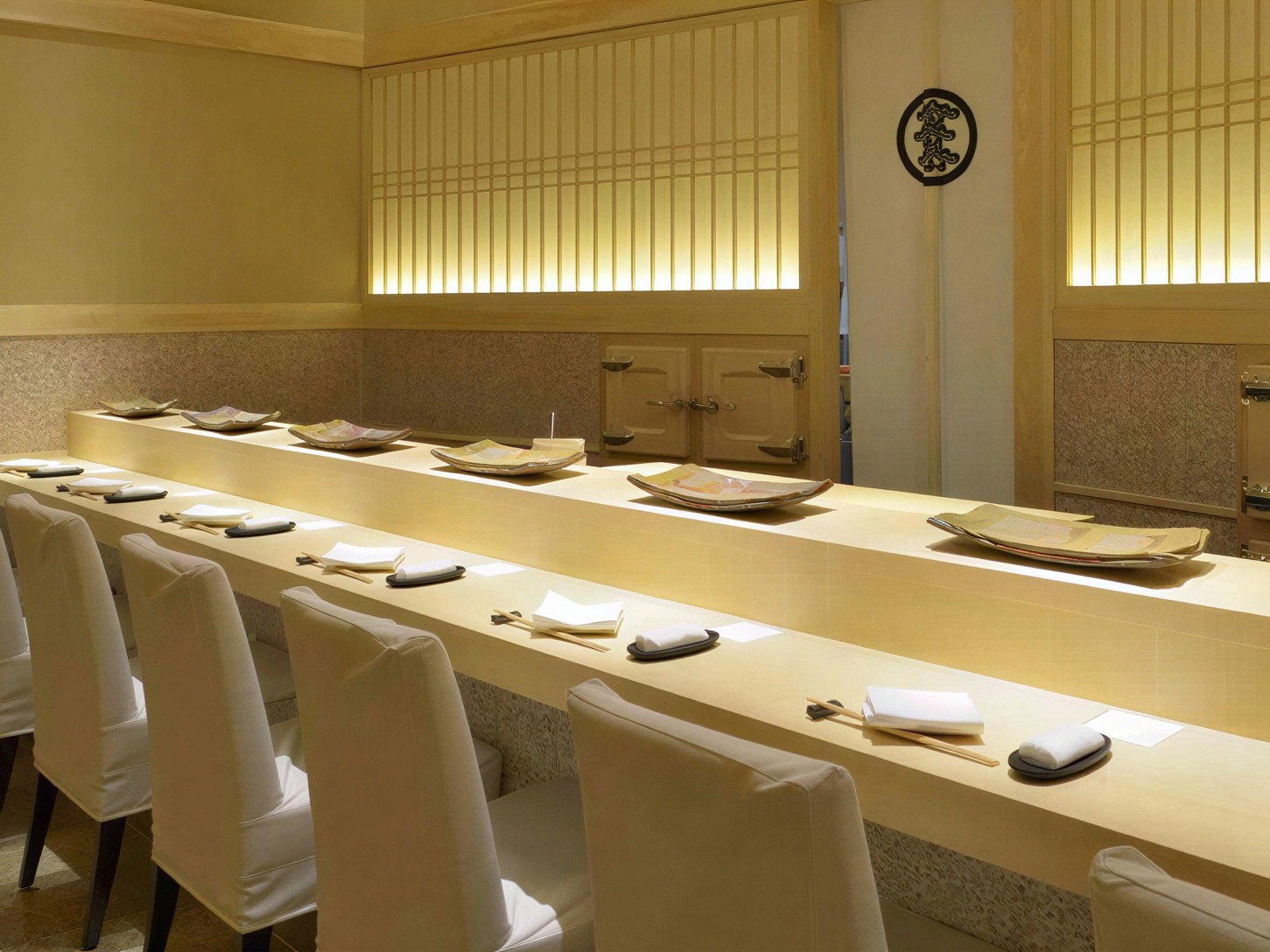





Details
- Elegant
- Intimate
- Sophisticated
- Date Night
- Special Occasion
- Design Destination
- Standalone
- Counter Only
- Seated Bar
- Conventional Wine
Current opening hours
- Monday
- Closed
- Tuesday
- 11 AM–10 PM
- Wednesday
- 11 AM–10 PM
- Thursday
- 11 AM–10 PM
- Friday
- 11 AM–10 PM
- Saturday
- 11 AM–10 PM
- Sunday
- 11 AM–10 PM
Hours can change for holidays and private events. Last verified .
Stylish, relaxing space with counter seating in a beautiful hideout interior.