

2 Michelin Keys · Relais Chateaux Award
ENOWA Yufu holds a Michelin 2 Keys (2024) and occupies 19 rooms at the foot of Mount Yufu in Oita Prefecture, from around $769 per night. The property operates its own farm, with the restaurant programme led by a chef trained at Blue Hill at Stone Barns in New York. Private onsen, botanical architecture, and a farm-to-table kitchen place it in a compact tier of design-led Japanese retreats.

Pearl is the En Primeur Club membership app, where members save venues, book tables and use the concierge.
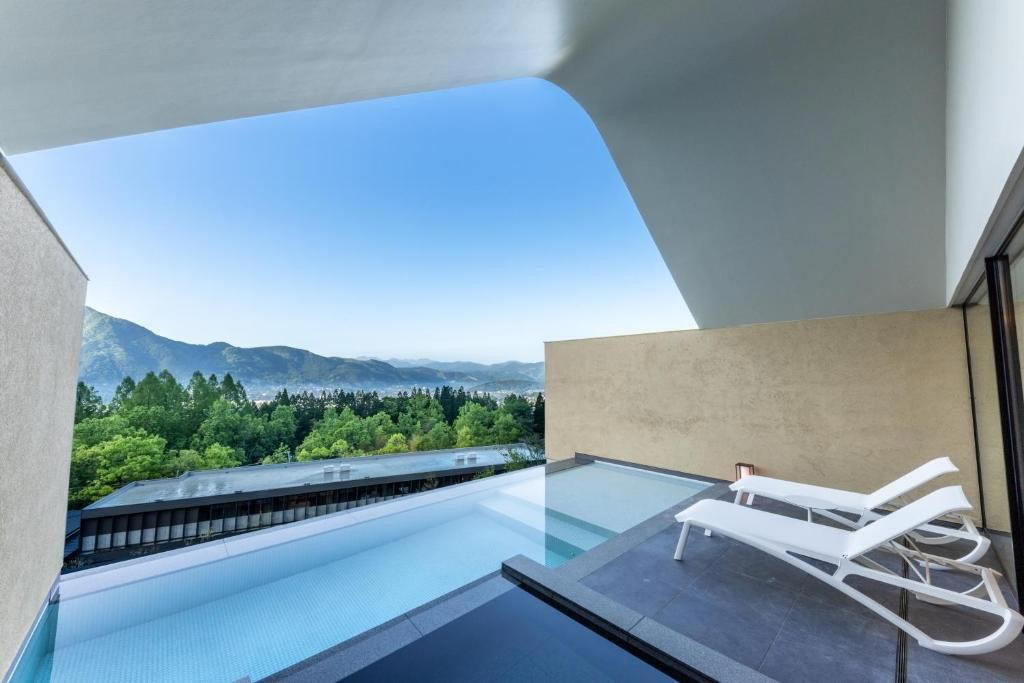
Where the Architecture Does the Heavy Lifting
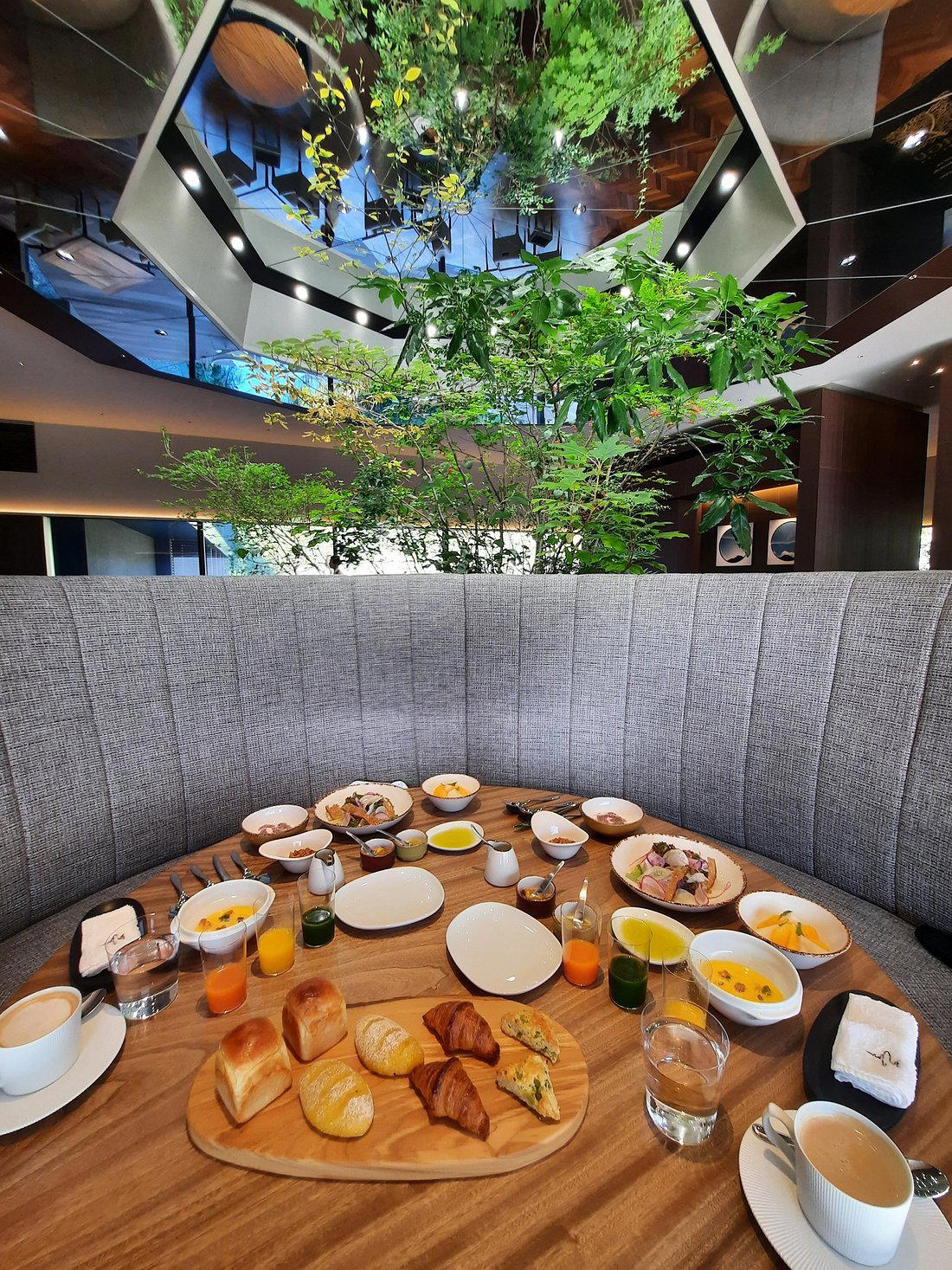
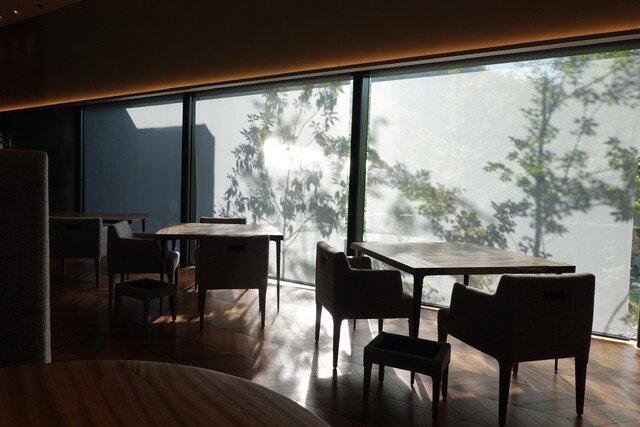
Approach ENOWA Yufu from the road that runs along the base of Mount Yufu, and the building's geometry registers before anything else. The structure sits at the edge of Yufu city, coordinates 33.2760, 131.3640, where the town thins out and the mountain begins to dominate the skyline. The design is unambiguously modern: floor-to-ceiling glass panels pull the surrounding cedar and bamboo greenery into the interior, and the boundary between room and garden is, in many places, architectural rather than real. Indoor plants appear throughout, including inside individual guest rooms, reinforcing a botanical premise that is built into the fabric of the building rather than applied as decoration.
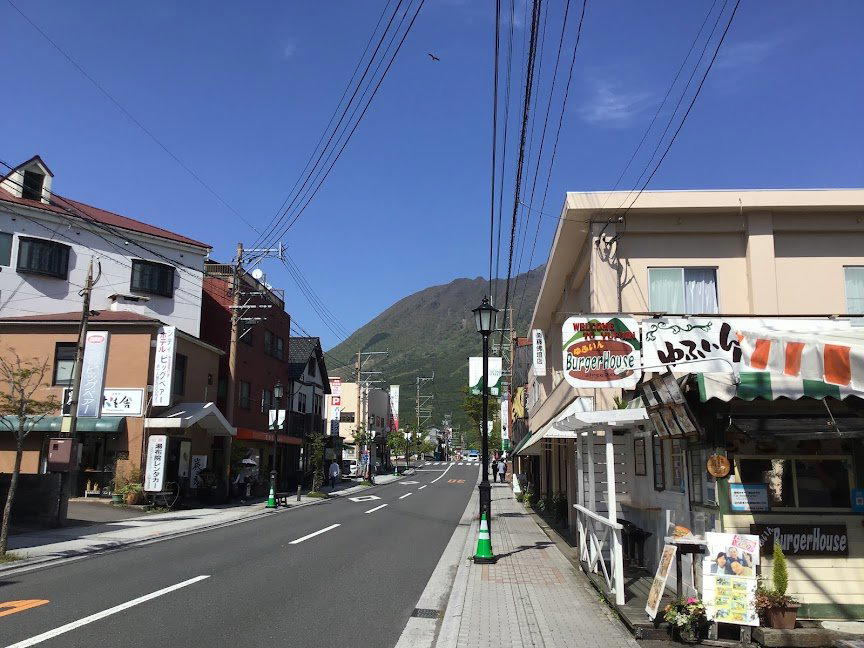
Japan's ryokan tradition runs deep in Oita Prefecture, where hot-spring culture has shaped hospitality for centuries. Yufuin, the onsen town that gives the region much of its identity, sits within the Yufu municipality and has long attracted both domestic travellers seeking quiet retreat and international visitors drawn by the relative accessibility of Oita Airport. ENOWA positions itself within that tradition while departing from its visual conventions. Where properties like Kamenoi Besso and Gettouan lean into classical Japanese aesthetic, ENOWA imports a design-led sensibility more commonly associated with urban boutique hotels. The Michelin Guide awarded it 2 Keys in 2024, a recognition that situates it in a category defined by accommodation quality and overall guest experience rather than food alone.
The Kitchen Programme: Farm Ownership as Method, Not Marketing
The central editorial fact about ENOWA's restaurant is that the hotel operates its own farm, and that the kitchen uses it as a primary source rather than a supplementary one. This is not the casual farm-adjacent positioning that has become common shorthand in premium hospitality; it is a supply-chain decision with direct implications for the menu's seasonal range and its relationship to Oita's agricultural identity. The Kyushu region produces some of Japan's most varied vegetables and livestock, and Oita's volcanic soil, warmed by the same geothermal activity that feeds its onsen, supports a distinctive growing environment.
The chef heading the programme, Tashi Gyamtso, trained at Blue Hill at Stone Barns in New York, the Hudson Valley property that established one of the most discussed farm-integration models in contemporary dining. Blue Hill at Stone Barns, under Dan Barber, spent years building a framework in which the farm informs daily menu decisions rather than supplying a fixed list of ingredients to a fixed menu. A chef who worked in that environment and then moved to a property with its own working farm in rural Japan is applying the same method in a radically different terroir. The comparison is not decorative; it signals a particular approach to sourcing discipline that guests can expect to find reflected on the plate.
For travellers comparing properties across the region, ENOWA's culinary programme represents a more architecturally integrated food offer than many peers. Yufuin Tamanoyu and Yufuincho Kawakami each carry their own kitchen identities, but the farm-ownership model at ENOWA creates a different kind of provenance story, one with a verifiable supply chain on the property's own grounds. Elsewhere in Japan, comparable farm-integrated hotel programmes appear at properties like Amanemu in Mie and, in the Hokkaido context, Zaborin in Kutchan, where agricultural terroir is built into the guest proposition.
The Onsen and Spa Tier
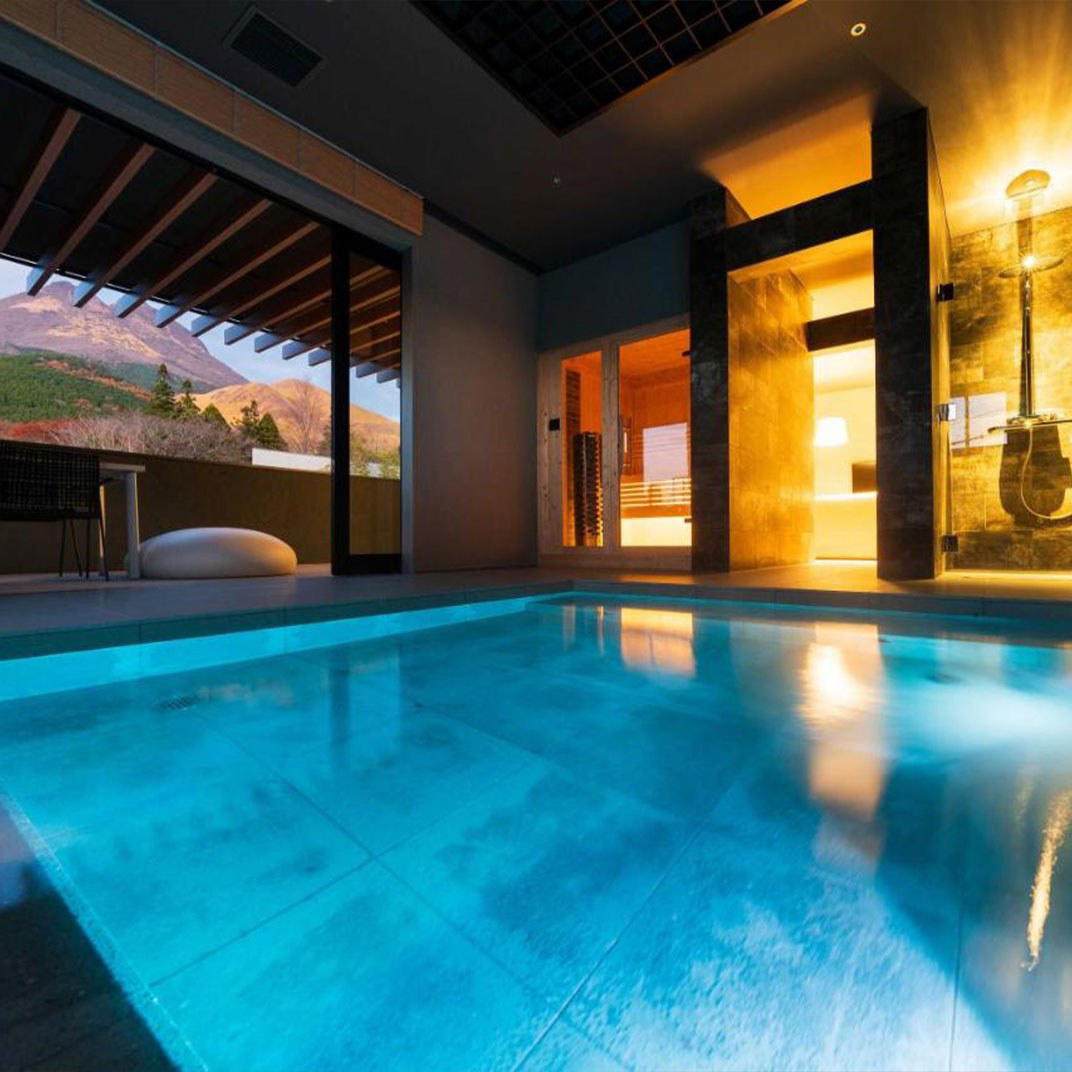
The property's thermal facilities divide into two categories: a spring-fed onsen bath drawing directly from the geothermal sources that run beneath Yufuin, and a more conventional spa. This pairing is standard among higher-end Oita properties, but the quality differential between properties that draw genuine spring water and those that treat and pipe it is significant enough to matter. ENOWA's onsen baths are private, which places the property in a segment of the market that has shifted decisively toward private bathing access over communal facilities among international guests. Across Japan's premium ryokan circuit, private onsen has become a near-standard expectation at this price tier; properties at Gora Kadan in Hakone and Asaba in Izu operate within the same expectation framework.
Scale and Positioning
At 19 rooms, ENOWA operates in the range that allows genuine service personalisation while still supporting a full-service kitchen and spa programme. This scale is deliberate in Japan's design-led retreat market, where the 15 to 25 room count has become a near-standard configuration for properties seeking to maintain staff-to-guest ratios that sustain attentive service. The rate from around $769 per night positions the property in the premium tier of Oita accommodation, below the top-end of Japan's most expensive ryokan but well above the mid-market. For context within Japan's broader luxury hotel spectrum, this places it below the pricing of urban flagships like Bvlgari Hotel Tokyo and HOTEL THE MITSUI KYOTO, but comparable to destination retreats of equivalent footprint in other prefectures.
Among Kyushu's premium accommodation options, the closest urban-adjacent comparison is ANA InterContinental Beppu Resort and Spa in Beppu, which operates at considerably larger scale and with a more conventional resort structure. ENOWA's positioning is distinct: it is not a resort in the sprawling sense, but a small, design-cohesive property where the botanical concept, the farm kitchen, and the thermal bathing programme operate as an integrated whole rather than as amenity additions to a room inventory.
Getting There and When to Go
The nearest airport is Oita, which serves connections from Tokyo Haneda and Osaka Itami among other domestic routes, with ground transfer time to Yufuin running roughly 40 to 50 minutes by road. The Yufuin area is also reachable by train via the Yufuin no Mori limited express from Hakata in Fukuoka, a journey of approximately 80 minutes that passes through mountain scenery and remains one of the more travelled routes into the region. Autumn, when the mountain above the property turns and the cooler air makes outdoor onsen particularly comfortable, draws significant visitor volume. Spring cherry blossom periods also generate strong demand across Oita's resort properties. Booking well in advance of either season is standard practice across the category.
For travellers building a broader Japan itinerary around design-led retreats with strong food programmes, ENOWA connects naturally to a circuit that might include Benesse House in Naoshima, Azumi Setoda in Onomichi, or Araya Totoan in Kaga, each operating in a different regional register but sharing a commitment to architecture, provenance, and small-scale hospitality as primary guest values. See our full Yufu restaurants and hotels guide for the broader local context.
Planning Your Visit
Access runs through Oita Airport by air or Yufuin Station by rail, with the property at 544 Yufuinchō Kawakami, Yufu, Oita 879-5102. Rates from approximately $769 per night reflect the 19-room structure and the full-service offering. Given the small room count and the Michelin Keys recognition in 2024, availability at peak travel windows across Oita fills quickly. Direct booking is advisable well ahead of autumn and spring travel, and travellers considering properties across Oita and Kyushu should compare ENOWA against the broader regional offer, including the resort properties in nearby Beppu and the more traditional ryokan alternatives across Nishimuraya Honkan-tier properties further along the western Japan circuit.
Cost Snapshot
Comparable venues nearby, for context on price, style, and recognition.
| Venue | Price | Awards | Notes |
|---|---|---|---|
| ENOWA YufuThis venue (the venue you are viewing) | $750–1,000 | 2 Michelin Keys · Relais Chateaux Award | Not listed |
| Kamenoi Besso | Not listed | 2 Michelin Keys | Yufuin, Historic luxury ryokan with restored traditional cottages and main villa. |
| Yufuin Tamanoyu | $750–1,000 | 1 Michelin Key | Yufuincho Kawakami, Traditional Japanese onsen ryokan with detached cottages in a natural forest setting |
| Gekkoju Yufuin (月洸樹 由布院) | $500–750 | Michelin Selected | Yufuin Onsen, Ultra-luxury all-suite resort ryokan with modern Western furnishings and Japanese design elements. |
| GEKKOJU YUFUIN | $500–750 | Michelin Selected | Yufuincho, Luxury all-suite villa with butler service |
| Gettouan | $200–300 | Not listed | Yufuin Onsen, Traditional Japanese ryokan with 300-year-old main building and luxurious private villas |
Recognition history
Dated appearances from independent guides and award organizations, with the underlying list record or original source where available.
Michelin 2 Keys
Michelin
Relais Chateaux Award
Relais Chateaux
Full recognition history (5 entries)
Michelin 2 Keys
Michelin
Relais Chateaux Award
Relais Chateaux
Michelin 2 Keys
Michelin
Details
- Quiet
- Modern
- Elegant
- Scenic
- Minimalist
- Romantic Getaway
- Honeymoon
- Wellness Retreat
- Private Villa
- Panoramic View
- Wi Fi
- Spa
- Sauna
- Garden
- Restaurant
- Room Service
- Pool
- Mountain
- Garden
- Elevator
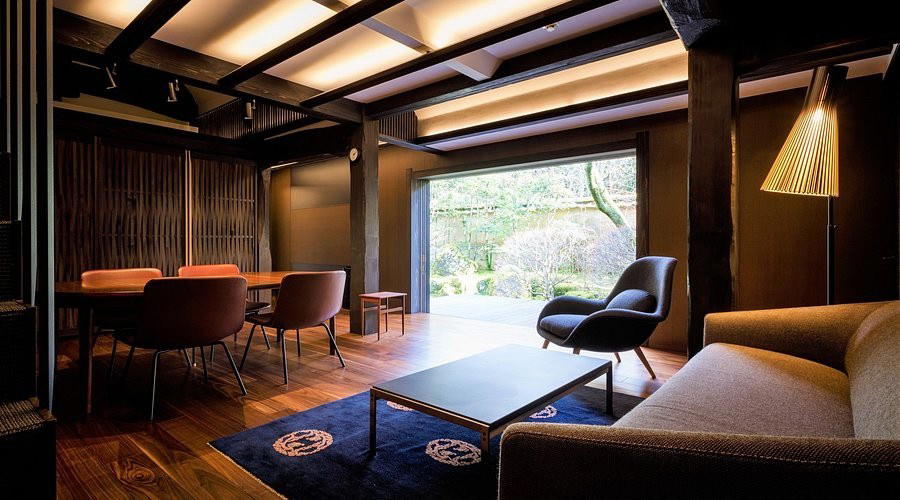
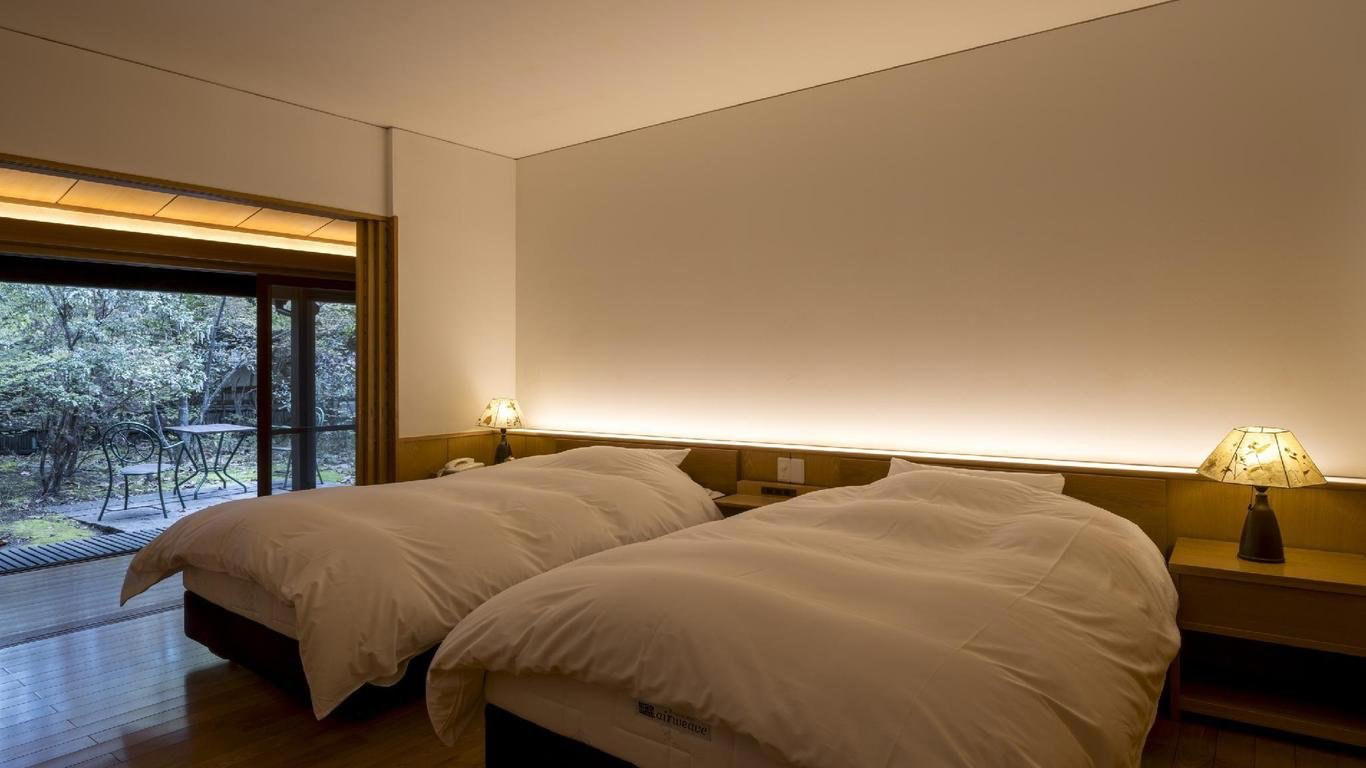
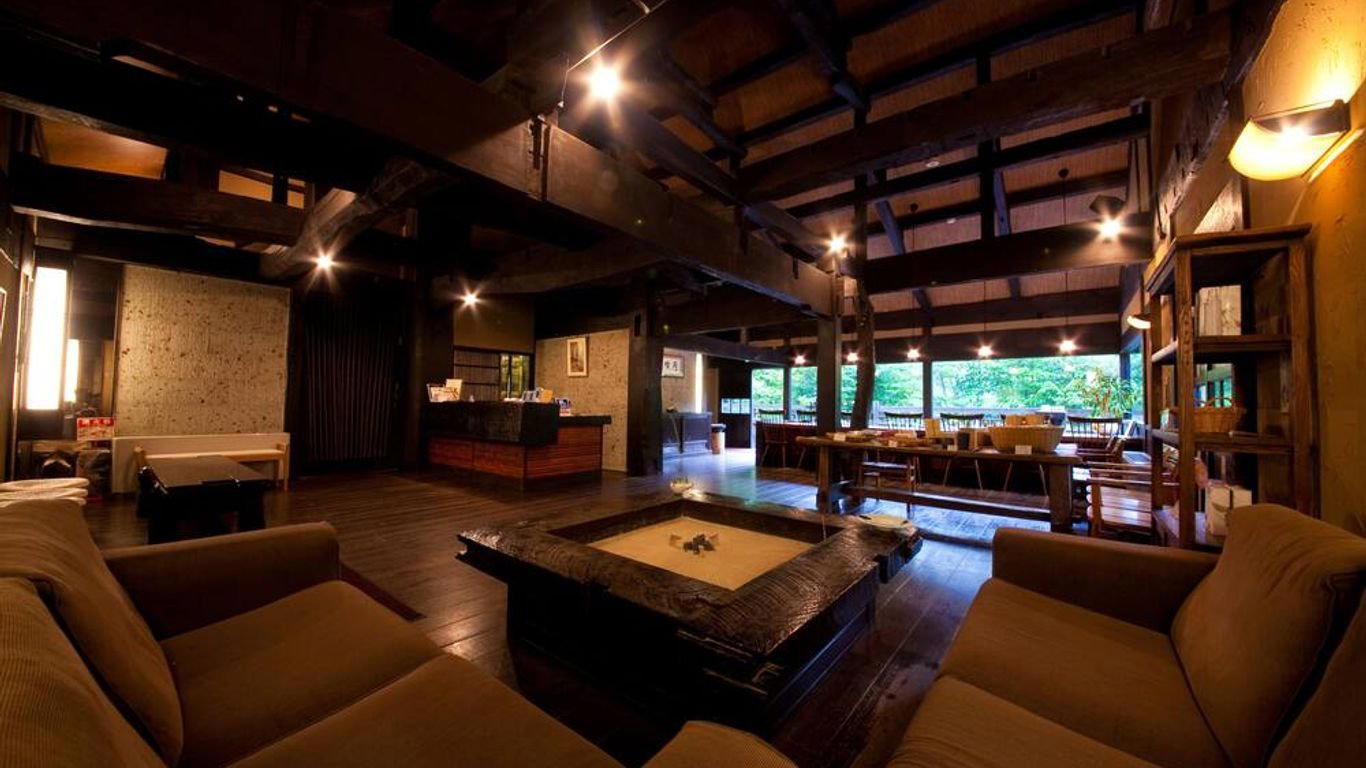
Tranquil and minimalist with natural light through vast windows, indoor greenery, and a serene atmosphere emphasizing privacy and connection to nature.