Hotel Sunroute Ginza occupies one of Tokyo's most commercially dense addresses, placing guests within walking distance of Ginza's department stores, galleries, and dining corridor. The property sits in the mid-range business hotel tier that dominates central Tokyo's accommodation supply, offering a functional Chuo City base for travellers prioritising location over resort-style amenity. For wellness-focused stays in the area, regional ryokan alternatives offer a sharper contrast to the city's pace.
Pearl is the En Primeur Club membership app — saves, bookings, and concierge access live there. Same editors, same standards.
- Address
- 1 Chome-15-11 Ginza, Chuo City, Tokyo 104-0061, Japan
- Phone
- +81 3 5579 9733
- Website
- sunroute-ginza.jp
- Directions
- Get directions
 Saves & bookings on Pearl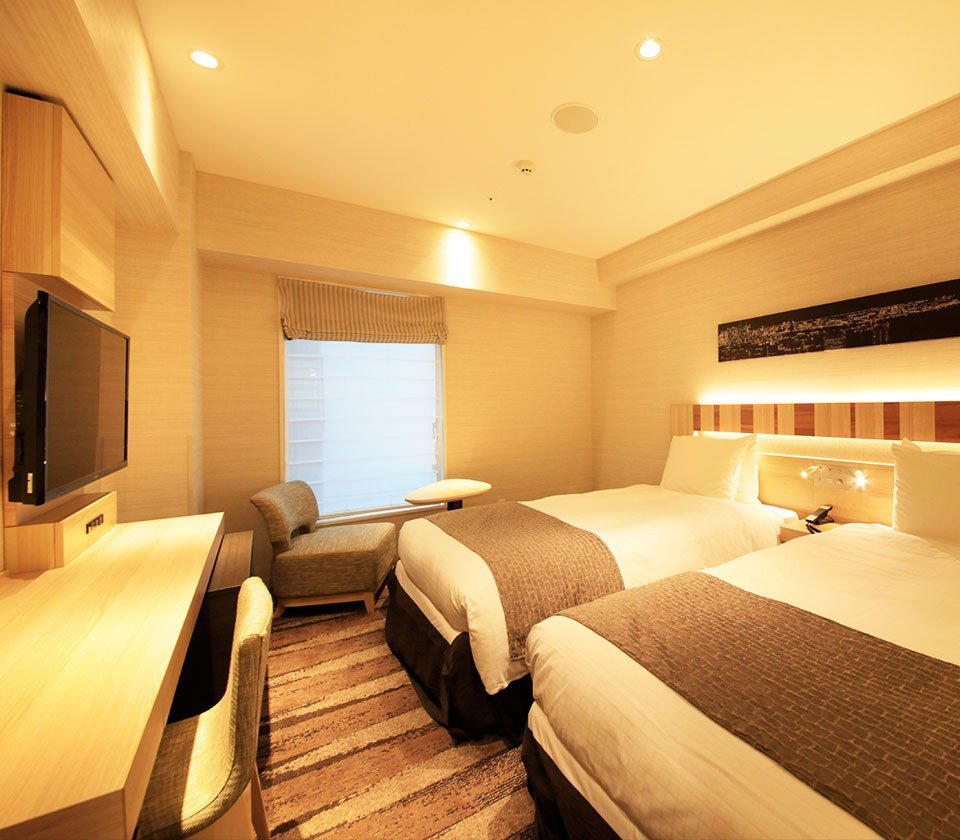
Ginza's Business Hotel Tier: What the Address Tells You
Central Tokyo's accommodation market divides more cleanly than most cities. At the upper end, a cluster of flagship properties, Bvlgari Hotel Tokyo, Aman Tokyo, and Four Seasons Hotel Tokyo at Otemachi, compete on spa depth, F&B; programming, and room scale. Below that, a broad mid-market tier of business hotels fills the gap, prioritising location and operational efficiency over retreat-style amenity. Hotel Sunroute Ginza, a 3-star hotel in Chuo City, Tokyo, belongs to the latter category. Its address in the southern stretch of Ginza puts it close to the Shimbashi transit hub and within the walkable grid of one of Tokyo's most commercially active districts. The trade-off is transparent: guests get a Ginza postcode at a price point that the luxury tier cannot approach, but the wellness infrastructure, room dimensions, and food programming that define Tokyo's upper-tier hotels are not part of the proposition.
The Ginza Setting: Context Before Comfort
Ginza's character has shifted over the past decade. The district remains the reference point for premium retail in Japan, the Chuo-dori strip running north toward Kyobashi anchors flagship stores from Hermès, Chanel, and Apple, alongside long-established Japanese department stores like Matsuya and Mitsukoshi. But the neighbourhood's dining scene has deepened considerably, with a concentration of Michelin-starred counters, specialist wine bars, and high-end kaiseki rooms now distributed across the side streets east and west of the main boulevard. For a traveller using a hotel primarily as a sleep-and-transit base, Ginza's external infrastructure substitutes for the on-property programming that a resort would provide. The area's galleries, particularly the 21_21 Design Sight sensibility that shapes Tokyo's broader creative circuit, and the network of small jazz bars and shotengai-adjacent coffee shops give the neighbourhood a texture that extends well beyond shopping hours. Hotel Sunroute Ginza sits within that external fabric, which becomes the amenity layer for guests who treat the room as a functional minimum.
Wellness in Central Tokyo: The Property vs. The Region
For travellers whose stay in Japan is organised around recovery, sensory deceleration, or structured wellness programming, the business hotel format presents an obvious ceiling. Tokyo's mid-market properties are built for efficiency: compact rooms, lobby-focused communal space, and F&B; limited to breakfast service. The wellness infrastructure that Japan does well, onsen bathing, kaiseki pacing, forest-edge ryokan architecture, is concentrated outside the city. Properties like Gora Kadan in Hakone and Asaba in Izu are built around exactly that programme: rotenburo bathing, seasonal cuisine anchored to local produce, and a deliberate removal from urban density. Further afield, Amanemu in Mie combines Aman-standard space ratios with onsen access and a location adjacent to the Ise-Shima National Park. For stays structured around Hokkaido, Zaborin in Kutchan positions itself at the intersection of mountain quiet and refined Japanese hospitality. These properties operate in a different functional category entirely. Hotel Sunroute Ginza does not compete with them, and travellers whose Japan itinerary includes a dedicated wellness component will typically bracket the Ginza nights as transit or city-exploration days before moving to a ryokan base.
Within the Tokyo city limits, the clearest wellness-adjacent alternatives sit at a significantly higher price point. JANU Tokyo, the wellness-focused sibling brand to Aman, offers a structured fitness and spa programme from its Azabudai Hills address. Palace Hotel Tokyo and Andaz Tokyo both carry pool or spa facilities within their Marunouchi and Shinjuku Toranomon positions respectively. The gap between those properties and the Sunroute tier is structural, not incidental, and the pricing reflects it.
Using the Neighbourhood as Infrastructure
Travellers who understand Ginza's density tend to use the district effectively as an extension of whatever the room cannot provide. Morning coffee culture in this part of Chuo City runs from the Kissako Ueshima chain staples through to small-batch specialty roasters that have opened along the Ginza side streets since around 2018. The walk north toward Kyobashi and Nihonbashi takes roughly fifteen to twenty minutes on foot and passes through some of Tokyo's most compact gallery and architecture pockets. South toward Shimbashi, the Yurikamome Line provides direct access to Odaiba and the waterfront. The Toei Asakusa Line and Tokyo Metro Ginza Line both serve the Ginza area, making the location a credible transit node for itineraries that span multiple Tokyo districts.
For dining that functions as a form of recovery, the pacing of a long kaiseki meal, or the meditative format of a high-end sushi counter, the neighbourhood delivers. Ginza holds a concentration of Michelin-starred Japanese restaurants across multiple formats: kappo, sushi omakase, teppanyaki, and multi-course French in the Japanese idiom. These are external to the property, but for guests willing to engage with them, they provide an analogue to the dining-as-wellness programming that ryokan properties build in-house. Reservations for the upper-tier counters in Ginza typically require advance booking of two to three months, particularly for international visitors unfamiliar with Japanese reservation systems. See our full Tokyo restaurants guide for category-level navigation.
Planning a Stay: Practical Framing
The Sunroute Ginza address, Chuo City, with Ginza and Higashi-Ginza stations nearby, works well for travellers combining business in the Marunouchi-Shimbashi corridor with leisure in the Ginza-Tsukiji strip. Tsukiji Outer Market, still functioning as a retail fish and produce destination after the wholesale market's relocation to Toyosu in 2018, is accessible on foot from this part of Ginza, and the morning rhythm there provides a form of low-key daily structure that suits itineraries without fixed programming. Room availability at properties in this tier tends to be less constrained than the luxury segment; booking windows of two to three weeks out are usually sufficient outside peak cherry blossom (late March to mid-April) and autumn foliage (mid-November) periods. Travellers extending their Japan itinerary beyond Tokyo should consider properties that shift the register entirely: HOTEL THE MITSUI KYOTO in Kyoto brings a heritage address and onsen access to a luxury-tier format, while Nishimuraya Honkan in Kinosaki-cho represents the traditional onsen town ryokan at its most sustained. For islands and southern Japan, Halekulani Okinawa and Jusandi in Ishigaki serve the beach-and-recovery itinerary at a resort scale.
For travellers whose Tokyo nights are a component of a longer Japan circuit rather than the centrepiece, a property like Hotel Sunroute Ginza functions as a location-efficient base. The city's external infrastructure, transit, dining, retail, and culture do the programming work that the property itself does not. Whether that trade-off suits a given itinerary depends on how much of the stay's value is expected to come from within the hotel walls versus from the Ginza address itself.
Reputation Context
Comparable venues nearby, for context on price, style, and recognition.
| Venue | Cuisine | Price | Awards | Notes |
|---|---|---|---|---|
| Hotel Sunroute GinzaThis venue — the venue you are viewing | Contemporary urban hotel with modern Japanese-influenced design | $$ | 3-Star | Not listed |
| DDD Hotel | Minimalist urban design hotel blending culture and comfort. | $$ | 3-Star | Chūō |
| Odaiba Ōedo-Onsen Monogatari | Edo-period theme park ryokan | $$ | 3-Star | Kōtō |
| Asakusa View Hotel Annex Rokku | Modern Japanese cultural immersion hotel | $$$ | 4-Star | Taitō |
| ASAKUSA KOKONO CLUB HOTEL | Creative concept hotel inspired by American boutique style in historic Japanese setting | $$$ | 3-Star | Taitō |
| Hotel Koé Tokyo | Multi-functional lifestyle hotel with shop, dining, and event spaces | $$$$ | 3-Star | Shibuya |
Continue exploring
More in Tokyo
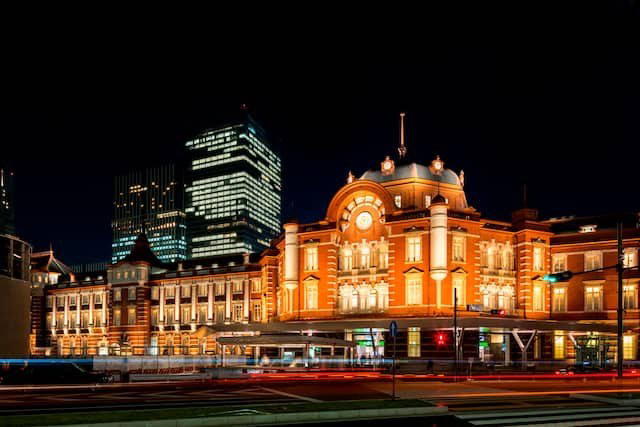
Hotels in Tokyo
Browse all →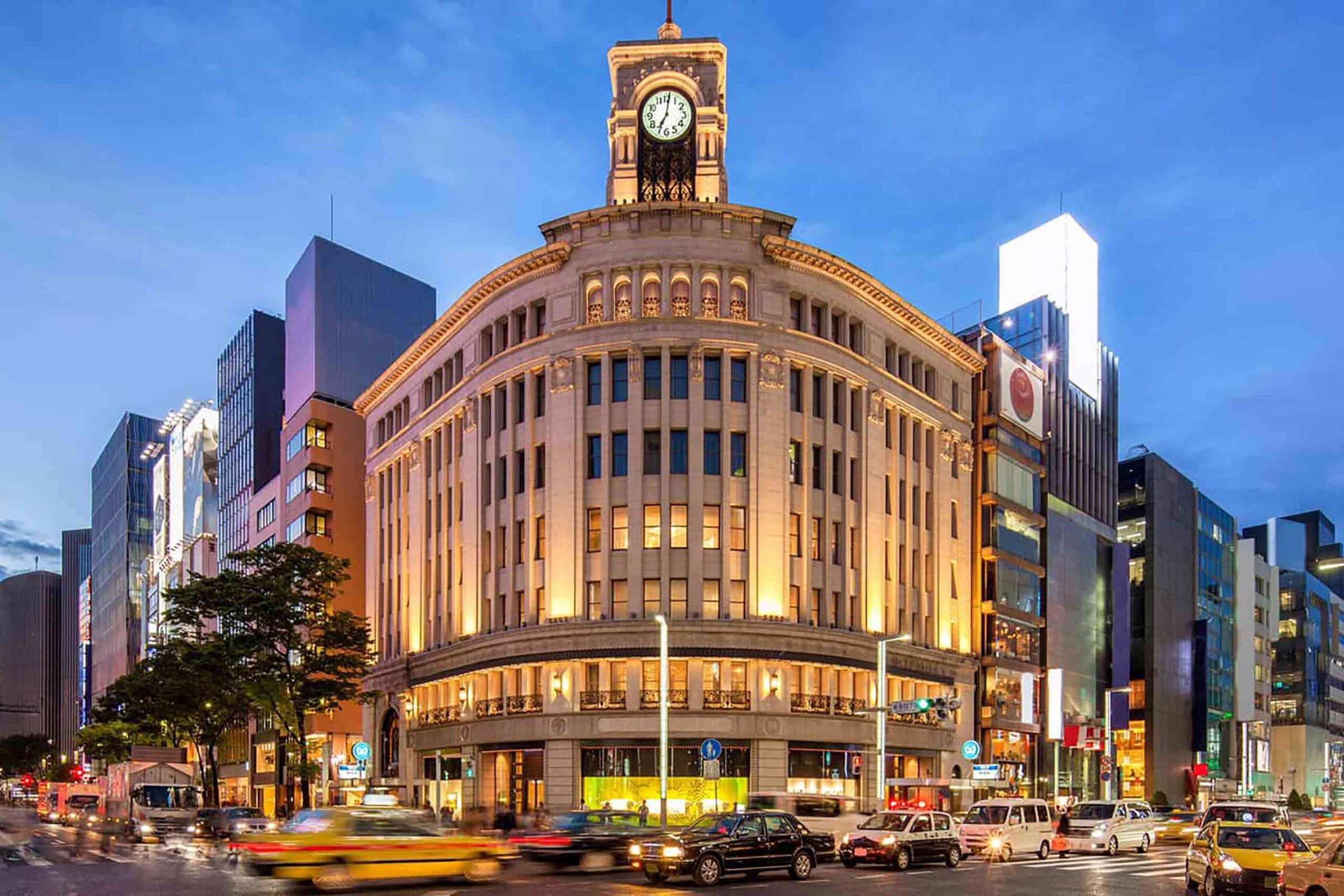

Bars in Tokyo
Browse all →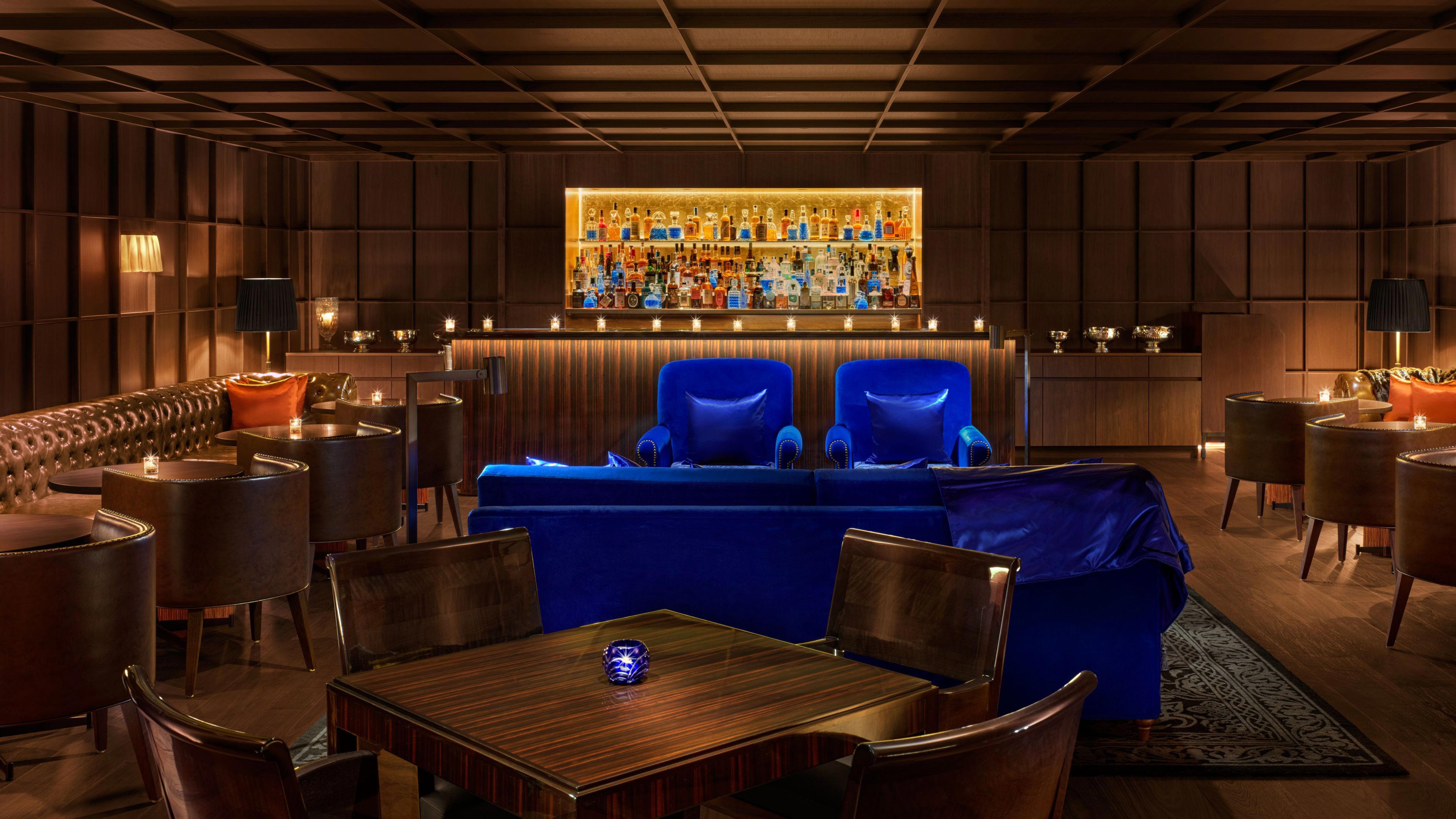




Restaurants in Tokyo
Browse all →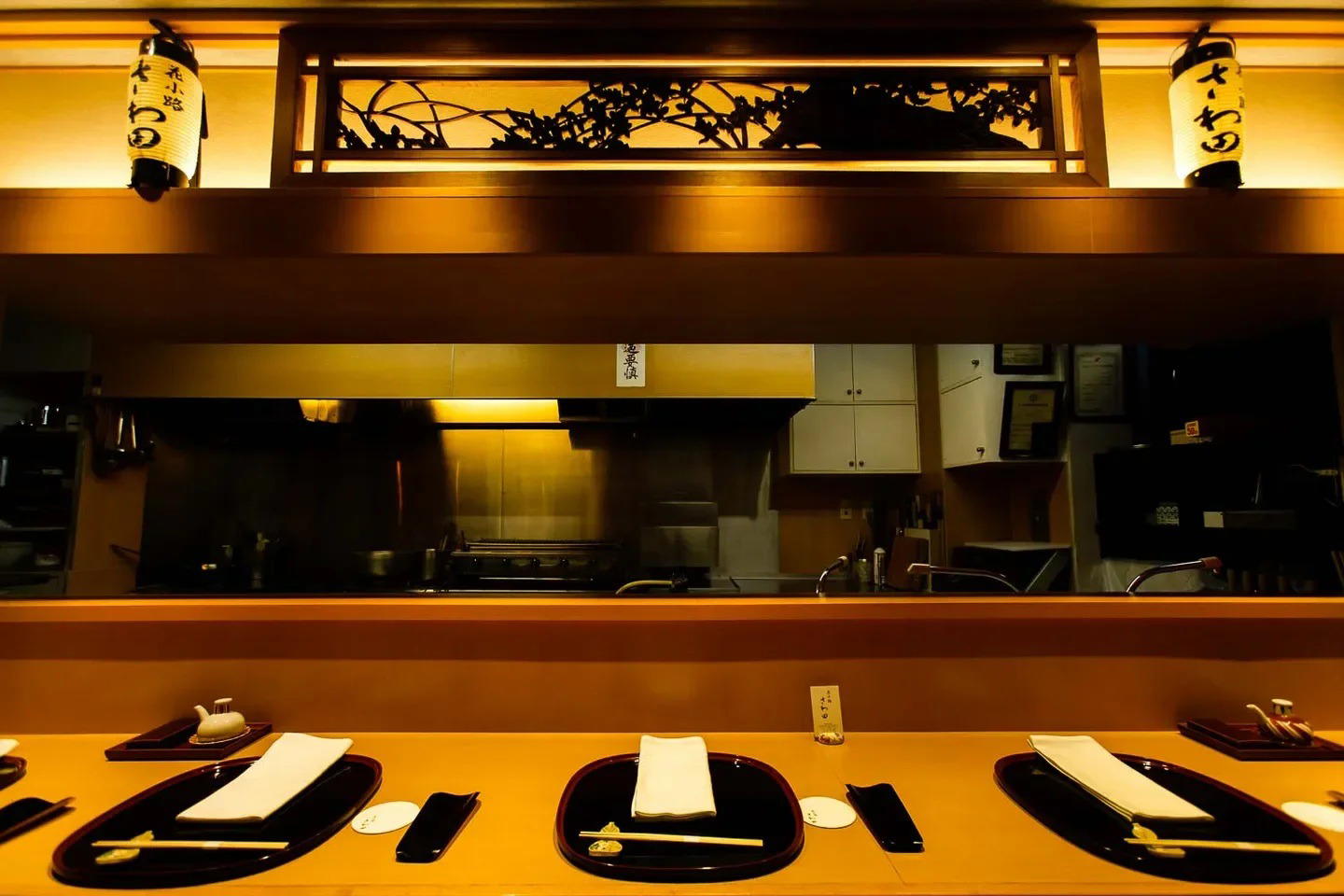



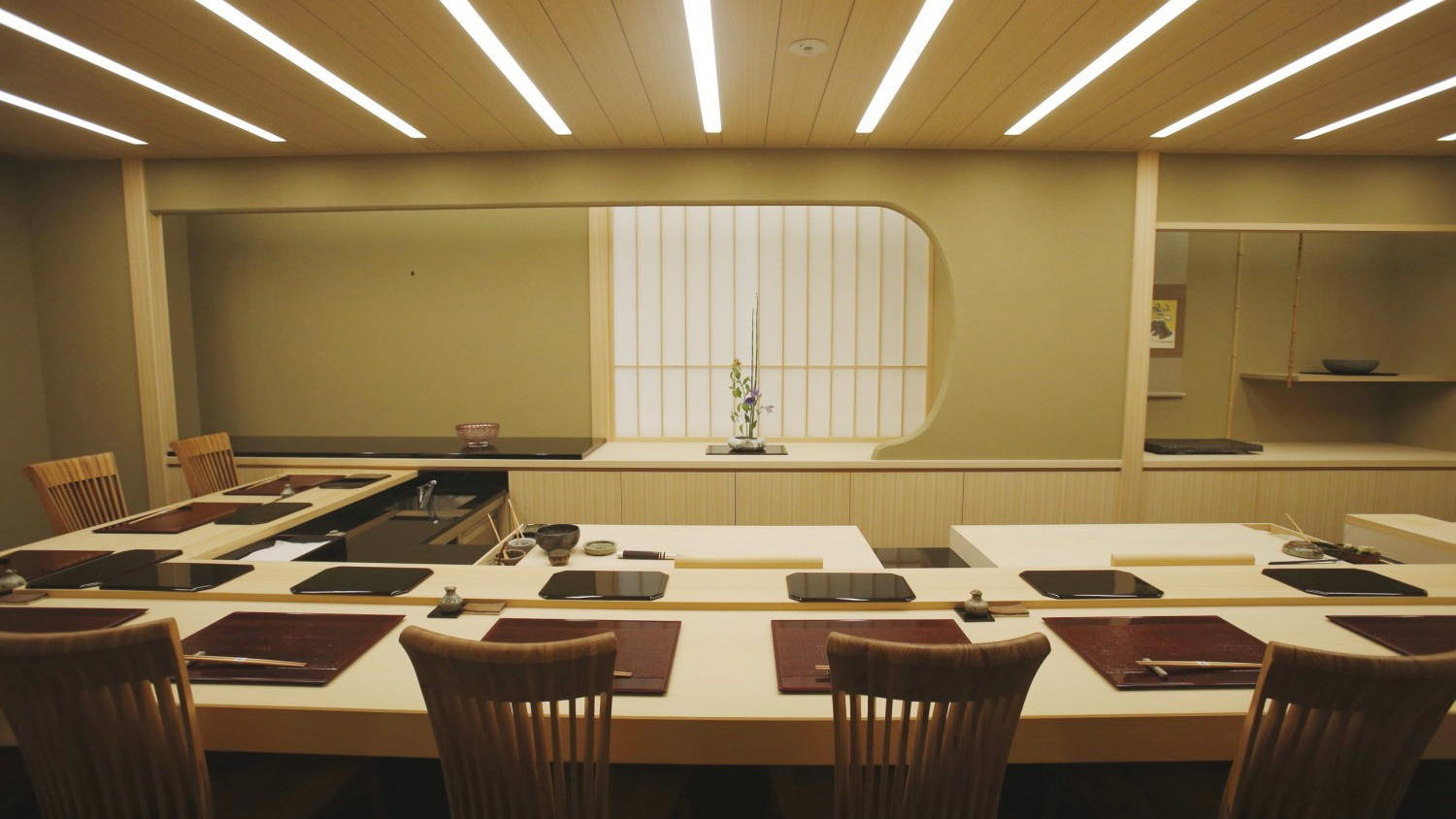
At a Glance
- Modern
- Cozy
- Trendy
- Business Trip
- Weekend Escape
- Family Vacation
- Design Destination
- Wi Fi
- Restaurant
- Business Center
- 24 Hour Front Desk
- Luggage Storage
- Massage
- Wi Fi
- Restaurant
- Business Center
- 24 Hour Front Desk
- Luggage Storage
- Massage
Contemporary and bright with modern design elements; guests praise the clean, well-maintained spaces and efficient service in a lively urban setting.