







2 Michelin Stars · World's 50 Best #51 · La Liste Top Restaurants
Our verdict
Den belongs to Tokyo's creative kaiseki tier, where seasonal structure is kept but the room loosens the formality. Chef Zaiyu Hasegawa's restaurant carries two Michelin stars, a 2026 Tabelog Silver Award, and a place on major international lists, yet its point is not ceremony for its own sake; it is kaiseki made warmer, more playful, and less rigid.

Pearl is the En Primeur Club membership app, where members save venues, book tables and use the concierge.

The menu
What to order
- Dentucky Fried Chicken
- Foie Gras Monaka
- Den Salad
Den is a Tokyo restaurant associated with Innovative, Japanese cooking and chef-owner Zaiyu Hasegawa. With only limited verified public details available here, the safest way to approach it is as a premium Japanese dining reservation rather than through unverified claims about format, room size, rankings, signature dishes, or service mechanics.
For EP Club readers, the useful confirmed anchors are simple: Den is in Tokyo, the cuisine is Innovative and Japanese, the price tier is ¥¥¥, and the dress code is smart casual.
Innovative Japanese cooking in Tokyo
Chef-owner Zaiyu Hasegawa is the key confirmed figure attached to the restaurant. Beyond that, the page should avoid turning reputation into unsupported specifics. Den can be described as a Tokyo destination for Innovative, Japanese cuisine, but any more granular claims about dishes, rankings, or service style should be checked directly before planning around them.
That restraint is intentional. A premium venue guide is most useful when it separates confirmed essentials from assumptions. Den's confirmed essentials are strong enough: Tokyo location, Innovative and Japanese cuisine, Zaiyu Hasegawa, ¥¥¥ pricing, and smart-casual dress.
The mood is considered, but specifics should be confirmed
Den should be treated as a premium Tokyo dining reservation. The ¥¥¥ price tier indicates a higher-end meal, and the smart-casual dress code suggests diners should arrive neatly dressed rather than treating it as an everyday casual stop.
Within Tokyo dining, Den can be considered alongside other distinctive restaurants without forcing direct equivalence. Compared with contemporary options such as sio AOYAMA, Italian restaurants such as Ristorante HONDA or Ristorante ACQUA PAZZA, or modern Vietnamese cooking at Ăn Đi, Den's confirmed identity is specifically Innovative, Japanese. Kinari may also be useful as a broader Japanese comparison, while Den remains the Tokyo reference point here.
The practical takeaway: choose Den if you are looking for a premium Tokyo restaurant centered on Innovative, Japanese cuisine and associated with Zaiyu Hasegawa. Do not rely on unverified assumptions about lunch, exact hours, menu structure, private rooms, payment rules, children's policies, allergies, takeout, delivery, or beverage focus unless you have confirmed them directly.
How to place it within a Tokyo dining trip
For travelers building a Tokyo itinerary, Den can serve as a Japanese dining anchor of a trip.
The confirmed dress code is smart casual, and the price category is ¥¥¥. Those two details are the main planning cues available here: dress with care, budget for a premium meal, and avoid scheduling it as a casual last-minute stop.
Tokyo's restaurant map rewards contrast. Readers comparing polished Japanese meals with broader city options can use Our full Tokyo restaurants guide, while drinking and stay planning sit better in Our full Tokyo bars guide and Our full Tokyo hotels guide. For a wider sweep of the city's dining range, compare Den with other Tokyo dining rooms generically rather than relying on unverified venue-specific claims.
The verdict is simple: choose Den for Innovative, Japanese cuisine in Tokyo from chef-owner Zaiyu Hasegawa.
Frequently asked questions
Is Den a family-friendly restaurant?
Den is in Tokyo; guests should confirm suitability for children directly before booking.
What's the overall feel of Den?
Den should be approached as a premium Tokyo restaurant serving Innovative, Japanese cuisine by chef-owner Zaiyu Hasegawa. The verified dress code is smart casual, and the price tier is ¥¥¥.
What type of food is Den known for?
Den serves Innovative, Japanese cuisine.
What is Den known for?
Den is primarily known for Innovative, Japanese cuisine in Tokyo, with Zaiyu Hasegawa as chef-owner.
Comparable Spots, Quickly
Comparable venues by cuisine and price in the same metro.
| Venue | Cuisine | Price | Awards |
|---|---|---|---|
| DenThis venue (the venue you are viewing) | Modern Japanese Kaiseki | $150–200 | 2 Michelin Stars · World's 50 Best #51 |
| Ăn Đi | Modern Vietnamese with Japanese seasonal ingredients | $50–100 | Michelin Plate · We're Smart World 2 Radishes |
| Ristorante HONDA | Modern Italian with Japanese Seasonal Ingredients | $150–200 | Michelin Plate · Tabelog 100 #90 |
| Kinari | Japanese Kaiseki | Not listed | Michelin Plate |
| sio AOYAMA | Modern Italian with Japanese influences | $150–200 | Michelin Plate |
| Ristorante ACQUA PAZZA | Modern Italian with Japanese Seasonal Ingredients | $100–150 | Michelin Plate · Tabelog 100 #100 |
Recognition history
Dated appearances from independent guides and award organizations, with the underlying list record or original source where available.
Michelin 2 Stars
Michelin
World's 50 Best Asia's Best Restaurants #51
World's 50 Best
La Liste Top Restaurants
La Liste
Opinionated About Dining Top Restaurants in Japan Ranked #34
Opinionated About Dining
Tabelog 100
Tabelog · Tabelog 100 - Kissaten - 2026
Full recognition history (27 entries)
Tabelog Silver #17
Tabelog
Michelin 2 Stars
Michelin
Opinionated About Dining Top Restaurants in Japan Ranked #25
Opinionated About Dining
Tabelog 100 #67 · No. 67
Tabelog · Tabelog 100 - Innovative / Creative cuisine - 2025
Tabelog Silver
Tabelog
Tatler Listed in Best Restaurants Asia-Pacific
Tatler
The Best Chef Two Knives
The Best Chef
World Culinary Awards Asia's Best Japanese Cuisine Restaurant 2025 #1
World Culinary Awards
World Culinary Awards World's Best Japanese Cuisine Restaurant 2025 #1
World Culinary Awards
World's 50 Best Restaurants #53
World's 50 Best
World's 50 Best Asia's Best Restaurants #22
World's 50 Best
Michelin 2 Stars
Michelin
Opinionated About Dining Top Restaurants in Japan Ranked #20
Opinionated About Dining
World's 50 Best Restaurants #32
World's 50 Best
Opinionated About Dining Top Restaurants in Japan Ranked #20
Opinionated About Dining
World's 50 Best Restaurants #21
World's 50 Best
Tabelog 100 #42 · No. 42
Tabelog · Tabelog 100 - Kissaten - 2022
World's 50 Best Restaurants #20
World's 50 Best
World's 50 Best Restaurants #11
World's 50 Best
World's 50 Best Restaurants #11
World's 50 Best
World's 50 Best Restaurants #17
World's 50 Best
World's 50 Best Restaurants #45
World's 50 Best
Continue exploring
More in Tokyo
Restaurants in Tokyo
All restaurants in Tokyo →



Bars in Tokyo
All bars in Tokyo →






Details
- Whimsical
- Intimate
- Elegant
- Sophisticated
- Date Night
- Special Occasion
- Celebration
- Chefs Counter
- Open Kitchen
- Sake Program
- Omakase
- Tasting Menu
- Counter Dining
- Sake Program
Current opening hours
- Monday
- 6–8 PM
- Tuesday
- 6–8 PM
- Wednesday
- 6–8 PM
- Thursday
- 6–8 PM
- Friday
- 6–8 PM
- Saturday
- 6–8 PM
- Sunday
- Closed
Hours can change for holidays and private events. Hours as of .
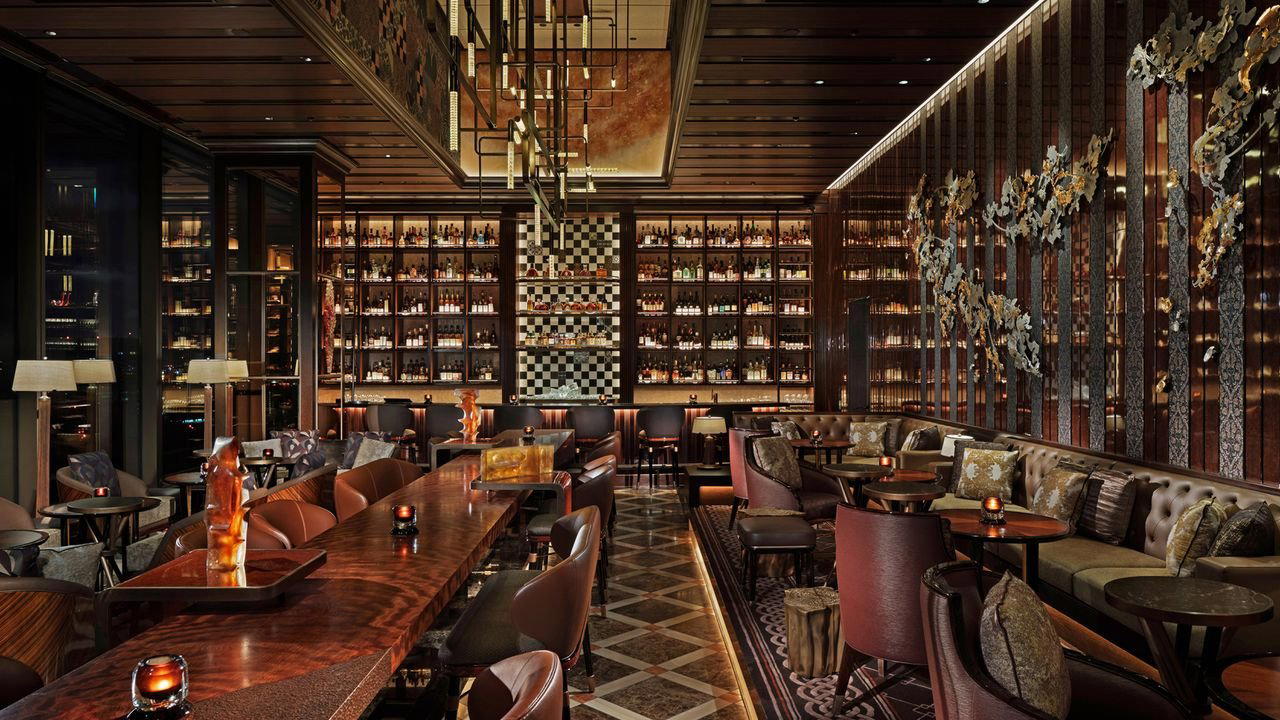
Warm, welcoming, and fun with bright smiles, easy conversation, and an intimate counter overlooking the kitchen, creating a relaxed yet elegant fine dining experience.