An apartment-style hotel in the heart of Shinjuku, one of Tokyo's most kinetic districts, offering extended-stay formats that position it differently from the city's conventional business and luxury hotel tiers. For travellers who want residential scale and neighbourhood immersion over lobby ceremony, the Shinjuku address puts trains, dining, and the ward's layered street culture within immediate reach.
Pearl is the En Primeur Club membership app — saves, bookings, and concierge access live there. Same editors, same standards.
- Address
- 4 Chome-4-10 Shinjuku, Shinjuku City, Tokyo 160-0022, Japan
- Phone
- +81 3 6273 0991
- Website
- ap-shinjuku.com
- Directions
- Get directions
 Saves & bookings on Pearl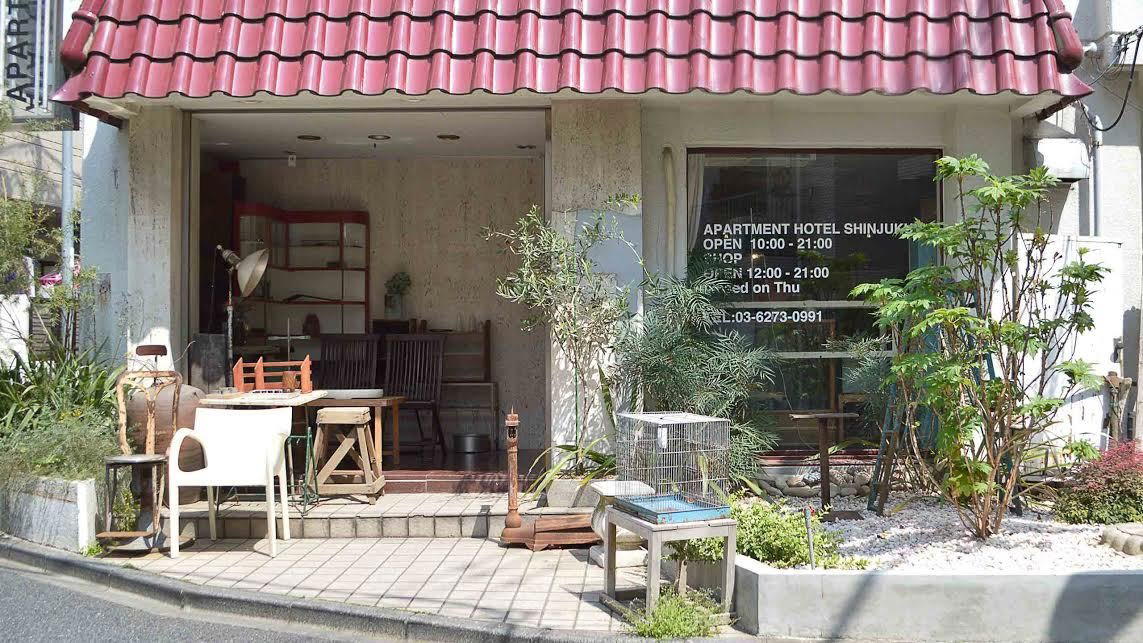
Living at Street Level in Shinjuku
Apartment Hotel Shinjuku is a 2-star hotel in Shinjuku, Tokyo, with 30 rooms. Apartment-format hotels occupy a different register entirely. Where a conventional hotel announces itself, an apartment hotel recedes, handing the drama back to the street outside. In Shinjuku, that exchange feels particularly apt. The ward operates at a pitch few urban environments match: a rail interchange moving millions of passengers daily, a nightlife corridor in Kabukicho, a department store belt that runs the length of the east side, and quieter residential pockets to the north where the density softens into something more habitable. Apartment Hotel Shinjuku sits inside this layered geography at 4 Chome-4-10 Shinjuku, placing guests close enough to Shinjuku Station to use the city's rail network as a second lobby, without being absorbed into the interchange's full noise.
The Format Argument: Why Apartment Scale Works in This District
Tokyo's accommodation market has split along increasingly clear lines. At one end, flagship luxury properties like Bvlgari Hotel Tokyo, Aman Tokyo, and Four Seasons Hotel Tokyo at Otemachi compete on service depth, F&B; programming, and address cachet, targeting a guest who wants the hotel itself to be a destination. At the other end, capsule formats and budget business hotels maximise room count at minimum space. The apartment hotel sits in neither category. It draws a specific traveller: someone staying long enough to want a kitchen, someone who finds hotel restaurants exhausting after three consecutive dinners, someone who prefers to understand a neighbourhood rather than sample it from a taxi window.
In Shinjuku specifically, that format has particular logic. The district's density means almost everything a resident needs sits within a few hundred metres: supermarkets, convenience stores operating around the clock, ramen counters, izakayas, morning kissaten where the coffee costs less than transit and the ritual matters more than the cup. A hotel room is a place to sleep; an apartment is a place to occupy. Shinjuku rewards the latter disposition.
Spatial Character: What Apartment Format Means in Practice
The design logic of apartment hotels runs counter to the standard Tokyo hotel brief, which historically prioritises maximising room count inside constrained footprints. Apartment formats allocate space differently: larger room volumes, kitchen or kitchenette provision, and living areas that allow separation between sleeping and working zones. In cities where long-stay business travel and relocating professionals represent a reliable demand base, these layouts command a distinct market position.
Tokyo's apartment hotel offer has grown as the city's extended-stay visitor profile has broadened. The growth of remote and nomadic work patterns, alongside longer-format tourism from visitors who prefer depth over itinerary volume, has made residential-scale accommodation commercially viable in wards that previously skewed entirely toward business hotel and luxury categories. Shinjuku, with its transport connectivity and complete neighbourhood infrastructure, is a natural location for this format to find traction. Guests at properties in this tier typically spend less time in their rooms during the day and more time engaging with the street-level city, which suits a ward that functions as effectively at 2am as it does at 2pm.
The Shinjuku Context: What the Address Delivers
An address in Shinjuku carries specific practical weight. Shinjuku Station, one of the highest-throughput rail interchanges in the world, connects to the JR Yamanote Line (looping the city's key nodes), the Chuo Line (direct to Shinjuku for rapid city access), and multiple private rail lines including the Odakyu and Keio networks, which route toward Hakone and western Tokyo respectively. For travellers using the city as a base for day trips, a Shinjuku address simplifies logistics considerably. Gora Kadan in Hakone sits under ninety minutes by Romancecar from Shinjuku Station; Fufu Kawaguchiko in Fujikawaguchiko is reachable by direct bus from the west exit.
Within the ward itself, the 4 Chome address sits on the east side of Shinjuku, within range of Shinjuku Gyoen National Garden to the south and the Golden Gai drinking alleys to the north. The dining radius from this postcode is substantial: Shinjuku draws restaurant density that covers almost every Japanese cuisine category, from kaiseki rooms to yakitori specialists to standing soba counters that have operated the same format for decades.
Positioning Relative to Tokyo's Hotel Market
Travellers calibrating their Tokyo accommodation against the full luxury tier will find the apartment hotel format occupies a different axis entirely. Properties like Palace Hotel Tokyo, Andaz Tokyo, JANU Tokyo, The Capitol Hotel Tokyu, and Bellustar Tokyo, A Pan Pacific Hotel compete on service intensity, dining programming, and address prestige. Apartment Hotel Shinjuku is not competing in that bracket; it operates in a category where spatial functionality, location efficiency, and extended-stay value define the offer. Choosing between them is not a quality question but a use-case question.
For travellers whose Japan itinerary combines Tokyo with regional destinations, Shinjuku's rail connectivity reinforces the logic of basing here. The ryokan tier of Japan accommodation, represented by properties like Nishimuraya Honkan in Kinosaki-cho, Asaba in Izu, and Zaborin in Kutchan, delivers a fundamentally different spatial and cultural experience, which many travellers use as a counterweight to urban Tokyo stays. Beginning or ending those itineraries from a Shinjuku base adds logistical convenience. Further afield, properties like HOTEL THE MITSUI KYOTO, Amanemu in Mie, Benesse House in Naoshima, ENOWA Yufu in Yufu, Halekulani Okinawa, Jusandi in Ishigaki, Sekitei in Hatsukaichi-shi, and Fufu Nikko in Nikko each represent Japan's wider accommodation depth, and Tokyo serves as the natural gateway for most of those routes. International comparisons in the apartment-hotel format context point toward properties like The Fifth Avenue Hotel in New York City, Aman New York, and Aman Venice, which each illustrate how residential-adjacent formats operate in high-density urban or heritage settings.
Planning Your Stay
The property sits at 4 Chome-4-10 Shinjuku, Shinjuku City, Tokyo 160-0022. Booking details and current availability are best confirmed directly. Given the format and location, this property suits both short-stay visitors using Shinjuku as a transit base and longer-term guests who want a functional residential foothold in one of Tokyo's most connected wards. Confirm room configuration and kitchen provision directly with the property before booking if these specifics drive your decision.
Comparable Spots, Quickly
Comparable venues nearby, for context on price, style, and recognition.
| Venue | Cuisine | Price | Awards | Notes |
|---|---|---|---|---|
| Apartment Hotel ShinjukuThis venue — the venue you are viewing | Apartment-style with Japanese functional design in a former inn rebuilt in the 1970s. | $ | 2-Star | Not listed |
| BnA Hotel - Koenji | artist-designed boutique hotel | $$ | 2-Star | Suginami |
| TOKYU STAY GINZA (東急ステイ銀座) | contemporary urban serviced apartment | $$$ | 3-Star | Ginza |
| Shibuya Excel Hotel Tokyu | Hotel | Not listed | Not listed | Shibuya |
| Granbell Hotel Shinjuku | contemporary designer hotel blending Japanese interiors with dynamic Asian art | $$ | Not listed | Shinjuku |
| Granbell Hotel Akasaka | Trendy urban design hotel blending city culture with artistic room designs | $$ | Not listed | Minato |












At a Glance
- Whimsical
- Modern
- Cozy
- Trendy
- Family Vacation
- Business Trip
- Weekend Escape
- Wi Fi
- Air Conditioning
- Wi Fi
- Air Conditioning
Casual and comfortable with chill lobby tunes, ambient rock to jazz, and an art gallery-like atmosphere filled with quirky antiques.