






2 Michelin Keys · World's 50 Best #52 · Mr & Mrs Smith Seal of Approval
Opened in March 2024 inside Azabudai Hills, Janu Tokyo places 122 rooms and eight dining destinations in one of the city's most deliberately engineered mixed-use developments. Ranked 37th on the World's 50 Best Hotels list in 2025 and awarded two Michelin Keys, it occupies a deliberate position between Aman's self-contained resort model and a more outward-facing, neighbourhood-integrated approach to urban luxury.

Pearl is the En Primeur Club membership app, where members save venues, book tables and use the concierge.

A New Kind of Luxury Address in Azabudai
Tokyo's premium hotel tier has long been anchored by a handful of established addresses: the imperial moat frontage of Palace Hotel Tokyo, the vertical austerity of Aman Tokyo above Otemachi, and the jewellery-brand precision of Bvlgari Hotel Tokyo. What has been less present in the market is a property that treats its neighbourhood as an active part of the guest experience rather than a backdrop to retreat from. Janu Tokyo, which opened in March 2024, attempts exactly that shift. It sits inside Azabudai Hills, a mixed-use development three decades in planning that occupies a wedge of Minato City between Roppongi Hills and the Kamiyacho metro station. The development is designed around the concept of an urban village, with residential towers, galleries, and commercial space arranged to encourage circulation rather than destination visits. The hotel is woven into that logic rather than standing apart from it.
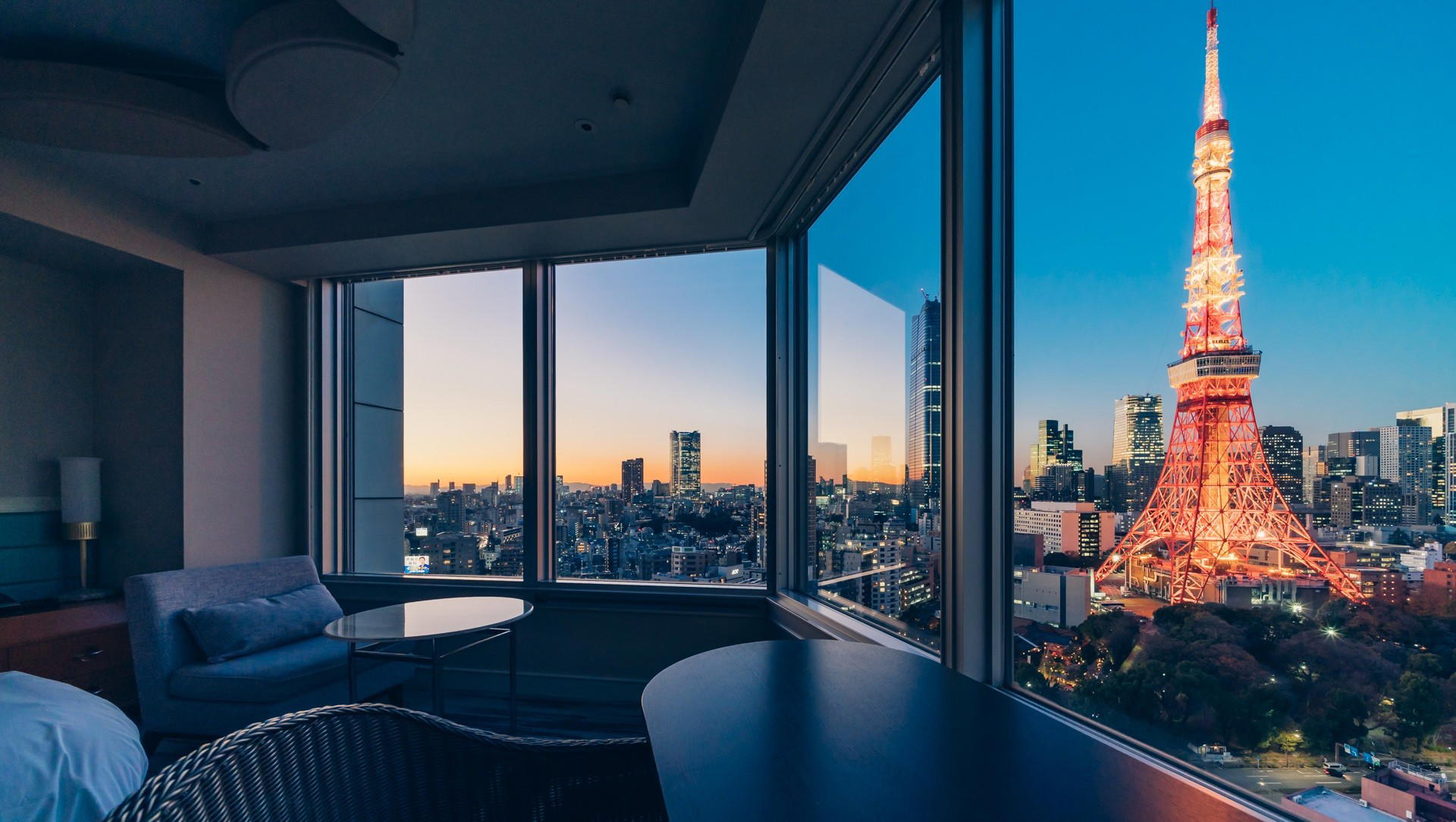
From the street, the scale of Azabudai Hills is what registers first. The towers are among the tallest structures in the city, and Tokyo Tower sits in the sightline from most south-facing rooms, a visual anchor that works as both postcard and orientation point. The area draws a mixed population of finance professionals, creative industry workers, and international residents, which gives the hotel's lobby a different social texture from the more homogeneous quiet of, say, Four Seasons Hotel Tokyo at Otemachi or The Capitol Hotel Tokyu.
The Janu Model: Aman's Architecture, Different Orientation
Understanding where Janu Tokyo sits in the market requires understanding the brand's relationship to its parent. Aman has built its global reputation on properties that function as self-contained escapes, where the hotel itself is the destination and the surrounding geography is largely scenographic. Janu was conceived as a sister brand with a different social register: more outward-facing, more focused on collective experience, and priced at a level that opens the product to a broader traveller without departing from the construction and material standards that define the parent. At rates from approximately $1,772 per night, Janu Tokyo is not an accessible proposition in any conventional sense, but within Tokyo's upper tier it sits below the absolute ceiling set by Aman Tokyo and closer to the territory occupied by Andaz Tokyo and Bellustar Tokyo in terms of who the hotel is speaking to.
The 122 rooms is a relatively compact inventory for a hotel of this ambition, and almost all of them include private balconies oriented toward Tokyo Tower. That physical detail matters: Tokyo hotels at this level typically prioritise interior finish over exterior engagement, and the balcony provision is a deliberate signal of the hotel's intent to connect guests to the city rather than insulate them from it. For comparison, Four Seasons Hotel Tokyo at Marunouchi operates on a tighter footprint with 57 rooms and a more transit-adjacent character. Janu occupies a different scale and a different neighbourhood logic entirely.
Eight Dining Destinations: The Programmatic Ambition
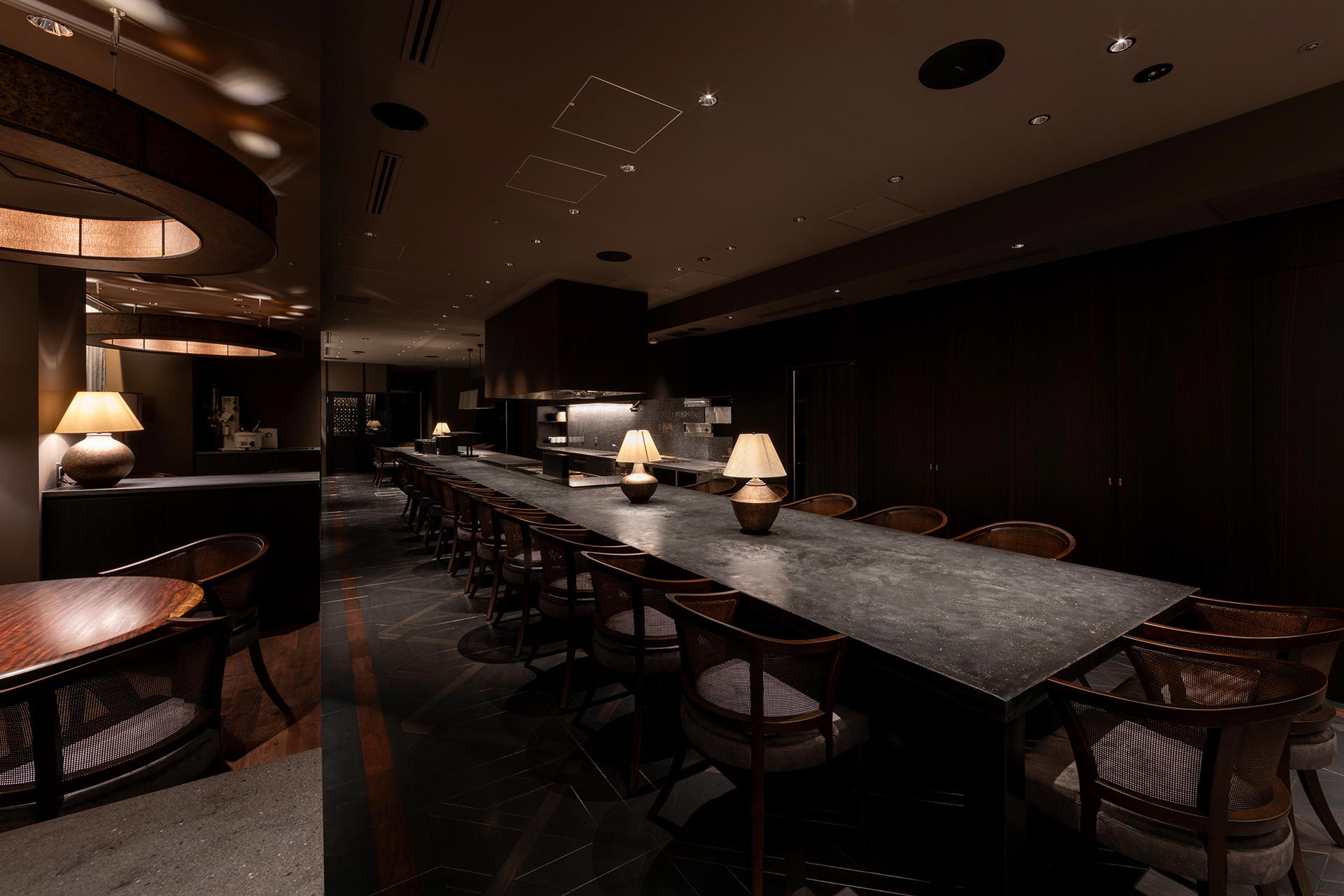
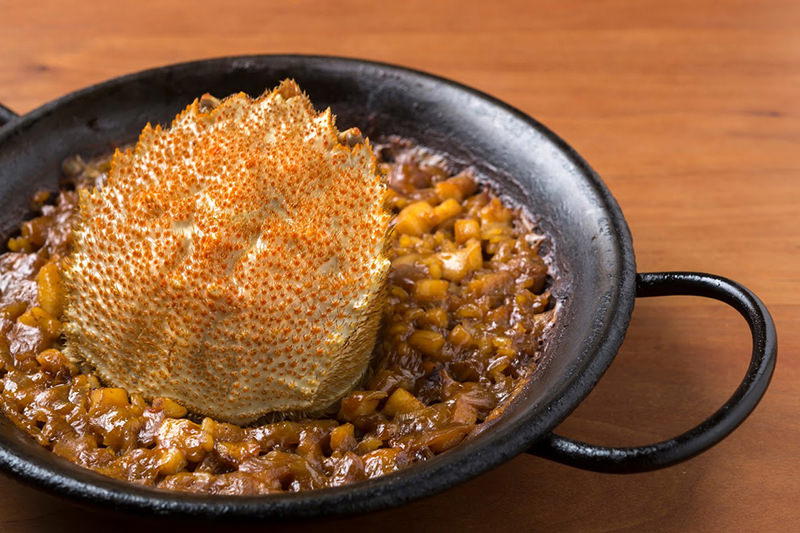
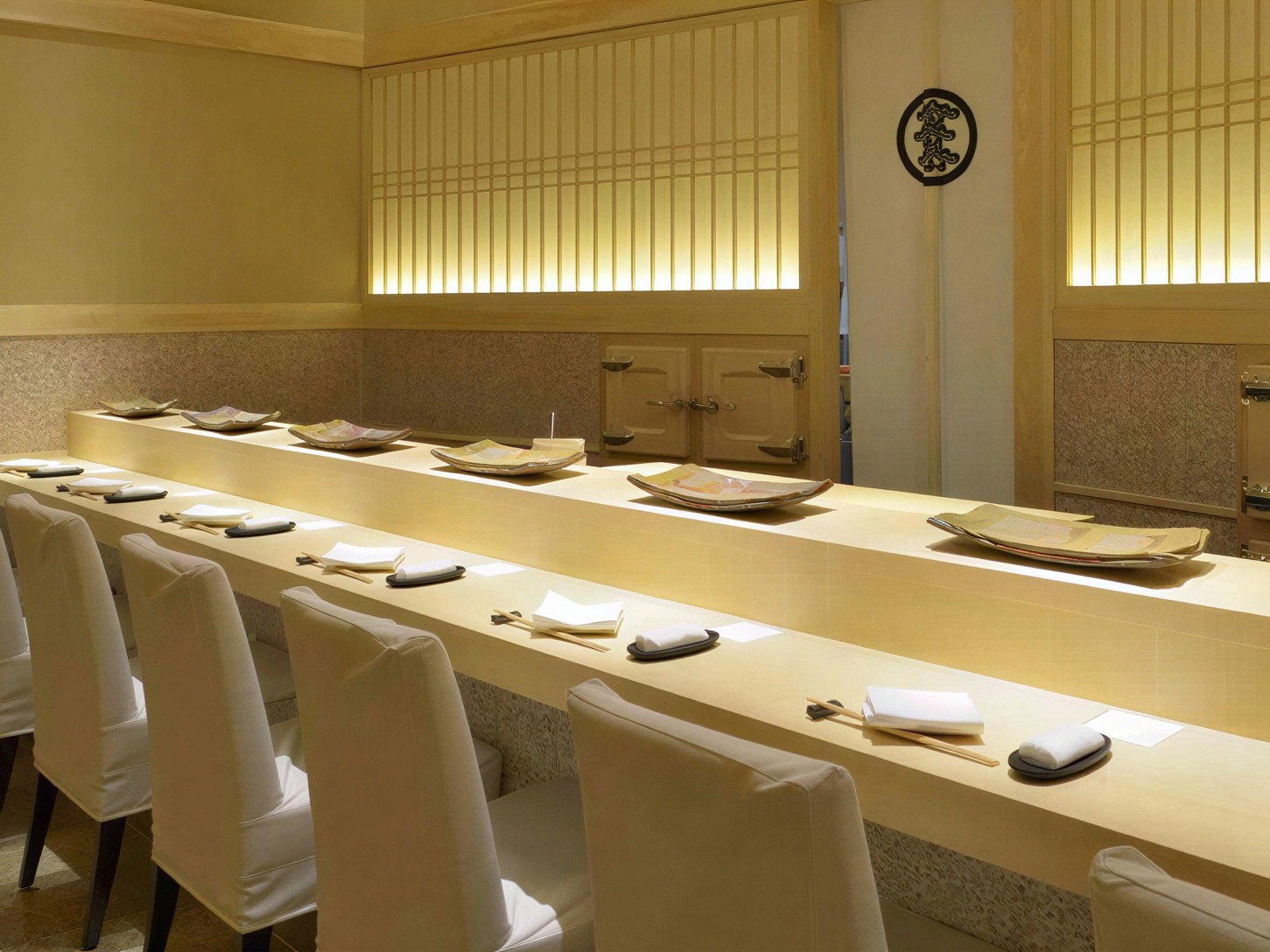
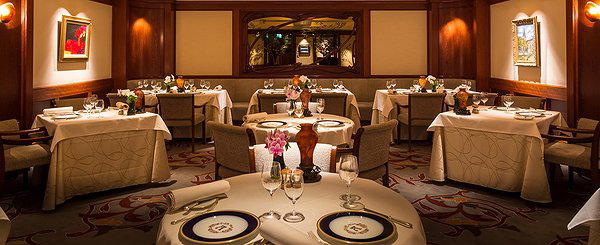
Tokyo's luxury hotel dining scene has evolved to the point where a single flagship restaurant is no longer sufficient to define a property's food identity. Janu Tokyo's deployment of eight dining destinations across a 122-room hotel is a significant programmatic commitment. The number positions the hotel's food and beverage offering as a genuine draw for non-residents, not merely an amenity for guests who prefer not to leave. This is a meaningful distinction in a city where hotel restaurants frequently struggle to compete with the density of independent dining options within walking distance. The Azabudai Hills development itself contains a cluster of food and retail options that create foot traffic across the whole complex, giving hotel dining here a different catchment dynamic than it would have in a more isolated location.
The hotel's wellness infrastructure follows a similar logic of scale. The wellness centre is among the larger city-centre facilities of its kind in Tokyo, a city where luxury hotels have invested heavily in fitness and spa programming over the past decade. Taken together, the dining and wellness offer is designed to make the hotel a plausible destination for local members and visitors alike, not simply a place to sleep between external appointments. See our full Tokyo restaurants guide for the broader dining context in which the hotel's outlets compete.
Planning Your Stay: What the Booking Reality Looks Like
Janu Tokyo's recognition since opening has been rapid. The hotel entered the World's 50 Best Hotels list at number 37 in 2025, earned two Michelin Keys in its first year of eligibility, and took the Tatler Asia Leading New Hotel award for 2024. That accumulation of recognition within fourteen months of opening is unusual, and it has translated into the kind of demand that makes advance planning more important than it might have been at launch. The hotel operates at 1-2-2 Azabudai, Minato City, reachable via Kamiyacho Station on the Hibiya Line, which connects directly to central Tokyo. The Azabudai Hills complex is pedestrian-accessible from the station exit, which makes the approach considerably more direct than some of the city's other luxury addresses that require ground transport from the nearest metro point.
For guests comparing Janu Tokyo to alternatives in the Aman family specifically, Aman Tokyo remains the more hermetic, less neighbourhood-integrated choice, and Amanemu in Mie represents the onsen-resort end of the spectrum for those whose itinerary extends beyond the capital. Within Tokyo, the choice between Janu and properties like Bvlgari Hotel Tokyo comes down largely to whether the guest wants a hotel that functions as a self-contained environment or one that positions itself inside the city's current energy. Janu is clearly the latter. The Azabudai Hills location is neither established nor nostalgic: it is a neighbourhood that is actively being created, and staying at Janu means participating in that process rather than arriving at something finished.
Guests extending their Japan trip beyond Tokyo will find a different register of luxury at properties such as HOTEL THE MITSUI KYOTO, Gora Kadan in Hakone, or Zaborin in Kutchan, each of which draws on ryokan traditions and landscape settings that contrast sharply with Janu's urban density. For island departures, Halekulani Okinawa and Benesse House on Naoshima occupy their own distinct categories. More intimate rural options include Asaba in Izu, Nishimuraya Honkan, Fufu Kawaguchiko, Fufu Nikko, ENOWA Yufu, Jusandi in Ishigaki, and Sekitei in Hatsukaichi. For international Aman comparisons, Aman New York and Aman Venice illustrate the range of contexts the parent brand operates within. The Fifth Avenue Hotel in New York City offers a useful reference point for the kind of neighbourhood-integrated luxury positioning that Janu is pursuing in Tokyo, albeit in a very different urban context.
City Peers
Comparable venues nearby, for context on price, style, and recognition.
| Venue | Cuisine | Price | Awards | Notes |
|---|---|---|---|---|
| JANU TokyoThis venue (the venue you are viewing) | Contemporary urban luxury emphasizing social connection and active experiences | Not listed | 2 Michelin Keys · World's 50 Best #52 | Not listed |
| Four Seasons Hotel Tokyo at Otemachi | Contemporary high-rise urban luxury with Japanese Zen influences | Not listed | 3 Michelin Keys · La Liste Top Hotels | Chiyoda |
| Palace Hotel Tokyo | Contemporary luxury hotel with Japanese hospitality (omotenashi) and natural inspirations from Imperial Palace gardens. | Not listed | 3 Michelin Keys · World's 50 Best #73 | Chiyoda |
| Aman Tokyo | Aman’s first urban sanctuary blending Japanese serenity with Tokyo's dynamism | Not listed | 2 Michelin Keys · World's 50 Best #11 | Chiyoda |
| The Capitol Hotel Tokyu | Luxury boutique hotel blending traditional Japanese architectural elements with contemporary minimalist design and high-end furnishings. | $300–500 | 2 Michelin Keys · La Liste Top Hotels | Chiyoda |
| The Tokyo Edition Toranomon | Boutique luxury hotel designed by Kengo Kuma blending minimalist sophistication with Japanese tranquility. | Not listed | Michelin Selected · World's 50 Best #45 | Minato |
Recognition history
Dated appearances from independent guides and award organizations, with the underlying list record or original source where available.
Michelin 2 Keys
Michelin
World's 50 Best Hotels 51-100 #52
World's 50 Best
Mr & Mrs Smith Seal of Approval
Mr & Mrs Smith
Robb Report Selected for 2026 Robb Report Best Luxury Hotels in Tokyo
Robb Report
Virtuoso Luxury Hotel Partner
Virtuoso
Full recognition history (12 entries)
AFAR Best New Hotels
AFAR
Michelin 2 Keys
Michelin
Tatler Listed in Best Hotels Asia-Pacific
Tatler
World's 50 Best Hotels #37
World's 50 Best
Michelin 2 Keys
Michelin
Tatler Best New Hotel
Tatler
Tatler Best Asia: Best New Hotel
Tatler
JANU Tokyo
Featured Guides
Continue exploring
More in Tokyo
Hotels in Tokyo
All hotels in Tokyo →

Bars in Tokyo
All bars in Tokyo →



Details
- Modern
- Elegant
- Sophisticated
- Trendy
- Romantic Getaway
- Business Trip
- Wellness Retreat
- Rooftop Pool
- Design Destination
- Panoramic View
- Wi Fi
- Pool
- Spa
- Fitness Center
- Room Service
- Concierge
- Valet Parking
- Skyline
- Elevator
- Step Free Entrance
Lively yet zen atmosphere blending open, welcoming public spaces with statement lighting and contemporary art, alongside calm, light-filled rooms featuring natural materials and Japanese aesthetics.