The Fifth Avenue Hotel







The Fifth Avenue Hotel brings New York City luxury back toward maximalism, with Martin Brudnizki interiors, 153 rooms, and a dining program led by Andrew Carmellini at Café Carmellini. Recognition includes Michelin 2 Keys, La Liste Top Hotels 2026 at 92 points, World's 50 Best Hotels 2025 at No. 75, and Travel + Leisure T+L 500 Hotels 2026 featured status.
Pearl is the En Primeur Club membership app — saves, bookings, and concierge access live there. Same editors, same standards.
- Address
- 1 W 28th St, New York, NY 10001
- Phone
- +1 212-231-9400
- Website
- thefifthavenuehotel.com
- Directions
- Get directions
 Saves & bookings on Pearl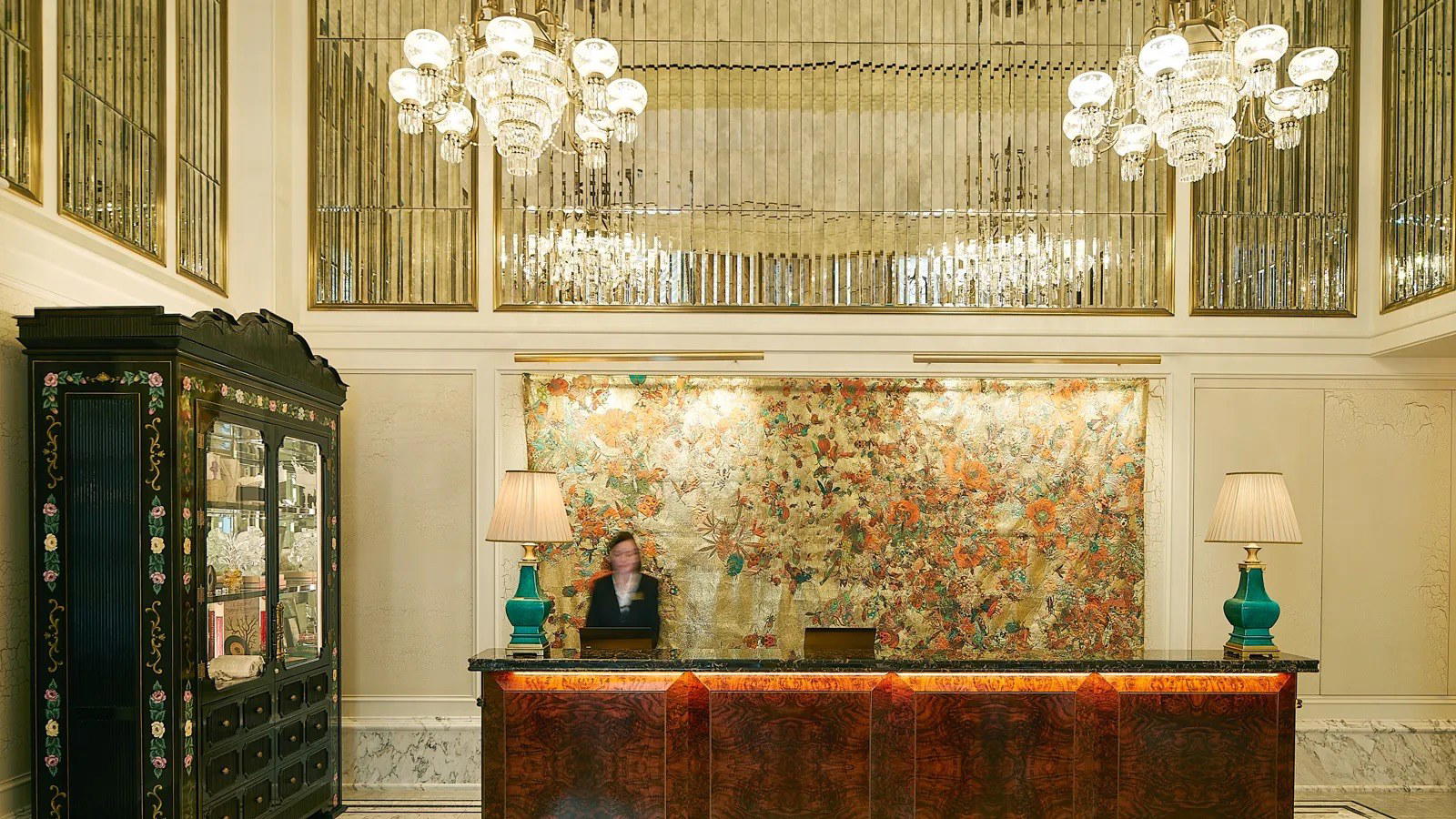
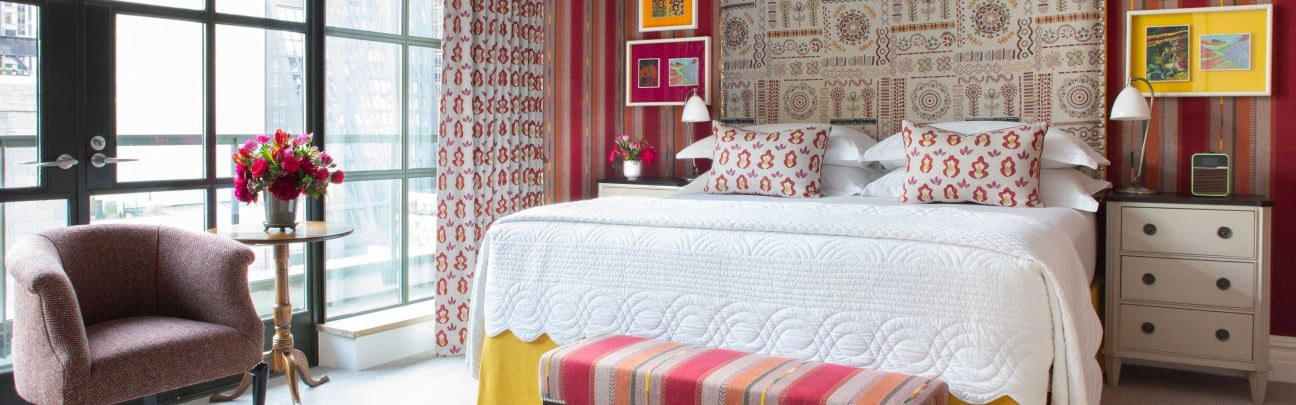
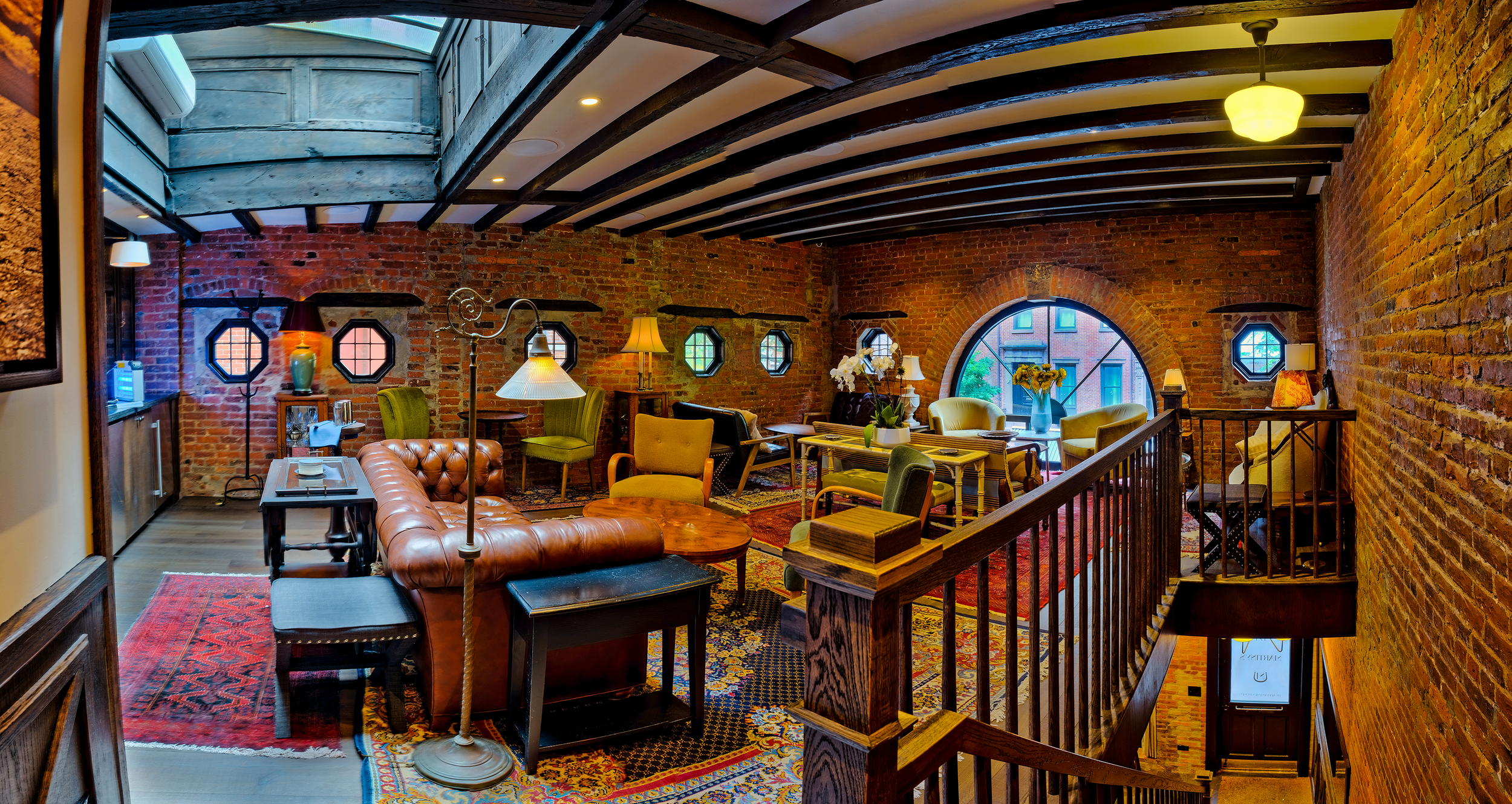
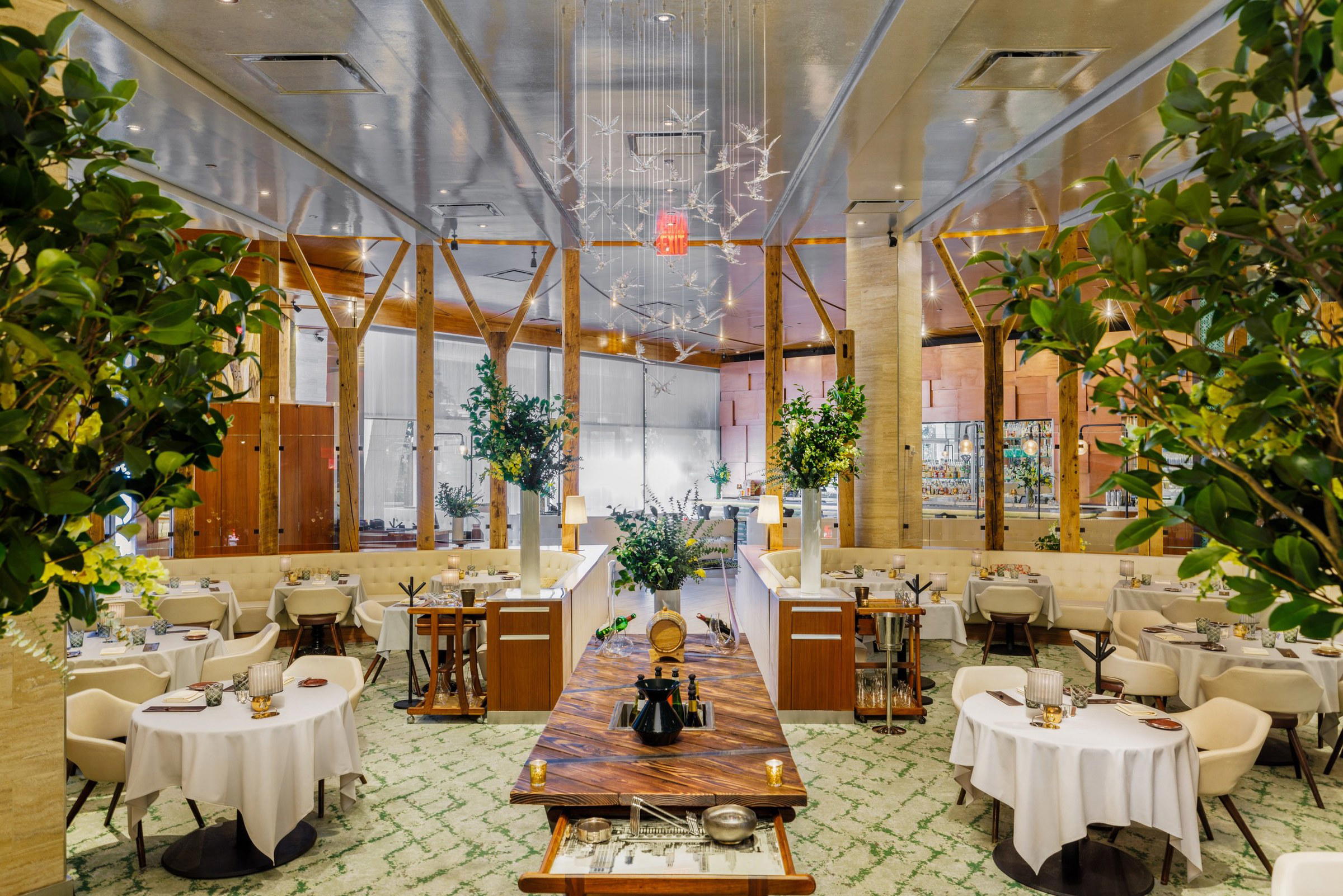
Entering the public rooms here is a useful corrective to the decade when Manhattan boutique hotels treated restraint as the only serious language. Pattern, color, wood paneling, carved stone, jewel-toned fabrics, and floral wallpapers are not side notes; they set the terms of the stay. In New York City, where luxury hotels often split between corporate polish and downtown understatement, The Fifth Avenue Hotel pushes toward theatrical hospitality with a dining program built to match the room rather than disappear behind it.
That matters because NoMad hospitality has become a contest of public-space energy. The competitive set around NoMad, The Ned NoMad, Ace Hotel New York, The Ritz-Carlton New York, NoMad, and Hotel Seville NoMad - The Unbound Collection by Hyatt is not only selling beds. It is selling lobby tempo, cocktail traffic, restaurant credibility, and the ability to feel plugged into the city without surrendering to Midtown convention. The Fifth Avenue Hotel enters that field with 153 rooms and a deliberately high-touch, design-forward personality, but the sharper editorial point is downstairs: the food and drink are not decorative amenities. They are central to the hotel’s identity.
Carmellini gives the hotel restaurant real New York weight
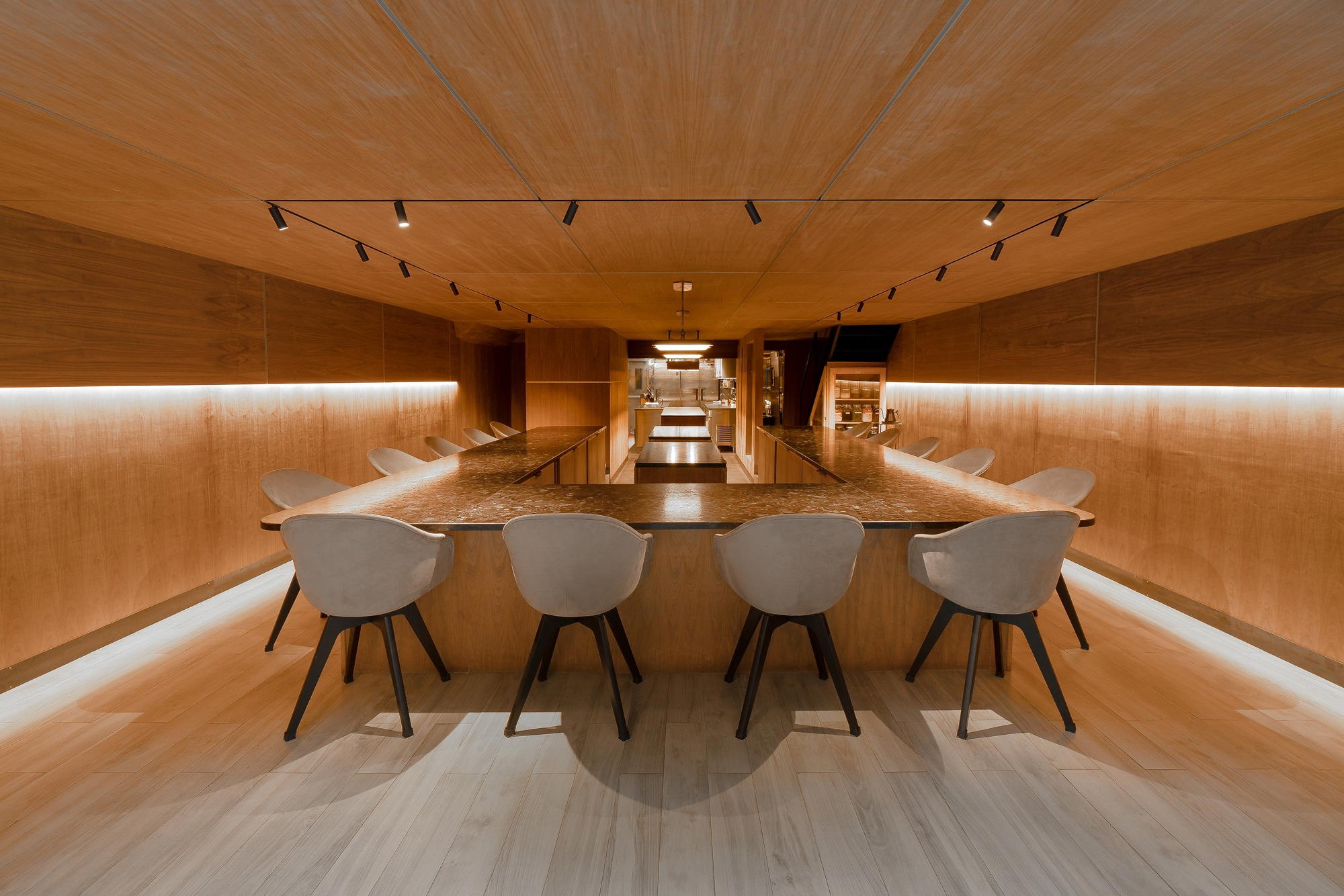
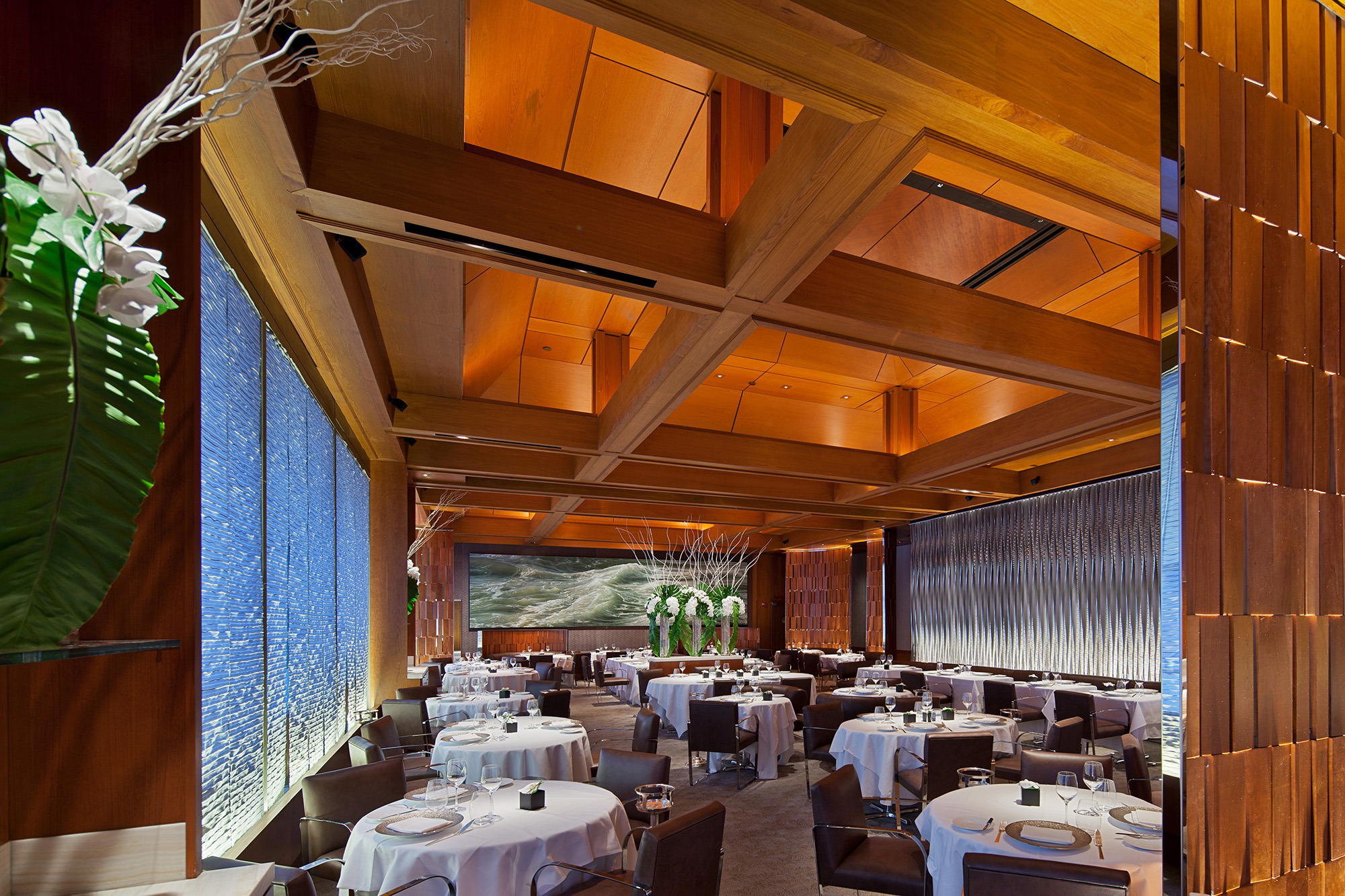
New York hotel dining has moved far beyond the safe lobby brasserie. The stronger properties now use restaurant talent to define the hotel’s cultural position, and Café Carmellini follows that pattern with Andrew Carmellini, a James Beard Award-winning chef and a Food & Wine Best New Chef from 2000. His presence gives the restaurant a credentialed New York frame: French-Italian fine dining rather than generic hotel cooking, with dishes cited publicly such as crab and Meyer lemon mille-feuille and a multipart roast chicken course for two.
The importance is not celebrity for its own sake. In a city where independent restaurants can outrun hotel dining for attention, the restaurant has to compete on format, authorship, and room confidence. Café Carmellini’s role is to make the hotel legible to New Yorkers as well as guests. That is the difference between a restaurant attached to a room count and a dining room that helps define the address.
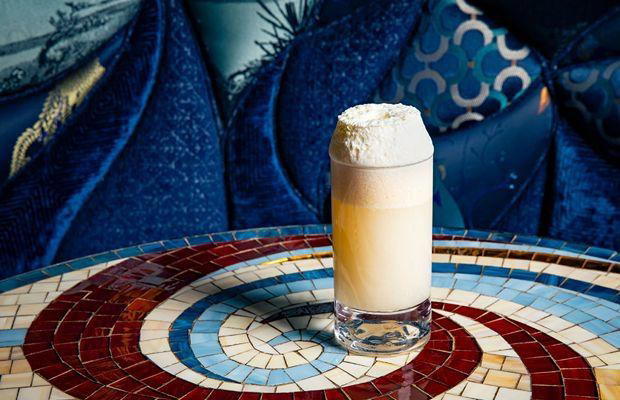
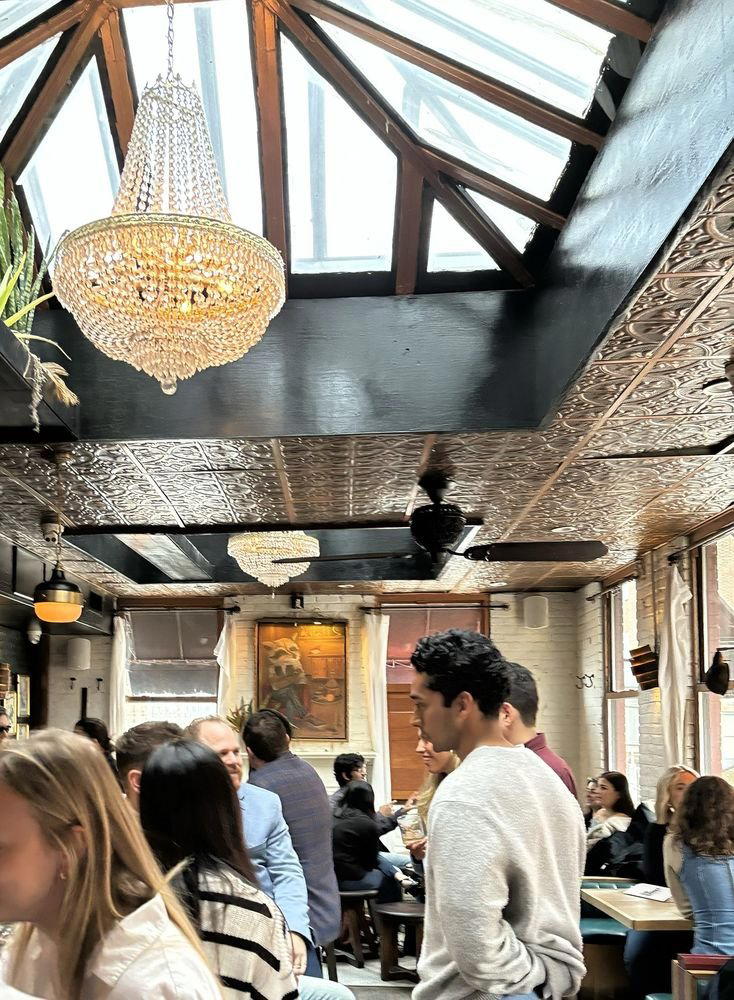
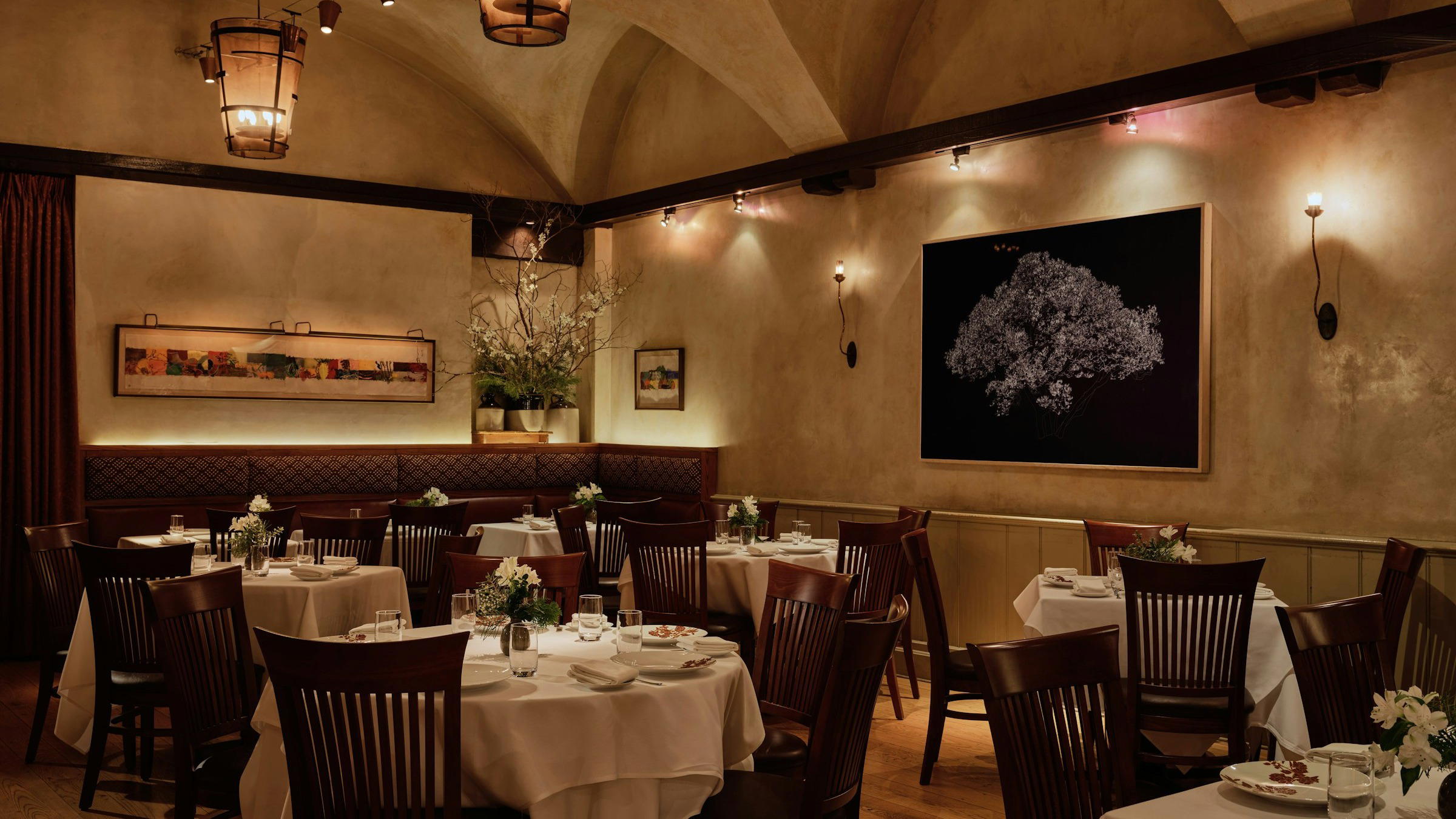
The Portrait Bar works on a different frequency. Its drawing-room cues, wood-paneled walls, carved stone fireplace, and era-spanning art collection place it in the revived grand-hotel bar tradition, but the menu has a more playful register, including dishes publicly noted such as hot dog au poivre and a mango lassi-inspired Painkiller. That contrast is useful: one venue supplies the formal dinner anchor, the other gives the hotel a looser after-dark rhythm.
Maximalism replaces the minimalist boutique script
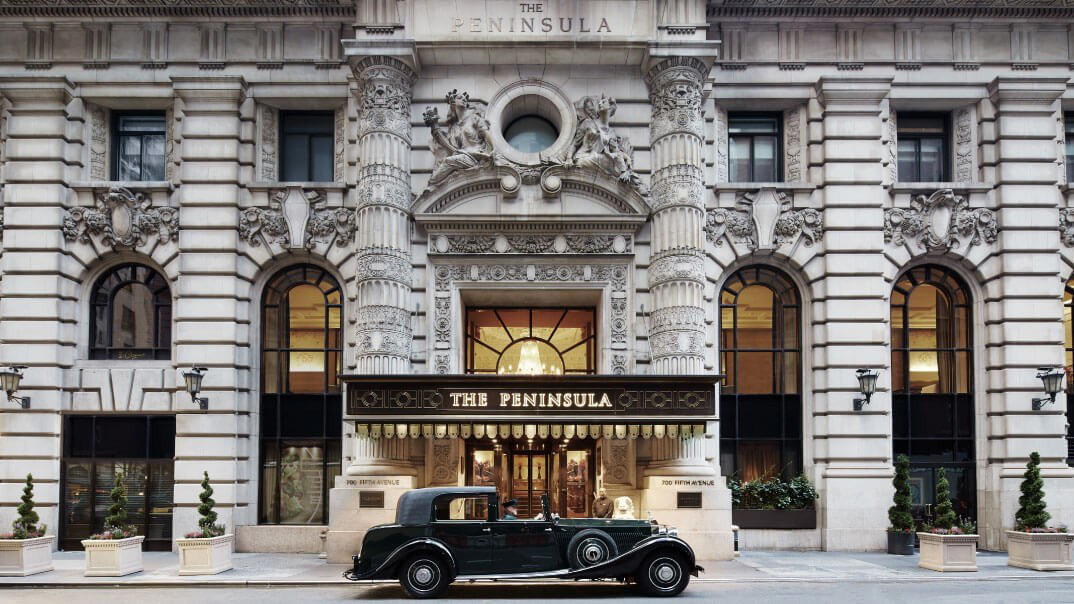
Building itself helps explain the tone. The hotel combines a 1907 Renaissance-style structure associated with the architects of the original Penn Station and a modern 24-story glass tower. That span gives the interiors permission to mix references rather than obey a single period. Designer Martin Brudnizki’s work leans into ornament, color, and layered domesticity, a direction that now feels more aligned with New York’s revived appetite for rooms with character than with the blank luxury of the previous cycle.
This is where the hotel’s Gilded Age references matter. New York has a long habit of recycling private wealth into public hospitality, museums, clubs, and restaurants. The Fifth Avenue Hotel uses that history as atmosphere rather than reenactment. Nespresso coffee makers and Marshall bluetooth speakers make clear that the premise is contemporary comfort, not costume drama.
Awards reinforce the property’s current position in the luxury-hotel conversation. Michelin awarded it 2 Keys in 2024, La Liste scored it 92 points in Top Hotels 2026, World's 50 Best Hotels placed it at No. 75 in 2025, and Travel + Leisure included it among its T+L 500 Hotels 2026 featured standouts. Those signals matter in New York because the city’s hotel supply is deep, expensive, and unforgiving; recognition helps separate design-led hospitality with a serious food-and-drink program from properties trading only on address.
How to read it against New York's hotel scene
The practical decision is less about whether the hotel is luxurious and more about what kind of luxury fits the trip. Travelers who want a quiet, anonymous base may find the public spaces too socially charged. Those who want the hotel to carry dinner, drinks, and design in the same sentence will understand the appeal. The stated price level of $1,295 places it in New York’s serious-luxury bracket, so the value argument rests on more than square footage: restaurant authorship, bar identity, design confidence, and awards recognition all need to matter to the stay.
For broader context, compare the hotel against the city’s design-led and lifestyle end of the market, from Ace Hotel New York to polished luxury peers in NoMad, then widen the lens through Our full New York City hotels guide. The dining angle also makes it relevant to Our full New York City restaurants guide and Our full New York City bars guide, because the decision here is partly a restaurant-and-bar decision. For adjacent city planning, see Our full New York City experiences guide and Our full New York City wineries guide.
Within EP Club’s wider hotel index, useful New York contrasts include 1 Hotel Brooklyn Bridge, 1 Hotel Central Park, 11 Howard, 33 Hotel - NYC Seaport, 33 Hotel New York City Seaport, 50 Bowery, and Ace Hotel Brooklyn. For national and international comparisons, browse 1 Hotel Austin in Austin, 1 Hotel Hanalei Bay in Princeville, 1 Hotel Nashville in Nashville, 1 Hotel San Francisco in San Francisco, 1 Hotel Seattle in Seattle, 1 Hotel South Beach in Miami, 1 Hotel West Hollywood in Los Angeles, 106 Jefferson in Huntsville, 1201 Broad St in Chattanooga,! Xaus Lodge in Dawid Kruiper. Here Baa Atoll Maldives in Baa Atoll, and "Róże i Zen" Apartamenty. Pokoje Gościnne in Torun.
How The Fifth Avenue Hotel New York City compares with similar nearby venues.
| Venue | Awards |
|---|---|
| The Fifth Avenue Hotel | Michelin 2 Keys, World's 50 Best Hotels #75 (2025) |
Recognition history
Dated appearances from independent guides and award organizations, with the underlying list record or original source where available.
Fodor's Most Incredible Hotels in the World
Fodor's
Food & Wine Top 10 US Hotels for Food and Drink #6
Food & Wine
La Liste Top Hotels
La Liste
Travel + Leisure T+L 500 Hotels
Travel + Leisure
Travel + Leisure 100 Favorite Hotels in the World #82 · No. 82
Travel + Leisure · 2026 Travel + Leisure 100 Favorite Hotels in the World
World's 50 Best Best Hotels 51-100 #78
World's 50 Best
Leading Hotels of World Member
Leading Hotels of World
Michelin 2 Keys
Michelin
World's 50 Best Best Hotels 51-100 #75
World's 50 Best
Michelin 2 Keys
Michelin
Continue exploring
More in New York City
Hotels in New York City
Browse all →
Bars in New York City
Browse all →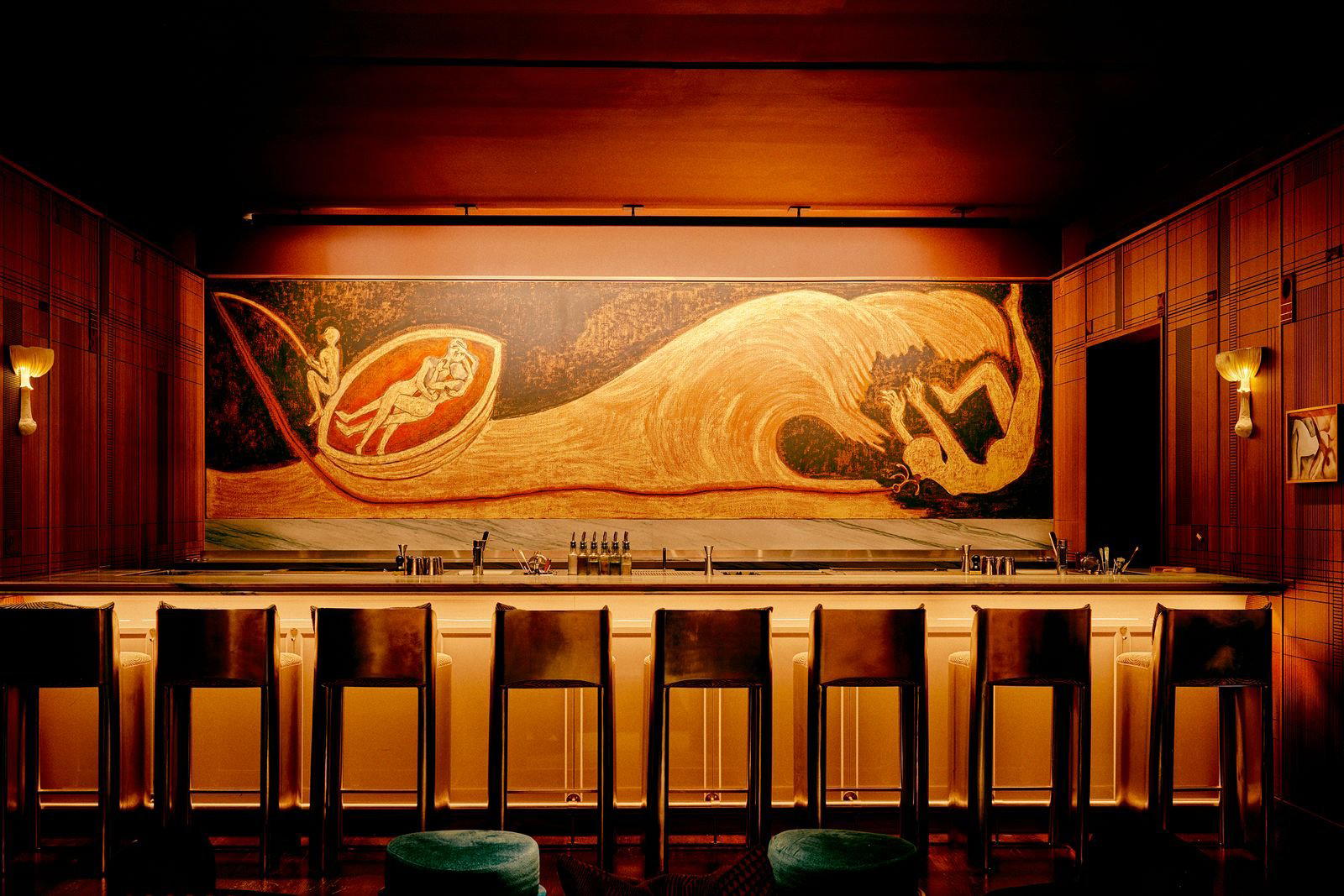
Restaurants in New York City
Browse all →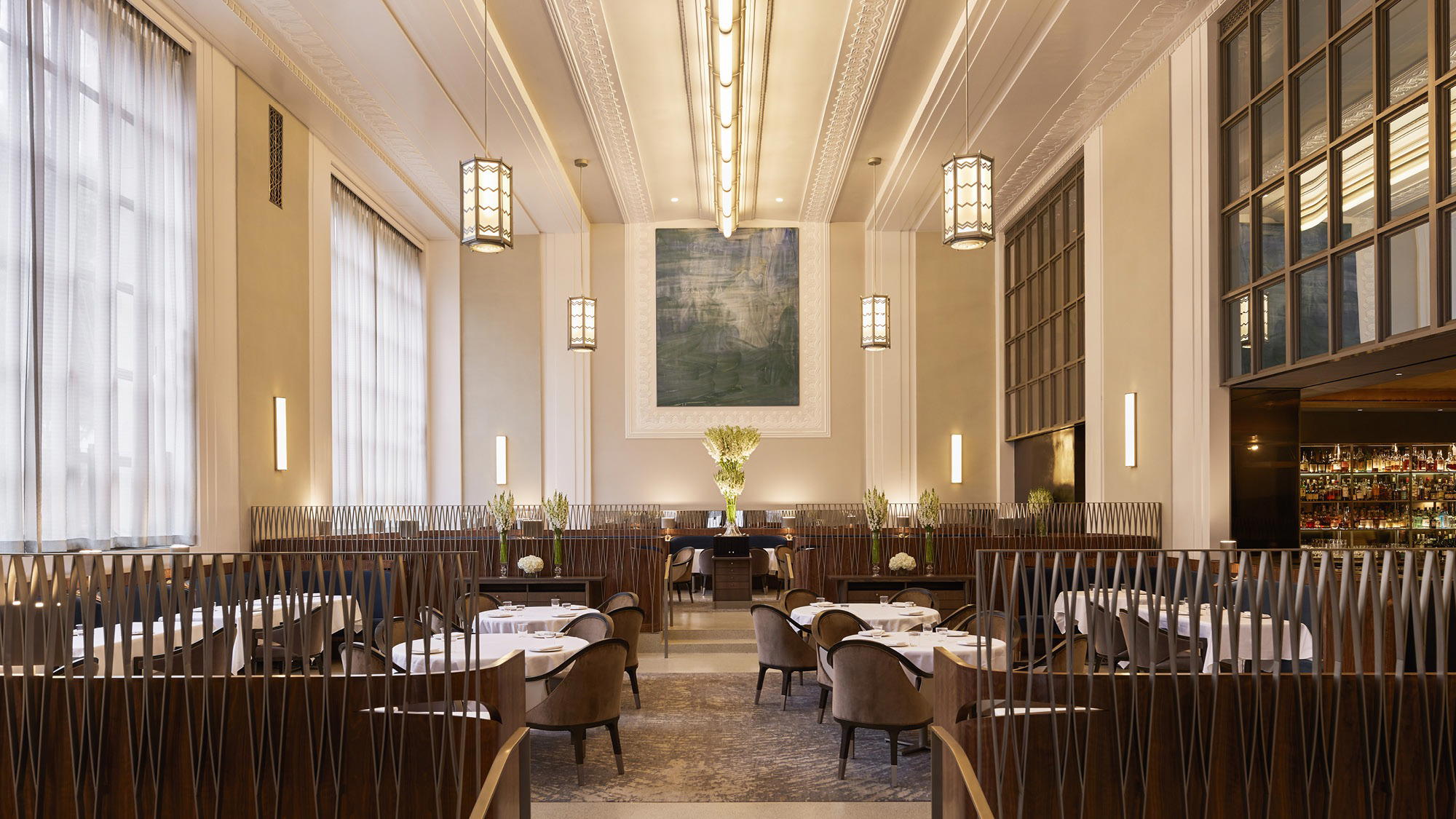





At a Glance
- Elegant
- Sophisticated
- Whimsical
- Ornate
- Cozy
- Romantic Getaway
- Business Trip
- Weekend Escape
- Terrace
- Historic Building
- Design Destination
- Wi Fi
- Fitness Center
- Room Service
- Concierge
- Business Center
- Valet Parking
- Street Scene
- Wi Fi
- Fitness Center
- Room Service
- Concierge
- Business Center
- Valet Parking
Sophisticated and elegant with dim lighting in the Portrait Bar, quiet soundproofed rooms, and an inviting atmosphere praised for warmth and detail-oriented service.