
Preferred Hotels Member
Positioned directly above Shibuya Station, Shibuya Excel Hotel Tokyu offers 408 rooms at one of Tokyo's most connected addresses. The property sits in the Mark City complex, placing guests seconds from the scramble crossing and the city's densest web of rail connections. For travellers who want Shibuya's energy without sacrificing a structured hotel base, it delivers on location first.

Pearl is the En Primeur Club membership app, where members save venues, book tables and use the concierge.
Shibuya at Altitude: What the Address Actually Means
Shibuya's hospitality offer has always been defined by its relationship to movement. Unlike Marunouchi or Otemachi, where hotels like Four Seasons Hotel Tokyo at Otemachi and Palace Hotel Tokyo position themselves against quiet institutional districts, Shibuya hotels trade on access to one of the world's most kinetic transport and commercial nodes. Shibuya Excel Hotel Tokyu, sitting within the Mark City complex and connected directly to Shibuya Station's infrastructure, belongs to a particular category of urban hotel: properties where the building itself is the transit gateway, and where the surrounding neighbourhood functions as an extended lobby.
The 408-room property operates at a scale that places it firmly in the mid-to-upper tier of business-oriented Tokyo hotels. That count is comparable to the large-format international chains operating in the city's commercial districts, though the Excel Hotel Tokyu's proposition leans on its Shibuya address rather than the ultra-luxury amenity depth of properties like Bvlgari Hotel Tokyo or Aman Tokyo. The competitive comparison here is not that tier. It's the set of well-located, full-service hotels that treat Tokyo's rail network as a core amenity.
The Shibuya Station Complex as a Hospitality Context
To understand what Shibuya Excel Hotel Tokyu is selling, it helps to understand the Mark City development itself. The complex spans multiple floors of retail, dining, and transit connections above the station's Keio Line and Inokashira Line exits, forming one of Tokyo's more architecturally dense above-ground transit environments. Guests arriving from Narita or Haneda via the Keio Airport Express or the Tokyu Toyoko Line can reach the hotel without outdoor exposure, a logistical advantage that matters considerably during Tokyo's humid summer months and typhoon season. The same directness applies to departures.
Shibuya's broader neighbourhood character has shifted considerably since the early 2010s. The district has always drawn younger domestic tourism and international visitors, but the redevelopment projects clustered around Scramble Square and Cerulean Tower have attracted a more diversified visitor profile, including business travellers who previously defaulted to Shinjuku or the central business district. The Excel Hotel Tokyu sits at the centre of that transition, drawing from both the older business-travel logic of the Tokyu railway group and a newer leisure demographic drawn by the neighbourhood's density of restaurants, bars, and entertainment options.
Where It Sits in Tokyo's Hotel Spectrum
Tokyo's hotel market has stratified sharply over the past decade. At the upper end, ultra-luxury independents and brand flagships, including JANU Tokyo, Andaz Tokyo, and Bellustar Tokyo, A Pan Pacific Hotel, compete on design, food and beverage programming, and guest-to-staff ratios. Further down the scale, a dense layer of functional business hotels, capsule properties, and internationally branded mid-market options serve high-volume demand. Shibuya Excel Hotel Tokyu occupies the segment between those extremes: a full-service property with a recognisable group affiliation (the Tokyu Hotels brand, backed by the Tokyu railway and retail group) and a location premium that justifies its position against purely functional alternatives.
For travellers using Tokyo as a base for day trips, the property's station access is particularly relevant. The Tokyu Toyoko Line connects directly to Yokohama and, via the Minatomirai Line, to the broader Kanagawa region. Eastward Shibuya connections reach the Marunouchi business core in under 20 minutes. For those planning excursions to Hakone, where properties like Gora Kadan represent the ryokan-adjacent luxury end of the market, the Odakyu Romancecar departs from Shinjuku, one direct subway stop from Shibuya. Similarly, travellers heading to the Izu Peninsula, home to retreats like Asaba, can use the Odoriko limited express from Shibuya's connected network.
On Dining and the Beverage Question
The editorial angle on wine programs and cellar depth at mid-to-large-format urban hotels in Japan requires some contextual honesty. Tokyo's most serious beverage programming tends to concentrate in three environments: high-end hotel bars at luxury flagships, dedicated wine restaurants in districts like Ginza and Azabu, and specialist standing bars in Shibuya and Shinjuku's backstreet retail zones. At a 408-room business-oriented property in a station complex, the bar and restaurant offering typically serves its captive audience of business travellers and transit guests, rather than competing directly with destination dining.
That said, Shibuya's surrounding neighbourhood has developed a serious bar culture over the past decade. The streets south of the station towards Daikanyama, and east towards Ebisu, host a concentration of wine bars and natural wine shops that reflect Tokyo's broader engagement with European wine culture. Mark City itself contains dining and retail options that serve the immediate hotel guest, but the neighbourhood's food and drink depth extends considerably further on foot. Guests interested in beverage-led dining would do better treating the hotel as a base and accessing Shibuya's wider restaurant scene, rather than expecting cellar-depth programming on-site. Our full Tokyo restaurants guide covers the neighbourhood's dining options in more detail.
Seasonal Considerations and Timing
Tokyo hotel pricing follows predictable seasonal patterns. Spring, specifically late March through early May when sakura season peaks and Golden Week crowds compress availability, represents the highest-demand window. Shibuya's central position makes it a default for first-time visitors during this period, which means rates and occupancy at the Excel Hotel Tokyu will reflect that demand pressure. The autumn foliage window, running from late October through November, creates a secondary demand spike. Travellers with flexibility should consider Tokyo's shoulder periods: September before the typhoon season fully clears, and January through February, when the city runs at reduced tourist density and domestic travel slows after the New Year period.
For those using a Tokyo stay as a gateway to other parts of Japan, the Excel Hotel Tokyu's location makes it a practical first or last night choice. Properties elsewhere in the country, whether design-led ryokan like Nishimuraya Honkan in Kinosaki, the art-focused Benesse House on Naoshima, or the Hokkaido retreat Zaborin near Niseko, sit at the end of journey legs that originate at major Tokyo train hubs. Shibuya, with its multiple rail connections, shortens the first and last transit segments of those itineraries.
For longer Japan itineraries that extend beyond Tokyo to Kyoto, HOTEL THE MITSUI KYOTO represents the high-design end of that market. For coastal and island extensions, Halekulani Okinawa and Jusandi in Ishigaki offer very different southern alternatives. The The Capitol Hotel Tokyu, also within the Tokyu group, occupies a more subdued central Tokyo neighbourhood and serves a different guest profile to the Shibuya property.
Planning the Stay
With 408 rooms, the property maintains the kind of inventory that allows bookings with shorter lead times than smaller Tokyo properties. Demand spikes around sakura season and Golden Week are the primary exceptions; those windows require booking two to three months ahead. The hotel's direct connection to the Keio Airport Express, which links to Haneda, simplifies airport transfers for domestic and regional Asian arrivals. For Narita-routed international flights, the Narita Express connects to Shibuya Station on the same JR pass network used by most long-stay travellers.
Peers Worth Knowing
Comparable venues nearby, for context on price, style, and recognition.
| Venue | Cuisine | Price | Awards | Notes |
|---|---|---|---|---|
| Shibuya Excel Hotel TokyuThis venue (the venue you are viewing) | Hotel | $100–200 | Preferred Hotels Member | Not listed |
| Granbell Hotel Akasaka | Trendy urban design hotel blending city culture with artistic room designs | $1–100 | Michelin Selected | Minato |
| Trunk House | Contemporary townhouse hotel preserving a historic geisha house exterior while infusing modern design and Tokyo cultural elements throughout. | $1,500–2,500 | Michelin Selected · Tablet Hotels Best New Hotel Designs (Asia) | Shinjuku |
| Park Hotel Tokyo | Hotel | Not listed | Michelin Selected | Minato |
| TRUNK(HOTEL) | Boutique hotel rooted in local community with artisan craftsmanship. | Not listed | Michelin Selected · Design Hotels Member | Shibuya |
| Odaiba Ōedo-Onsen Monogatari | Edo-period theme park ryokan | Not listed | Not listed | Kōtō |
Recognition history
Dated appearances from independent guides and award organizations, with the underlying list record or original source where available.
Preferred Hotels Member
Preferred Hotels
Continue exploring
More in Tokyo
Hotels in Tokyo
All hotels in Tokyo →



Bars in Tokyo
All bars in Tokyo →






Details
- Modern
- Scenic
- Energetic
- Well Known
- Business Trip
- Weekend Escape
- Family Vacation
- Panoramic View
- Terrace
- Wi Fi
- Restaurant
- Bar
- Concierge
- Business Center
- Room Service
- Laundry Service
- Luggage Storage
- Parking
- Airport Shuttle
- Skyline
- Street Scene
- Wheelchair Accessible
- Elevator
- Accessible Restroom
- Step Free Entrance
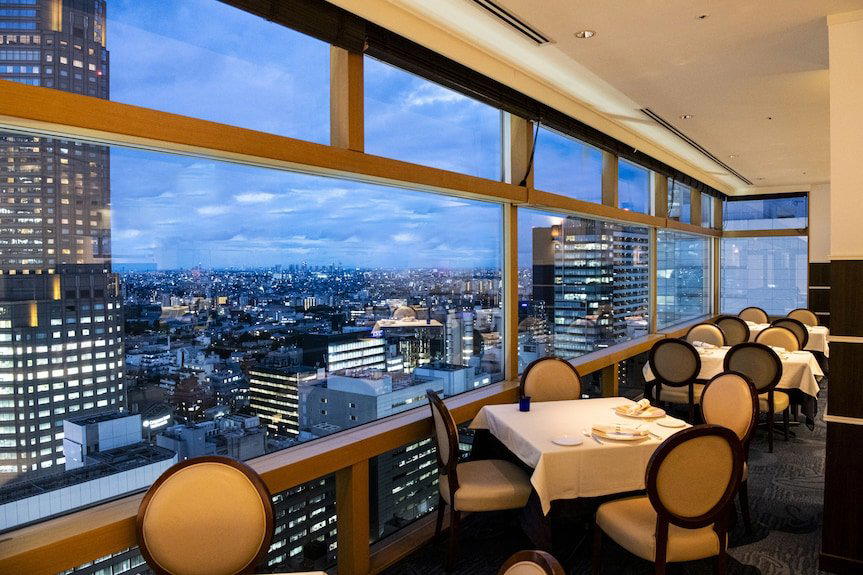
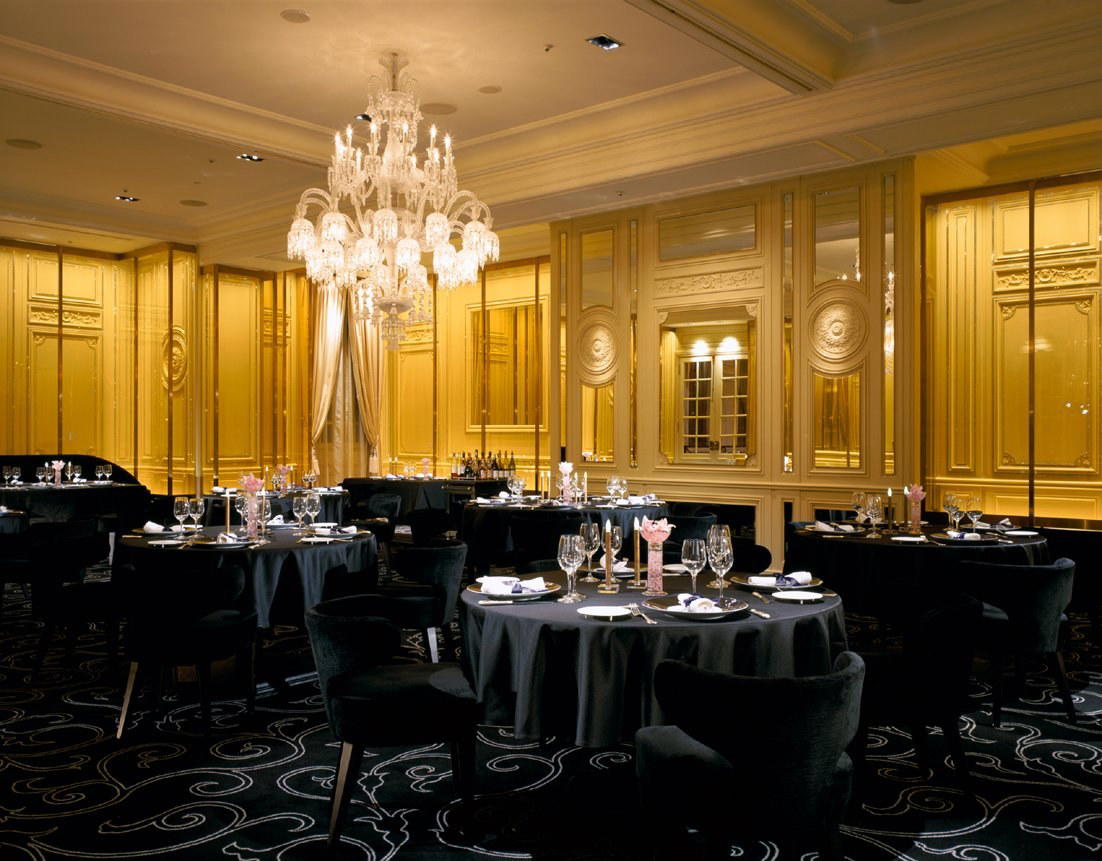
Modern and inviting with neutral tones, sleek wood accents, and a calm atmosphere polished by panoramic city views over Shibuya.