







2 Michelin Stars · World's 50 Best #28 · La Liste Top Restaurants
Our verdict
Tokyo's innovative dining tier has become more international without loosening its ritual discipline. MAZ brings Peru's altitude-led way of reading biodiversity into a Japanese fine-dining room, backed by Michelin two-star recognition in 2024 and 2025, Star Wine List appearances, La Liste scores, and Tabelog Bronze awards. The appeal is not fusion shorthand, but a tightly paced meal built around origin, elevation, and restraint.

Pearl is the En Primeur Club membership app, where members save venues, book tables and use the concierge.
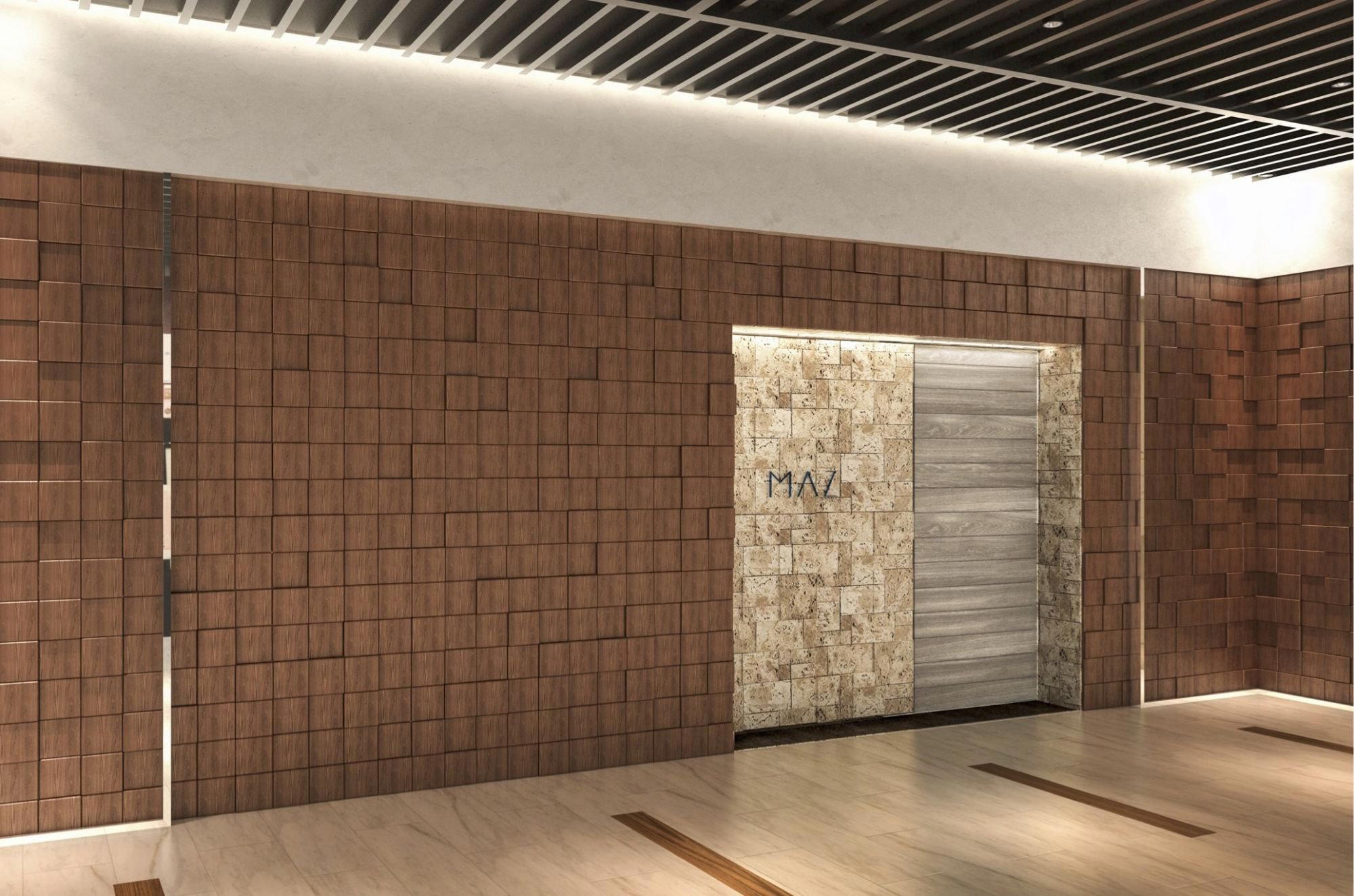
MAZ is an innovative restaurant in Tokyo led by chef-owner Max Natmessnig. The verified public profile is concise: the cuisine is listed as Innovative, the price level is ¥¥¥¥, the dress code is smart casual, and service is scheduled in the evening on every day except Tuesday.
Because the confirmed data does not specify a menu format, seat count, beverage program, signature dishes, or a more detailed location within the city, the most accurate way to frame MAZ is as a high-price Tokyo dining choice rather than to attach unverified claims about format or style. Plan it as an evening restaurant and confirm current booking details directly before visiting.
Innovative dining in Tokyo
MAZ's clearest verified identity is its Innovative cuisine category. In Tokyo, that places it among restaurants whose appeal often depends on a distinct point of view rather than a single traditional genre. The available facts do not confirm a specific culinary subcategory, menu structure, or dish list, so diners should avoid assuming a fixed format from the category alone.
The restaurant's chef-owner is Max Natmessnig. That is the grounded authorship detail available for MAZ, and it is the safest way to discuss the kitchen without adding unsupported claims about additional personnel, outside influences, or a particular dining-room setup.
Recognition data for MAZ includes a high-confidence match from Opinionated About Dining's 2026 restaurant source.
Within Tokyo, MAZ can be considered alongside other dining options depending on the kind of meal a diner wants. Kabi, Kioicho Fukudaya, Tour D'argent Tokyo, Edomae Sushi Hanabusa, and Akasaka Shimabukuro are possible comparison points for a broader itinerary. MAZ's verified profile is narrower but clear: Innovative cuisine, chef-owner Max Natmessnig, and a premium price tier.
The meal is best planned as an evening reservation
The confirmed hours indicate evening service: Monday 5–11 pm, Tuesday closed, Wednesday 5–11 pm, Thursday 5–11 pm, Friday 5–11 pm, Saturday 5–11 pm, and Sunday 5–11 pm. No lunch service is verified, so planning should be built around an evening visit.
The price level is listed as ¥¥¥¥. Diners should check the restaurant's current reservation information for the latest practical details.
Dress code is smart casual.
Those details should be confirmed with the restaurant rather than inferred.
Where it sits in a wider Tokyo itinerary
For a Tokyo dining itinerary, MAZ is best treated as a premium innovative evening restaurant. It may make sense to balance it with other styles of dining in the city rather than stacking multiple high-price evening meals back to back.
Comparisons are most useful by category and occasion. Diners considering MAZ may also compare it with Kabi, Kioicho Fukudaya, Tour D'argent Tokyo, Edomae Sushi Hanabusa, or Akasaka Shimabukuro, depending on the desired experience.
MAZ's value for planning is therefore direct: it is an Innovative, ¥¥¥¥ Tokyo restaurant from chef-owner Max Natmessnig, open for evening service except Tuesday, with a smart casual dress code. For anything more specific, including current menu details or booking requirements, use the restaurant's direct channels before committing the night.
For further context across Tokyo, use broader restaurant, hotel, bar, winery, and experience guides to build the rest of the trip around the evening. MAZ should be scheduled as a premium dinner in Tokyo rather than treated as a casual add-on.
Frequently asked questions
What's the cuisine at MAZ?
MAZ serves Innovative cuisine.
Is MAZ expensive?
Pricing at MAZ is listed as ¥¥¥¥.
Is MAZ open every day?
Hours at MAZ: Monday 5–11 pm, Tuesday closed, Wednesday 5–11 pm, Thursday 5–11 pm, Friday 5–11 pm, Saturday 5–11 pm, and Sunday 5–11 pm.
Where do I go for MAZ?
MAZ is in Tokyo.
Who runs the kitchen at MAZ?
The chef-owner associated with MAZ is Max Natmessnig.
At a Glance
Nearby venues at a similar price tier for orientation.
| Venue | Cuisine | Price | Awards | Notes |
|---|---|---|---|---|
| MAZThis venue (the venue you are viewing) | Innovative Peruvian-Japanese Fusion | $150–200 | 2 Michelin Stars · World's 50 Best #28 | Not listed |
| Kioicho Fukudaya | Traditional Kaiseki | $300–500 | 2 Michelin Stars | Japanese |
| Tour D'argent Tokyo | Classic French Fine Dining | $300–500 | 1 Michelin Star · La Liste Top Restaurants | French |
| Edomae Sushi Hanabusa | Traditional Edomae Omakase | $150–200 | 1 Michelin Star | Sushi |
| Kabi | Modern Japanese Fermentation Fine Dining | $100–150 | 1 Michelin Star · Star Wine List | Innovative |
| Akasaka Shimabukuro | Refined Kaiseki | Not listed | 1 Michelin Star | Japanese |
Recognition history
Dated appearances from independent guides and award organizations, with the underlying list record or original source where available.
Michelin 2 Stars
Michelin
World's 50 Best Asia's Best Restaurants #28
World's 50 Best
La Liste Top Restaurants
La Liste
Star Wine List
Star Wine List
Opinionated About Dining Top Restaurants in Japan Ranked #45
Opinionated About Dining
Full recognition history (19 entries)
Tabelog Bronze #267
Tabelog
La Liste Top Restaurants
La Liste
Michelin 2 Stars
Michelin
Opinionated About Dining Top Restaurants in Japan Ranked #27
Opinionated About Dining
Star Wine List
Star Wine List
Tabelog 100 #92 · No. 92
Tabelog · Tabelog 100 - Innovative / Creative cuisine - 2025
Tabelog Bronze
Tabelog
Tatler Listed in Best Restaurants Asia-Pacific
Tatler
The Best Chef Two Knives
The Best Chef
World's 50 Best Asia's Best Restaurants #43
World's 50 Best
Michelin 2 Stars
Michelin
Opinionated About Dining Top Restaurants in Japan Ranked #175
Opinionated About Dining
Star Wine List
Star Wine List
Star Wine List
Star Wine List
Continue exploring
More in Tokyo
Restaurants in Tokyo
All restaurants in Tokyo →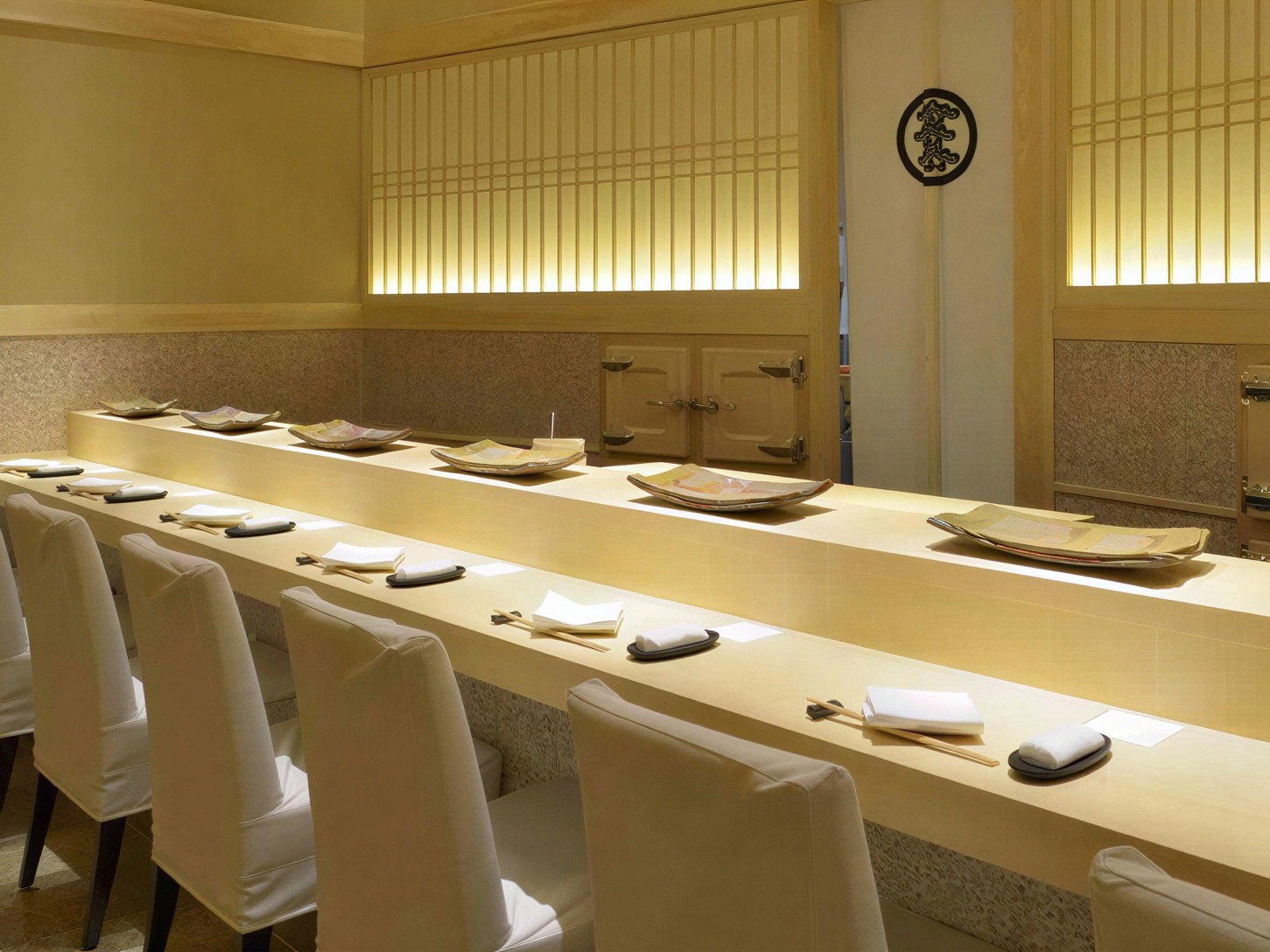

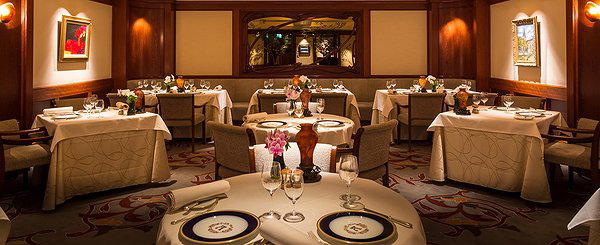
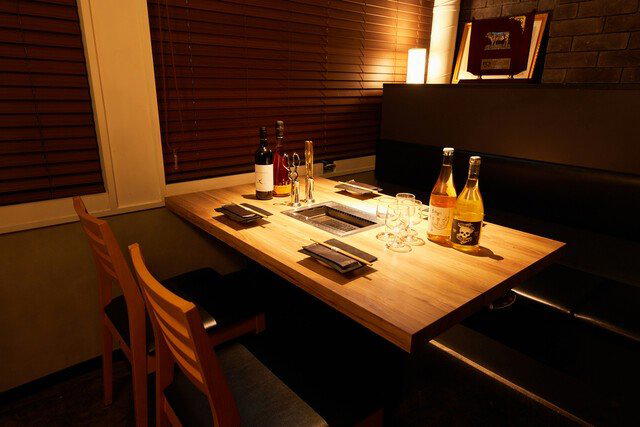
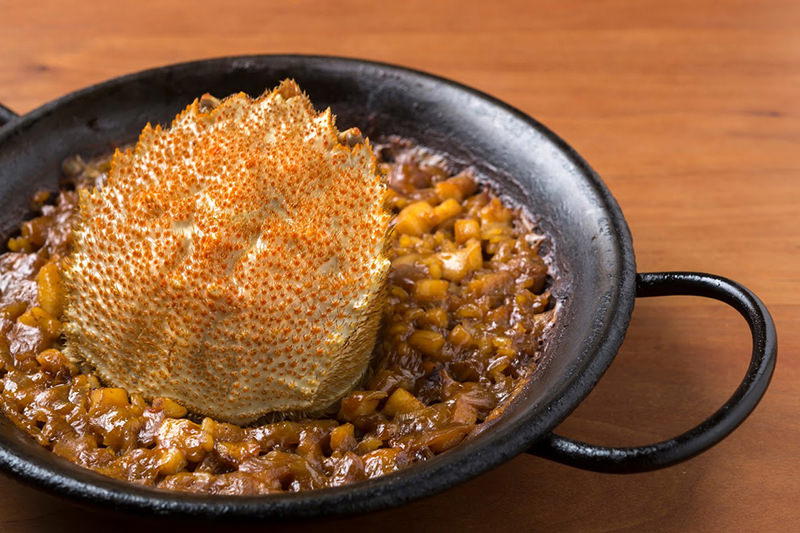
Bars in Tokyo
All bars in Tokyo →
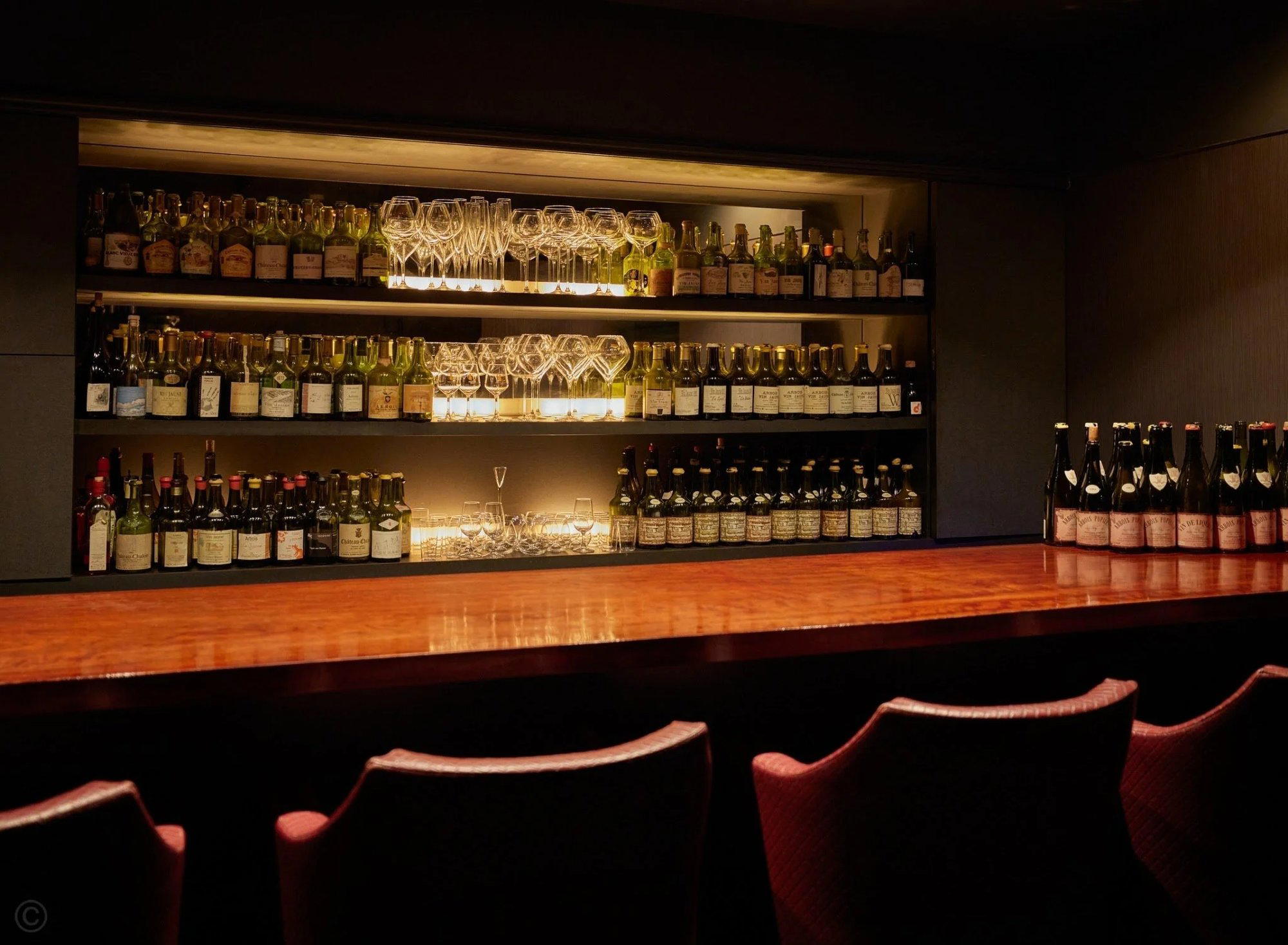
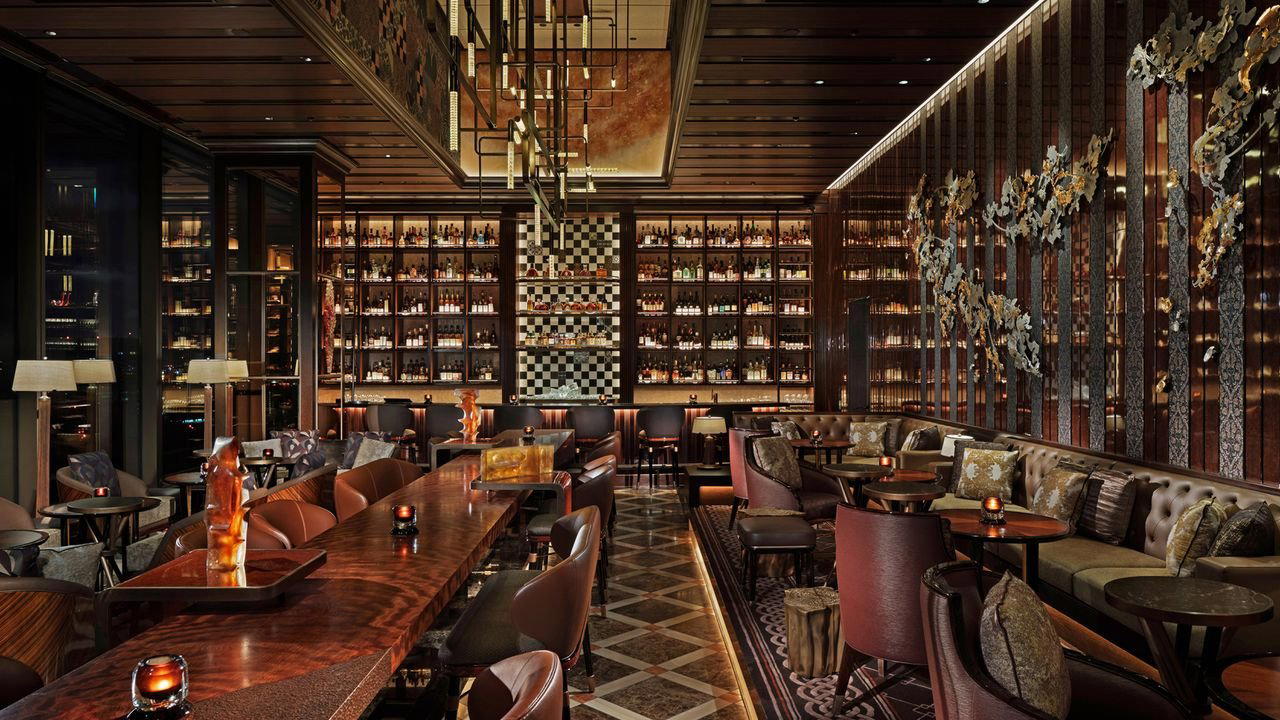
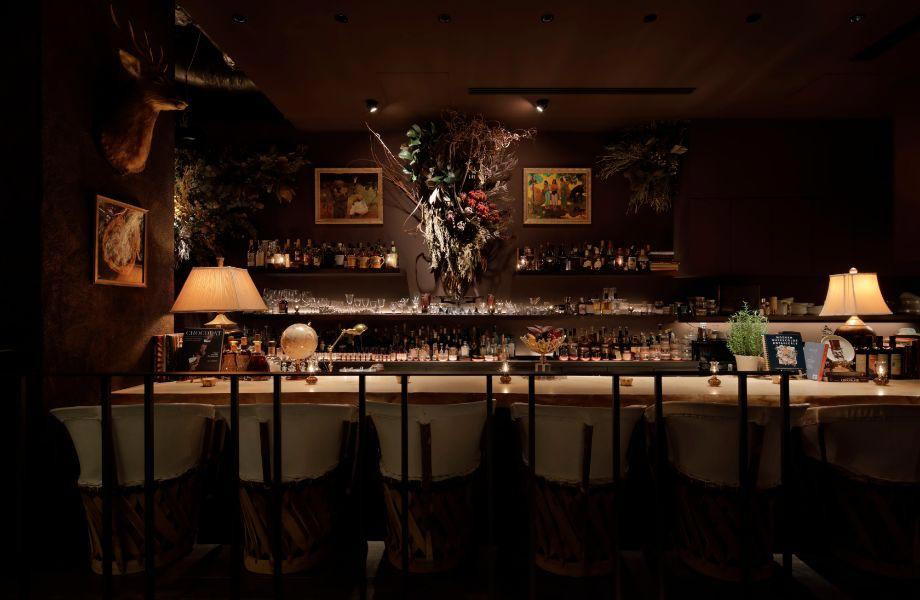




Details
- Sophisticated
- Elegant
- Modern
- Intimate
- Special Occasion
- Date Night
- Open Kitchen
- Sake Program
- Natural Wine
- Local Sourcing
- Street Scene
- Tasting Menu
- Vegetarian Friendly
- Allergy Accommodating
Current opening hours
- Monday
- 5–11 PM
- Tuesday
- Closed
- Wednesday
- 5–11 PM
- Thursday
- 5–11 PM
- Friday
- 5–11 PM
- Saturday
- 5–11 PM
- Sunday
- 5–11 PM
Hours can change for holidays and private events. Hours as of .
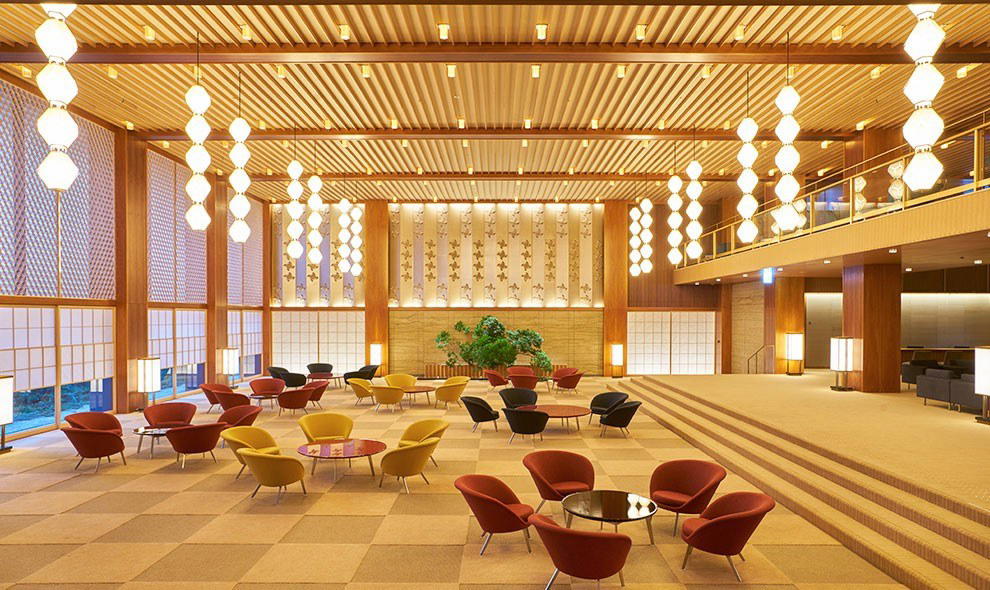
Sophisticated earth-toned dining room with floor-to-ceiling windows, offering an enchanting and immersive atmosphere.