



Occupying the top nine floors of Midtown Tower, Tokyo's tallest building at 248 metres, The Ritz-Carlton Tokyo holds a Forbes Travel Guide Five-Star rating (2025), a La Liste Top Hotels score of 93.5 points (2026), and an in-house restaurant with a Michelin star. The 248-room property sits inside the Tokyo Midtown complex in Roppongi, placing guests at the intersection of the city's diplomatic, business, and cultural quarters.
Pearl is the En Primeur Club membership app — saves, bookings, and concierge access live there. Same editors, same standards.
- Address
- Tokyo Midtown, 9丁目-7-1 赤坂 港区 東京都 107-6245
- Phone
- +81 3-3423-8000
- Website
- ritzcarlton.com
- Directions
- Get directions
 Saves & bookings on Pearl
Tokyo at Altitude: The Ritz-Carlton and the Roppongi Question
Roppongi has always been Tokyo's most contradictory district. The embassies and art institutions share postcodes with late-night clubs; the Mori Art Museum and Suntory Museum of Art sit a short walk from venues that close at dawn. When Tokyo Midtown opened in 2007, the development reshuffled that identity considerably, adding a Kengo Kuma-designed cultural anchor, flagship retail, and, at the top of the Midtown Tower, the city's first Ritz-Carlton. The tower remains Tokyo's tallest building at 248 metres, and the hotel occupies floors 45 to 53, a positioning that makes altitude a genuine part of the product rather than a marketing footnote.
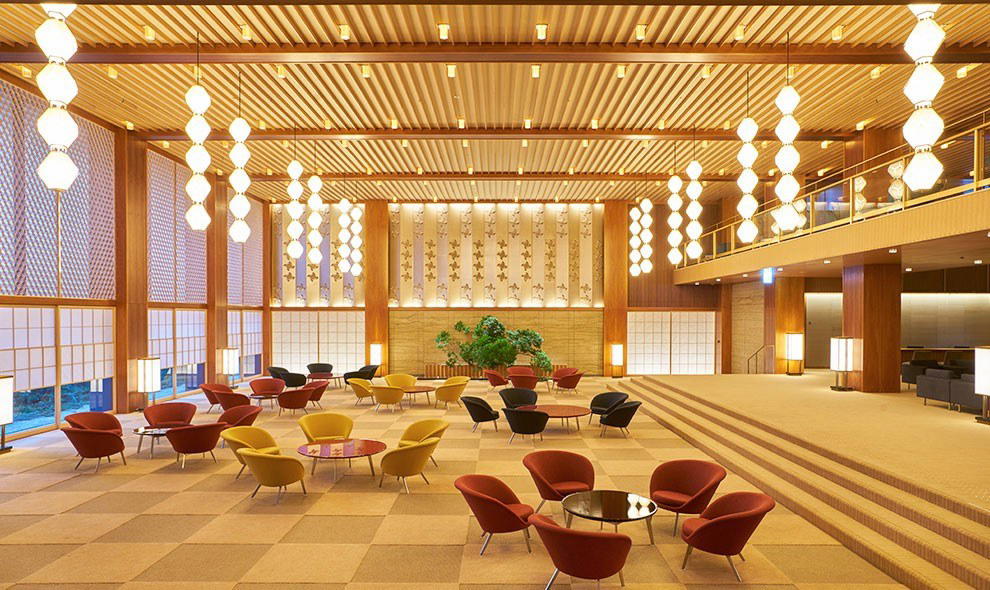
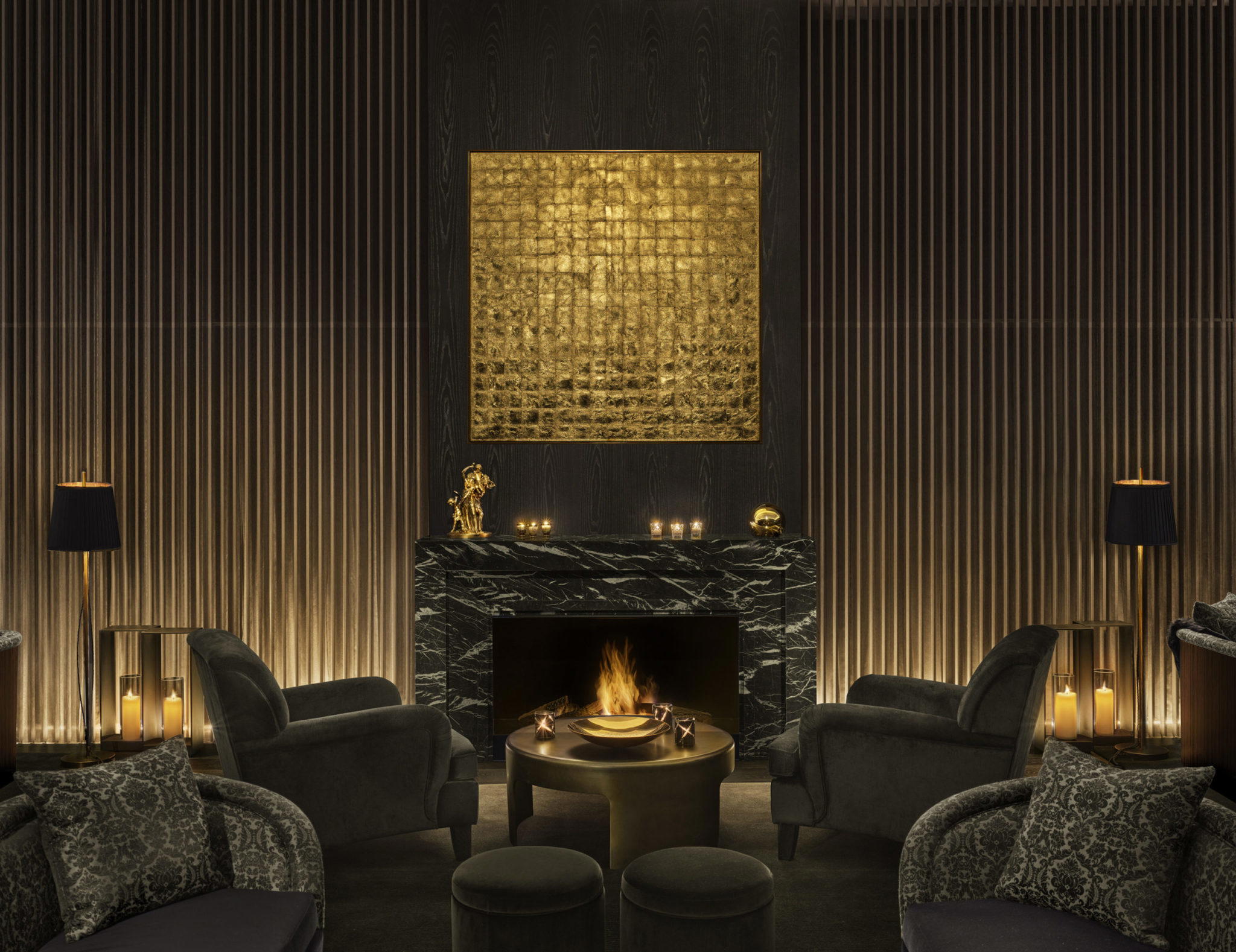
The sky lobby on the 45th floor is where the hotel's physical argument begins. At that height, the Tokyo grid extends in every direction without obstruction — on clear days, Mount Fuji appears to the west as a pale triangle above the smog line. The interiors carry a deliberately restrained version of the Ritz-Carlton language: sage, yellow, and tan tones, medium wood panelling, and a localization that stops well short of pastiche. What anchors the experience is the view, which no interior decision can compete with or undermine.
The Cultural Position of Tokyo Midtown
Understanding where The Ritz-Carlton sits physically is inseparable from understanding where it sits culturally. Tokyo Midtown is not a hotel complex with retail attached; it is one of the city's significant mixed-use civic gestures, encompassing the Suntory Museum of Art, Midtown Garden, Hinokicho Park, and anchor tenants including Fujifilm and Uniqlo. The Ritz-Carlton's 248 rooms occupy only the uppermost slice of a building that functions as a small vertical city. That context matters for a hotel in a market like Tokyo, where proximity to cultural infrastructure — and the ability to move between high design and traditional Japan within a few blocks, is part of what separates upper-tier properties from one another.
Roppongi's dual identity as both diplomatic quarter and entertainment district means the guest mix at properties here tends toward international business travellers and weekend leisure visitors at the same time, often in the same corridors. Hotels at this price point in the district, including Aman Tokyo and Four Seasons Hotel Tokyo at Otemachi, each stake out a different version of luxury positioning. The Ritz-Carlton's argument is scale combined with altitude: 248 rooms and suites, three restaurants, a 2,000-square-metre spa, and state-of-the-art event facilities that make it one of the few luxury addresses in the city equipped to handle significant corporate gatherings alongside leisure stays.
The Dining Program: Japanese Tradition and French Technique Under One Roof
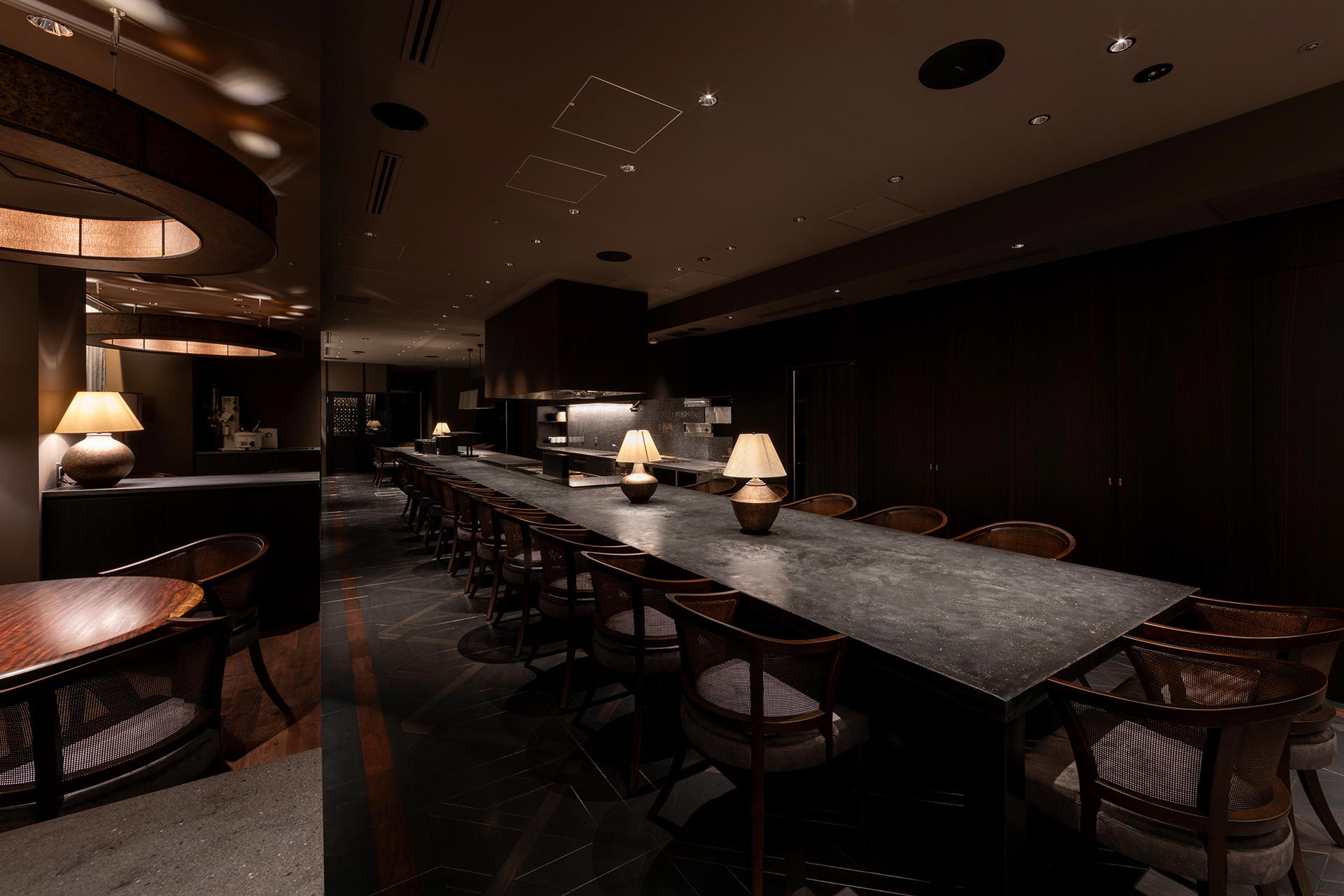
Tokyo's hotel dining scene has long operated above the threshold where a hotel restaurant is automatically considered secondary to a standalone address. The Ritz-Carlton's dining program reflects that standard. Héritage by Kei Kobayashi received one star in the Michelin Guide Tokyo 2025, placing it inside a narrow tier of hotel restaurants in the city that hold independent Michelin recognition. The French kitchen here applies Japanese inflection to classical technique, dishes like spring vegetable ravioli with hamaguri clam jus and roast pigeon de racan with braised cabbage reflect a sensibility that runs alongside, rather than away from, French tradition.
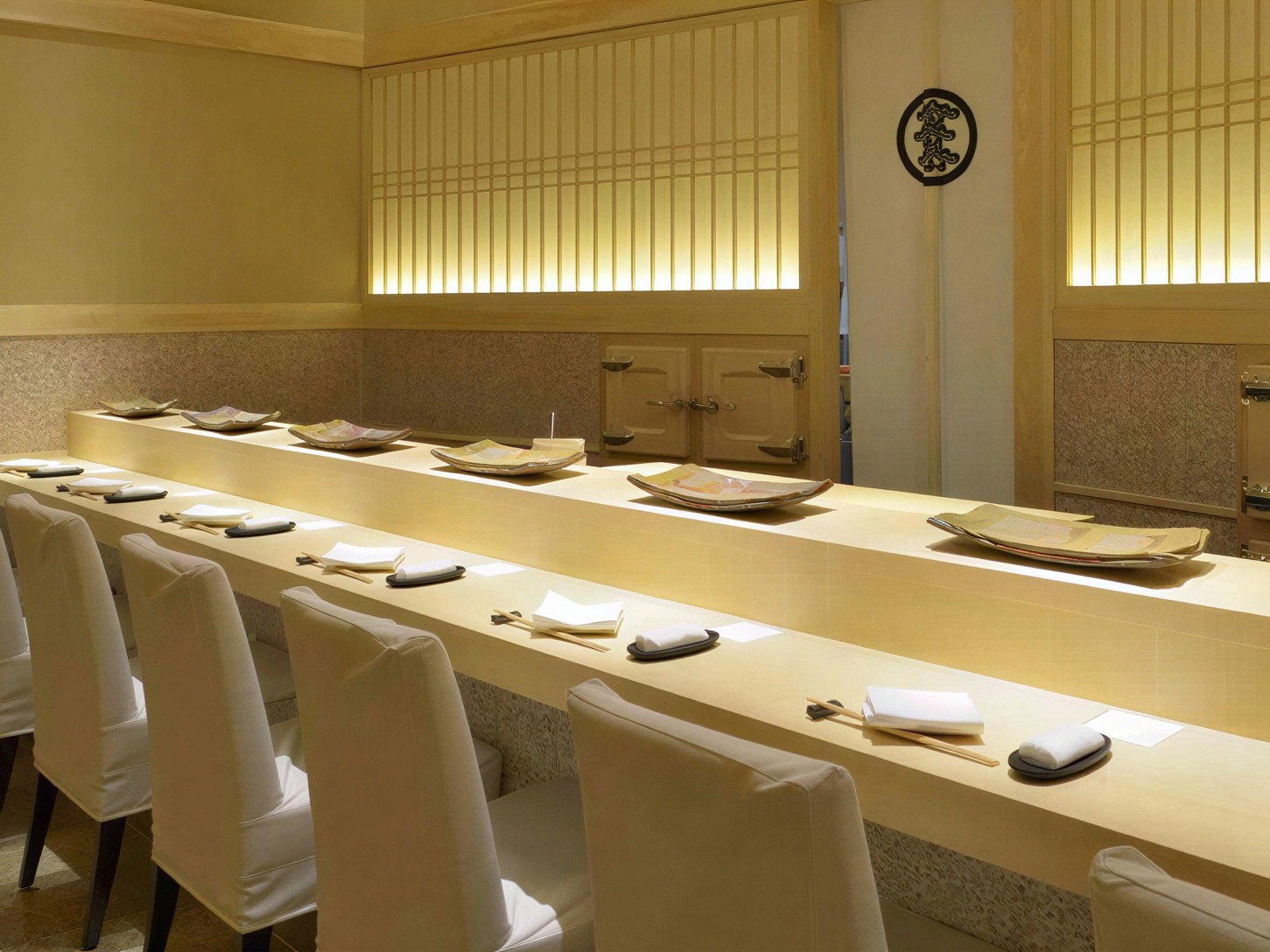
Hinokizaka operates on a different structural principle. Rather than a unified Japanese menu, it maintains separate dining areas for each discipline, sushi, teppanyaki, and others, within the same venue, a format that allows considerable specificity without requiring guests to choose a single Japanese culinary register for the evening. The property also houses a more than 100-year-old Japanese teahouse, available for private dinners, which places guests inside a material heritage that most Tokyo hotel restaurants can only reference decoratively. Azure 45 rounds out the dining offer as one of the city's French restaurant options, operating from the 45th floor where the panorama functions as a constant counterpoint to what is on the plate. See our full Tokyo restaurants guide for context on how these dining formats sit within the city's broader culinary scene.
The Rooms: Practicalities and Distinctions That Matter
The 248 guest rooms and suites carry featherbeds with Frette linens, flat-screen televisions with CD and DVD players, and bedside panels controlling drapes, lighting, and privacy signals. Bathrooms are finished in medium wood and forest green and cream marble, with double vanities, a soaking tub, and rainforest shower fixtures stocked with Asprey toiletries. A detail worth noting: a panoramic postcard propped near the windows identifies all visible landmarks across the cityscape, a practical curatorial touch that enhances rather than replaces the view itself.
Club Level rooms occupy a larger footprint and include access to a dedicated concierge and the Club Lounge on the leading floor of the hotel. For guests whose primary interest is placing Tokyo's design and craft traditions at the centre of their stay, the Modern Japanese Suite offers two rooms with tatami-mat flooring and traditional shoji doors. The rate for the property starts at approximately USD 1,280 per night. The limousine service operates with Mercedes-Benz S-Class vehicles. Among the Tokyo luxury tier, Palace Hotel Tokyo, Andaz Tokyo, JANU Tokyo, and Bellustar Tokyo each occupy different positions in the same competitive conversation, but the Ritz-Carlton's altitude and floor count give it a physical distinctiveness that most cannot replicate.
The Spa, Experiences, and Planning Your Stay
The Ritz-Carlton Spa occupies the 46th floor across 2,000 square metres. The altitude makes the spa's panoramic position a functional amenity rather than a decorative one: treatments like the Sakura massage, which draws on cherry blossom symbolism and uses rose quartz crystals and warm essential oils, are delivered against an unbroken Tokyo skyline. The spa's programming sits within a broader Japanese wellness tradition that connects temperature, seasonal change, and physical restoration in ways that the format is designed to surface.
The hotel's experience curator operates as a concierge function for off-site access. Documented examples include attendance at sumo morning practice sessions followed by chanko nabe breakfast with the wrestlers, and guided access to Toyosu, one of Japan's largest fish markets. These are the kinds of curated city connections that distinguish properties with dedicated experience programming from those relying on standard concierge referrals.
Guests considering a broader Japan itinerary from a Tokyo base will find strong options at a range of scales and settings: HOTEL THE MITSUI KYOTO and Gora Kadan in Hakone represent the ryokan-adjacent luxury end; Amanemu in Mie, Zaborin in Hokkaido, and Benesse House in Naoshima each deliver a different regional register. Asaba in Izu, Fufu Kawaguchiko, Fufu Nikko, Halekulani Okinawa, Jusandi in Ishigaki, Nishimuraya Honkan in Kinosaki-cho, Sekitei in Hatsukaichi-shi, and ENOWA Yufu extend the possibilities further. For international reference points in the Ritz-Carlton competitive set, The Fifth Avenue Hotel and Aman New York in New York City, and Aman Venice, illustrate how different cities approach the ultra-luxury urban hotel question.
The Ritz-Carlton Tokyo's address within Tokyo Midtown means Hinokicho Park is accessible on foot for the spring cherry blossom period, adding a seasonal dimension that the city's more centrally positioned luxury hotels cannot offer from the same proximity. The Forbes Travel Guide Five-Star rating (2025), the La Liste score of 93.5 points (2026), and the DestinAsian Readers' Choice recognition for 2024 place it inside a verifiable tier of Tokyo luxury accommodation, where the primary differentiator from floor-level competitors remains, as it always has, the view.
How The Ritz-Carlton, Tokyo compares with similar nearby venues.
| Venue | Awards |
|---|---|
| The Ritz-Carlton, Tokyo | Michelin 1 Key |
Recognition history
Dated appearances from independent guides and award organizations, with the underlying list record or original source where available.
Forbes 5-Star
Forbes
La Liste Top Hotels
La Liste
Virtuoso Luxury Hotel Partner
Virtuoso
Forbes 5-Star
Forbes
Michelin 1 Key
Michelin











At a Glance
- Elegant
- Sophisticated
- Ornate
- Business Trip
- Romantic Getaway
- Panoramic View
- Butler Service
- Pool
- Spa
- Fitness Center
- Room Service
- Concierge
- Valet Parking
- Skyline
- Pool
- Spa
- Fitness Center
- Room Service
- Concierge
- Valet Parking
Elegant and serene with sophisticated lighting, soundproofed rooms, and a calming respite from city vibrancy.
Know Before You Go
- Getting there
- Tokyo Midtown, 9丁目-7-1 赤坂 港区 東京都 107-6245